
Quantum and Games: The Shift Developers Can’t Afford to Ignore
Quantum computing is poised to reshape game development by tackling the most complex design problems, not by running games in real time. Developers are already leveraging quantum algorithms for procedural generation, rule‑validation across massive worlds, and hard‑to‑find bug elimination, feeding results back into conventional engines. Fault‑tolerant quantum hardware is expected within the next few years, aligning with typical AAA development cycles. This shift promises to lower testing costs and open ambitious projects to smaller studios, potentially democratizing the industry.

Quantum Computing Weekly Round-Up: Week Ending February 21, 2026
The weekly roundup spotlights rapid progress in quantum hardware, with packaging technologies scaling to industrial volumes and a metro‑scale networking demo achieving 50‑kilometer entanglement. Legal and financial frameworks are emerging to manage post‑quantum cryptography risk, while venture capital pours $250 million...

NIST’s Quantum Breakthrough: Single Photons Produced on a Chip
NIST announced a chip that reliably generates a single photon on demand using quantum‑dot technology. The device achieves near‑perfect efficiency and, when paired with superconducting nanowire single‑photon detectors, can transmit photons up to 600 miles. Mass‑production of the chip is...

Quantum Entanglement Could Link Distant Telescopes for Sharper Images
Researchers from the University of Arizona, University of Maryland and NASA have proposed a quantum‑entanglement‑based long‑baseline interferometry method that eliminates the need for fragile optical links between distant telescopes. By sharing pre‑distributed entangled qubits and using spatial‑mode sorters at each...
Federal Government Slips $12.7 Million to 8 Quantum Projects Tackling Energy, Minerals and Health
The Australian federal government allocated an additional $12.7 million to eight collaborative quantum‑technology demonstrators, expanding the $35.9 million National Quantum Strategy. Funding ranges from $1.1 million for a data‑centre cooling solution to $2.4 million for rare‑earth detection in mines. Projects span energy optimisation, medical...
Tower Semiconductor and Xanadu Industrialize Silicon Photonic Quantum Stack
Tower Semiconductor and quantum‑computing startup Xanadu have broadened their partnership to industrialize a silicon‑photonic quantum stack. Leveraging Tower’s PH18 200 mm silicon photonics platform, the joint effort will transition Xanadu’s low‑loss SiN waveguide and integrated photodiode designs from prototype to high‑volume...
Quantum eMotion to Transition Trading Operations to NYSE American Exchange
Quantum eMotion Corp. received approval to list its common shares on NYSE American under the ticker QNC, with trading slated to start around February 24, 2026. The move will see the company exit the OTCQB market while retaining listings on the TSX Venture...
AQT Integrates IBEX Q1 Trapped-Ion QPU Into Scaleway Sovereign Cloud
Alpine Quantum Technologies and Scaleway have integrated AQT’s IBEX Q1 trapped‑ion quantum processor into Scaleway’s sovereign Quantum‑as‑a‑Service platform. The QPU, featuring all‑to‑all qubit connectivity and high gate fidelity, is accessible via open‑source frameworks without reservation during set time windows. Hosted...
2 Top Quantum Computing Stocks to Buy in 2026
Quantum‑computing stocks have fallen sharply in early 2026, making IonQ and IBM attractive entry points. IonQ (IONQ) trades around $33, bolstered by a 222% YoY revenue jump and recent acquisitions including SkyWater to control chip manufacturing. IBM (IBM) trades near...
D-Wave Joins Southeastern Quantum Collaborative as an Inaugural Member
D‑Wave Quantum Inc. has joined the newly formed Southeastern Quantum Collaborative (SQC) as an inaugural member alongside the University of Alabama in Huntsville, Davidson Technologies, IBM and Alabama A&M University. The partnership aims to unite academia, industry and government to...

Triplet Superconductivity—Physicists May Have Found the Missing Link for Quantum Computers
Physicists led by Jacob Linder at Norway’s NTNU claim to have observed intrinsic triplet superconductivity in a niobium‑rhenium (NbRe) alloy. The discovery, published in Physical Review Letters, suggests NbRe can carry spin‑polarized Cooper pairs without resistance, a property absent in...
Quantum Co-Laboratory Expands Its National Partnership, Strengthening Canada’s Leadership in Quantum Science and Technology
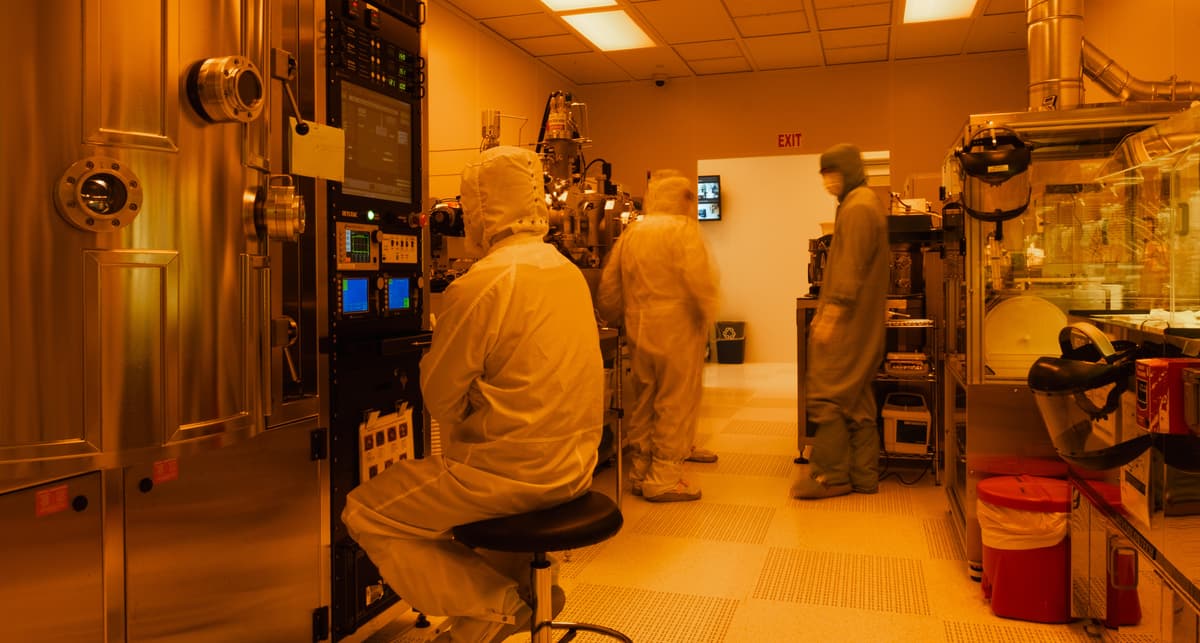
Canada’s Quantum Co‑laboratory has entered its second five‑year term, adding the University of Calgary’s Institute for Quantum Science and Technology to its existing partners—University of Waterloo, Université de Sherbrooke, and UBC’s Blusson Quantum Matter Institute. The expanded network provides researchers,...
Palm Beach County Receives $1M Federal Funding to Expand Quantum Ecosystem
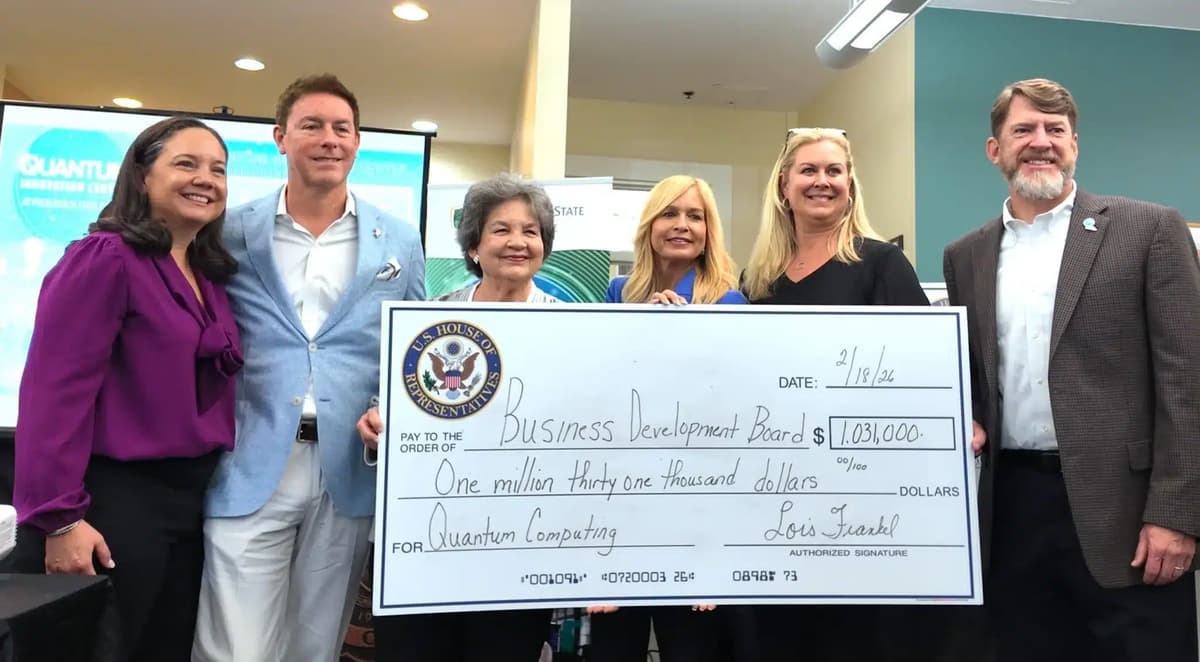
The Business Development Board of Palm Beach County secured a $1,031,000 federal grant to coordinate regional quantum technology initiatives and workforce training. Palm Beach State College also received over $2 million to launch a Quantum Innovation Center that will serve as...
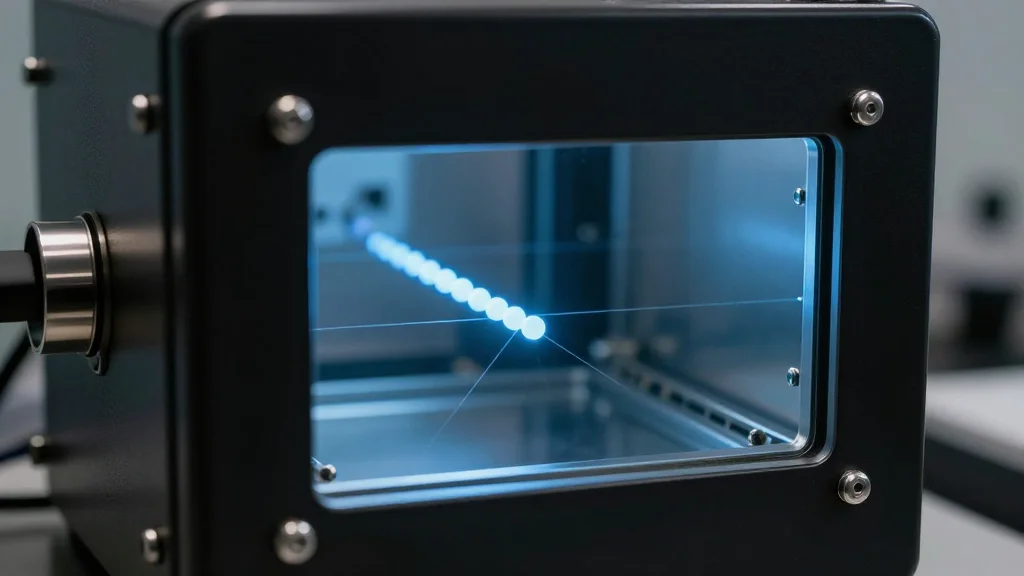
Quantum Simulator Reveals Statistical Localization that Keeps Most Qubit States Frozen
Researchers at Duke University used a neutral‑atom Rydberg quantum simulator to observe statistical localization, a phenomenon where most qubit configurations remain frozen despite quantum evolution. The effect, first theorized in 2020, was demonstrated in a one‑dimensional chain of rubidium atoms...

Simplifying Quantum Simulations—Symmetry Can Cut Computational Effort by Several Orders of Magnitude
Physicists Guido Burkard and Joris Kattemölle introduced a symmetry‑based method that slashes the computational effort of quantum simulations by over a thousandfold. By treating repeating lattice patterns as single tiles, the approach replaces thousands of point‑by‑point mappings with a few...

Microscopic Mirrors for Future Quantum Networks: A New Way to Make High-Performance Optical Resonators
Harvard SEAS researchers have introduced a micro‑fabrication technique that creates some of the smallest, smoothest mirrors ever made for photon control. By thermally oxidizing silicon, stripping the oxide, and applying a stress‑engineered dielectric stack, the film buckles into a precisely...
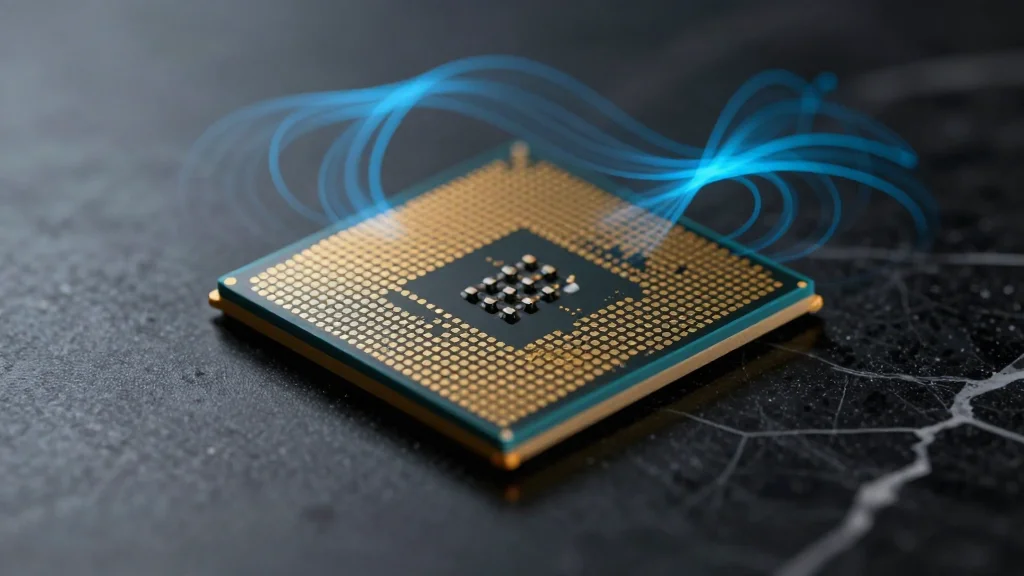
Measuring Chaos: Researchers Quantify the Quantum Butterfly Effect
Chinese researchers led by Yu‑Chen Li have, for the first time, precisely quantified the exponential growth of chaos in a quantum many‑body system during a time‑reversal protocol. Using solid‑state nuclear magnetic resonance, they measured out‑of‑time‑ordered correlators (OTOCs) and applied a...

French VC Quantonation Raises €220 Million for Flagship Quantum and Deep-Physics Fund
Quantonation Ventures closed its second flagship fund at €220 million, making it the world’s largest dedicated quantum‑investment vehicle by assets under management. The round attracted both returning backers such as Vertex Holdings and new limited partners including the European Investment Fund,...
An Italian Court Annuls a Previous €47 Million ($55.6M USD) Award to IBM for Providing a Quantum Computer at the...
In December 2024 the Campania region launched a €62.1 million tender for a quantum computer at the University of Salerno. After extending the deadline by one week, IBM submitted a late bid and was awarded the contract in September 2025 for...
NTT Data to Establish Innovation Ecosystem with Melbourne Uni
NTT Data and the University of Melbourne have signed a memorandum of understanding to create an innovation ecosystem that blends the university’s research strengths with NTT Data’s global technical expertise. The partnership will focus on three pillars: cultivating digital talent,...

Breakthrough Victoria Scores 5x Uplift on Investment in US Quantum Startup Listing on the NYSE
Breakthrough Victoria’s A$29 million stake in US‑based Infleqtion has generated a five‑fold value increase after the company listed on the NYSE via a SPAC merger. Infleqtion raised US$550 million, debuting at US$14.25 per share and closing at US$15.59, a 14% first‑day gain....

Quantum Computing Can Solve the Hardest Port Scheduling Problems
Quantum computing is emerging as a complementary tool for the most complex optimization challenges in maritime logistics. While classical platforms handle data and routine analytics, hybrid workflows off‑load dense, constraint‑heavy subproblems—such as berth allocation, crane sequencing, and drayage routing—to quantum...

Pasqal Delivers Italy’s First Neutral Atom Quantum Computer
Pasqal has delivered a 140‑qubit neutral‑atom quantum computer to Italy’s CINECA supercomputing centre, marking the nation’s first on‑site neutral‑atom system. The QPU is tightly coupled with Leonardo, one of the world’s most powerful pre‑exascale supercomputers, creating a hybrid HPC‑quantum architecture....
Kipu Quantum Launches Rimay for Industrial Quantum-Enhanced Machine Learning
Kipu Quantum announced the general availability of Rimay, a quantum‑enhanced feature extraction service that plugs into existing classical machine‑learning pipelines. The platform leverages digitized counterdiabatic driving on IBM’s 156‑qubit processors to capture higher‑order data correlations inaccessible to classical algorithms. Early...

Comcast, Classiq, and AMD Demonstrate Quantum-Optimized Internet Resilience
Comcast, Classiq, and AMD completed a technical trial that used quantum algorithms to improve global internet routing resilience. The experiment tackled the NP‑hard problem of finding vertex‑disjoint backup paths by applying the Quantum Approximate Optimization Algorithm (QAOA) in a hybrid...

New Amplifier Design Promises Less Noise, More Gain for Quantum Computers
RIKEN researchers have unveiled a new Josephson traveling‑wave parametric amplifier (JTWPA) that cuts added noise to 0.68 quanta, just 0.18 above the quantum limit, while delivering high gain. The device replaces lossy dielectric with a spiraled, fish‑bone‑like tapered waveguide, simplifying...
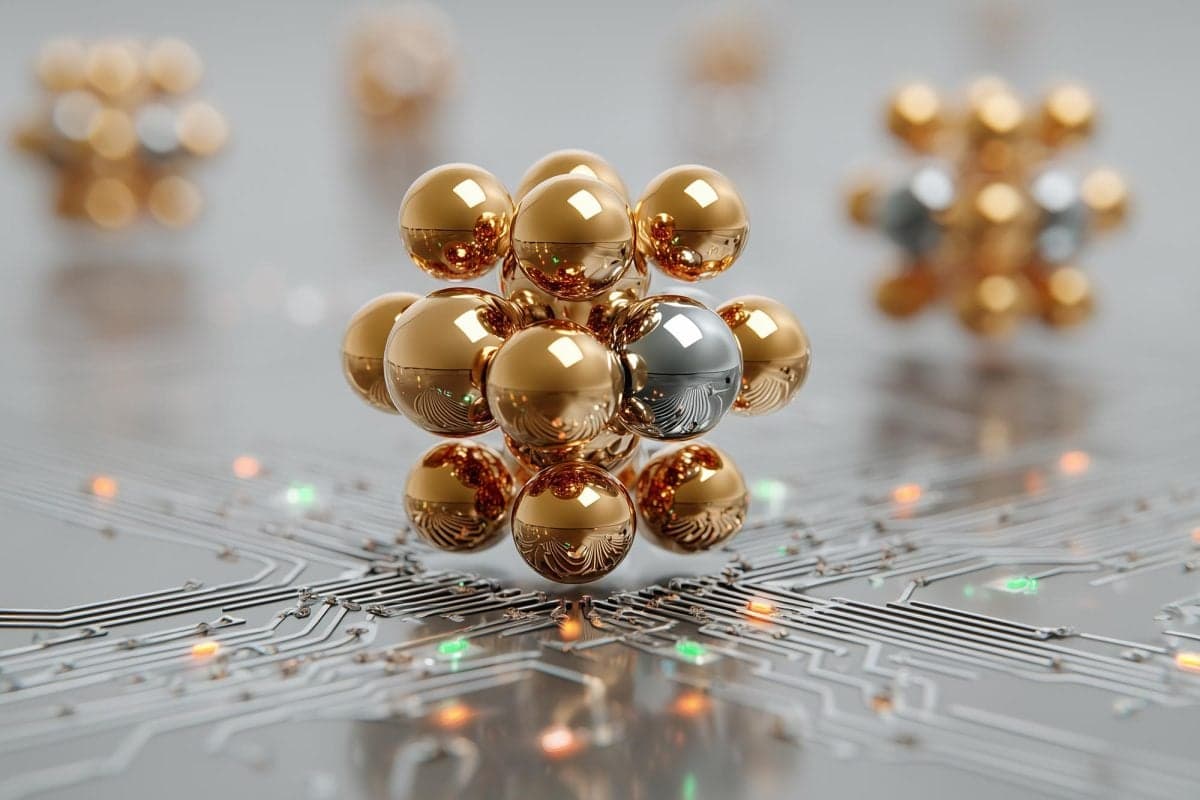
Delta Gold Technologies and Penn State Partner on Scalable Gold-Based Quantum Materials Research
Delta Gold Technologies has entered a three‑year research sponsorship and exclusive licensing deal with Penn State University to develop gold‑nanocluster quantum materials. The collaboration, also involving the University of Toronto, demonstrates tunable spin polarization ranging from 7 % to 40 % and...
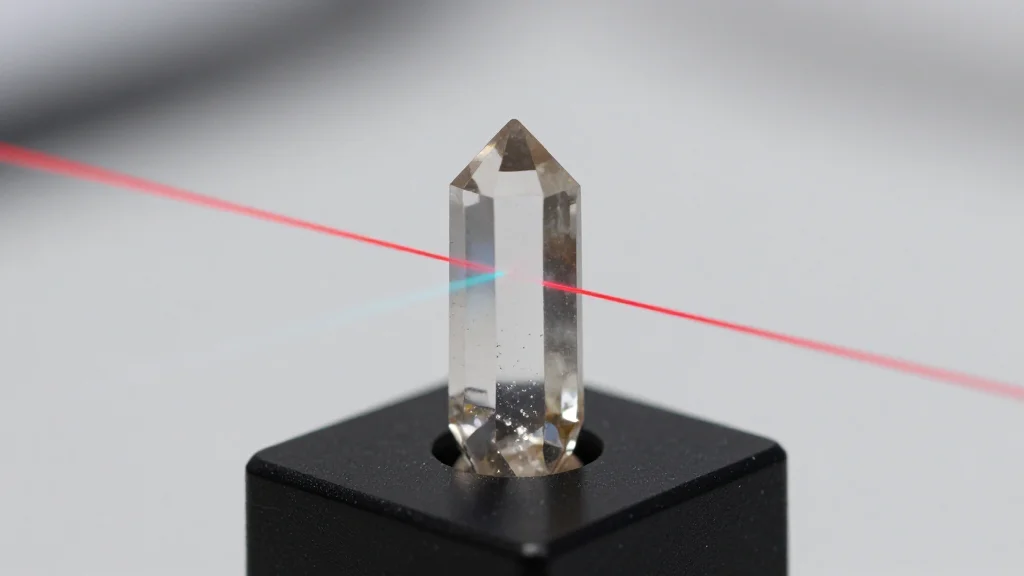
Optical Switch Protocol Verifies Entangled Quantum States in Real Time without Destroying Them
Researchers at the University of Vienna have unveiled an optical‑switch protocol that can certify entangled quantum states in real time without destroying them. Traditional quantum state tomography requires repeated destructive measurements, making verification slow and resource‑intensive. The new method routes...

C12 Demonstrates Tunable Metal–Insulator Transition in Ultra-Clean Carbon Nanotubes
C12 and collaborators published a Nature Communications study showing an electrically controlled metal‑insulator transition in ultra‑clean, suspended carbon nanotubes. Using a 15‑gate “keyboard” architecture, they tuned an energy gap from 200 µeV to 30 meV, demonstrating a synthetic charge‑density wave that mimics...

Using Light to Probe Fractional Charges in a Fractional Chern Insulator
Researchers from the University of Washington, NIMS Japan, and ETH Zurich have experimentally detected a new quasiparticle—anyon‑trions—in twisted bilayer MoTe₂, confirming fractional charge excitations in a fractional Chern insulator (FCI). By tuning electron density and employing photoluminescence spectroscopy, they observed...

Willy Woo Warns Quantum Risk Is Eroding Bitcoin’s Edge over Gold
On‑chain analyst Willy Woo warns that the growing prospect of a quantum‑computing breakthrough – dubbed “Q‑Day” – is beginning to erode Bitcoin’s valuation edge over gold. He points to roughly 4 million lost BTC, about a quarter of the supply, whose public...
Guest Post — 2026 Global Strategy Briefing on AI And Quantum For Boards
Marvin Cheung’s briefing outlines the latest AI developments, including the rise of Moltbook forums and the evolution from large language models to 3‑D world models, while linking these advances to quantum computing. He explains how quantum technologies can both support...
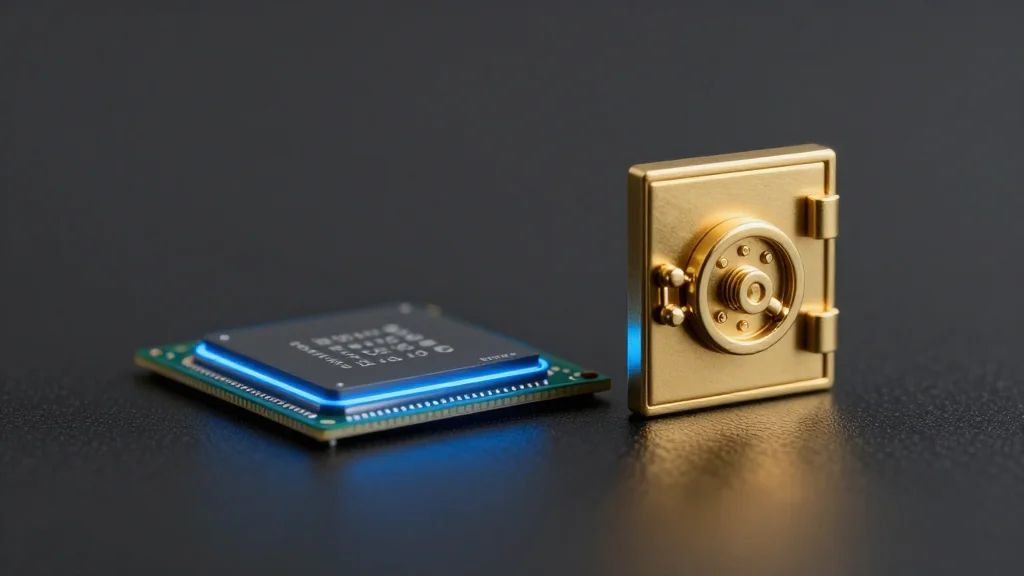
Q-Day: Bank Quantum Attack Could Cost US Economy Trillions, Warns Citi
Citi warns that quantum computers could break public‑key encryption within the next decade, estimating a 19‑34% probability of a widespread breach by 2034 and 60‑82% by 2044. A successful quantum attack on a major U.S. bank could generate $2‑3.3 trillion in...
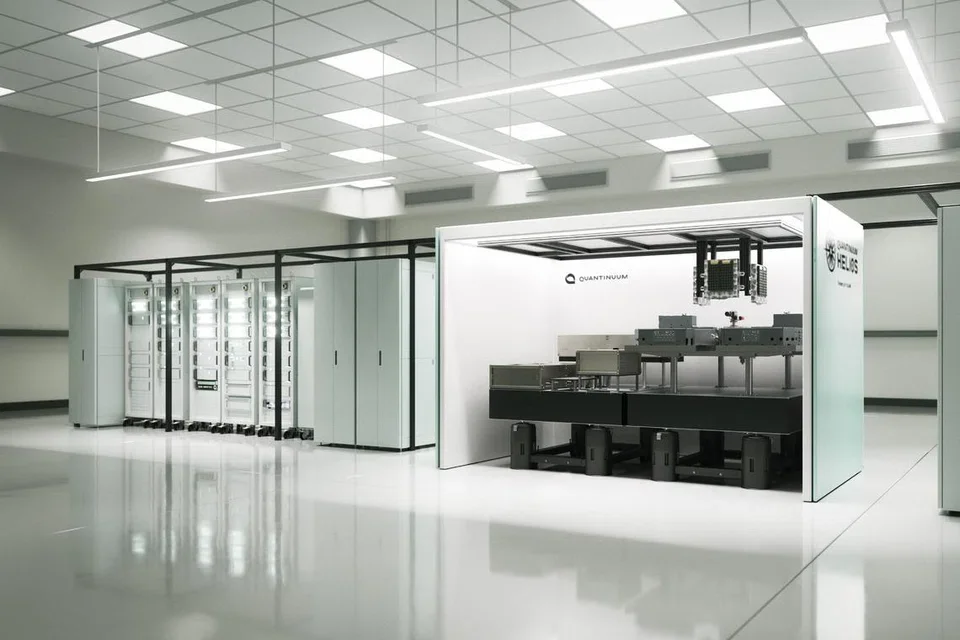
Singapore Budget 2026: S$37 Billion (US$29.3 Billion) RIE 2030 Plan Anchors Quantum as a Strategic Pillar
Singapore’s 2026 Budget unveiled a S$37 billion Research, Innovation and Enterprise (RIE) 2030 plan, a 32% increase that keeps R&D spending at roughly 1% of GDP. Prime Minister Lawrence Wong highlighted quantum technology as a strategic growth pillar, announcing the country will...

Photonic Claims “World-First” Quantum Teleportation Across Telus Fibre Network
Photonic announced it successfully teleported quantum information across 30 km of Telus’s commercial PureFibre network, marking the first time usable qubits have been transferred to a remote processing node on a live telecom backbone. The demonstration builds on earlier lab‑scale experiments...

Chief Science Advisor Urges Canada to Double Down on Quantum as Conservatives Question Advisor Role
Canada’s new Chief Science Advisor, Dr. Mona Nemer, told parliament that the country is among the world’s top five quantum research nations and called for a renewed, amplified investment in quantum technologies. She highlighted quantum’s potential to transform sectors such...

NIST Awards Over $3M to Small Businesses Advancing AI, Biotech, Semiconductors, Quantum and More
The National Institute of Standards and Technology (NIST) has awarded $3.19 million in Phase II SBIR grants to eight small businesses across seven states. The funding supports research in artificial intelligence, biotechnology, semiconductor, quantum and other advanced technologies, with each award ranging...
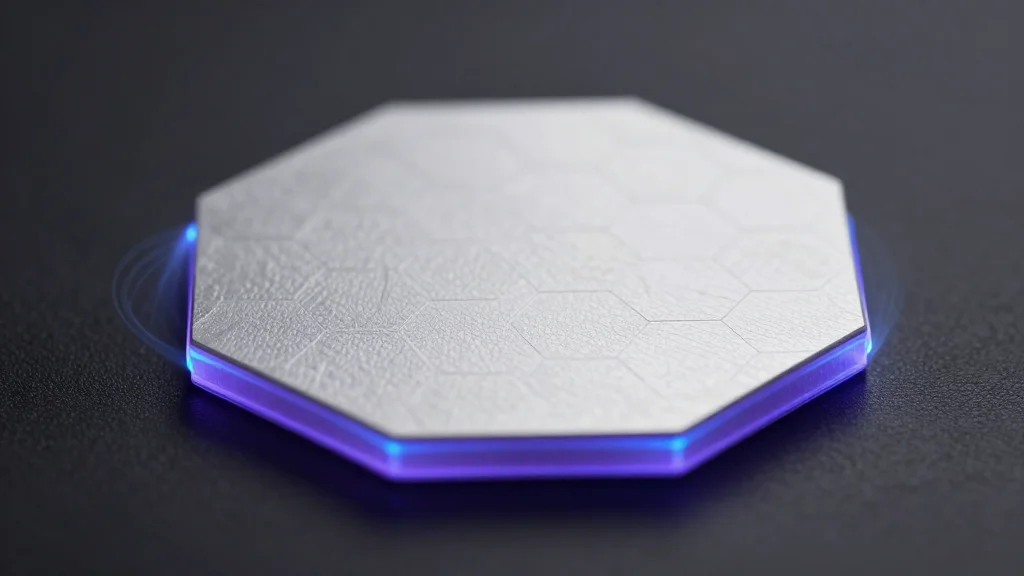
Current Flows without Heat Loss in Newly Engineered Fractional Quantum Material
Researchers at the University of Washington have demonstrated a dissipationless fractional Chern insulator, enabling current to flow along fractional edge states without heat loss. By employing horizontal flux crystal growth and refined twist-angle control, carrier mobility improved over tenfold, eliminating...

Machine Learning Reveals Hidden Landscape of Robust Information Storage
A team of physicists used neural cellular automata—a machine‑learning representation of local update rules—to uncover dozens of new two‑dimensional many‑body memory mechanisms that go beyond the classic Toom’s rule. In 1,000 training runs, 37 distinct cellular‑automaton rules emerged that preserve...

Nu Quantum Opens Trapped-Ion Networking Laboratory in Cambridge
Nu Quantum has opened a dedicated trapped‑ion networking laboratory in Cambridge, the first industrial R&D facility of its kind in Europe. The lab doubles the company’s research capacity and serves as the primary testbed for its Entanglement Fabric roadmap, moving...
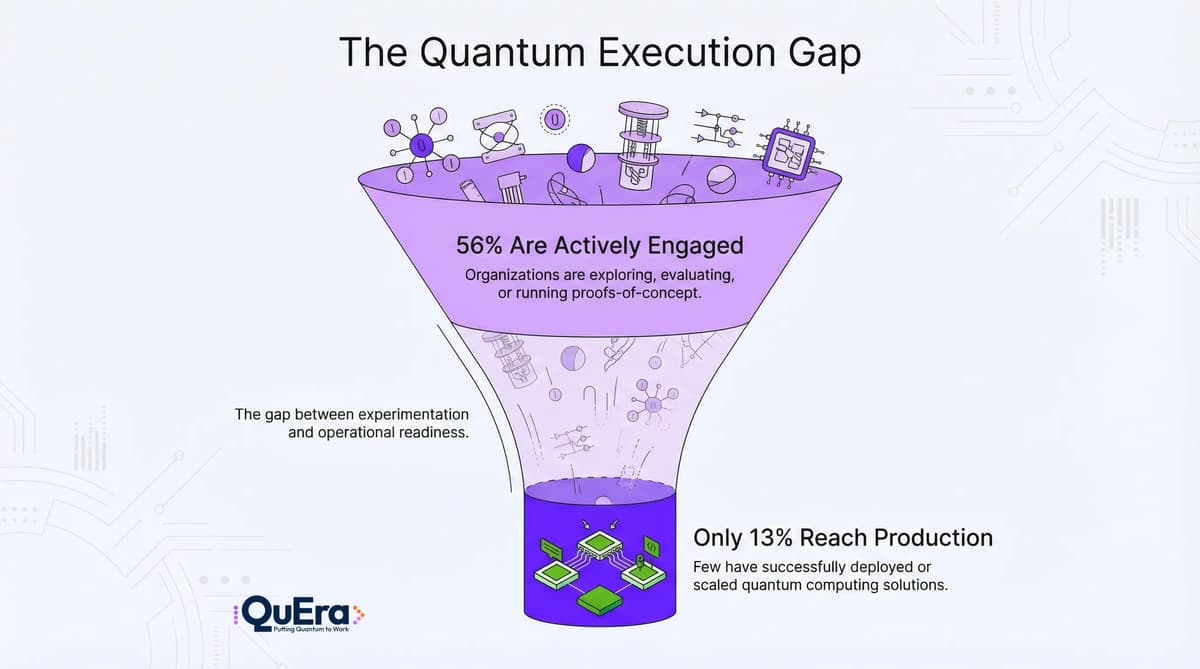
QuEra 2026 Survey: 62% of Organizations Face Classical Limits as Production Deployment Stalls
QuEra Computing released the first part of its 2026 Quantum Readiness Survey, revealing a pronounced "quantum execution gap" between experimentation and production. While 62% of surveyed firms report hitting moderate to critical classical computing limits, only 13% have moved quantum...
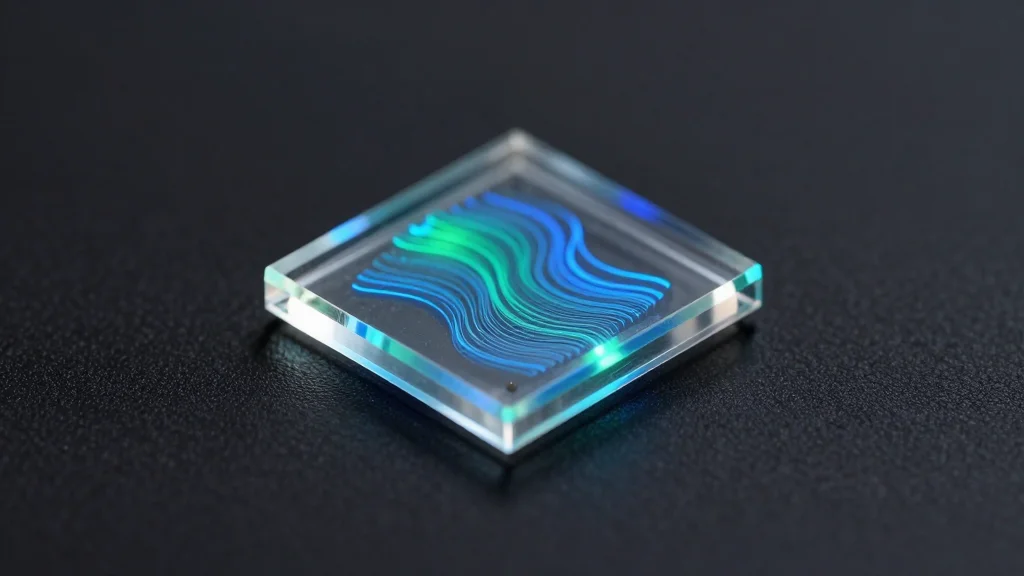
Laser‑written Glass Chip Pushes Quantum Communication Toward Practical Deployment
Researchers at the University of Padua and partners have fabricated a high‑performance quantum coherent receiver directly inside borosilicate glass using femtosecond laser writing. The glass chip delivers ultra‑low insertion loss (~1 dB), polarization‑independent operation, and a 73 dB common‑mode rejection ratio, outperforming...
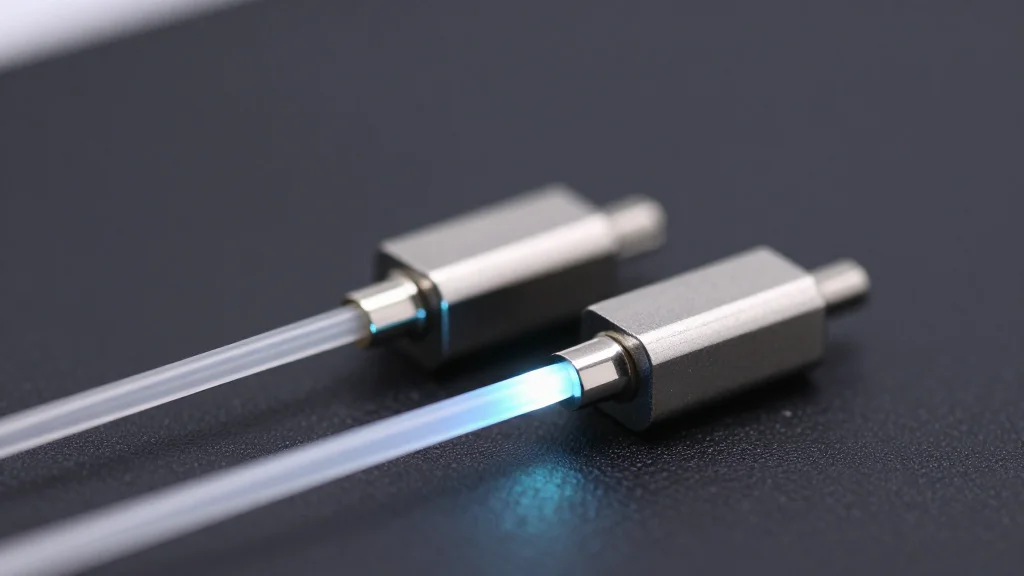
Quantum Encryption Method Demonstrated at City-Sized Distances for the First Time
Researchers in China have demonstrated device‑independent quantum key distribution (DI‑QKD) across 100 km of optical fiber, marking the first city‑scale implementation. By leveraging single‑photon interference and quantum frequency conversion, the team achieved high‑fidelity atom‑atom entanglement and maintained CHSH Bell inequality violations...