
Cambridge to House World-Leading IonQ Quantum Computer
The University of Cambridge will host the IonQ Quantum Innovation Centre, featuring a 2560‑qubit quantum computer—the most powerful in the UK. The deal, the university's largest corporate research partnership, links Cambridge’s Cavendish Laboratory with US‑based IonQ and includes three years of computing access from Innovate UK for the National Quantum Computing Centre. Both parties highlight the centre as a catalyst for breakthrough quantum technologies and a training ground for the next generation of quantum scientists. The collaboration positions Cambridge as a central hub in the UK’s quantum computing race.

New Federal Funding Set to Reinforce Canadian Quantum Tech and Innovation
The National Research Council of Canada (NRC) announced a $161 million investment over five years to boost quantum‑related defence and security research at the Institute for Quantum Computing (IQC) in Waterloo. This funding is part of a broader $900 million federal commitment...
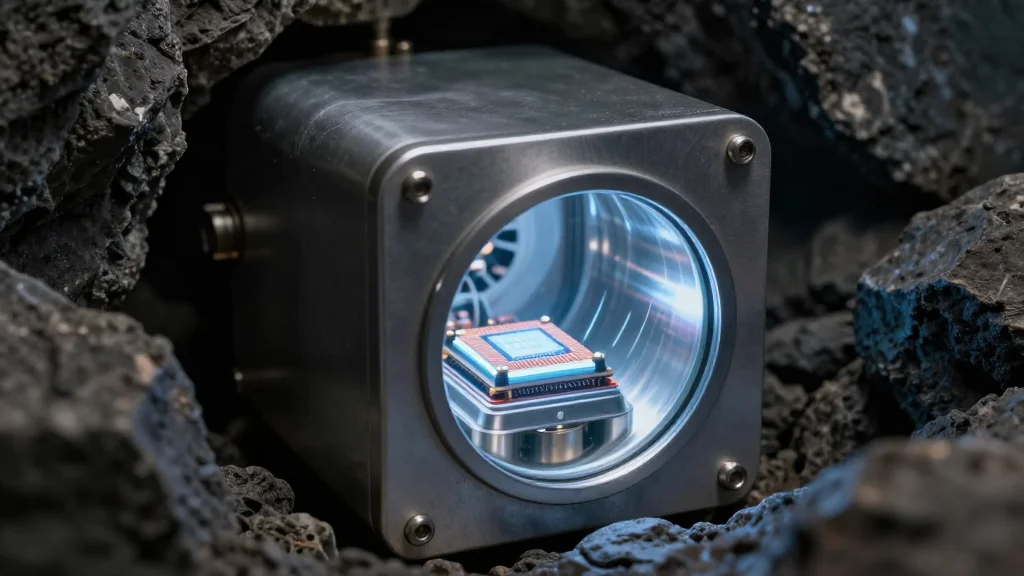
Scientists Head Underground to Measure Effects of Gamma Rays on Superconducting Qubits
Scientists placed a four‑qubit superconducting chip 350 feet underground at Fermilab’s NEXUS lab to study how gamma rays generate correlated charge noise. By toggling a lead shield around the dilution refrigerator, they isolated gamma‑induced charge bursts from cosmic‑ray background, marking the...
Eros Innovation and enQase Launch Sovereign Quantum-Safe Trust Layer
Eros Innovation and enQase have launched a strategic joint venture to build the Eros Sovereign Trust Layer, a quantum‑safe security architecture for cultural data, digital identity, and AI assets. The platform merges enQase’s full‑stack quantum‑resilient hardware and software with Eros’s...
China Open-Sources “Origin Pilot”: The First Domestically Developed Quantum OS
China’s Origin Quantum Computing Technology Co. has open‑sourced Origin Pilot, the nation’s first domestically developed quantum operating system, making it publicly downloadable. The OS runs on the third‑generation OriginQ Wukong superconducting quantum computer, which boasts 72 functional qubits and has...
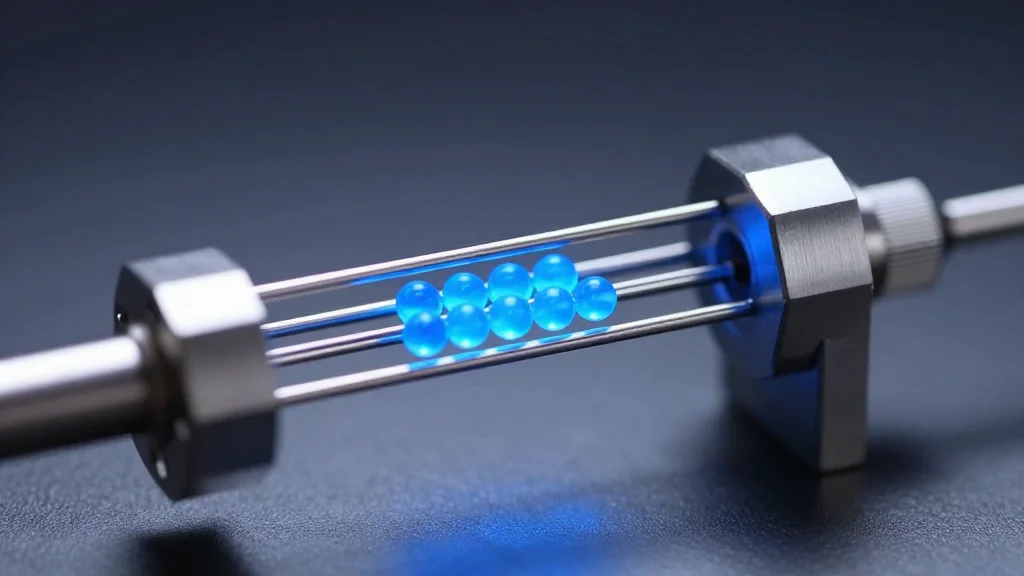
QVLS-iLabs Secures €15M ($17.4M USD) Second Phase Funding for German Quantum Transfer
QVLS‑iLabs has secured €15 million in second‑phase funding from Germany’s Federal Ministry for Research, Technology and Space Travel, covering a three‑year program to move trapped‑ion quantum computing and quantum metrology from labs to industry. The first phase delivered QUDORA Technologies’ NFQC‑based...
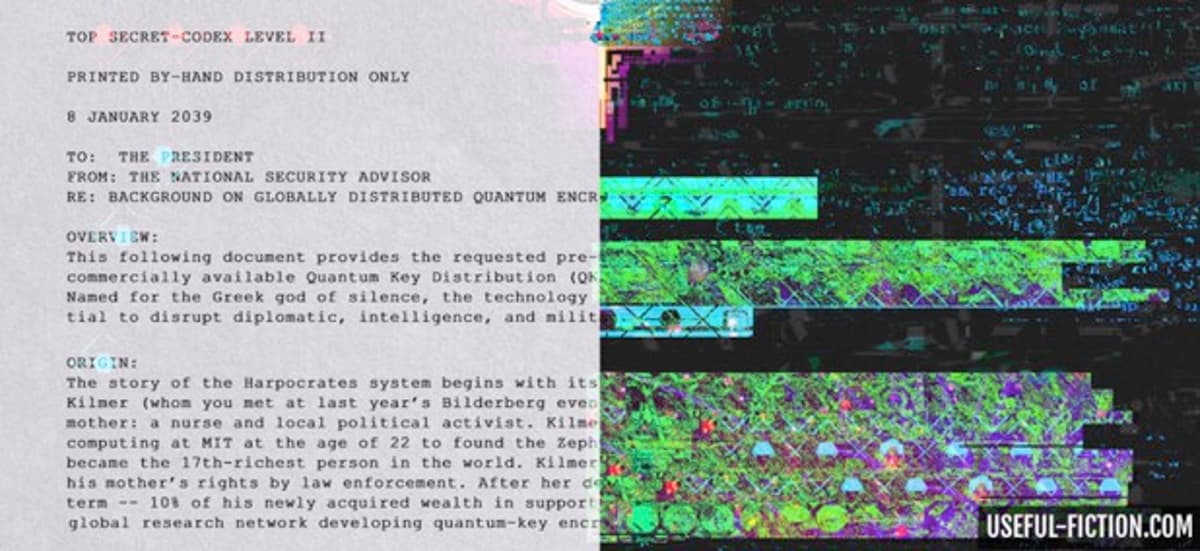
The Quantum Curtain
A billionaire philanthropist, David Kilmer, has launched Harpocrates, a globally accessible quantum key distribution (QKD) satellite network comprising 210 CubeSats and open‑source ground stations. The system promises virtually unbreakable encryption, and its technical specifications were released publicly, spurring rapid adoption...

Shor, QLDPC Codes, and the Compression of RSA-2048 Resource Estimates (Part I)
The new Pinnacle Architecture employing Quantum Low‑Density Parity‑Check (QLDPC) codes slashes the physical‑qubit requirement for Shor’s RSA‑2048 factorisation from under one million to roughly 100,000, an order‑of‑magnitude reduction. This efficiency hinges on non‑local qubit connectivity and ultra‑fast classical decoding, which...

Quantum Ambitions Go Global, and Southeast Asia Wants In
Quantum computing has become a strategic priority worldwide, with the Tracxn Quantum Computing Report 2026 highlighting multi‑billion‑dollar government programmes across the US, China, Europe and Asia. In Southeast Asia, Singapore is positioning itself as a regional hub, while Malaysia, Thailand,...

Kvantify and Danish Universities Launch DKK 17.4M ($2.7M USD) Quantum Software Project
Denmark’s Innovation Fund has granted DKK 17.4 million to the Optimal Design Automation towards a Performant Quantum Software Stack (ODAQS) project, uniting Kvantify with Aarhus and Aalborg universities. Running from 2026 to 2029, the consortium will build a hardware‑agnostic quantum software stack...
Researchers Create a Never-Before-Seen Molecule and Prove Its Exotic Nature with Quantum Computing
An international team led by IBM and top universities synthesized the first half‑Möbius molecule, C₁₃Cl₂, whose electrons follow a corkscrew‑like path. The exotic electronic topology was confirmed experimentally with scanning tunneling microscopy and validated using a high‑fidelity IBM quantum computer...

CyberPeace Foundation and Synergy Quantum Launch the Global Quantum Threat Alliance
CyberPeace Foundation and Synergy Quantum announced the Global Quantum Threat Alliance (GQTA) at the CyberPeace Summit 2.0 in New Delhi on February 10, 2026. The alliance brings together governments, industry players, and academic researchers to confront the emerging risk that...
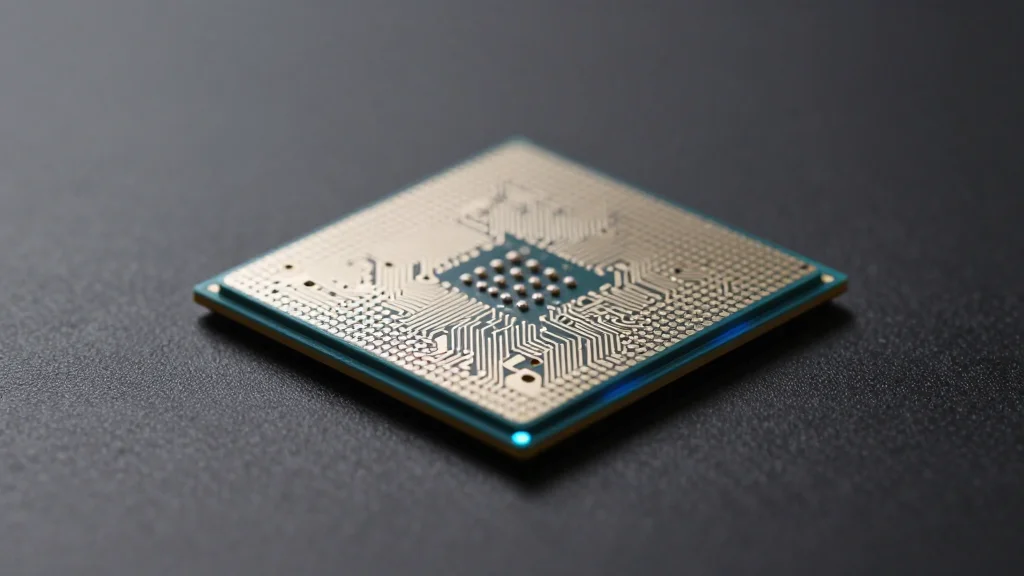
What's Going on Inside Quantum Computers? New Method Simplifies Process Tomography
Researchers from Tohoku University, NAIST and Vietnam National University have introduced compilation‑based quantum process tomography (CQPT), a new framework that streamlines the characterization of quantum operations. CQPT trains a reversible compiler to force the output state back to the known...
Tech Life
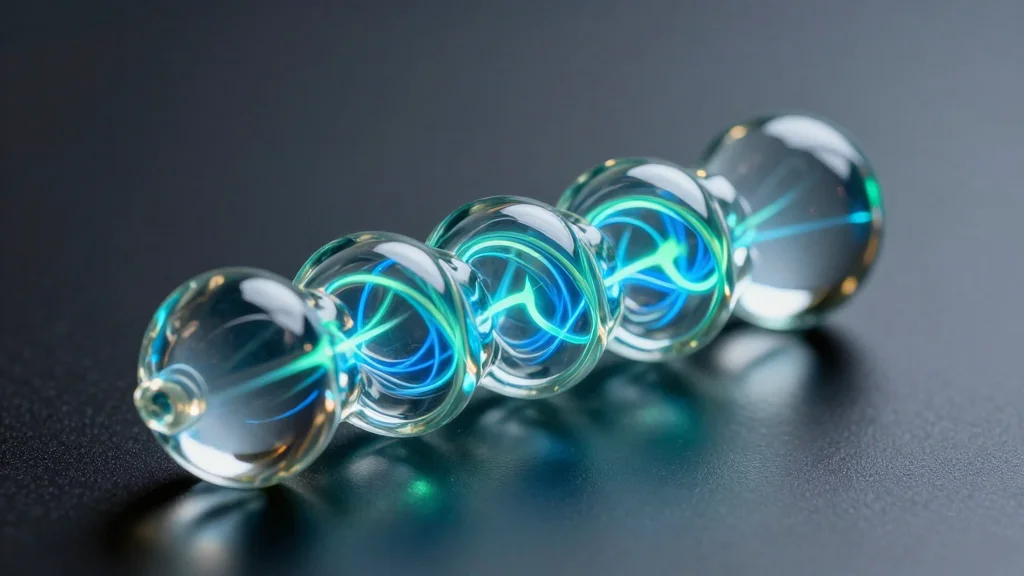
Quantum computing is poised to transform discovery, yet ethical frameworks lag behind. The article highlights the urgency for guidelines to govern quantum machine usage. It also introduces glass‑based data storage capable of preserving information for thousands of years, and explores...
Does IonQ's Standout Earnings Give It an Advantage Over D-Wave?
IonQ reported a standout earnings quarter, posting $62 million in revenue—55% above its guidance midpoint and a 429% year‑over‑year increase—while raising its full‑year 2026 revenue outlook to $225‑$245 million. The company also ended 2025 with $3.3 billion in cash, dwarfing D‑Wave’s roughly $900 million,...
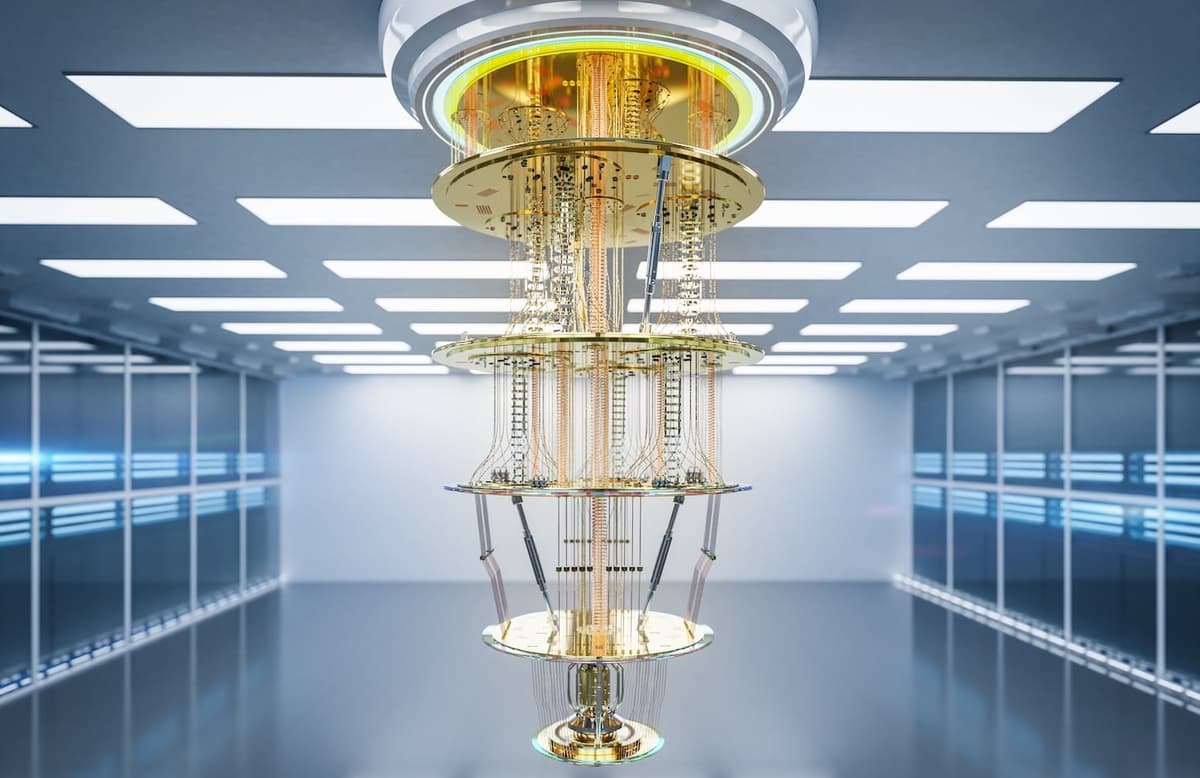
UK Quantum Group Tapped to Join DARPA Project
British quantum algorithms firm Phasecraft has secured a contract with the US Defense Advanced Research Projects Agency (DARPA) to contribute to its Quantum Benchmarking Initiative (QBI). Working alongside the University of Maryland’s Applied Research Laboratory for Intelligence and Security (ARLIS),...
Quantum-Si Inc (QSI) Q4 2025 Earnings Call Transcript
Quantum‑Si reported Q4 2025 revenue of $0.5 million and full‑year revenue of $2.4 million, while cutting GAAP operating expenses to $21.2 million and adjusted expenses to $18.3 million. The company ended 2025 with $215.8 million in cash, supporting operations through 2028. Management announced a $425,000...

With Quantum Transformation Looming, No Time to Waste in Maturing Cryptography Management
Quantum computers can break RSA and ECC encryption in seconds, prompting urgent action for healthcare data security. At HIMSS26, DigiCert’s Mike Nelson and other experts will outline practical steps for post‑quantum cryptography (PQC) migration, emphasizing crypto agility and automated management....
_jvphoto_Alamy.jpg?width=1280&auto=webp&quality=80&disable=upscale)
Quantum-Resistant Data Diode Secures Sensitive Data on Edge Devices, Critical Systems
Forward Edge‑AI unveiled Isidore Quantum, a palm‑sized data diode that enforces one‑way data flow while encrypting traffic with post‑quantum algorithms such as ML‑KEM and ML‑DSA. The device, co‑developed with the U.S. government and Microsoft, delivers sub‑0.5 ms latency and up to...
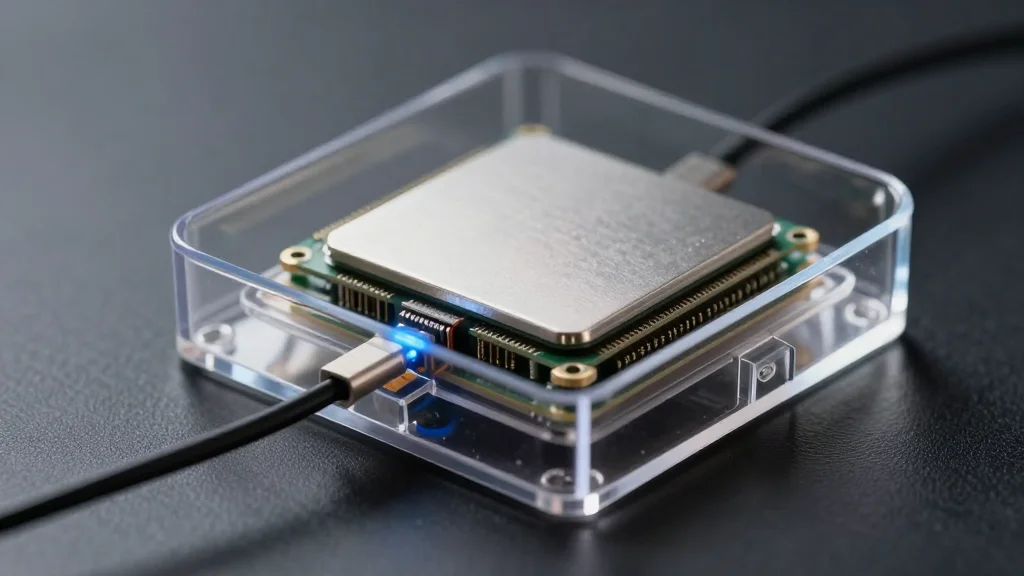
Telefonica Unveils ‘Quantum Telco’ at MWC 2026 to Drive Real-World Quantum Security and Innovation
Telefonica unveiled its Quantum Telco portfolio at Mobile World Congress 2026, positioning itself as the first telco to launch commercial quantum‑safe communication services. The offering spans post‑quantum cryptography for data‑center interconnects, office communications, and quantum key distribution, built with partners...

Quantum Computing Inc (QUBT) Q4 2025 Earnings Call Transcript
Quantum Computing Inc. posted Q4 2025 revenue of $190,000, up from $62,000, while narrowing its net loss to $1.6 million versus a $51.2 million loss a year earlier. The company raised $1.55 billion in 2025, ending the year with $1.52 billion in cash and...

Quantum Computing Weekly Round-Up: Week Ending February 28, 2026
Quantum activity surged across markets, security, networking, and infrastructure this week. Cloudflare, Keeper and Arqit announced integration of post‑quantum cryptography into their production stacks, while IonQ landed defense procurement contracts and joined European quantum‑key‑distribution initiatives. Laboratory upgrades and new tooling...
Classiq and SKKU’s QCenter Launch Quantum Software Education Initiative in Korea
Classiq and Sungkyunkwan University’s Quantum Information Research Support Center (QCenter) signed an MOU to launch a quantum software education program in South Korea. The partnership hosted Korea’s first public training on Classiq’s Qmod platform, drawing 50 participants from industry, academia,...

Dynamical Freezing Can Protect Quantum Information for Near-Cosmic Timescales
Cornell physicists have quantified how long dynamical freezing can protect quantum information, showing it can persist for timescales approaching the age of the universe. Using a new Floquet flow‑renormalization framework, they demonstrated that a precisely tuned periodic drive cancels chaotic...

Quantum Team Reads Information From Robust Majorana Qubits Using Quantum Capacitance
Researchers demonstrated a quantum‑capacitance technique that reads the parity of Majorana‑based qubits in a minimal Kitaev chain, achieving single‑shot, real‑time detection. The modular device—two semiconductor quantum dots linked by a superconducting segment—revealed parity coherence times exceeding one millisecond. This global...
QED-C and NIST Finalize Research to Compact and Optimize Quantum Control Electronics
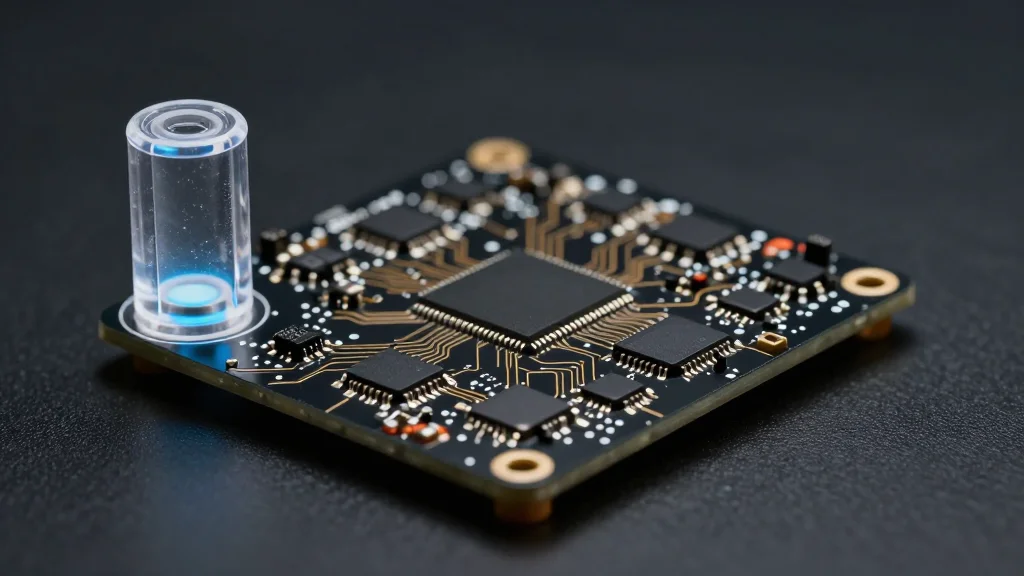
The Quantum Economic Development Consortium (QED‑C) and NIST have completed a $1.4 million government‑matched research program to shrink and improve the efficiency of quantum control and readout electronics. Partner firms Amphenol RF, Maybell Quantum Industries, Rigetti Computing and XMA delivered hardware that reduces the physical...

QUDORA and ParityQC Partner to Optimize Trapped-Ion Quantum Algorithms
QUDORA and ParityQC have formed a strategic partnership to boost the performance of trapped‑ion quantum computers. The collaboration combines QUDORA’s Near‑Field Quantum Control hardware with ParityQC’s Parity Twine software, a topology‑aware method that reshapes algorithms for ion‑trap constraints. By cutting gate...
Xanadu and Lockheed Martin Launch Joint Research Initiative for Quantum Machine Learning
Xanadu and Lockheed Martin have announced a joint research initiative to advance quantum machine learning, concentrating on generative modeling with photonic hardware. The collaboration will explore Fourier‑based operations that are infeasible for classical computers, aiming to create quantum primitives that excel...
IonQ Deploys Romania’s National Quantum Communication Infrastructure (RoNaQCI)
IonQ has rolled out Romania’s National Quantum Communication Infrastructure (RoNaQCI), creating a 1,500‑kilometer quantum‑key‑distribution (QKD) network that links six major cities. The system comprises 36 quantum‑secured links, accounting for more than 20% of Europe’s terrestrial quantum communications capacity. Leveraging wavelength‑division...

Harvest Now, Decrypt Later: Preparing for the Quantum Hangover
Quantum‑era risk is no longer a distant theory; adversaries are already harvesting encrypted data to decrypt later when quantum computers mature. This "harvest‑now, decrypt‑later" model threatens long‑life information across government, finance, healthcare and private‑sector IP. CEOs must shift focus from...
Quobly and Entropica Labs Form Strategic Alliance to Advance Silicon-Based Fault Tolerance
Quobly, a French silicon‑based quantum computing pioneer, has signed a Memorandum of Understanding with Singapore’s Entropica Labs to co‑design fault‑tolerant quantum systems. The alliance integrates Entropica’s compiler and optimization stack directly with Quobly’s silicon spin‑qubit architecture, targeting early‑stage hardware‑software co‑design....
Keeper Security Integrates Kyber to Provide Quantum-Resistant Identity Protection
Keeper Security announced integration of the Kyber key encapsulation mechanism across its platform to deliver quantum‑resistant identity protection. The hybrid approach layers lattice‑based Kyber on existing elliptic‑curve primitives, securing backend APIs, Keeper Commander, and upcoming mobile apps. This rollout aligns...

D-Wave Quantum Inc (QBTS) Q4 2025 Earnings Call Transcript
D‑Wave Quantum reported fiscal 2025 revenue of $24.6 million, up 179% year‑over‑year, driven by $16.2 million in system sales and $5.5 million in QCaaS subscriptions. Bookings jumped 471% in Q4 to $13.4 million after a €10 million multiyear contract, while the sales pipeline expanded nearly...
A Robust New Telecom Qubit Identified in Silicon
Researchers at UC Santa Barbara have identified a new silicon defect, the carbon‑nitrogen (CN) center, as a robust telecom‑band qubit. Unlike the previously studied T center, the CN center contains no hydrogen, making it structurally stable and easier to fabricate....
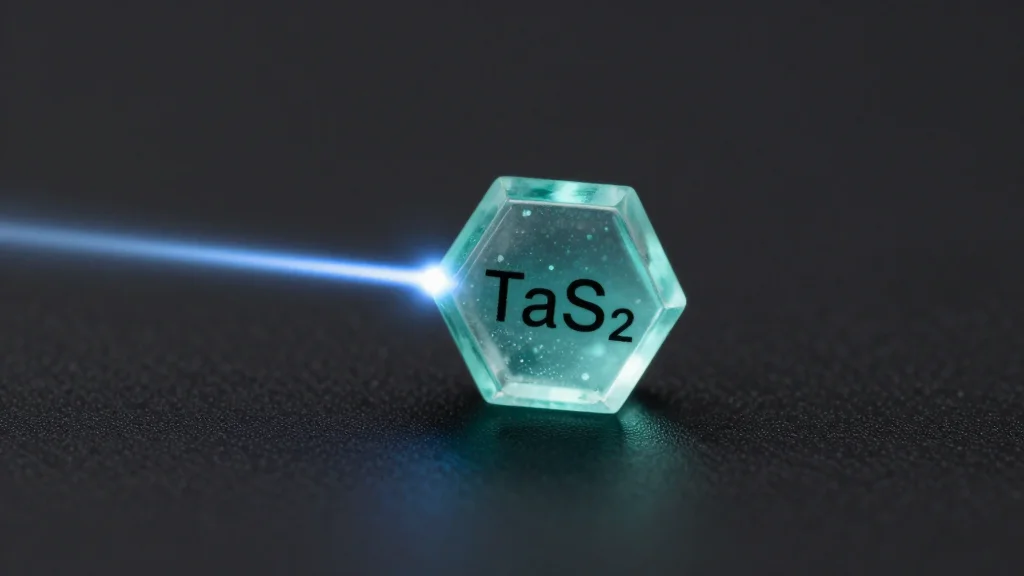
Ion Bombardment Triggers a Reliable Quantum Switch in Tantalum Disulfide Crystals
A collaborative team from TU Wien and Kiel University demonstrated that a single highly charged ion impact reliably flips the electronic chirality of 1T‑TaS₂ crystals, acting as a deterministic quantum switch. The ion‑induced disturbance drives the material out of equilibrium,...
Space ISAC Launches New Quantum Initiative
Space ISAC has announced a new quantum initiative, launching its first Quantum Community of Interest (COI) meeting on Feb. 25, co‑hosted with MITRE. The COI will explore how quantum technologies can strengthen security and resilience across space systems, which underpin critical...
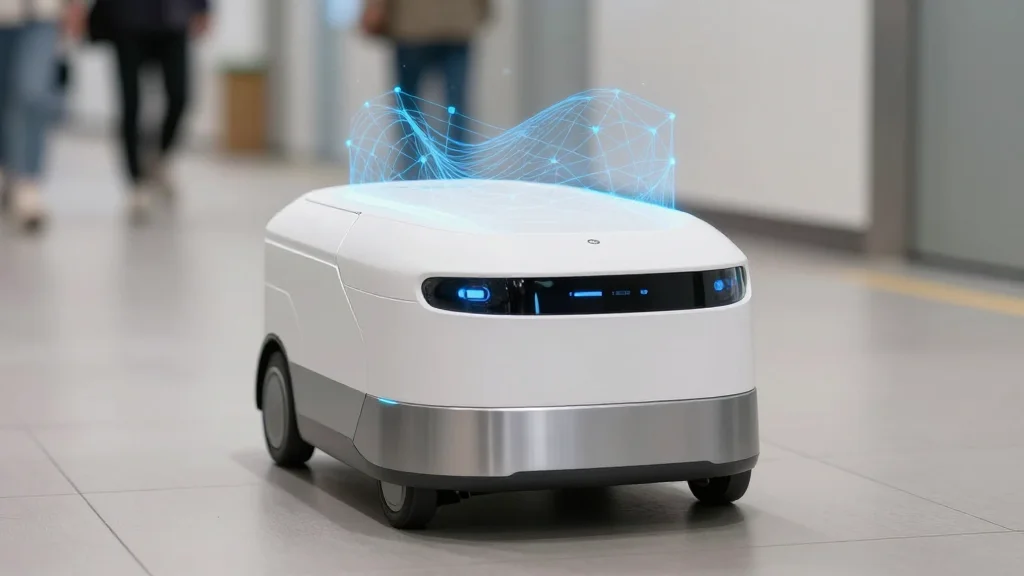
Autonomous Robot Runs Quantum-Inspired Optimization in Real Time
Japanese tech giant Toshiba and MIRISE Technologies have embedded their Simulated Bifurcation Machine, a quantum‑inspired optimization engine, into an autonomous mobile robot. The on‑board FPGA runs a new multi‑object tracking algorithm at 23 frames per second, delivering up to 23%...

A Protocol to Realize Near-Perfect Atom-Photon Entanglement
Researchers at Academia Sinica and Harvard have refined the state‑carving (SC) protocol, enabling near‑perfect atom‑photon entanglement by letting a single photon interact twice with atoms inside an optical cavity. The revised method eliminates the 50 % success ceiling of the original...

IonQ Hires Trio of Dell Vets to Lead Federal Push
IonQ has bolstered its federal division by appointing three former Dell executives to senior roles, while former NGA director Robert Cardillo serves as executive chairman. Steve Harris will lead the go‑to‑market organization, Cameron Chehreh will head field engineering, and Mike...
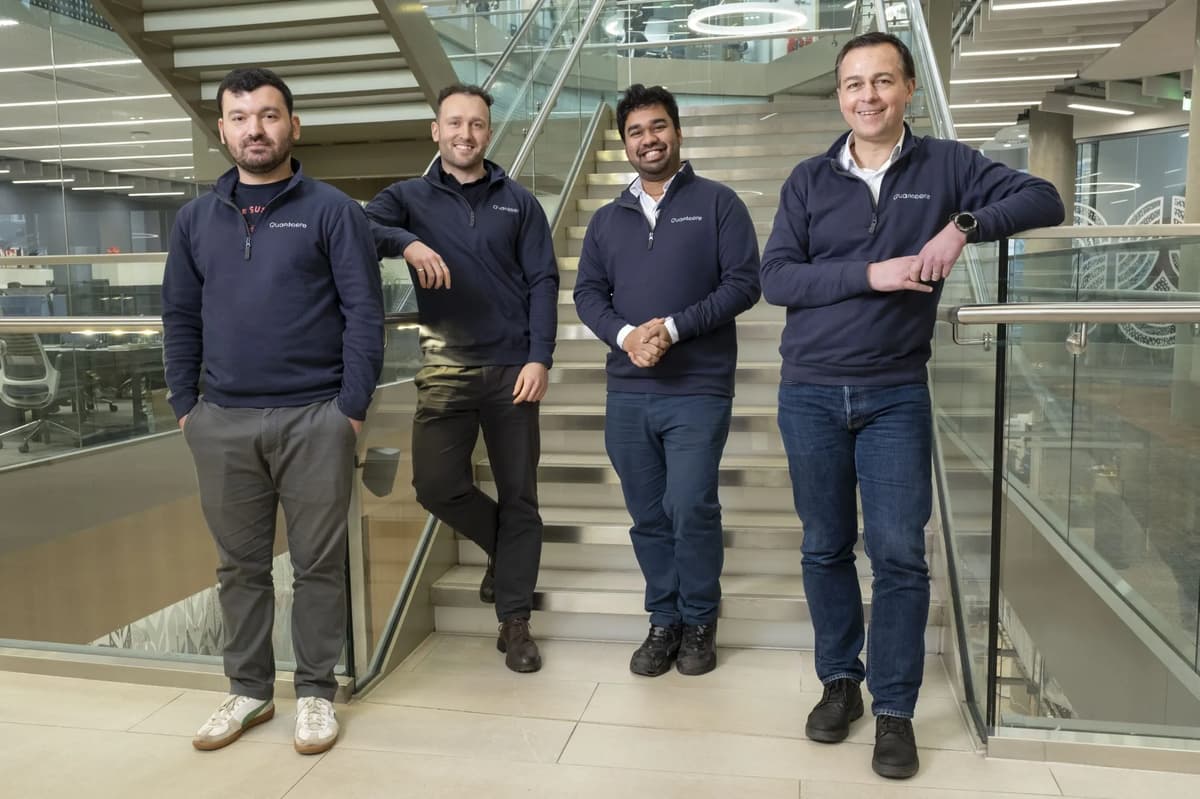
Quantcore Secures £2.5M ($3.4M USD) to Establish Sovereign Niobium-Based Quantum Hardware Manufacturing
Quantcore, a University of Glasgow spin‑out, closed a £2.5 million seed round led by PXN Ventures, Blackfinch Ventures and Scottish Enterprise. The funding will be used to build a sovereign niobium‑based quantum hardware manufacturing line at the James Watt Nanofabrication Centre,...

BluGlass Secures A$190,000 Order From TOPTICA for Custom GaN Visible Lasers
BluGlass Ltd secured a A$190,000 (US$132,500) order from TOPTICA Photonics to supply custom gallium‑nitride visible‑wavelength lasers for photonic integrated circuits. The lasers will be used in TOPTICA’s next‑generation single‑frequency PICs that enable quantum capabilities for trapped‑ion, neutral‑atom, and photonic quantum...
Assessing the Practical Feasibility of the Clader-Jacobs-Sprouse Quantum Algorithm for Calculating Radar Cross Sections
The 2013 Clader‑Jacobs‑Sprouse (CJS) quantum algorithm promises an exponential speedup for electromagnetic scattering problems, including radar cross‑section (RCS) calculations. A new study compares its end‑to‑end complexity with the best classical finite‑element method and finds the theoretical advantage offset by massive...
IonQ Selected for Missile Defense Agency SHIELD IDIQ Contract
IonQ has been named an eligible contractor for the Missile Defense Agency’s SHIELD IDIQ contract, a multi‑year procurement vehicle with a $151 billion ceiling. The selection positions IonQ among more than 2,400 firms competing for future task orders that support rapid,...

NQFF and Qolab Collaborate on Wafer-Scale Cryogenic Filters for Quantum Scaling
National Quantum Federated Foundry (NQFF) and Qolab have launched a research partnership to create integrated cryogenic low‑pass filters on silicon wafers for superconducting and spin‑qubit processors. By moving from discrete, bulky filters to wafer‑scale fabrication, the collaboration aims to shrink...
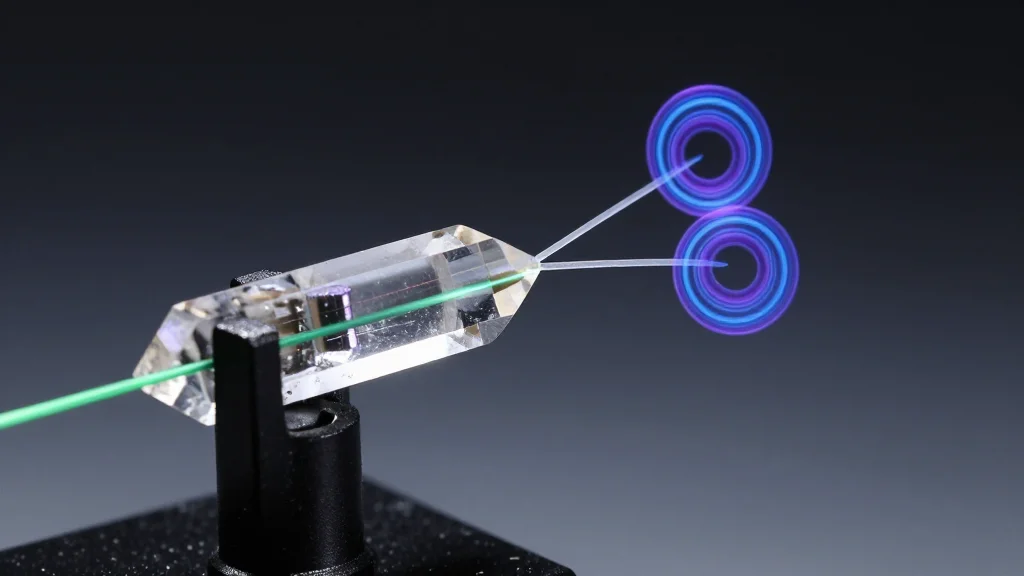
Quantum Computers Go High-Dimensional with a Four-State Photon Gate
A joint effort by TU Wien and Chinese researchers has demonstrated a heralded quantum logic gate that operates on two photons each encoded in four distinct quantum states, or qudits. The gate leverages the photons' orbital angular momentum rather than...
Quantum Algorithm Beats Classical Tools on Complement Sampling Tasks
Researchers at Quantinuum and QuSoft have introduced a quantum algorithm that solves the complement sampling problem using a single quantum sample, a task that classically requires on the order of N samples when the subset size is half the universe....
Quantum Reservoir Computing Peaks at the Edge of Many-Body Chaos, Study Suggests
University of Tokyo researchers demonstrated that quantum reservoir computing (QRC) achieves its highest accuracy when operating at the edge of many‑body quantum chaos. By applying random‑matrix theory to the Sachdev‑Ye‑Kitaev (SYK) model, they identified two distinct chaos boundaries—in the time...
Tectonic Labs Releases PQ Wallet and Post-Quantum Audit Services for EVM Chains
Tectonic Labs unveiled PQ Wallet, a browser‑based EVM extension that supports Falcon‑512 quantum‑resistant signatures, available for Chrome, Firefox, and via a command‑line interface for developers. The wallet offers two operating modes: a “Quantum‑secure” mode that signs transactions with post‑quantum keys...

MerLin: Framework for Differentiable Photonic Quantum Machine Learning
MerLin 0.3, an open‑source framework from Quandela, brings photonic and hybrid quantum machine learning into standard AI pipelines. Built on the Perceval SDK, it uses Strong Linear Optical Simulation to compute exact quantum states inside a PyTorch‑native environment via a QuantumLayer...
Quantum: Photonic Inc. Names Executive Chair and Four Directors
Photonic Inc., a Vancouver‑based distributed quantum computing firm, announced a refreshed board after a CAD 180 million financing round. Alex van Someren returns as Executive Chair, while Don Mattrick takes the Vice Chair role. New directors include Nathan Medlock, Ashton Scordo, and existing founders Stephanie Simmons...