
Quantum Computers and Post-Quantum Security
Swiss financial infrastructure operator SIX is accelerating its shift to post‑quantum cryptography as quantum computers threaten current asymmetric encryption. The firm has launched a comprehensive crypto‑inventory, built crypto‑agility into its systems, and begun hybrid testing of NIST‑standardized PQC algorithms. By adopting hybrid key‑exchange and signature schemes such as ML‑KEM and ML‑DSA, SIX aims to protect long‑term payment data against the “harvest‑now, decrypt‑later” risk. Early migration also positions SIX to leverage quantum computing for future optimization and fraud‑detection services.

Interview: Researching Quantum Algorithms for Today’s Devices
Quantum computers today remain noisy, limiting the number of logical, error‑free qubits despite hardware that can host hundreds of physical qubits. Universal Quantum’s algorithm scientist Lucy Robson is building error‑correction protocols and trapped‑ion algorithms to speed up drug‑discovery simulations, focusing on...
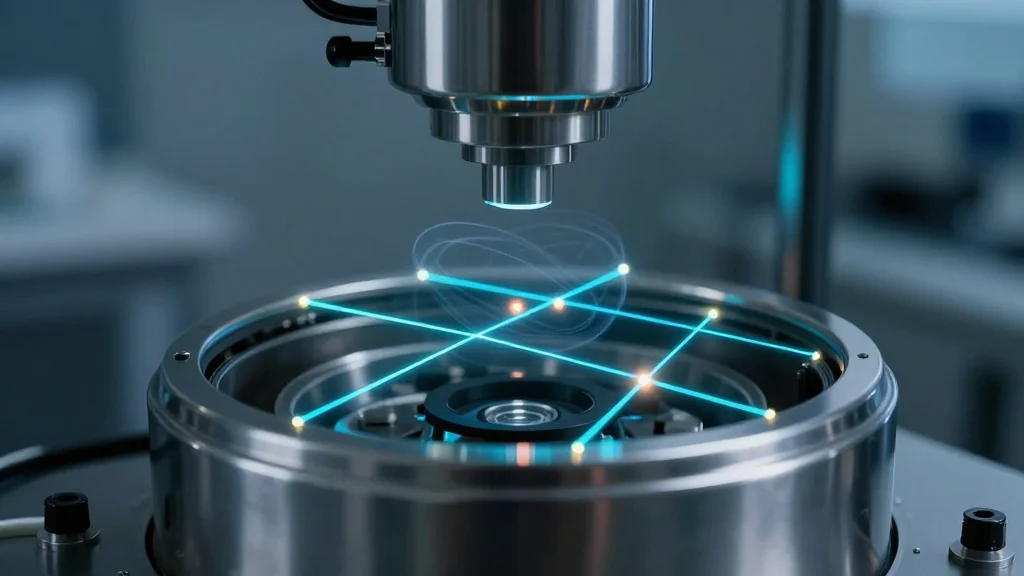
Robust Against Noise, Geometric-Phase Swap Gates Bring Stability to Quantum Operations
Researchers at ETH Zurich have demonstrated a geometric‑phase swap gate for neutral‑atom qubits that operates with 99.91% fidelity. The gate exchanges quantum states in under a millisecond and can be applied simultaneously to 17,000 qubit pairs. By relying on a...

Optical Control of Nuclear Spins in Molecules Points to New Paths for Quantum Technologies
Researchers at the Karlsruhe Institute of Technology have, for the first time, optically initialized, manipulated and read out nuclear spin states in a europium‑doped molecular crystal. By combining laser excitation with high‑frequency radio fields they achieved nuclear‑spin coherence times of...

Graphene Helps Molecular Qubits Keep Strong Antiferromagnetic Order
Researchers deposited a monolayer of the copper‑based molecular qubit Cu(dttt)₂ onto graphene grown on silicon carbide and demonstrated that the film retains the bulk‑like one‑dimensional antiferromagnetic order. Scanning tunneling microscopy, X‑ray spectroscopies and density‑functional theory show densely packed, flat chains...

Quantum Computers Keep Losing Data. This Breakthrough Finally Tracks It
Researchers at Norway's NTNU and the Niels Bohr Institute unveiled an ultra‑fast measurement method that tracks qubit relaxation in about 10 milliseconds—over 100 times quicker than prior techniques. The real‑time capability reveals random fluctuations in superconducting qubits that were previously hidden, offering...
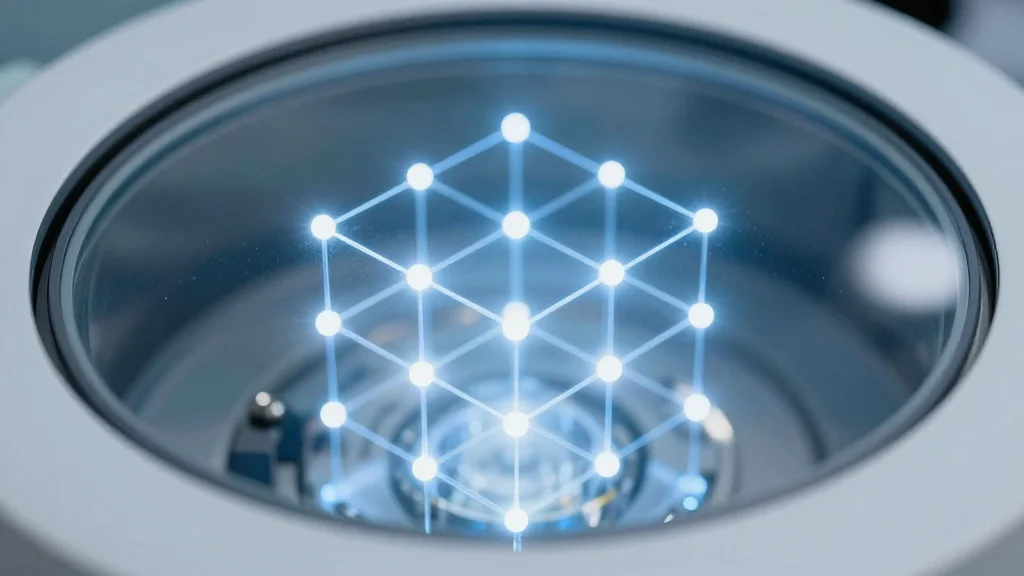
Protected Quantum Gates Using Qubit Doublons in Dynamical Optical Lattices
Researchers have demonstrated protected two‑qubit gates that exploit qubit doublons—paired fermionic atoms—in a dynamically driven optical lattice. By periodically modulating the lattice depth, the doublon states become immune to motional dephasing, delivering gate fidelities exceeding 99.9%. The technique integrates seamlessly...
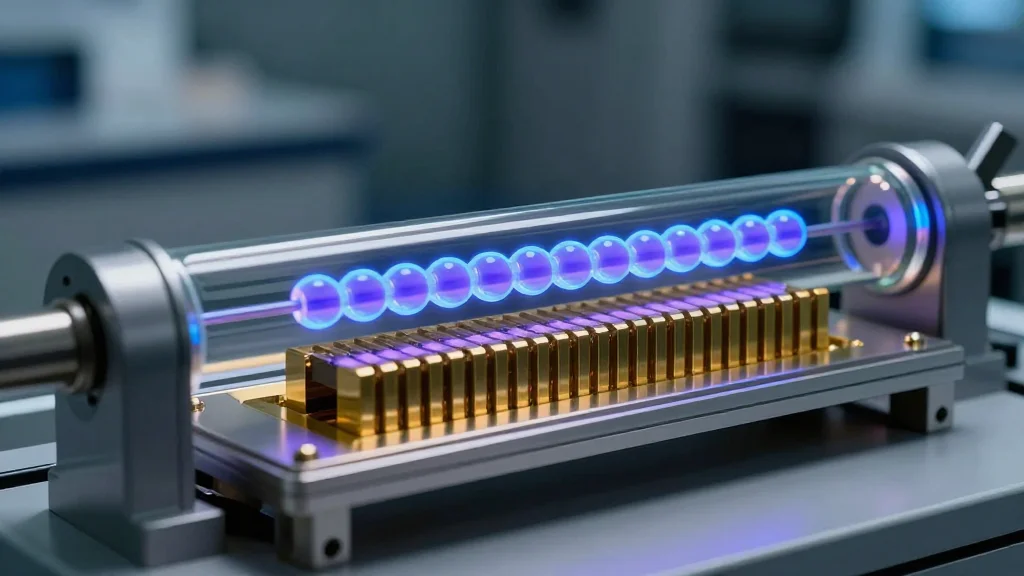
Quantum Computing without Interruptions
Researchers from Innsbruck, Aachen, and partners have experimentally demonstrated a universal fault‑tolerant quantum algorithm that operates without any mid‑circuit measurements. Using a trapped‑ion processor, they executed Grover’s search on three logical qubits encoded across eight physical qubits. The new method...
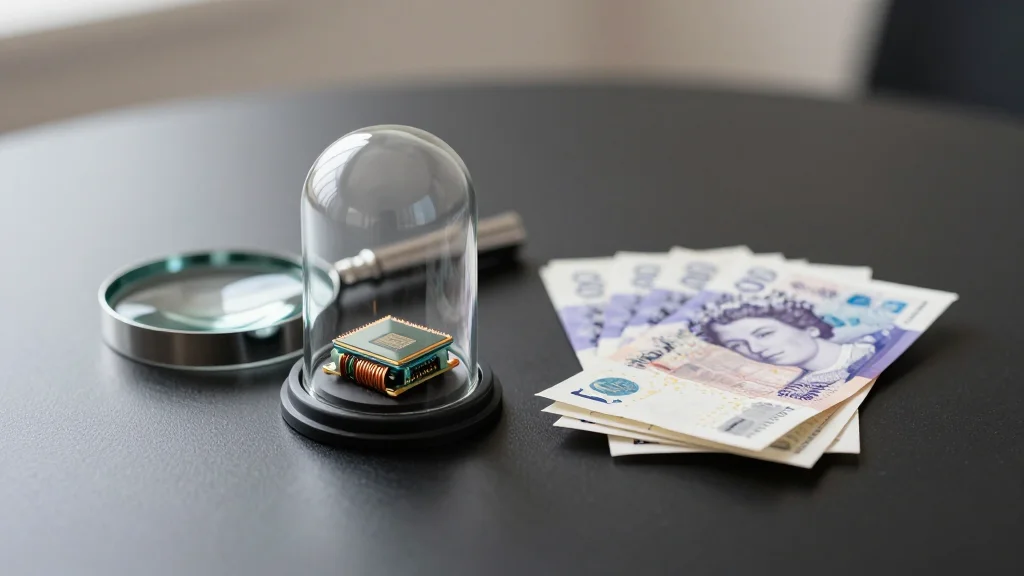
Quantum Used to Tackle Fraud in Lloyds Experiment
Lloyds Banking Group partnered with IBM to run a fraud‑detection experiment on IBM's 156‑qubit quantum computer. Multiple quantum algorithms scanned transaction data and successfully uncovered a deliberately embedded money‑mule network. The trial demonstrates that quantum computing can move beyond theory...
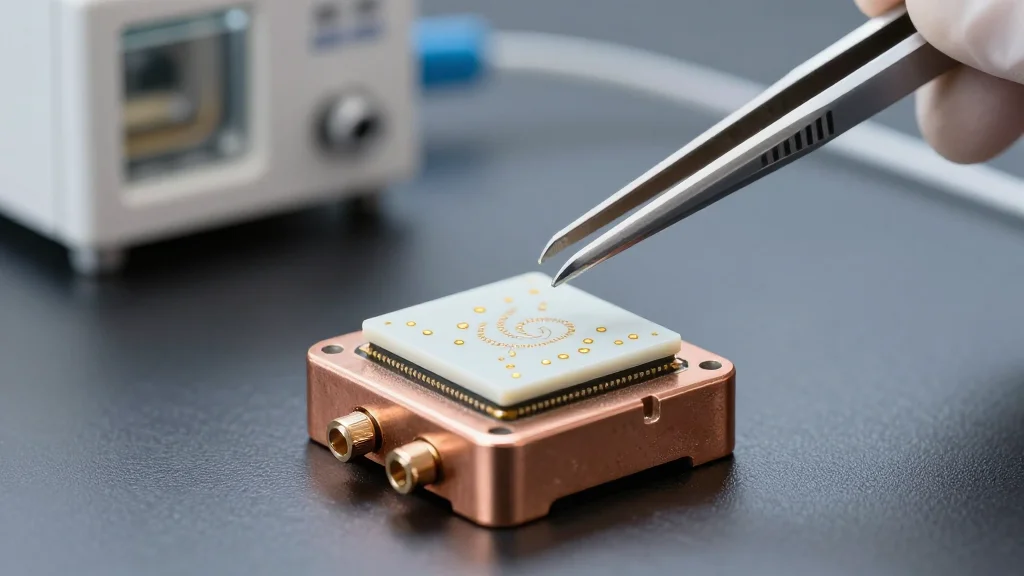
Semiconductor-Based Quantum Pilot Line ‘SPINS’ Launched with EU Support
The EU has launched the €50 million SPINS pilot line, one of six quantum pilot facilities created under the Chips Act. Coordinated by imec, SPINS unites 25 RTOs, industry players and universities to develop semiconductor‑based spin‑qubit chips. The initiative targets three...

Quantum Computing Could Fix AI’s Sustainability Problem
Artificial intelligence’s soaring energy demand threatens to raise the tech sector’s carbon footprint beyond 3 % of global emissions. Neutral‑atom quantum processing units, such as Pasqal’s Orion system, consume only a few kilowatts and emit kilograms of CO₂ per hour, dramatically...

Circle’s Arc Is Building Quantum Resistance Before It Needs To And That’s the Point
Circle announced a comprehensive quantum‑resistance roadmap for its upcoming Arc layer‑1 blockchain, which is designed around stablecoin infrastructure. The plan outlines a phased, full‑stack approach that integrates quantum‑safe cryptography into the network’s core protocol, consensus, and application layers before quantum...

Post-Quantum Cryptography: Moving From Awareness to Execution
Google’s new whitepaper moves the anticipated quantum‑break date, or “Q‑Day,” to 2029 and urges enterprises to adopt post‑quantum cryptography (PQC). The tech giant highlights that elliptic‑curve encryption could be compromised with fewer qubits than previously thought, and it showcases concrete...
Postquant Labs Launches Quip.Network Testnet for Decentralized Quantum-Classical Optimization
Postquant Labs has launched the public Quip.Network testnet, attracting over 13,000 early sign‑ups. The platform combines a Compute Layer that markets quantum and classical processing power with an Asset Layer that adds post‑quantum security to existing blockchains. It leverages D‑Wave...

Small Quantum System Outperforms Large Classical Networks in Real-World Forecasting
Researchers at the University of Science and Technology of China have demonstrated that a quantum reservoir computer built from just nine interacting atomic spins can outperform classical neural networks containing thousands of nodes in real‑world weather forecasting. By encoding input...
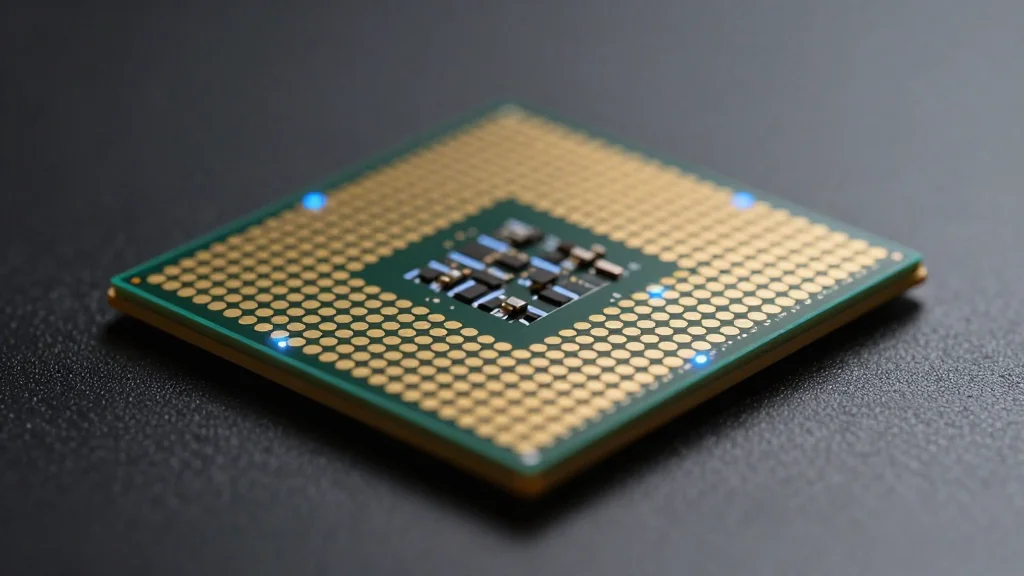
Navigating the Quantum Resource Landscape of Entropy Vector Space Using Machine Learning and Optimization
A new preprint introduces a machine‑learning framework that maps entropy‑vector dynamics to identify quantum states violating Ingleton’s inequality, a boundary respected by stabilizer and holographic states. The authors prove pure‑state violations are impossible for five qubits or fewer, establishing six...
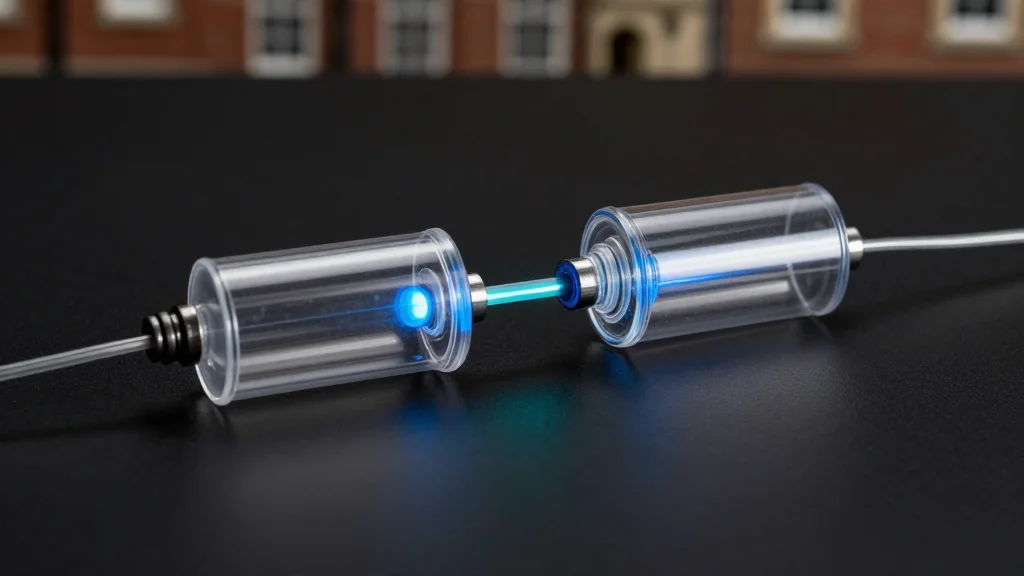
CavilinQ Secures $8.8M Seed Round to Develop Modular Quantum Interconnects
CavilinQ, a Cambridge‑based hardware startup, closed an $8.8 million seed round led by QVT with participation from several venture partners. The financing will fund a new laboratory in Cambridge, Massachusetts, and expand the engineering team to build production‑ready modular quantum interconnect...

Knocking on Quantum’s Door: QuiX Claims Photonic Error Reduction Breakthrough
QuiX Quantum announced the first below‑threshold error mitigation on a photonic quantum computer, using a 20‑mode processor and a photon‑distillation gate. The technique achieved a 2.2× reduction in photon‑indistinguishability error and a net 1.2× overall system‑error decrease. Collaborators include NASA’s...

New Tool on AWS Makes It Easier to Develop Quantum Error Correction
Quantum Elements and Amazon Web Services have launched Constellation, a cloud‑based digital‑twin platform that lets researchers model quantum error‑correction schemes on hypothetical quantum computers. The tool improves on existing simulators by capturing a broader range of error sources, offering higher...

How Noise Limits Today's Quantum Circuits
A new theoretical study published in Nature Physics shows that realistic noise imposes a strict ceiling on the usable depth of quantum circuits. By modeling two‑qubit operations with per‑gate decoherence, the researchers found that noise erases the influence of early...

IBM and ETH Zurich Join Forces to Shape the Future of Algorithms for the AI and Quantum Era
IBM and ETH Zurich have launched a ten‑year partnership to develop next‑generation algorithms that blend artificial intelligence and quantum computing. The collaboration will focus on four critical domains—optimization, differential equations, linear algebra, and complex system modeling—and will fund new professorships...
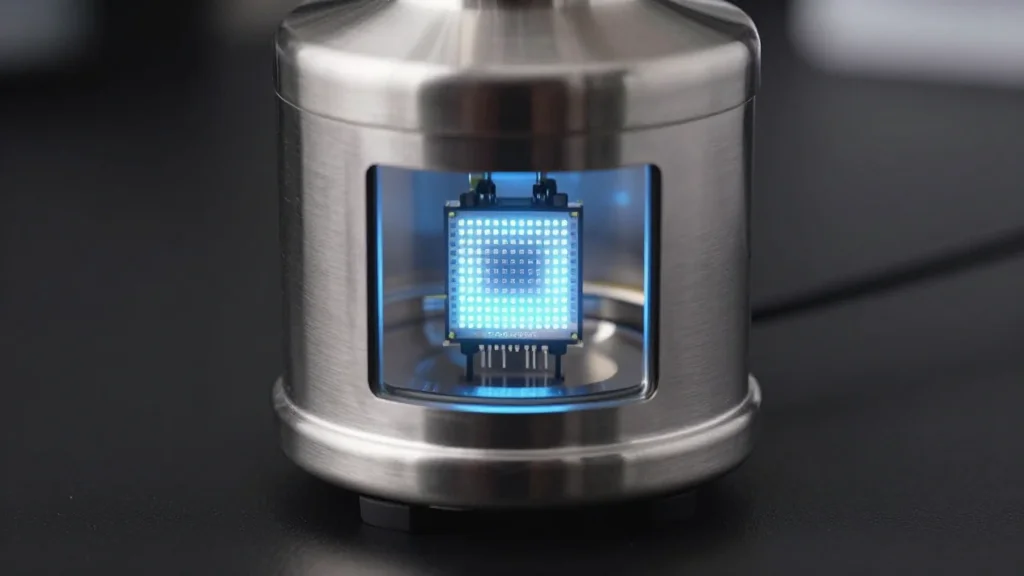
IQM Raises €50M to Boost Quantum Computing Roadmap
Finnish quantum computing firm IQM has raised €50 million from BlackRock‑managed funds to speed its technology roadmap and global expansion. The financing strengthens its capital structure, supports R&D of full‑stack superconducting quantum computers, and underpins plans for a public listing via...

World's Largest Quantum Circuit Simulation for Quantum Chemistry Achieved on 1,024 GPUs
A joint team from the University of Osaka and Fixstars Corporation used 1,024 NVIDIA H100 GPUs to run the chemqulacs‑gpu simulator, breaking the 40‑qubit barrier with a 42‑spin‑orbital water calculation and a 41‑qubit iron‑sulfur benchmark. The effort introduced a new...

Patenting the Quantum Future – Practical Tips Based on PTAB Decisions
Patent activity in quantum computing is accelerating as the sector moves toward commercial products. Recent PTAB rulings reveal that many quantum‑related applications encounter the same eligibility and claim‑drafting hurdles seen in software patents, but amplified by the field’s reliance on...
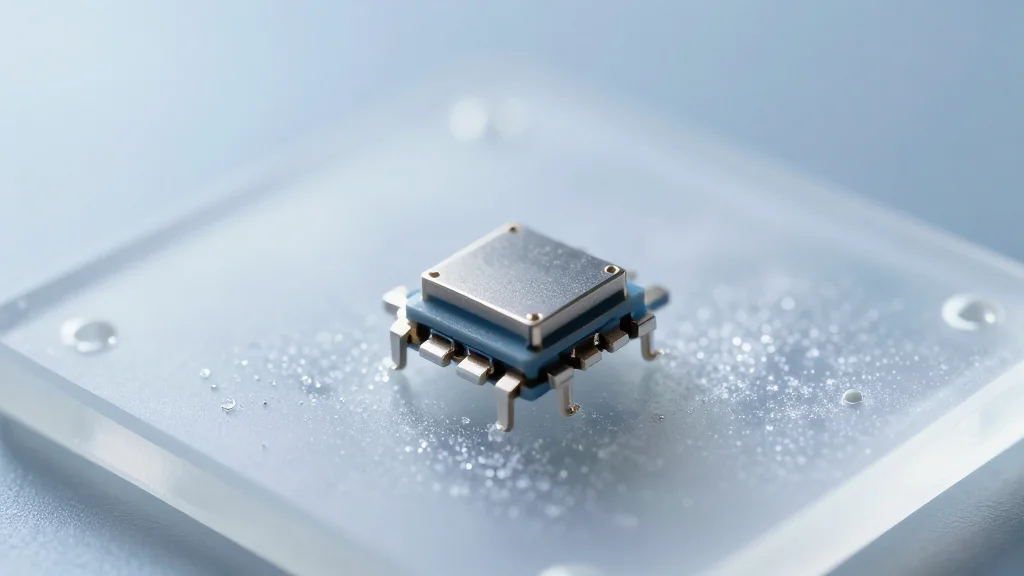
Quantum Switches Perform Best in Extreme Cold, New Research Finds
Researchers at Purdue University and Menlo Microsystems have shown that commercial RF MEMS SP4T switches can function reliably at cryogenic temperatures as low as 5.8 K. The switches exhibit sub‑0.5 dB insertion loss, over 35 dB isolation, and a 15 % reduction in on‑resistance...

The First Quantum Computer to Break Encryption Is Now Shockingly Close
Two independent studies reveal that a quantum computer capable of cracking the elliptic‑curve discrete logarithm problem (ECDLP) – the backbone of most internet encryption – is nearer than previously believed. The analyses suggest the world’s largest quantum processor is already...

CZ Says Crypto Can Survive Quantum Computing With Protocol Upgrades: Binance Co-Founder
Binance co‑founder Changpeng Zhao announced on X that the cryptocurrency sector can mitigate the looming threat of quantum computing by upgrading to post‑quantum cryptographic algorithms. He stressed that such protocol upgrades are theoretically straightforward, though he offered no concrete rollout...

The Hidden Thread Connecting Heat, Information, and Quantum Computers
Entropy, the measure of disorder in thermodynamics, also underpins quantum information theory and emerging quantum computers. At Entropy 2026 in Barcelona, leading scientists will examine how heat, information, and quantum processing intertwine. Dedicated sessions will showcase pioneering researchers presenting the latest...

Canada’s First Full-Stack, University-Owned Quantum Computer Comes to USask
The University of Saskatchewan will become the first Canadian university to own a full‑stack quantum computer, backed by roughly $1.43 million USD from Prairies Economic Development Canada and $0.30 million USD from Innovation Saskatchewan. The system, built with hardware from Rigetti Computing...

Energy Department Aims to Build Full-Fledged Quantum Computer Within 3 Years
The U.S. Department of Energy announced a goal to deliver a fault‑tolerant quantum computer by 2028, aiming for scientifically useful calculations. The Office of Science, with an $8.4 billion annual budget, will host the quantum user facility at a national laboratory....

Podcast with Tom Darras, CEO and Co-Founder, Welinq
Welinq, led by CEO Tom Darras, is building a full‑stack quantum networking solution that interconnects quantum processors across data centres. The offering spans qubit‑photon interfaces, optical‑network hardware, high‑efficiency quantum memories, and the AraQne compiler that partitions algorithms across heterogeneous QPUs....
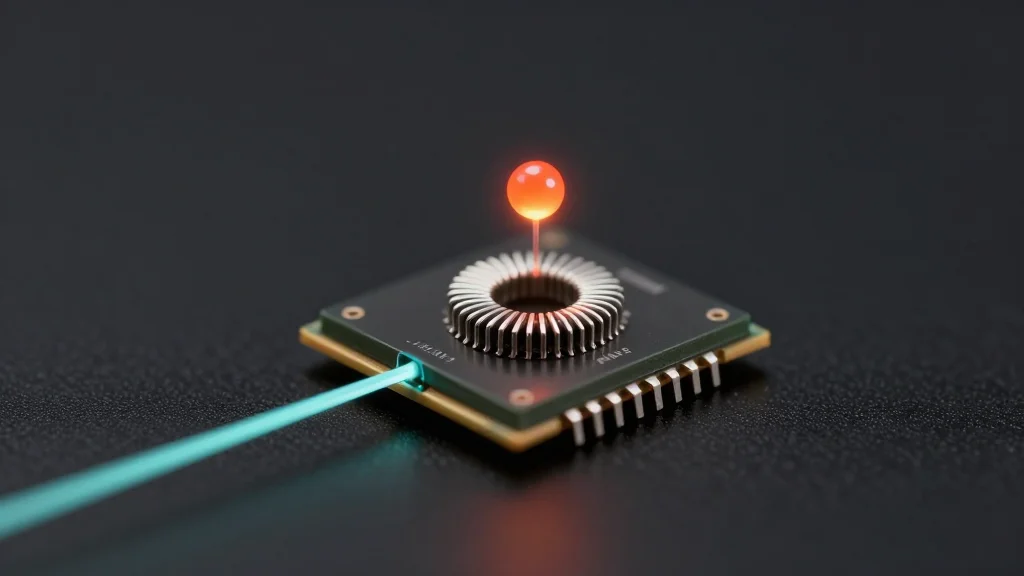
Researchers Demonstrate Laser Chips Performing Clock and Quantum Operations
Researchers at UC Santa Barbara and UMass Amherst have built a chip‑scale, visible‑light Brillouin laser that can be frequency‑stabilized to the narrow strontium optical‑clock transition and used to drive a trapped‑ion qubit. The integrated laser, paired with an on‑chip coil...
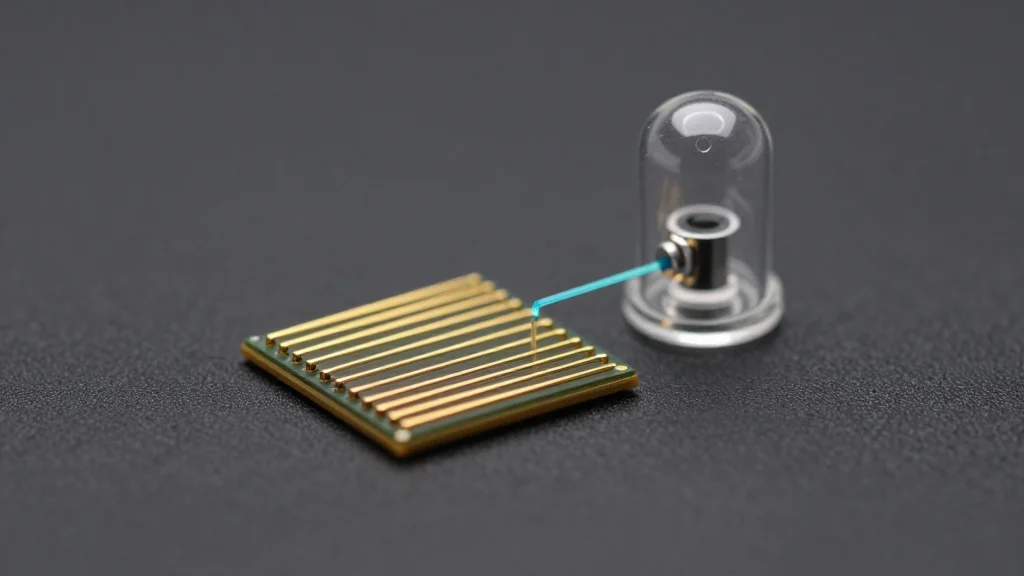
Stabilized Laser Components Could Shrink Quantum Computers From Room- to Chip-Scale
Scientists at UMass Amherst and UC Santa Barbara have demonstrated chip‑scale stabilized lasers that can control trapped‑ion qubits with high fidelity, replacing bulky optical cavities with photonic chips. Published in Nature Communications, the work shows sub‑kilohertz linewidths and active drift compensation,...

IQM Secures €50M to Accelerate Global Growth
Finland‑based quantum computing startup IQM Quantum Computers has secured a €50 million financing package, roughly $55 million, from BlackRock‑managed funds. The capital will bolster IQM’s balance sheet ahead of its planned SPAC merger that would make it Europe’s first publicly listed quantum...

Novel Protocol Reconstructs Quantum States in Large-Scale Experiments up to 96 Qubits
Researchers from Europe introduced a protocol that learns matrix‑product operator (MPO) representations of quantum states directly from randomized measurement data. The method successfully reconstructed a 96‑qubit entangled state on IBM’s Brisbane superconducting processor, far exceeding the previous tomography ceiling of...

A Universal Scheme Can Verify Any Quantum State
Researchers from Université libre de Bruxelles, the University of Gdansk and the Polish Academy of Sciences have unveiled a universal, device‑independent scheme that can self‑test any quantum state or measurement. The protocol embeds the target device in a star‑shaped quantum...

Why Most Quantum Computers Need to Be Colder Than Space
Quantum computers require environments colder than the Boomerang Nebula, the coldest natural region in the universe, to keep qubits stable. Most systems operate at temperatures less than one degree above absolute zero, typically achieved with large dilution refrigerators. Bluefors, a...
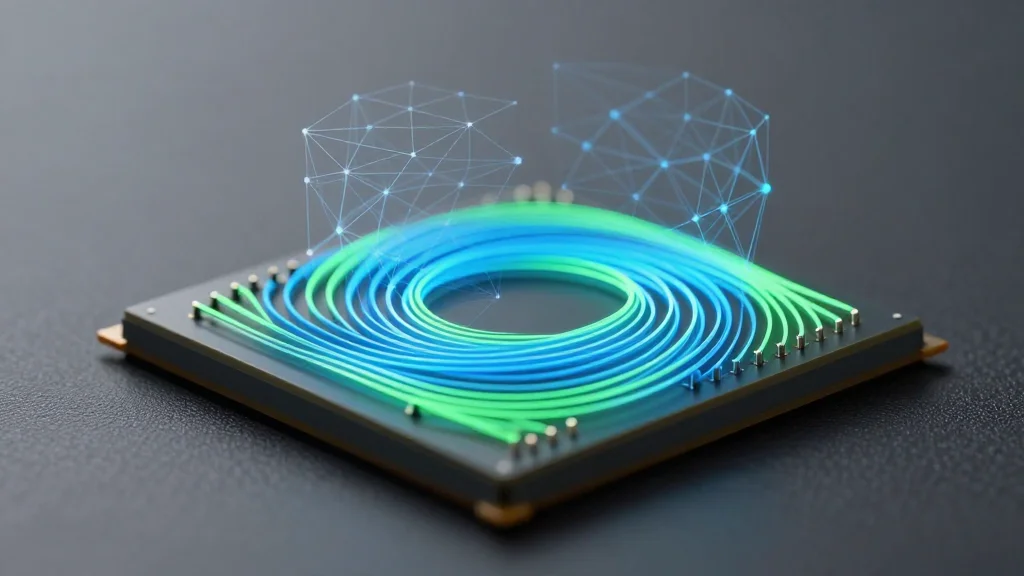
Unlocking Scalable Entanglement Will Enable Next-Generation Quantum Computing
University of Central Florida researchers have demonstrated a scalable method to generate high‑dimensional topological photonic entanglement. By rearranging silicon photonic waveguide arrays, they entangle protected modes of superlattices without increasing system complexity. The approach yields robust, high‑capacity quantum states that...

Programmable Superconducting Diode Can Flow on Command
Researchers at the University of Pittsburgh have created a programmable superconducting diode using the LaAlO₃/KTaO₃ (LAO/KTO) interface. By employing conductive atomic force microscope (c‑AFM) lithography, they can reposition the weak link to reverse diode polarity without altering the material. The...
Open Quantum Design, Western Digital, and QuScript Form Open-Source Error Correction Working Group
Open Quantum Design, Western Digital, and QuScript have formed an open‑source Error‑Correction Working Group to build a full‑stack quantum computer prototype. The collaboration will integrate trapped‑ion hardware, decoder technology, and specialized algorithms to demonstrate quantum error correction (QEC) and create...
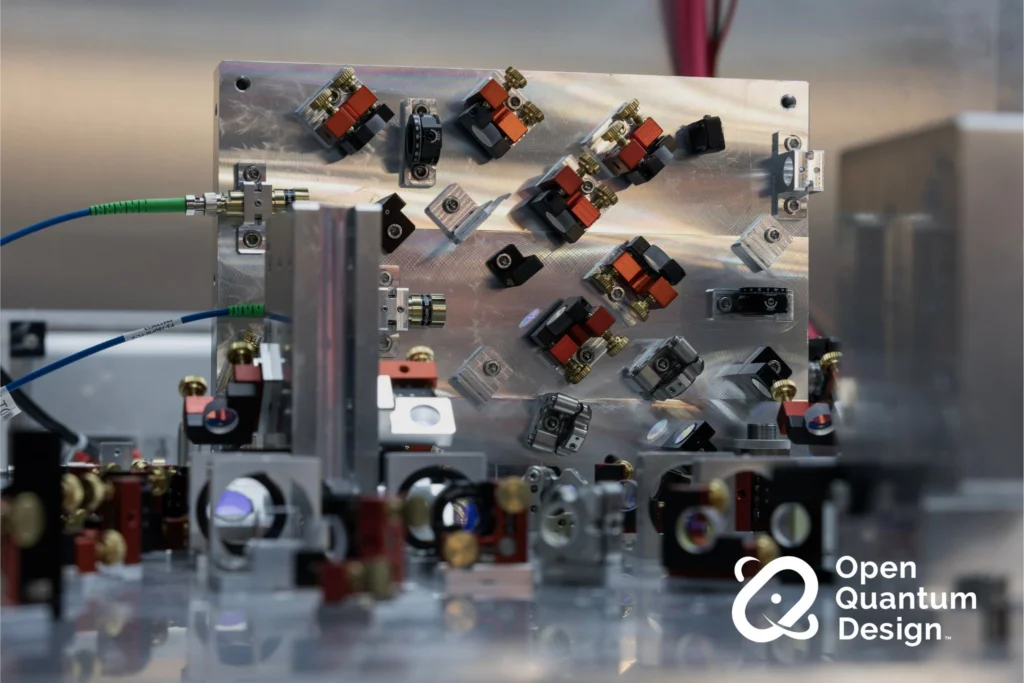
Open Quantum Design Launches Open-Source Hardware Repository for Trapped-Ion Quantum Computing
Open Quantum Design (OQD) has published an open‑source hardware repository on GitHub that contains detailed designs for its Blade Trap Assembly and Optical Circuit Boards, the core components of its trapped‑ion quantum computers. The release extends OQD’s open‑source strategy from...

IBM Quantum Processor Successfully Simulates Magnetic Material Dynamics
Researchers from the DOE Quantum Science Center and IBM used IBM's 50‑qubit Heron quantum processor to simulate the magnetic crystal KCuF₃. The quantum‑derived dynamical structure factors matched neutron‑scattering measurements from Oak Ridge and the Rutherford Appleton Laboratory, proving quantitative accuracy....

Cleveland Clinic and IBM Implement Quantum Workflow for Protein Simulation
Cleveland Clinic and IBM have demonstrated the first quantum‑centric supercomputing workflow that simulates a protein’s electronic structure. The team modeled the 303‑atom miniprotein Trp‑cage on an IBM Quantum Heron r2 processor linked to classical high‑performance computing. By using wave‑function‑based embedding to split...

IBM Quantum Computer Accurately Simulates Real Magnetic Materials
IBM announced that its 127‑qubit quantum processor successfully simulated the magnetic properties of real‑world materials, achieving 99% fidelity compared with laboratory measurements. The experiment reproduced the behavior of iron oxide at room temperature, a benchmark previously out of reach for...
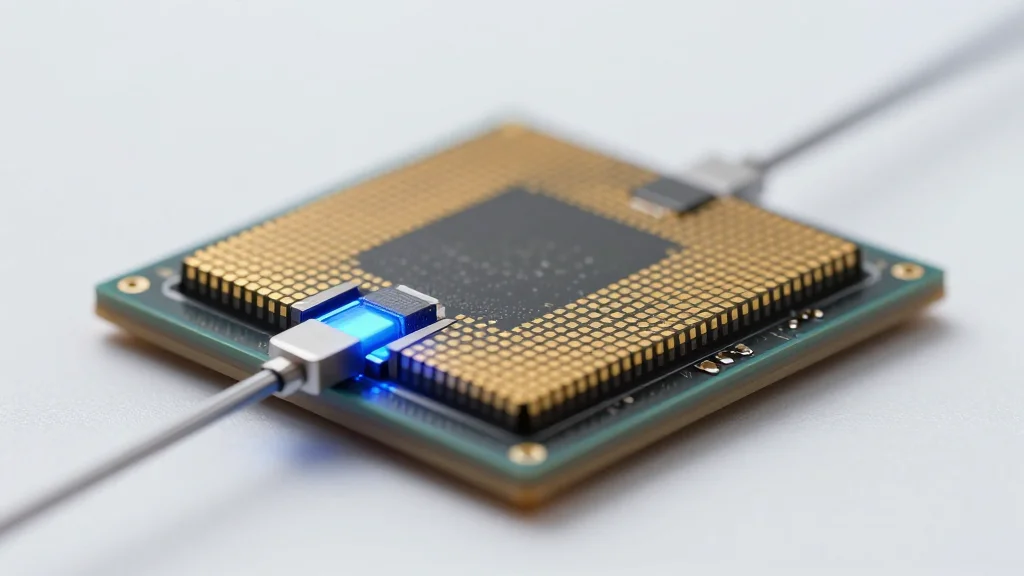
Silent Waves Launches Zephyr, a Traveling Wave Parametric Amplifier for Scaling Quantum Architectures
Silent Waves introduced Zephyr, a traveling‑wave parametric amplifier that integrates the microwave pump coupler onto the chip, eliminating bulky external directional couplers in dilution refrigerators. The design targets the spatial constraints of scaling quantum processors, enabling higher multiplexing—potentially up to...

Atom Computing and Cisco Establish Collaboration for Distributed Quantum Architectures
Atom Computing and Cisco have signed an MOU to explore integrating neutral‑atom quantum processors into distributed quantum architectures. The partnership will combine Cisco’s quantum networking protocols and a network‑aware compiler with Atom’s 1,000‑qubit neutral‑atom platform, aiming to create a fault‑tolerant,...
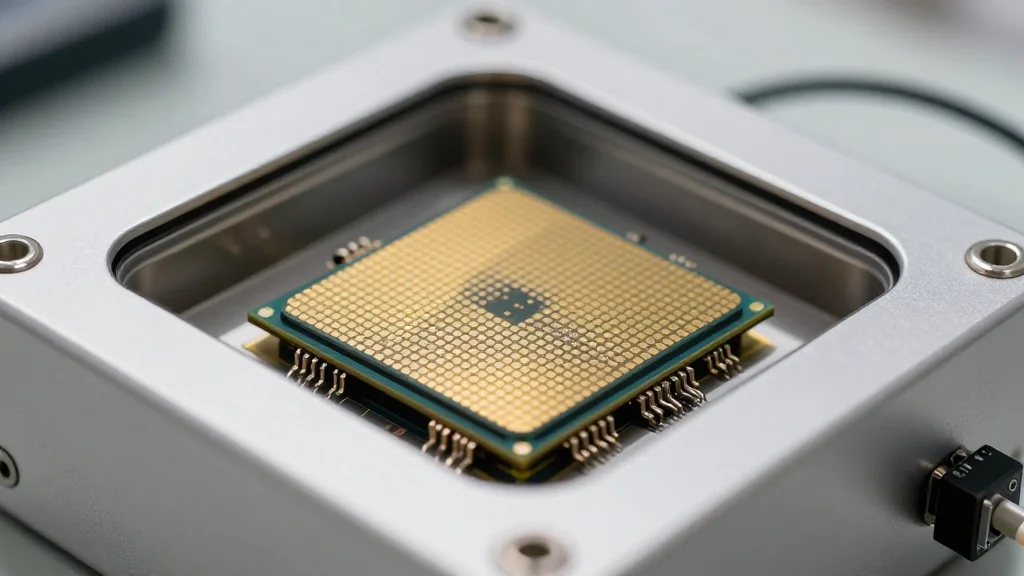
QpiAI Implements High-Speed Hardware Decoder for 64-Qubit Kaveri Processor
QpiAI unveiled a custom hardware quantum error correction decoder for its 64‑qubit Kaveri superconducting processor. The decoder employs a union‑find algorithm to implement a distance‑5 rotated surface code, requiring 49 physical qubits to encode a single logical qubit. It achieves...

QpiAI and Alliance University Establish AU QUASAR Experience Center in Bengaluru
QpiAI and Alliance University have launched the AU QUASAR Experience Center at Alliance’s Electronic City campus in Bengaluru. The center houses QpiAI’s 8‑qubit superconducting QVidya quantum processor and the Explorer software, delivering on‑site quantum computing as a service. It aims to...