
Archer Materials Advances Quantum and Biochip Platforms Ahead of Key 2026 Prototypes
Archer Materials reported notable advances in its quantum computing, sensing and medical diagnostics platforms during the March quarter while staying debt‑free with $10.3 million in cash. The company moved its 12CQ qubit program into the readout stage, completed the first phase of a quantum‑machine‑learning fraud‑detection project, and delivered an alpha‑prototype biochip for blood‑potassium monitoring that meets clinical accuracy standards. A beta biochip prototype is planned for later this year, and a full quantum‑ML prototype is targeted for 2026. Positive net operating cash flow of $139,000 underscores its financial discipline.

Digital Quantum Magnetism on a Trapped-Ion Quantum Computer
A team at Quantinuum used its H2 trapped‑ion quantum computer to perform a digital simulation of a two‑dimensional Heisenberg magnet, employing optimized Trotter steps that kept per‑gate errors below 1 %. The experiment, reported in Nature, captured pre‑thermalization dynamics and spin‑correlation...

Haiqu and HSBC Demonstrate Scalable Quantum Data Encoding
Haiqu and HSBC have published peer‑reviewed research showing a Matrix Product State (MPS)‑based method to encode classical probability distributions into quantum states using shallow circuits. The technique scales linearly with qubit count, allowing successful runs on up to 156 qubits...
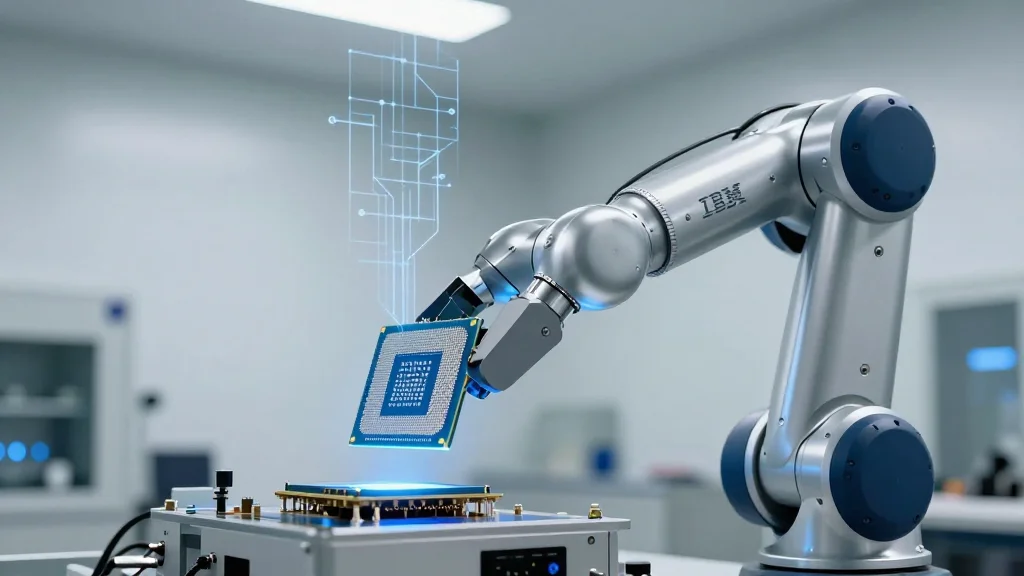
IBM to Expand Poughkeepsie Campus for Next-Generation “Starling” Quantum Systems
IBM has proposed a 511,000‑square‑foot expansion at its historic Poughkeepsie campus, bringing the site’s total footprint to roughly 3.9 million sq ft and adding about 200 permanent jobs. The new facility will house manufacturing and assembly for the upcoming Starling quantum system, slated...
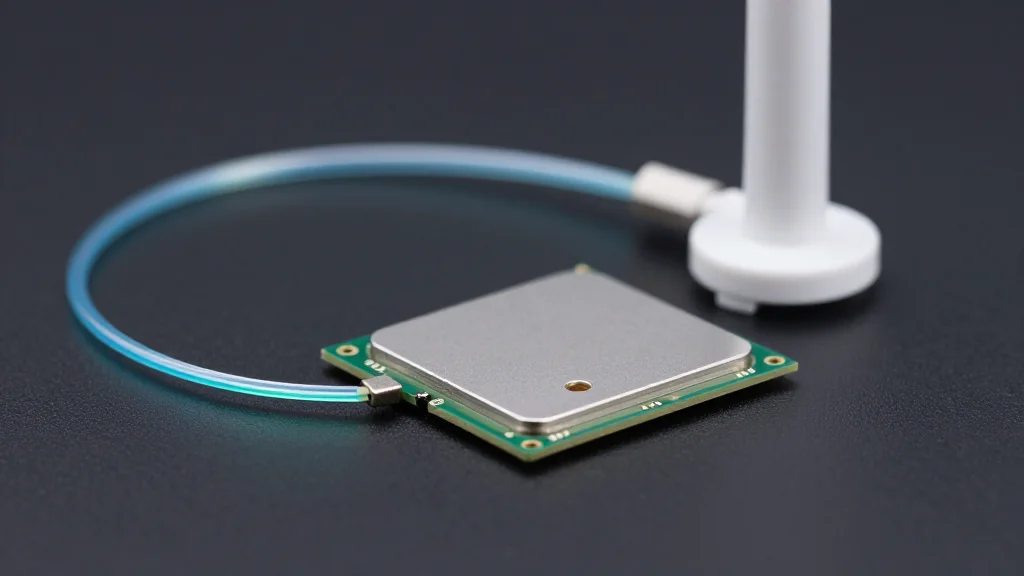
Monarch Quantum and Oratomic Announce Quantum Computing Partnership
Monarch Quantum and Oratomic announced a strategic partnership that merges Monarch's integrated photonics expertise with Oratomic's neutral‑atom quantum computing architecture. Monarch will act as the photonics systems integrator, supplying its Quantum Light Engines and scaling manufacturing capabilities. The collaboration targets...

SA Firms Turn to Quantum Computing Amid Uncertainty
South African companies are moving from theory to practice by experimenting with hybrid quantum‑classical computing, according to a new PwC analysis. The study highlights quantum amplitude estimation as a way to dramatically reduce Monte Carlo simulations needed for extreme‑risk modelling. With...
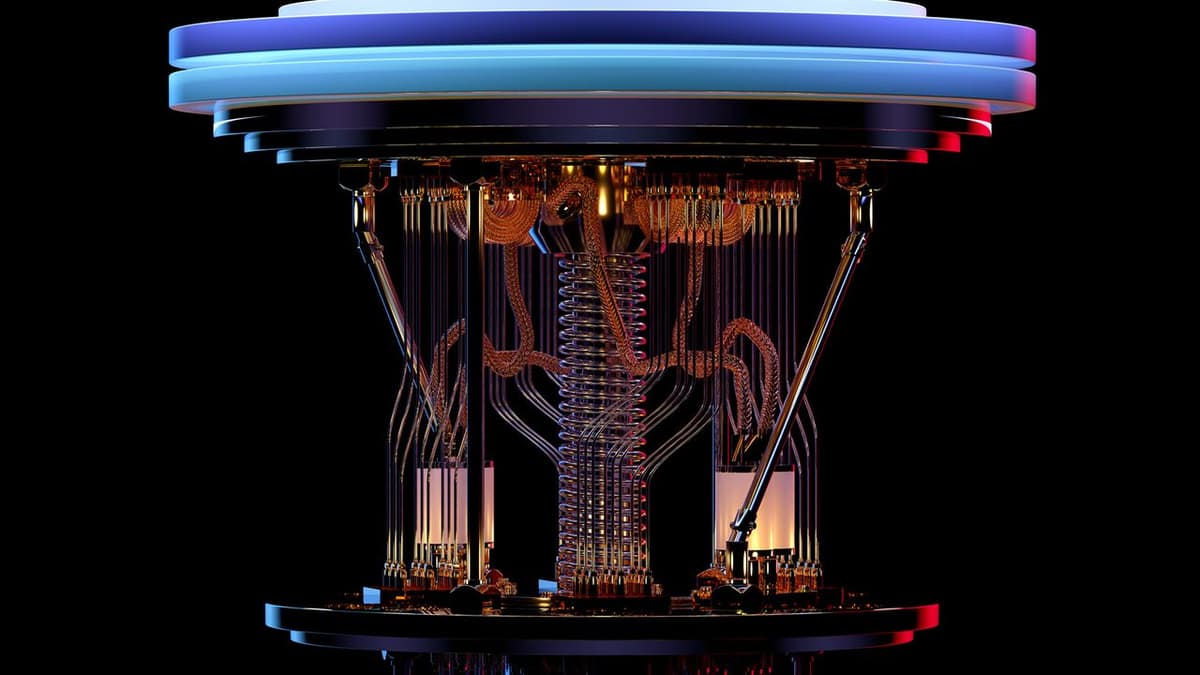
Bell Labs’ Michael Eggleston on Nokia’s Research Into Topological Quantum Computing
Bell Labs, now Nokia’s research arm, is pursuing topological quantum computing using anyons to create ultra‑stable qubits. Lead researcher Michael Eggleston explains the prototype stores a single qubit whose quantum state can remain locked for weeks, a stark improvement over...
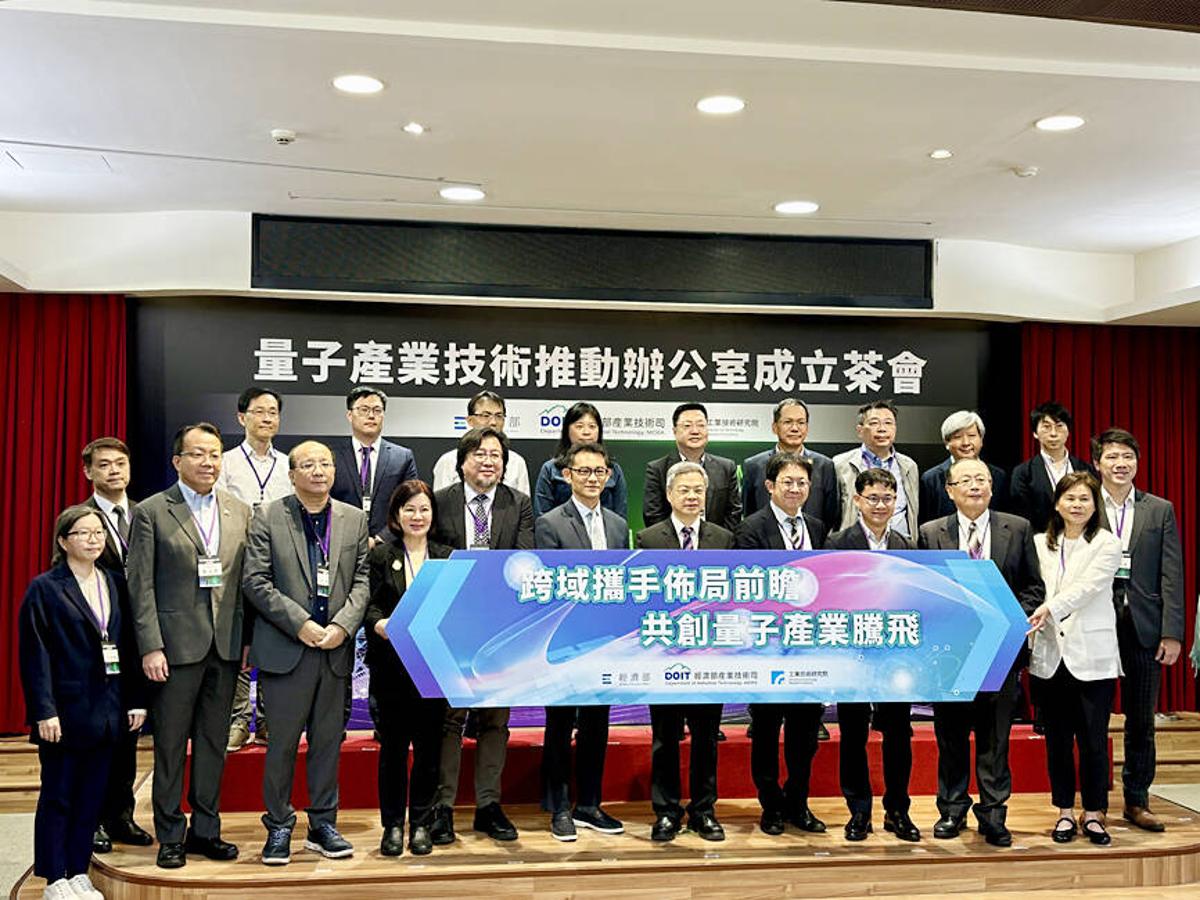
New Quantum Technology Office Launched in Taipei
Taiwan’s Ministry of Economic Affairs launched a dedicated quantum technology office in Taipei, positioning the island to lead the next wave of innovation after AI. The office will coordinate industry, academia, and research institutions to streamline resources and lower commercialization...

Podcast with Lionel Martellini, Founding Director of the EDHEC Quantum Institute
Yuval Boger interviews Lionel Martellini, a finance professor turned astrophysicist and founding director of the EDHEC Quantum Institute. The institute, the first of its kind inside a business school, aims to make future executives quantum‑aware rather than train engineers. Martellini...

Exploring Potential Antitrust Risks for Quantum Computing
The article warns that quantum computing’s emerging ecosystem faces classic antitrust challenges despite its futuristic veneer. Vertically‑integrated quantum stacks enable firms to favor their own hardware and software, raising self‑preferencing concerns. Competing standards for languages, intermediate representations, and hardware interfaces...

China’s Minerals Leverage Raises Quantum Security Concerns
A new study by Stanford, Los Alamos and CIGI warns that China's expanding control over critical minerals could jeopardize the supply chains essential for quantum computers and communications. The research highlights U.S. reliance on imported niobium and nickel‑iron alloys, where...

AuthID Adds Post-Quantum Cryptography to Biometric Signature Platform
AuthID, a U.S. identity‑verification firm, has upgraded its biometric digital‑signature platform with three NIST‑standardized post‑quantum cryptographic algorithms—ML‑DSA‑65, SLH‑DSA‑128s, and SLH‑DSA‑256s. The company’s PrivacyKey architecture generates a cryptographic proof of a person’s presence without storing facial templates at rest, offering quantum‑resistant...

Qendra Gets €162K to Scale Quantum Computing Systems
Zurich‑based Qendra has secured €162,000 (approximately $178,000) in seed funding from Venture Kick to accelerate its quantum‑control platform. The startup builds on ETH Zurich’s trapped‑ion research, aiming to simplify and synchronize lasers, cameras, and other hardware in quantum experiments. By delivering...

Quantum Art Adds $40M in Funding to Scale Quantum Computing Systems
Quantum Art announced that its Series A financing has grown to $140 million, adding $40 million to an earlier $100 million round. The round was led by Bedford Ridge Capital and included new investors such as Hudson Bay Capital, Poalim Equity, LIP Ventures,...

First Enterprise Quantum Computer Purchase in Japan: IQM to Deploy System to TOYO Corporation
IQM Quantum Computers announced that its 20‑qubit Radiance system will be sold to TOYO Corporation, marking Japan’s first enterprise quantum computer purchase. The hardware will be delivered by the end of 2026 and offered both on‑premises and via cloud, integrating...

Top Quantum Computing Stocks to Buy in April
Quantum computing is poised to become a multi‑billion‑dollar industry, with McKinsey projecting up to $72 billion in annual revenue by 2035 and commercial systems potentially arriving as early as 2030. The article highlights three equities that could benefit from the nascent...
Goldman, JPMorgan Show Wall Street’s Split in Quantum Computing Race
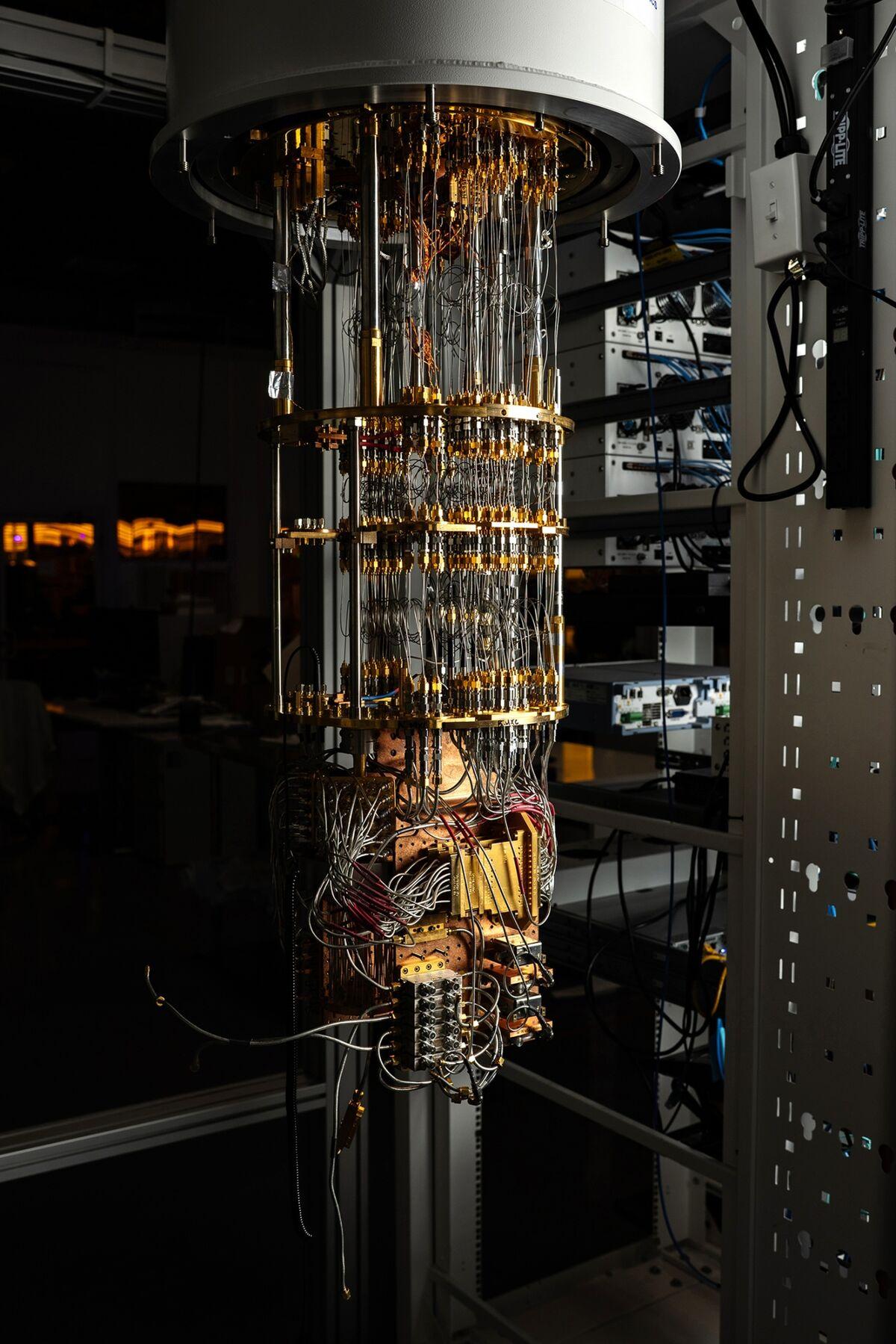
Three years after Goldman Sachs teamed with Amazon Web Services to explore quantum algorithms for portfolio optimization, the bank concluded the technology was still far from production‑ready. Meanwhile, JPMorgan Chase has accelerated its quantum push, allocating roughly $500 million to partnerships...

House Lawmakers Introduce Quantum Initiative Reauthorization
House lawmakers introduced a new version of the National Quantum Initiative Reauthorization Act, led by Rep. Randy Weber and co‑sponsored by Reps. Brian Babin and Jay Obernolte. The bill restores the National Quantum Advisory Committee and tasks NIST with setting...

Quantum 'Dark Modes' No Longer Block Phonon Control, Opening New Paths for Scalable Devices
Researchers at RIKEN have demonstrated a technique to convert problematic quantum "dark modes" into temporary bright modes, restoring topological phonon control in non‑Hermitian systems. By engineering dark modes with artificial quantum information, they overcame the phonon blockade that previously halted...
New Waterloo Quantum Startup Gains Fast Momentum with $10.7 Million in Funding
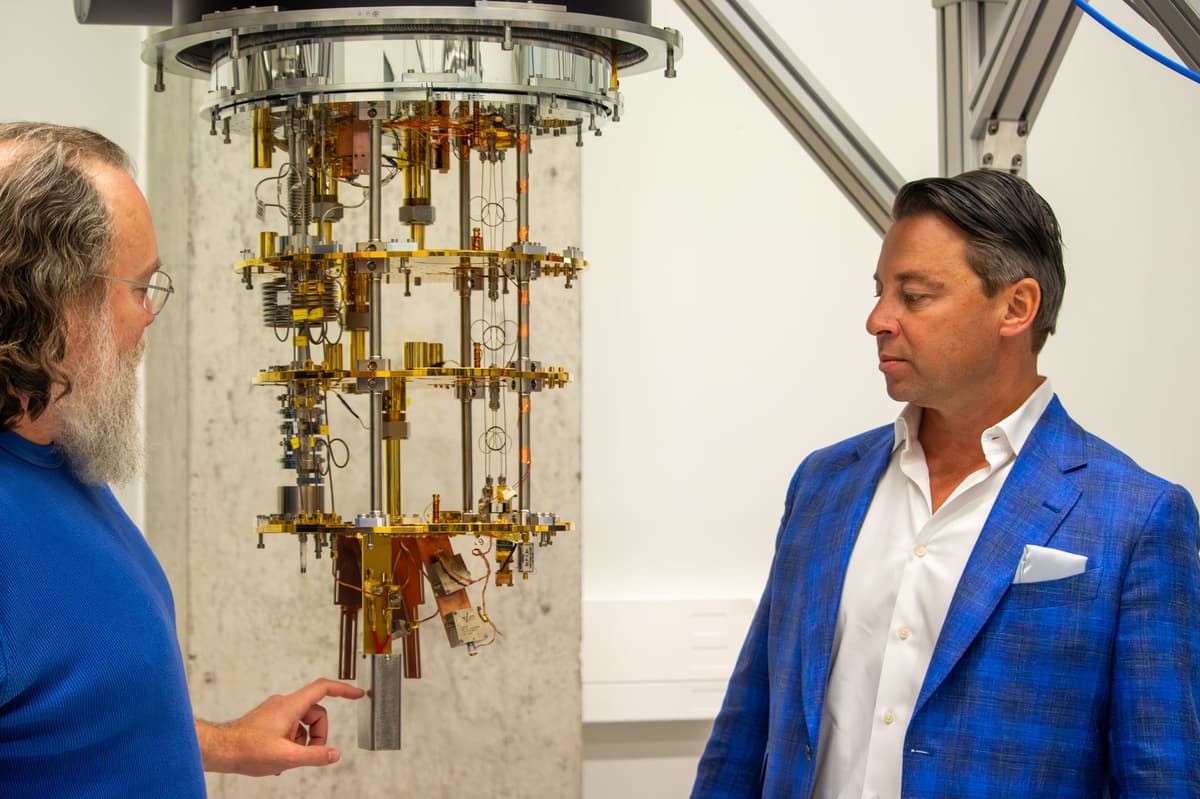
QuantumCore, a spin‑off from the University of Waterloo’s Institute for Quantum Computing, announced $10.7 million in dilutive and non‑dilutive funding just six months after its launch. The startup is engineering a cryogenic amplifier that boosts read‑out signals from superconducting quantum chips...

Why the Real Quantum Race Is Shifting From Hardware to Software
The quantum computing narrative is moving from a hardware‑centric race to a software‑driven era, highlighted by IBM's recent investments in quantum software startups. While qubit counts and stability remain important, the industry is now focusing on real‑world applications that unlock...

Quantum Could Replicate AI’s Breakout Moment Across Government, Officials Say
The White House is shifting from basic research to commercializing quantum information science and technology (QIST), emphasizing public‑private partnerships, supply‑chain security, and workforce development. A Quantum Economic Development Consortium report shows government funding rose 310% to $12.7 billion in 2025. The...

‘Harvest Now, Decrypt Later’ Attacks Push Federal Shift to PQC
Federal agencies are accelerating a shift to post‑quantum cryptography (PQC) after a surge in “harvest now, decrypt later” attacks that could expose today’s encrypted data once quantum computers mature. A June 2025 White House executive order mandates agencies to establish PQC...
Quantum Chips Could Scale Faster with New Spin-Qubit Readout that Reduces Sensors and Wiring
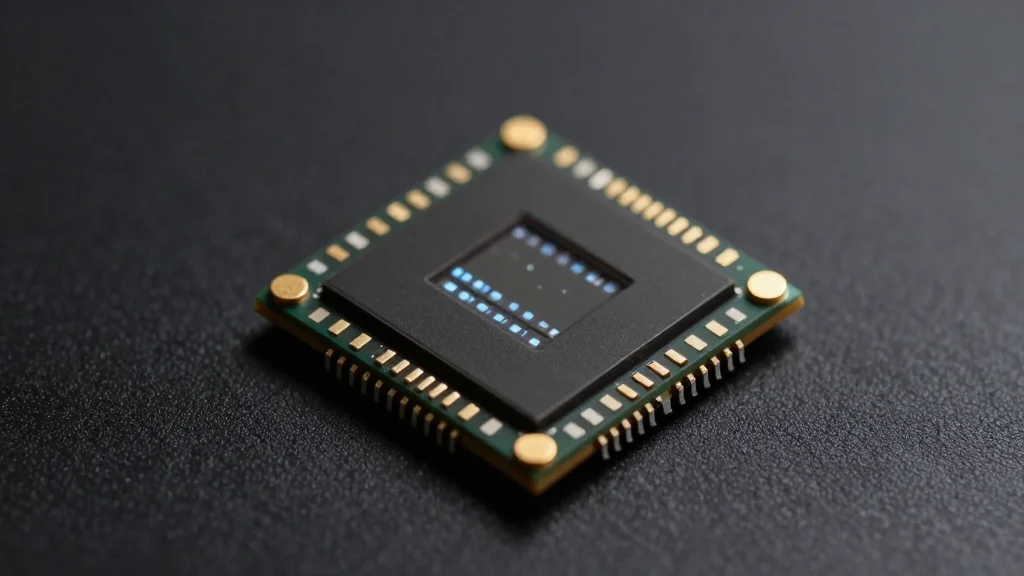
Researchers at Quantum Motion and UCL unveiled a radio‑frequency electron‑cascade readout that amplifies spin‑qubit signals, boosting signal‑to‑noise ratio by over 35 dB. The technique reads two‑electron spin states in roughly 7.6 µs, a hundred‑fold speed gain versus prior dispersive methods. By eliminating...

Cisco Unveils Quantum Network Advancements
Cisco unveiled a prototype universal quantum switch that can route quantum data across existing fiber‑optic networks while preserving photon entanglement. The device operates at room temperature, supports four encoding modalities, and can reconfigure connections in nanoseconds using less than a...

Infineon Joins European Quantum Pilot Lines for Quantum Chips
Infineon announced its participation in three of Europe’s six quantum pilot line projects—CHAMP-ION, SUPREME and SPINS—bringing semiconductor manufacturing expertise to the emerging quantum‑chip ecosystem. The pilot lines are designed to bridge the gap between laboratory prototypes and industrial‑scale production, offering...
QC Design Launches Gauge for Theoretical Error-Correction Benchmarking
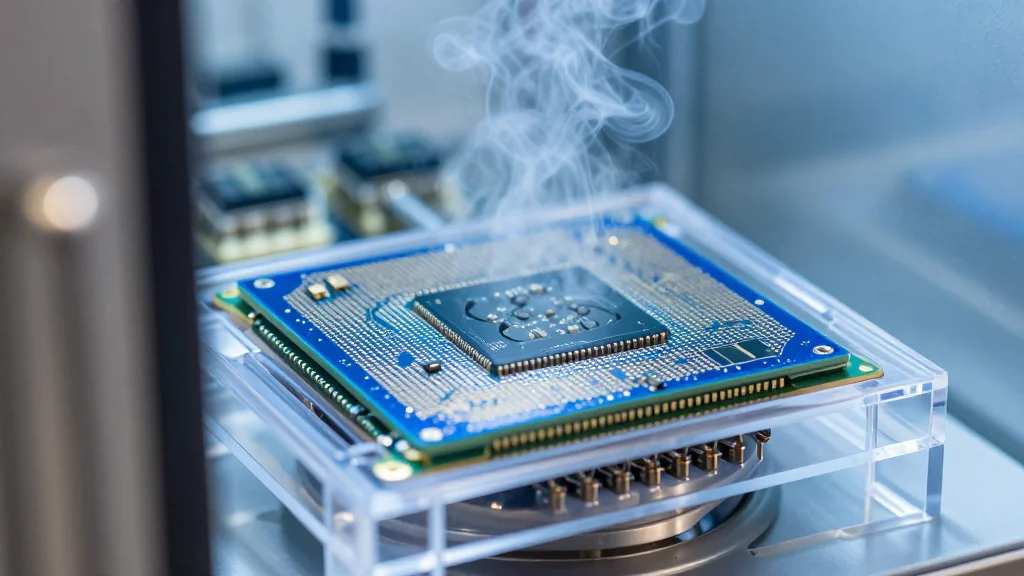
QC Design has unveiled Gauge, an extension to its Plaquette platform that benchmarks the theoretical limits of quantum error‑correction codes. By mapping decoding to a statistical‑mechanical model, Gauge computes optimal fault‑tolerance thresholds under various noise conditions. Its Markov‑chain Monte Carlo...
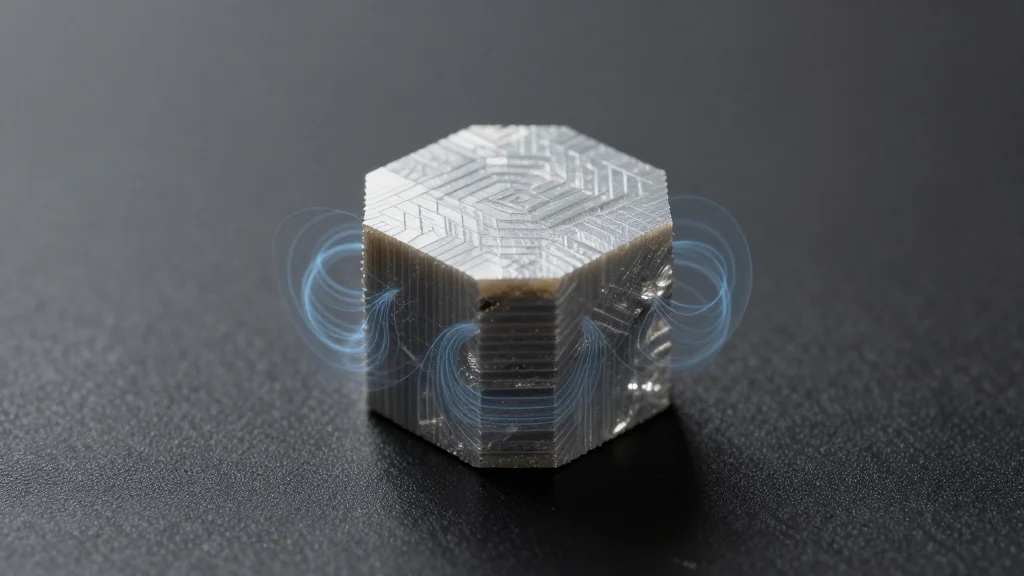
Soundwaves Settle Debate About Elusive Quantum Particle
Researchers at Cornell have resolved a long‑standing controversy over the thermal Hall effect in the insulator α‑RuCl₃. By measuring ultrasonic phonon propagation instead of heat flow, they showed that rotating lattice vibrations—chiral phonons—produce the Hall response via intrinsic Hall viscosity....
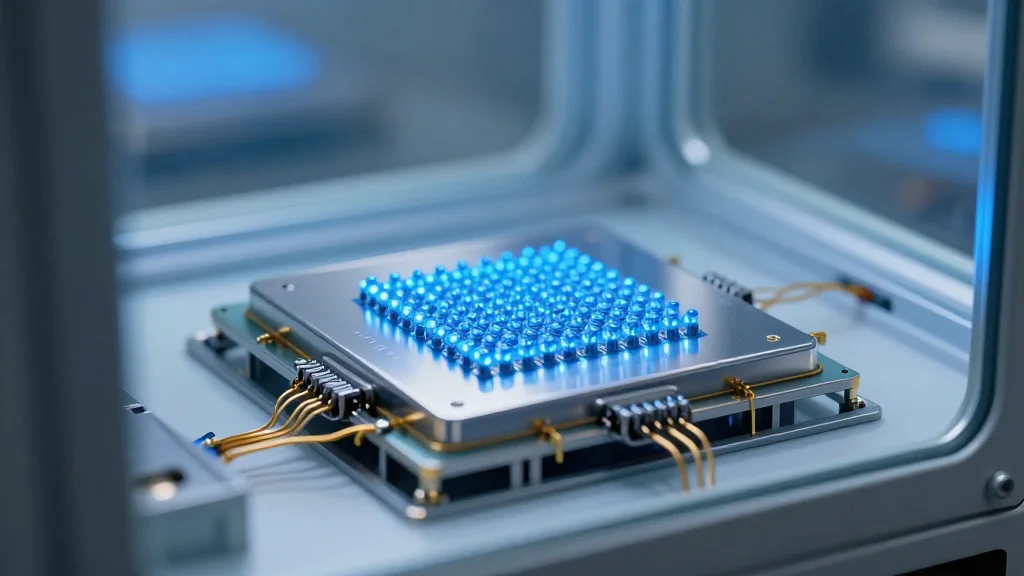
Architectural Blueprints for Fault-Tolerant Trapped-Ion and Neutral-Atom Systems
Recent papers present two fault‑tolerant quantum computing blueprints that exploit hardware‑specific strengths. IonQ’s “Walking Cat” architecture uses ion mobility in a QCCD chip to run dense QLDPC codes, achieving a [[102,22,9]] memory that packs 22 logical qubits into 102 physical...

Quantum Computing Is a National Priority, but Who’s Actually in Charge?
The GAO’s latest review of the National Quantum Initiative reveals that the federal government is spending roughly $200 million annually on quantum computing, yet the strategy lacks clear subordinate objectives and performance metrics. Multiple agencies are involved, but no single entity...

PSC, Pennsylvania Universities Form Keystone AI and Quantum Factory Initiative
Pennsylvania’s seven research‑intensive universities, the Pittsburgh Supercomputing Center, the Commonwealth and Team Pennsylvania have launched the Keystone AI + Quantum Factory, a statewide network that pools high‑performance GPU/CPU and quantum resources. The initiative creates a shared computing infrastructure to accelerate AI and...
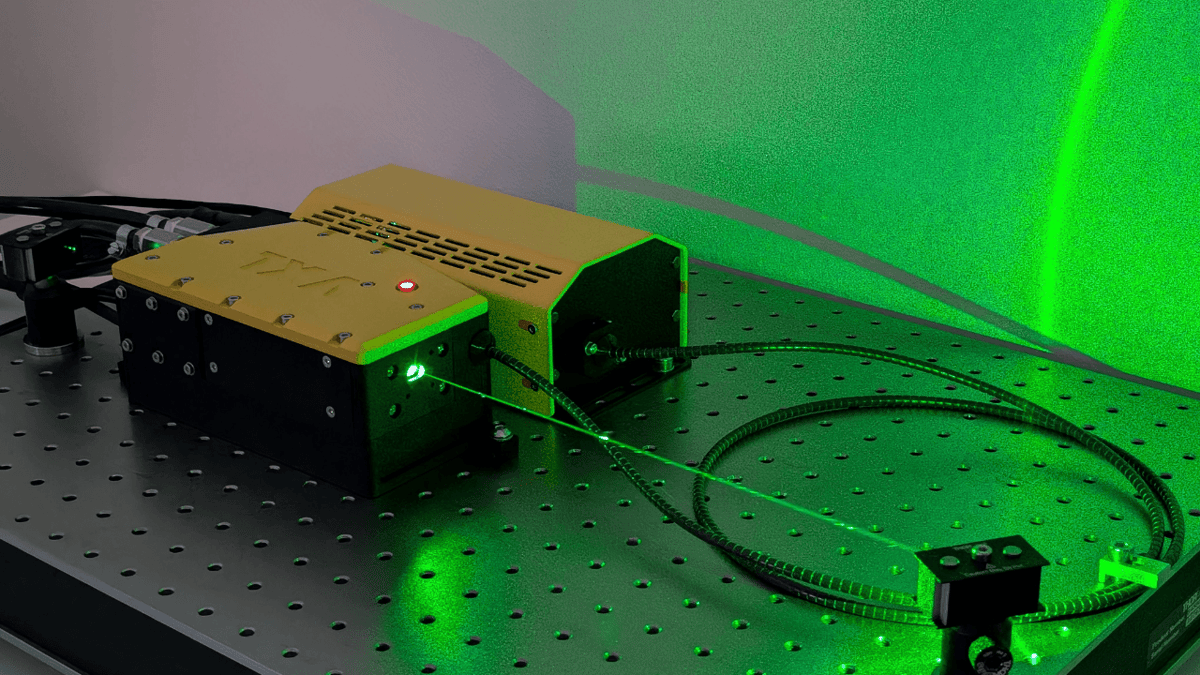
The Quantum Bottleneck Isn’t Chips — It’s Lasers, and Vexlum Wants to Fix It
Vexlum, a Finnish spin‑out focused on III‑V semiconductor lasers, is transitioning from boutique production to its own semiconductor fab to satisfy rising demand for high‑power, low‑noise laser sources. Its VECSEL technology provides compact, multi‑wavelength lasers crucial for quantum computers, atomic...

QGI (Quantum General Intelligence) Introduces Quantum Algorithm Engine for Real-World Production AI Systems
Quantum General Intelligence (QGI) unveiled Q-Prime, a quantum‑structured embedding model, and opened public preview of its Quantum‑Augmented Generation (QAG) Engine. The engine applies quantum‑mechanics concepts such as superposition and interference on standard NVIDIA GPUs, delivering deterministic reasoning for enterprise AI....

Enterprises Are Ramping up Preparations for a Post-Quantum World – Experts Worry It Could Be Too Late for Many
Post‑quantum computing adoption is accelerating, with Juniper Research projecting users to rise from 35,000 this year to over 100 million by 2035, yet only 27% of firms plan to implement quantum‑secure safeguards in time. Google now predicts quantum computers capable of...

Coinbase Says Bitcoin Not at Risk to Quantum
The Coinbase Quantum Advisory Council announced that Bitcoin’s core infrastructure—mining, hash functions, and historical data—is not presently vulnerable to quantum attacks. A multi‑institution research paper supports this view but warns that wallet‑level private keys could become exposed as quantum computers...

Cabling for Next-Gen Quantum Computing Infrastructures
Quantum computing’s growth hinges on reliable, low‑thermal I/O infrastructure. Delft Circuits’ Cri/oFlex superconducting cables replace traditional wiring inside cryostats, delivering higher channel density and reduced heat transfer. The solution bridges warm control electronics with ultra‑cold quantum processors, supporting the high‑frequency...

Ripple Wants the XRP Ledger to Be Quantum-Proof by 2028. Here Is Its Plan
Ripple announced a four‑phase roadmap to make the XRP Ledger quantum‑resistant by 2028. The plan starts with an emergency “Q‑day readiness” phase that would require all funds to move to quantum‑safe accounts and enable recovery via zero‑knowledge proofs. Subsequent phases...

Two Paths to Scalable Quantum Computing: Optical Links Between Fridges and Higher-Temperature Qubits
Researchers led by Prof. Hong Tang reported two advances that could unlock large‑scale quantum computers. First, they built an electro‑optic transducer that converts microwave qubit signals to optical photons, enabling a 1‑km fiber link between separate dilution refrigerators without cryogenic...
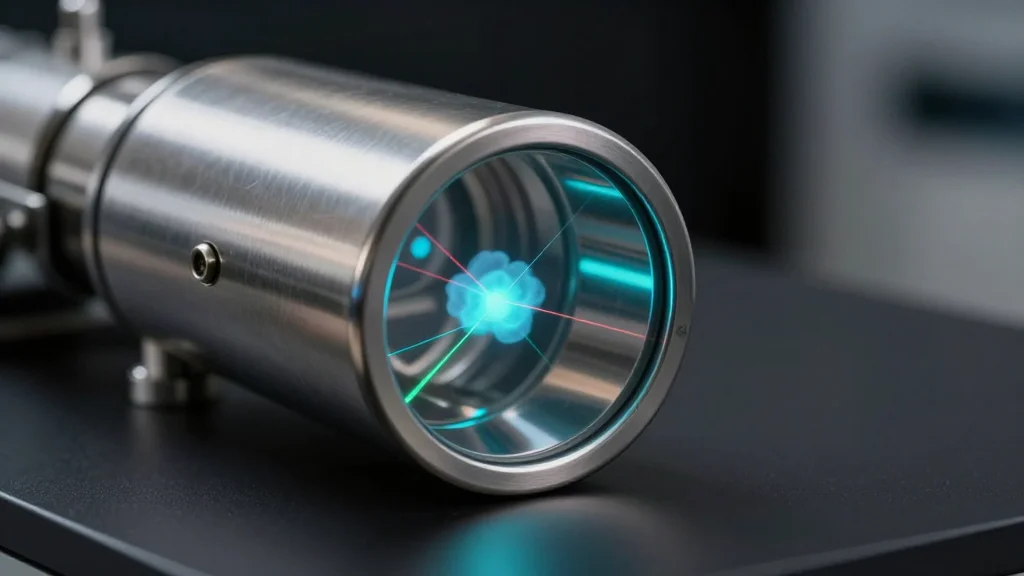
A Long-Sought Quantum Computing Milestone Arrives as Fermionic Atom Gates Top 99% Accuracy
Two independent teams at the Max Planck Institute and ETH Zurich have demonstrated collisional quantum gates using fermionic lithium‑6 atoms, achieving two‑qubit gate fidelities above 99 %. Bojović’s group reported a peak accuracy of 99.75 %, while Kiefer’s team reached a loss‑corrected...

Quantum Computing and Storage
OVHcloud has added Quantum Computing‑as‑a‑Service (QaaS) by offering Quandela’s 12‑qubit Belanos photonic quantum computer on a pay‑as‑you‑go basis. The quantum processor works alongside OVH’s traditional object storage, with data encoded into photonic states before each run and results post‑processed on...
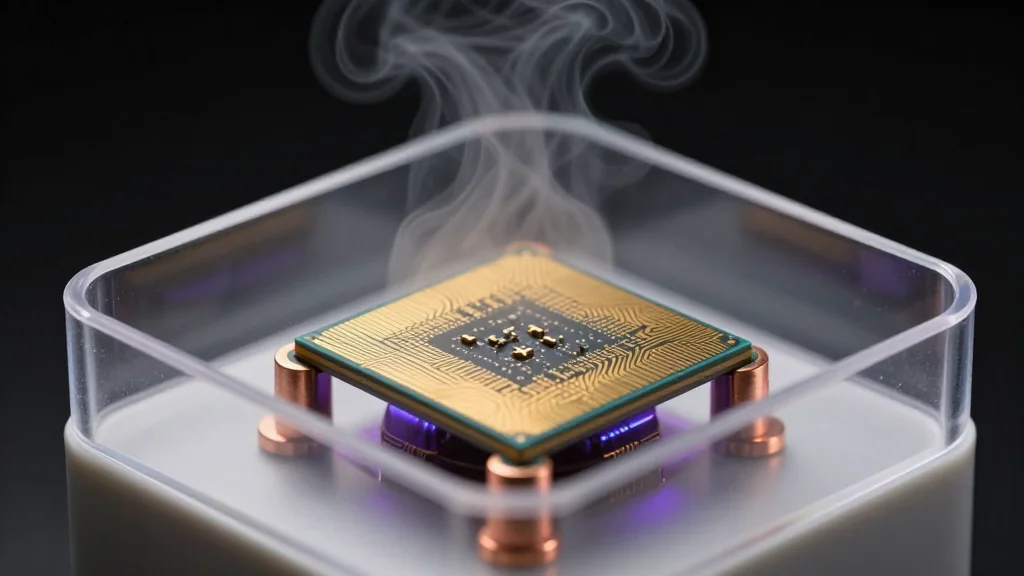
Quantum Computers Reveal Heat that Flows the Wrong Way
Researchers have applied machine‑learning algorithms to diagnose and classify noise sources in superconducting quantum processors, revealing anomalous heat flow that can reverse direction under certain operating conditions. The AI‑driven analysis pinpoints microscopic defects and thermal gradients within the chip, enabling...
UK Startups Join DTC Quantum Incubator to Advance Practical Quantum Applications
Four UK startups have joined the DeepTech Catalyst Quantum incubator, receiving up to $125,000 each in targeted R&D funding and access to Harwell's high‑performance facilities. The cohort—Curenetics, Coherence Engine, AmorphiQ and Qascade—focuses on quantum‑enhanced AI for cancer vaccines, hardware simulation...
Could These 3 New-to-Market Quantum Computing Firms Threaten D-Wave?
Newly listed quantum computing firms are gaining attention as potential challengers to D‑Wave. Horizon Quantum Holdings announced partnerships with IonQ and Alpine Quantum, while Infleqtion is scaling neutral‑atom qubits toward a 100‑qubit goal by 2028. Canadian photonics player Xanadu also...
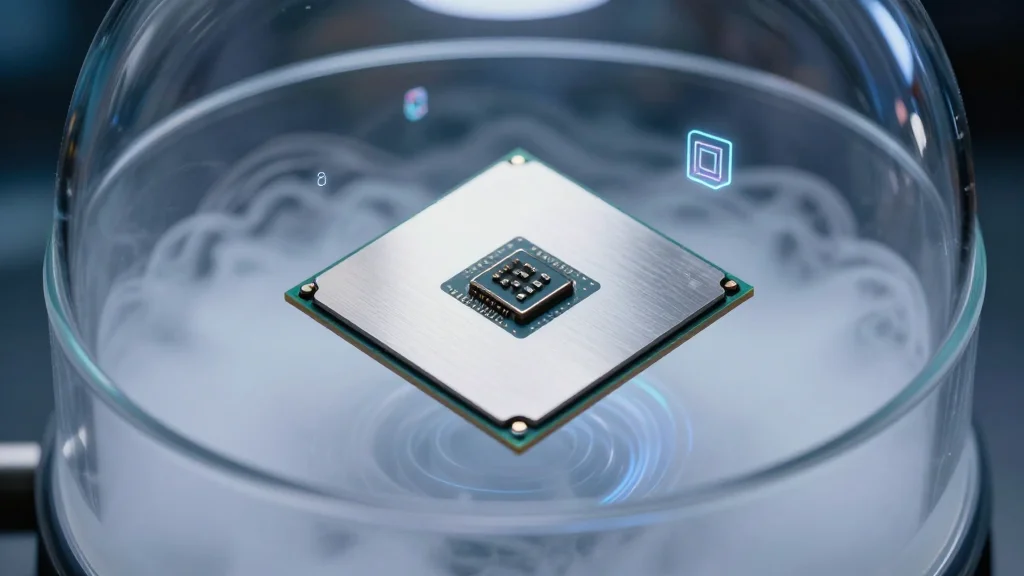
Google Quantum AI Is Now Accepting Proposals for Early Access to Their Willow Quantum Processor
Google Quantum AI announced an early‑access program for its Willow quantum processor, inviting external researchers to submit proposals. The initiative targets projects that can demonstrate high‑impact scientific breakthroughs or novel quantum results. Proposals must be submitted by May 15, 2026, with successful...
Qjump: Shallow-Circuit Quantum Sampling Guides Combinatorial Optimization On up to 104 Superconducting Qubits, Qjump Assists in Searching the Ground States...
Researchers at Zhejiang University introduced Qjump, a hybrid quantum‑classical algorithm that uses shallow quantum circuits to sample low‑energy states of Ising models. Demonstrated on a 104‑qubit superconducting processor, Qjump outperformed fixed‑parameter QAOA and a highly tuned simulated annealing baseline. The...
Chemically Accurate Molecular Simulations Demonstrated on IQM Sirius Hardware
Researchers from India, Singapore and the USA used IQM's 24‑qubit Sirius superconducting processor to achieve chemically accurate molecular simulations via Sample‑based Quantum Diagonalization (SQD). The study compared two ansätze—Local Unitary Cluster Jastrow (LUCJ) and Linear‑CNOT Unitary Coupled‑Cluster (LCNot‑UCCSD)—showing LUCJ’s shallow...
European Consortium Launches €50 Million SPINS Pilot Line to Industrialize Semiconductor Quantum Chips
The European Union’s Chips Act has funded a €50 million (≈$55 million) SPINS pilot line to industrialise semiconductor‑based spin‑qubit chips. Led by imec and backed by 25 partners—including Infineon, STMicroelectronics and Fraunhofer IPMS—the initiative creates a 300 mm CMOS pathway for Si/SiGe, Ge/GeSi and...

SDT and IonQ Expand Strategic Cooperation via Resource Utilization Agreement
South Korean quantum‑tech firm SDT Inc. has signed a resource utilization agreement with U.S. quantum‑computing leader IonQ, embedding IonQ’s trapped‑ion hardware into SDT’s hybrid cloud platform QuREKA. The deal transforms QuREKA from a connectivity gateway into an execution‑focused environment where...
Jim Cramer Says “The Only Viable Quantum Businesses Belong to Google, IBM, and Honeywell (HON)”
Jim Cramer highlighted that while many public companies tout quantum ambitions, only Google, IBM and Honeywell currently have viable quantum businesses. He pointed out Honeywell’s quantum unit, Quantinuum, will spin off later this year, with Honeywell retaining a 54% stake....

BitsStrategy Unveils a Quantum AI Trading App Designed for Faster, Data-Driven Trading Decisions
BitsStrategy announced a quantum AI trading app that leverages artificial intelligence to parse real‑time market data and generate faster, data‑driven trade signals. The app emphasizes a streamlined, app‑first experience, offering new registrants a $10 real‑earnings credit to encourage trial. By...