.png)
IonQ Details “Walking Cat” Blueprint for Fault-Tolerant Trapped-Ion Systems
IonQ unveiled the “Walking Cat” blueprint, a full-stack specification for a fault‑tolerant trapped‑ion quantum computer. The design couples >99.99% two‑qubit gate fidelity with a Quantum Charge‑Coupled Device that shuttles ions, delivering any‑to‑any connectivity without fixed wiring. It targets a scalable roadmap of 2 million physical qubits and 80 000 logical qubits by 2030, and estimates that 10 000 physical qubits could simulate a 100‑site Heisenberg Hamiltonian in about a month. The architecture also demonstrates Shor’s algorithm on a 102‑qubit instance, proving universal logical instruction support.

DENMARK LOVES IQT NORDICS 2026 (OSLO) JUNE 22-24 AS A DANISH PAVILION JOINS THE NETWORKING HALL
The IQT NORDICS conference in Oslo on June 22‑24, 2026 will host a Danish pavilion within its networking hall. Nine Danish organizations—including Biolnnovation Institute, Copenhagen Quantum, and Sparrow Quantum—join the event, bringing Denmark’s quantum expertise to the fore. With the pavilion’s addition,...
Why Businesses Should Experiment With Quantum Computing Now
Quantum computing should be treated as a general‑purpose enabling technology rather than a ready‑made solution. Leading firms such as Lockheed Martin and IBM have already launched multi‑year pilots and cloud services to learn how quantum methods can solve real problems,...

Quantum Motion Raises $160M to Bring Quantum Into Data Centers
Quantum Motion, a UK silicon‑based quantum computer maker, closed a $160 million Series C round led by DCVC and Kembara, making it the best‑funded UK quantum firm. The company argues its CMOS qubits cut cost by 100‑fold and energy use by 1,000‑fold...

Quantum Brilliance CEO Mark Luo on Deployable Quantum Systems and the Future of Diamond-Based Computing
Quantum Brilliance, founded on the premise that synthetic‑diamond chips can run quantum operations at room temperature, has become a TIME Top 100 Invention of 2025. CEO Mark Luo says the company’s strategy—eschewing cryogenic systems, investing heavily in European manufacturing, and securing...
New Open-Source Tool Uses Gradient Descent to Determine QSP Phase Angles
Independent researcher Ross Peili released an open‑source demo that trains Quantum Signal Processing (QSP) phase angles using gradient descent. By leveraging PennyLane and JAX, the approach reformulates phase‑angle determination as a variational optimization problem, sidestepping unstable analytic solvers. The demo reproduces...

Hourglass Nanographenes Unlock Strong, Robust Multi-Spin Entanglement
Researchers at the National University of Singapore have engineered hourglass‑shaped nanographene molecules that host four interacting electron spins. By extending the classic Clar’s goblet structure, they synthesized two variants—C₆₂H₂₂ and C₇₆H₂₆—using atomically precise on‑surface chemistry. One design generates spins purely...

Haiqu Launches Agentic Quantum Operating System to Accelerate Enterprise Quantum R&D
Quantum Machines announced the acquisition of QHarbor and the opening of a new office in Delft, Netherlands, strengthening its software platform and European footprint. A recent weekly round‑up highlighted a surge of investor capital into trapped‑ion and spin‑qubit hardware, with...
Intel, Behind in AI Chips, Bets on Quantum and Neuromorphic Processors
Intel, trailing its rivals in AI accelerators, is betting on quantum and neuromorphic processors to revive its growth. CEO Lip‑Bu Tan named veteran Pushkar Ranade as chief technology officer, tasking him with advancing quantum computing, neuromorphic chips, photonics and novel...

C-Suites Want Concrete Quantum Use-Cases, Not Hype
Research from QuEra Computing shows a clear pivot in enterprise quantum spending: executives now demand concrete proof of value before committing capital. While 44% of firms plan to increase quantum budgets, a larger 46% expect flat spending, and 10% anticipate...
ORCA Computing and SiC Expand Agentic AI with Quantum Computing
ORCA Computing and SiC Systems have announced a strategic partnership to embed hybrid quantum‑classical computing into SiC’s agentic AI platform for chemical and biomanufacturing processes. The combined solution leverages ORCA’s photonic quantum processors and SiC’s physics‑informed multi‑agent suite to accelerate...
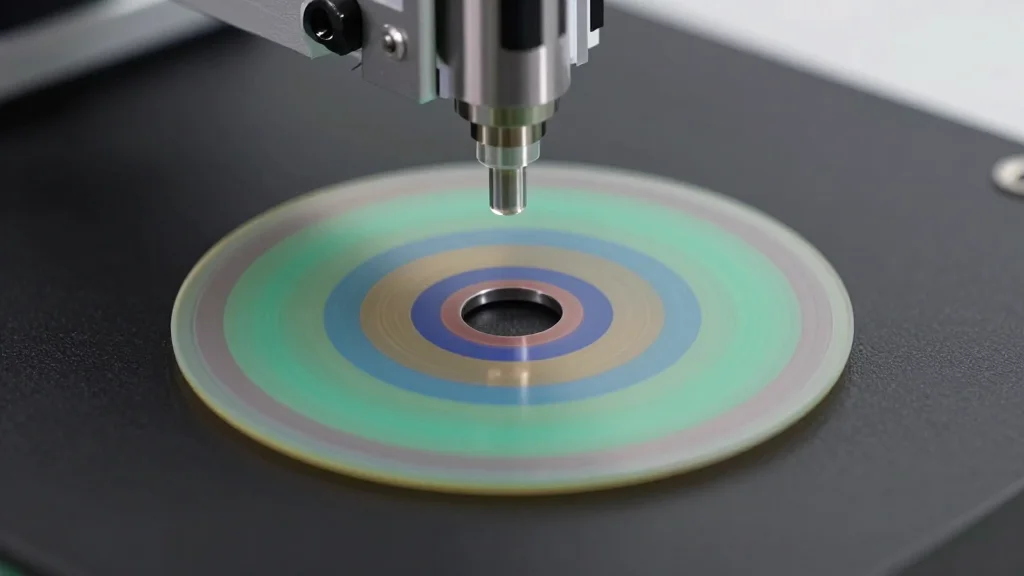
Xanadu and EVG Partner on Heterogeneous Integration and Wafer Bonding Processes for Photonic Quantum Systems
Xanadu Quantum Technologies and Austria’s EV Group have formed a strategic partnership to develop heterogeneous integration and wafer‑bonding processes for photonic quantum computers. EVG will supply industrial‑grade bonding and lithography tools to fabricate Xanadu’s multi‑material photonic chips, aiming to shift...
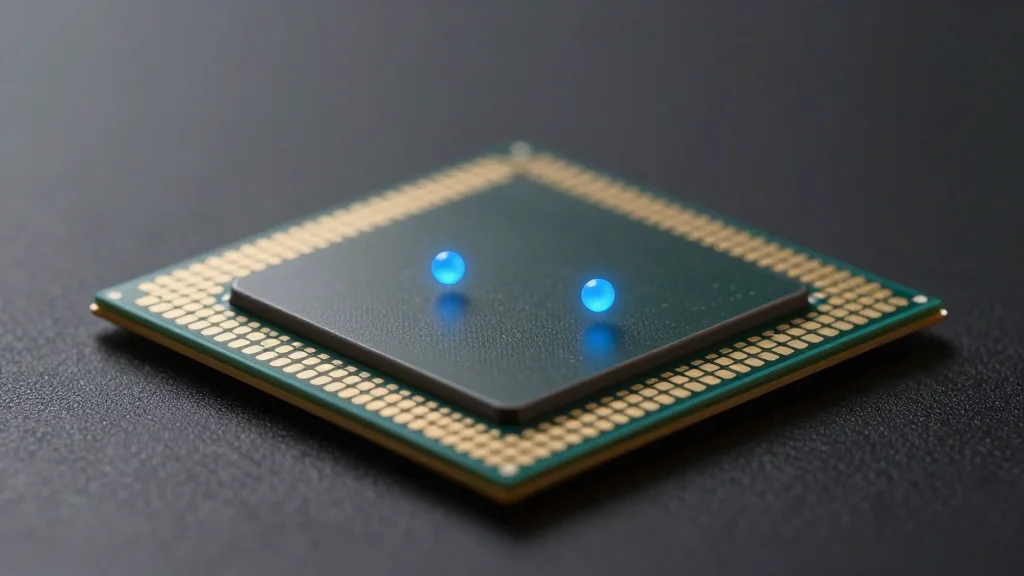
Two-Qubit Logic and Teleportation with Mobile Spin Qubits in Silicon
Researchers demonstrated high‑fidelity two‑qubit logic and quantum‑state teleportation using mobile spin qubits in a silicon‑based six‑dot array. By synchronously shuttling two electrons in conveyor‑mode potentials, they activated a tunable exchange interaction up to ~90 MHz and achieved a CZ‑gate fidelity of...

QuantWare Raises €152 Million in the Largest Private Round for a Dedicated Quantum Processor Company
QuantWare, the Delft‑based quantum processor maker, closed a €152 million ($178 million) Series B round, the biggest private financing for a dedicated quantum chip company. The funding backs its VIO‑40K architecture, designed to deliver 10,000‑qubit superconducting processors—about 100 times today’s leading devices. New backers...

German Deeptech eleQtron Lands €57M Series A Funding
German deep‑tech startup eleQtron announced a €57 million (≈$62 million) Series A round led by Schwarz Digits, with participation from the European Innovation Council Fund, Earlybird and several new investors. The capital will accelerate the industrial scaling of its trapped‑ion quantum processors that...

Quantum Computing Moves Closer to Drug Discovery with Enzyme Study
A quantum‑computing team has successfully modeled the active site of a key enzyme, demonstrating that quantum simulations can capture chemical reactions with unprecedented accuracy. The study, conducted on a 127‑qubit superconducting processor, reproduced experimental binding energies within a few kilojoules...
Podcast with Michaela Eichinger, Product Solutions Physicist at Quantum Machines
In a May 4, 2026 podcast, Quantum Machines product solutions physicist Michaela Eichinger discusses her shift from academia to industry, the launch of her popular quantum‑computing newsletter, and the importance of a systems‑level view of the quantum stack. She highlights that progress...

Quantum eMotion Launches eShield-Q for Runtime Cryptographic Protection
Quantum eMotion Corp. unveiled eShield‑Q on May 4, 2026, a runtime cryptographic protection platform that secures encryption keys while they are in use. The solution combines quantum‑generated entropy, register‑based key storage, just‑in‑time decryption, and continuous integrity checks to guard against memory‑scraping and...
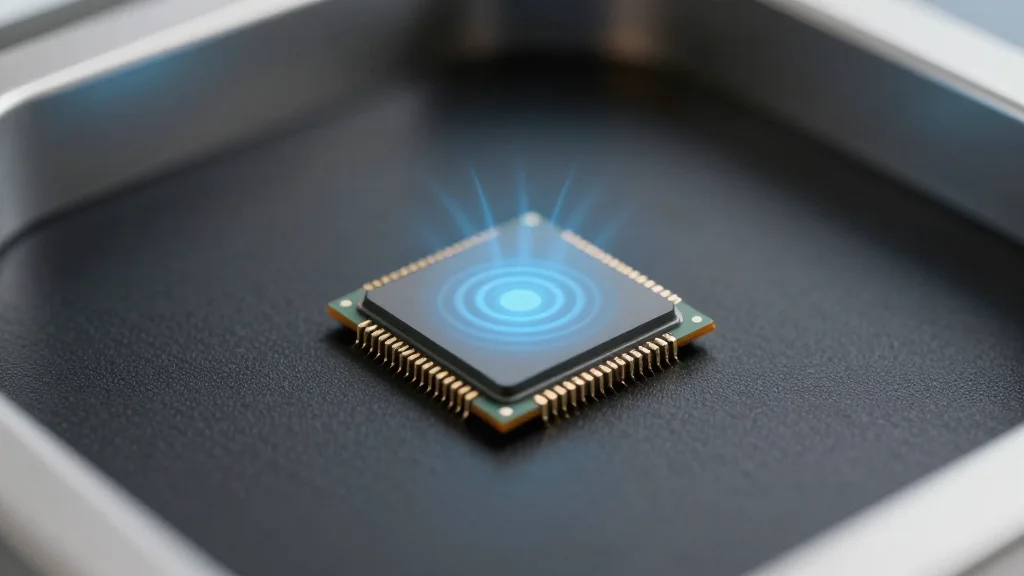
Quantum Error Correction Faces Another Hurdle
Google Quantum AI researchers have identified correlated phase‑error bursts in superconducting qubits that persist far longer than previously observed bit‑flip errors. The study shows that quasiparticles generated by ionizing radiation can suppress the superconducting gap, causing phase decoherence even in gap‑engineered...

Quantum Readiness for Energy Sector: Not Encryption, Operational Longevity
The article argues that quantum‑readiness for energy firms must be framed around decades‑long asset lifecycles, not short‑term encryption upgrades. With three post‑quantum cryptography standards already ratified, the migration path can span 10‑20 years, matching the operational lifespan of power‑generation and...
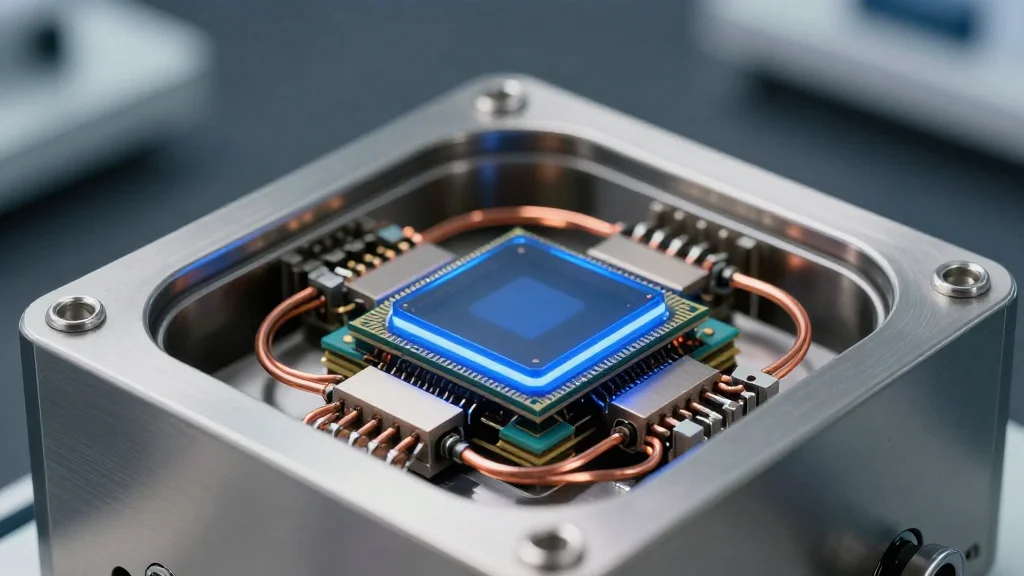
Maryland Budget Secures Millions to Consolidate “Capital of Quantum” Status
Maryland’s FY 2027 budget earmarks over $70 million for its Capital of Quantum initiative, expanding IonQ’s headquarters, University of Maryland quantum facilities, and the ARLIS research lab. The state has already secured more than $500 million in quantum‑related funding since 2025, including a...
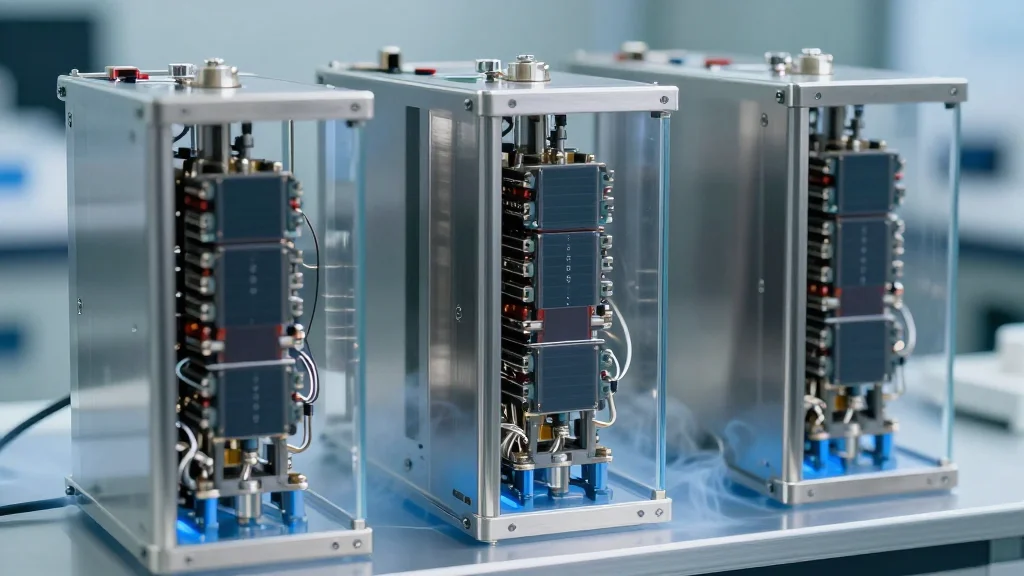
TreQ Deploys Open-Architecture Quantum Computing Testbed in Oxfordshire, UK
TreQ has launched an Open‑Architecture Quantum (OAQ) Testbed in Oxfordshire, UK, as part of Innovate UK’s Quantum Mission Pilot. The three‑rack system combines modular processors, control hardware and software from multiple vendors, allowing eight distinct computing configurations without recabling. Integrated components...

Qruise and Goethe University Frankfurt Automate NV-Center QPU Bring-Up
Qruise partnered with XeedQ and the MSQC group at Goethe University Frankfurt to automate the bring‑up of XeedQ’s 5‑qubit portable NV‑center quantum processor, dubbed Baby Diamond. Using its QruiseOS platform, the team achieved fully automated calibration, enabling experiments from basic...
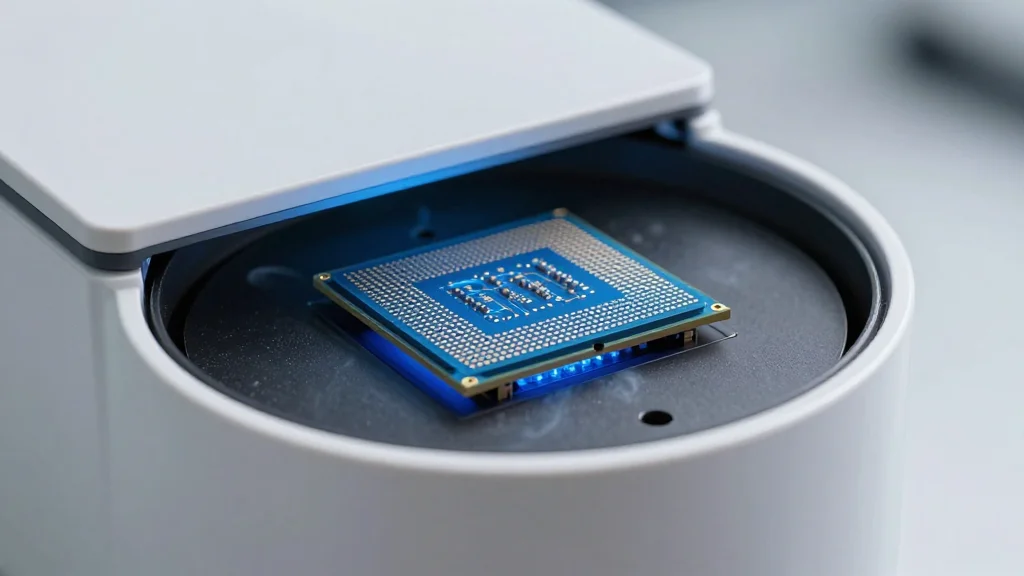
Quantum Science Center Researchers Demonstrate First Digital Quantum Simulation of Spin Transport
Researchers at the Quantum Science Center, in partnership with Purdue, ORNL and IBM, performed the first digital quantum simulation of spin transport on a 40‑qubit IBM Heron processor. By employing a novel mid‑circuit measurement algorithm, they reduced the computational overhead from...

CQE Releases Unified Regional Strategy to Scale Midwest Quantum Workforce
The Chicago Quantum Exchange unveiled a comprehensive strategy to prepare the Illinois‑Wisconsin‑Indiana corridor for an estimated 191,000 quantum‑related jobs by 2035. Backed by the NSF, the plan emphasizes that more than 70% of those roles will not require graduate degrees,...
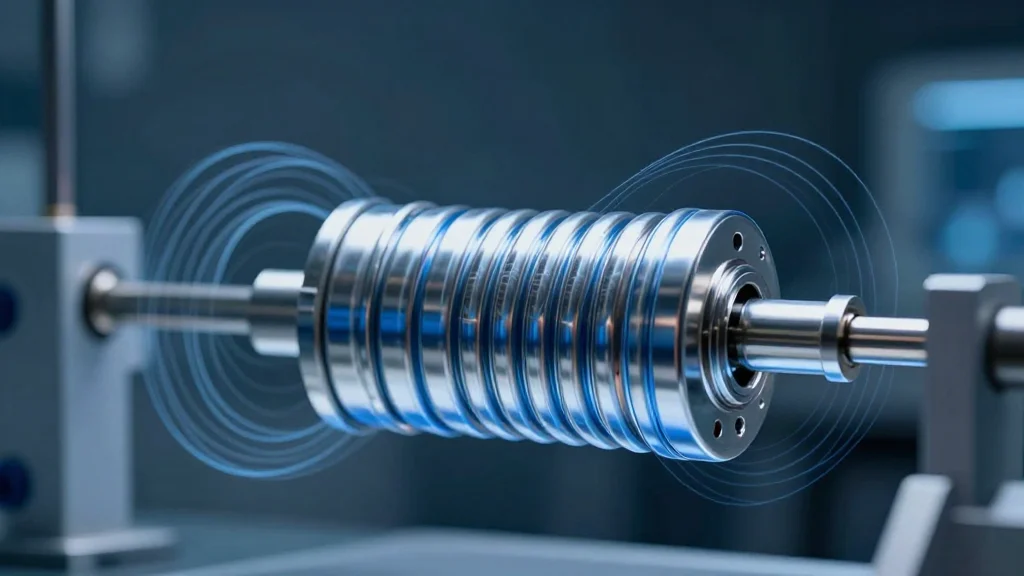
Lawrence Livermore National Laboratory Receives $4.1M ARPA-E Award to Develop Quantum Algorithms for Magnetic Materials
Lawrence Livermore National Laboratory has secured a $4.1 million ARPA‑E award to create hybrid quantum‑classical algorithms for discovering next‑generation magnetic materials. The effort will run on LLNL’s El Capitan supercomputer and partner neutral‑atom quantum hardware, aiming to produce 100 logical qubits from...
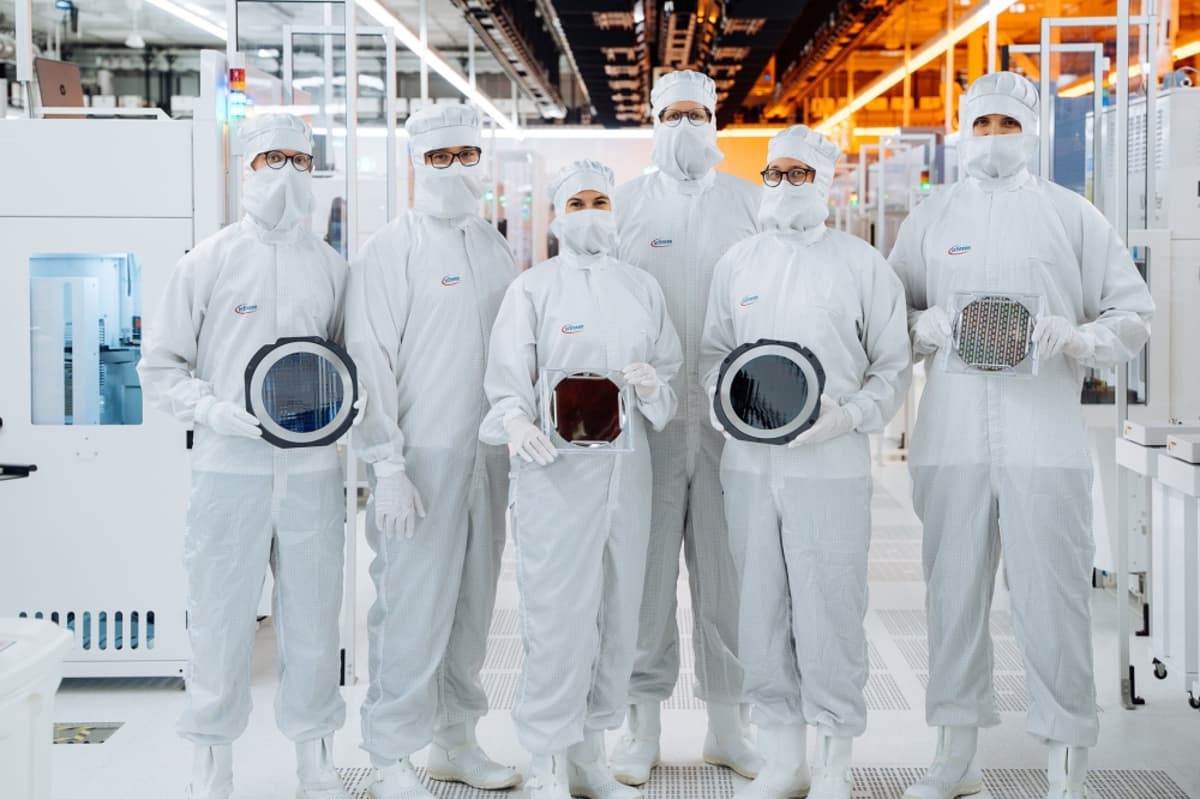
Infineon Contributes Industrialisation Know-How to European Quantum Pilot Lines
Infineon Technologies is contributing its semiconductor‑manufacturing expertise to three European quantum pilot lines—CHAMP‑ION (ion‑trap chips), SUPREME (superconducting qubits) and SPINS (CMOS‑based quantum nano‑systems). The initiatives, backed by the EU Chips for Europe programme, aim to move quantum hardware from laboratory...

Why a Canadian Bank Is Trying to Predict Earthquakes with Quantum Computers
Bank of Montreal (BMO) has filed a provisional patent on a quantum algorithm aimed at seismic forecasting and launched the BMO Institute for Applied Artificial Intelligence & Quantum. The institute consolidates AI and quantum research, backed by partnerships with Quantum...

New Bitcoin Quantum Proposal Offers Satoshi Nakamoto a Way to Prove Control without Moving BTC
Venture fund Paradigm unveiled a proposal that lets Bitcoin holders create private, on‑chain timestamps—called Provable Address‑Control Timestamps (PACTs)—to prove control of quantum‑vulnerable keys before quantum computers arrive. The method leverages BIP‑322 signatures, a random salt, and OpenTimestamps to lock a...

Quantum Computing Is Coming: Is Your Privacy and Cybersecurity Program Ready?
Quantum computing is poised to upend privacy and cybersecurity by enabling massive data analytics, reidentifying anonymized information, and breaking today’s encryption standards. The shift forces companies to move beyond checklists toward a governance‑driven quantum readiness strategy that blends legal obligations...

BMO Turns to AI and Quantum Computing to Predict Earthquakes
Bank of Montreal (BMO) is leveraging artificial intelligence and quantum computing to develop tools that could predict earthquakes and improve disaster response. The bank’s chief AI and quantum officer, Kristin Milchanowski, secured a provisional patent for a quantum algorithm aimed...

Quantum Computing Weekly Round-Up: Week Ending May 2, 2026
The latest weekly roundup shows accelerating momentum in quantum computing across hardware, finance, and enterprise sectors. Venture capital poured fresh capital into both trapped‑ion and spin‑qubit platforms, while the Defiance QTUM exchange‑traded fund topped $4 billion in assets. Japan announced its...
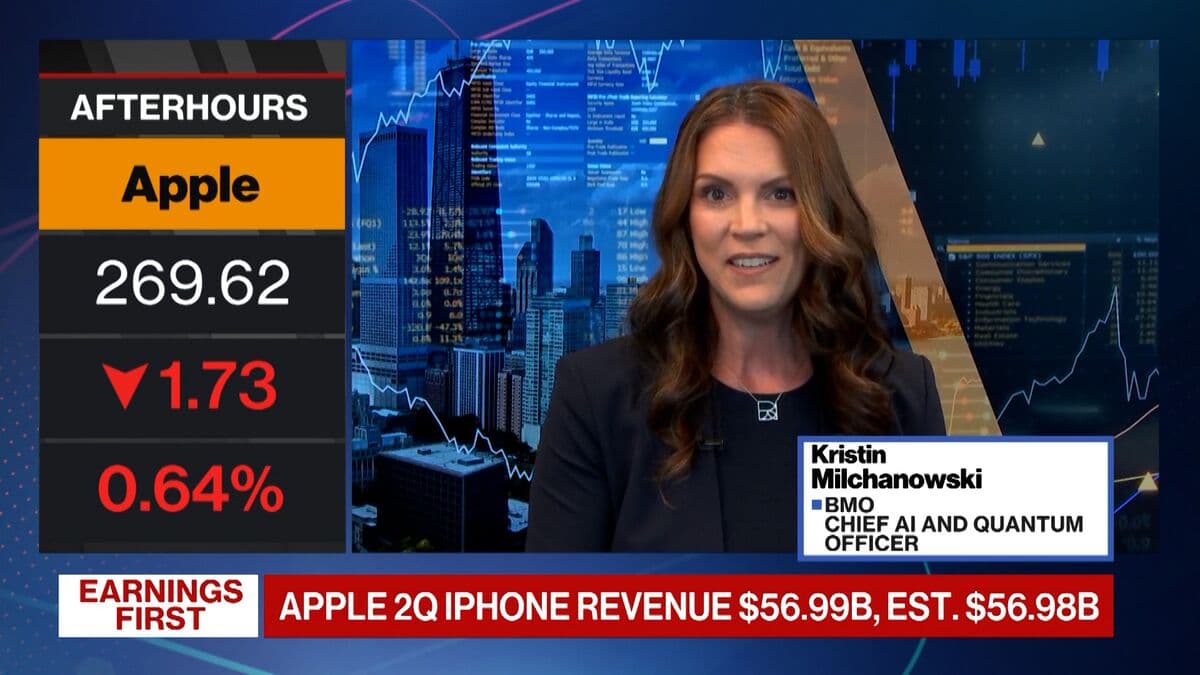
BMO's Milchanowski on Quantum's Banking Sector Impact
BMO’s Chief AI and Quantum Officer Kristin Milchanowski told The Close that quantum computing will start reshaping banking within the next few years, with IBM targeting a fault‑tolerant machine by 2029. She highlighted three priority areas—optimization, risk forecasting and cryptography—where...
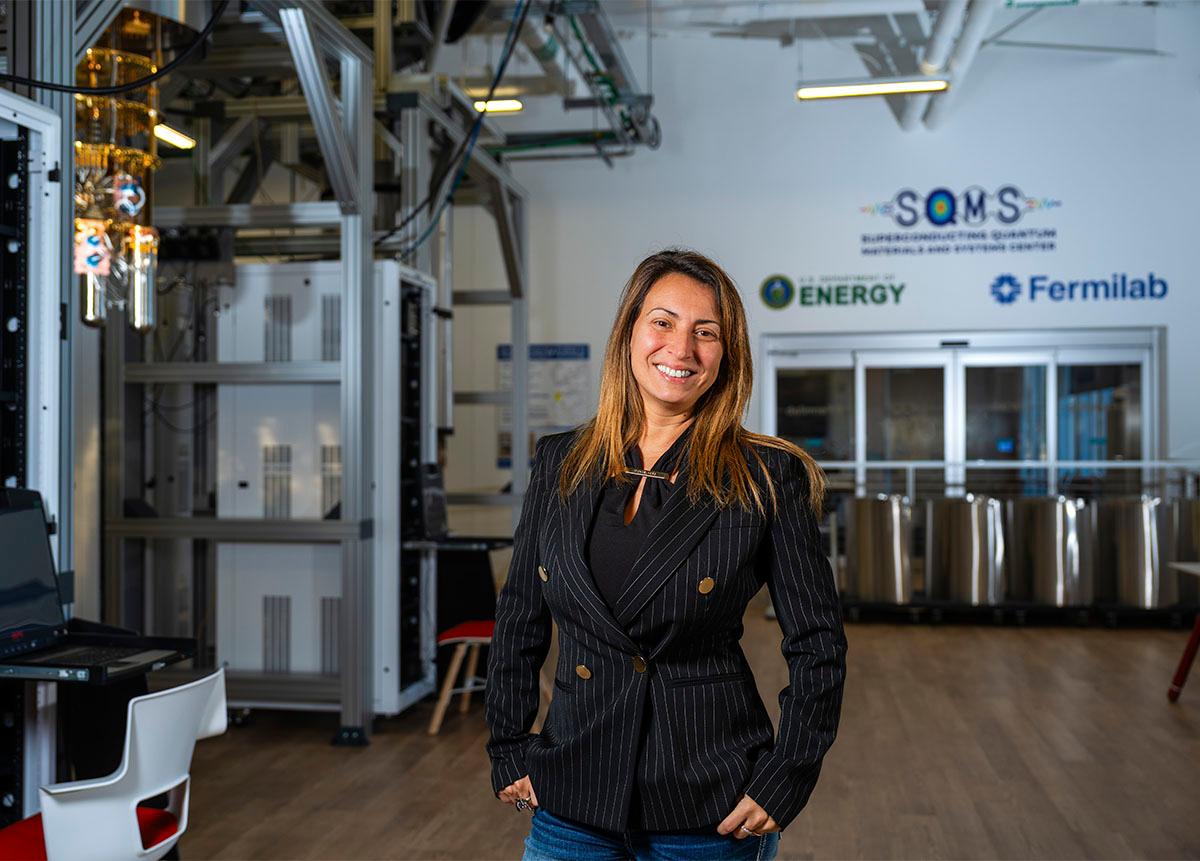
Anna Grassellino Appointed to DOE Office of Science Advisory Committee
Anna Grassellino, Fermilab’s chief technology officer and associate laboratory director, has been appointed to the U.S. Department of Energy’s Office of Science Advisory Committee (SCAC). She will also chair SCAC’s quantum subcommittee, guiding national efforts toward DOE’s 2028 target for...

Proactive Planning Can Mitigate Quantum Migration Failures
Healthcare IT leaders face an imminent shift to quantum computing that could overwhelm existing infrastructure and compromise patient data security. Mike Nelson, field CTO of digital trust at DigiCert, urges a coordinated migration timeline to avoid care disruptions as organizations...

How Healthcare Can Prepare for Quantum Computing
Health systems are being urged to modernize legacy IT and develop migration roadmaps after NIST officially approved a suite of post‑quantum cryptographic algorithms. Mike Nelson, DigiCert’s field CTO, warns that existing encryption in electronic medical records and patient portals is...

Finland’s Algorithmiq Takes Top Spot in $50M Q4Bio Challenge with Quantum Drug Simulation Milestone
Finland’s Algorithmiq won the $2 million prize in Wellcome Leap’s $50 million Q4Bio challenge, becoming the first to demonstrate an end‑to‑end quantum‑classical workflow for drug simulation on real hardware. Using up to 100 qubits on IBM’s quantum computer, the team modeled the...

Quantum Computing's Next Dark Horse Emerges From a Frozen Surface, Where Almost Nothing Behaves as Expected
Researchers at DOE’s Argonne National Laboratory have refined an electron‑on‑neon qubit that traps single electrons above a solid neon surface. The new study, published in Nature Electronics, shows the platform’s noise is 10‑10,000× lower than typical semiconductor qubits and its...
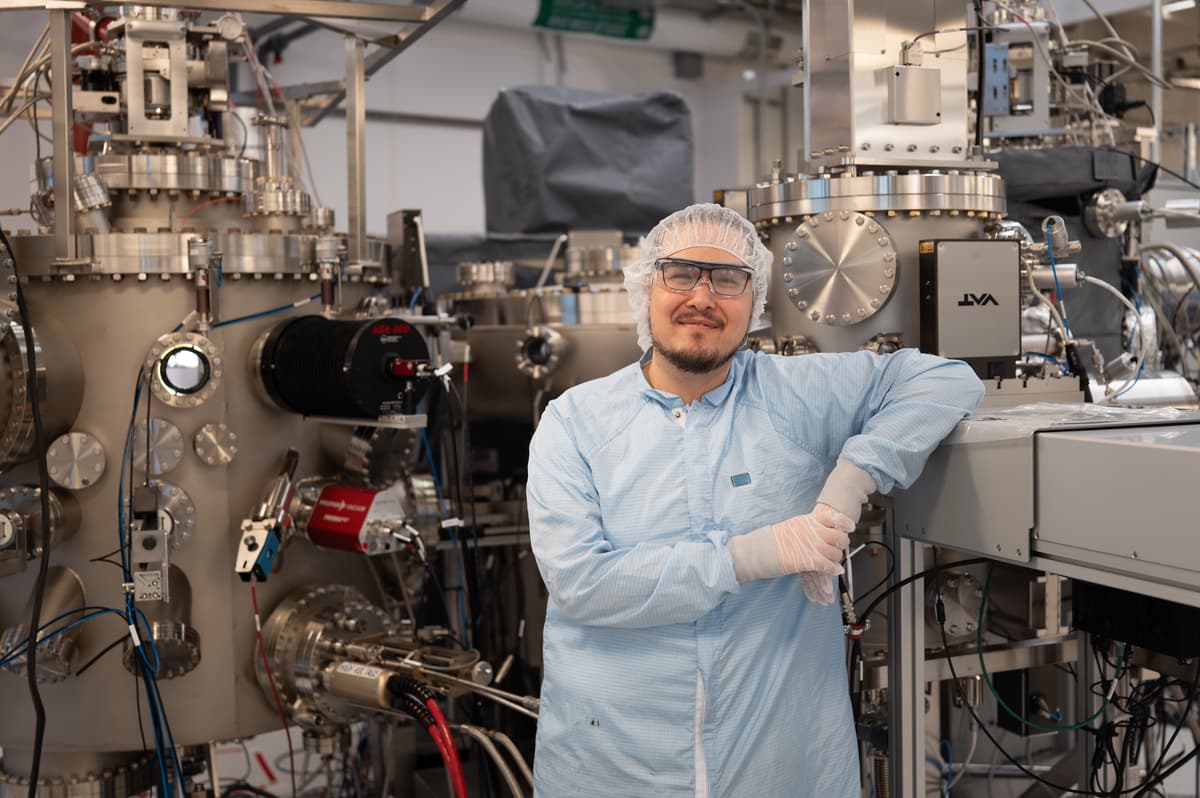
A Materials Scientist’s Playground
MIT.nano has installed a custom 200‑mm wafer molecular beam epitaxy (MBE) system, the largest single‑deposition chamber sold in the United States. The six‑chamber tool enables in‑vacuum growth, oxidation, storage and X‑ray photoelectron spectroscopy (XPS) for real‑time analysis of superconducting and...

The Qubit Report: April 30, 2026
The latest Qubit Report highlights a week of quantum milestones, including the Senate’s reauthorization of the National Quantum Initiative, which secures continued federal support for U.S. quantum research. IBM and IonQ announced joint construction of large‑scale quantum facilities, while a...
Reliable Quantum Computation of Molecular Energies
Researchers at Quantinuum demonstrated a quantum computation of hydrogen's ground‑state energy using just 23 trapped‑ion qubits. By integrating continuous, real‑time error correction with partially fault‑tolerant gate implementations, the team achieved results that closely align with classical benchmarks, albeit at lower...
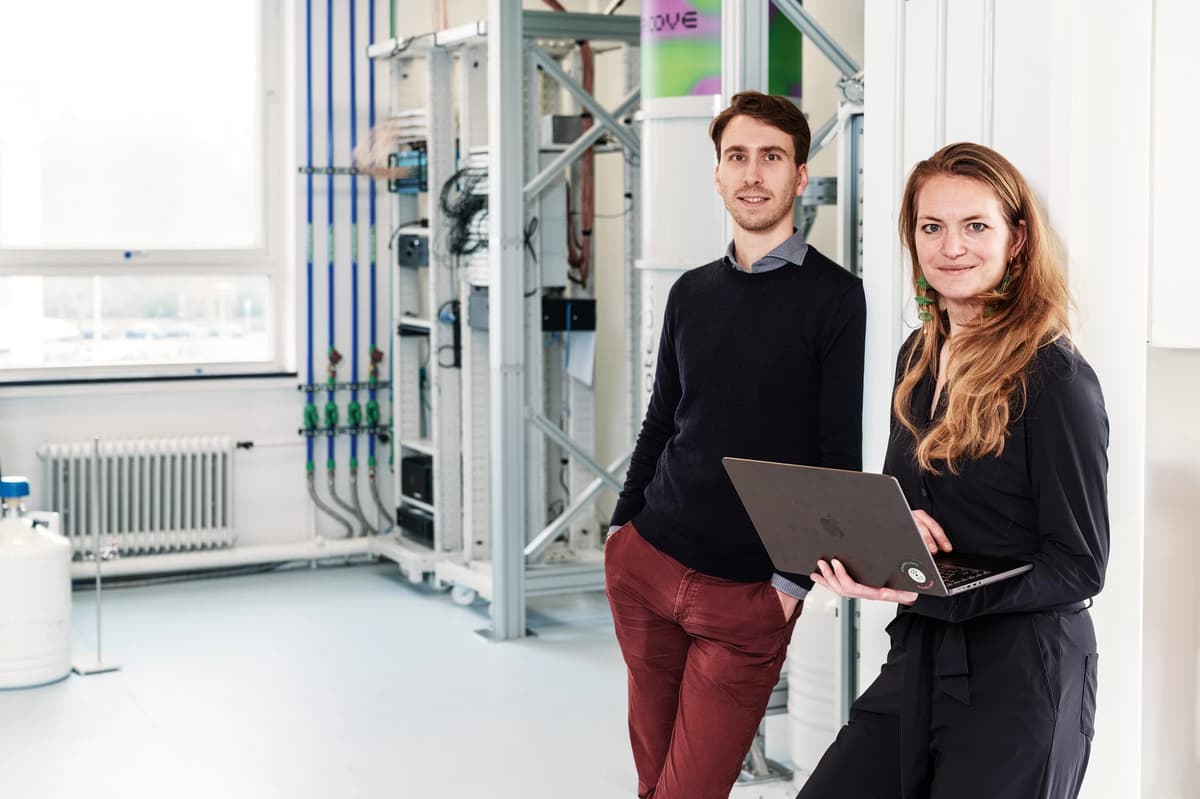
Exclusive: Groove Quantum Raises €16m to Ramp up Chip Production
Groove Quantum, a Dutch quantum‑chip startup, announced a €16 million seed round, roughly $17.4 million. The capital will be used to enlarge its quantum processors and launch industrial‑scale manufacturing. The financing marks a significant step toward commercializing quantum hardware in Europe. Investors...
IBM Expands Quantum and AI Footprint with Chicago Hub and MIT Research Lab
IBM announced a dual expansion, opening the FutureNow Chicago delivery center at the Illinois Quantum and Microelectronics Park and converting its long‑standing partnership with MIT into the new MIT‑IBM Computing Research Lab. The Chicago hub will generate 750 full‑time positions...
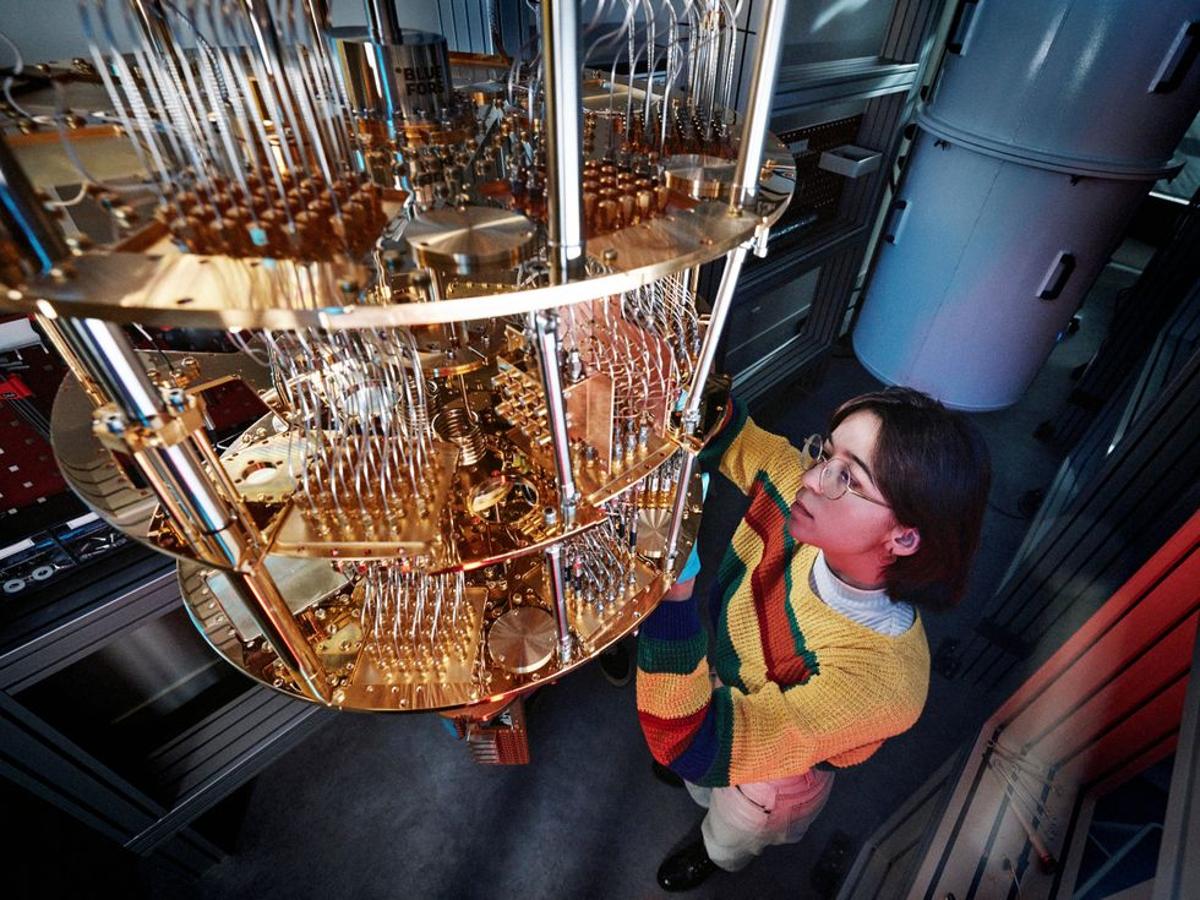
Why the Ideal Magnet Remains Out of Reach
Researchers worldwide seek a cost‑effective permanent magnet that avoids rare earths, a goal that would break China’s near‑monopoly and reshape supply chains. After a decade of classical computing attempts, a Franco‑American team led by Alice & Bob, backed by a $3.9 million...
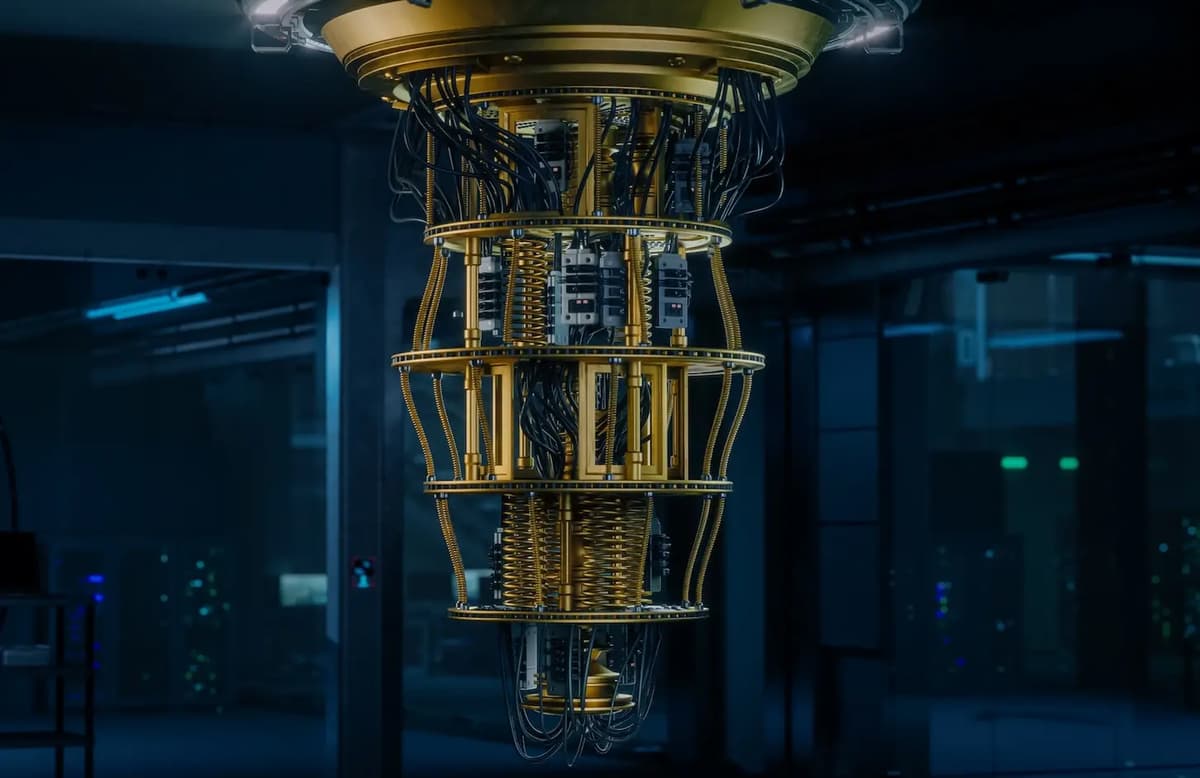
It’s Time to Move Quantum From Science to Industry
Britain has pledged up to £2bn (≈ $2.5 billion) to accelerate quantum computing from research to commercial scale. The government warns there is a 12‑18‑month window to lock in sovereign capability before global supply chains solidify. While the UK boasts world‑class universities...

The MIT-IBM Computing Research Lab Launches to Shape the Future of AI and Quantum Computing
MIT and IBM have launched the MIT‑IBM Computing Research Lab, expanding the former Watson AI Lab to include quantum computing. The new three‑focus‑area lab—AI, algorithms, and quantum—will develop hybrid AI‑quantum systems, advance foundational mathematics, and train the next generation of...
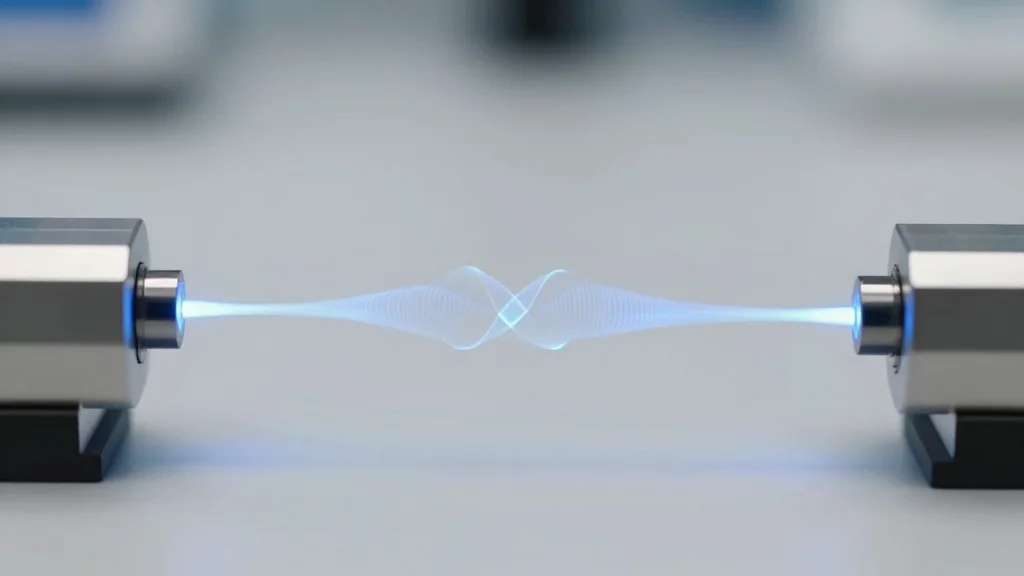
Verifying Entanglement with Limited Data
Researchers at KAIST have unveiled a practical method for confirming quantum entanglement using only a handful of measurement settings. By converting incomplete data into a suite of entanglement witnesses—some generated through a mirroring operation and others via numerical optimization—the team...

Quantum Tech Investor QDNL Rebrands to Ground State Ventures, Nears Final Close for New Fund
Venture capital firm QDNL Participations has rebranded to Ground State Ventures as it moves toward the final close of its inaugural quantum-focused fund. The firm has secured $88 million in commitments, positioning the fund to invest in early‑stage quantum technologies. The...

Archer Materials Advances Quantum and Biochip Platforms Ahead of Key 2026 Prototypes
Archer Materials reported notable advances in its quantum computing, sensing and medical diagnostics platforms during the March quarter while staying debt‑free with $10.3 million in cash. The company moved its 12CQ qubit program into the readout stage, completed the first phase...
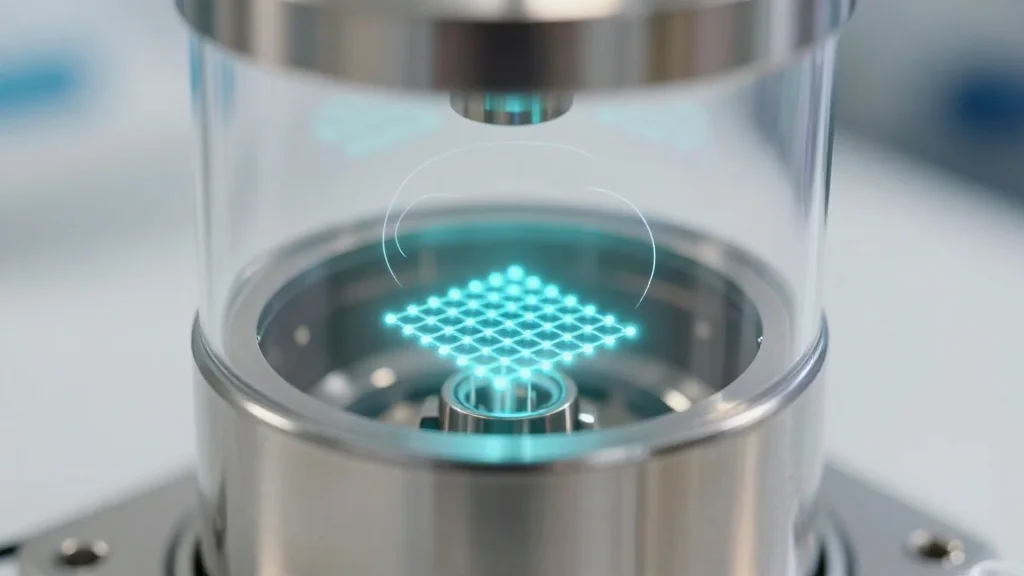
Digital Quantum Magnetism on a Trapped-Ion Quantum Computer
A team at Quantinuum used its H2 trapped‑ion quantum computer to perform a digital simulation of a two‑dimensional Heisenberg magnet, employing optimized Trotter steps that kept per‑gate errors below 1 %. The experiment, reported in Nature, captured pre‑thermalization dynamics and spin‑correlation...