Doubling Down on Controversial Claims, Microsoft Accelerates Quantum Computing Plans
Microsoft announced an accelerated roadmap to a practical quantum computer by 2029, cutting its previous timeline in half. The company claims its new Majorana 2 chip, using lead‑based topological qubits, achieves a 20‑second coherence time—far longer than earlier prototypes. Researchers say the design leverages delocalized Majorana zero modes to improve robustness, but the supporting data remain unpublished. Critics argue the paper provides no direct evidence of qubit control or genuine superposition, casting doubt on the feasibility of the three‑year target.
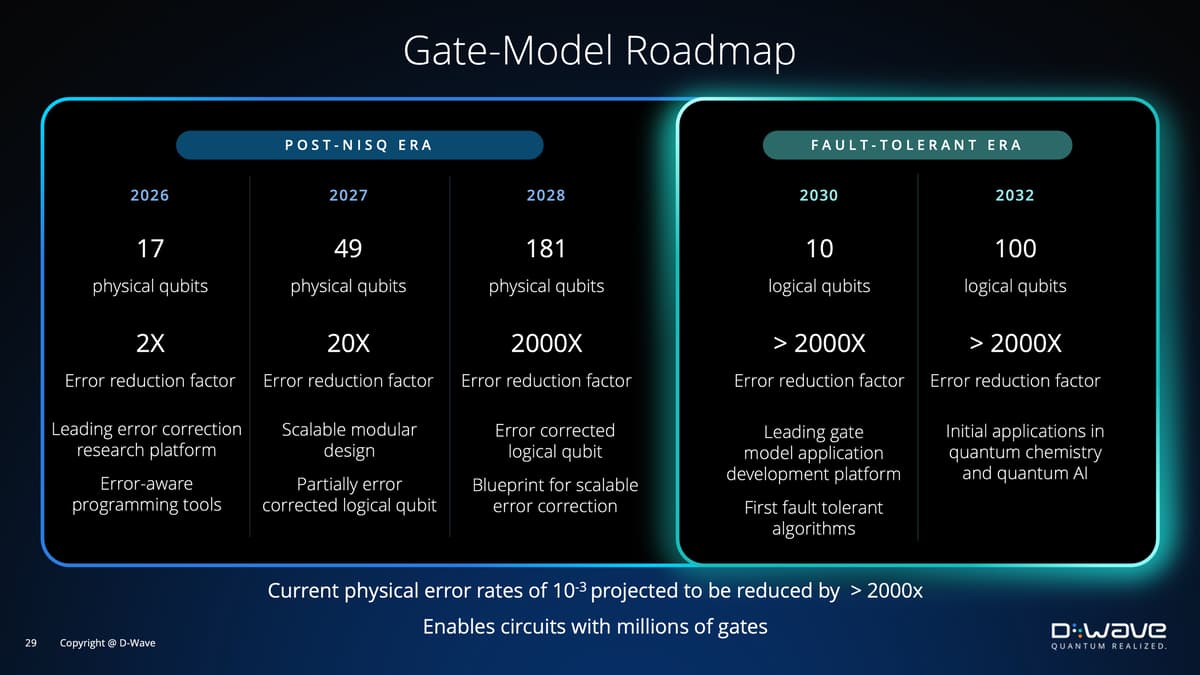
D-Wave Outlines Superconducting Gate-Model Roadmap Targeting 100 Logical Qubits
D‑Wave Quantum announced a gate‑model roadmap aiming for a 100‑logical‑qubit, fault‑tolerant system by 2032. The plan leverages its recent Quantum Circuits acquisition and a superconducting dual‑rail qubit design that can detect roughly 90% of physical errors. Early milestones include a...
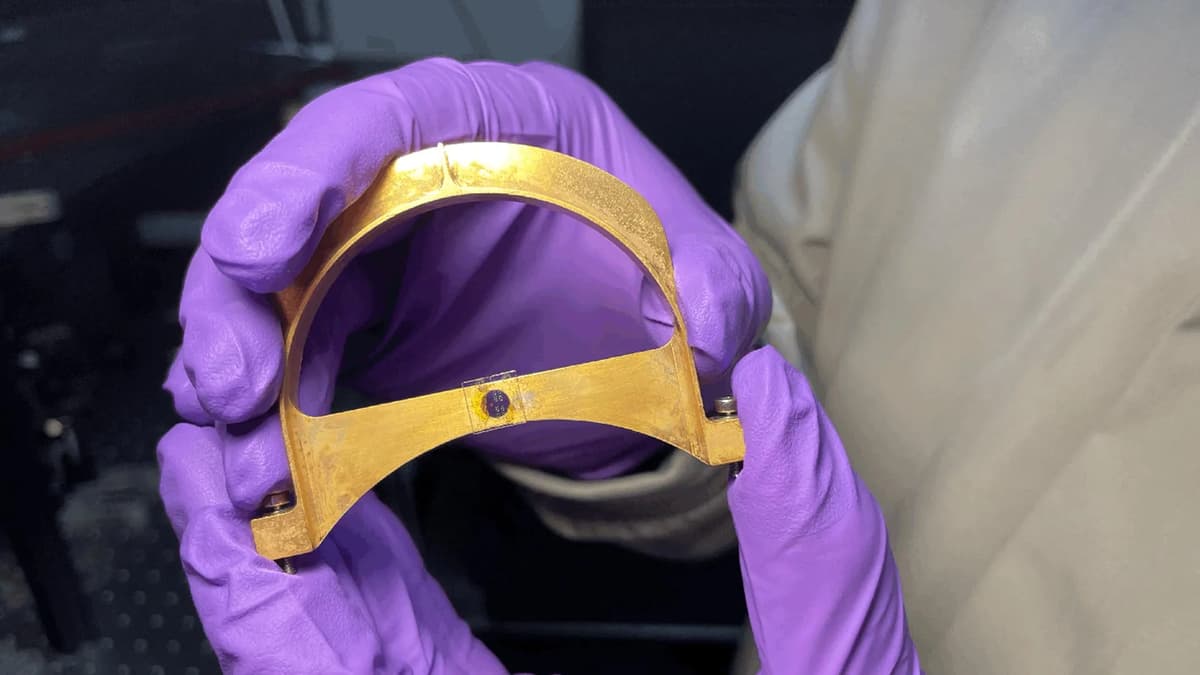
Stanford Quantum Computing Breakthrough Uses Twisted Light to Work without Extreme Cooling
Stanford researchers have created a nanoscale optical device that links photon spin to electron spin at room temperature, eliminating the need for cryogenic cooling in quantum systems. The platform combines a monolayer of molybdenum diselenide (MoSe₂) with a nanopatterned silicon...
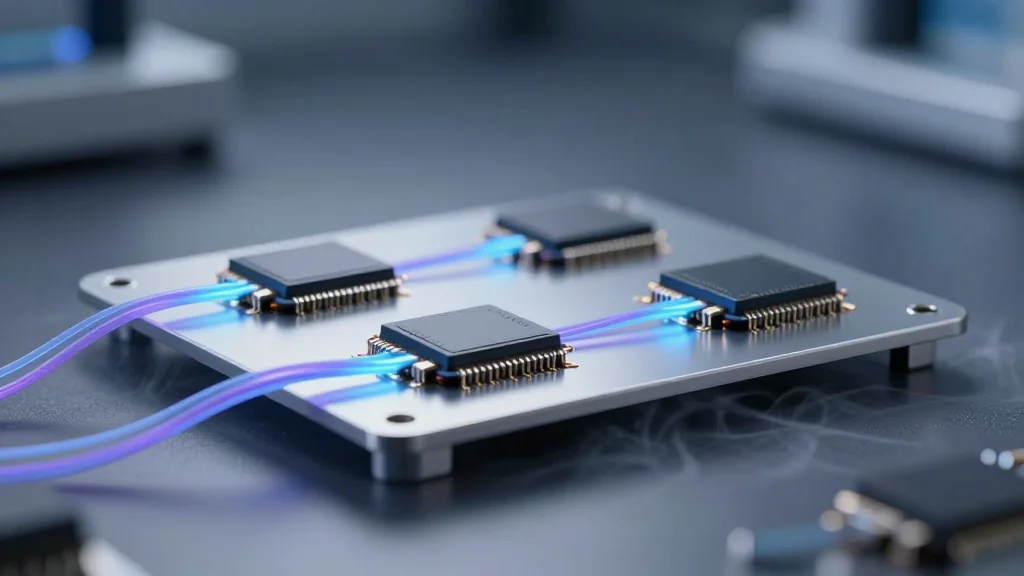
Beyond a Single Quantum Chip: Why the Future of Quantum Computing Is Modular
The quantum computing industry is pivoting from single‑chip qubit scaling to modular architectures that link multiple smaller processors. Early demonstrations, such as Xanadu’s Aurora photonic system and IBM’s chip‑to‑chip couplers, prove the concept can scale beyond a few dozen qubits....
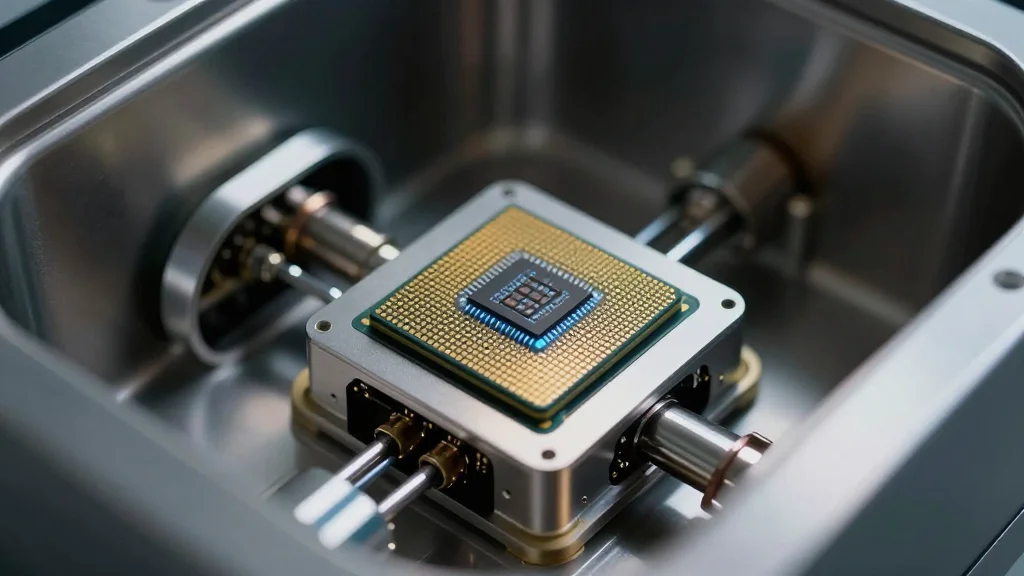
Qilimanjaro Deploys an Analog Quantum Computer at the Barcelona Supercomputing Center
Qilimanjaro Quantum Tech has inaugurated a 10‑qubit analog quantum computer at the Barcelona Supercomputing Center, joining the existing digital quantum processors and the MareNostrum 5 supercomputer to form the hybrid MareNostrum‑Ona platform. The deployment is funded by an €8.5 million (~$9.3 million) EuroQCS‑Spain...
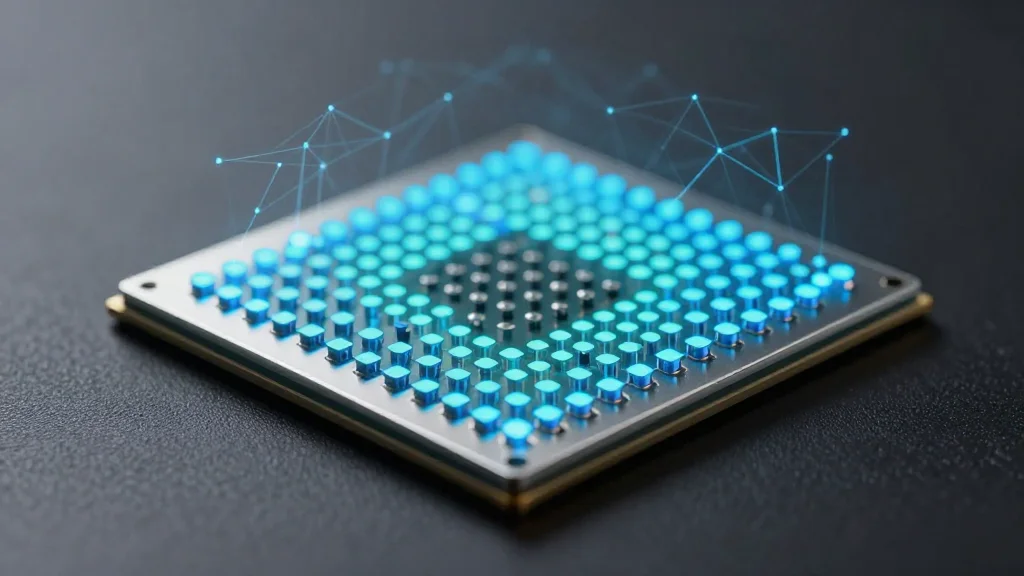
Oracle and Classiq Integrate Quantum AI Agents with OCI for 36-Qubit Portfolio Optimization HPC Simulation
Oracle and quantum‑software platform Classiq demonstrated an end‑to‑end workflow that turns a natural‑language prompt into a 36‑qubit quantum circuit, then runs the simulation on Oracle Cloud Infrastructure. The AI agent automatically generated the circuit, compiled it to OpenQASM, and dispatched...
QuantumCT, UConn, and Yale Launch Industry-Aligned Phase 2 Pilot Projects to Accelerate Applied Research
QuantumCT, a public‑private partnership linking UConn and Yale, has launched four Phase 2 pilot projects aimed at turning quantum‑mechanics breakthroughs into commercial solutions. The year‑long program pairs academic researchers with industry leaders such as Microsoft, Pfizer, RTX, Quantinuum and D‑Wave, focusing...

Qubic Announces Sale of Cryogenic Amplifiers to Quantum Machines
Qubic, a Swiss specialist in cryogenic electronics, announced the sale of 200 next‑generation low‑noise amplifiers to Quantum Machines, a leading provider of quantum‑computing hardware. The amplifiers are designed for operation at millikelvin temperatures and are expected to boost qubit readout...

Qubic Secures Commercial Milestone with Quantum Machines Agreement for Cryogenic Amplifiers
Qubic announced its first commercial hardware deal with Quantum Machines, delivering its kinetic‑inductance traveling‑wave parametric amplifier (KI‑TWPA) for integration into Quantum Machines’ cryogenic control stack. The KI‑TWPA provides broadband, near‑quantum‑limited microwave amplification while dissipating less than 0.1 mW at 4 K, a...
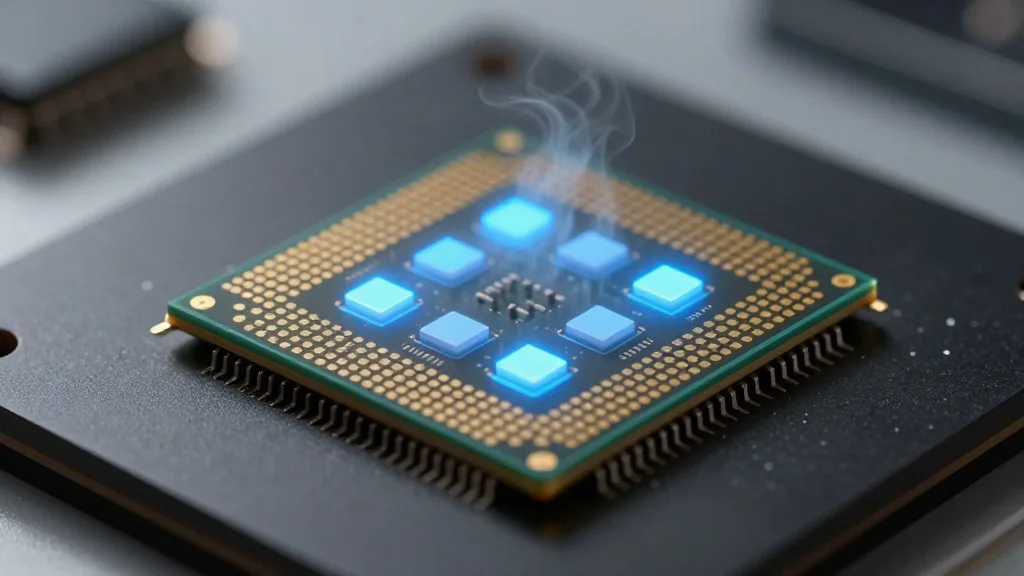
Randomization Can Improve Quantum Computer Performance in Presence of Noise
University of New Mexico researchers have demonstrated that a randomized version of dynamical decoupling can suppress quantum noise more effectively than any deterministic method. Led by Ph.D. candidate Leeseok Kim, the study—published in Physical Review Letters and presented at QSim 2025—shows...

Quantum ‘Jamming’ Could Help Unlock the Mysteries of Causality
Researchers are probing "quantum jamming," a theoretical process that could silently alter entangled particles and undermine the monogamy of entanglement that underpins device‑independent quantum key distribution. The idea, first explored in the mid‑1990s, resurfaced as quantum computers near practical deployment,...

Emmanuel Macron Announces an Additional €1 Billion ($1.16B USD) in Funding for France’s Quantum Plan
French President Emmanuel Macron announced an extra €1 billion (approximately $1.16 billion) for France’s Quantum Plan, bringing total quantum funding to over €3.3 billion ($3.8 billion) through 2025. The boost follows earlier allocations of €1.8 billion (about $2.09 billion) for 2021‑2025 and a €500 million (≈$580 million) defense‑procurement...

Quantum Computing Weekly Round-Up: Week Ending May 23, 2026
The week saw a wave of quantum‑computing activity, highlighted by IBM’s partnership with the U.S. Department of Commerce to launch a quantum foundry. France and the United States announced sizable funding programs, while Pasqal and Saudi Aramco deployed a 200‑qubit...

Flatiron Institute Tensor Network Algorithm Overturns Historical D-Wave Quantum Supremacy Claim
Physicists at the Flatiron Institute’s Center for Computational Quantum Physics, in partnership with Boston University, have unveiled a classical three‑dimensional tensor‑network algorithm that accurately simulates the transverse‑field Ising model dynamics previously claimed to require a quantum annealer. The method, published...

Pasqal Benchmarks Error-Detected Logical Qubits Against Physical Counterparts Using Quantum Kernels
Pasqal Holding SAS demonstrated that error‑detected logical qubits outperform their physical counterparts when running a quantum‑kernel differential‑equation solver. Using a continuous [[4,2,2]] error‑detecting code on its neutral‑atom processor, the team mapped 1,000 equations and achieved more than a 50% reduction...
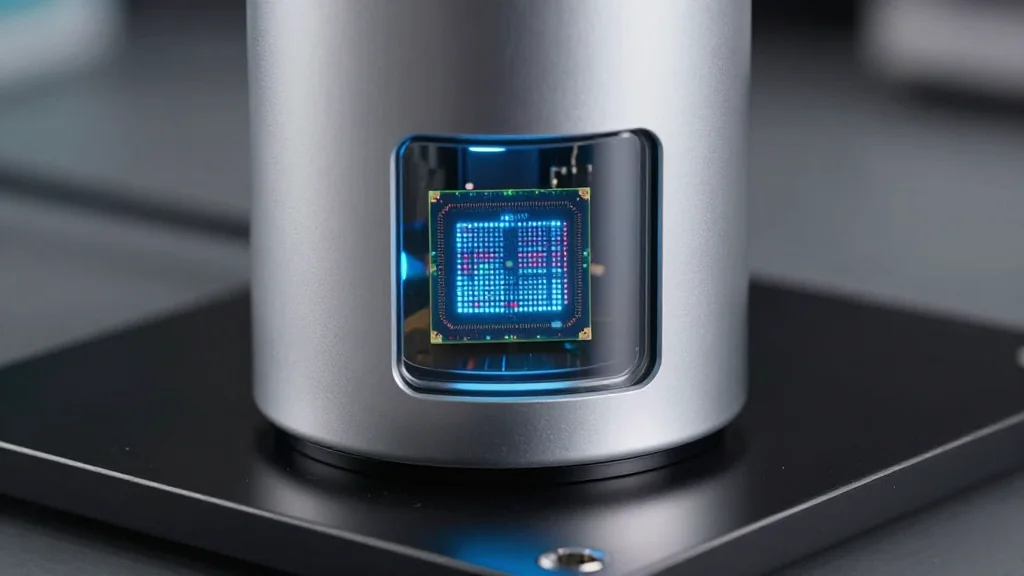
GlobalFoundries Launches Specialized Business Unit to Expand Onshore Quantum Hardware Manufacturing
GlobalFoundries has created a new division, Quantum Technology Solutions, to commercialize on‑shore quantum hardware manufacturing. The U.S. Department of Commerce will provide $375 million under the CHIPS and Science Act and take a roughly 1% equity stake in the company. The...
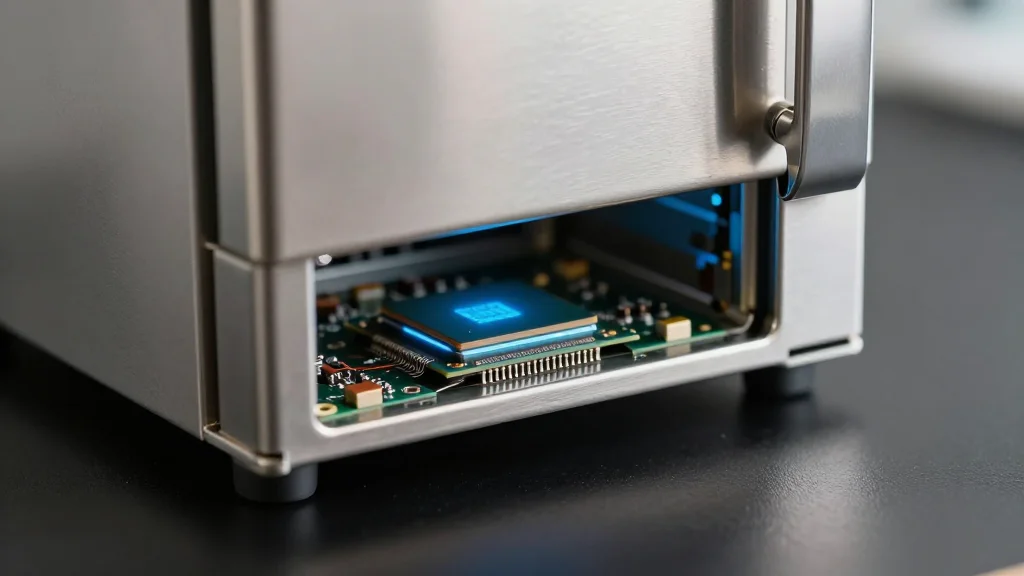
US To Award $2 Billion To Quantum Companies, Take Equity Stakes
The U.S. Department of Commerce is set to award roughly $2 billion in grants to nine quantum‑computing firms, with the federal government taking equity stakes in each recipient. IBM will receive the largest portion—about $1 billion—and will pair it with an equal...

Oak Ridge Starts Weaving Together A Quantum, Classical HPC, And AI System Stack
Oak Ridge National Laboratory is building a hybrid stack that fuses quantum processors, classical exascale supercomputers and AI tools to create a "quantum‑centric" computing platform. The effort leverages Frontier, the United States’ first exascale system, and the DOE’s $293 million Genesis...

MicroAlgo Develops Quantum Image Edge Extraction Algorithm for Noisy Images
MicroAlgo Inc. announced a quantum image edge extraction algorithm that encodes grayscale and pixel position into quantum superposition states, enabling parallel processing of noisy images. The method uses a dual quantum space filter to suppress statistical and impulse noise, and...

Kipu Quantum Makes Quantum-Enhanced AI Deployable in Production – Without a Quantum Computer in the Inference Loop
Kipu Quantum unveiled a hybrid quantum‑classical framework that trains quantum‑enhanced models on IBM quantum processors but runs inference entirely on classical hardware. The approach uses quantum feature extraction on a small subset of data, then transfers the learned representations to...

Quantum Computing’s Double-Edged Sword Could Threaten Cybersecurity: Report
Kaspersky warns that Asia Pacific’s rapid quantum‑computing expansion could undermine existing cybersecurity defenses. The region’s market is projected to surge from $392.1 million in 2024 to $1.78 billion by 2032, driven by heavy investment from China, Japan, India and others. Quantum machines could...
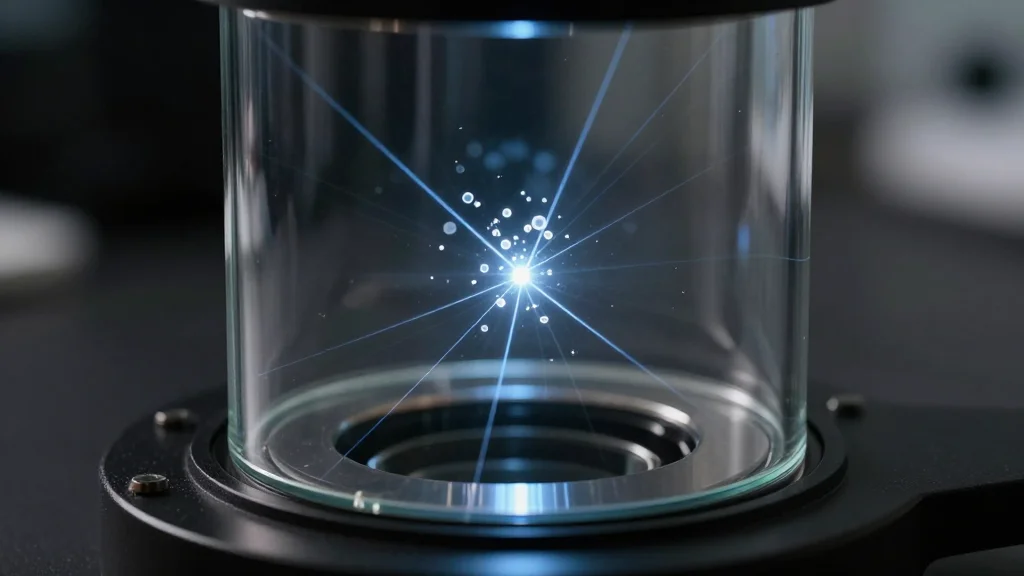
A Quantum Simulator with Circular States
Physicists at France's Kastler Brossel Laboratory have built a quantum simulator that merges two types of Rydberg atoms—circular and non‑circular—to deliver both long‑lived coherence and optical addressability. Eight rubidium atoms were trapped, with four circular atoms serving as data qubits...

California Industry, Academia and Government Leaders Weigh in on Quantum Scaling and Statewide Strategy
The Quantum San Diego convening at UC San Diego’s Qualcomm Institute brought together roughly 200 leaders from industry, academia, national labs and state government to advance California’s Quantum California initiative. Sponsored by GO‑Biz and organized with HPE Quantum and Quantum...
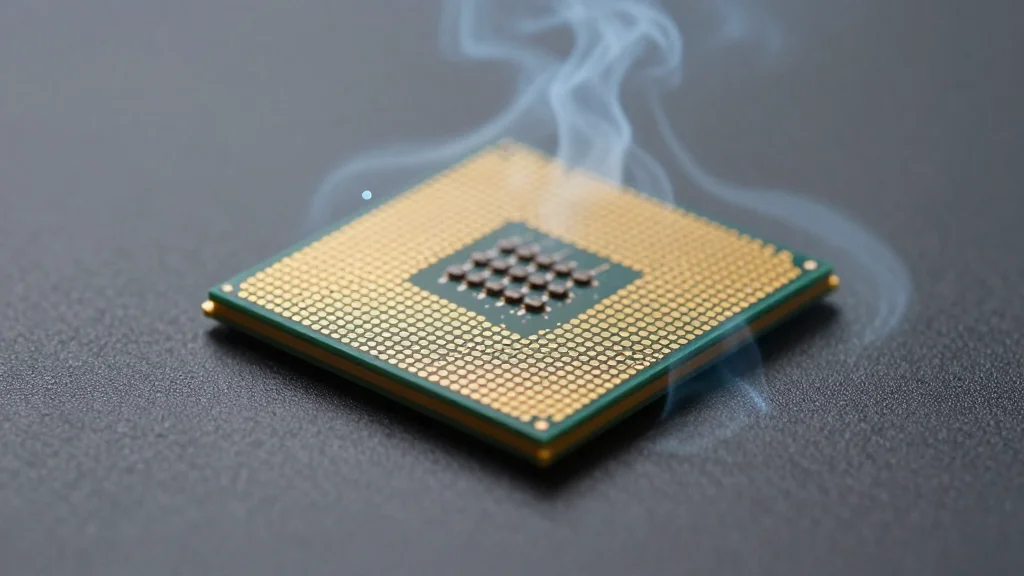
What Can You Do with Quantum Computing Today?
Quantum computing remains a hype‑driven frontier, yet enterprises can already experiment with noisy intermediate‑scale quantum (NISQ) hardware via cloud‑based QCaaS platforms. Bain projects a market worth $100‑$250 billion, driven by machine‑learning, logistics, and drug‑discovery use cases, while the largest machine today...

Quantum IPO Wave Is a Milestone. It Should Also Come with a Warning
Quantum computing firms are launching a wave of public offerings, with Infleqtion, Xanadu, Horizon Quantum and others listing on U.S. exchanges in 2024. The pipeline includes Quantinuum’s planned $10 billion IPO by late 2026‑27 and a growing Defiance Quantum ETF that...

Aires Applied Quantum Technology Pushes Quantum-Ready Infrastructure Into the Enterprise Mainstream
Aires Applied Quantum Technology (AAT) is using the Echelon 2026 conference to demonstrate that quantum‑ready infrastructure is a present‑day necessity, not a future concept. The Singapore‑based firm showcased practical, deployable quantum‑safe security solutions aimed at enterprise ecosystems. AAT emphasized both...

Juliang Guangqi Raises $28M+ USD Angel Round to Industrialize Superconducting Quantum in China
Shanghai‑based Juliang Guangqi announced the close of a $28 million‑plus angel round, one of the biggest early‑stage quantum hardware financings in China. Backers include Heli Capital, Junshan Capital and SMIC’s private‑equity arm, underscoring strong investor confidence. The startup is developing silicon‑substrate...
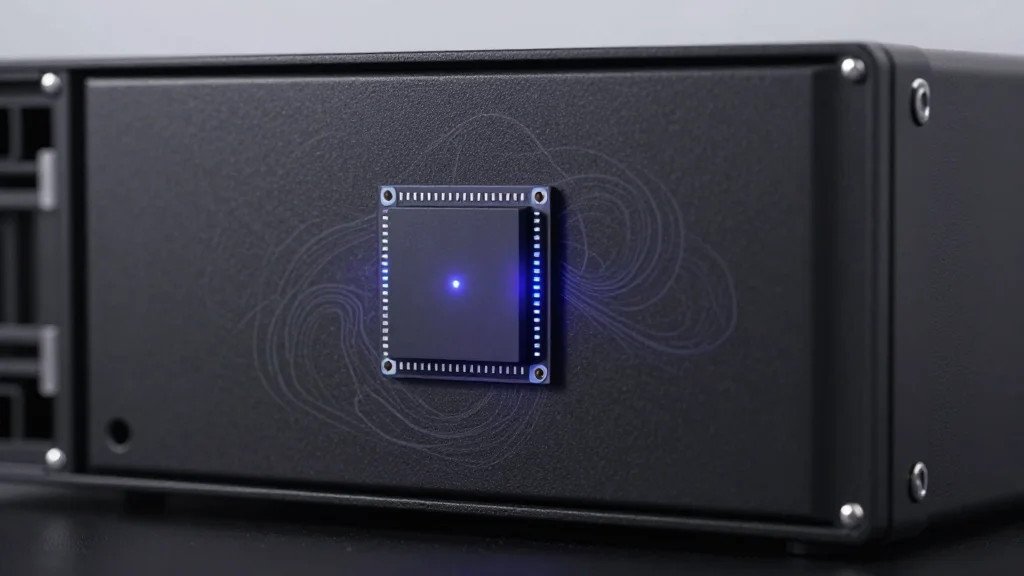
Irish Quantum Start-Up Equal1 Unveils RacQ Data Centre Computer
Irish quantum start‑up Equal1 has unveiled RacQ, a rack‑mounted silicon‑spin quantum computer built for standard 19‑inch data‑centre racks. The system combines a UnityQ quantum‑on‑chip with classical processors to deliver hybrid quantum‑classical workloads for use cases such as risk analysis, materials...
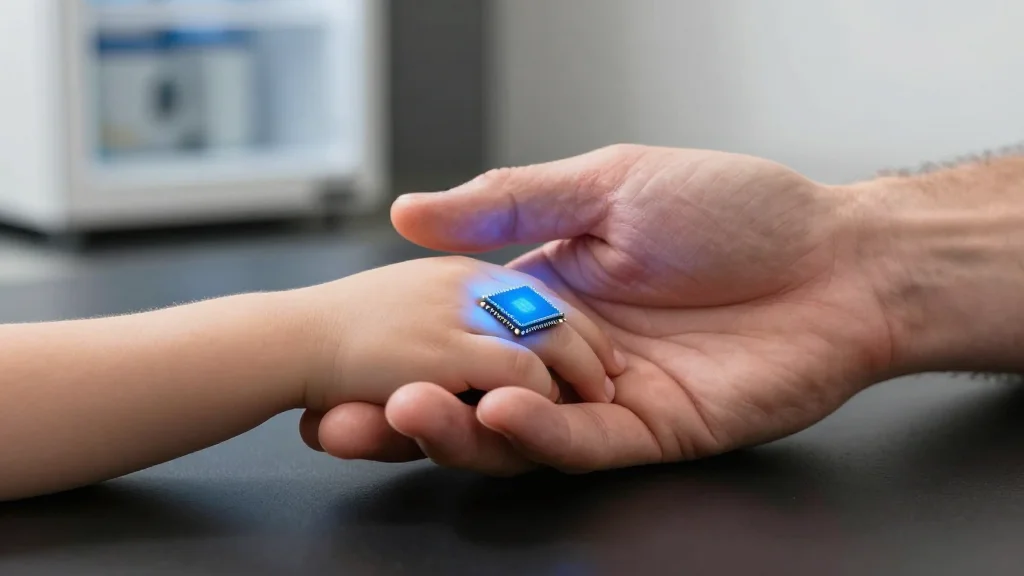
What a Quantum Computer Actually Does Inside a Data Center
Quantum computers in data centers rely largely on classical hardware. The qubit chip sits in a soda‑can‑sized dilution refrigerator at 10 mK, while surrounding control electronics, cryocoolers and high‑speed interconnects draw about 30 kW, most of which powers cooling. Companies such as...
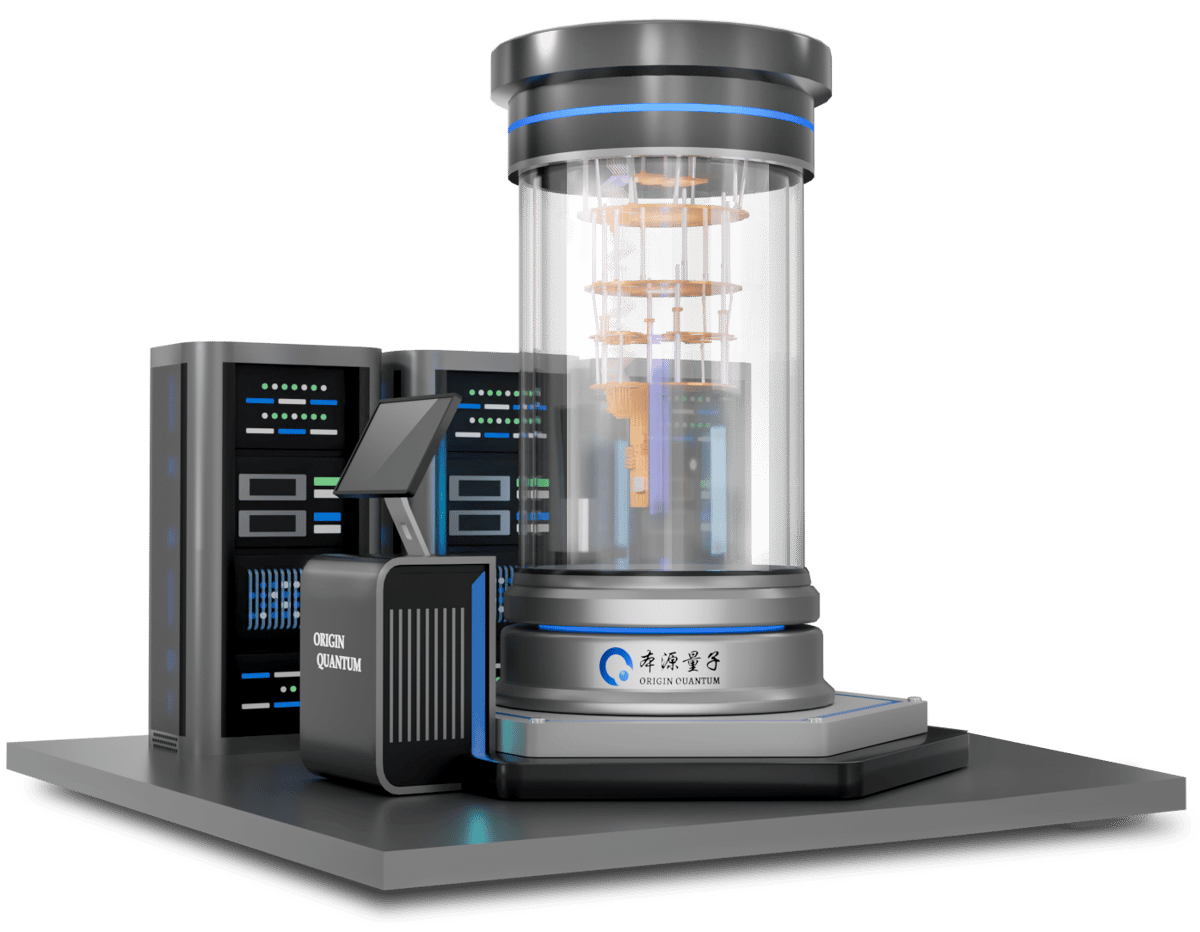
Origin Quantum Unveils Origin Wukong-180 Fourth-Generation Quantum Computer
Origin Quantum launched the fourth‑generation Origin Wukong‑180, a superconducting quantum computer with 180 computational qubits and 251 coupling qubits. The system boasts 99.90% gate and readout fidelities and coherence times of 40 µs (T₁) and 20 µs (T₂), positioning it for deeper circuit...
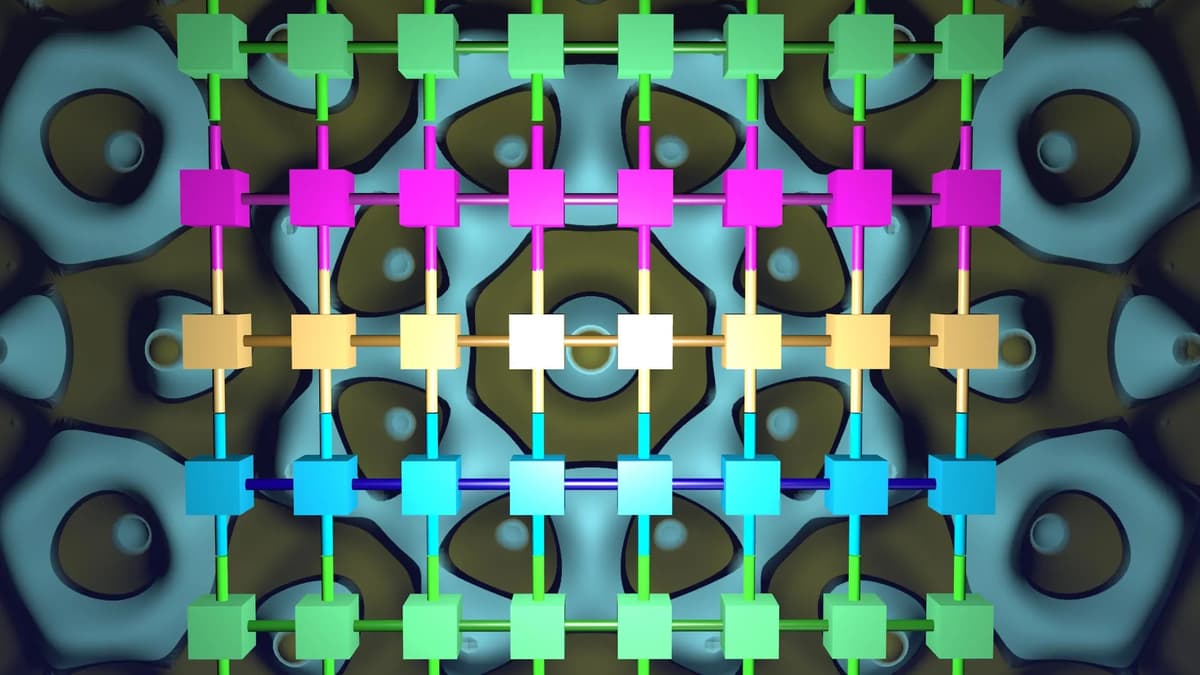
New Quantum Algorithm Solves “Impossible” Materials Problem in Seconds
Researchers at Aalto University unveiled a quantum‑inspired algorithm that can simulate a topological quasicrystal with over 268 million sites in seconds, a task that would overwhelm today’s supercomputers. By encoding the problem with tensor‑network techniques, the method achieves exponential speed‑up comparable...

IQM Launches HPC Integration Service to Accelerate Hybrid Quantum-HPC Adoption
IQM Quantum Computers has introduced an HPC Integration Service that embeds its Radiance superconducting quantum computers as native Slurm nodes within high‑performance computing clusters. The offering leverages the open‑source Quantum Device Management Interface (QDMI) to eliminate vendor‑specific integration hurdles, allowing...
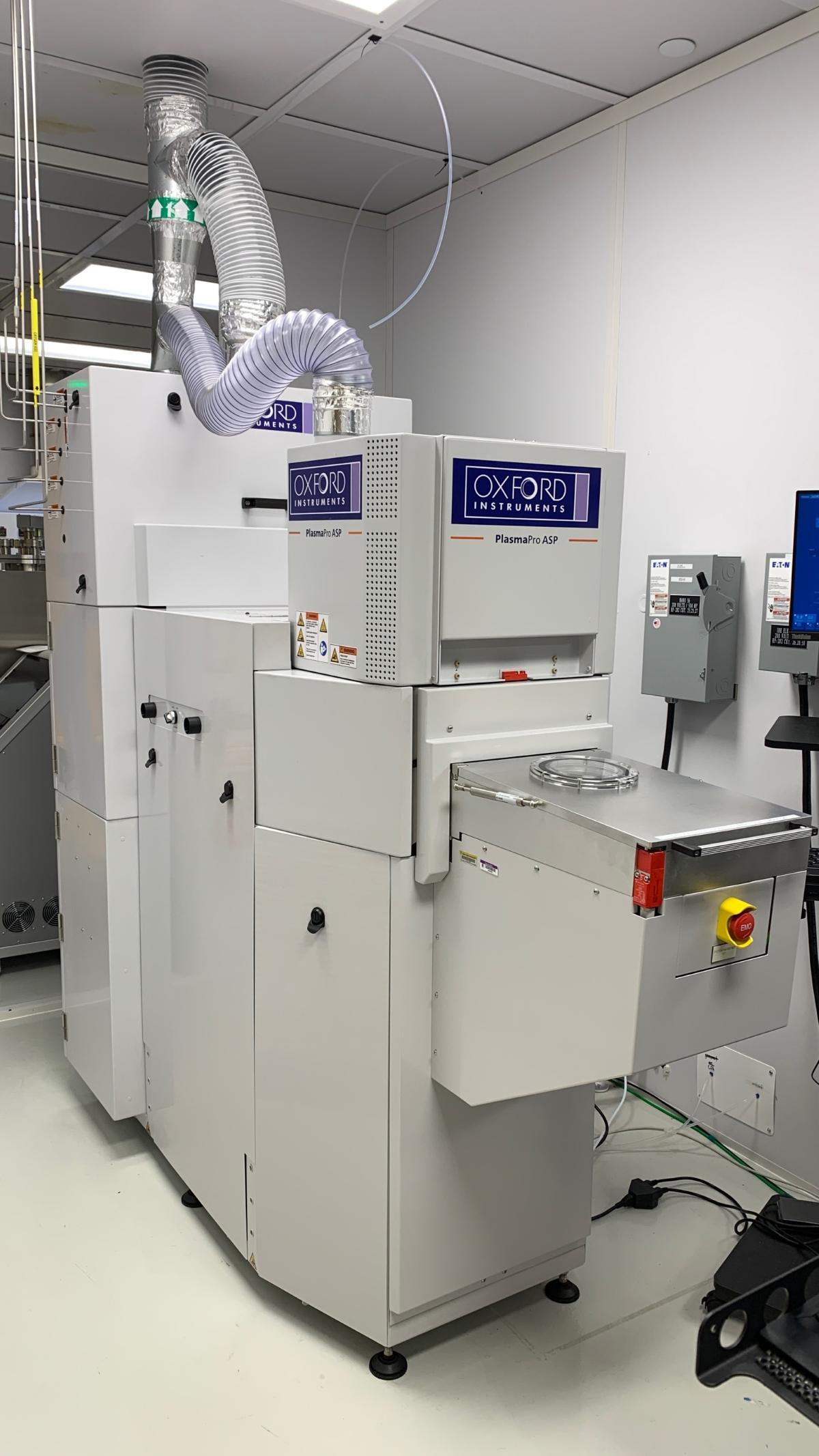
Oxford Instruments and NYU Nanofab Partner to Advance Atomic-Scale Quantum Fabrication
Oxford Instruments and NYU’s Nanofabrication Cleanroom have partnered to install the United States' first PlasmaPro ASP atomic layer deposition system, dedicated to superconducting quantum applications. Funded by the U.S. Microelectronics Commons through the NORDTECH hub, the tool supports the CHIPS...

Improving the Reliability of Circuits for Quantum Computers
MIT and Lincoln Laboratory have unveiled a new method to detect and quantify second-order harmonic corrections that cause two‑Cooper‑pair tunneling in superconducting quantum circuits. By fabricating a test device that suppresses single‑pair tunneling while allowing the double‑pair process, the team...
The AI Energy Crisis Is Bad. Wait Until Quantum Arrives
Europe is set to launch Magne, a quantum computer built by Microsoft and Atom Computing in Denmark, backed by €80 million (≈$87 million) from the Novo Nordisk Foundation and EIFO. The article warns that as quantum computers become commercially viable, their energy...

Archer Materials Strengthens Pathway to Wafer-Scale Quantum Device Manufacturing
Archer Materials (ASX: AXE) is shifting its graphene‑based quantum device program from laboratory prototypes to wafer‑scale production using standard semiconductor processes. The company remains on track to showcase a functional qubit before year‑end, marking a critical milestone in its development...
JUPITER Supercomputer Breaks World Record with 50-Qubit Quantum Simulation
Researchers at Germany's Jülich Supercomputing Centre, in partnership with NVIDIA, used the exascale JUPITER supercomputer to fully simulate a universal quantum computer with 50 qubits, breaking the previous 48‑qubit record. The simulation required roughly 2 petabytes of memory and leveraged NVIDIA's...

Quantum Earnings Season Is Ramping Up—What to Watch From 2 Major Players
Quantum computing’s earnings season kicked off with IonQ reporting a staggering 755% year‑over‑year revenue surge, yet its adjusted loss per share widened, highlighting profitability challenges. D‑Wave and Rigetti are slated to report in mid‑May, with D‑Wave aiming to leverage a...
It Might Be Too Late for Bitcoin’s Quantum Migration, Project Eleven Report Argues
Project Eleven’s 110‑page report warns that quantum computers could render elliptic‑curve cryptography obsolete as early as 2030, jeopardizing more than $3 trillion in digital assets and critical infrastructure. The analysis predicts a "Q‑Day" window between 2030 and 2033, after which attackers...
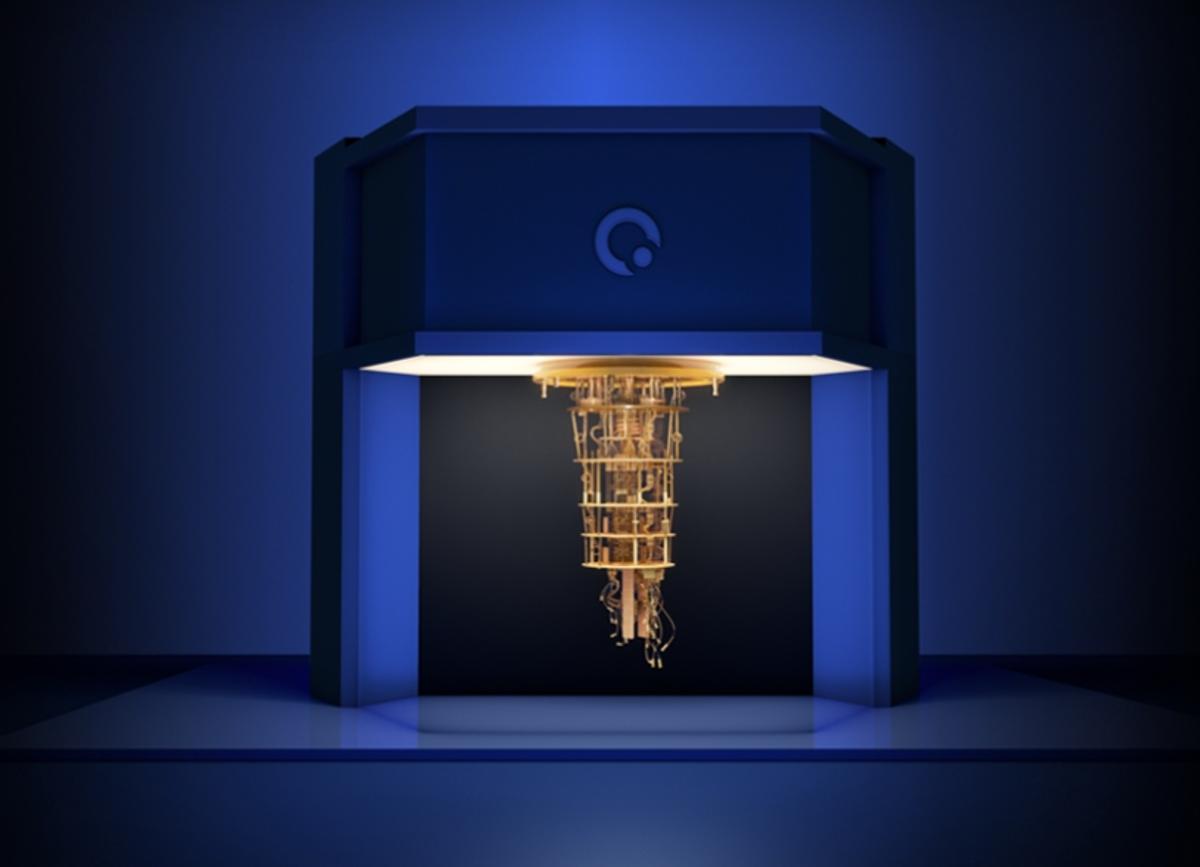
Quantum Computing Weekly Round-Up: Week Ending May 9, 2026
China’s Origin Quantum unveiled the fourth‑generation Origin Wukong‑180, a superconducting quantum computer equipped with 180 qubits and a fully domestic hardware stack. In parallel, Haiqu introduced HaiquOS, an agentic quantum operating system that blends AI‑driven agents with proprietary middleware to speed...

Bow Down to the King.
Monarch Quantum announced a strategic partnership with Oratomic, bringing renowned physicist Prof. John Preskill onto the collaboration. The deal highlights Oratomic’s leadership team, which includes Caltech researchers Dolev Bluvstein and Manuel Endres, and signals a push toward fault‑tolerant, utility‑scale quantum...

Delft-Based FrostByte Secures a Cool €1.3 Million to Scale Cryogenic Electronics for Quantum Computing
Delft‑based FrostByte, a spin‑off from TU Delft and QuTech, announced a €1.3 million (≈$1.4 million) funding round led by InnovationQuarter Capital, Graduate Ventures, Paeonia Group, UNIIQ and an angel investor. The capital will fund team expansion, scale production of cryogenic switches, and...

How BSC Contributes to Europe’s Hybrid Quantum Strategy
Global quantum spending has topped $66 billion, and Europe is answering with a €808 million (~$875 million) public pledge and up to €1.5 billion (~$1.62 billion) overall for its 2025‑2030 Quantum Technologies Strategy. At the core is Spain’s Barcelona Supercomputing Center, where the MareNostrum 5 exascale...

Quantum’s Bold Promise: What Business Leaders Need to Know
Quantum computing is moving from a perceived security threat to a strategic opportunity for enterprises. McKinsey estimates multibillion‑dollar enterprise value creation over the next decade, with early pilots already showing speedups in finance, drug discovery, and supply‑chain optimization. While hardware...
Performance Comparison of QAOA Mixers for Ternary Portfolio Optimization
The study applies the Quantum Approximate Optimization Algorithm (QAOA) to a ternary portfolio optimization problem that includes holding, not holding, and short‑selling states. Researchers compare the standard QAOA mixer with several XY‑based mixers—XY Ring, XY Parity Ring, XY Full, and...
Chattanooga Establishes Nation’s First Quantum Pre-Apprenticeship Program
Chattanooga Quantum Collaborative and BuildWithin have launched the United States' first quantum pre‑apprenticeship, a 12‑week, federally aligned program beginning June 29, 2026. Funded by an NSF grant to the University of Tennessee at Chattanooga, the inaugural cohort will consist of ten...

Quandela and Safran Partner to Develop Quantum Algorithms for Fluid Dynamics
Quandela and Safran Tech have launched the AQeFLU research project to create quantum algorithms for fluid‑dynamics modelling, backed by the PAQ Quantique programme and Île‑de‑France Region funding. The partnership will use Quandela’s room‑temperature photonic qubits, which can plug into existing data‑centre...

Pentagon Prepares F-35 for Quantum Computing Threat
The Pentagon’s F‑35 Joint Program Office is updating the fighter’s In‑Line File Encryption Device to incorporate government‑mandated quantum‑resistant algorithms. This software change aims to safeguard classified data against future quantum computers that could break current cryptographic methods. The effort aligns...
Ready or Not, AI-Assisted Quantum Computing Is Here
Recent papers from Google’s Quantum AI team and Caltech startup Oratomic show that AI can cut the qubit count needed to break RSA‑2048 encryption from hundreds of thousands to roughly 10,000. This accelerates the timeline for practical quantum attacks, prompting...

ParityQC and University of Innsbruck Propose Distillation Architecture to Reduce FTQC Overhead
Physicists from ParityQC and the University of Innsbruck unveiled the Parity‑Unfolded Distillation Architecture, a fault‑tolerant quantum computing scheme that streamlines non‑Clifford gate synthesis. By directly preparing and teleporting small‑angle rotations, the design sidesteps long gate sequences and reduces both qubit...