James Kellet Interview: Experience on Introducing Tech Solution Into a Traditional Industry
James Kellet discusses how a traditionally stubborn shipping sector is finally opening to technology, recounting his early attempts to replace manual Excel sheets and leather notebooks with digital tools. He notes that the industry’s reputation for being "stodgy" is rapidly changing, especially after COVID‑driven freight rate spikes gave firms the cash to invest in modern solutions. The interview highlights three forces driving this shift: soaring rates during the pandemic, a flood of venture capital branding maritime as the next AI gold rush, and the emergence of specialized firms like SpotShip that focus on applying, rather than building, cutting‑edge models. Kellet stresses that SpotShip acts as the application layer, testing and packaging AI for immediate client use, sidestepping the massive R&D costs of companies like OpenAI. Kellet cites a senior shipbroker who once refused to trust Excel, preferring a leather notebook, as a vivid example of entrenched skepticism. He also references Andreessen Horowitz’s 2024 label of shipping as one of the hottest venture sectors, underscoring the rapid influx of growth‑PE funds with maritime theses. The broader implication is a sea change for an industry long seen as low‑tech: investors now view maritime AI as a high‑growth arena, while incumbents must adopt verticalized solutions to stay competitive. Companies that can translate generic AI into ship‑specific applications stand to capture significant market share over the next decade.
AI Ads Will Be The Next Land Grab (Here's How I'd Play It)
The video warns that AI chat platforms are about to launch advertising slots, likening the moment to the early days of Google Adwords and Facebook ads when cheap clicks gave early adopters a competitive edge. The presenter outlines a timing framework:...

How Finastra Is Redefining the Operating Model in Trade Finance
The video outlines how Finastra is reshaping the operating model for trade finance amid sweeping regulatory reforms that now recognize electronic documents as legally equivalent to paper. Banks across Europe, the United States, the Middle East and Southeast Asia...
Megan Pillsbury Interview: Advise on Starting a Business
Megan Pillsbury shares candid advice for aspiring entrepreneurs, emphasizing that launching a venture is akin to a roller coaster—thrilling yet daunting. She frames the experience as pushing a cart uphill only to be dragged downhill, underscoring the emotional volatility inherent...
Megan Pillsbury Interview: The Origin of Dunya Analytics
Megan Pillsbury, an INSEAD MBA graduate, founded Dunya Analytics to translate biodiversity and nature loss into quantifiable financial risk. Drawing on her stint at a climate‑risk analytics startup that was later acquired by S&P Global, she recognized a parallel market...
Megan Pillsbury Interview: Advise on Fundraising
In a candid interview, Megan Pillsbury warns founders that fundraising ought to be a last‑ditch option, not a benchmark of success. She argues that selling equity cedes control and can compromise a company’s original vision, especially when investors demand strategic...
How to Get Millions in Founder Liquidity Without Giving Up Control of Your SaaS Business
The video explains how SaaS founders can obtain substantial liquidity through a minority secondary recapitalization, selling a small portion of their equity to growth investors while retaining majority control. Using his own company iContact as a case study, the presenter raised...

Software's SaaS-Acre & NVDA Earnings: Big Picture on Big Tech's Outlook
Nathan Peterson of Charles Schwab highlighted a widening gap between software stocks and the Nasdaq‑100, calling it the biggest divergence in years. He argued that software must deliver strong earnings growth and AI adoption to reverse the lag. Peterson also...

Citrini Research Breakdown: Agents, "Ghost GDP", Consumer Spend | Figma Earnings Beat
The 20VC episode dissected the disruptive potential of AI agents, highlighting Anthropic's new security product that erased billions in SaaS market capitalizations and a secondary sale that created hundreds of decamillionaires. Hosts argued that agents could reduce incumbent SaaS platforms...

The Most Powerful AI Agent I’ve Ever Used in My Life
The video introduces "agentic AI," a new class of AI agents that can autonomously execute multi‑step workflows, unlike static chat models such as ChatGPT. Dan Martell demonstrates how to select the right agentic tools—including Claude, Gemini, Zapier, Make, Manus, and...

Consulting Vs. Software: Who Wins the IT Budget War? #shorts
The IT spending landscape is rapidly shifting, with organizations allocating more budget to software solutions than to traditional consulting services. Automation and artificial intelligence are accelerating this transition, enabling enterprises to implement scalable tools without extensive human advisory. As AI-driven...

Ep. 116: Allen Mask of WestCap | Driving Portfolio Value Through Operating Equity
The episode introduces Westcap’s "operating equity" model, a hybrid of capital and in‑house expertise designed to boost the enterprise value of its portfolio companies. Partner Alan Mask explains that Westcap deliberately invests a 2:1 ratio of operating resources to traditional...

How He Built a €1.1B Giant - Interview with Enrico Giacomelli, the Founder of Namirial
The EU Startups podcast features Enrico Giacomelli, founder of Italy’s digital‑trust specialist Namirial, which has grown into a €1.1 billion enterprise. Giacomelli walks through the company’s 30‑year journey from a modest paper‑selling venture in 1991 to a market‑leading platform for electronic...

Introduction to Amazon SageMaker Notebooks: Managed Jupyter for ML
Amazon SageMaker Notebooks, now integrated into SageMaker AI, provides a fully managed JupyterLab environment for data science and machine learning. The service removes the need for manual infrastructure setup, offering elastic compute, shared persistent storage, and AI‑assisted coding tools. Users...
SaaStr AI Live: The Top 5 Issues Managing Multiple AI Agents In Production
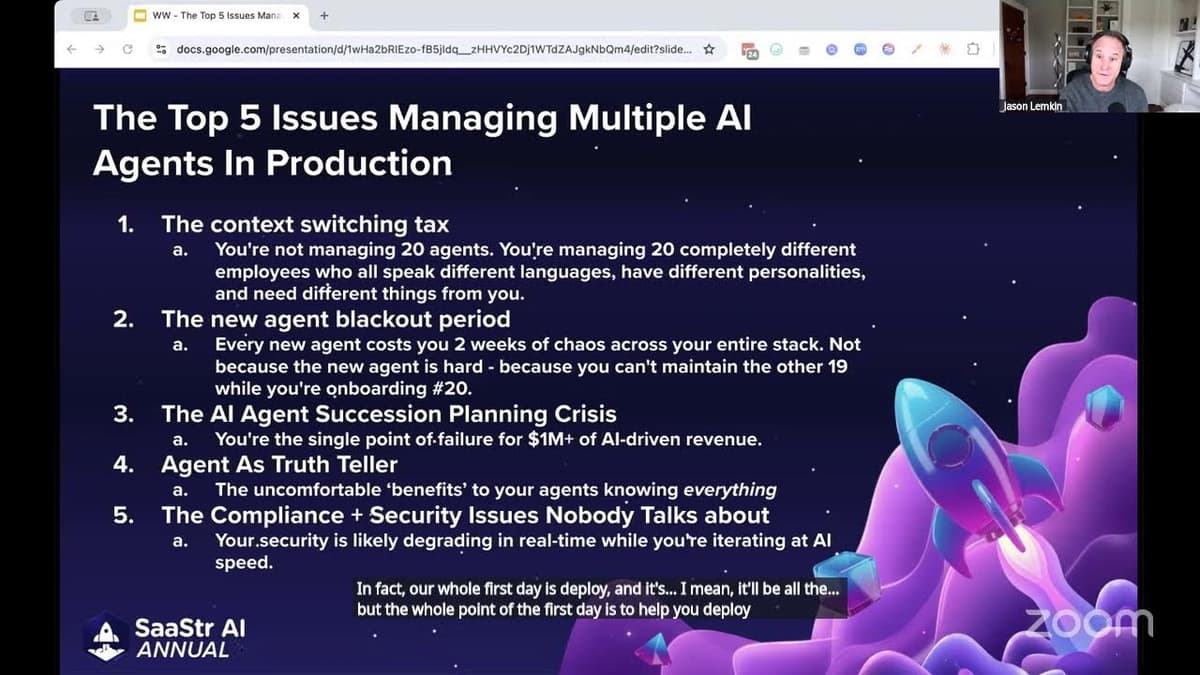
SaaStr AI Live highlighted the five most critical challenges when running multiple AI agents in production. The discussion covered orchestration complexity, latency constraints, observability gaps, data consistency, and security‑cost trade‑offs. Experts shared real‑world examples from SaaS firms scaling AI‑driven workflows....

Try Senja with Me ✨
Red Hat solutions architect Paul Andrew demonstrates using Antwell to automate network operations—configuration, monitoring and provisioning—across multi-vendor devices without installing agents. He shows an end-to-end workflow collecting device configs from Cisco, Juniper and Palo Alto hardware, then running a single...
I Built a Niche App to $9K MRR
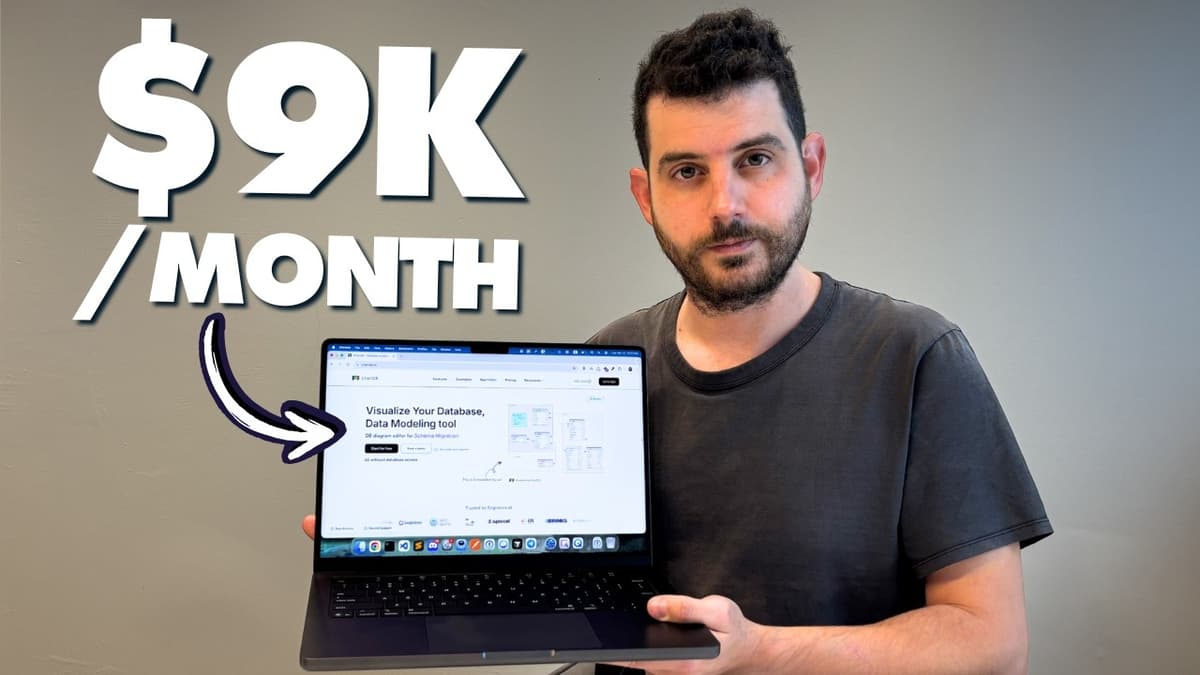
The video profiles Jonathan Fishner, co‑founder of CharDB, an open‑source database‑visualization tool for developers that now generates roughly $9,000 in monthly recurring revenue. Fishner explains how the product began as a more ambitious AI‑driven database client, but pivoted to a...

AI Giants: Who Will Capture the BILLION Dollar Market? #shorts
Enterprise software providers are increasing technology spend to keep pace with a rapidly evolving SaaS landscape. The surge is driven by the need to support large‑scale AI models from firms such as Anthropic. While demand for compute and data pipelines...
Podcast Ep262: Microsoft’s Bundling Regulatory Issues, Best SI's In the Market, SAP RISE
Episode 262 of the Transformation Ground Control podcast dives into three core topics: Microsoft’s ongoing bundling regulatory challenges, a discussion on the top system integrators in the market, and an overview of SAP’s RISE offering. Host Eric Kimberling and guest...
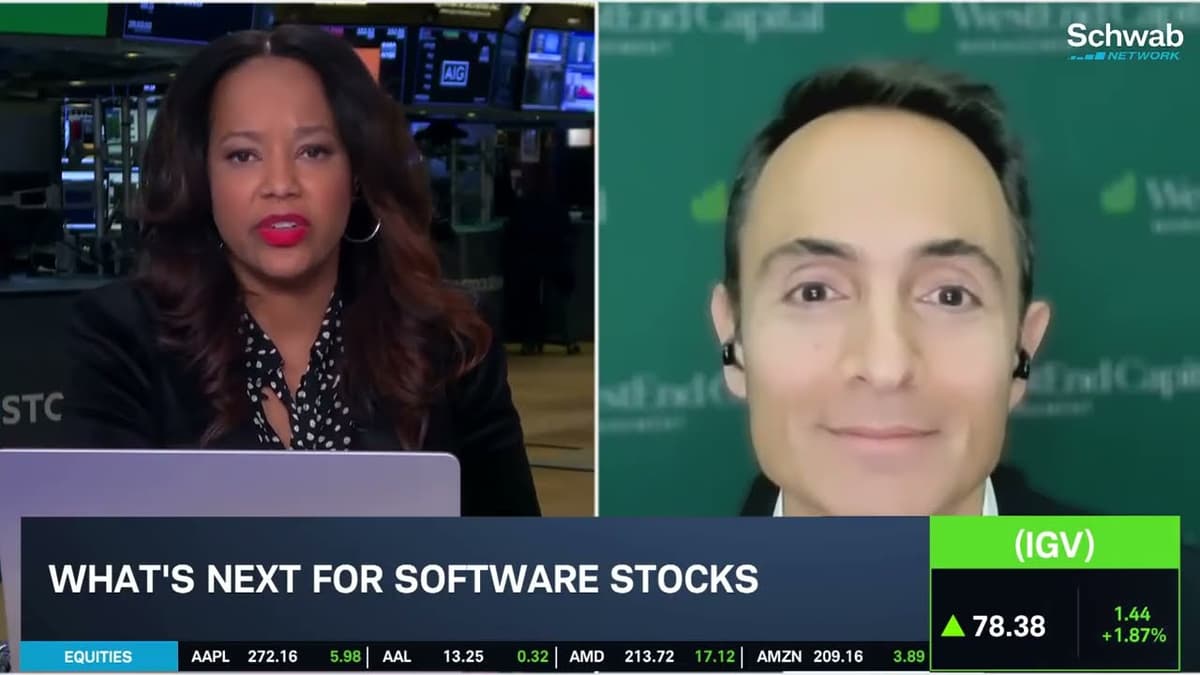
Two Sides to "SaaS-Pocalypse:" AI Threat V. Cybersecurity, Mag 7 Giants
Ali Mogharabi frames the so‑called “SaaS‑pocalypse” as a two‑sided debate. On one hand, rapid AI‑driven product launches are reshaping growth expectations for SaaS firms, prompting a broad market sell‑off. On the other, he argues that cybersecurity names such as CrowdStrike...
How Smartstream’s Affinity Is Using AI to Cut Reconciliation Work by 10×
SmartStream’s Chief Product Officer Thomas Steinborn introduced Affinity, an AI‑driven reconciliation platform that dramatically cuts manual effort. By applying machine‑learning to the residual 10,000‑plus unmatched records in large data sets, Affinity automates roughly half of those cases, shrinking labor from...

AI Chips, Software Profit & Atlassian's Growth HACK! #shorts
The short‑form video stitches together a rapid‑fire commentary on the current state of SaaS growth, AI‑chip economics and Atlassian’s latest earnings, highlighting how profit and revenue stacks are being reshuffled amid the AI boom. Atlassian reported a 23 % year‑over‑year revenue increase...

EP56: The Busy Founder's Guide to Activation / DemandMaven
The episode dives into activation as the often‑neglected middle child of growth initiatives, explaining why it matters for acquisition, retention, and monetization, especially in product‑led growth (PLG) companies. The hosts define activation as the user’s journey from sign‑up to experiencing...

Orange and Ng-Voice Launch IMS-as-a-Service to Transform Voice Economics
Orange Wholesale International announced the launch of an IMS‑as‑a‑service platform built on NG Voice’s fully containerized, cloud‑native solution. The joint offering reframes voice delivery as a subscription‑based service, targeting mobile operators and MVNOs that need to support traditional voice, 2G/3G...

Building a Startup as a Solo Founder | Techstars Founder Profile
The video profiles a solo Canadian founder who launched Hutsy, a fintech platform that streamlines short‑term lending for low‑income households. Drawing on years at TD Bank, he identified the predatory payday‑loan gap and built an app that matches borrowers with...
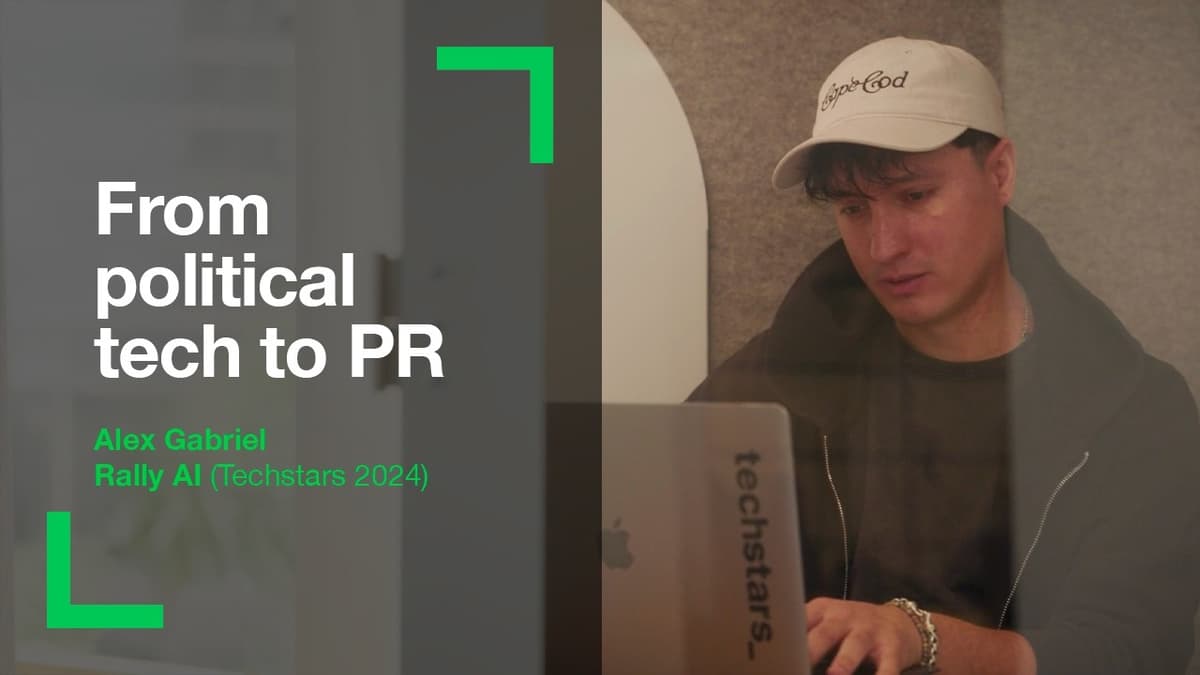
Building a Startup After a Hard Pivot | Techstars Founder Profile
Rally AI, a 2024 Techstars graduate, has pivoted from a political‑tech community platform to a SaaS solution that democratizes strategic communications for startups. Founder Alex Gabriel leveraged the accelerator to refocus the product on scalable storytelling tools for founding teams....
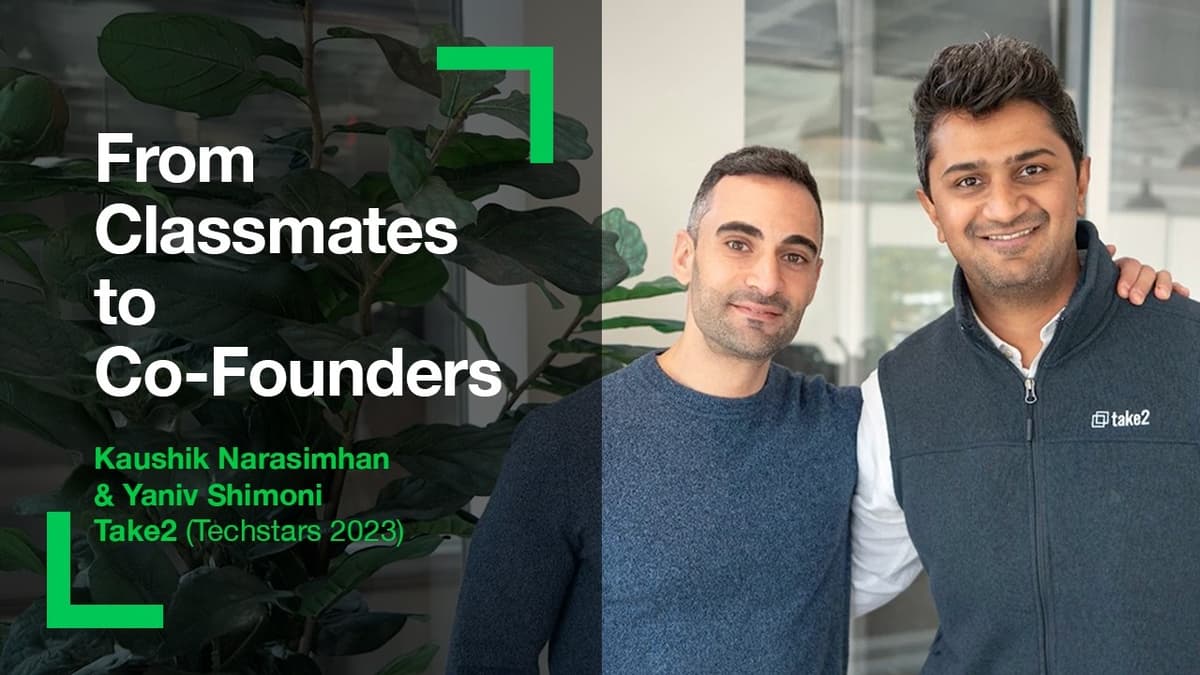
How These Founders Are Replacing Resumes With Real Skills | Techstars Founder Profile
Take2, a Techstars‑backed startup, is reinventing hiring by swapping traditional resumes for virtual, on‑the‑job skill assessments. Founded by Kaushik Narasimhan and Yaniv Shimoni, the platform lets employers evaluate candidates through realistic work simulations, initially targeting high‑volume frontline roles in healthcare....

Track YouTube Engagement Directly in Your CRM #shorts
The video showcases HubSpot’s new YouTube integration that streams channel comments directly into the CRM, allowing marketers to monitor engagement without leaving their sales platform. Users can filter to a single YouTube account, view each comment in real time, reply instantly...

More Goal Templates Available in HubSpot #shorts
HubSpot’s latest update expands its goal‑setting suite, adding a broader set of pre‑built templates to help users define 2026 objectives more precisely. The new library now includes templates for leads created, notes or activities, calls, tasks and other lifecycle metrics, alongside...
Lifecycle Date Tracking for Companies #shorts
HubSpot has extended its lifecycle‑stage date‑stamping feature from contacts to companies, allowing users to capture the exact day a firm enters and exits each stage of the sales funnel. Previously, only individual contacts had entry‑and‑exit timestamps, limiting account‑level analytics. The...

Find and Replace Users in HubSpot #shorts
HubSpot has introduced a Find and Replace Users tool that scans the entire CRM for references to a departing employee and swaps them with a new owner in just a few clicks. Previously, admins had to manually edit workflows, meeting...
Stop Rebuilding Static Segments From Scratch #shorts
HubSpot has introduced the ability to edit filters within static segments directly, eliminating the need to clone or rebuild lists from scratch. Previously, static lists were immutable snapshots, forcing marketers to create new copies for any change. The new in‑place...
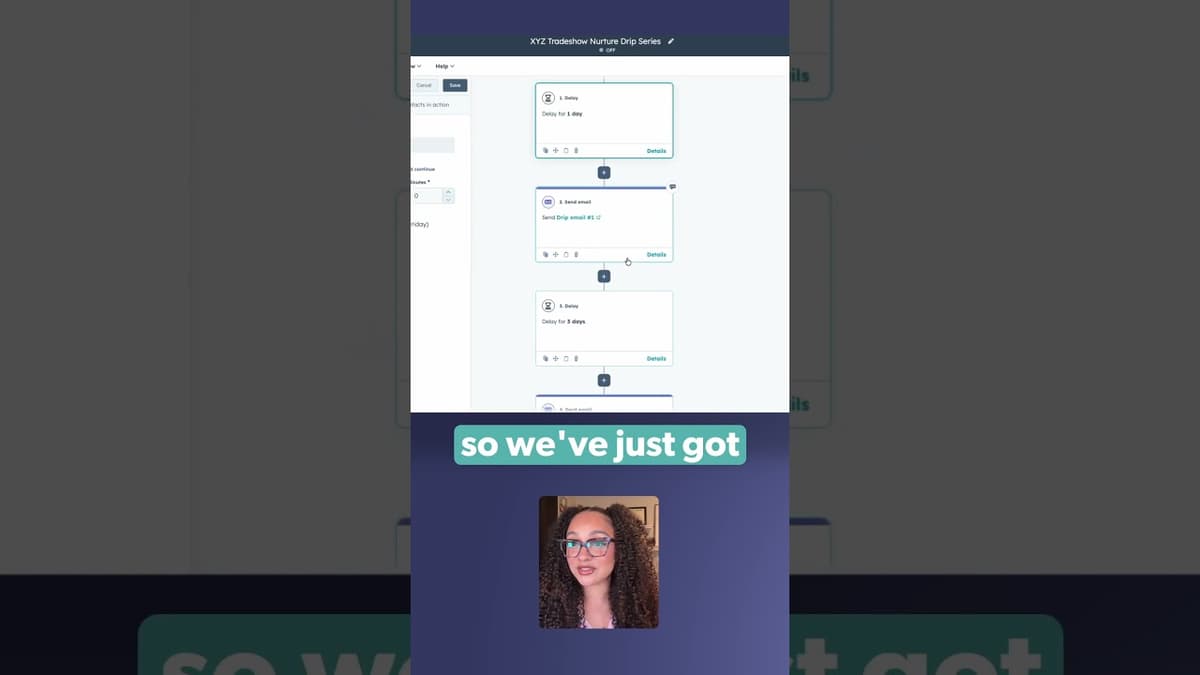
Delay Workflows by Business Days in HubSpot #shorts
HubSpot has introduced a new feature that lets users delay workflow actions by business days instead of calendar days. The change applies to nurture campaigns and drip workflows, allowing marketers to schedule emails, tasks, and other actions more precisely. By...
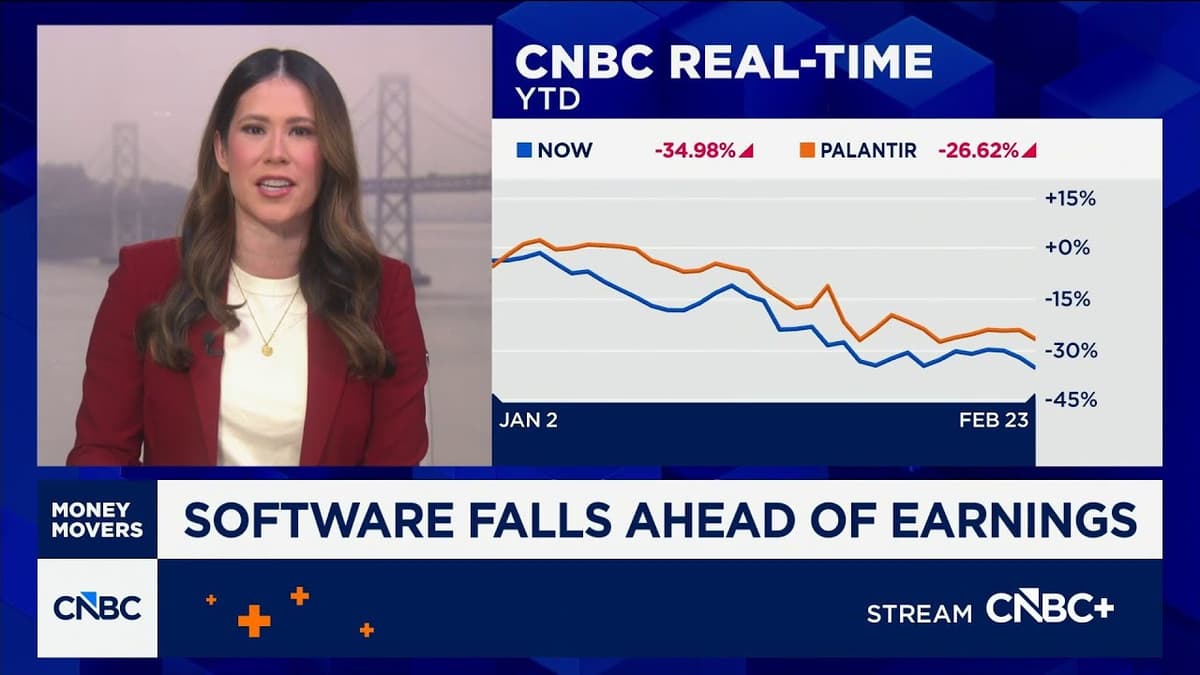
Navigating the Saas-Pocalypse
The segment’s focus is the so‑called “SaaS‑pocalypse,” a market‑wide panic that artificial‑intelligence breakthroughs could render traditional enterprise software obsolete. After a week of double‑digit drops in Salesforce, Snowflake and other marquee names, analysts warn that even strong quarterly results...
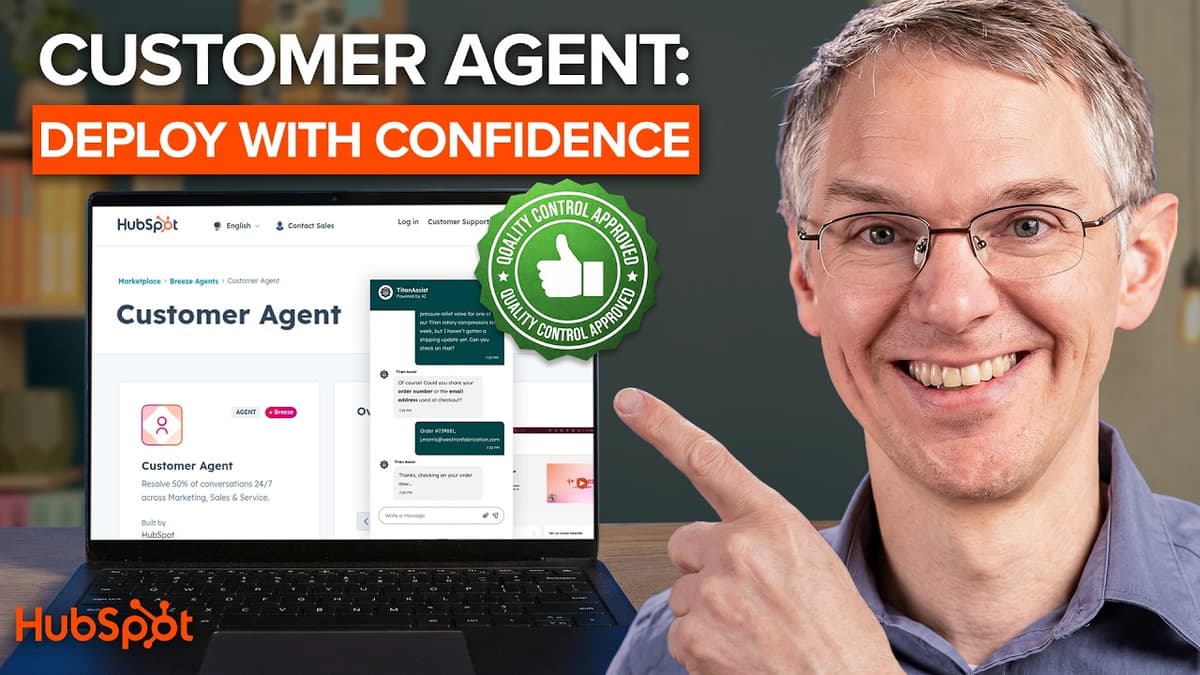
Customer Agent: Deploy with Confidence and Optimize as You Scale
HubSpot’s latest Customer Agent update focuses on safe, scalable deployment for support teams. The video walks viewers through a risk‑free four‑week trial for HubSpot Pro and higher customers, allowing them to evaluate the AI‑driven agent on real ticket volume before...

Why TAM Is a Scam & Harvey's Billion-Dollar GPT Secret #shorts
The video challenges the conventional reliance on Total Addressable Market (TAM) as a forecasting tool, arguing that TAM is a "scam" because technology continuously redefines market boundaries. The speaker uses the legal‑tech space, specifically the startup Harvey, to illustrate how...

How ScrapingBee Went From $2K MRR to an 8-Figure Acquisition
ScrapingBee, a web‑scraping SaaS, entered TinySeed at roughly $2,000 monthly recurring revenue and has now been acquired by data‑infrastructure firm Oxylabs for an eight‑figure sum. Co‑founder Kevin Sahin discussed the decision to sell, the acquisition process, and the post‑deal role...
The #1 Acquisition Dealbreaker Founders Miss: Who Takes Over? #saas #podcast #shorts #ai #shopcircle
The video highlights the #1 acquisition dealbreaker that founders often overlook – the lack of a clear post‑sale leadership transition, especially when the founders intend to exit. It explains that customer concentration and an undefined succession plan can instantly raise red...

How AI Covered a Human’s Paternity Leave // Quinten Rosseel
During a head of data’s paternity leave, a logistics SaaS firm relied on an AI analyst named “Wobby” to handle incoming data questions. The agent answered roughly 60 % of queries, demonstrating that a well‑engineered AI can fill staffing gaps without...
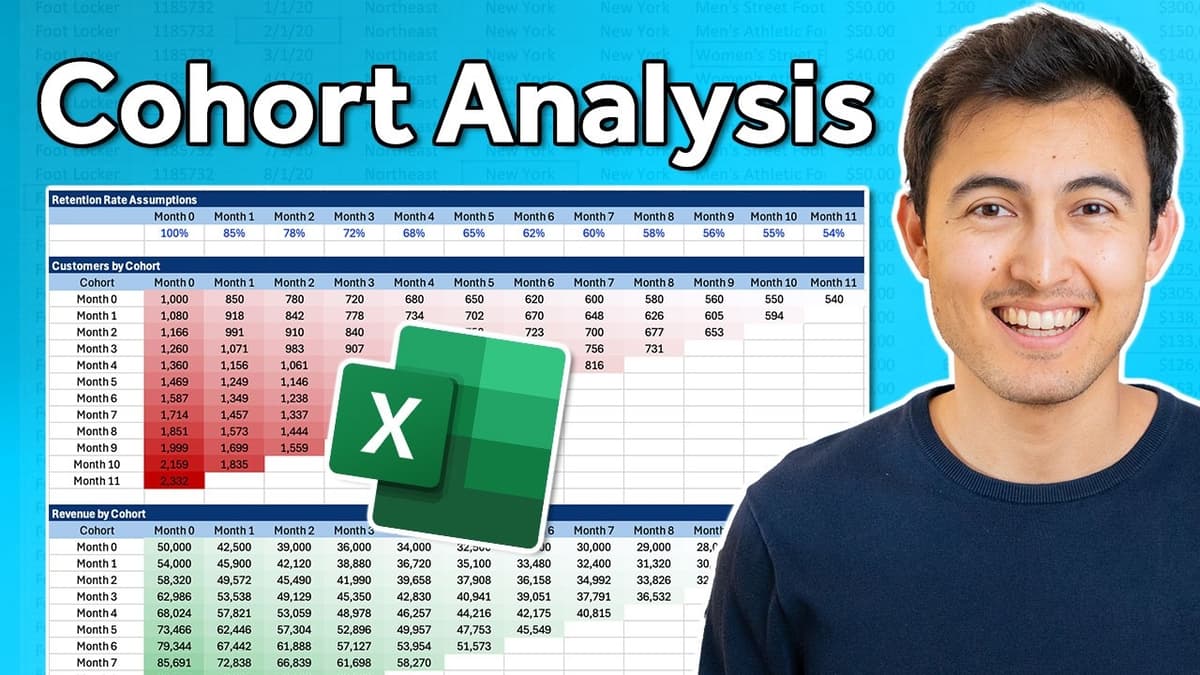
Make a Cohort Analysis in Excel
The video walks viewers through constructing a dynamic cohort analysis template in Excel, enabling businesses to track customer behavior, revenue generation, and acquisition profitability across monthly cohorts. It begins by defining assumptions—initial customers, month‑over‑month growth, average revenue per user, acquisition cost,...
Software's Future: Only the STRONGEST Will Survive! #shorts
The short video argues that the software and SaaS sector will continue to evolve, but only the strongest firms will endure the next five to ten years. The speaker notes that many companies from 2000, 2005, 2010 and 2015 have already...
The “Less Sexy” AI Win: 30% of Support Tickets Handled #saas #podcast #shorts #ai #shopcircle
The video highlights how a SaaS company leverages “less sexy” AI—automation of routine tasks—to improve operations. Rather than focusing on headline‑grabbing generative models, the firm uses AI to handle a sizable share of customer‑support tickets. By deploying AI agents, the company...
The #1 Red Flag in SaaS Acquisitions: Customer Concentration #saas #podcast #shorts #ai #shopcircle
The video spotlights customer concentration as the primary red flag when evaluating SaaS acquisition targets. Investors and acquirers typically shun companies where a single client accounts for more than 10% of revenue, and they dig deeper into the revenue mix...
Venture Capital, Private Equity or Debt?
The discussion centers on how early‑stage investors help founders decide between venture capital, private equity, or debt financing. While seed rounds of $1‑5 million receive minimal coaching, the firm’s support intensifies once a company hits the $2‑5 million annual recurring revenue (ARR)...
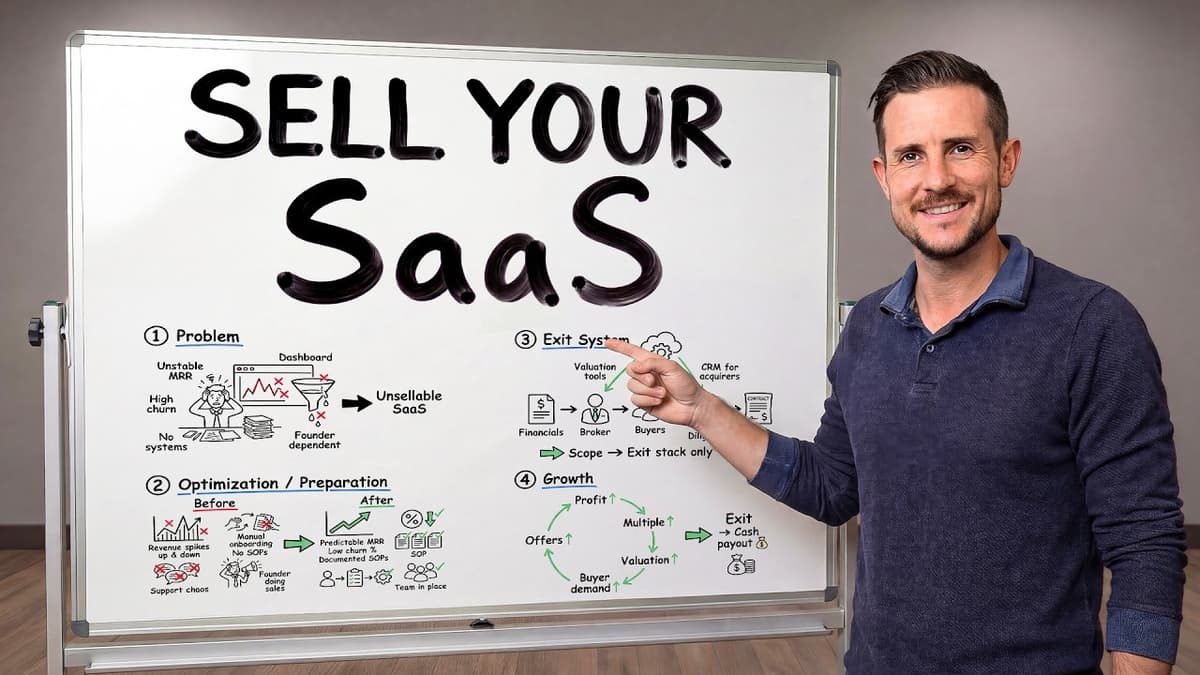
How to Sell Your SaaS (From a Founder with a $169m Exit)
In a detailed video, Ryan Allis, the founder who exited iContact for $169 million, walks SaaS CEOs through a step‑by‑step playbook for selling a software company. He draws on his own decade‑long build‑out, Harvard MBA, and years of advising unicorn founders...
Figma Gains on Strong Growth Outlook that Eases AI Fears
Figma’s latest earnings call highlighted a bullish growth outlook that directly counters lingering industry anxieties about artificial‑intelligence disruptions. The company emphasized that as AI improves, its own product suite becomes more powerful, positioning the design platform to benefit rather than...

How Temenos Is Powering the Future of Global Money Movement
Temenos is positioning its Money Movement and Management platform as the backbone for the accelerating global payments ecosystem, promising banks, fintechs and non‑bank payment service providers a unified solution to handle everything from instant domestic transfers to complex cross‑border settlements. The...

Thrive Raises New $10B Fund | OpenAI Buys OpenClaw | Stripe at $140B: Is Adyen Wildly Undervalued?
Investors are pouring massive capital into a handful of AI winners: Anthropic closed a $30 billion round at about a $380 billion post-money valuation, Thrive raised a $10 billion fund, and OpenClaw’s creator joined OpenAI. Panelists say these deals reflect...

Can an AI PMS Run Your Short-Term Rental Portfolio?, With Boom Co-Founder & CEO Shahar Goldboim...
The episode of Tangent PropTech features Shahar Goldboim, co‑founder and CEO of Boom, discussing how an AI‑powered property‑management system can run a fragmented short‑term‑rental portfolio. Goldboim explains that vacation‑rental assets are scattered across different locations, sizes and furnishings, making consistency and...
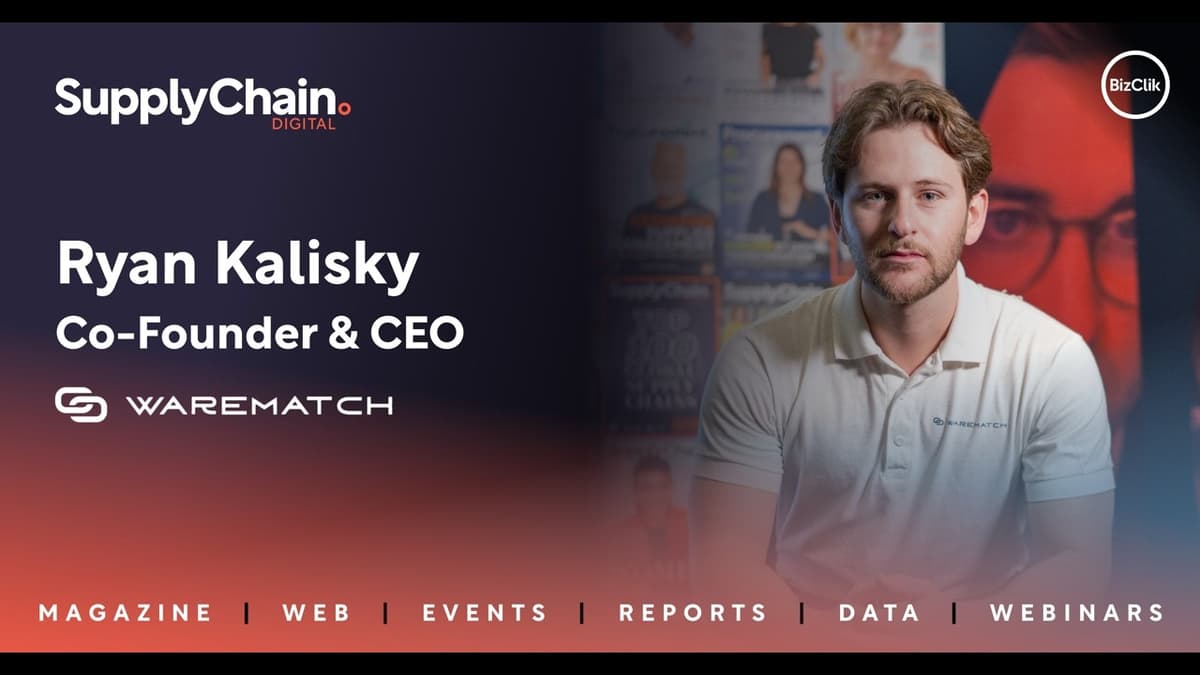
Manifest | Interview with Ryan Kalisky, WareMatch, on 3PL Digital Marketing
The interview spotlights WareMatch, a tech startup founded by Ryan Kalisky and Ben, which aims to modernize how third‑party logistics providers (3PLs) market their services. Kalisky likens the platform to a "Shopify for 3PLs," offering a digital storefront that lets...