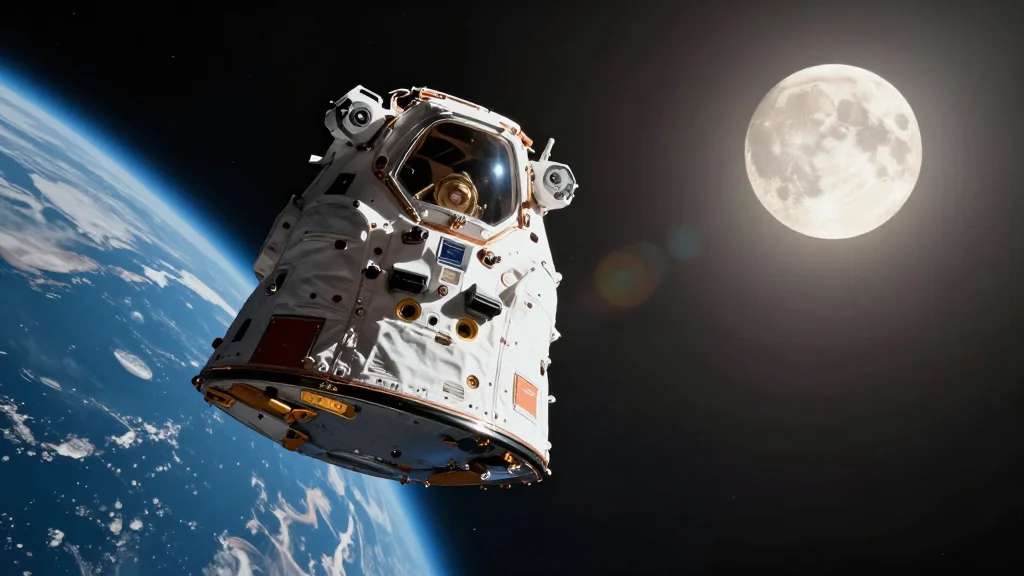
Oh. Another Moonshot
NASA is preparing to launch Artemis II, a ten‑day crewed flyby of the Moon, marking the first U.S. astronauts to travel beyond low Earth orbit since 1972. The mission is part of NASA’s “Ignition” roadmap, which earmarks roughly $20 billion over the next seven years for a 2028 lunar landing and a permanent base in the 2030s, while encouraging multiple commercial launch providers. The article juxtaposes this space “moonshot” with other high‑profile initiatives—cancer research, COVID‑19 vaccine development, and Alphabet’s X lab—arguing that true breakthrough requires faster, less‑institutionalized innovation, especially as hospital markets grow increasingly concentrated.

Quantum Systems: Simple Equations Unlock Exact Solutions for Complex Problems
Researchers at the University of Vienna have derived a concise, fixed‑size equation that provides a necessary and sufficient condition for Matrix Product States (MPS) to exactly represent eigenstates of local Hamiltonians. The local characterisation hinges on how a Hamiltonian term...

Gravitational Waves as Possible Candidates for the Origin of Dark Matter
A new study published in Physical Review Letters proposes that stochastic gravitational waves from the early universe could have generated dark matter through a freeze‑in process. The mechanism suggests mass‑free fermions were created by wave‑particle conversion and later acquired mass,...
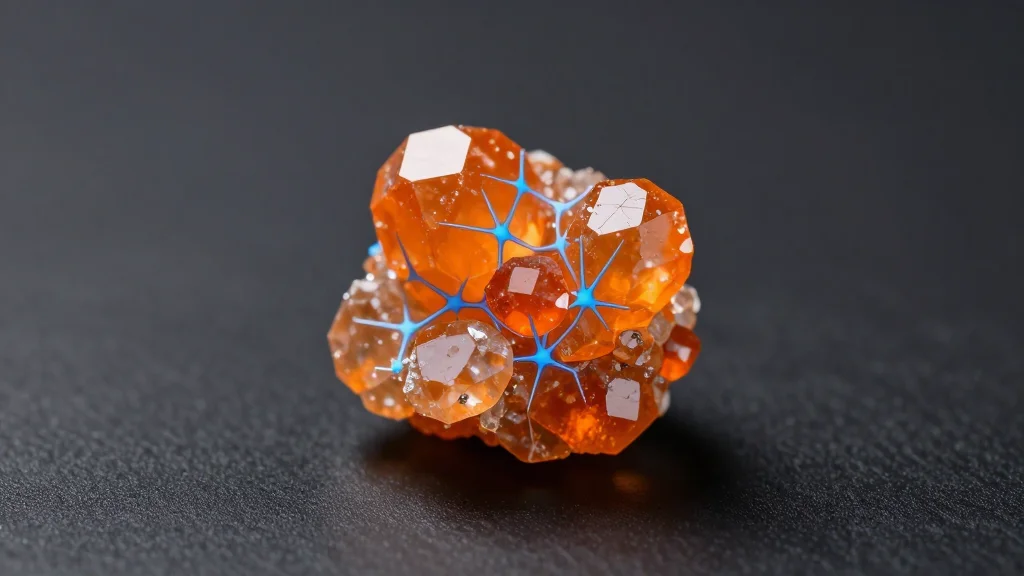
AI Inspires New Research Topics in Materials Science
Researchers at Germany's Karlsruhe Institute of Technology combined large language models with machine‑learning to scan thousands of materials‑science papers, building concept graphs that map how key terms co‑occur over time. The analysis spotlights emerging interdisciplinary links—such as perovskite materials and...
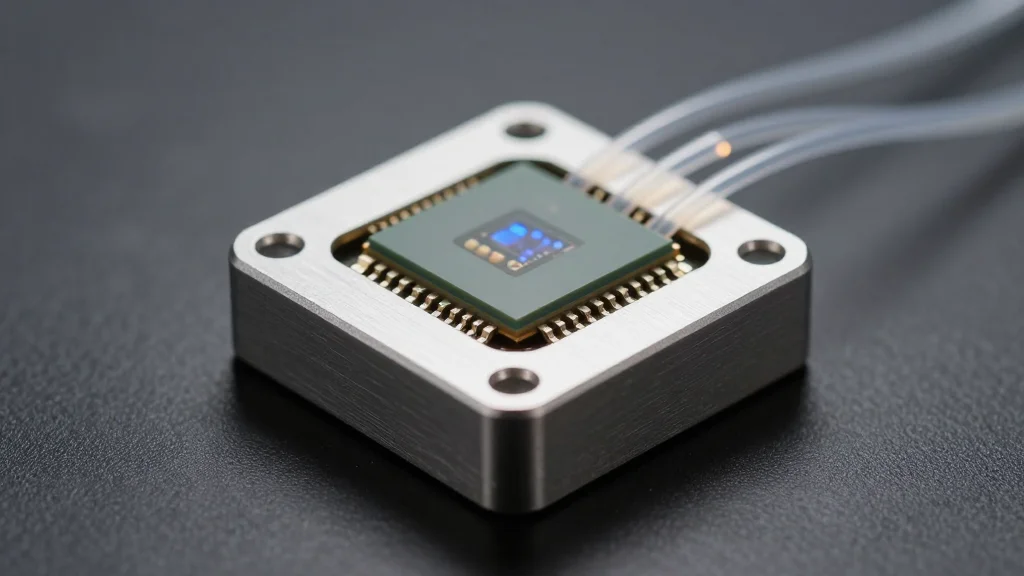
Nanofluidic Chip Holder Integrates Thermal, Electrical, and Optical Control
Researchers at Chalmers University unveiled a compact nanofluidic chip holder that merges heating, cooling, electrical actuation, and real‑time optical spectroscopy into a single platform. The device accommodates 10 mm silicon chips with up to 12 fluidic connections and can maintain temperatures...
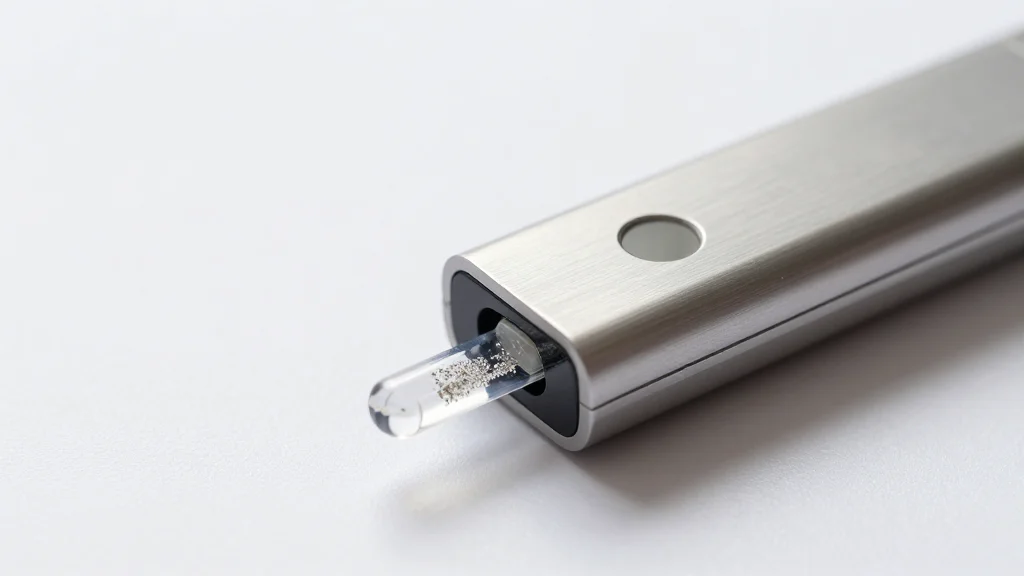
Nanotechnology Sensor Reads Creatinine in Seconds for Rapid Kidney Testing
Researchers at Tohoku University and City College of New York unveiled a nanotechnology‑based creatinine biosensor that reads concentrations from 1 to 300 mg/dL in about 35 seconds. The device uses a platinum‑nanoparticle polymer composite tuned near the percolation threshold, eliminating the...

Being Specific About Being General: Vaccines Edition
Emerging platforms are converging on a universal influenza vaccine, aiming to replace strain‑specific shots that require yearly reformulation. Companies such as Versatope are leveraging engineered bacterial outer‑membrane vesicles to deliver precise antigens, while NIH’s FluMos‑v2 expands hemagglutinin coverage to six...
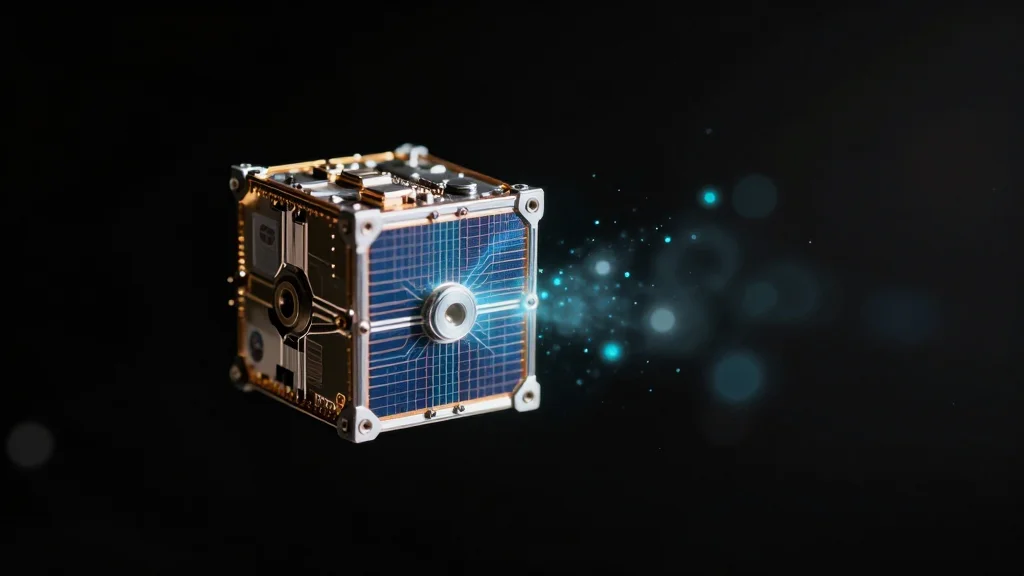
HLRS: Particle Scattering Model Could Improve Low-Orbit Spaceflight
Scientists at the University of Stuttgart’s ATLAS center used HLRS’s Hawk supercomputer to run 225,000 molecular‑dynamics simulations of oxygen atoms striking satellite materials in very low Earth orbit (VLEO). The data trained a machine‑learning scattering kernel that can predict particle‑surface...

Quantum Data Protection Adapts to Varied Hardware Structures
University of Illinois Chicago researchers Himanshu Dongre and Lane G. Gunderman introduce mixed‑register stabilizer codes that exploit coprime local dimensions. By leveraging qudits and heterogeneous quantum registers, the approach can theoretically slash the number of error‑correction registers by up to...

Particles Separate When Flowing Downhill
Researchers demonstrated that well‑mixed particle suspensions can self‑segregate when flowing down an incline. By mixing equal‑density glass spheres of two sizes in silicone oil, they observed larger red particles overtaking smaller blue ones near the flow front. Side‑view imaging revealed...

EPB Joins Southeastern Quantum Collaborative to Expand Regional Innovation
EPB has become a founding member of the Southeastern Quantum Collaborative, leveraging its 2023 launch of the nation’s first commercial quantum network and the upcoming EPB Quantum Center. The network now incorporates an IonQ Forte Enterprise computer, delivering both quantum‑secure...

Infleqtion Validates Picosecond Accuracy in Real-World Timing Demonstration
Infleqtion demonstrated picosecond‑level timing by integrating its Tiqker quantum optical clock with Safran’s White Rabbit and SecureSync systems, outclassing the nanosecond precision of conventional GPS. The real‑world test proves a resilient timing solution for sectors vulnerable to GPS jamming and...

Atomic Quantum Mirror Achieves Super-Heisenberg Measurement Precision
Researchers at Beijing Institute of Technology and Tsinghua University have demonstrated a collectively enhanced quantum mirror (CEAM) that achieves measurement precision scaling as 1/N², surpassing the traditional Heisenberg limit of 1/N. The approach relies on the cooperative optical response of...

Silence Mode Claims To Fix Weak Layer Bonds
Researchers at the University of West Bohemia’s Acoustic Process Control Lab introduced Quiet Phase Fabrication, an acoustic‑controlled workflow that encloses FFF printers in sound‑absorbing material and isolates vibrations. Their experiments showed up to an 18% increase in tensile strength for...

Smart Drugs Are Here
A recent proof‑of‑concept study introduces DNA‑drug conjugates (DDCs) that turn “smart drugs” into programmable therapies. DDCs use split DNA strands as logic gates to release payloads only when specific biomarker combinations are present, offering higher specificity than antibody‑drug conjugates (ADCs)....

The Dutch Protocol Re-Examined
The Amsterdam University Medical Centre, long regarded as the gold standard for paediatric gender medicine, released a retrospective analysis of 1,470 adolescents referred between 2009 and 2019. The study found that 18% of these youths did not pursue gender‑affirming medical...

Audio | An Overlooked Aspect of Memory: Gut Microbes
Dr. Julie Fratantoni’s latest Better Brain episode explores the growing evidence that gut microbes play a critical role in memory formation and retention. The discussion highlights recent animal and human studies showing how microbial metabolites influence hippocampal activity and neuroinflammation....

The Biotech Bi-Weekly: Cell Barcoding, Compound Optimization and the Trillion Cell Atlas
The biotech sector is witnessing a wave of collaborations and product launches aimed at accelerating drug discovery and expanding genomic knowledge. Biotium introduced the ViaPlex™ 2‑Color Cell Barcoding Kit, enabling multiplex analysis of up to 15 cell populations in a...

1 Cubic Millimeter (AI Hype Part 3)
Researchers mapped a one‑cubic‑millimeter piece of human brain, revealing 57,000 neurons and roughly 150 million synapses within a volume half the size of a grain of rice. The sample was sliced into 5,000 ultra‑thin sections, each 30 nm thick, exposing previously undocumented...
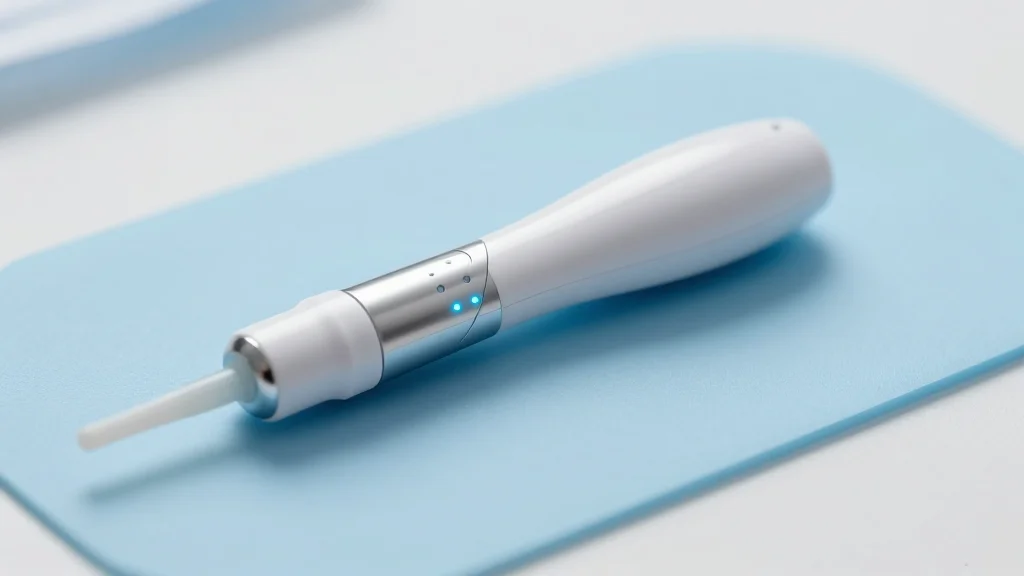
Smart IUD Could ‘Provide Insights We’ve Never Had Before’
Verso Biosense, based in Oxfordshire, is creating a wireless smart IUD that continuously records uterine temperature and oxygen levels. The device aims to generate real‑time data to help clinicians understand why some IVF cycles fail and to identify conditions that...
Remaining Challenges in the Development of Partial Reprogramming Therapies
Partial reprogramming—brief exposure to Yamanaka factors OCT4, SOX2, KLF4 and MYC—has demonstrated modest rejuvenation in mouse studies but carries a substantial cancer risk if cells slip into full pluripotency. Funding is concentrated in a few well‑capitalized firms, notably Altos Labs,...
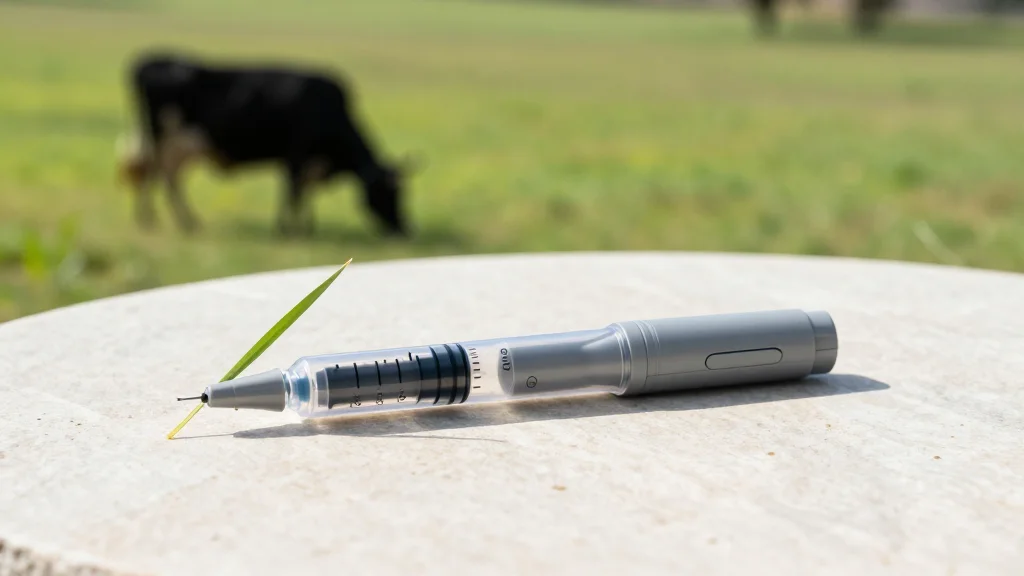
New Analysis Says GLP-1s Will Reverse Climate Change
A new analysis in the Journal of Global Metabolic Systems proposes that widespread use of GLP‑1 weight‑loss drugs could help reverse climate change. By reducing overall caloric demand, the model predicts lower livestock production, especially beef and dairy, leading to...

Wednesday: Three Morning Takes
NASA is set to launch Artemis II on Wednesday, marking the first crewed mission to the Moon in over five decades. The launch underscores a shift toward private‑sector partnerships, with SpaceX’s involvement seen as a catalyst for renewed lunar ambitions. Meanwhile,...

Finally, Retrieving a New Source of Clean Power
The Energy for Growth Hub, in partnership with Stanford’s LabradorLabX, unveiled K‑9 Kinetic Power™ (K9KP), a consumer device that harvests a dog’s tail wagging to generate electricity. Using a carbon‑fiber micro‑generator and a smart docking pad, each active dog can...

Spain Approves €325 Million ESCA+ Expansion of Atlantic Constellation
Spain’s Council of Ministers approved a €325 million (≈$354 million) investment to add three Earth‑observation satellites to the Atlantic Constellation, expanding the joint Spain‑Portugal network to 19 spacecraft. The funding will flow through the European Space Agency as part of a broader...

Mind the Gap
A recent doctoral study by graduate student Stephanie Chia applied persistent homology, a topological data‑analysis technique, to map the morphological trait space of passerine songbirds. By reconstructing ancestral shapes and charting existing species, the research identified several plausible bird forms...

The UK Government Tried to Stop You From Being Able to See This Report. You Need to Read It.
The UK’s Joint Intelligence Committee produced a national‑security assessment linking global biodiversity loss and ecosystem collapse to direct threats for Britain, especially food security. The report, which was withheld for months because officials deemed it “too negative,” reveals that animal...

The Controversy over Deep-Sea Mining, Explained
Deep‑sea mining is being promoted as a source of critical minerals for the clean‑energy transition, but more than 40 countries and several U.S. states have called for a moratorium due to severe environmental and cultural risks. Indigenous leaders such as...

BREAKING STUDY: Half of COVID-19 Vaccinated Military Personnel Suffered Subclinical Heart Stress
A new longitudinal study of 83 healthy military personnel tracked cardiac biomarkers after two mRNA COVID‑19 vaccine doses. Within two weeks of the second shot, 49% of participants exhibited a rise in NT‑proBNP exceeding 1.5 times their baseline, indicating subclinical...

How ODISSEE Is Preparing Europe for Exabyte-Scale Scientific Computing
The EU‑funded ODISSEE project, launched in 2025 under Horizon Europe, aims to create data‑centric, exabyte‑scale computing solutions for CERN’s LHCb and the SKA Observatory. A diverse consortium—including CERN, SKAO, CNRS, SURF, EPFL, ETH Zurich, SiPearl, Energy Aware Solutions and NextSilicon—spent...

More Research Links Artificial Sweetener Erythritol to Stroke Risk
A new animal study suggests that erythritol, a zero‑calorie sugar alcohol popular in low‑carb foods, may promote blood clot formation in the brain, raising concerns about stroke risk. Researchers observed increased cerebral clotting in mice fed typical dietary levels of...
The Role of Reactive and Senescent Astrocytes in the Aging of the Brain
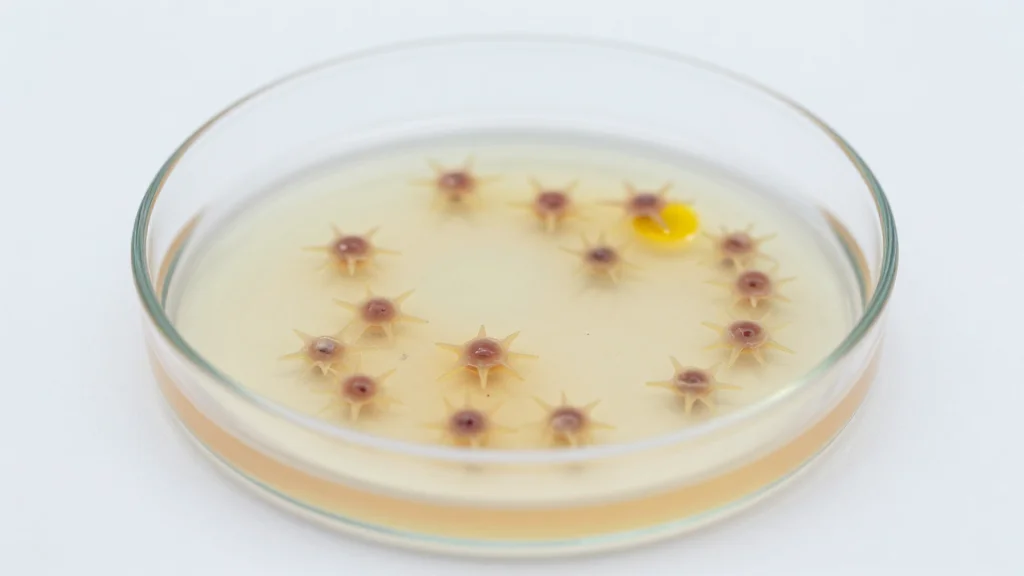
A new open‑access review examines how aging pushes astrocytes into reactive and senescent states, both of which contribute to neuroinflammation and cognitive decline. The authors synthesize recent single‑cell and transcriptomic studies showing region‑specific astrocyte phenotypes and highlight that reactivity and...
Doing Something Again For The First Time (Update)
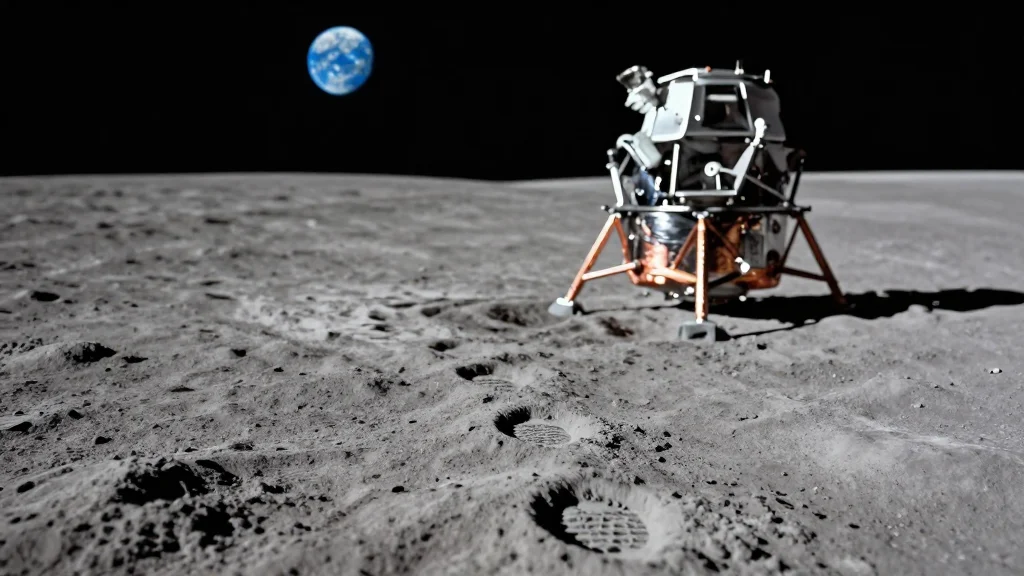
A new analysis highlights that roughly 75 % of the global population has never seen humans walk on another world, making the upcoming Artemis Moon landings the first live experience for most people. NASA’s Artemis program now plans to send astronauts...

Avoid These 12 Myths & Build More Muscle
A recent scientific review debunked 12 pervasive muscle‑building myths, from elaborate periodization models to the so‑called “anabolic window” and spot‑reduction claims. The authors found that progressive overload, sufficient protein and energy balance, and consistent training volume are the true drivers...

Explaining the Swirl of Wildfire Smoke
Recent research explains why wildfire smoke in the stratosphere consistently forms anticyclonic vortices. Smoke injected at roughly 15 km rises to 35 km, stretching and intensifying any rotation. While classic theory predicts a cyclone‑anticyclone pair, the study shows that vertical shear can...

AZD5004
Elecoglipron (ECC5004/AZD5004), an oral small‑molecule GLP‑1 receptor agonist, completed Phase 2 trials in type 2 diabetes and obesity, meeting primary endpoints in the SOLSTICE and VISTA studies. AstraZeneca licensed global rights from Eccogene for an upfront payment of $185 million and potential milestones...
SignateraTM MRD Identifies Breast Cancer Patients Who Can Forgo Surgery
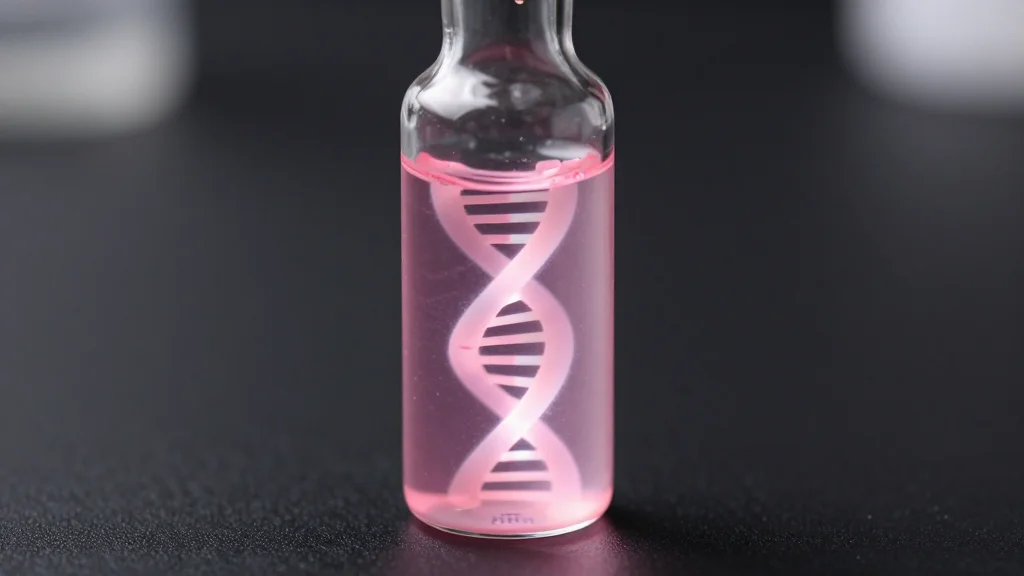
Natera’s Signatera circulating‑tumor DNA test was shown in a prospective Clinical Cancer Research study to identify older women (≥70) with early‑stage ER⁺/HER2‑ breast cancer who can safely forgo surgery and remain progression‑free on primary endocrine therapy. Baseline MRD‑negative patients (68%...

The Medical Technocrats: It’s Not Just AI
A recent blog post revives 1990s‑era warnings about a self‑styled "GenRich" elite seeking to embed synthetic genes in a privileged minority of Americans. The author argues that advances in artificial intelligence will turbo‑charge the search for human‑enhancement strategies, potentially creating...
Vibrations in Your Skull May Be Your Next Password
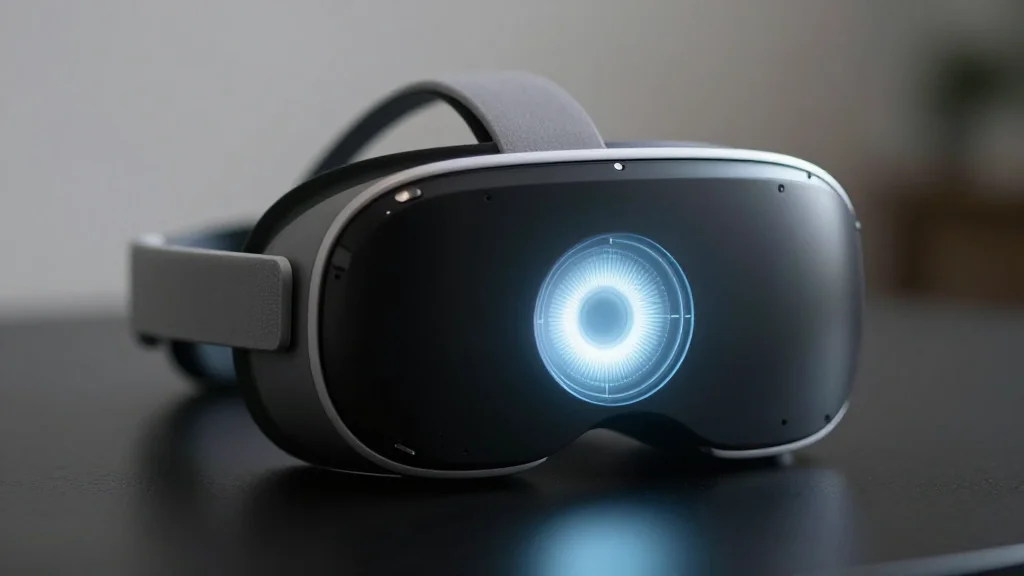
Rutgers researchers unveiled VitalID, a software biometric that authenticates XR users via skull‑borne vibrations from breathing and heartbeat. The method captures unique vibration patterns with headset motion sensors, eliminating passwords, PINs, and iris scans. In trials with 52 participants across...
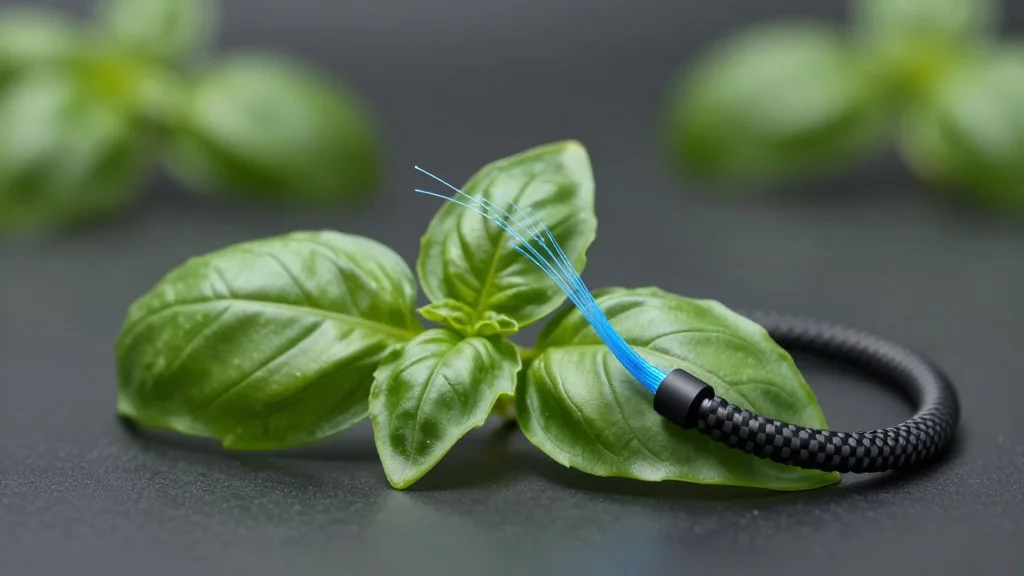
Durable Nanofilm Electrodes for Monitoring Leaf Health
Researchers at Institute of Science Tokyo unveiled a carbon‑nanotube nanofilm electrode only 70‑320 nm thick that can be pierced by leaf trichomes while remaining transparent and water‑resistant. The device maintains stable electrical contact for weeks, and in some tests stayed functional...
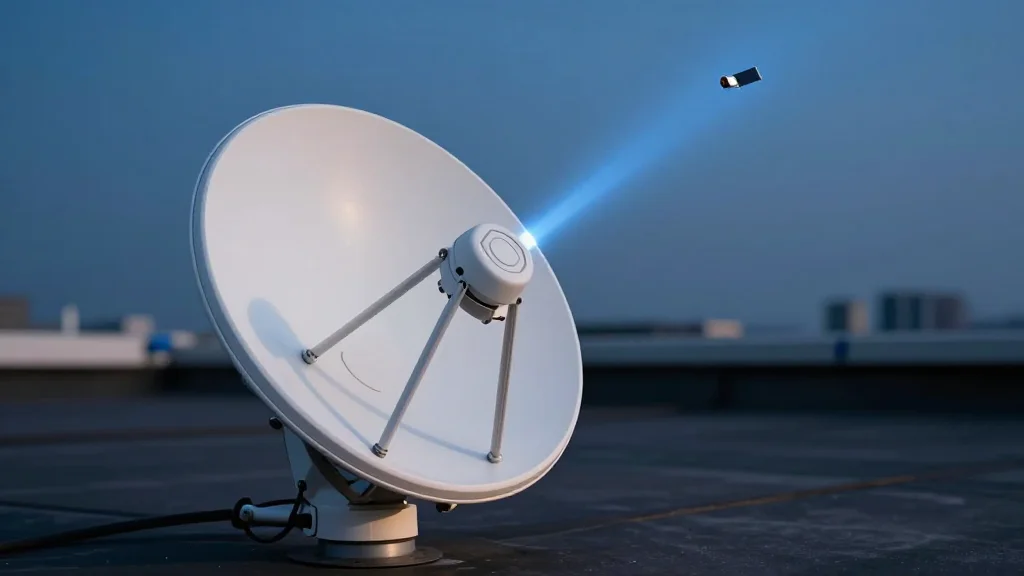
Thousands of Pico-Satellites May Transform How Phones Connect to Space
Researchers in Japan demonstrated that tens of thousands of pico‑satellites can operate as a single, distributed phased‑array antenna for direct‑to‑smartphone communication. By wirelessly synchronizing each tiny satellite to a reference signal, the system eliminates bulky cabling and costly large‑satellite platforms....

Industrial Papermaking Process Yields a Sorbent that Pulls Drinking Water Even From Dry Air
Researchers have leveraged conventional papermaking lines to produce a hygroscopic sheet infused with lithium chloride and polypyrrole‑chloride, creating a sorbent that captures water from air and releases it using solar heat. The material powers a lightweight, continuously rotating crawler that...
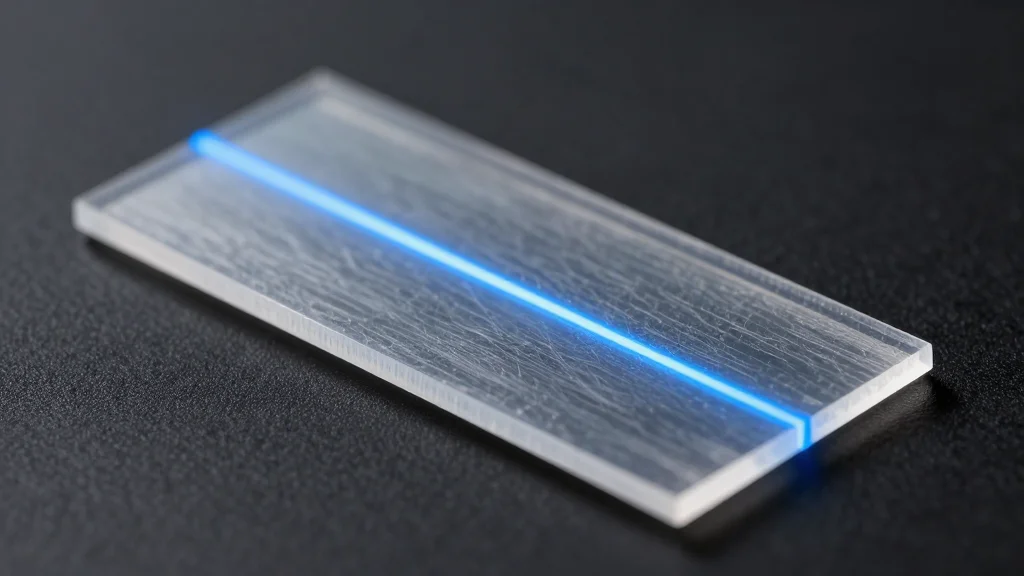
2D Materials Enable Artificial Charged Domain Walls for Nanoelectronics
Researchers at the University of Illinois Urbana‑Champaign have engineered the first artificial charged domain wall (CDW) in a two‑dimensional ferroelectric material by stacking oppositely polarized α‑In₂Se₃ layers. The interface becomes a highly conductive channel with resistance orders of magnitude lower...

Using Quantum Interference to Solve Multi-Armed Bandit Problem
Japanese researchers have created a quantum‑optical system that uses the orbital angular momentum (OAM) of photons to solve the Competitive Multi‑Armed Bandit (CMAB) problem. By encoding each player’s preferences in OAM states and tuning photon phases, the setup guarantees conflict‑free...

Researchers Establish Velocity Limits Within Quantum Systems over Time
Scientists Marius Lemm and Carla Rubiliani have delivered a streamlined proof of Lieb‑Robinson bounds for Bose‑Hubbard Hamiltonians, demonstrating that information propagation is limited by a polynomial function t^{d+ε}, where d is the lattice dimension. Their approach leverages adiabatic space‑time localization...

A Gut Microbiome Response to Low Protein Intake Drives Beneficial Browning of Fat Tissue
Researchers have shown that low‑protein diets (LPDs) stimulate the conversion of white adipose tissue into thermogenic beige fat, mirroring effects seen with cold exposure or β‑adrenergic activation. The browning response depends on specific gut microbes; germ‑free mice fail to brown,...

QuTech Chairs Conference Focused on Scaling Spin Qubit Systems
QuTech will chair Spin Qubit 7, the seventh International Conference on Spin‑Based Quantum Information Processing, held at TU Delft from July 13‑17, 2026. The five‑day event gathers 45 leading speakers and more than 12 sponsors to showcase the latest in semiconductor spin‑qubit...

Viewbix’s Nuclear Quantum Progresses to Industry Engagement for Quantum Algorithms
Viewbix Inc., through its Quantum X Labs subsidiary, announced that portfolio company Nuclear Quantum is moving from pure algorithm development to active industry collaboration. The firm will embed its quantum‑based simulation engine into existing nuclear engineering platforms, tackling the long‑standing...

The Hitchhiker’s Guide to the Swampland Published
Kay Lehnert’s comprehensive review titled "Hitchhiker’s Guide to the Swampland: The Cosmologist’s Handbook to the String‑Theoretical Swampland Programme" has been formally published in the peer‑reviewed journal Fortschritte der Physik on 28 March 2026. The paper, previously circulated as an arXiv pre‑print, provides...

Quantum Gases Recreate Extreme Waves Seen in Oceans and Optics
Researchers at the Okinawa Institute of Science and Technology and Missouri University of Science and Technology have experimentally generated a Peregrine soliton—a prototype rogue wave—in an ultracold Bose‑Einstein condensate. By engineering attractive interactions within a two‑component condensate, they overcame wave...