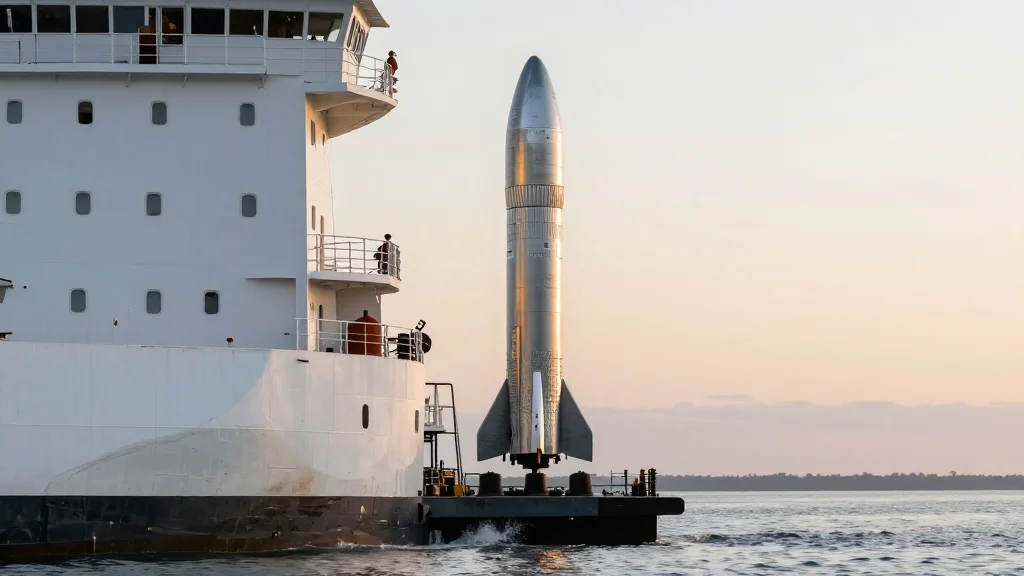
Giant SpaceX Barge for Transporting Starship/Superheavy Arrives in Texas
SpaceX’s retrofitted 400‑foot barge, nicknamed “You’ll Thank Me Later,” arrived at the Port of Brownsville, Texas. The vessel will transport Starship and Super Heavy rockets from the Boca Chica launch complex to Florida until SpaceX’s Kennedy Space Center factory is operational. The company is negotiating a 50‑year lease on an 83‑acre terminal to support the barge’s operations. The move also positions SpaceX to acquire additional Gulf Coast launch sites, including rumored acreage in Louisiana, expanding its launch footprint.
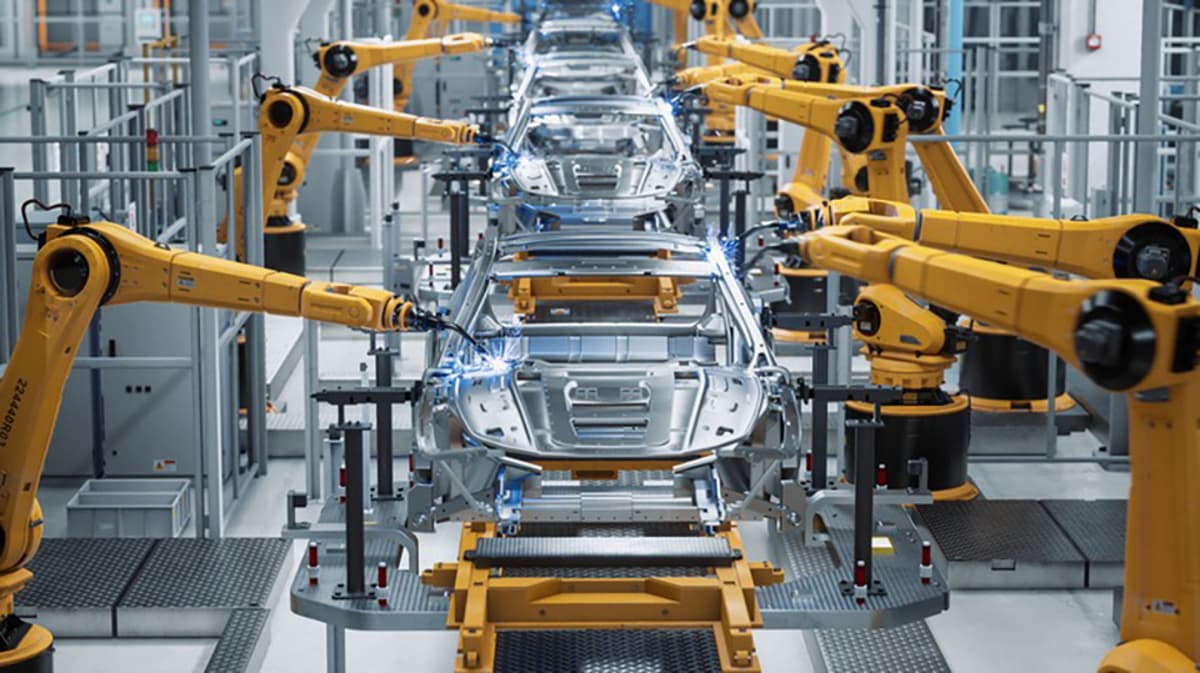
Airbus Negotiates with German Automakers to Scale Satellite Production
Airbus Defence & Space is negotiating with German automakers to repurpose automotive factories for high‑volume satellite and spacecraft electronics production. The plan targets economically distressed regions where car plants sit idle, tapping the sector’s expertise in scalable manufacturing. The move...
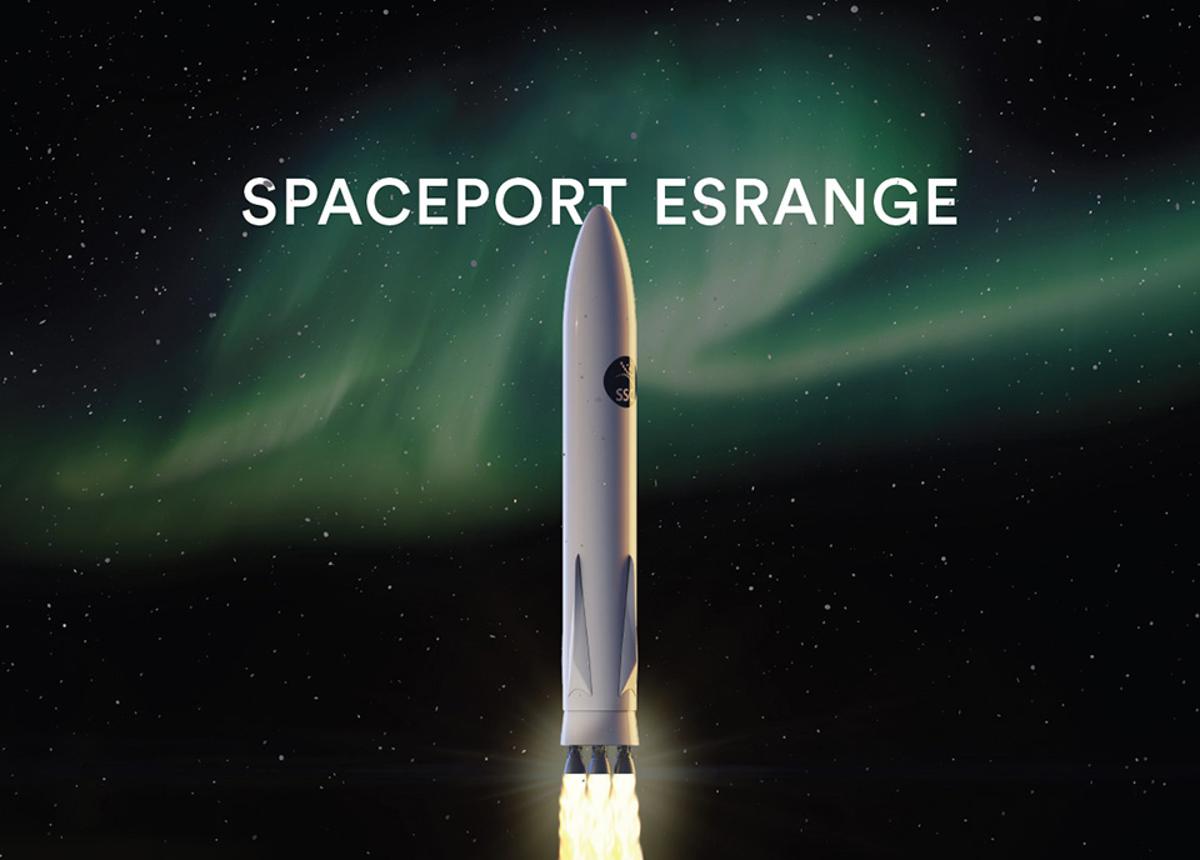
Twelve Scientific Payloads Experience Microgravity Aboard SubOrbital Express-5
SSC Space launched its SubOrbital Express-5 sounding rocket from Sweden’s Esrange Space Center, reaching 260 km altitude and delivering more than six minutes of microgravity. The mission, the 17th SubOrbital Express flight since 1987, carried twelve international scientific payloads supported in...
Impulse Space Company Profile
Impulse Space announced a $500 million Series D on June 2 2026, pushing total capital raised above $1 billion and valuing the firm at roughly $4.26 billion. The funding will fuel expansion of its in‑space mobility portfolio, including the Mira payload‑hosting spacecraft and the high‑energy Helios...
Competition to Run JPL Comes at Fraught Moment of Federal Budget Cuts, Project Overruns, Management Missteps
NASA announced a competitive bidding process for the management of the Jet Propulsion Laboratory, ending Caltech’s decades‑long monopoly on the $30 billion, 10‑year contract that runs through 2028. The move follows high‑profile cost overruns on missions such as Psyche and the...
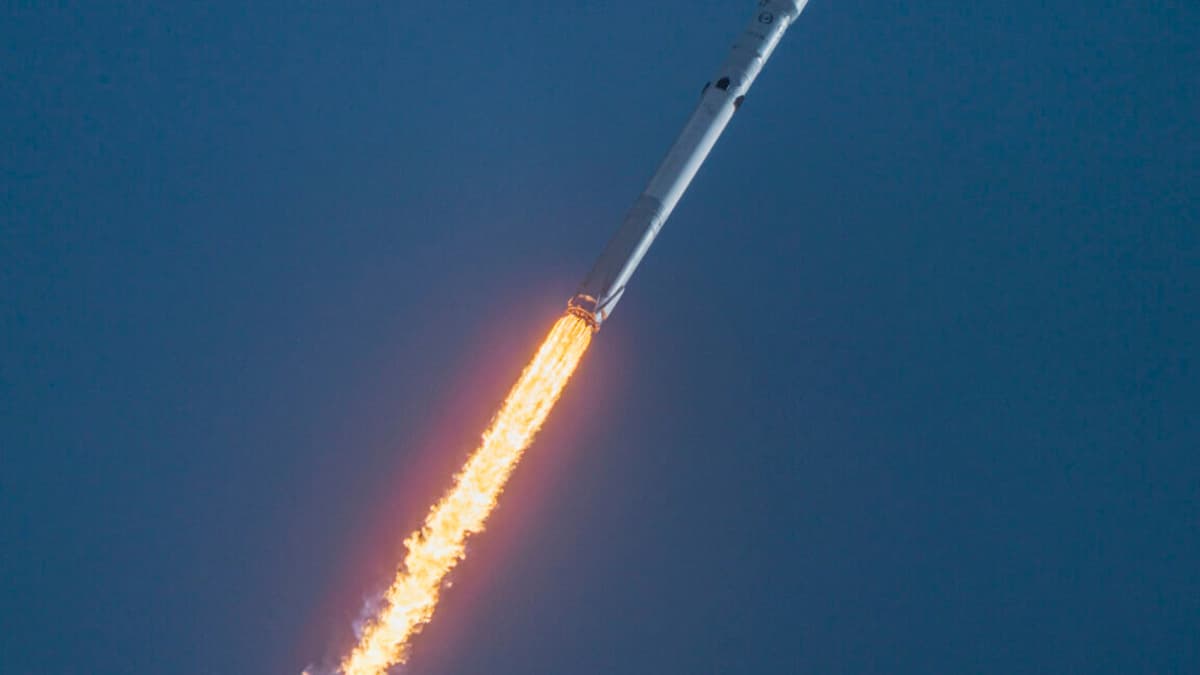
In a Surprise Launch, China Debuts Another Big Rocket Designed for Reusability
China launched the Long March 12B, a 72‑meter, kerosene‑fuel rocket designed for future booster recovery, marking the state‑owned sector’s lead in the country’s reusable launch race. The vehicle lifted off from the Gobi Desert without attempting a landing, but it carried grid...
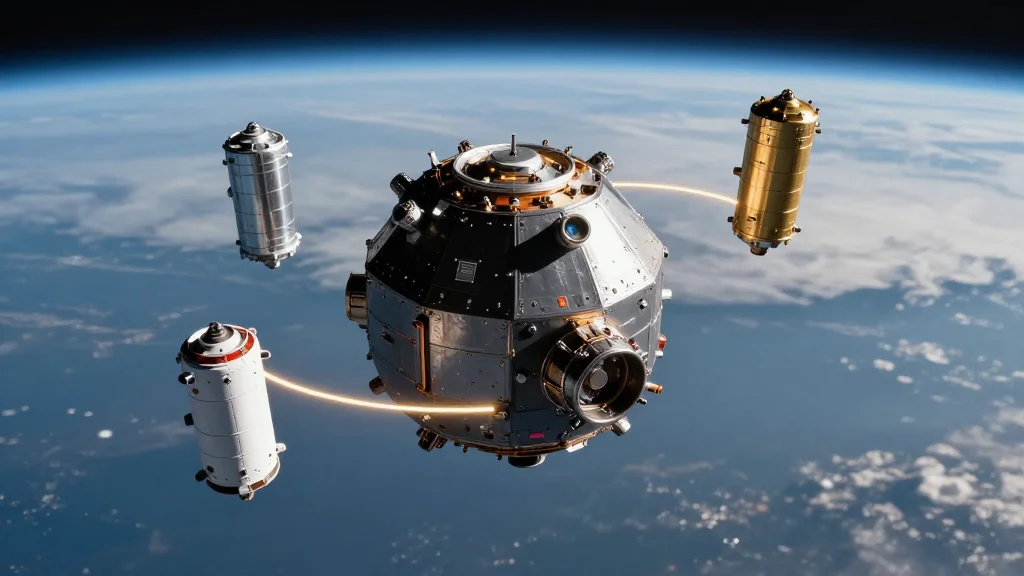
NASA Abandons Core Module Idea for Its Commercial Space Station Program
NASA announced it will abandon the proposed core‑module space station concept, reverting to its original strategy of letting private stations compete independently. The decision follows unanimous opposition from the three most advanced commercial station startups—Vast, Starlab and Axiom—who argued the...
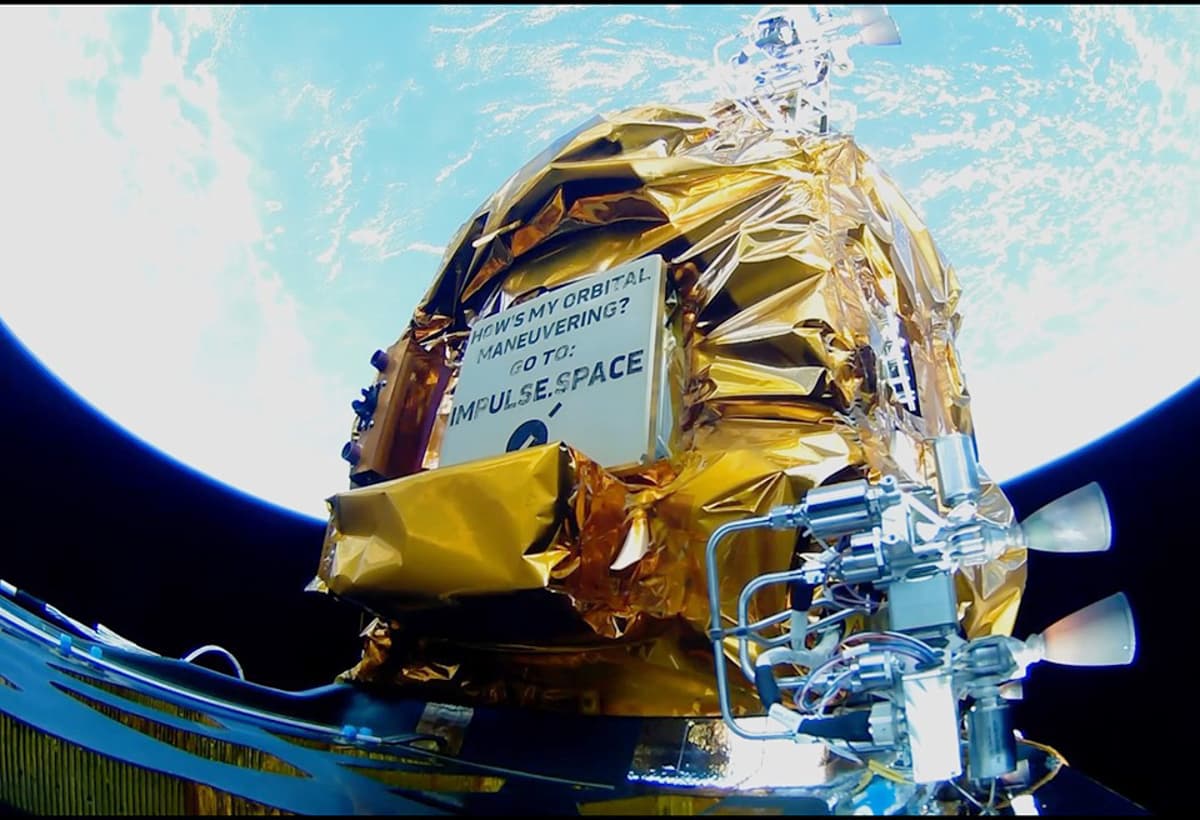
Impulse Space Secures $500 Million Series D to Scale In-Space Mobility Infrastructure
Impulse Space closed a $500 million Series D round, pushing its total capital raised above $1 billion. The funding, co‑led by 137 Ventures and BANNER VC, will finance expanded manufacturing, new propulsion systems and a larger workforce. Impulse’s Mira spacecraft already demonstrates precision orbital maneuvers,...
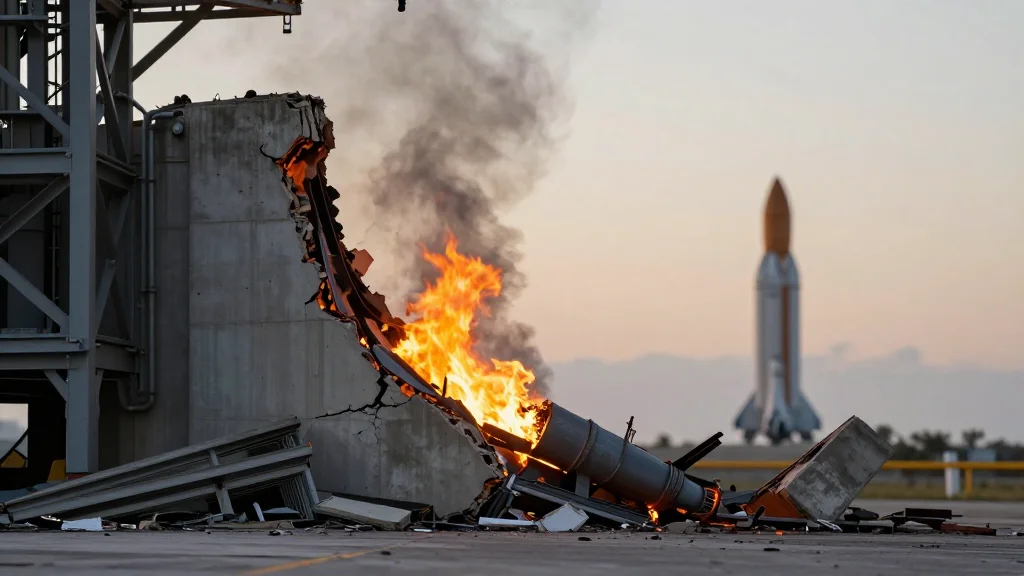
Isaacman Says Blue Origin Launch Complex May Not Return to Service Until 2028
NASA Administrator Jared Isaacman told CNBC that the launchpad damaged by Blue Origin’s New Glenn hot‑fire test may not be operational again until 2028. The explosion on Thursday at Cape Canaveral’s Space Force launch facility destroyed critical infrastructure at Launch Complex...

Global SSA Market to Reach $61B as Governments Prioritize Space Security, Resilience, and Orbital Safety
Novaspace’s second Space Situational Awareness (SSA) report forecasts global SSA spending to reach $61 billion over the next decade, underscoring the sector’s rapid expansion. Government programs will continue to dominate, but the commercial SSA data and services market is projected to...
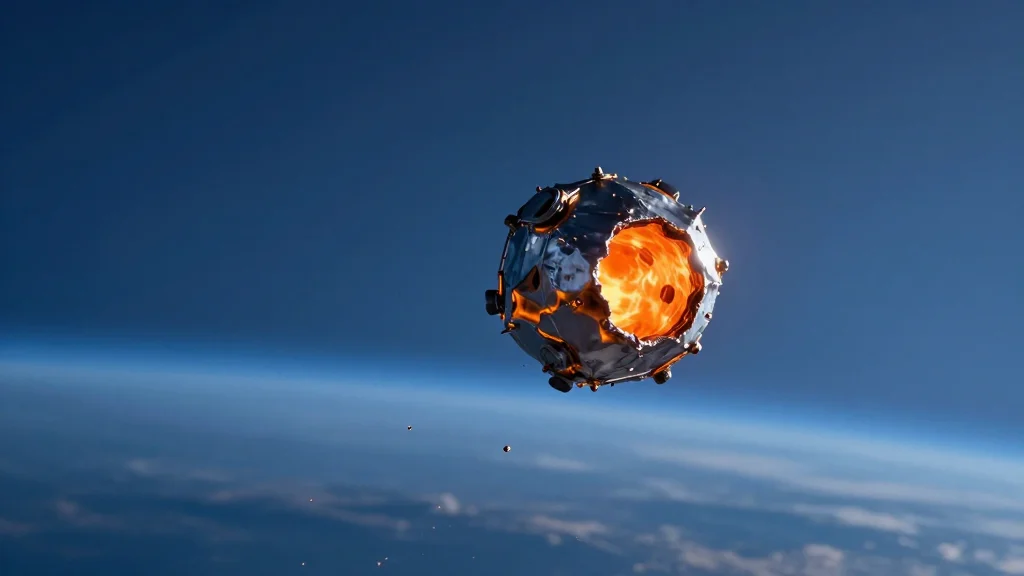
Global Launch and Space Re-Entry: Aggravated Assault on Earth’s Atmosphere?
Researchers highlighted a growing influx of exotic metals from satellite and space‑hardware re‑entries into Earth’s stratosphere, a trend amplified by the rapid expansion of megaconstellations. The issue was a focal point at the 2026 European Geosciences Union meeting in Vienna,...
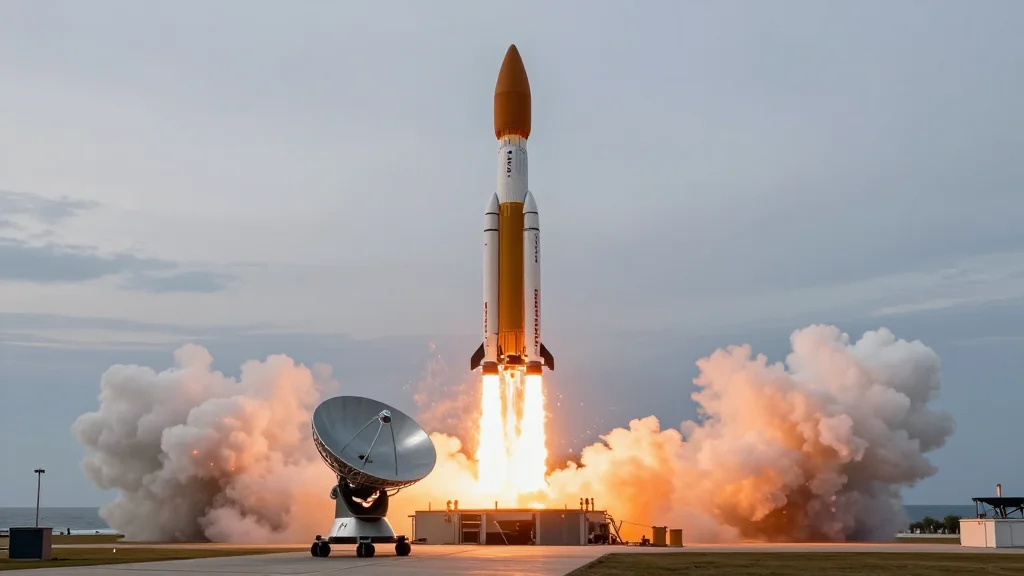
This Space Stock Is Rising as Blue Origin Predicts Quick Recovery From Big Explosion
Blue Origin’s New Glenn rocket suffered a dramatic explosion during a hot‑fire test at Cape Canaveral, sending a shockwave 135 miles from Launch Complex 36. The company announced it will return the vehicle to flight within six months, aiming for a launch before...
Regional Rivalries, National Imperative: State Governments Pick Up the Pace in Space Race
State governments across the U.S. are accelerating efforts to build regional commercial space ecosystems, offering grants, tax incentives, and leveraging existing research infrastructure. Maryland is marketing its federal labs and university talent to attract startups, while Michigan has launched a...

India’s Space Ambitions Take Center Stage at ASCEND as ISRO Wins AIAA’s Highest Honor
The American Institute of Aeronautics and Astronautics awarded ISRO its top Goddard Astronautics Award, recognizing Chandrayaan‑3’s historic soft‑landing near the lunar south pole. The mission achieved the feat for under $100 million, making India the fourth nation to land on the...
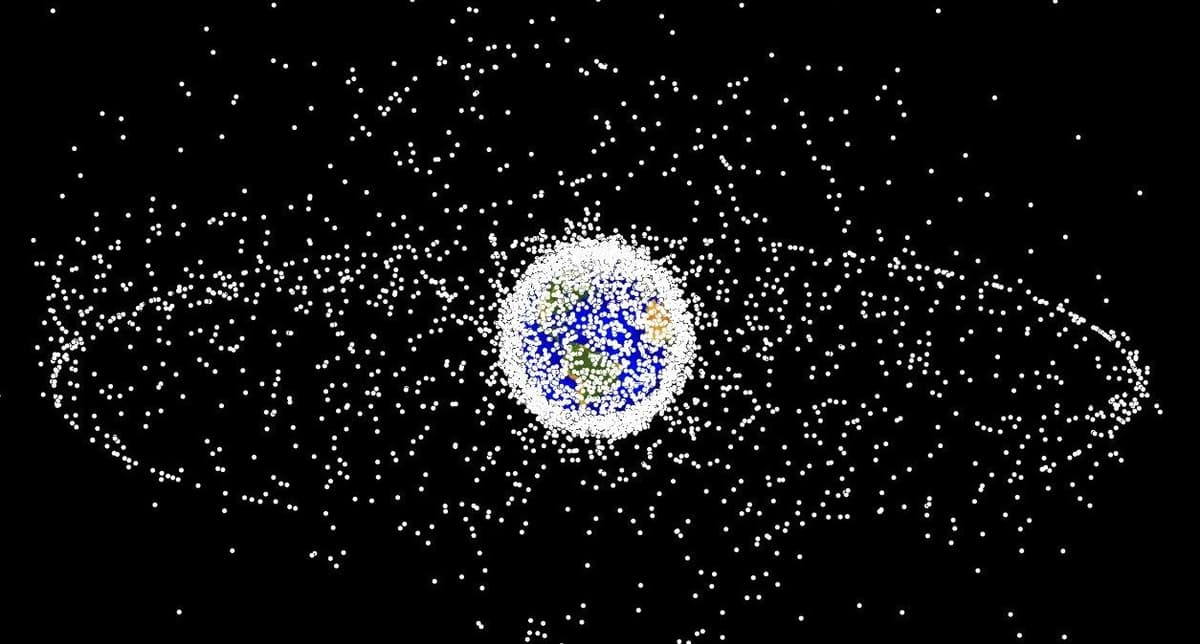
The Importance of Determining an Equilibrium State for Space Traffic Management
The surge in low‑Earth‑orbit activity—from mega‑constellations to proposed orbital data centres—has made space traffic management (STM) an urgent engineering and policy challenge. Experts argue that achieving an "equilibrium state"—where debris creation and removal rates balance—is essential for long‑term safety and...
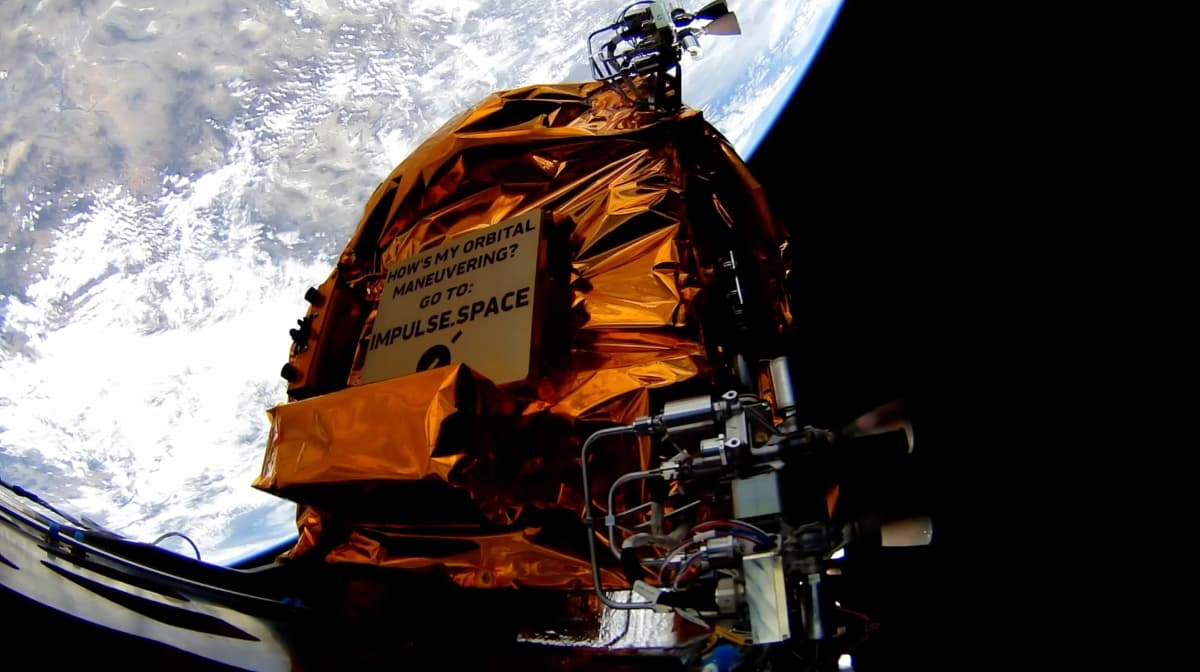
Rocket Engine Startup Impulse Raises $500 Million to Hire People, Not AI
Impulse Space, the rocket engine startup founded by former SpaceX chief Tom Mueller, announced a $500 million Series D round led by 137 Ventures and BANNER VC. The capital will fund the hiring of up to 200 engineers and staff to accelerate development of...
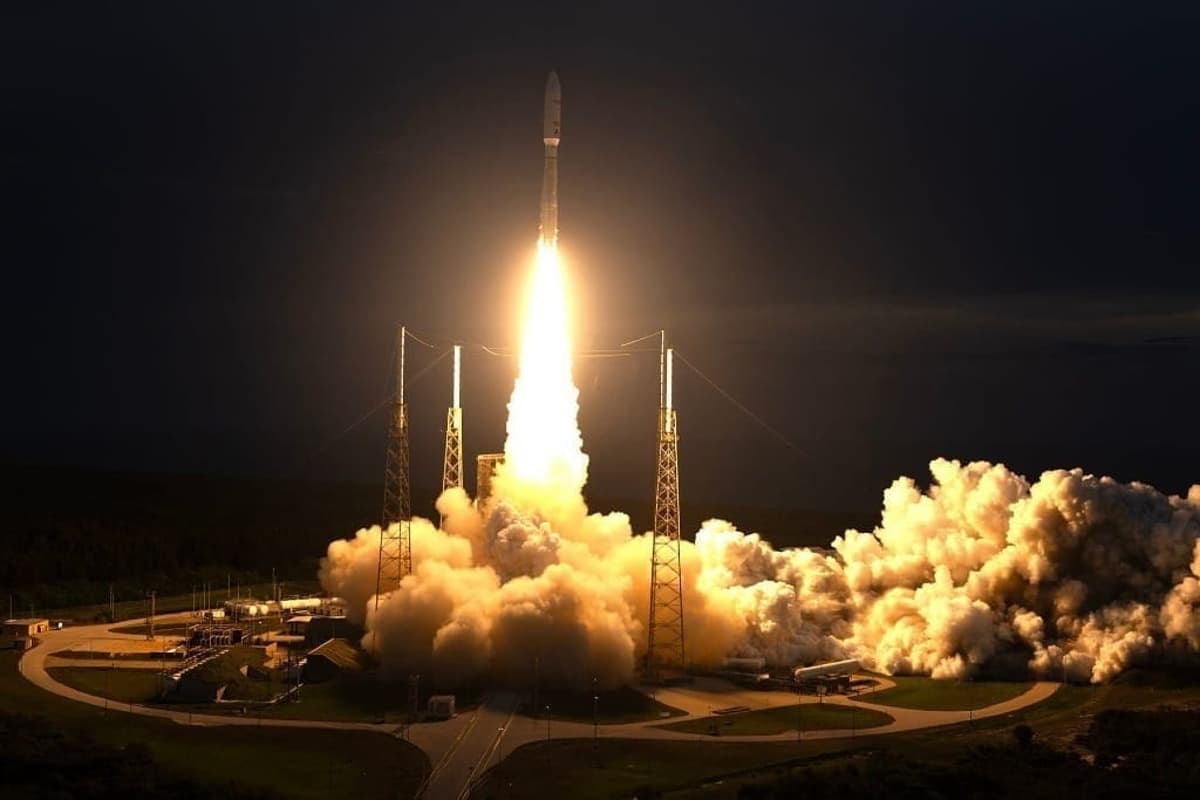
Latest Amazon Leo Launch a Success
Amazon Leo successfully launched 29 low‑Earth‑orbit satellites on May 29, bringing the company’s total deployed satellites to 331. The mission proceeded despite challenging weather conditions and the simultaneous explosion of Blue Origin’s New Glenn test vehicle. United Launch Alliance (ULA) executed the...
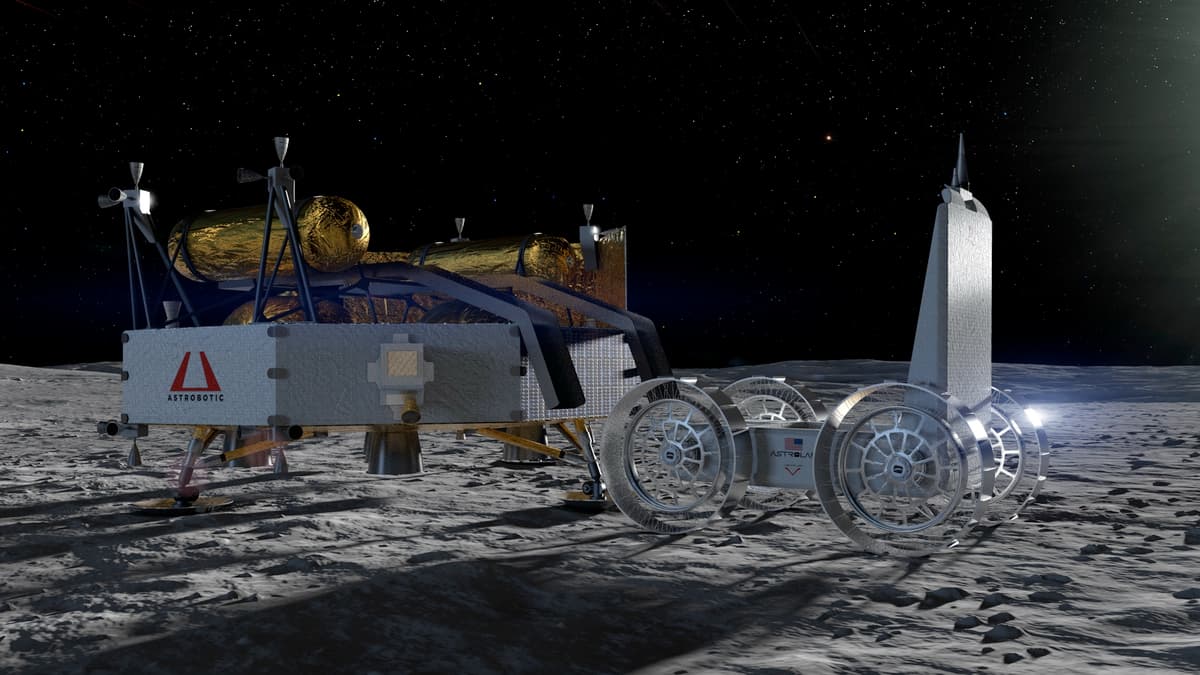
Voyager to Acquire Lunar Lander Developer Astrobotic
Voyager Technologies announced a deal to acquire Pittsburgh‑based Astrobotic for up to $300 million, paying $162 million in cash and stock and assuming $9 million of debt. The agreement includes an earn‑out of up to $129 million tied to performance milestones and is expected...
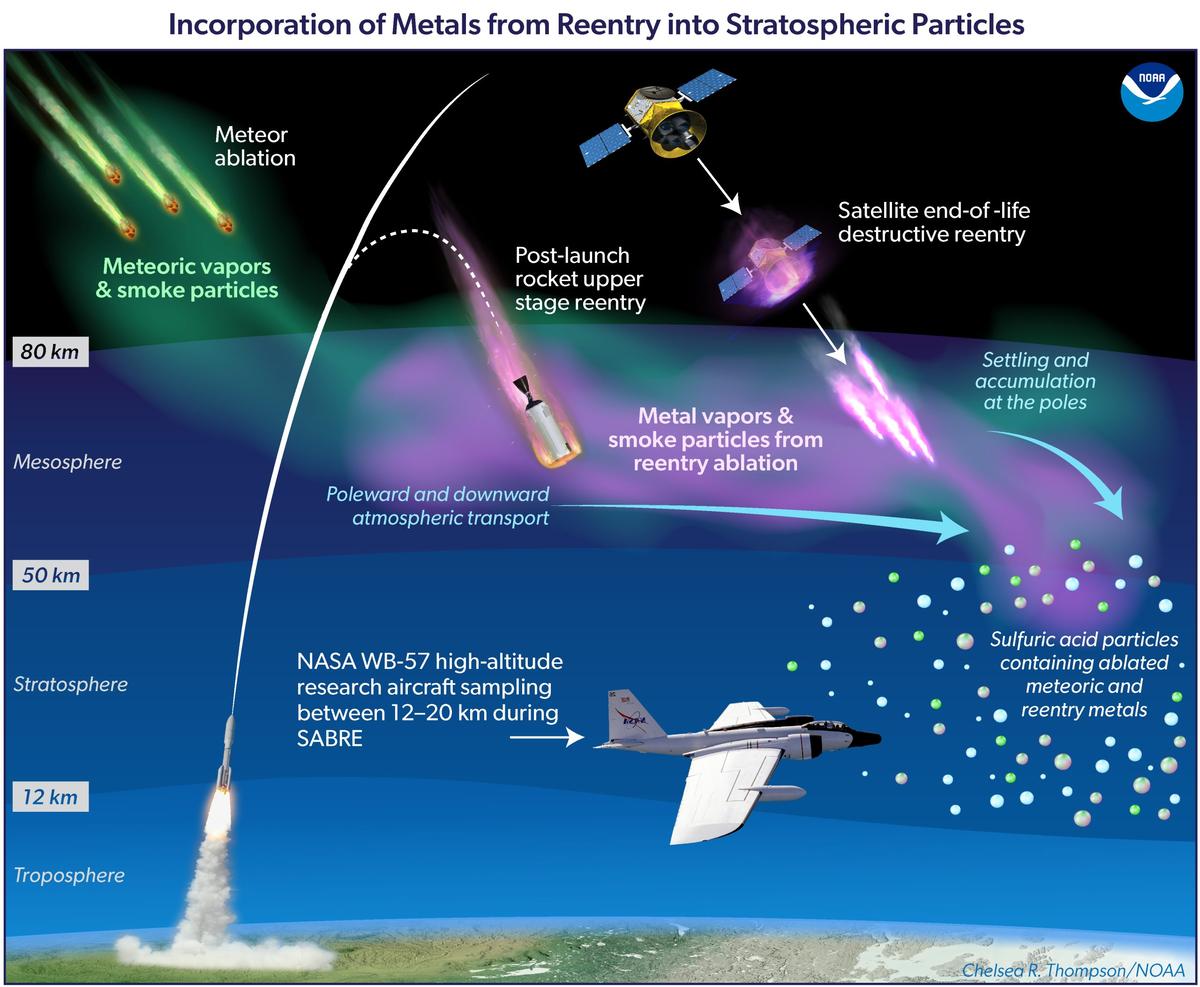
Researchers Call for Regulations to Protect Low Earth Orbit Environment
Researchers at the 2026 European Geosciences Union conference warned that the surge of megaconstellations and frequent spacecraft re‑entries are injecting exotic materials, such as metal oxides, into Earth’s upper atmosphere. New laser‑based scans from the Leibniz Institute and proposals for...
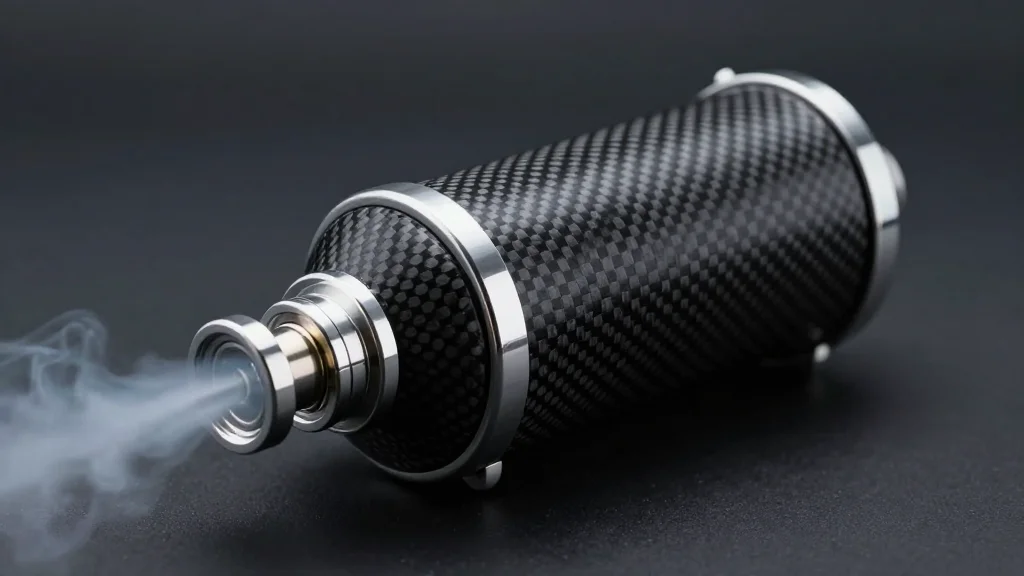
Aciturri Aerostructures Completes Integrated Type 5 Space Tank Demonstrator
Aciturri Aerostructures announced the completion of a Type 5 cryogenic space‑tank demonstrator that integrates the launcher’s skin, promising up to 30% weight savings over conventional tanks. The project, part of ESA‑backed CRETAN, showcases advanced composite bulkhead technology for kerosene and liquid‑oxygen...
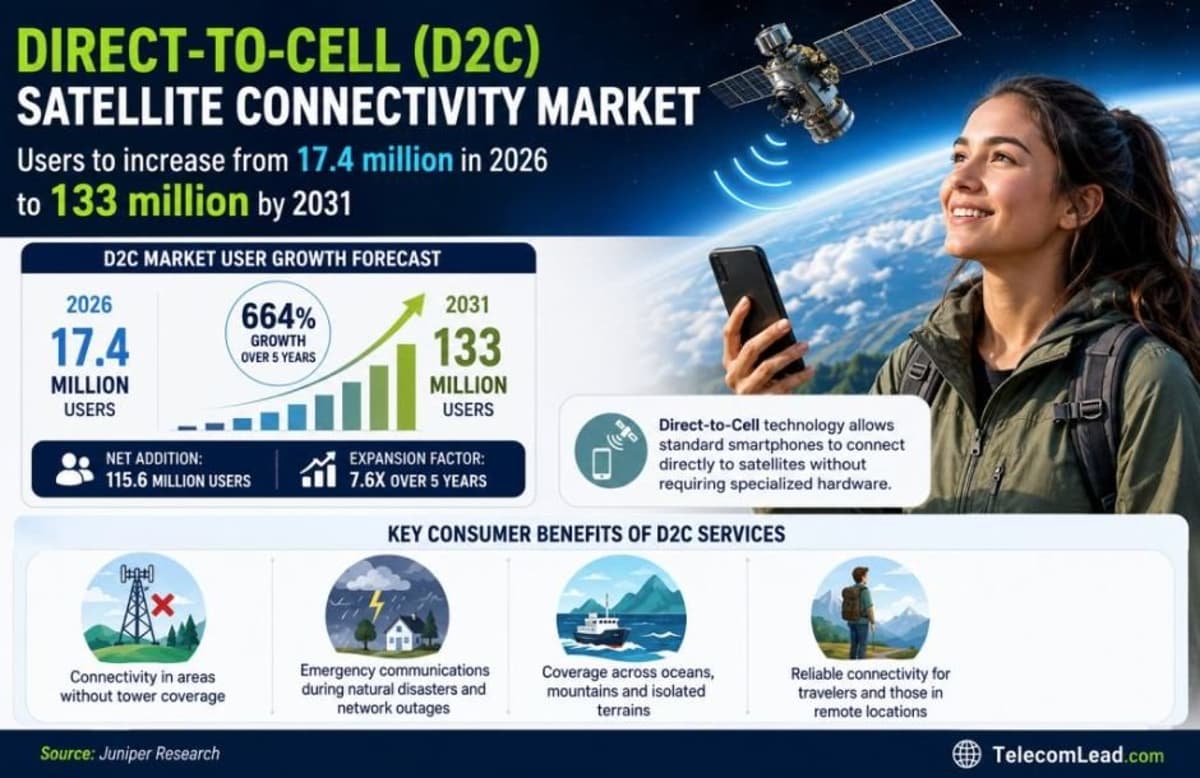
Direct-to-Cell Satellite Connectivity Market to Reach 133 Mn Users by 2031, Driven by Operator-Led Expansion
The Direct-to-Cell (D2C) satellite connectivity market is set to explode, with monthly active users projected to rise from 17.4 million in 2026 to 133 million by 2031—a 664% increase. Telecom operators are embedding satellite links into 4G and 5G networks to close...

British Paralympian Could Be First Astronaut with Physical Disability to Live in Orbit
British Paralympian and orthopaedic surgeon John McFall, cleared for orbital activities, is poised to become the first astronaut with a physical disability to live in space. He may fly a two‑week research mission to Vast’s Haven‑1 commercial station, slated for launch...

Skyroot's Provisional FY26 Financials Show Rs 101 Cr Revenue; Projects Rs 13,205 Cr by FY32
Hyderabad‑based Skyroot Aerospace reported its first operating revenue of Rs 100.6 crore (≈$12 million) for FY26, generated entirely from its Space Systems division. The company, which became India’s first spacetech unicorn after a $60 million funding round, posted a widened negative EBITDA of Rs 130.3 crore....
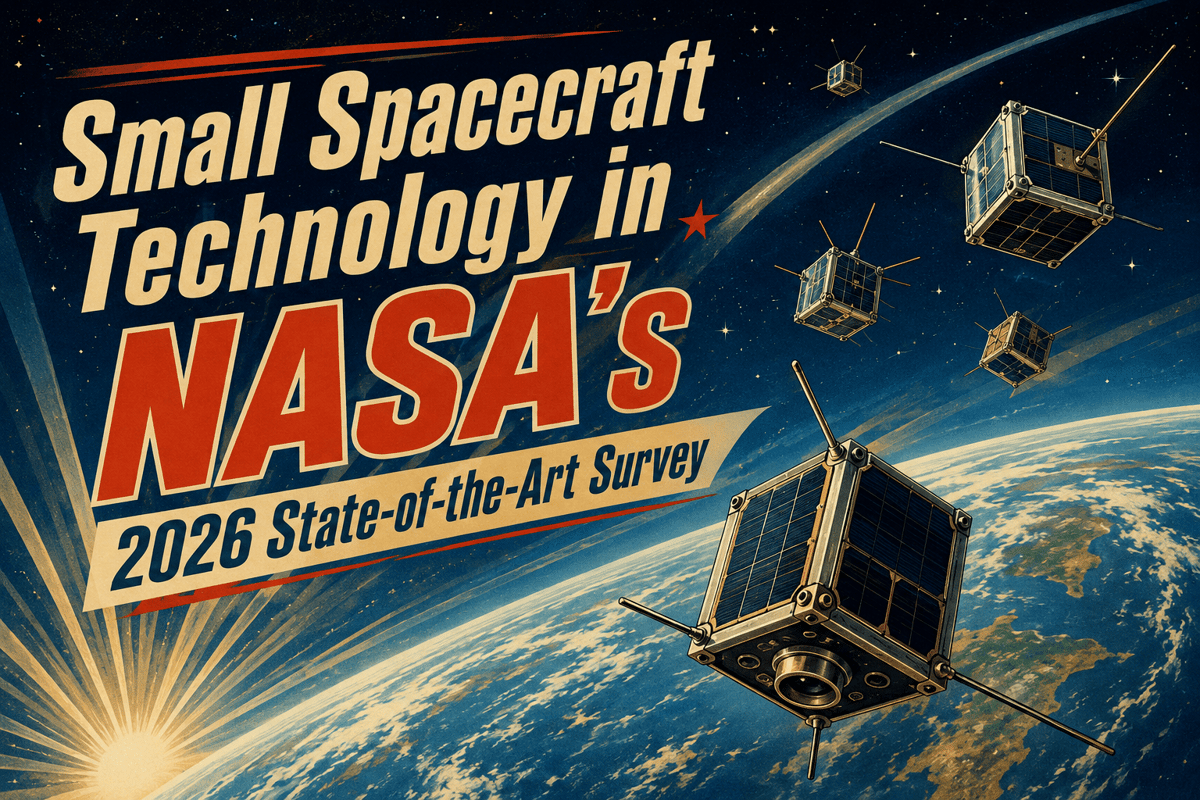
Small Spacecraft Technology in NASA’s 2026 State-of-the-Art Survey
NASA’s May 2026 State‑of‑the‑Art Small Spacecraft Technology survey redefines small satellites as full mission systems rather than scaled‑down versions of traditional spacecraft. It highlights that power, propulsion, communications and autonomous operations now dominate design trade‑offs, while deorbit, tracking and ground‑segment services...

Maris-Tech Unveils AI-Powered Video Processing Platform for Nano Satellites
Israeli firm Maris-Tech introduced Venus‑Space, an AI‑enabled video processing platform built for nano‑satellites in low‑Earth orbit. The rugged FPGA‑based system can ingest ultra‑high‑resolution video at up to 25 Gbps and run neural‑network inference directly on the spacecraft. By analysing imagery in‑orbit,...
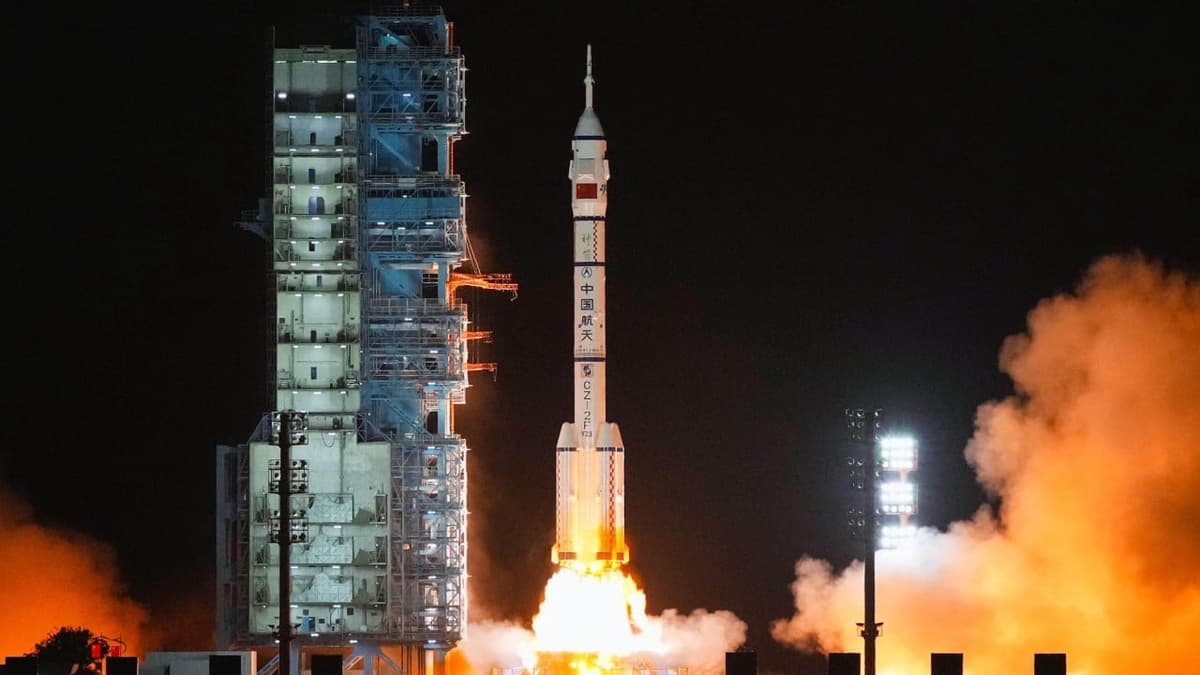
Asia’s ‘NewSpace’ Economy Is About More than Just Exploration
Asia’s NewSpace economy is shifting from symbolic exploration to a strategic arena where commercial satellite constellations, low‑Earth‑orbit broadband, and Earth‑observation services are expanding rapidly. Governments across China, India, Japan and South Korea are pouring billions into orbital infrastructure, blurring the...
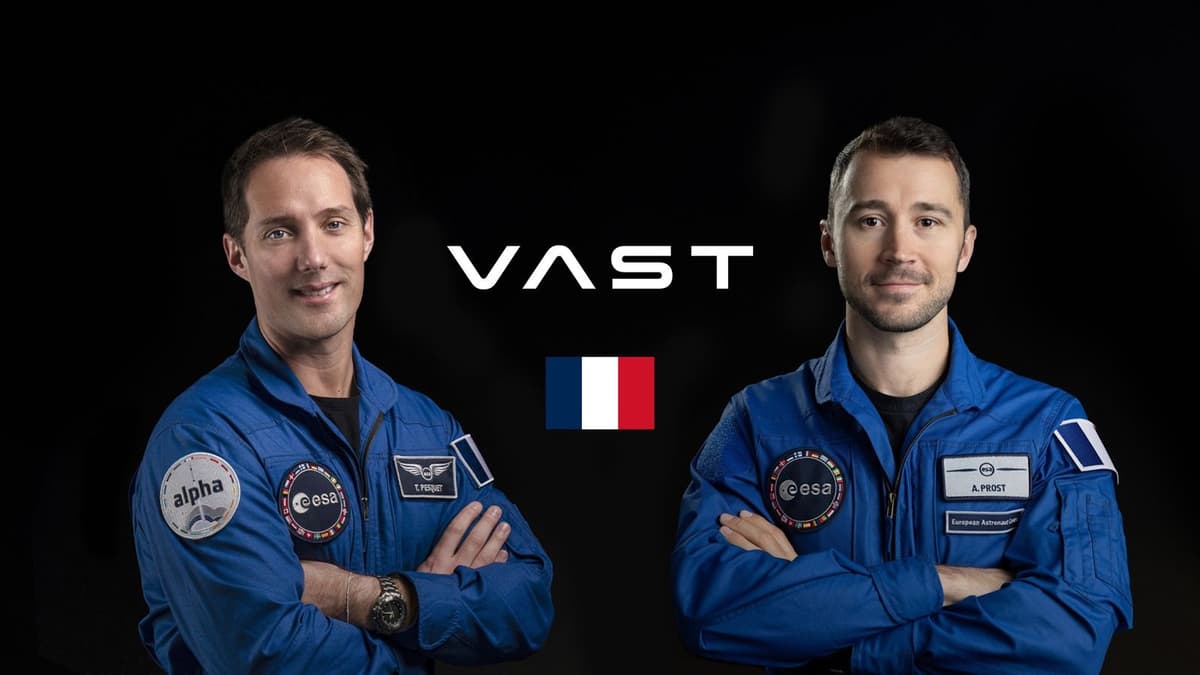
France to Fly Two Astronauts on Vast Missions
Vast has signed a deal with the French government to fly two French astronauts on its private missions, including the first flight to the Haven‑1 commercial space station. The missions, both using SpaceX Crew Dragon, are slated for 2027 and will...
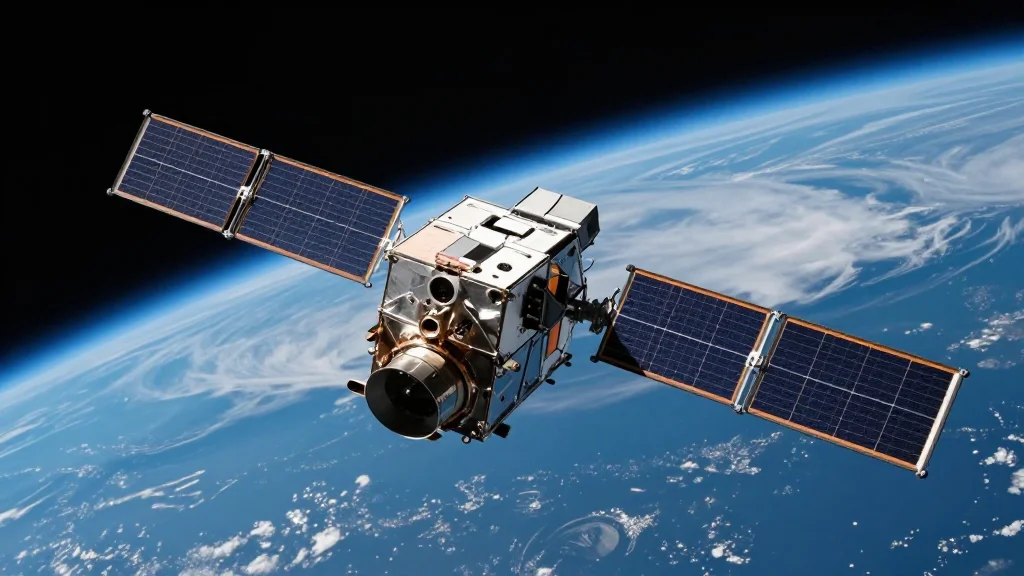
ESA Selects Two New Scout-Class Missions
The European Space Agency has approved two new scout‑class Earth observation missions—Hibidis, a hyperspectral biodiversity monitor, and SOVA‑S, a short‑wave infrared imager for atmospheric gravity waves. Both projects are built on the low‑cost Empyreum small‑sat platform and will be launched...
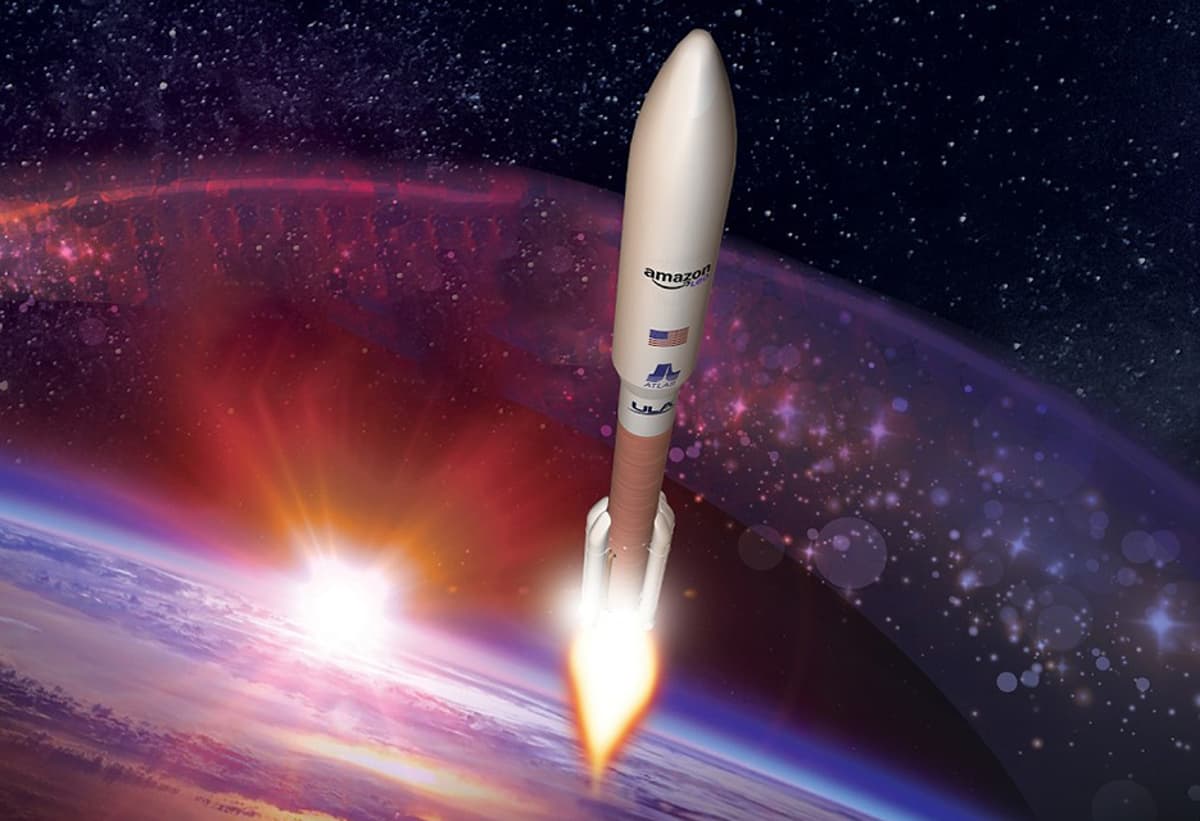
Amazon Leo Constellation Surpasses 330 Satellites Following Latest Atlas V Launch
Amazon has expanded its low‑Earth‑orbit broadband network, now rebranded as Amazon Leo, to more than 330 satellites after a successful United Launch Alliance Atlas V launch. The mission placed the payload at an initial 289‑mile altitude before raising it to...
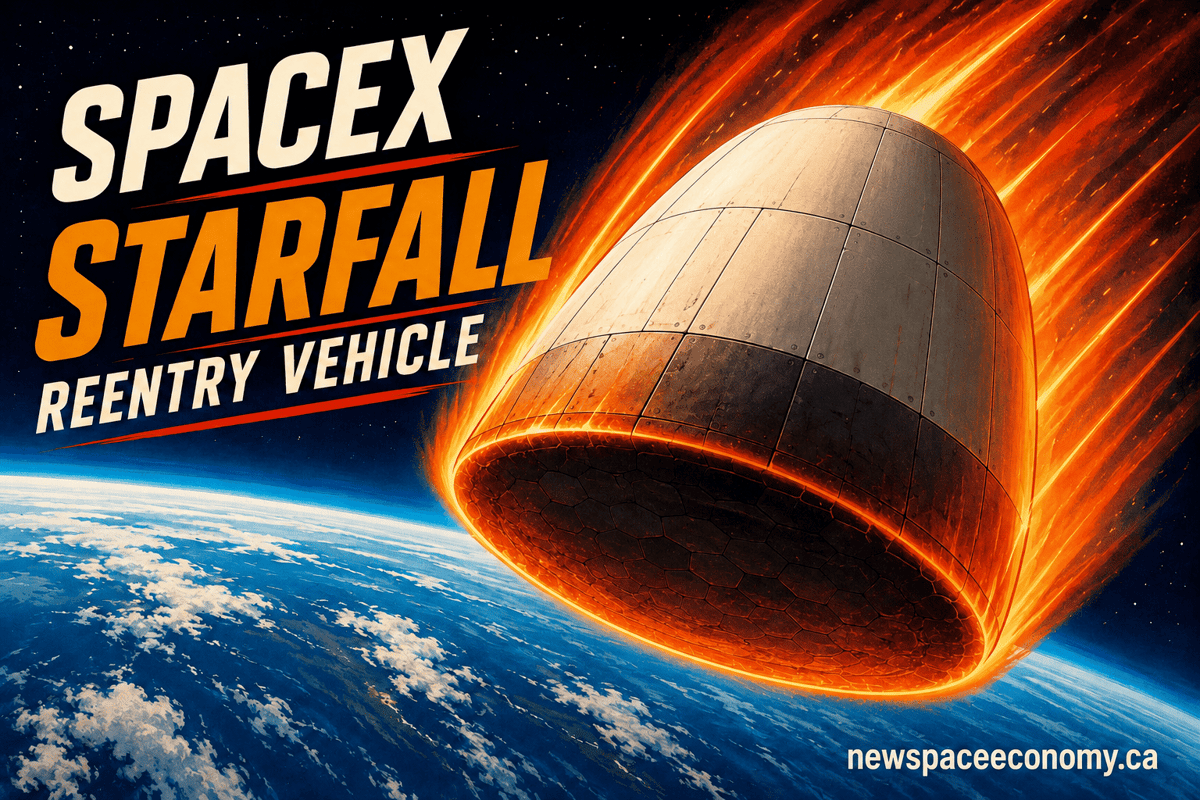
SpaceX Starfall Reentry Vehicle and the Emerging Return Path for In-Space Manufacturing
The FAA released a Final Environmental Assessment for SpaceX’s Starfall Reentry Vehicle, detailing two planned Pacific Ocean splash‑down tests. Starfall is a 0.75‑meter‑tall, 3.1‑meter‑diameter capsule weighing about 2,100 kg dry and capable of returning up to 1,000 kg of payload. While the...
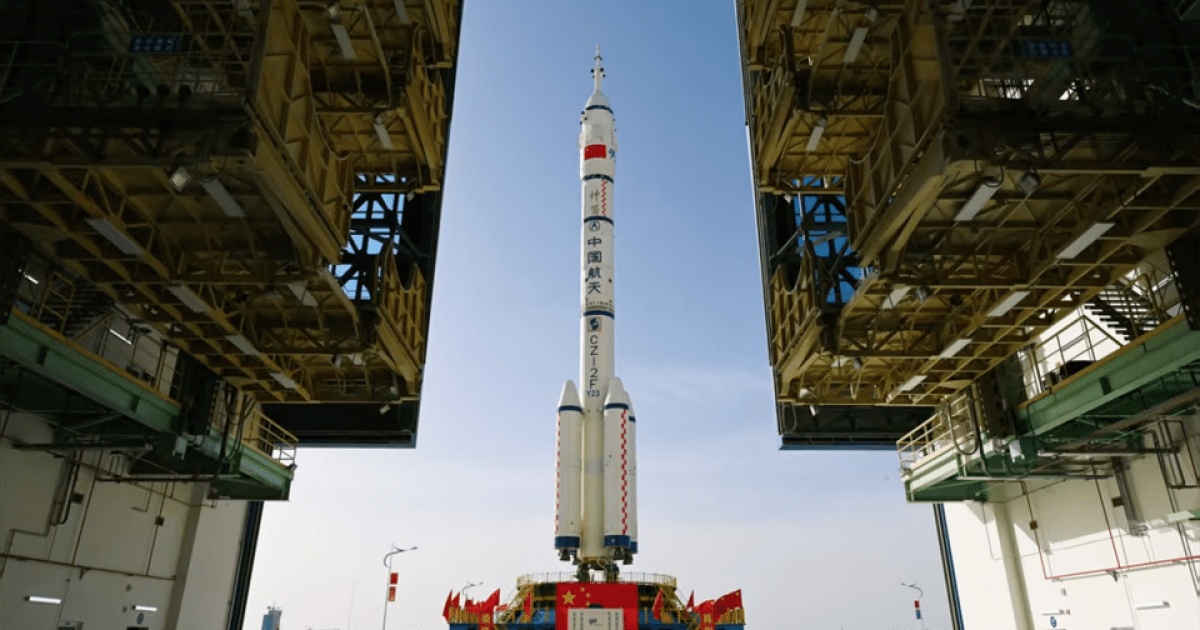
SpaceX, China Set for Busy Launch Week
China’s state‑run CASC launched the reusable Long March 12B on June 1, delivering a 20‑ton payload for the Qianfan broadband constellation, marking the rocket’s maiden flight. In the same week, SpaceX will conduct three Starlink missions—Group 10‑43 from Cape Canaveral, Group 17‑47 from Vandenberg,...
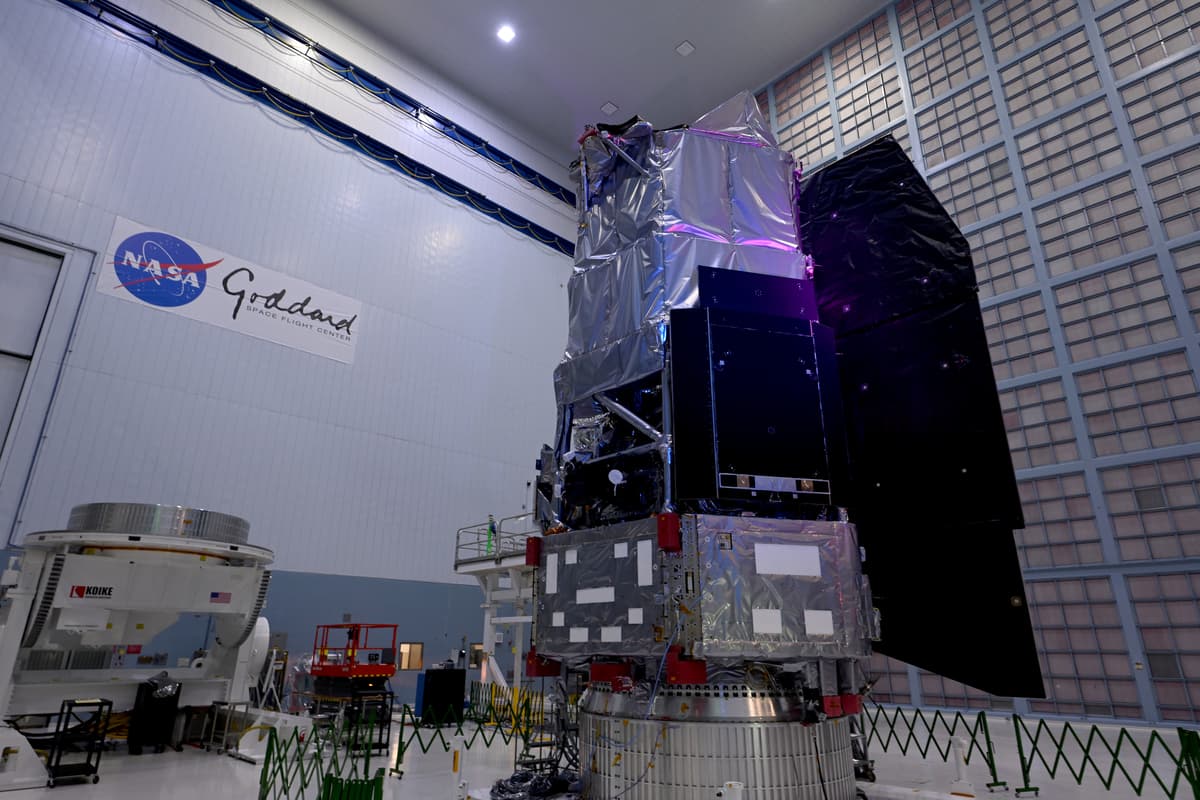
NASA Invites Media to See Roman Space Telescope Arrive at Kennedy
NASA has opened media credentials to witness the Nancy Grace Roman Space Telescope’s arrival at Kennedy Space Center, where it will be transferred from a Pegasus barge after final assembly at Goddard. The observatory, built with partners including BAE Systems,...
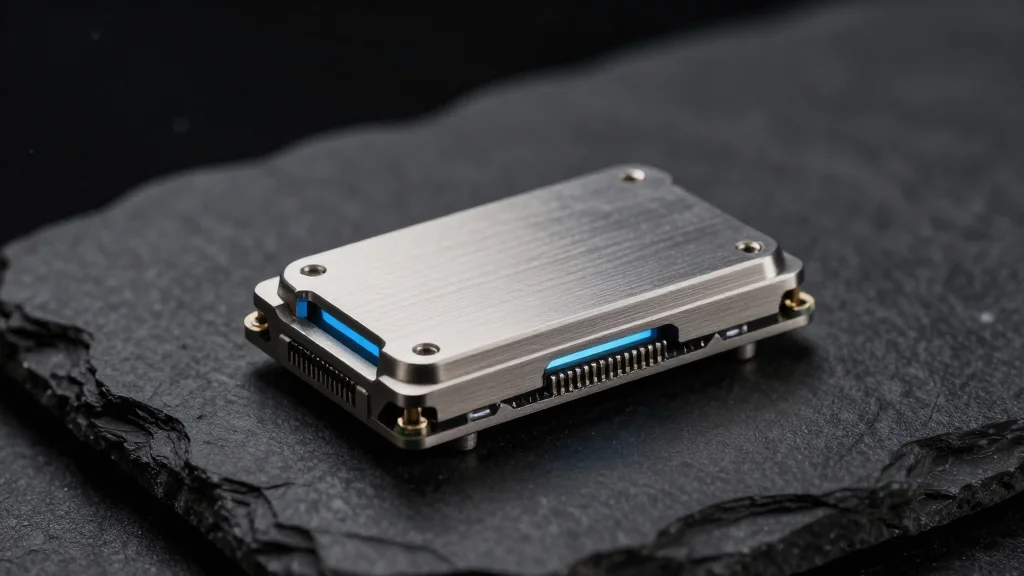
Guide to Qualifying Space and Defense Grade Electronic Components
Microwave Journal released an eBook titled “Guide to Qualifying Space and Defense Grade Electronic Components,” consolidating expert insights for engineers, designers, and program managers. The guide outlines current best practices for component‑level screening, system integration, and reliability testing in high‑risk...
Polish Space Agency Exec Outlines Poland’s Growing Space Ambitions
Polish Space Agency Vice President Col. Marcin Mazur told SmallSat Europe that Poland is scaling up its space programme as defence spending climbs to nearly 5% of GDP. The agency’s roadmap centres on Earth observation, satellite communications and space‑situational‑awareness to...
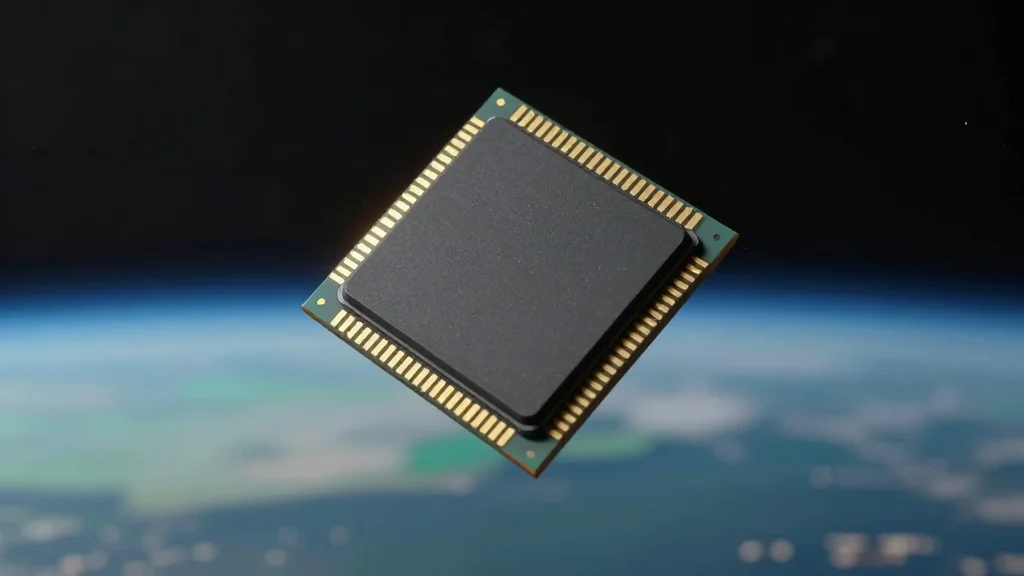
From Artemis II to Deep Space: Why Space-Grade Chips Must Be Built for the Harshest Conditions
Artemis II highlighted the critical role of space‑grade semiconductors that can survive extreme temperature swings, high radiation, and vacuum. GlobalFoundries (GF) is advancing both radiation‑hardened‑by‑design (RHBD) and radiation‑hardened‑by‑process (RHBP) technologies, leveraging its global fabs to deliver resilient chips for lunar, deep‑space,...
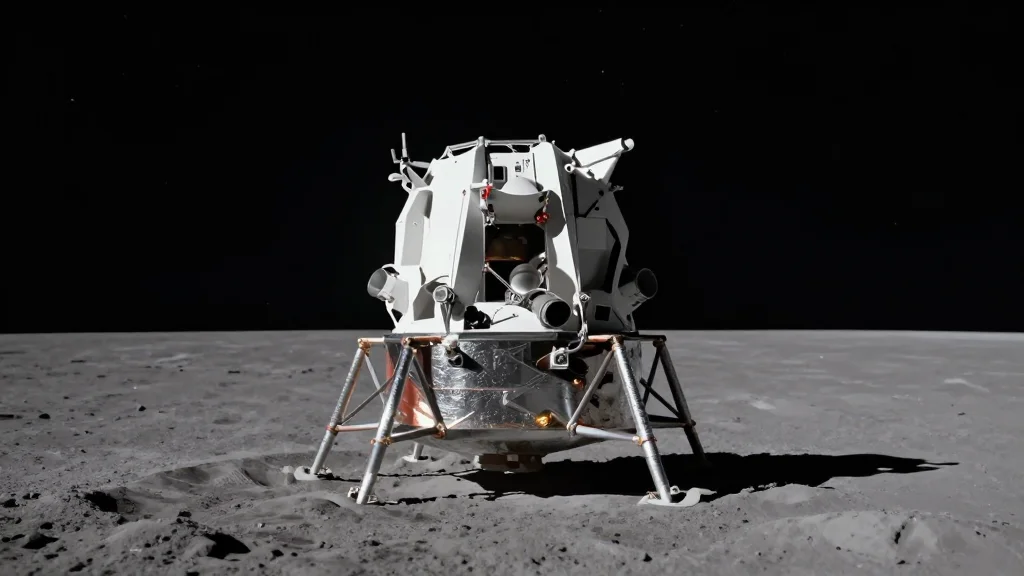
Blue Origin's Lunar Lander Just Passed Its Toughest Test Yet
Blue Origin’s Blue Moon Mark 1 lunar lander, dubbed Endurance, successfully completed NASA’s Chamber A thermal‑vacuum test, proving it can survive extreme lunar temperature swings and vacuum conditions. The uncrewed cargo vehicle will carry two science payloads—a high‑resolution stereo camera suite and...
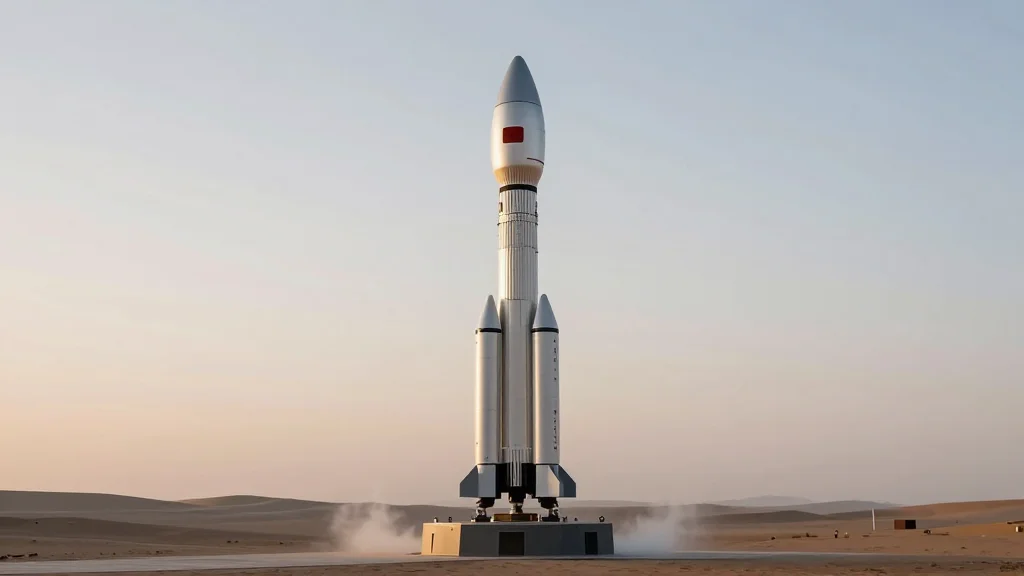
China Successfully Completes Maiden Launch of Its Long March 12B Rocket
China unexpectedly launched its new Long March 12B rocket from Jiuquan, completing its maiden flight without issuing any pre‑launch NOTAMs. The mission placed a batch of Qiafan (SpaceSail) internet‑communication satellites into orbit, pushing the constellation past the 200‑satellite mark. The launch...
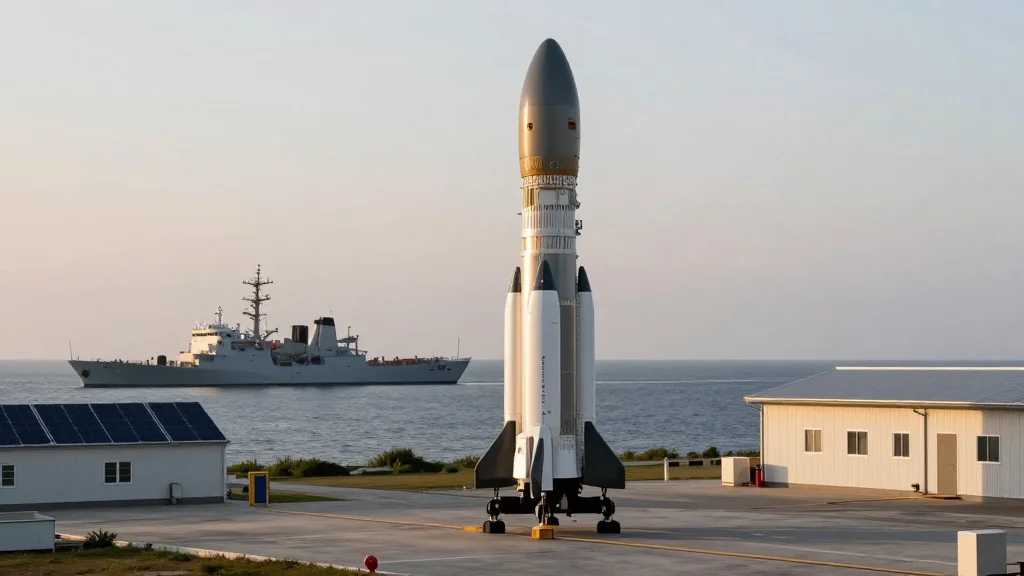
Maritime Launch Services Details Next Phases of Spaceport Nova Scotia Construction
Maritime Launch Services (MLS) reported a $200 million lease with Canada’s Department of National Defence and Q1 revenue near $1 million, while confirming repayment of a $5.03 million EDC loan. The company’s civil contractor, Nova Construction, restarted work in March, completing the first...

Northrop Grumman Partners with Apex on Space-Based Interceptors for Golden Dome
Northrop Grumman has partnered with satellite startup Apex to develop space‑based interceptors for the Pentagon’s Golden Dome missile‑defense program. The collaboration leverages Apex’s low‑cost, rapid‑production satellite buses to accelerate development and achieve an on‑orbit demonstration by 2027. Golden Dome, part...
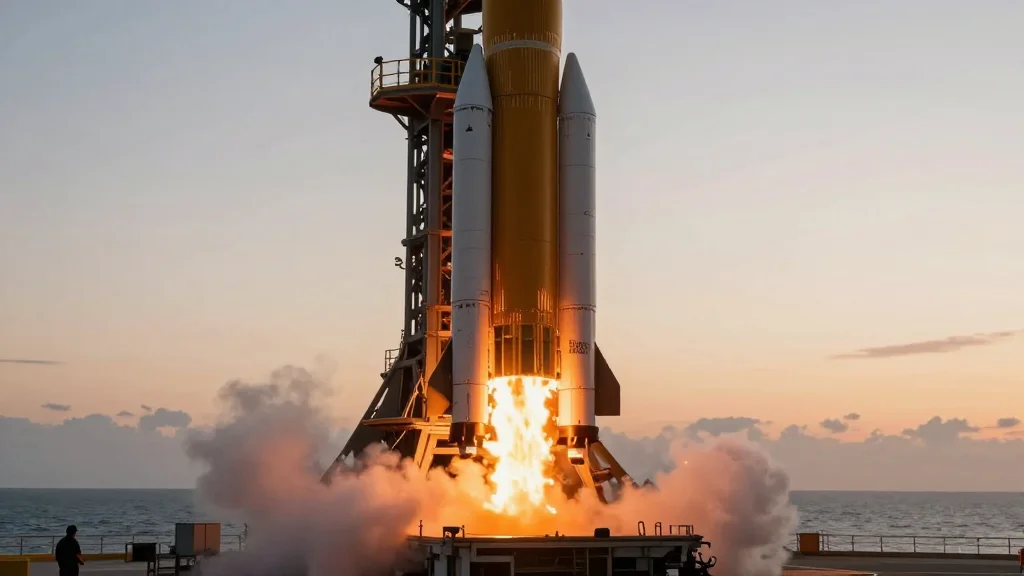
Blue Origin Investigates New Glenn Explosion as Mission Delays Loom
Blue Origin’s heavy‑lift New Glenn suffered a launch‑pad explosion at Cape Canaveral on Thursday, prompting an immediate investigation. The incident threatens the scheduled flights of commercial payloads from Amazon Leo and AST SpaceMobile, as well as NASA and a U.S. Space...
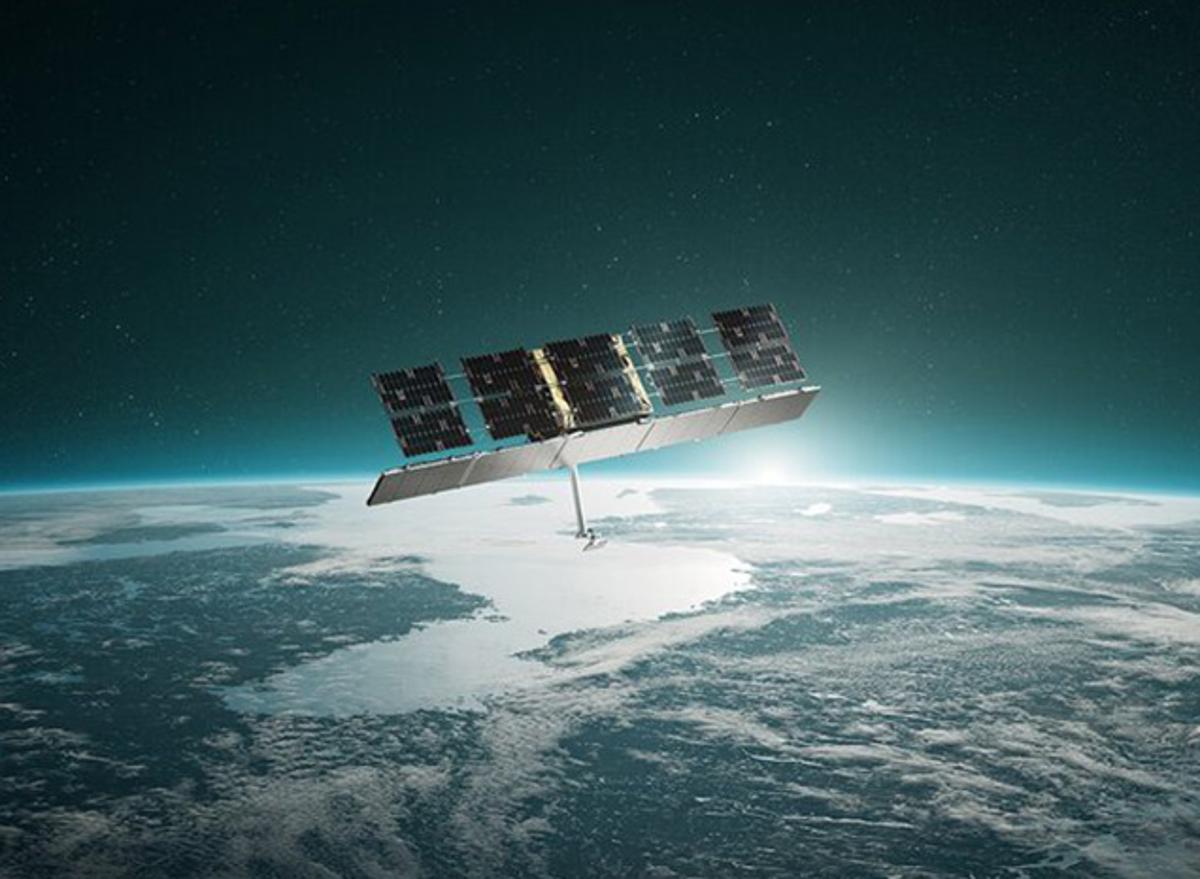
ICEYE Secures €28 Million Grant to Advance Sovereign Space Intelligence
ICEYE, a leading SAR satellite provider, secured a €28.3 million ($31 million) continuation grant from Business Finland, completing a multi‑year R&D investment. The funding will accelerate next‑generation radar sensors, AI‑driven analytics, and multi‑source data fusion for sovereign defense and maritime security. ICEYE...

Building a Lunar Digital Engineering Community with LUNAverse
The Aerospace Corporation unveiled LUNAverse, a digital‑twin platform that creates a common operating picture of the Moon for mission planners. Designed as a multi‑compatible environment, it will enable data sharing, standardization, and coordination across government, industry, and international partners. An...
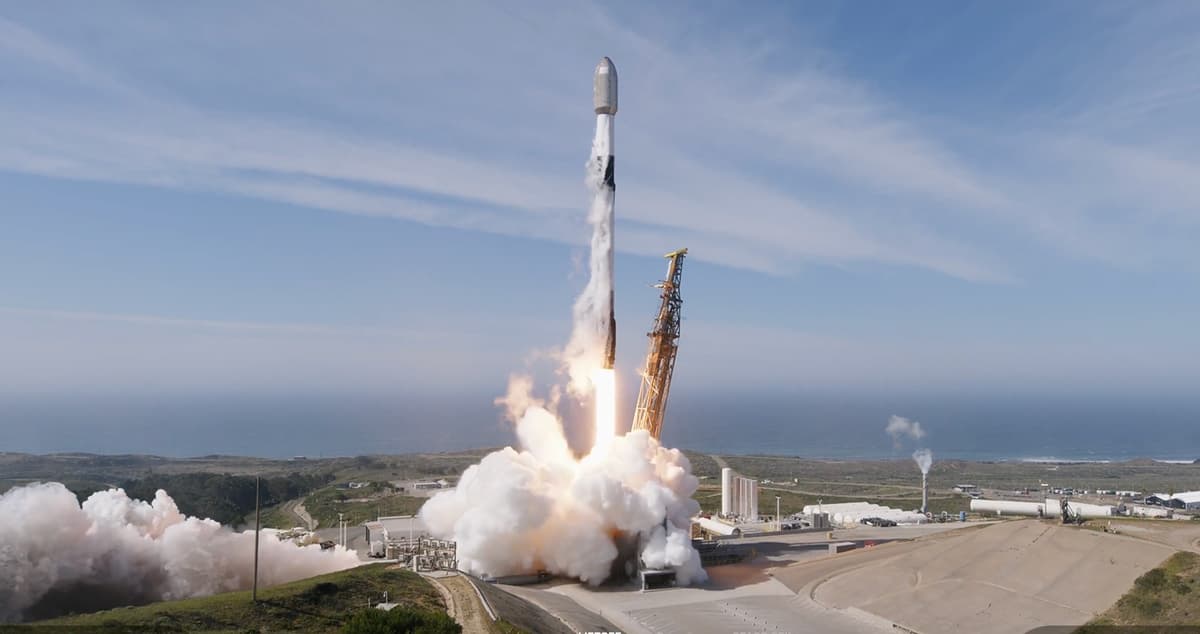
Spaceport Facility Bonds Are Now Law – and They Fundamentally Change Space Infrastructure Finance
The One Big Beautiful Bill Act (OBBBA) has authorized tax‑exempt private‑activity spaceport facility bonds, opening the U.S. municipal bond market to space infrastructure. This gives spaceports and adjacent manufacturing sites access to low‑cost, long‑term capital without size caps, aligning financing...
Big Badaboom: The Effects of a Saturn V Launch Pad Explosion
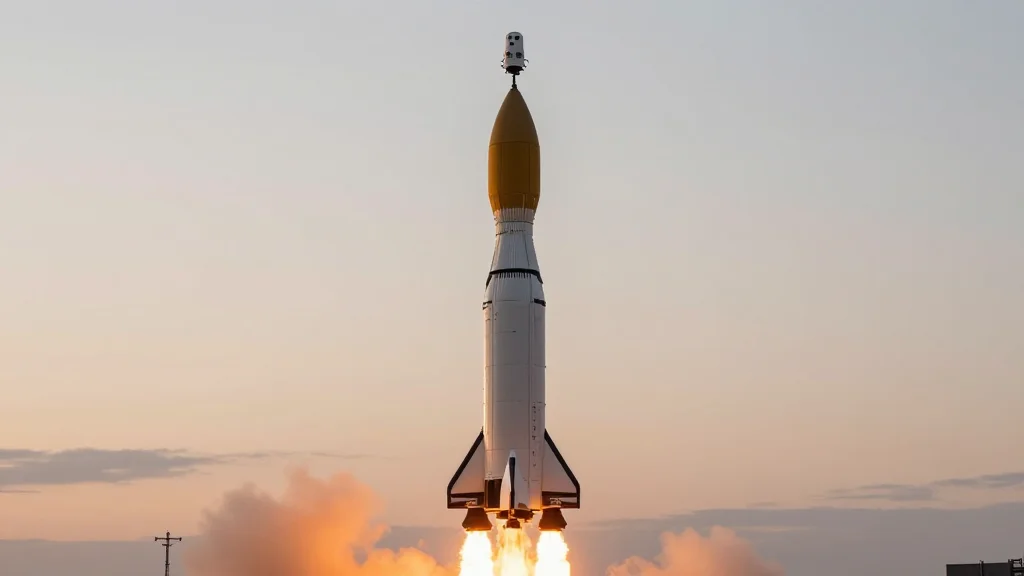
NASA’s 1960s studies quantified the catastrophic potential of a Saturn V launch‑pad explosion, calculating a theoretical yield of about 543,000 kg of TNT—roughly half a kiloton—and a more realistic 300‑400 tons. The research identified over‑pressure above 5 psi as lethal to the Apollo Command...
Debris with Telemetry: The Cyber Pathway to Kessler
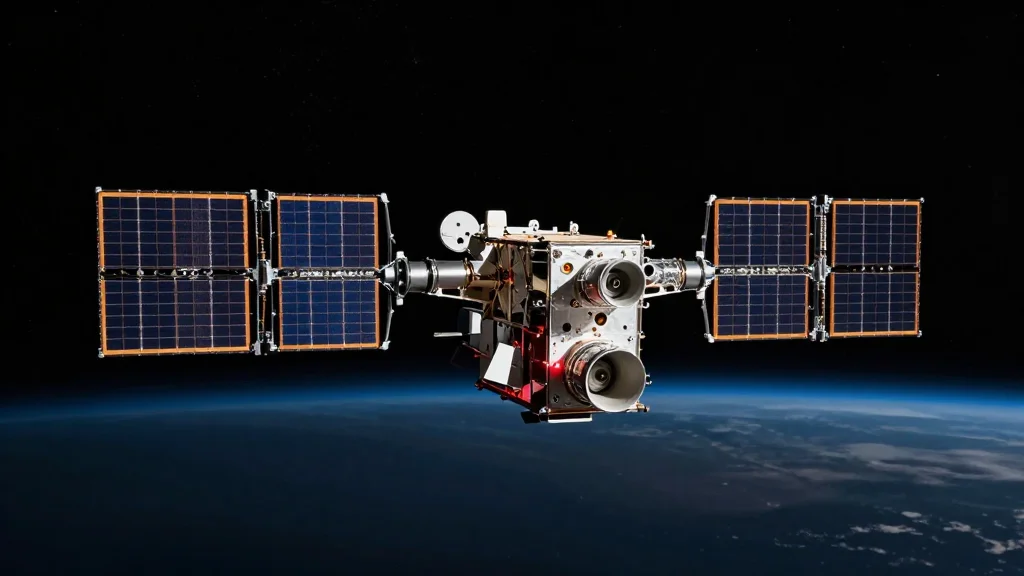
A plausible cyber‑attack could simultaneously disable hundreds of low‑Earth‑orbit megaconstellation satellites by corrupting their propulsion firmware, turning them into "debris with telemetry" that cannot maneuver. The breach, triggered by a spear‑phishing compromise of ground‑segment credentials, would propagate through automated command...
The "Public" In Public Space Agency
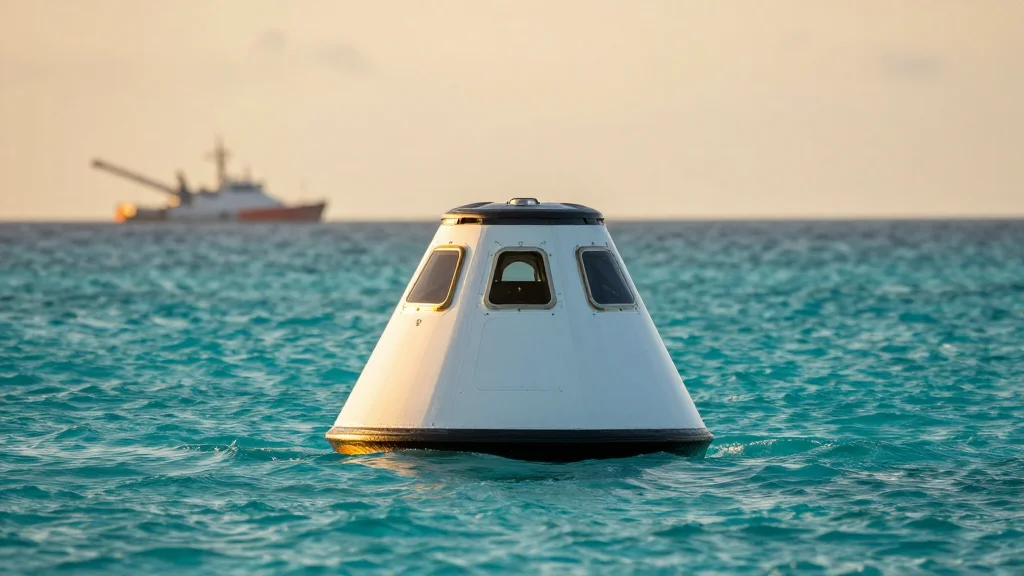
Artemis 2 returned after a ten‑day lunar flyby, marking the farthest human travel since Apollo and capturing unprecedented public attention. The mission’s splashdown became a shared moment in living rooms, kitchens and group chats, drawing doctors, teachers and children into the...

Networks in Orbit: How the Physics of Space Is Driving Smarter 5G Satellite Design
Satellite‑based 5G is shifting focus from launch volume to the physics of the space environment. Doppler shifts, long distances, and harsh thermal and radiation conditions force a redesign of the physical layer, from chips to cooling systems. Efficiency metrics such...
Space Sector to Become Key Component of India's Overall Economy: Jitendra Singh
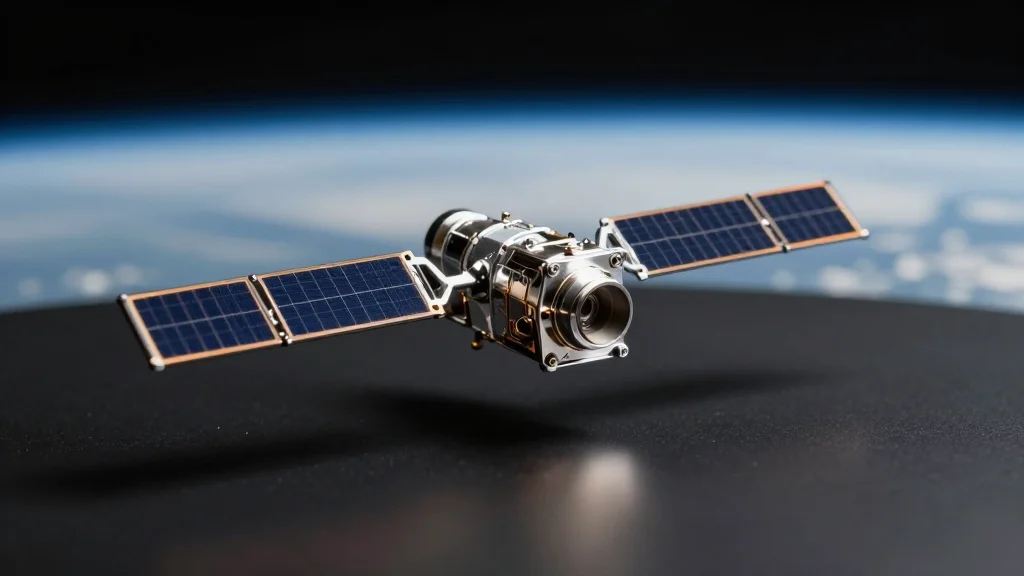
India’s space economy, now valued at roughly $8.5 billion, is projected to reach $40‑45 billion within the next ten years, according to Minister Jitendra Singur. The surge follows liberalisation measures that opened the sector to 100% foreign direct investment and created a single‑window...
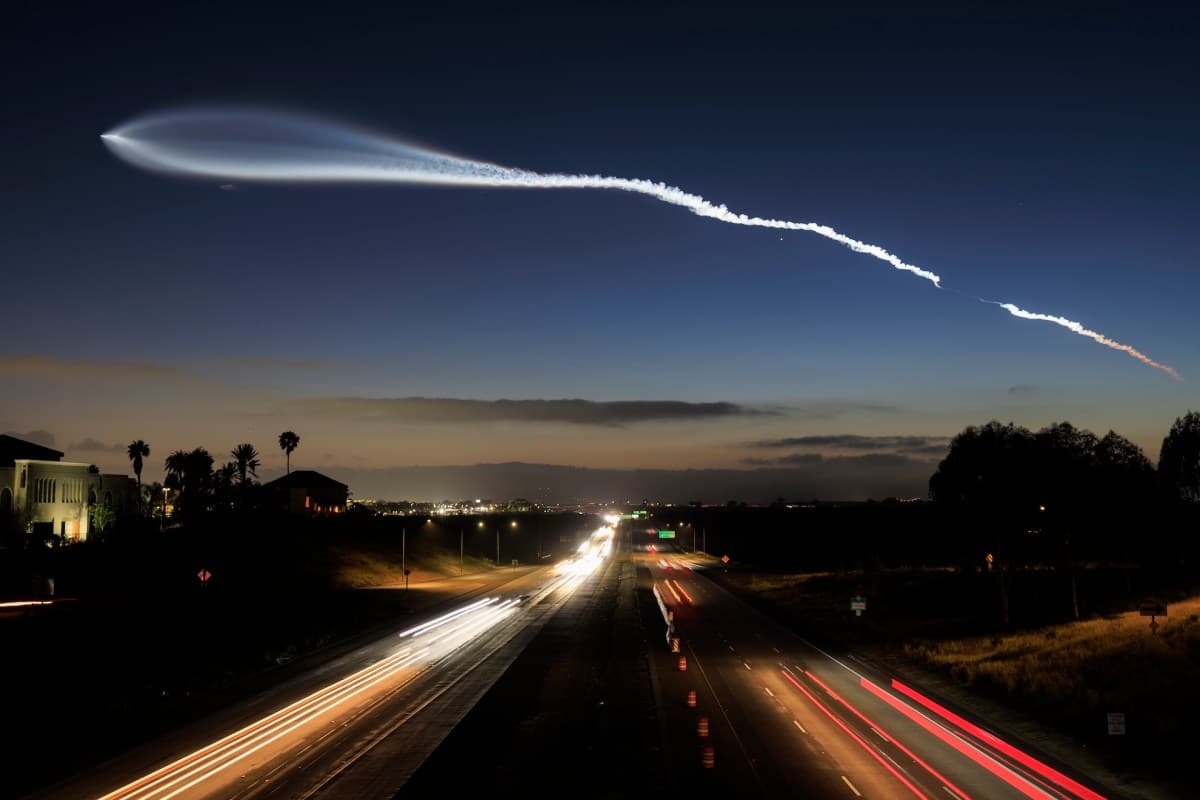
Unastella, a South Korean Rocket Startup that Launched From Home, Raises $24M
South Korean rocket startup Unastella raised a $24 million Series B, bringing its total capital to $44 million, and successfully launched its UNA EXPRESS‑I orbital vehicle in May 2025. The company focuses on small‑satellite launch services, employing a kerosene‑liquid‑oxygen engine paired with an electric motor...

China Launches Test Direct-to-Device Satellites for Multiple Projects
China capped a busy May with the launch of four satellite‑internet test satellites aboard a Long March 2D from Xichang. The hypergolic rocket placed the payloads into orbit to experiment with direct broadband links to mobile phones and integrated space‑ground networks. At...