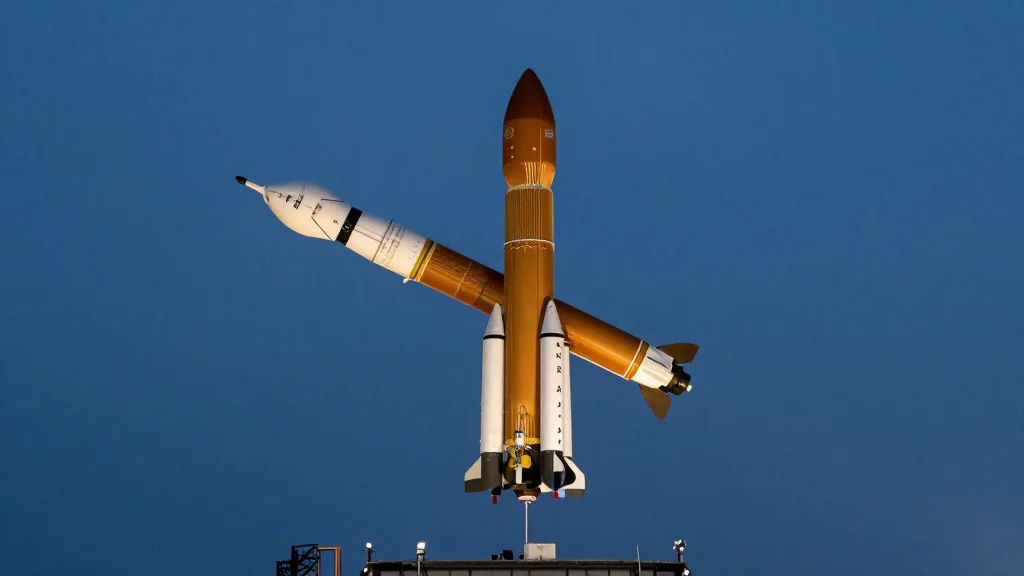
India’s PSLV Rocket Experiences the Second Launch Failure in a Row
India’s ISRO attempted its first 2026 launch using the Polar Satellite Launch Vehicle (PSLV), but the rocket’s third stage failed again near the end of its burn. The malfunction caused the stage to tumble, aborting engine thrust and resulting in the loss of a military satellite and 18 commercial smallsats. The failure occurred at 377 seconds, almost identical to the May 2025 incident that had grounded the PSLV. ISRO had hoped the launch would prove the earlier fix was successful, but the repeat failure shows the issue remains unresolved.

The Global Network of Operational Optical Telescopes
An international network of optical telescopes, ranging from 4‑meter workhorses to 10‑meter giants, underpins modern astrophysics. Key facilities cluster on Mauna Kea in Hawaii and the Atacama Desert in Chile, leveraging high altitude and dry air for superior seeing. The next...
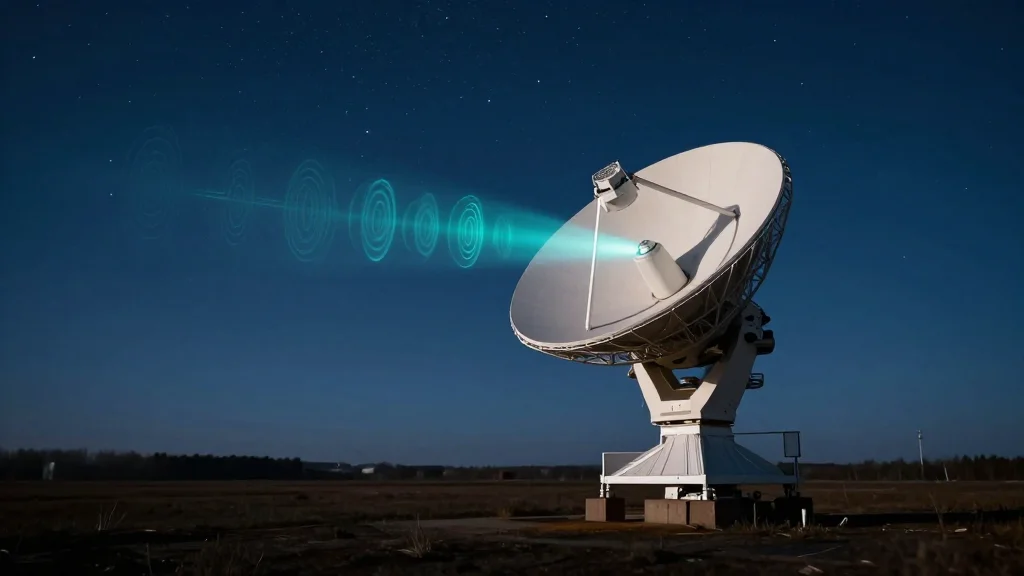
Operational Radio Telescopes of the World
The article surveys the world’s operational radio telescopes, from giant single‑dish instruments like China’s FAST to interferometric arrays such as the US Very Large Array and Europe’s LOFAR. It explains how large collecting areas and cryogenic receivers enable detection of...
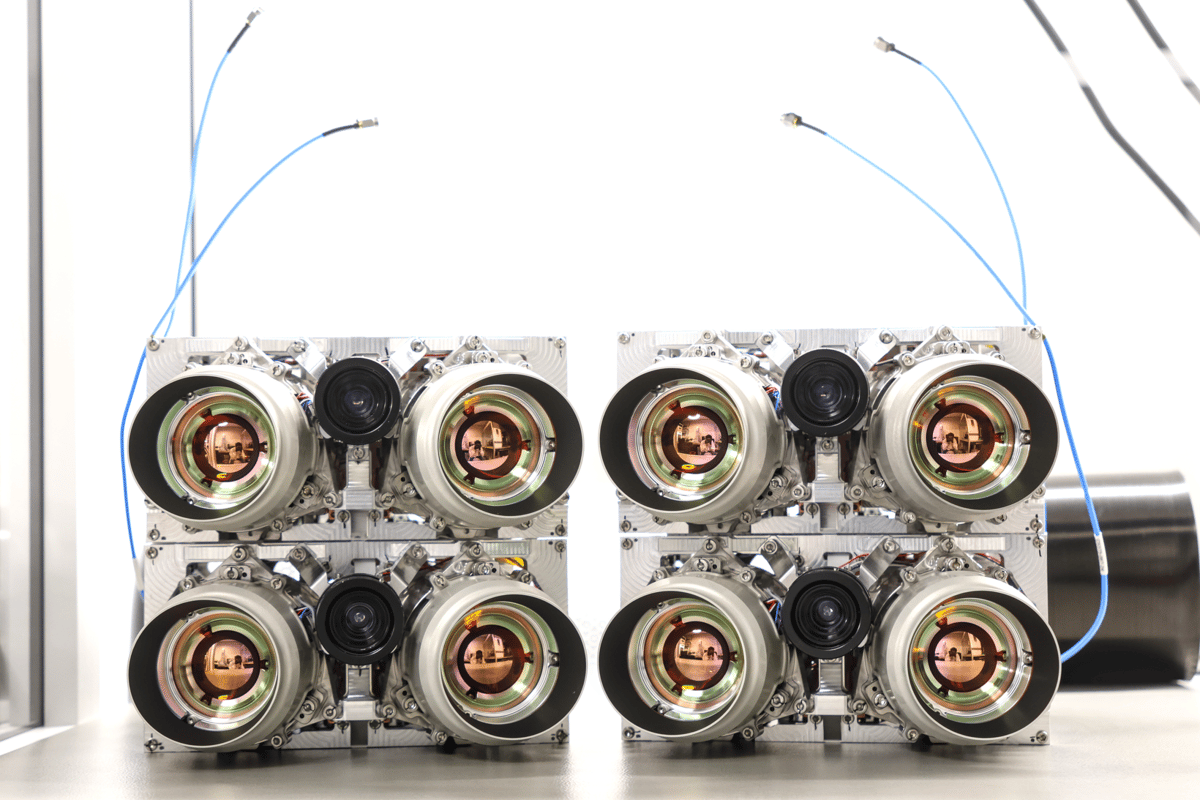
Kepler Network to Link OroraTech Sensors for Earth Monitoring
OroraTech has signed a multi‑year partnership with Kepler to mount its SAFIRE Gen4 thermal sensors on Kepler’s optical communications constellation. The first four sensors launched aboard a Falcon 9 on Jan 11, expanding OroraTech’s active fleet to 15 instruments and advancing its...

Exploring the 50 Pillars of Science Fiction Storytelling
The article outlines fifty foundational themes that shape science‑fiction storytelling, grouped into categories such as space exploration, alien contact, artificial intelligence, biology, temporal manipulation, and societal futures. It details how each pillar— from space colonization and faster‑than‑light travel to AI...

Royal Astronomical Society Announces 2026 Award Winners
The Royal Astronomical Society unveiled its 2026 award winners at the A&G Highlights Meeting on 9 January. Professor Shrinivas Kulkarni received the Gold Medal in Astronomy for pioneering work in time‑domain and multi‑wavelength transient astrophysics, while Professor Andrew Jackson earned the...
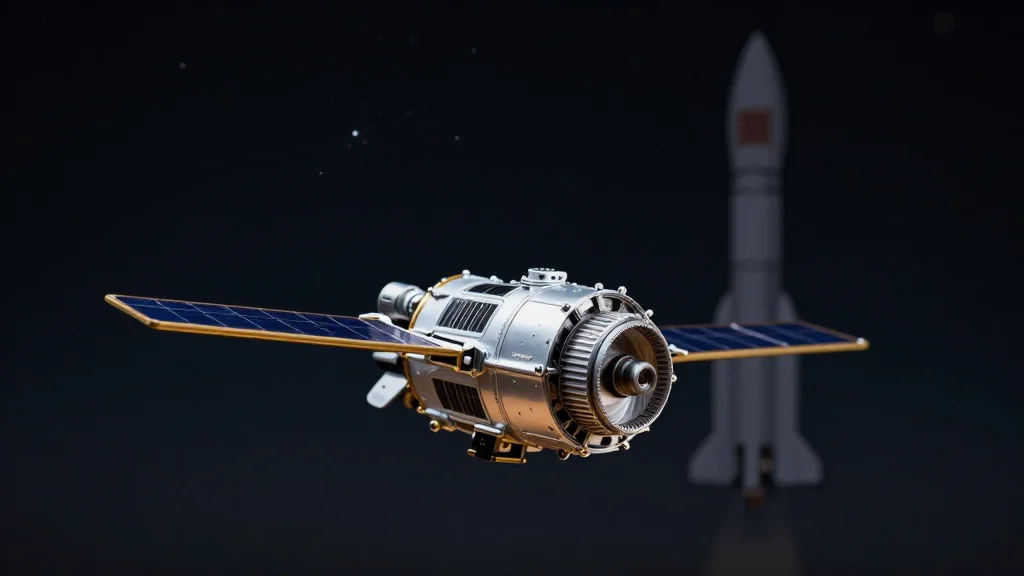
SpaceX Launches NASA’s Pandora Exoplanet Space Telescope
SpaceX successfully launched NASA’s Pandora exoplanet telescope aboard a Falcon 9 from Vandenberg, marking the rocket’s fifth first‑stage recovery and a landing on the West Coast. Pandora, a smallsat designed to repeatedly observe 20 known transiting exoplanet host stars, flew alongside...

NASA Astrophysics, Commercial Satellites Launch on SpaceX Rideshare Mission
SpaceX’s Falcon 9 "Twilight" rideshare launched on Jan. 11 from Vandenberg, deploying 40 spacecraft into a dusk‑dawn sun‑synchronous orbit. The manifest included three NASA astrophysics cubesats—SPARCS, BlackCAT and Pandora—alongside commercial constellations from Kepler Communications, Spire, Plan‑S, Hawkeye 360, Capella Space, ICEYE and Umbra....
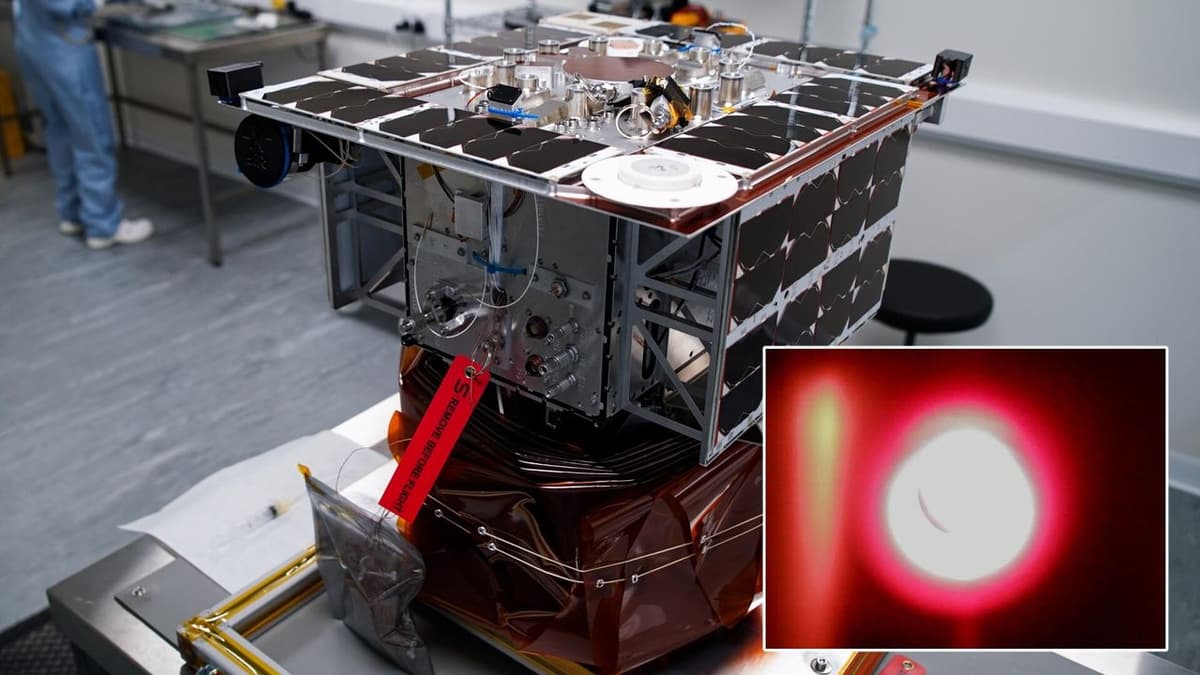
'A Completely New Manufacturing Frontier': Space Forge Fires up 1st Commercial Semiconductor Factory in Space
Space Forge announced the first plasma generation aboard its ForgeStar‑1 satellite, marking the inaugural commercial in‑orbit semiconductor factory. The miniature furnace produced plasma at 1,000 °C, proving that gas‑phase crystal growth can be achieved in low‑Earth orbit. The company plans to...
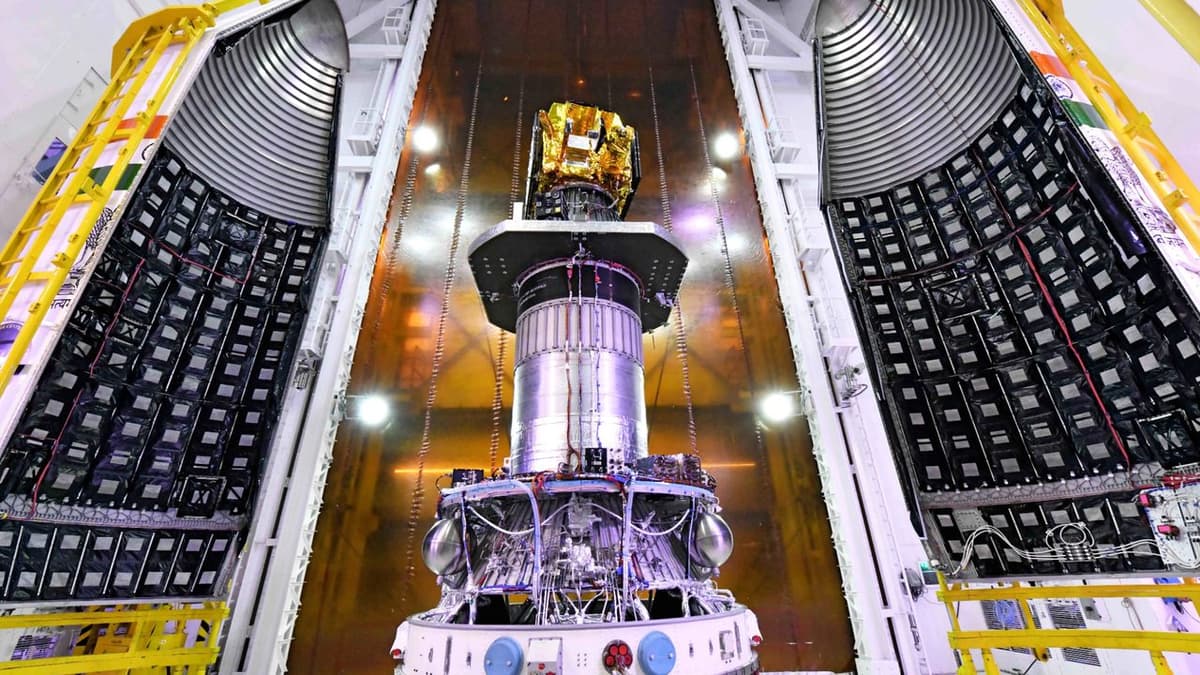
Watch India Launch Advanced Military Satellite on Rocket's 1st Flight Since May 2025 Failure
India’s Polar Satellite Launch Vehicle (PSLV) is set to lift off tonight, marking its first flight since a May 2025 failure that lost the EOS‑09 Earth‑observing satellite. The rocket will carry the EOS‑N1 (Anvesha) military hyperspectral imaging satellite along with 15...

First Contact: 10 Science Fiction Films That Imagine Meeting the Other
The article surveys ten seminal first‑contact science‑fiction films—from “Arrival” and “Contact” to “The Thing”—highlighting how each uses an alien encounter to probe language, ethics, and institutional behavior. It notes that the movies treat contact not merely as spectacle but as...

Indian Rocket To Orbit A Temple and Spanish KID. KID To Reenter Earth Atmosphere
India’s PSLV‑C62 mission on 12 January 2026 will loft Spain’s KID re‑entry demonstrator, Brazil’s Orbital Temple, and 13 other satellites, including India’s EOS‑N1 earth‑observation payload. KID will separate at about 504 km, re‑enter after 108 minutes, and transmit data without a parachute. The Orbital...

FCC Approves 7,500 Additional Starlink Satellites
The FCC approved a second tranche of 7,500 Starlink Gen2 satellites, raising the total authorized Gen2 spacecraft to 15,000. The approval is incremental, part of SpaceX’s plan to eventually field 29,988 low‑Earth‑orbit satellites. The order also grants SpaceX a temporary...

Space Force Awards $739 Million in Launch Orders to SpaceX
The U.S. Space Force awarded SpaceX nine national‑security launch missions worth $739 million under the NSSL Phase 3 Lane 1 contract. Five launches will deploy the Space Development Agency’s Tracking Layer satellites, while four support the National Reconnaissance Office’s classified payloads. The missions...

Jan. 10, 1946: The US Bounces a Radar Wave Off the Moon
On January 10, 1946, the U.S. Army Signal Corps successfully bounced a radar signal off the Moon in an experiment known as Project Diana. Led by Lt. Col. John DeWitt at Fort Monmouth, the team transmitted a pulse that returned...

What Happened To Four Mice In Orbit Could Change Deep-Space Missions Forever
Four laboratory mice flew aboard China’s Shenzhou‑21 mission for a 14‑day stay on the Tiangong space station. After returning to Earth, a female mouse gave birth to nine pups, six of which are thriving. The experiment demonstrated that short‑term microgravity...
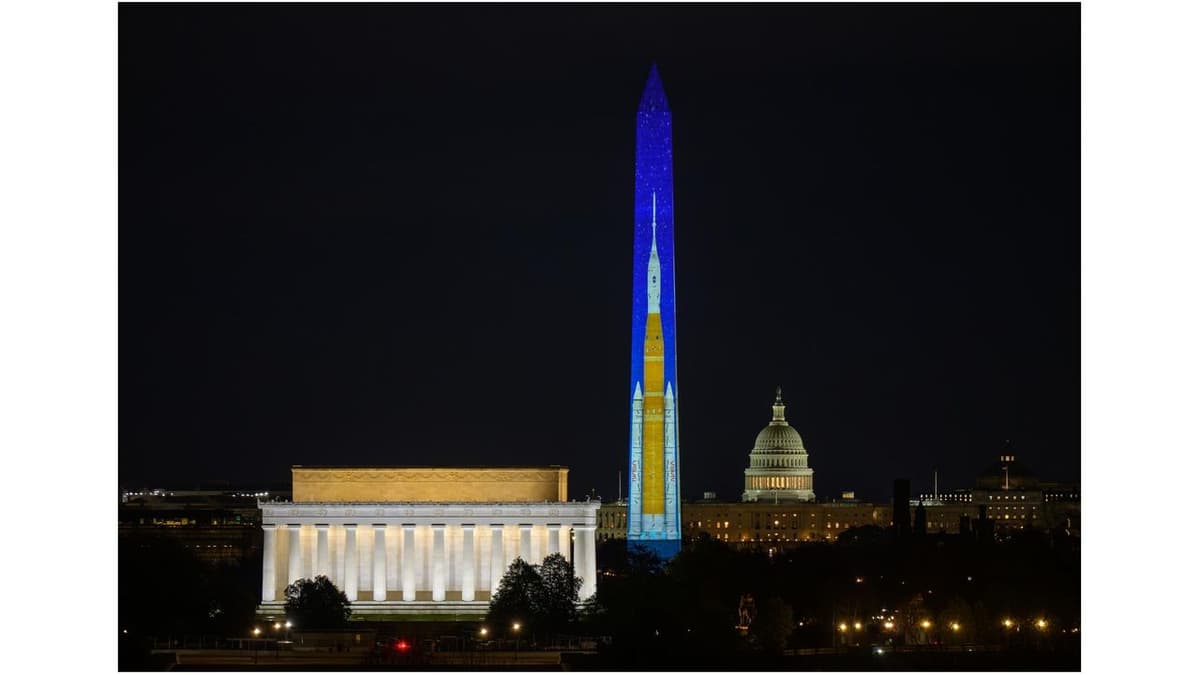
Moon Fever Hits DC as Artemis 2 Rocket 'Candle' Lights up Washington Monument Just 1 Month Before Launch (Photos)
NASA projected a Saturn V image onto the Washington Monument from Dec. 31 2025 to Jan. 5 2026, celebrating the nation’s 250th anniversary and the upcoming Artemis 2 launch. The crewed round‑the‑moon mission is slated for Feb. 6 2026, marking the first human lunar flight since Apollo 17. Artemis 2...
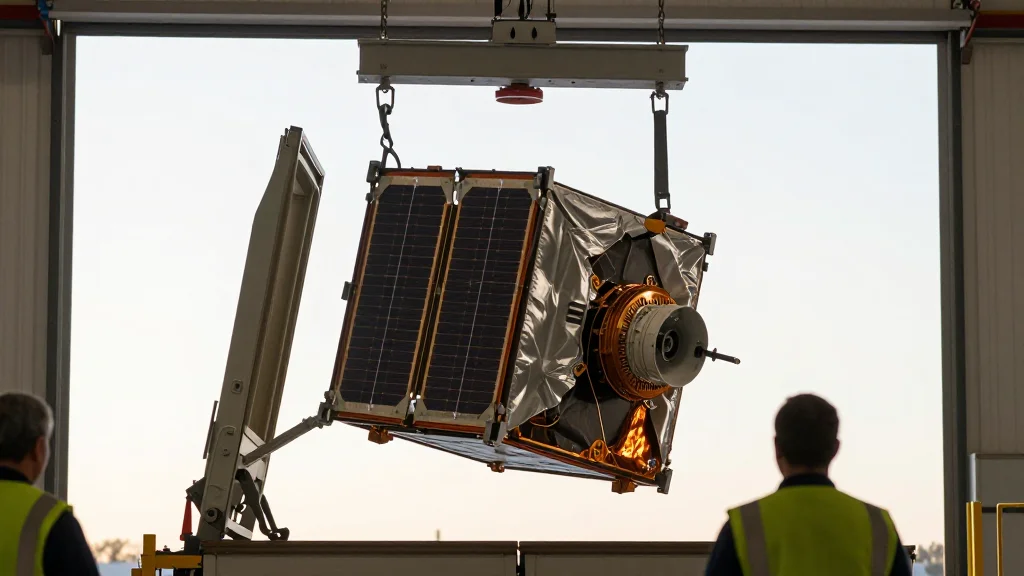
Pandora, a Keen-Eyed Satellite Built to Study Exoplanets, Readies for Launch
The University of Arizona’s Pandora SmallSat is set to launch aboard a SpaceX Falcon 9 on Jan 11, 2026, from Vandenberg. Equipped with an 18‑inch telescope, the mission will conduct multi‑color spectroscopic observations of at least 20 known exoplanets to probe atmospheric...

Leonid Space Releases Deorbit Forecast Validation
Leonid Space completed a comprehensive validation of its deorbit forecasting workflow, testing 934 non‑maneuvering satellites that reentered between 1961 and 2024 across six solar cycles. The company reports median one‑year deorbit errors of 6.0 days with perfect knowledge, 18.6 days...

Dhruva Space to Enable 10 Missions on ISRO’s PSLV-C62 Rocket
Dhruva Space announced its Polar Access‑1 programme, enabling ten satellite missions on ISRO’s PSLV‑C62 launch scheduled for 12 January. The initiative bundles four satellites, separation systems and ground‑station services into a repeatable Sun‑Synchronous orbit access package. Missions span disaster communications, environmental...

Pentagon Chief Takes ‘Arsenal of Freedom’ Tour to Rocket Lab
Secretary of Defense Pete Hegseth visited Rocket Lab’s Long Beach plant on Jan. 9, framing the stop as part of his “Arsenal of Freedom” tour that champions rapid, scalable production for the warfighter. He praised Rocket Lab as a model of...

NASA SWOT Satellite Recorded A Tsunami From Space
NASA’s Surface Water Ocean Topography (SWOT) satellite recorded a high‑resolution view of the July 2025 Kamchatka‑origin tsunami, covering more than 120 km of ocean surface. Researchers combined this imagery with DART buoy data, revealing detailed wave patterns and challenging the long‑standing...
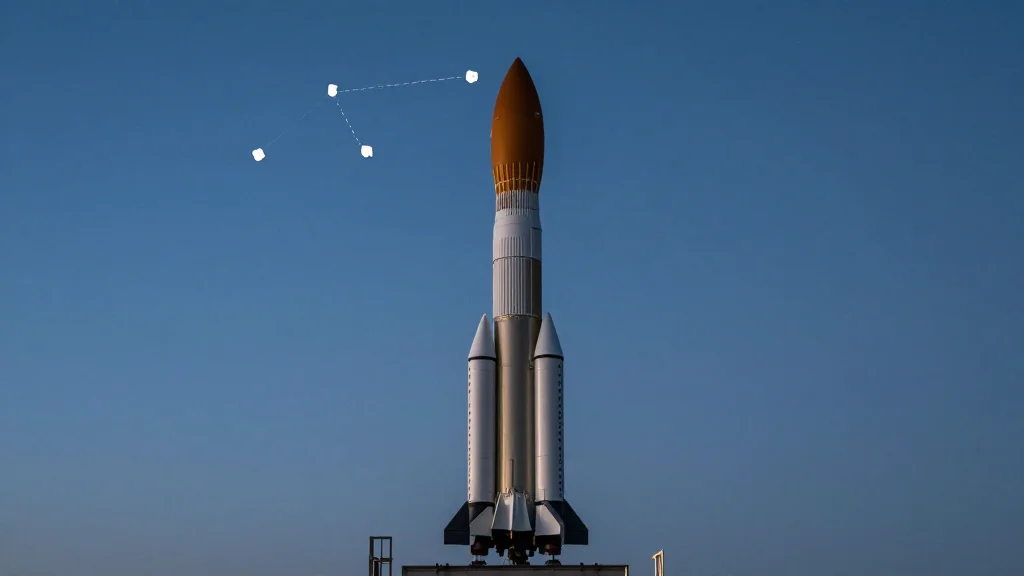
Twilight Rideshare Mission Set to Deploy First Tranche of Kepler’s Optical Network
SpaceX’s Twilight rideshare mission, slated for Jan. 11 from Vandenberg, will launch ten 300‑kg Kepler Communications satellites into a dusk‑dawn Sun‑synchronous orbit. Each satellite carries at least four optical‑terminal lasers, forming the first tranche of Kepler’s next‑generation space‑based internet. The constellation...

Kepler Communications Set to Launch 10 AETHER Optical Relay Satellites This Sunday
Kepler Communications is set to launch ten AETHER optical relay satellites on SpaceX’s Twilight rideshare mission early Sunday, with a launch window opening at 8:19 a.m. ET from Vandenberg. The batch represents the first operational tranche following two pathfinder satellites that...
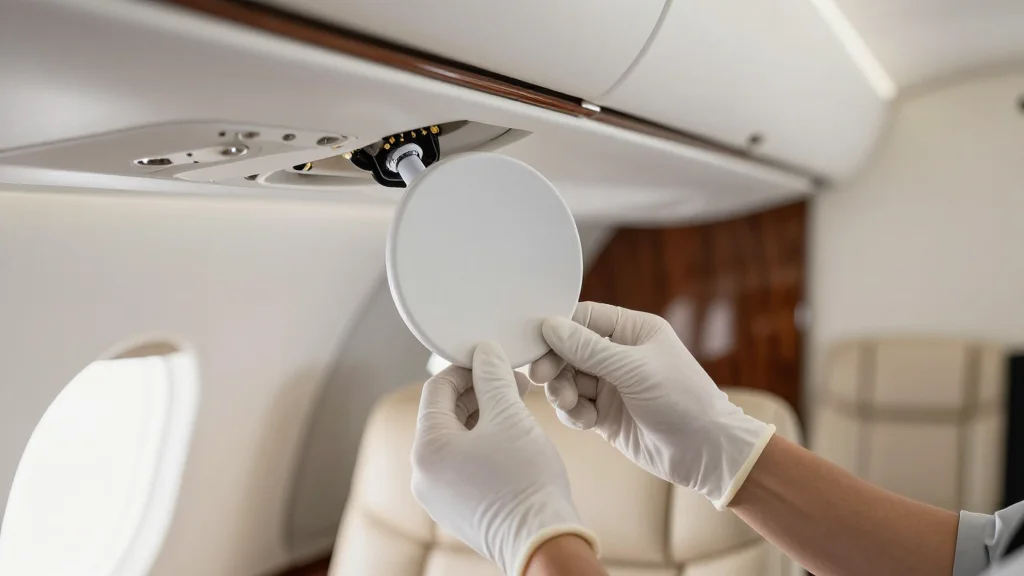
FlyExclusive Set to Bring Starlink IFC to Its Fleet
flyExclusive has become an authorized reseller and installer for SpaceX’s Starlink in‑flight connectivity, beginning installations on its Bombardier Challenger 350 fleet in early 2026. The private‑jet operator, which runs more than 90 aircraft and ranks as the fifth‑largest U.S. fleet,...

The First Preliminary Research Into Landing a Mars Helicopter in the Starship Landing Zone
Researchers at the Planetary Science Institute have released a preliminary, unfunded study mapping possible Mars helicopter landing sites inside SpaceX’s Starship candidate zone. Using five recent Mars Reconnaissance Orbiter images, they identified locations near the low Erebus mountain chain that...

Race for Canadian Sovereign Launch – $105M ‘Launch the North’ Challenge Draws Strong Interest
Canada has closed the application window for its $105 million “Launch the North” sovereign launch challenge, with more than a dozen firms reportedly submitting proposals. The competition’s Phase 1 will award up to three organizations $25 million each to develop responsive light‑lift launch...

Flight Engineers Give NASA’s Dragonfly Lift
NASA’s Dragonfly mission is advancing toward its 2028 launch after successful full‑scale rotor testing at the Transonic Dynamics Tunnel (TDT) at Langley Research Center. Engineers from Johns Hopkins Applied Physics Laboratory fabricated the rotors from massive aluminum blocks, refined the...

China Reports Progress On Xuntian Telescope Data Simulations
China’s research team has completed a full data‑simulation workflow for the Chinese Space Station Telescope (CSST), also known as the Xuntian Space Telescope, publishing the results on 7 January. The end‑to‑end suite generates realistic pixel‑level mock observations that mirror the telescope’s...

Landspace Secures Launch Contracts for China’s Megaconstellation Projects
Landspace has secured formal launch contracts for China’s two flagship megaconstellations, Guowang and Qianfan, using its reusable Zhuque‑3 methane‑liquid oxygen vehicle. The contracts, detailed in the company’s Shanghai Stock Exchange IPO prospectus, include an 18‑satellite launch for Yuanxin Satellite in...
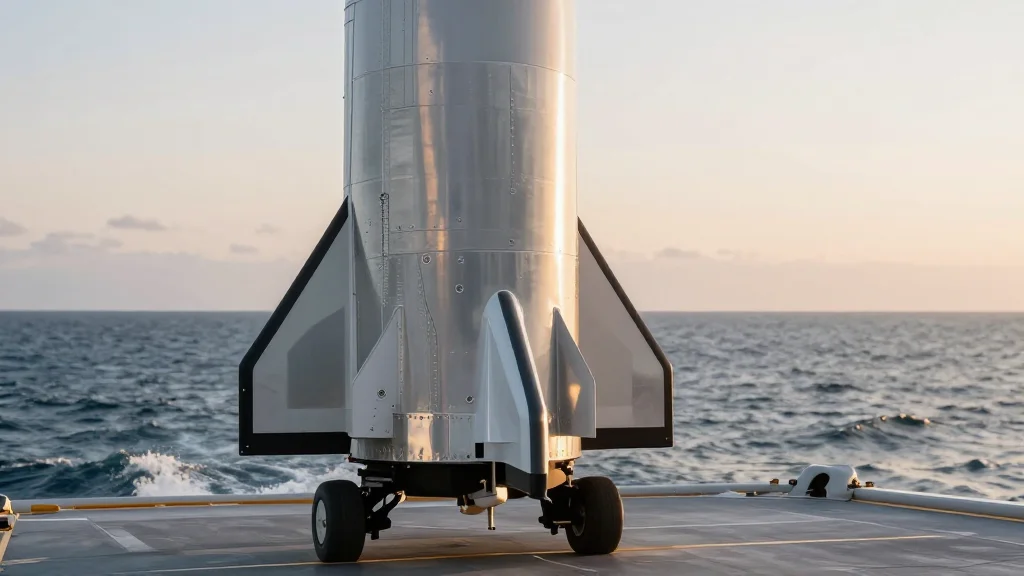
Chinese Pseudo-Company Building 3/4 Billion Dollar Rocket Factory
Chinese launch startup Space Epoch announced a 5.2 billion‑yuan ($740 million) factory to mass‑produce reusable, medium‑to‑large liquid‑fuel rockets that can land on sea platforms. The plant, slated to start operations soon, aims to build up to 25 rockets annually, targeting a launch...

NASA’s Pandora Satellite, CubeSats to Explore Exoplanets, Beyond
NASA’s Pandora mission, accompanied by the BlackCAT and SPARCS CubeSats, is set to launch Jan. 11 aboard a SpaceX Falcon 9 from Vandenberg. Pandora’s 45‑cm all‑aluminum telescope will observe visible and near‑infrared light to separate planetary atmospheric signals from stellar contamination during...

Can We Use Bees as a Model of Intelligent Alien Life to Develop Interstellar Communication?
Researchers propose using honeybees as a proxy for alien intelligence, arguing that shared mathematical ability could underpin interstellar communication. Bees have demonstrated basic arithmetic, quantity discrimination, and symbol‑number associations in controlled experiments from 2016‑2024. The paper builds on historic attempts...
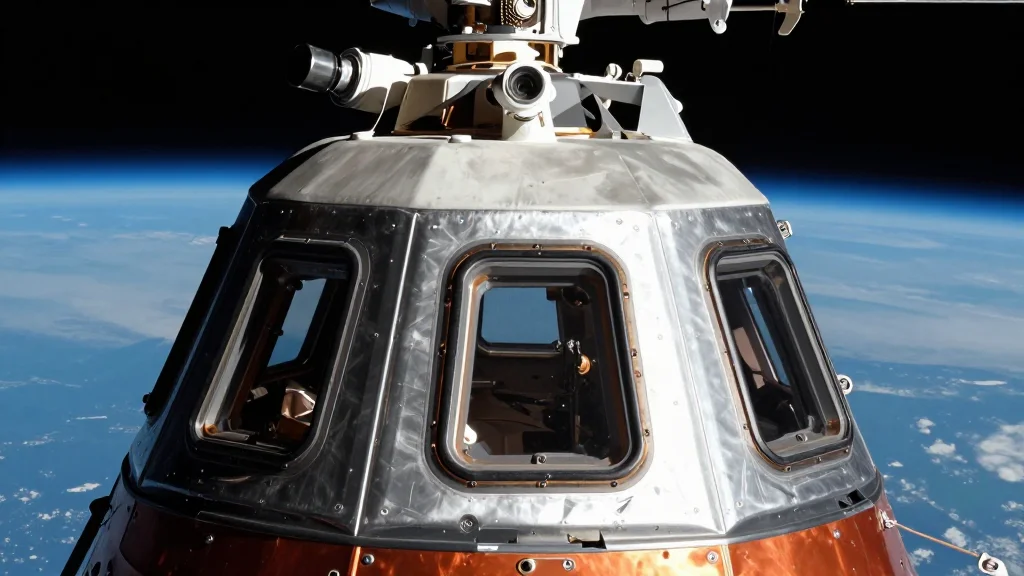
Why NASA Is Cutting the Current International Space Station Mission Short
NASA announced that the current International Space Station expedition will end more than a month early, bringing home four crew members ahead of schedule. The decision follows health concerns for one astronaut, who remains stable but would face increased risk...

'Knitted' Satellite Launching to Monitor Earth's Surface with Radar
The UK‑based CarbSAR satellite is set to launch this Sunday, featuring a revolutionary mesh radar antenna woven from tungsten wire coated in gold. The antenna is produced on a standard industrial knitting machine that has been adapted for aerospace use....

ZWO Astronomy Photographer of the Year 2026: How to Apply?
The Royal Observatory’s ZWO Astronomy Photographer of the Year competition opened for entries on 5 January 2026 and will close at noon GMT on 2 March. The contest accepts adult and youth submissions across eight themed adult categories and a single youth...

Rhea Space Activity Applies Optical Navigation to Military Rendezvous Missions
Rhea Space Activity, a Washington‑based startup, was selected by SpaceWERX’s Sustained Space Maneuver Challenge and awarded a $1.9 million SBIR Phase‑2 contract to adapt NASA’s AutoNav optical navigation for military use. The company is developing Vanguard, a software suite that adds...

Viasat’s HaloNet: Eliminating Launch Telemetry Blackouts
Viasat's HaloNet launch telemetry data relay service uses its global L‑band geostationary network to provide uninterrupted, real‑time telemetry from lift‑off through early orbit. By routing data through multiple satellites and employing beam‑hopping resource management, the system eliminates traditional line‑of‑sight blackouts...

Astronomy’s Northern Blind Spot — And the Canary Island Giant That Could Fix It
Astronomy’s next era hinges on ultra‑large telescopes, yet the Northern Hemisphere lacks a 30‑meter‑class optical instrument. A recent paper argues that relocating the Thirty Meter Telescope (TMT) to La Palma would fill this gap, enabling rapid follow‑up of multi‑messenger events....
SpaceX Launches Next Set of Starlink, Planet Satellites
SpaceX lifted off a Falcon 9 from Cape Canaveral on August 21, 2020, deploying three Planet SkySat imaging satellites followed by 58 Starlink broadband satellites. The mission marked the rocket’s sixth flight, a record for reusability, and saw the first stage...
Space Force Releases "Spacepower" Report
The U.S. Space Force unveiled its inaugural doctrine, the “Spacepower” report, outlining a comprehensive vision for space as a distinct warfighting domain. The document stresses the need for both defensive and offensive capabilities to protect critical assets such as communications...
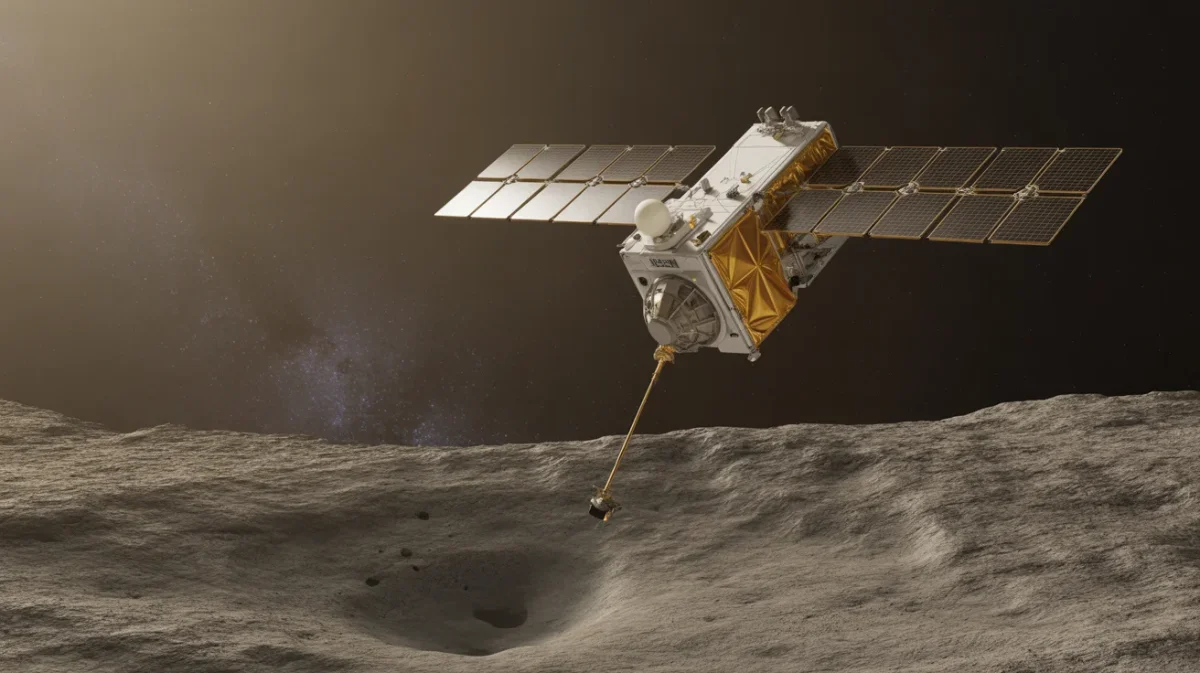
OSIRIS-REx Conducts Final Rehearsal of Asteroid Sampling Maneuver
NASA’s OSIRIS‑REx spacecraft performed its final “Matchpoint” rehearsal, descending to about 40 meters above asteroid Bennu and then backing away as planned. The successful test confirms the navigation and autonomous systems needed for the Touch‑and‑Go sampling maneuver. Engineers now have confidence...
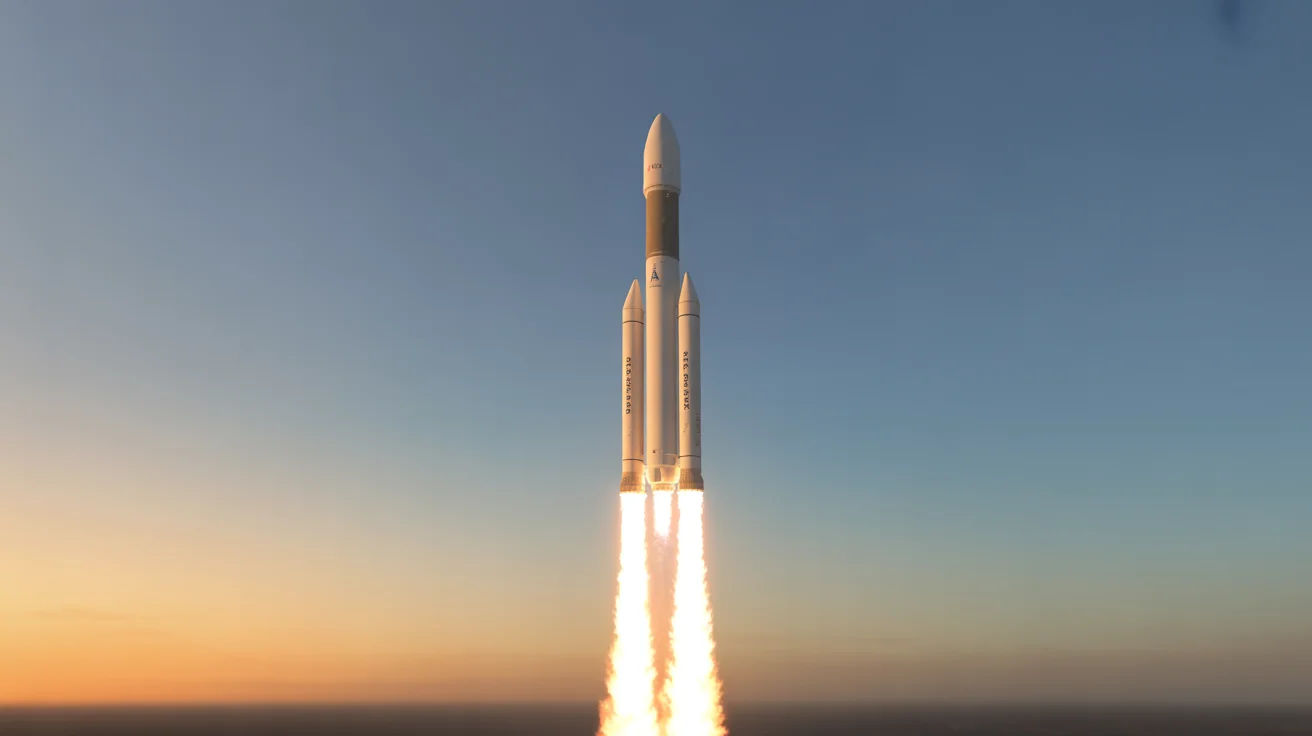
Ariane 5 Launches Three Satellites
On August 22, 2020, Arianespace’s Ariane 5 rocket lifted off from Kourou, deploying the Galaxy 30, MEV‑2 and BSAT‑4b satellites into geostationary transfer orbit. The launch marked the first Ariane 5 mission since February, after a pandemic‑related shutdown and earlier scrub due to...
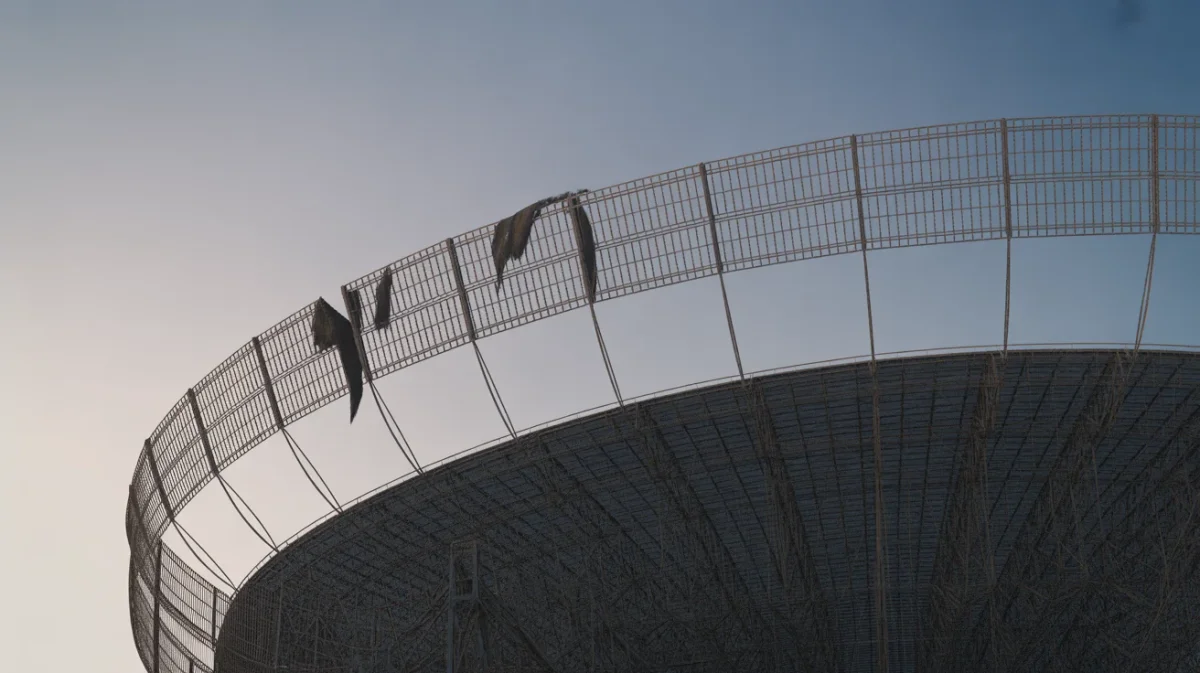
Arecibo Radio Telescope Damaged
The Arecibo Observatory’s 305‑meter dish was rendered inoperable after a support cable snapped, gouging a 30‑meter tear in the primary reflector. The incident occurred early Monday morning, prompting an immediate shutdown of the telescope’s scientific programs. Officials are evaluating the...
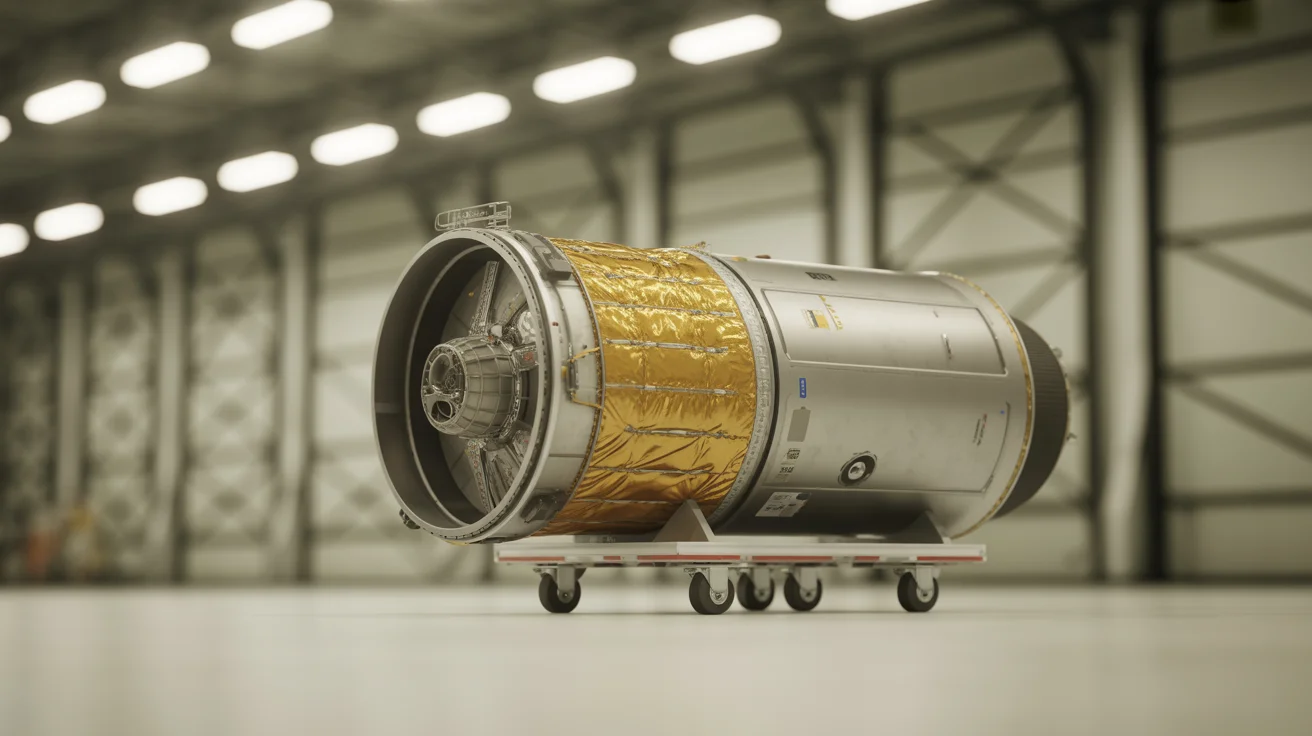
January 8, 2026 Quick Space Links
Europe’s Orion service module for Artemis‑4 arrived at Kennedy Space Center for testing and integration, marking a key European contribution to NASA’s next lunar landing slated for no earlier than 2030. Russia announced it will rely on legacy Proton and...

APPLICATIONS OPEN FOR COHORT 4 OF SDA TAP LAB – CATALYST CAMPUS MINI ACCELERATOR
Catalyst Campus has opened applications for Cohort 4 of the SDA TAP Lab Mini Accelerator, a two‑month program beginning February 17, 2026. Selected early‑stage and dual‑use companies will receive technical workshops, one‑on‑one mentorship, and direct collaboration with Space Development Agency (SDA) and defense stakeholders. An...
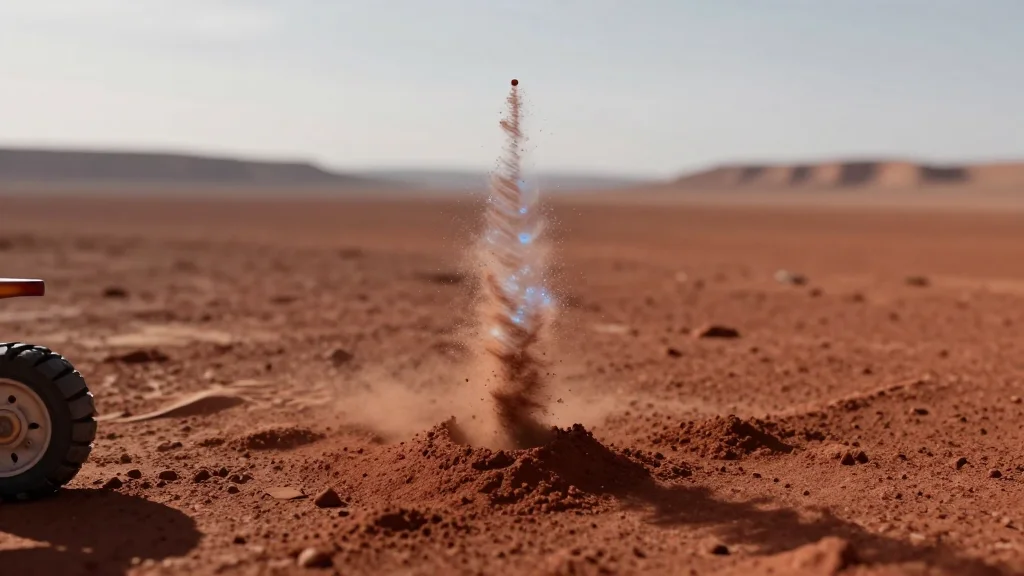
The Electrifying Science Behind Martian Dust
Planetary scientist Alian Wang’s latest study demonstrates that friction‑driven electric discharges in Martian dust storms produce volatile chlorine, perchlorates, and airborne carbonates. Using two custom simulation chambers, her team quantified reaction products and measured heavy‑isotope depletion in chlorine, oxygen and...

US Government UAP Projects: A Legacy of Misinformation and Mistrust
The United States has spent seven decades alternating between overt debunking of UFO sightings and covert disinformation, from Project Blue Book’s public‑relations focus to Cold‑War counter‑intelligence operations. Recent whistleblowers, including former AATIP director Luis Elizondo and intelligence officer David Grusch, allege a secret crash‑retrieval...
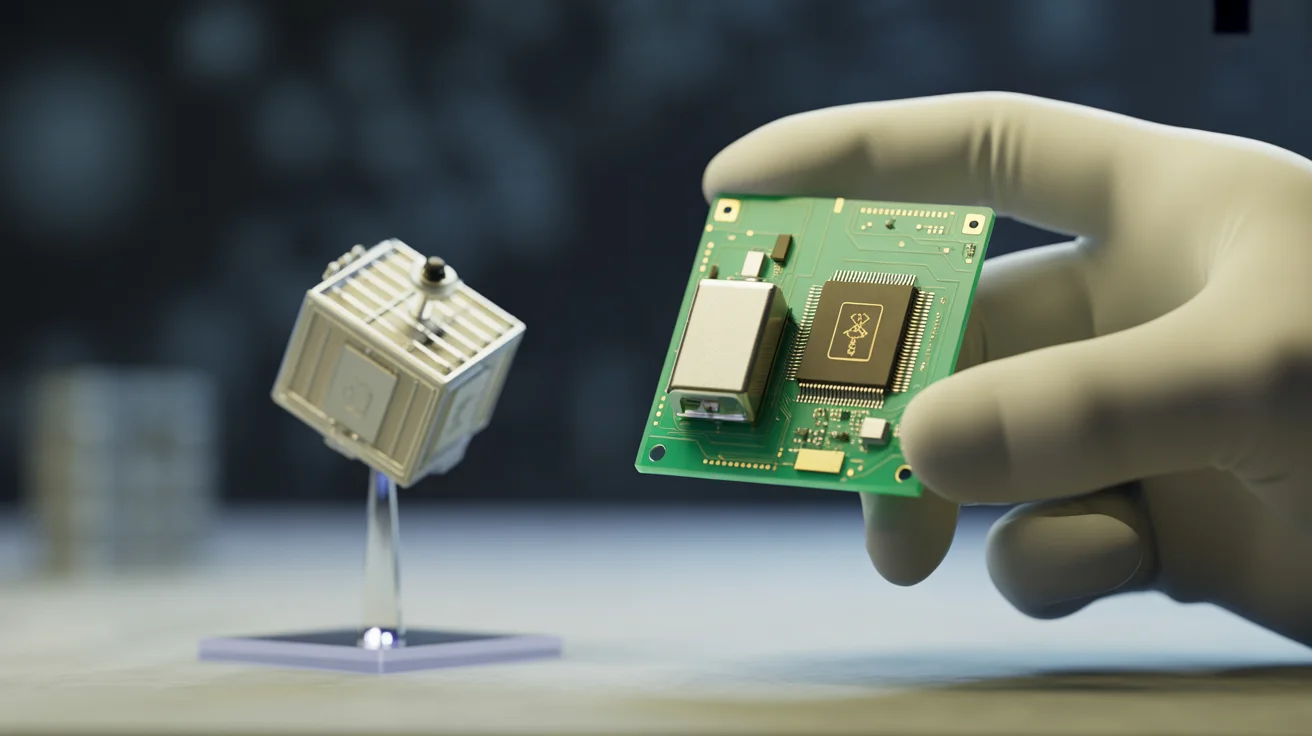
Hubble Network Collaborates With Texas Instruments on Bluetooth Connectivity
Hubble Network announced a partnership with Texas Instruments at CES 2026 to embed its satellite‑backed Bluetooth service into TI’s CC2340 and CC2755x wireless microcontrollers. The integration delivers device location plus up to 13 bytes of sensor data—temperature, motion, diagnostics, or...
House Passes Final FY2026 Funding Bill For NASA, Senate Is Next
The U.S. House approved the FY2026 Commerce‑Justice‑Science appropriations bill, preserving NASA’s budget at roughly $24.4 billion—far above the Trump administration’s proposed $18.8 billion cut. The measure passed with a strong bipartisan majority (397‑28) and now moves to the Senate for final approval....