Technology Blogs and Articles
Market Intelligence for Professionals
Technology Pulse
EMAIL DIGESTS
Daily
Every morning
Weekly
Tuesday recap
EMAIL DIGESTS
Daily
Every morning
Weekly
Tuesday recap

The episode reflects on the rise, fall, and resurgence of specialist financial-sector investing, recounting the host’s hedge fund closure after a decade of long/short bets across global banks and fintechs. It highlights how recent market conditions have revived outsized returns for financial stocks, with European banks up 60% and US banks up 29% versus lagging tech, and showcases two specialists—Johnny de la Hey of Hunters Moon Capital and Derek Pilecki of Gator Capital—who have delivered 48.8% and 160% gains respectively by focusing on deep sector knowledge. The discussion underscores that specialization remains crucial for extracting alpha in a sector where dispersion among top and bottom performers is now the widest since 2009, suggesting continued opportunities ahead.
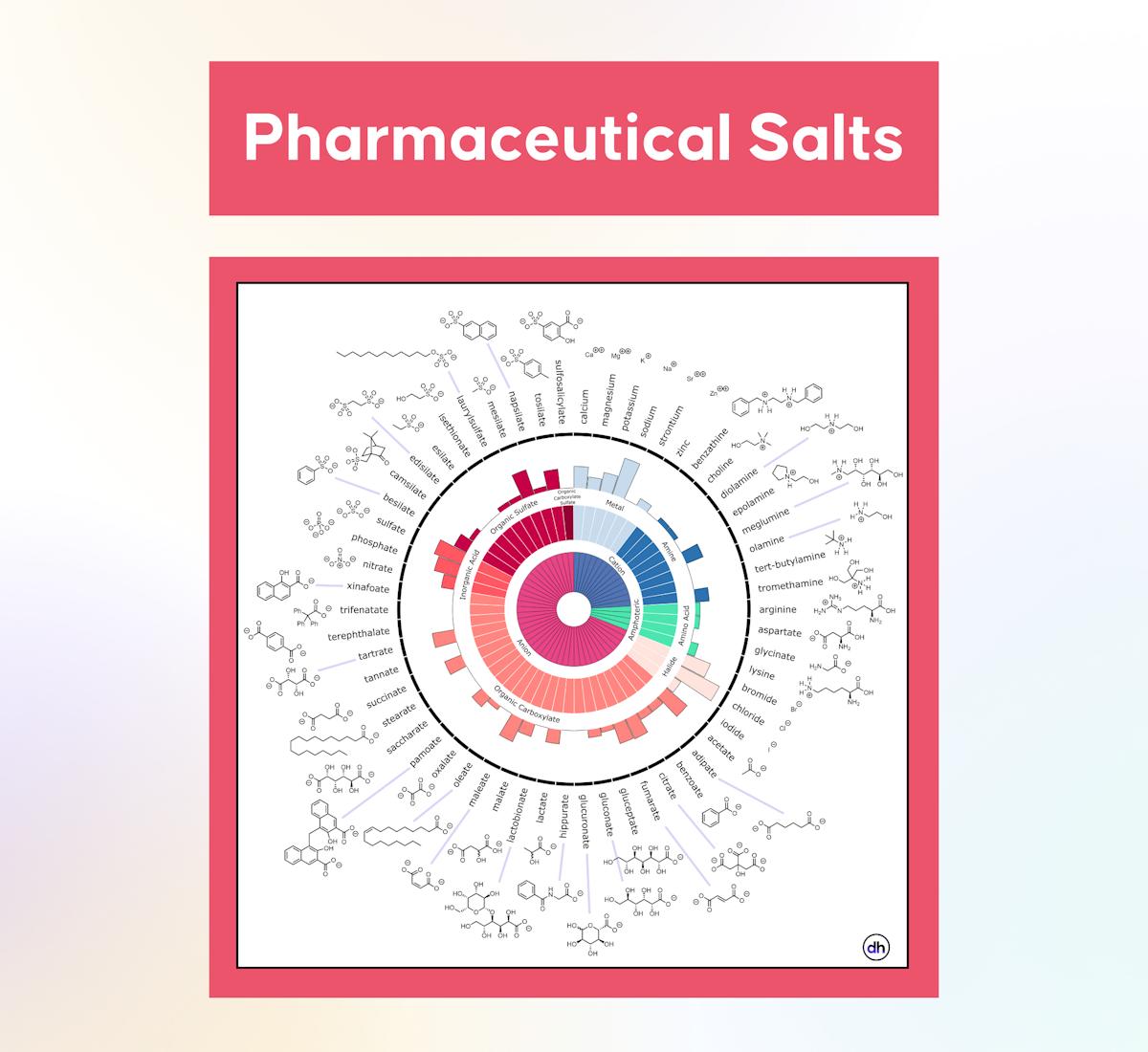
The article presents a comprehensive list of pharmaceutical salts that can be leveraged to enhance the taste, solubility, and overall patient acceptability of oral drug formulations. It outlines the physicochemical properties, regulatory status, and typical applications of both traditional inorganic...

Recent posts titled "Flickstop" showcase the rapid evolution of robotic telesurgery, highlighting a six‑armed robot from Ottava and the SSI Mantra 3 system used for remote hernia repair. Images illustrate a medical team operating a robot and a cross‑city internet link...

Vertical SaaS leader Samsara has surpassed $1.75 billion in ARR, up 29% YoY, after scaling from its first $100 M ARR milestone. Founder‑CEO Sanjit Biswas leveraged a beginner’s‑mind approach, reassembled his Meraki team, and pivoted based on customer feedback to build a...

The episode highlights how the Fed’s recent rate cut creates a macro‑tailwind for biotech, reviving valuations and financing opportunities. It discusses mixed public‑health signals around COVID‑19 vaccination in children and warns that U.S. skepticism could erode its mRNA leadership. Landmark...

Enterprises are reallocating Q4 learning‑and‑development budgets toward hands‑on, performance‑based training as AI reshapes cybersecurity, cloud, and IT operations. INE reports a surge in demand for immersive labs, simulations, and AI‑adaptive pathways that promise faster competency and measurable ROI. The shift...

NP Digital outlines the most common data‑tracking failures that undermine marketing ROI, from biased attribution and GA4 revenue gaps to consent‑management lapses and fragmented cross‑device IDs. The firm recommends a systematic audit, unified taxonomy, and integration of GA4 with a...

The episode announces that 1inch has become the exclusive swap provider for Ledger Multisig, integrating its Swap API to eliminate blind signing and enable clear, human‑readable transaction approvals via EIP‑712. This partnership enhances treasury security for DAOs, funds, and enterprises...

In this episode, Christopher S. Penn reflects on the MarketingProfs B2B Forum in Boston, highlighting how meticulous care—from venue design to fine dining—creates a welcoming, "home‑like" atmosphere that fosters genuine connection among B2B marketers. He notes that this nurturing environment transforms...

John Jantsch’s latest post argues that traditional campaign‑centric marketing is outdated for small businesses. He introduces the Marketing Operating System (MOS) as a unified framework that aligns strategy, execution, and measurement. The MOS turns ad‑hoc tactics into repeatable processes, leveraging...

Menlo Ventures reports departmental AI spending reached $7.3 billion in 2025, with coding accounting for $4 billion (55%). AI‑driven coding tools such as Cursor and Claude Code grew sevenfold year‑over‑year, pushing daily usage to half of developers and delivering 15% faster software...

Extracorporeal Blood Oxygenation and Ozonation (EBOO) is marketed by the wellness industry as a high‑end anti‑aging therapy that removes, oxygenates, ozonates, and filters a patient’s blood before reinfusion. The procedure is invasive, involving two IV lines and large‑volume blood processing,...
In this episode, Dr. Josep Bassaganya‑Riera discusses NImmune's strategy to launch omilancor, a gut‑restricted LANCL2 agonist, into Phase 3 for ulcerative colitis, emphasizing its mechanism as an immune “thermostat” that rebalances gut immunity rather than broadly suppressing it. He highlights...

SaaStr quietly launched an AI Agents Directory that now draws about 3,500 weekly visitors—primarily B2B founders, CTOs, and RevOps leaders actively seeking AI agents to integrate. The platform is free to submit, curated, and up‑voted by the community, giving listed...

The post clarifies that DHH’s Fizzy is source‑available, not open source, because the company retains SaaS rights to sustain its business model. Dries Buytaert expands on this distinction, arguing that source‑available licensing is acceptable even if it falls short of...

Enterprises are adopting two distinct context databases—operational and analytical—to serve as the new system of record for AI agents. Operational databases capture procedural knowledge and trade secrets, while analytical databases encode metric definitions and reasoning logic. The article emphasizes that...

John Jantsch introduces the Marketing Hourglass™ framework, a systematic model that maps the entire customer journey from discovery to advocacy. Designed for small‑business owners, it replaces fragmented tactics with a repeatable process that drives measurable results. The framework emphasizes data‑driven actions,...

The Duct Tape Marketing post and accompanying podcast reveal that high‑performing employees often stumble when thrust into managerial roles because the skill set required to lead differs from that needed to execute. Host John Jantsch and guest Ashley Herd argue...

Basecamp’s new product Fizzy is marketed as open source, but it is released under the O’Saasy license, which prohibits downstream users from offering the software as a SaaS product. The license’s SaaS‑restriction violates OSI’s rule that open‑source licenses must not...

A new OpenAI study finds AI saves white‑collar workers 54 minutes daily, translating to roughly $7,282 of recovered productivity per seat each year. Current SaaS pricing—ChatGPT Plus, Microsoft 365 Copilot, Google Workspace AI, and Gamma—captures only 3‑5% of that value,...

Christopher Penn compares top‑tier events to Disney World, emphasizing that meticulous, low‑friction details turn a good conference into a magical experience. He highlights MAICON’s operational excellence—clear signage, fast lunch pickups, constant coffee, protein‑rich breakfasts, and generous breaks—that keep attendees energized,...

In this episode, Michal Peled demonstrates how ChatGPT's agent mode can act as a "little helper" for real‑world tasks—automating LinkedIn recruiting, creating interactive AI personas, and building a parking‑avoidance app—by first interviewing humans to capture exact workflows and then refining...

Jason Lemkin argues that internal dysfunction, not competition, is the primary cause of startup failure. He identifies unforced errors such as co‑founder rifts, loss of key executives, and a culture of blame as fatal. The article prescribes concrete actions—regular appreciation,...

Jack Clark discusses three timely AI topics: Facebook’s proposal for "co‑improving" AI, which advocates collaborative human‑AI research cycles to achieve safer superintelligence; the hidden costs and complexities of AI labeling policies, illustrated by EU compliance burdens that could hinder effective...

Meta announced the acquisition of Limitless, a pendant‑maker, to strengthen its AI‑enabled wearables division within Reality Labs. Google unveiled Gemini 3 Pro, a multimodal model delivering record performance in vision and spatial reasoning, while Sensor Tower reported Gemini’s user growth outpacing ChatGPT’s...

IBM announced an $11.1 billion acquisition of Confluent, valuing the streaming‑platform provider at 10 × its last‑twelve‑month revenue. Confluent, the commercial arm behind Apache Kafka, serves more than 40 % of Fortune 500 firms and posted Q3 revenue of $298.5 million, up 19.3 % YoY, with...

The episode covers practical community‑building tactics, including how to confront ageism, run effective roadmap discussions, and design a 90‑day onboarding plan for new members. It also shares strategies for keeping a product stealthy before launch and balancing transparency with secrecy....

Founder communication falters when startups hit rough patches, but Jason Lemkin argues that regular investor updates are essential even in downturns. Updates break isolation by connecting founders with experienced backers who can offer advice or introductions. Writing hard‑line metrics forces...

SaaStr.ai scanned the platform’s massive archive and surfaced ten under‑read articles that deliver high‑impact SaaS guidance. The list spans sales playbook design, quota cadence, founder dilution, hiring stretch VPs, and financing pitfalls. Each post offers concrete tactics for founders looking...

An author integrated Google Gemini CLI with Asana, linking AI agents to email, calendar, and CRM, enabling them to execute tasks directly within his workflow. By delegating to agents, he increased his daily output from 10 to 31 tasks, handling...

Sean Ellis explains that AI product growth hinges on a freemium model that creates an instant "wow" moment, enabling frictionless first use and sparking word‑of‑mouth referrals. He argues AI lacks latent demand, so viral adoption depends on users experiencing powerful...

Christopher S. Penn explains that the biggest obstacle to AI automation today isn’t the models themselves but the infrastructure needed to move from simple prompts to fully automated workflows. He outlines three skill curves—prompting, building mini‑apps (Gems, GPTs, Claude Projects),...
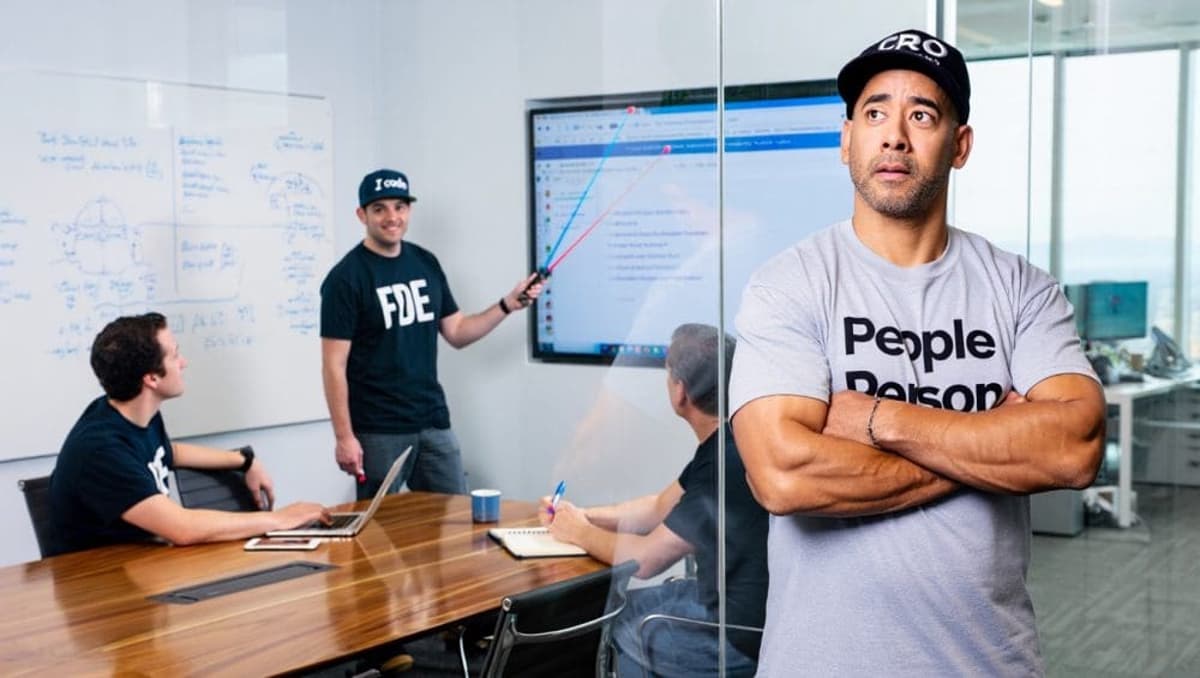
The blog argues that by 2026 B2B software sales will be dominated by AI‑driven prospecting and technical specialists rather than traditional account executives. Real‑world examples include a $4 million deal closed solely by a sales engineer, Vercel’s outbound motion run by...

In this episode, Kyle talks with Fivos Aresti, co‑founder of Workflows.io, about the four‑pillar outbound playbook that drove their growth to $2M ARR in 2025. They stress a hybrid approach that blends manual cold outreach for Tier 1 accounts with AI‑enhanced,...

The 2025 "Top 10 Posts" roundup highlights a paradox in AI: OpenAI pledged $1.15 trillion in compute contracts through 2035 while DeepSeek demonstrated a 90%+ drop in training costs with its V3 and R1 models. Nvidia’s $110 billion vendor‑financing scheme dwarfs the...
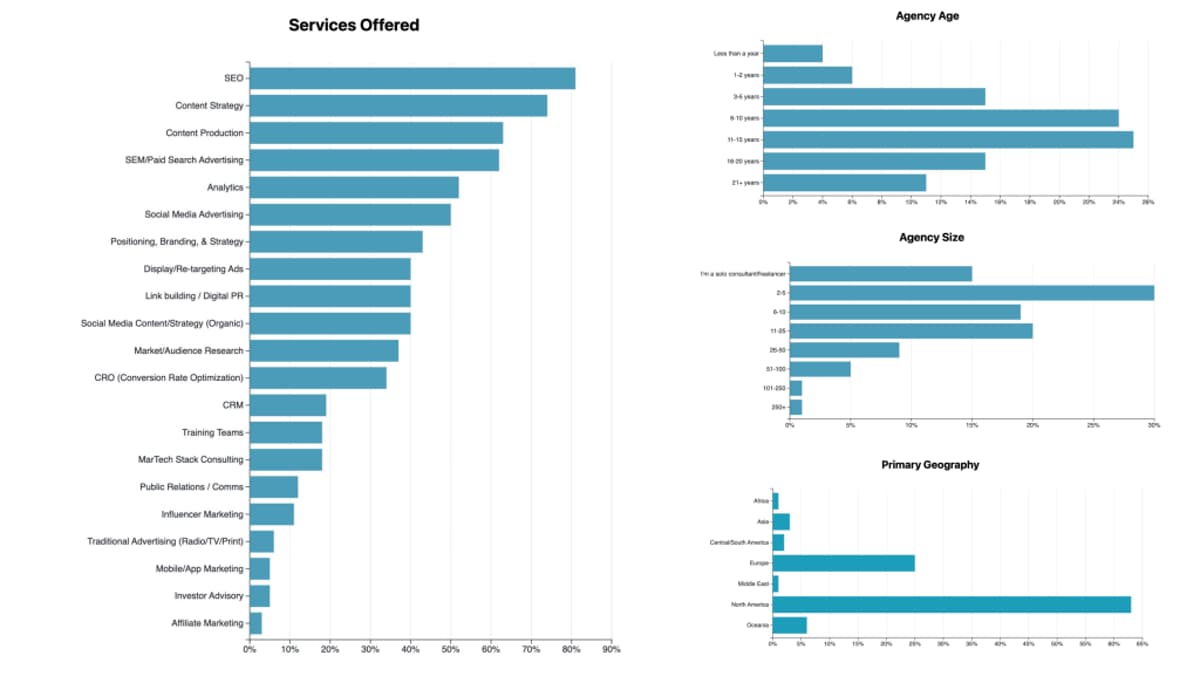
The 2025 State of Digital Agencies survey shows a mixed but improving picture. Half of agencies reported revenue growth, while net margins rose for roughly a third. Concerns about AI as a business threat increased to 53%, and two‑thirds worry...

In this episode, Lenny Rachitsky introduces PostHog’s all‑in‑one product analytics platform and announces a free year of PostHog Scale (a $16,500 value) for annual newsletter subscribers. He highlights how PostHog combines analytics, experimentation, feature flags, session replay, error tracking, data...

Joe Gagnon, CEO of Raynmaker, discussed on the Duct Tape Marketing Podcast how his AI‑native sales platform helps small businesses automate lead handling, scheduling, and payments. The solution blends conversational AI with workflow automation, offering 24/7 call coverage for $500‑$1,000...

Content Monsta published a comprehensive FAQ guide titled “36 Video and Podcast Content Frequently Asked Questions.” The article, authored by A. Lee Judge, answers common queries about remote recording workflows, technical support options, pricing structures, return on investment, and performance...
In this episode, Google AI product lead Marily Nika walks through an end‑to‑end AI workflow that turns a product idea into a full vision in minutes, using tools like Perplexity for research, custom GPTs for PRDs, v0 for prototyping, and...

Jason Lemkin outlines the hidden challenges of AI‑assisted ‘vibe coding’ for B2B SaaS products. While AI agents can generate functional code quickly, they also hallucinate, require rigorous verification, and lack built‑in quality controls. Lemkin stresses that non‑technical founders must adopt...

Artificial‑intelligence investment now powers more than 90% of U.S. GDP growth in early 2025, with $60 billion spent on computer equipment and $10 billion on data‑center construction. A handful of AI‑heavy firms such as Amazon, Microsoft, Alphabet and NVIDIA account for over...

Two high‑profile SaaS vendors, Gainsight and Drift, were forced off the Salesforce AppExchange after a sophisticated threat actor stole OAuth tokens and exfiltrated data from hundreds of customers. Salesforce revoked the compromised tokens, pulling both companies' integrations offline indefinitely. The...

Shopify merchants generated $6.2 billion in sales on Black Friday, a 25 % increase over the previous year. The platform’s infrastructure endured extreme load, peaking at 31 million API requests per minute and handling 53 million reads and 2 million writes per second. This scale...

PagerDuty reported $497 million ARR, up only 3% YoY, and became GAAP profitable, yet its market cap slipped to about $1.1 billion—roughly two times ARR. Growth has stalled at 4‑5% and net‑revenue retention fell to 100%, meaning existing customers no longer expand....

Jason Fried argues that the most effective beta occurs just one to two weeks before a product’s official launch, essentially at version 0.99. At this stage the goal isn’t deep feature validation but a final house‑cleaning sprint to eliminate obvious flaws....
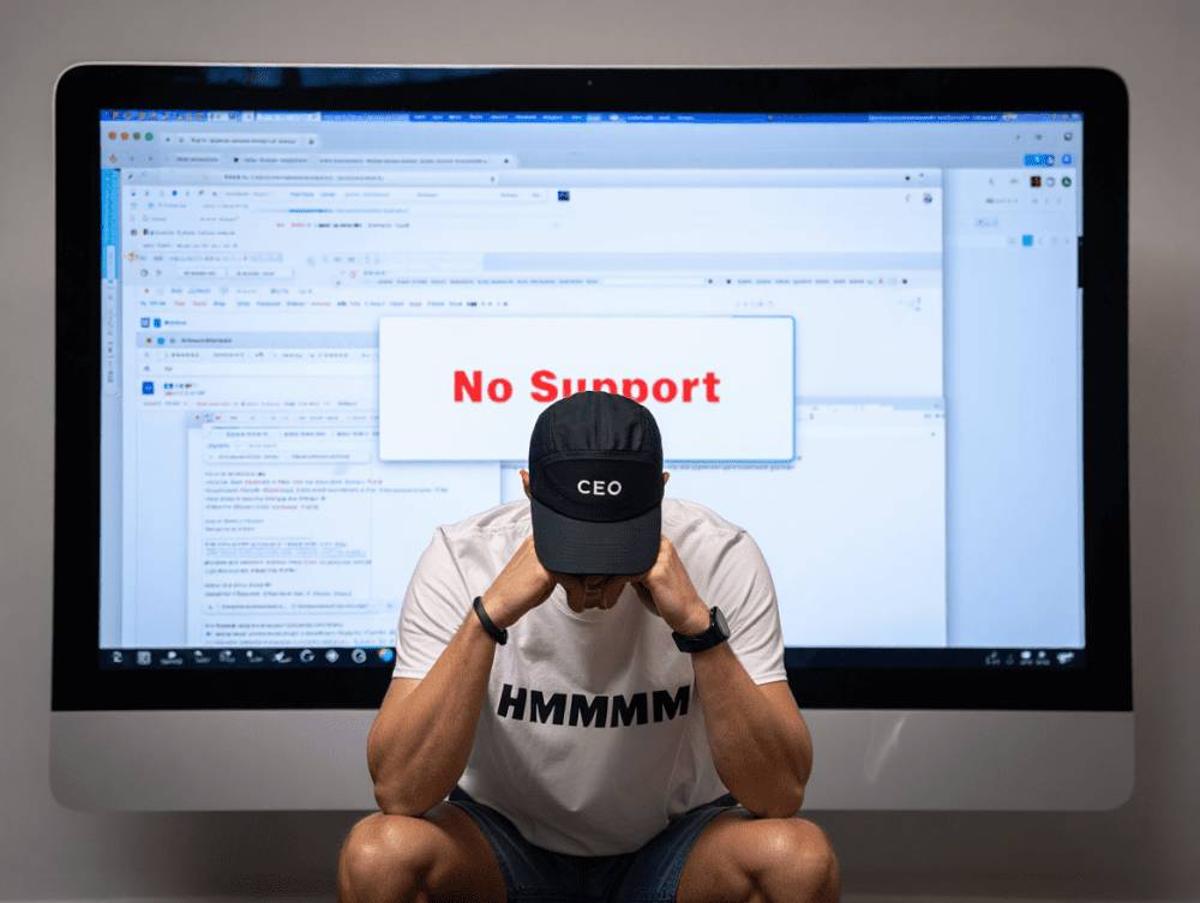
Jason Lemkin urges B2B SaaS founders to purchase their own product using the public buying flow, not internal shortcuts. By submitting contact forms, calling support lines, and attempting in‑app upgrades, founders expose friction points that often go unnoticed. The exercise...
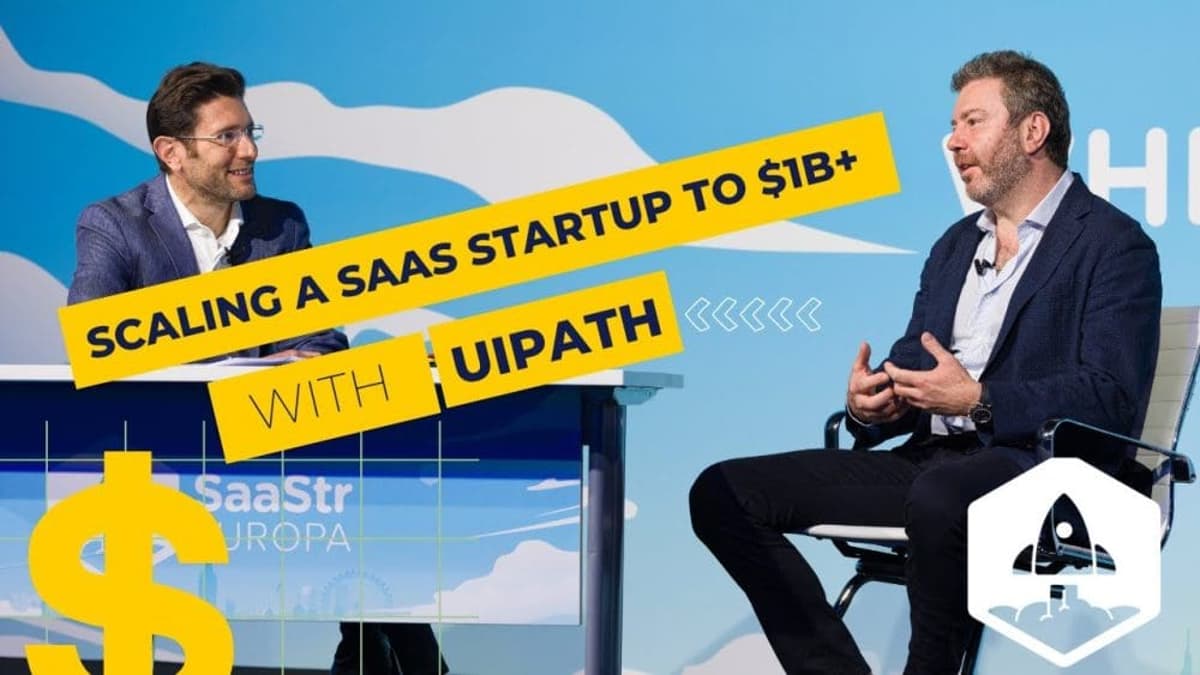
UiPath, founded by Daniel Dines, hit its first $175 million ARR after a four‑year sprint from a modest $1 million base, illustrating a textbook hypergrowth trajectory in B2B SaaS. The company’s breakthrough came from a $10,000 pivot that turned a niche screen‑reading...

Palantir posted a 63% revenue jump and a 248% profit surge in Q3, showing durable growth despite sky‑high AI‑era valuations. The FDA convened its first public hearing on regulating AI‑driven therapy chatbots, highlighting safety concerns as mental‑health bots proliferate. OpenAI...

Dan Martell outlines a six‑step framework to generate $100K in six weeks by productizing a service. He emphasizes pricing for outcomes, targeting affluent clients, and using a single‑page offer delivered via chat‑based selling. The method relies on a repeatable delivery...


