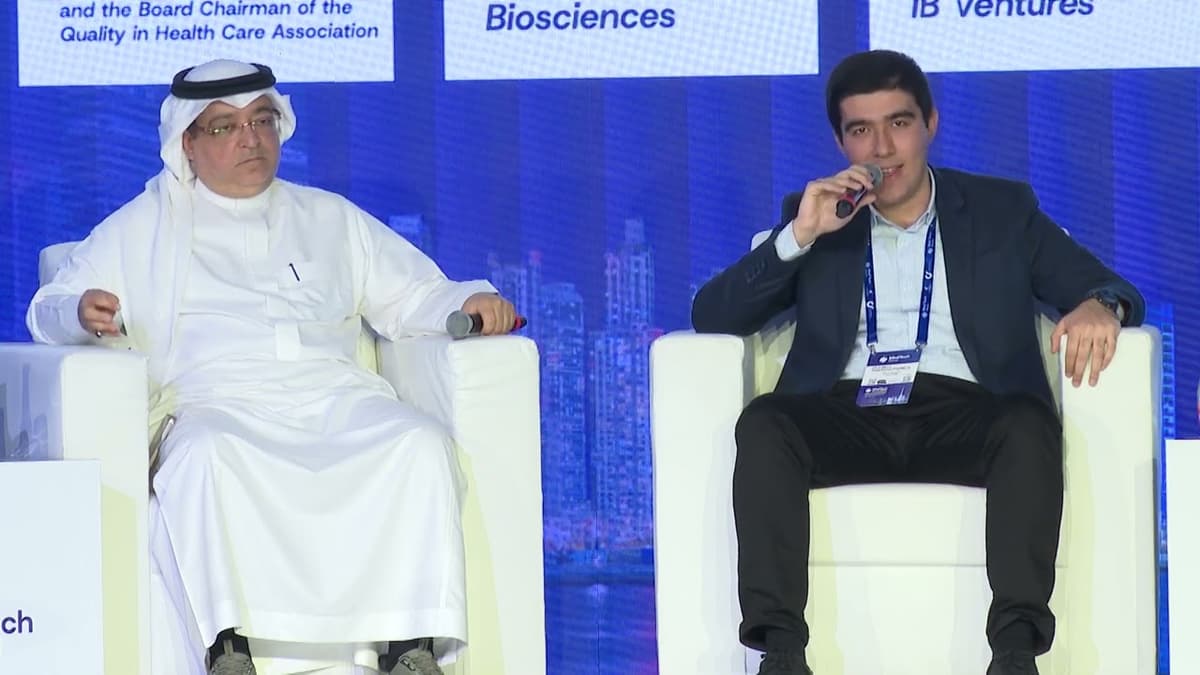
GCC MedTech Boom: Market, Funding & Scaling | MedTech World Middle East 2026
At MedTech World Middle East 2026, a panel of GCC health leaders highlighted the region’s rapid shift from a pure healthcare consumer to a burgeoning hub for MedTech, biotech, and digital health innovation. National visions and transformation strategies are driving massive capital inflows, while regulatory frameworks are maturing to support AI, cellular therapies, and robotics. Investors emphasized value‑based care models, reimbursement pathways, and the importance of aligning with public‑private partnerships. Practical guidance was offered for founders seeking to scale startups across Saudi Arabia and the broader GCC.
Why a 3x Fund Return Is NOT Enough
The video argues that a private‑equity fund targeting a three‑times (3x) net return cannot rely on a single multiplication event; the real benchmark is whether that investment can generate another 3x for subsequent owners. The speaker breaks down the math: a...
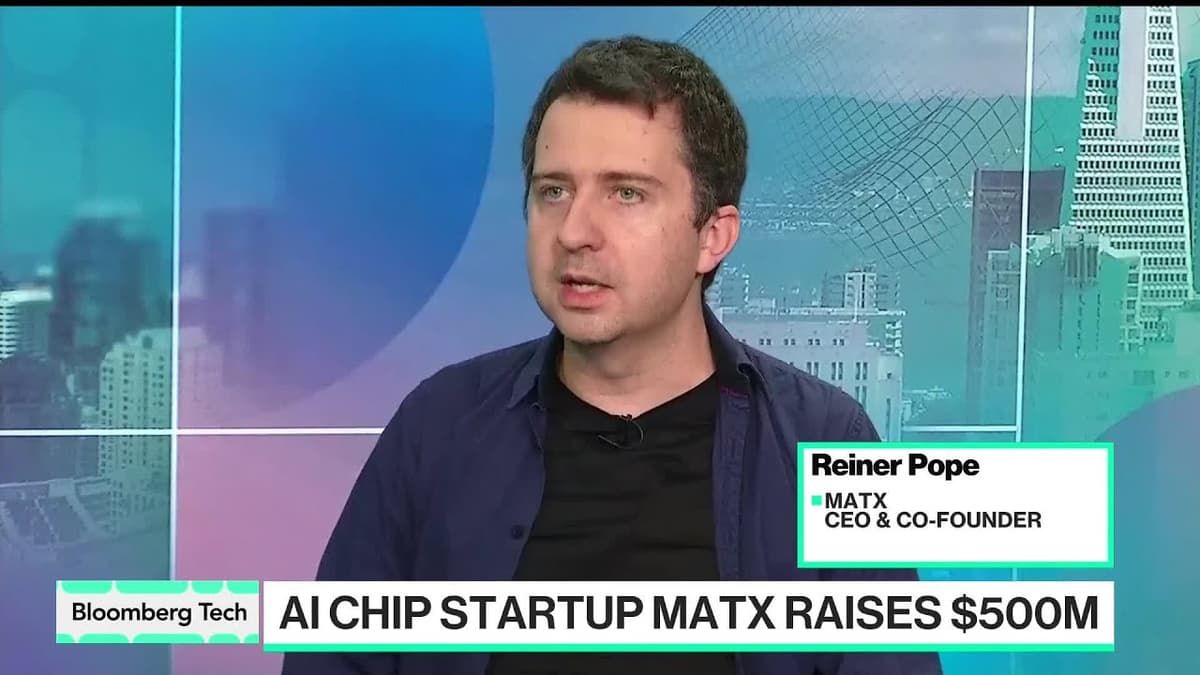
Google Alum Raises $500M to Compete With Nvidia
The video announces a $500 million Series B round for a Google‑alumni startup aiming to challenge Nvidia’s dominance in large‑language‑model (LLM) hardware. Backed by quantitative‑trading firm Jane Street and AI‑focused investor Leopold Ashenbrenner, the company says the capital will fund a hybrid chip...
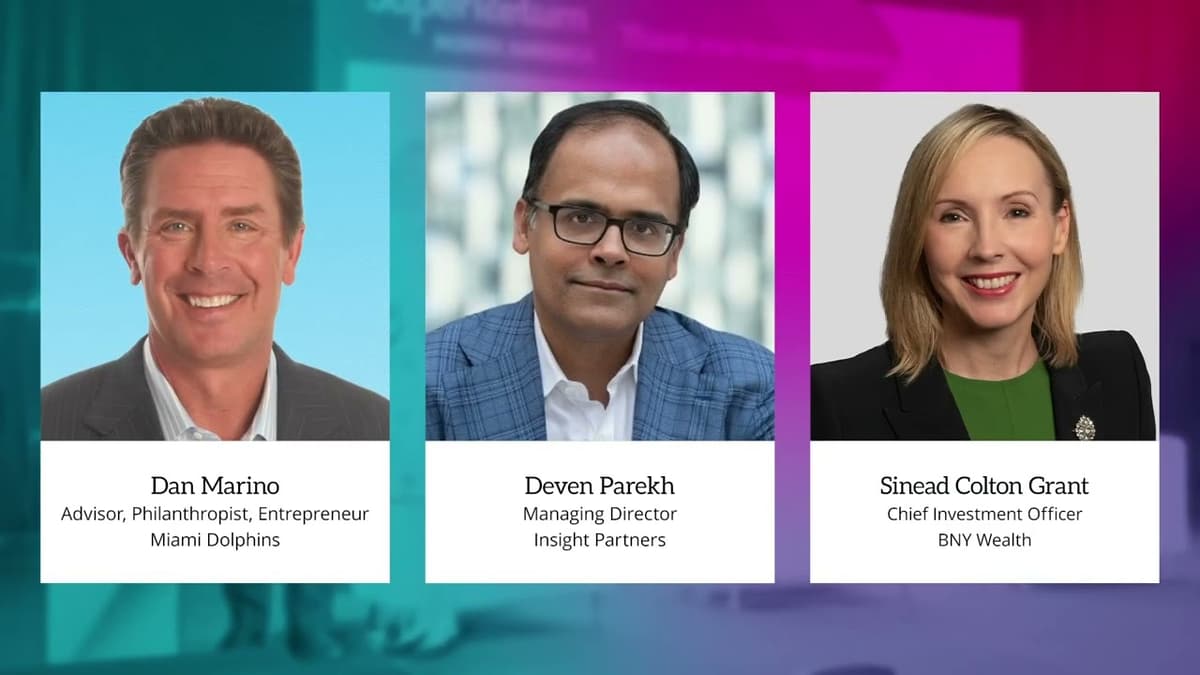
Accelerate Your Strategy with Top Tier Insights at SuperReturn North America 2026!
The video promotes SuperReturn North America 2026 as the premier forum for navigating today’s macro‑economic turbulence. With investors wrestling over interest‑rate trajectories, inflation trends, and potential policy shifts from Washington, the conference promises answers from a cross‑section of asset‑class experts. Speakers...

Techstrong TV - February 23, 2026
RSAC’s Innovation Sandbox Contest showcased over $18.1 billion in follow‑on funding, more than 100 acquisitions, and AI‑centric finalists, backed by a $5 million Crosspoint grant and expanded early‑stage programs. OpenTelemetry’s growing adoption is prompting the creation of unified observability warehouses that combine...
The #1 Red Flag in SaaS Acquisitions: Customer Concentration #saas #podcast #shorts #ai #shopcircle
The video spotlights customer concentration as the primary red flag when evaluating SaaS acquisition targets. Investors and acquirers typically shun companies where a single client accounts for more than 10% of revenue, and they dig deeper into the revenue mix...
Venture Capital, Private Equity or Debt?
The discussion centers on how early‑stage investors help founders decide between venture capital, private equity, or debt financing. While seed rounds of $1‑5 million receive minimal coaching, the firm’s support intensifies once a company hits the $2‑5 million annual recurring revenue (ARR)...

Thrive Raises New $10B Fund | OpenAI Buys OpenClaw | Stripe at $140B: Is Adyen Wildly Undervalued?
Investors are pouring massive capital into a handful of AI winners: Anthropic closed a $30 billion round at about a $380 billion post-money valuation, Thrive raised a $10 billion fund, and OpenClaw’s creator joined OpenAI. Panelists say these deals reflect...
Tackling Europe's Skills Crisis - Interview with the Founder and EC of Talent Garden
Talent Garden, founded by David Dati in 2011, has shifted from a Europe-spanning coworking model to an education-first EdTech and community platform after COVID, with education now generating about 80% of revenue. The company trains roughly 25,000 people annually across...
Startup Grind Pitch Battle Royale: Luxembourg 2026
At Startup Grind Luxembourg’s Pitch Battle Royale, Jorel Chana pitched Senator, a digital hospitality operations platform that uses table QR codes and waiter smartwatches to route guest requests and integrate with existing POS systems. The company says its second, fully...

SwiftLaw – February 12, 2026 Codex Group Meeting
At the Feb. 12 CodeX meeting, Saketh, CEO and founder of SwiftLaw, showcased a vertical AI platform that automates fund formation for emerging managers—generating term sheets, LPAs and subscription documents from a native DOCX editor and enabling client onboarding and...

The Flow of Funds: How to Make Cap Tables Flow Like Water
The video explains how a flow‑of‑funds schedule translates a startup’s exit proceeds into payouts for each stakeholder in a venture‑backed transaction. It walks viewers through building the schedule in Excel, starting with the exit enterprise value—derived from a revenue multiple...

On the Road to Mature Markets: Tariq Al-Sudairy, Jadwa Investment, on the Evolution of Saudi Arabia
Tariq Al‑Sudairy of Jadwa Investment outlines how Saudi Arabia’s private‑equity and venture‑capital markets are moving along a maturity curve, shifting from ad‑hoc, deal‑by‑deal investing to structured blind‑pool funds while a nascent private‑credit segment begins to take shape. He argues that the...

Fundraising, AI Plugins, and Startup Valuations: The Latest Tech Buzz! #shorts
The clip stitches together two hot trends—massive venture fundraising at sky‑high valuations and the rapid rollout of AI‑powered plugins that threaten incumbent software vendors. In December a cloud‑native AI startup secured $200 million, valuing it at $11 billion, while secondary‑market deals are pushing...

Day 2 Highlights | MedTech World Middle East Dubai 2026
Day 2 of MedTech World Middle East Dubai 2026 highlighted the convergence of public‑health agencies, academic institutions, med‑tech startups, venture capitalists and funders, underscoring the collaborative ecosystem needed to drive innovation. The event’s relatively small size fostered repeated, informal networking, allowing participants...
$40 Million Milestone: Major Series A Funding Achievement! #saas #podcast #shorts #ai #stuut
The podcast announces that the SaaS company has secured a total of $40 million in funding, highlighted by a $29.5 million Series A round led by Active and Coastal Ventures. The capital will be deployed primarily into product development and initiatives that help existing...
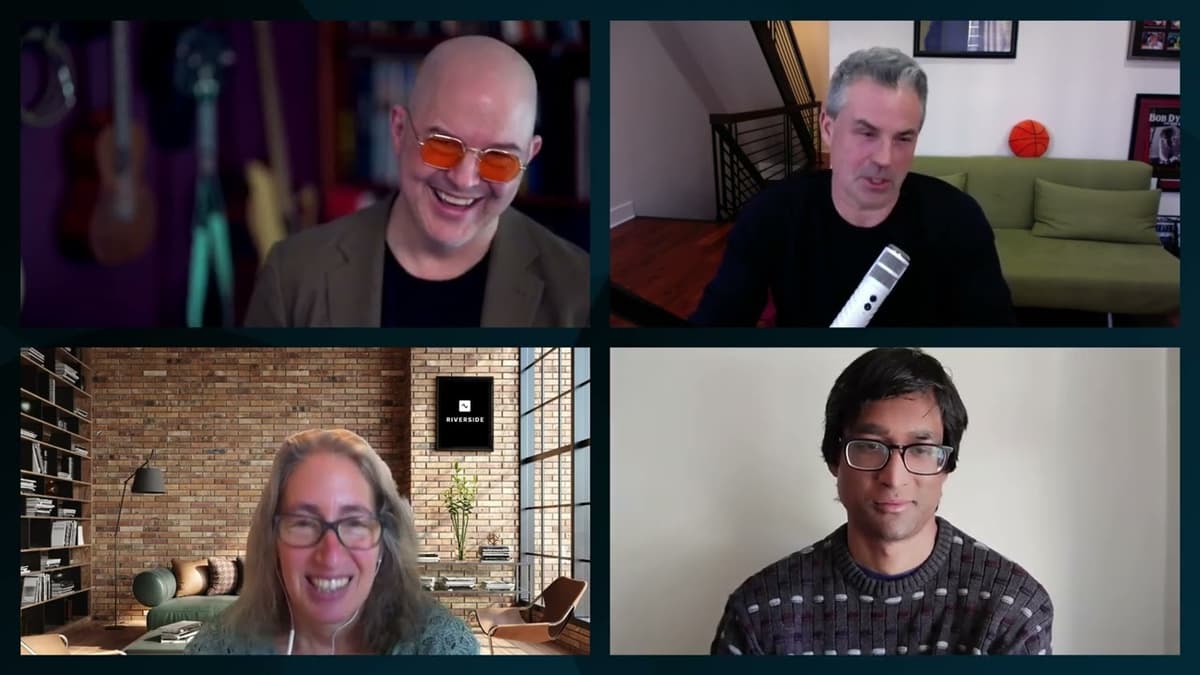
Are Private Markets the New Small-Caps?
The conversation centered on whether private‑market companies are the new small‑cap arena, as they remain private far longer than traditional small caps. Hosts compared recent small‑cap value ETF performance to the broader market and debated the relevance of IPOs in...
Rethinking Business Playbooks with AI #saas #podcast #shorts #stuut #ai
The discussion centers on the urgent need to rewrite the SaaS growth playbook for an AI‑first world. Five to ten years ago, founders followed a well‑trodden path of product‑led growth, outbound sales and conventional branding; today those scripts are evaporating...

Bootstrap Success: Leaner, Faster, and Smarter! #shorts
The video argues that a growing number of founders are choosing bootstrapping over the traditional venture‑capital route, especially as market conditions have softened since 2022. It frames lean, profitable growth as the new benchmark for early‑stage companies, urging entrepreneurs to...
Cooling Construction Workers with Human-Centric Tech, with Tiffany Yeh, MD Co-Founder & CEO Of...
The Tangent Proptek episode spotlights Dr. Tiffany Yeh, co‑founder and CEO of Estia Materials, who unveiled a human‑centric cooling solution for construction and mining crews. Her company’s proprietary hydrogel, branded Hydrovolt, absorbs body heat and releases it through a...
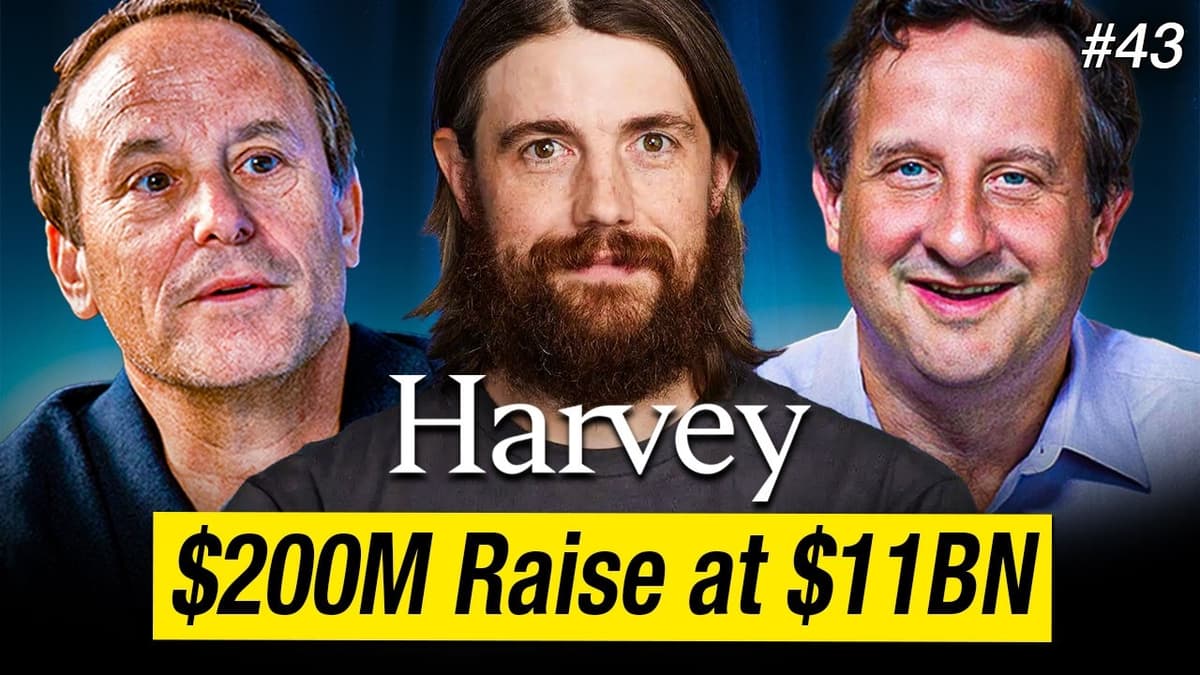
Anthropic's Super Bowl Ad: Who Won & Lost? | Sierra Hits $150M ARR: Is Customer Support Too Crowded?
Anthropic announced a high‑profile Super Bowl commercial while projecting $149 billion in annual recurring revenue by 2029, underscoring its ambition to rival OpenAI. The episode also highlighted Harvey’s $200 million funding round that placed the company at an $11 billion valuation, signaling strong...
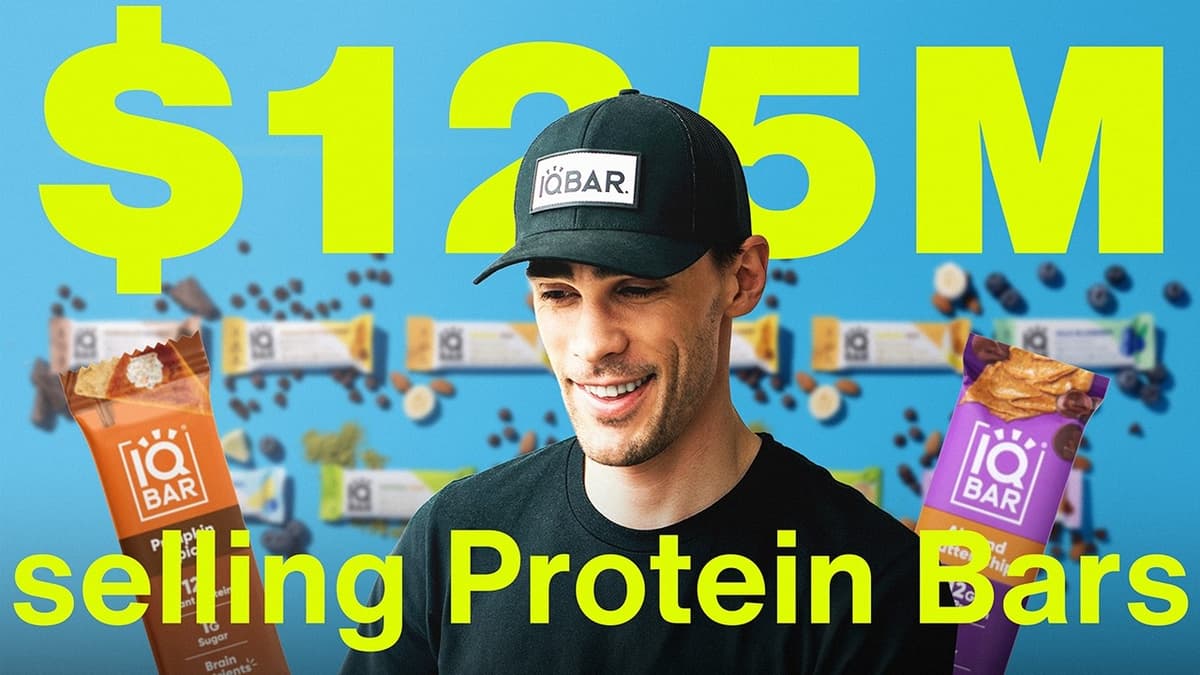
He Built a $125M Brain Food Brand With Just 10 People | Will Nitze
The episode follows Will Nitze, founder and CEO of IQ Bar, as he explains how he turned a dorm‑room t‑shirt hustle into a $125 million brain‑food brand while keeping his staff to just ten people. Nitze emphasizes that in the consumer...
Investor Growth Expectations: Why 3X Isn't Enough Anymore #shorts
The video highlights a shifting investor mindset where the once‑impressive 3‑times revenue growth target is now considered a baseline, and venture capitalists are chasing “one‑to‑hundred” scaling stories. Speakers note that the market is flooded with clone startups, driving valuations to historic...

Leading European Film Funders Reveal Their Investment Priorities – The Screen Podcast
The Screen Podcast episode spotlights a new wave of private‑equity financing for Europe’s independent film and television sector, focusing on the launch of the Together Fund and the seasoned IPR VC. Hosted by Wendy Mitchell and Tim Dams, the conversation...
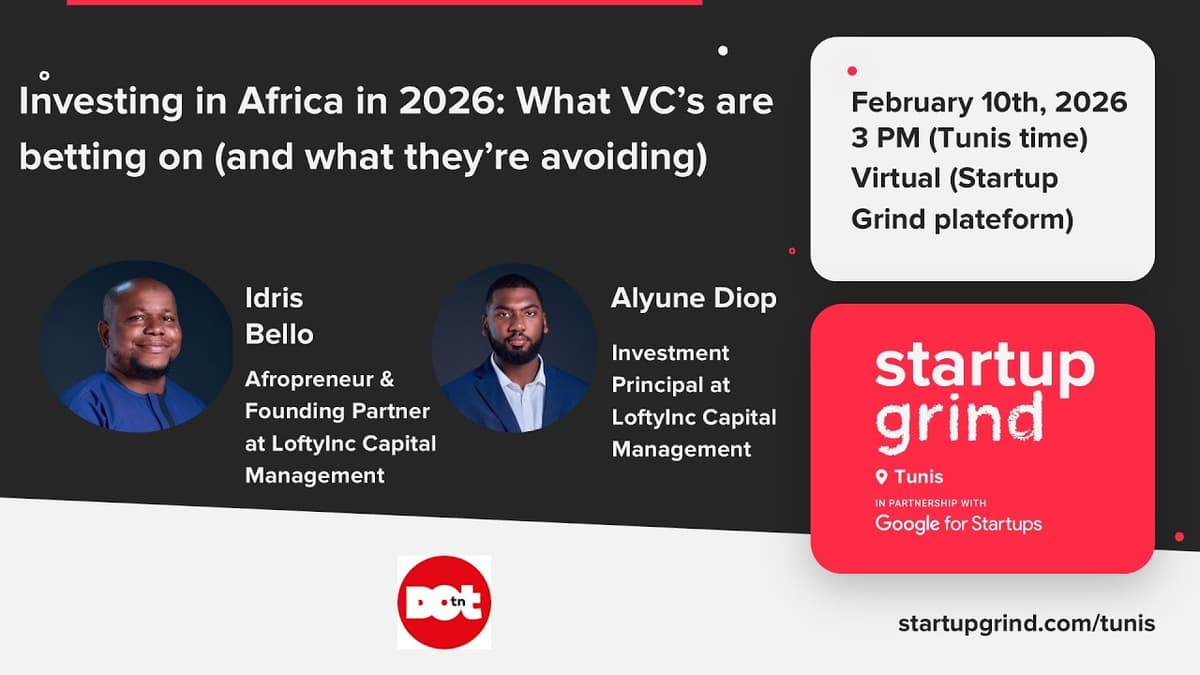
Startup Grind Tunis: Fireside Chat About Investing in Africa in 2026
The event was a fireside chat hosted by Startup Grind Tunis, featuring Edris Bellow and Alun (Alunob) of Lofty Capital, who examined how venture capital in Africa will look by the end of 2026. They highlighted a maturing ecosystem where startups...
Building the GitHub for RL Environments: Prime Intellect's Will Brown & Johannes Hagemann
Prime Intellect’s founders, Will Brown and Johannes Hagemann, unveiled a vision to turn reinforcement‑learning environments into a GitHub‑style marketplace, making the same infrastructure that powers leading AI labs accessible to startups, enterprises, and independent researchers. Their Lab platform bundles compute...
AI Business: From -$94M to +40% Margins! Unpacking Costs #shorts
The video dissects how AI startups are turning around disastrous gross margins by slashing inference expenses, highlighting a shift from a -94% margin last year to a positive 40% this year. The speaker attributes the swing to economies of scale in...
Capital One Acquires Discover & TikTok Deal Analysis! #shorts
The video dissects Capital One’s aggressive expansion in fintech, highlighting its $35 billion announced acquisition of Discover that closed at roughly $50 billion, and the subsequent purchase of Brex, which Capital One plans to fold into the Discover platform. It also touches...

SaaStr AI 2026: The Secrets to AI + B2B. May 12-14 in SF Bay
SaaStr AI 2026, held May 12‑14 in the San Francisco Bay Area, gathered roughly 10,000 SaaS executives, founders, and investors to explore the intersection of artificial intelligence and B2B software. The three‑day event positioned itself as the premier forum for AI‑driven...

Marc Andreessen's AI Report: 2/3 of Private AI Revenue! #shorts
The video highlights Marc Andreessen’s latest AI market report, which projects roughly $8 billion in private AI investment by 2025 and underscores the outsized role of Andreessen‑backed companies in the sector. The report’s headline figure—two‑thirds of all private AI revenue generated...

$50K to $300M+: How Two L'Oréal Employees Built Glow Recipe
The episode chronicles how Sarah Lee and Christine, two former L’Oréal marketers, turned a $50,000 personal savings into Glow Recipe, a Korean‑skincare brand now generating over $300 million annually and occupying a dominant slot in Sephora. Their playbook hinged on relentless hustle:...

EquipmentShare IPO Explodes: 33% Pop, $8B Valuation! #shorts
The video highlights EquipmentShare’s blockbuster debut, with the shares jumping 33% on the first day and propelling the company to an $8 billion market capitalization. The rental‑tech firm reported $4 billion in revenue, up 47% year‑over‑year, and posted strong profitability and margins that...

Intro to Bedrock Robotics
In February 2026 the company closed $270M series B, to begin the first stages of commercialization and production deployments later this year.
How to Tap Into the Family Office Network as an Emerging VC Manager
The video addresses how emerging venture‑capital managers can break into the notoriously opaque family‑office market. It emphasizes that unlike public LPs, family offices prefer discreet, relationship‑driven outreach, making warm introductions a prerequisite for any pitch. The speaker outlines two strategic levers:...

Fundraising Tips And Investment Opportunities For European Female Founders: Gesa Miczaika of Auxxo
The How I Raised It podcast episode spotlights AXO Female Catalyst Fund, a venture capital vehicle founded by Gesa Miczaika that backs early‑stage European startups with at least one female founder. The conversation covers the fund’s evolution from an angel pool...
Making the Case for the Terminal as AI's Workbench: Warp’s Zach Lloyd
In a candid interview, Warp CEO Zach Lloyd makes the case that the traditional terminal is re‑emerging as the central workbench for AI‑driven software development. He argues that the terminal’s time‑based, text‑in‑text‑out nature aligns perfectly with agentic workflows, allowing developers...
From $70M in Debt to $1B Amazon Deal in 45 Days | Jamie Siminoff
The episode chronicles Jamie Siminoff’s transformation of a garage‑built Wi‑Fi doorbell into Ring, a hardware company that went from $70 million in supplier debt to a $1 billion Amazon acquisition in just 45 days. Siminoff leveraged pre‑sales to fund $2‑3 million of R&D, purchased...
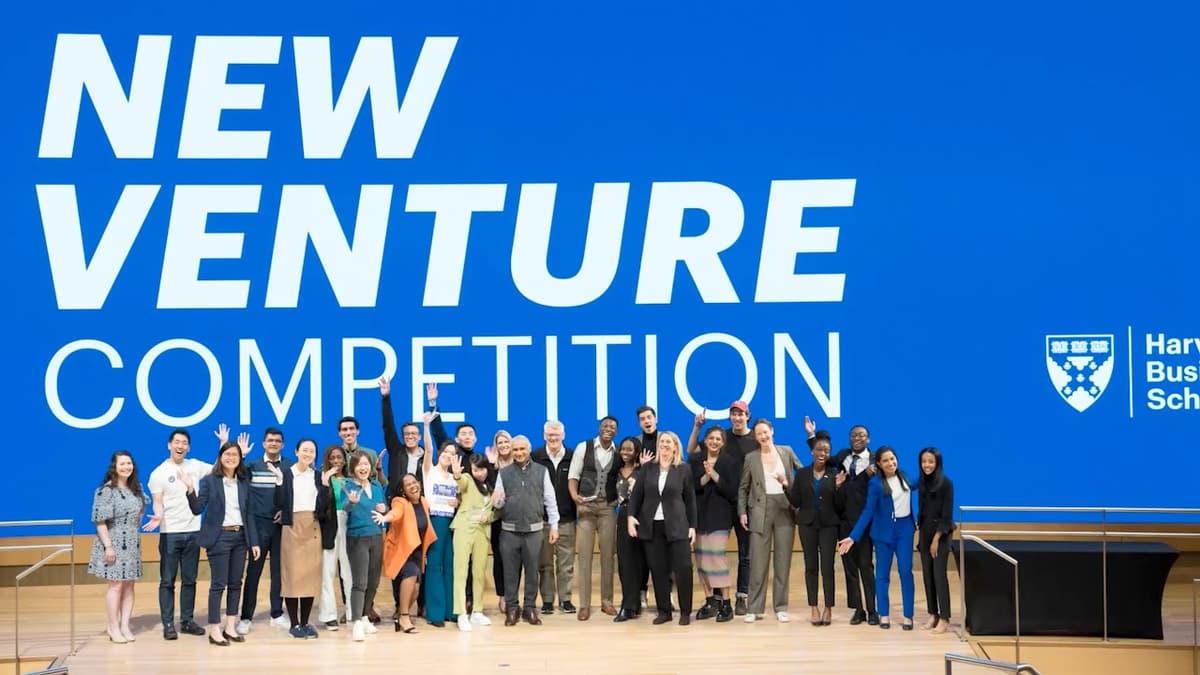
New Venture Competition: The Entrepreneurial Journey
The video spotlights Harvard’s New Venture Competition, a flagship event where undergraduate and graduate students pitch business ideas before judges, investors, and the broader campus community. Organizers stress that the contest provides unparalleled exposure to capital, rigorous feedback, and a rehearsal...
How Ricursive Intelligence’s Founders Are Using AI to Shape The Future of Chip Design
The video introduces Recursive Intelligence, founded by Anna Goldie and Aalia Mirhoseni, and explains how they are applying advanced AI techniques to the entire chip‑design workflow. Their mission is to eliminate the long, asymmetric design cycle that currently limits the...
How To Get Your First Users
The video tackles the perennial startup challenge of acquiring the first paying users. It argues that early adopters are a scarce but decisive segment, and that founders should treat user acquisition as a targeted search rather than a broad persuasion...

It's Time To Build
The video “It’s Time To Build” frames the next evolution of the internet as a seamless, invisible layer that will be taken for granted, urging leaders to anticipate a world where connectivity underpins every activity—from learning to commerce. It argues...

Inside The Startup Building Reusable Rockets
Stoke Space is tackling the holy grail of rocketry by building fully reusable two‑stage launch vehicles that can launch, return, and relaunch without discarding any major components. The company’s Nova first stage lands and re‑fuels like a conventional reusable booster,...

Groq’s $20BN NVIDIA Deal | Why Sam Altman Doesn’t Care About Dilution & Invisible Unemployment 2026
The video dissects Nvidia’s surprise $20 billion cash acquisition of Groq, a boutique chipmaker known for ultra‑low‑latency inference silicon. The deal closed just before Christmas, with Chamath and Jensen Huang driving a rapid, three‑times‑last‑round price to eliminate a nascent competitor that...
Palo Alto Networks CEO Nikesh Arora on the Virtues of Being an Outsider
The interview with Palo Alto Networks CEO Nikesh Arora centers on how outsider CEOs can drive growth by daring to "swing big" and building products around a clear, long‑term vision rather than merely responding to early customer requests. Arora stresses...

Training General Robots for Any Task: Physical Intelligence’s Karol Hausman and Tobi Springenberg
Physical Intelligence is pioneering robotic foundation models that promise any robot can learn any task. By abandoning the classic perception‑planning‑control stack in favor of end‑to‑end reinforcement learning, the company’s Pi‑Star 0.6 model can ingest raw sensor data and instructions, then directly...
Fuse CEO Alan Chang: The Revolut Playbook of Speed & Ownership, Why Founders Aren’t Ambitious Enough
Alan Chang, co‑founder and CEO of Fuse Energy, uses his Revolut experience to outline a playbook for disrupting the energy sector. He likens Fuse’s ambition to Netflix’s media takeover and Revolut’s banking conquest, arguing that only a ferocious work ethic...
AI + B2B in 2026: Find the Tailwinds or Get Left Behind | Jason Lemkin
The podcast spotlights the 2026 AI‑driven B2B landscape, warning that firms that fail to embed powerful AI agents this year will be left with a "D‑" rating and risk irrelevance. Jason Lemkin stresses that the market’s new mantra is to...
Matt Fitzpatrick on Who Wins the Data Labelling Race & Why AI Needs Forward-Deployed Engineers?
Matt Fitzpatrick discusses why the AI data‑labeling race is stalling in large enterprises, emphasizing that only a tiny fraction of generative‑AI projects ever reach production. He cites MIT’s finding that just five percent of GenAI deployments work in any form...

My Top 3 YC Companies
The video spotlights three Y Combinator alumni that the presenter, a prolific YC investor, believes have the strongest commercial potential. After reviewing 150 pitches and backing 13 companies, the narrator narrows the field to Torniol, Clix, and Crunched, each tackling...

Figma IPO: From Hype to Reality #shorts
The video dissects the recent Figma IPO, contrasting the initial fanfare that likened the deal to a consumer‑tech blockbuster with the more subdued reality of its pricing and market reception. Host Jason frames the IPO as a bellwether for the...