
AI Unicorns: Why Most Will Fail (Startup Cement Shoes) #shorts
The video tackles the growing skepticism around AI‑focused unicorns, arguing that legacy incumbents in B2B markets face a paradox: they own massive customer bases and data assets, yet those very assets become a liability when trying to pivot to AI‑first offerings. The speaker contends that while incumbents can leverage deep data for sales and support automation, the weight of existing feature commitments and technical debt hampers rapid AI integration. Key points include the notion that supporting an installed base consumes engineering resources that could otherwise be devoted to pure AI development. The speaker likens this drag to “cement shoes,” suggesting that startups built on legacy platforms are shackled by the need to keep thousands of existing customers satisfied while simultaneously racing to deliver cutting‑edge AI functionality. The argument is bolstered by the observation that many B2B unicorns lack the aggressive, “war‑mode” leadership required to overhaul entrenched product stacks. Illustrative quotes such as “they can’t get out of their own fricking way” and the metaphor of “cement shoes” underscore the speaker’s pessimism. He stresses that a seamless blend of automation and human agents will dominate the near term, but only firms that can either shed legacy burdens or execute a flawless transition will thrive. The speaker also notes that without a CEO capable of decisive, aggressive execution, most AI unicorns will falter. The implication is clear: investors and executives should temper enthusiasm for AI‑centric valuations unless the company demonstrates a realistic path to either divest legacy constraints or possesses a leadership team that can orchestrate a rapid, disciplined AI transformation. The broader market may see a wave of consolidation as under‑performing AI unicorns either fail or are acquired by more agile competitors.

Two Futures | Runtime 2025
The video titled “Two Futures” (runtime 2025) serves as a high‑concept launch narrative for a next‑generation artificial‑intelligence platform, positioning it as the foundational “fuel” for creating “infinite universes” of innovation. It frames the technology as the most complex and large‑scale...

How Intelligent Is AI, Really?
The video captures a conversation at NeurIPS 2025 between Diana and Greg Kamrat, president of the ARC Prize Foundation, about the foundation’s mission to advance AI systems that can generalize like humans. The discussion centers on the ARC benchmark suite,...

Ep 35 | Pitfalls to Avoid on the Path to an Exit (with Goldman Sachs)
The episode of "The Path to Exit" tackles the most common pitfalls software and internet founders face when preparing for a liquidity event, featuring Sarah Letourneau of Goldman Sachs. Letourneau frames the discussion around three core themes—timing, valuation anchoring,...

A16z's David George on the Most Controversial Bet at A16z & Do Margins and Revenue Matter in AI?
David George, a general partner at Andreessen Horowitz, opened the conversation by framing a16z’s most controversial bet: that a $1 billion growth fund can outperform smaller vehicles. He highlighted the firm’s track record—Databricks delivering 7×, Coinbase 5×, and a roster that...

VC Secrets: Focus on Your Top 1-2 Winners! #shorts
The short video zeroes in on a core venture‑capital principle: a VC’s portfolio success hinges on a handful of “home‑run” investments, often just one or two companies that generate the bulk of returns. The speaker reminds founders that the VC...

Zoom's TAM Trap: Why Smart Founders Miss Opportunities #shorts
When the speaker turns his attention to Zoom, he lauds founder‑CEO Eric Yuan as a rare blend of engineer, leader and human being, yet he asks a stark question: why did Zoom fail to capture a vastly larger total addressable...

Hard Mode: Hypergrowth From Europe with Mati (ElevenLabs) and Anton (Lovable)
The video is a deep‑dive conversation with Mati, co‑founder of ElevenLabs, and Anton, co‑founder of Lovable, two European CEOs who are navigating hyper‑growth in the AI‑driven product space. The host frames the discussion around building technology for the “99%” –...
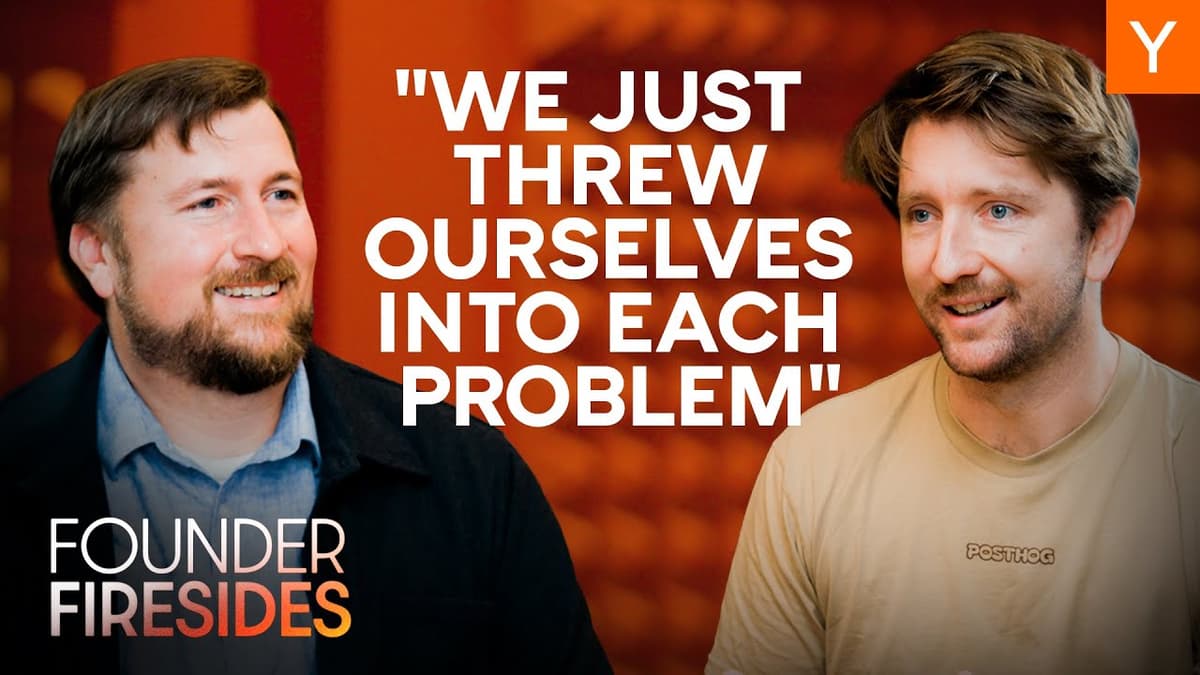
How To Know When Your Pivot Is Actually Working
James Hawkins, CEO and founder of PostHog, discusses the company’s evolution from a series of early‑stage pivots to a $75 million Series E round that valued the startup at $1.4 billion. He outlines how PostHog began as a self‑hosted, open‑source product‑analytics tool—a response...

What Makes Alfred Lin Such a Great Investor
The video spotlights Alfred Lin, a partner at Sequoia Capital, and dissects the unconventional traits that set him apart from the stereotypical venture capitalist. Rather than relying on sweeping, simplistic maxims—"great team wins" or "focus on margins"—Lin offers nuanced, data‑driven...

AI Startups Vs. Mature Companies: Employment Trends Revealed! #shorts
The short video breaks down employment dynamics by contrasting AI‑focused startups with mature, publicly‑traded companies. It frames the discussion around three distinct groups: legacy firms that are tightening efficiency around annual recurring revenue (ARR) and free‑cash‑flow metrics; deep‑learning model companies...

Why IDEs Won't Die in the Age of AI Coding: Zed Founder Nathan Sobo
The interview with Nathan Sobo, founder of the Rust‑based IDE Zed, tackles the hot question of whether integrated development environments are becoming obsolete in the age of AI‑driven coding assistants. Sobo argues that, despite the rise of terminal‑centric, conversational tools,...

The Secret Marketing Strategy That Built A16z: From Zero to Legendary VC Firm
The interview with Margaret Wang, a16z’s longtime head of marketing, unpacks the unconventional launch strategy that turned Andreessen Horowitz from a fledgling partnership into a dominant venture‑capital brand. Wang recounts how the firm’s founders, Marc Andreessen and Ben Horowitz, met in a...
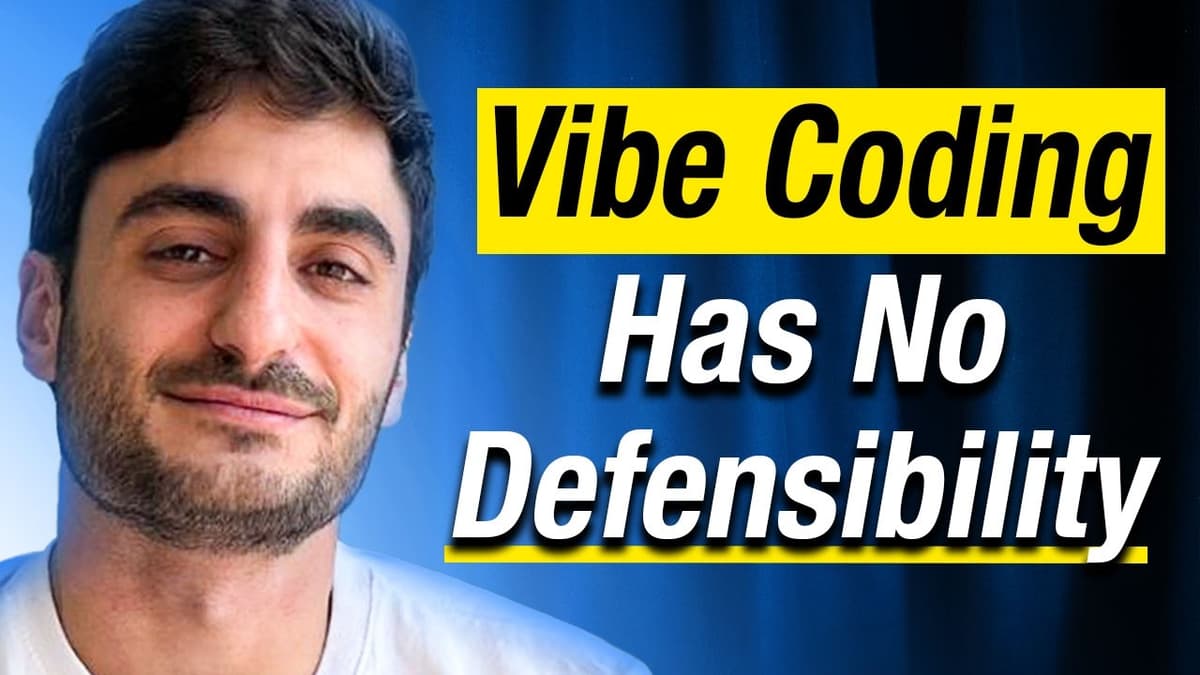
Base44’s Founder, Maor Shlomo on Why Vibe Coding Has No Defensibility
The interview centers on Maor Shlomo, founder of Base44, a venture that leveraged large‑language‑model (LLM)‑driven “vibe coding” to let a solo founder build a product that was later sold to Wix for $80 million. Shlomo frames the conversation around why traditional...

The 2045 Superintelligence Timeline: Epoch AI’s Data-Driven Forecast
The video is a discussion of Epoch AI’s data‑driven forecast for a superintelligence timeline, focusing on whether the current surge in AI investment constitutes a bubble and how rapidly capabilities are advancing. The speakers argue that massive spending on compute and...
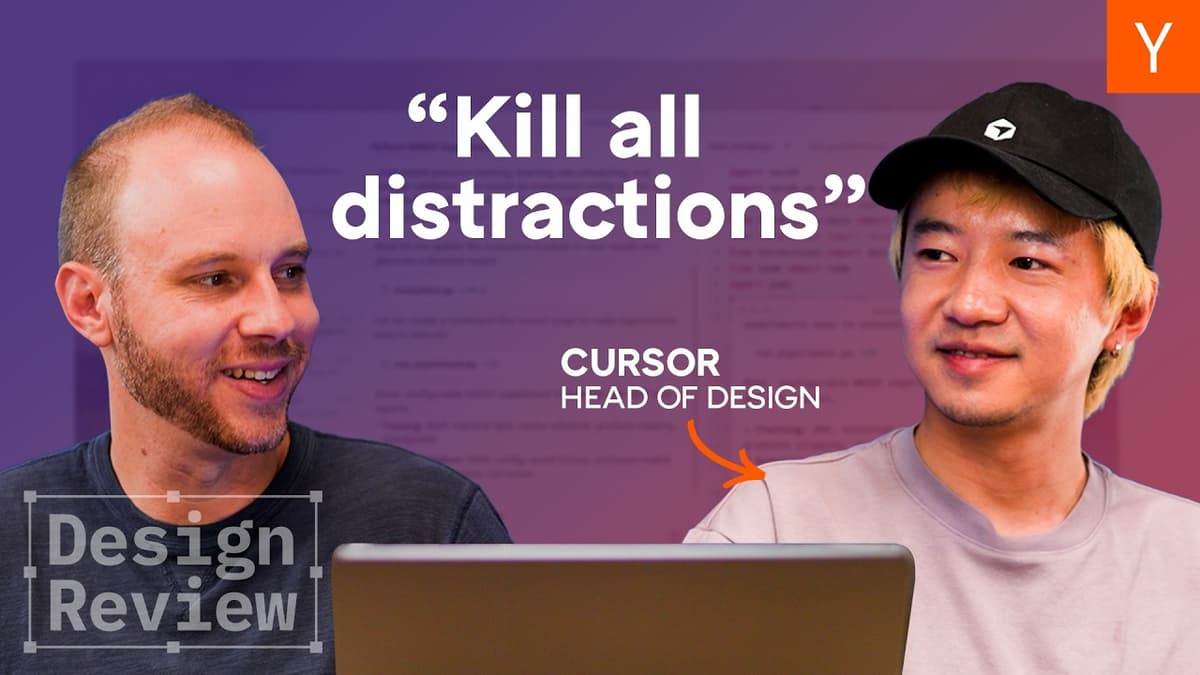
Cursor Head of Design Reviews Startup Websites
The video features Ryo Lu, head of design at Cursor – the AI‑powered coding platform used by over a million developers – conducting a live design review of several user‑submitted startup sites built with Cursor. The session, part of the “Design...

Bolt Ft. Markus Villig - From Bootstrapping in Estonia to a Global Leader in Mobility
Bolt founder Markus Villig recounts the company’s evolution from a modest, €5,000 boot‑strap in Tallinn to the leading mobility platform across Europe, the Middle East and Africa. The narrative begins with his teenage frustration over unreliable, cash‑only taxis and a...
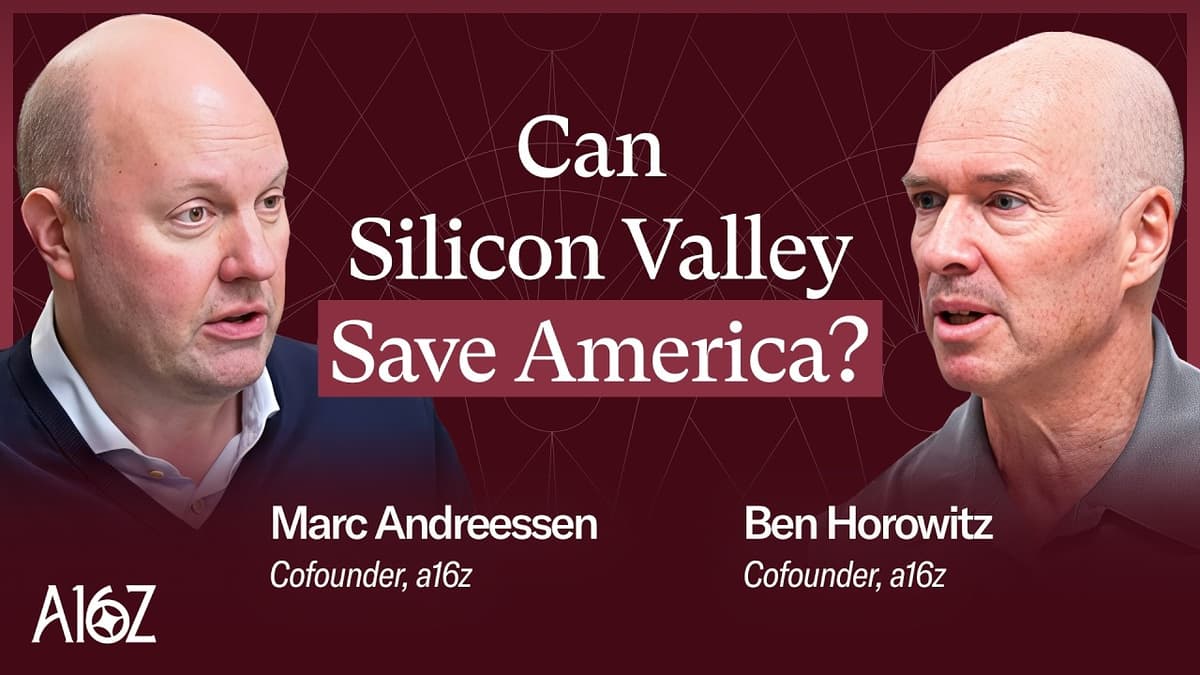
Ben Horowitz & Marc Andreessen: Why Silicon Valley Turned Against Defense (And How We're Fixing It)
Ben Horowitz and Marc Andreessen explain how Silicon Valley, once tightly integrated with U.S. defense, has grown hostile to government contracts, citing cultural shifts after Vietnam, the Google Maven protest, and a broader politicization of tech. They trace the historic...

34 | Assembling Your Software M&A Dream Team
Welcome to "The Path to Exit" podcast, where host Mike Lyon and guest Mike Greco break down the essential members of a software‑M&A deal team. The episode focuses on the step‑by‑step process of assembling a "dream team"—private‑wealth advisors, investment bankers,...

How End-to-End Learning Created Autonomous Driving 2.0: Wayve CEO Alex Kendall
In a recent interview, Wayve CEO Alex Kendall outlined the company’s vision of moving from the traditional, hand‑engineered autonomous‑driving stack (AV 1.0) to an end‑to‑end neural‑network architecture he calls AV 2.0. Wayve’s ambition is to become an embodied AI foundation model...

Seed Investing in the AI Era: What Even Matters? #shorts
The video tackles the thorny question of what seed investing means in today’s hyper‑fast AI landscape, noting that products can iterate through ten versions in a month, making early‑stage signals increasingly noisy. The speaker argues that the traditional emphasis on...

The Brutal Truth About Biotech: Why $2B Per Drug Is Killing Innovation
The video tackles the mounting crisis in biotechnology: the average cost of bringing a new drug to market now exceeds $2 billion, a figure that the hosts argue is stifling innovation. They trace the rise from the early days of...

Inside The Startup Launching AI Into Space
StarCloud successfully launched its first satellite, StarCloud One, carrying an NVIDIA H100 GPU—the first data‑center‑grade processor operated in orbit. The company aims to build orbital data centers that harness continuous solar power and radiate heat into space, eliminating the land,...

Parker Conrad’s Revenge Fantasy
Parker Conrad, the CEO of HR‑tech firm Rippling, says the company was born out of a "revenge fantasy" after his violent ouster from Zenefits, a narrative that fueled his early drive. He recounts the grueling fundraising process, noting how investors...

Biggest Lessons From Peter Thiel
Peter Thiel’s genius, according to insiders, lies more in how he structures his firms than in his individual investments. At Founders Fund, staff who lead deals are required to co‑invest alongside the firm, turning a perk into a test of...

Rocket Mortgage CEO: Here’s How to Fix the Housing Crisis
Rocket Mortgage CEO Alex argues the housing crisis stems from wealth concentration among older owners, insufficient new construction, and asset‑price inflation, contrasting today with the post‑World War II Levittown model of mass‑built affordable homes. He blames regulatory hurdles and NIMBY...

Grant Lee: Building Gamma’s AI Presentation Company to 100 Million Users
Grant Lee co‑founded Gamma in 2020 to reinvent presentations by making visual storytelling effortless for non‑designers, eventually scaling the AI‑powered platform to roughly 100 million users and approaching $100 million in annual recurring revenue. Early investor pushback—citing the dominance of incumbents like...

Founder Stories: Cathy Di
Cathy Di, a Princeton senior, left her computer‑science studies to co‑found Daedalus Labs, a platform that simplifies building and deploying AI agents. After a last‑minute application, her team was accepted into Y Combinator’s summer batch, turning an idea with no...

Founder Stories: Saurav Kumar
Saurav Kumar, a recent UIUC computer science and statistics graduate, founded Fleetline, a Silicon Valley startup that uses graph algorithms to better position trucks for future demand, promising up to a 20% revenue lift for logistics firms. The company has...

SaaStr's Jason AI: Revolutionizing Founder Advice #shorts
SaaStr launched an AI platform called Delphi, a digital clone of its founder‑advice persona Jason, that ingests roughly 20 million words of the company’s 12‑year content library—including YouTube videos, tweets and LinkedIn posts. The tool lets entrepreneurs ask real‑time questions about...
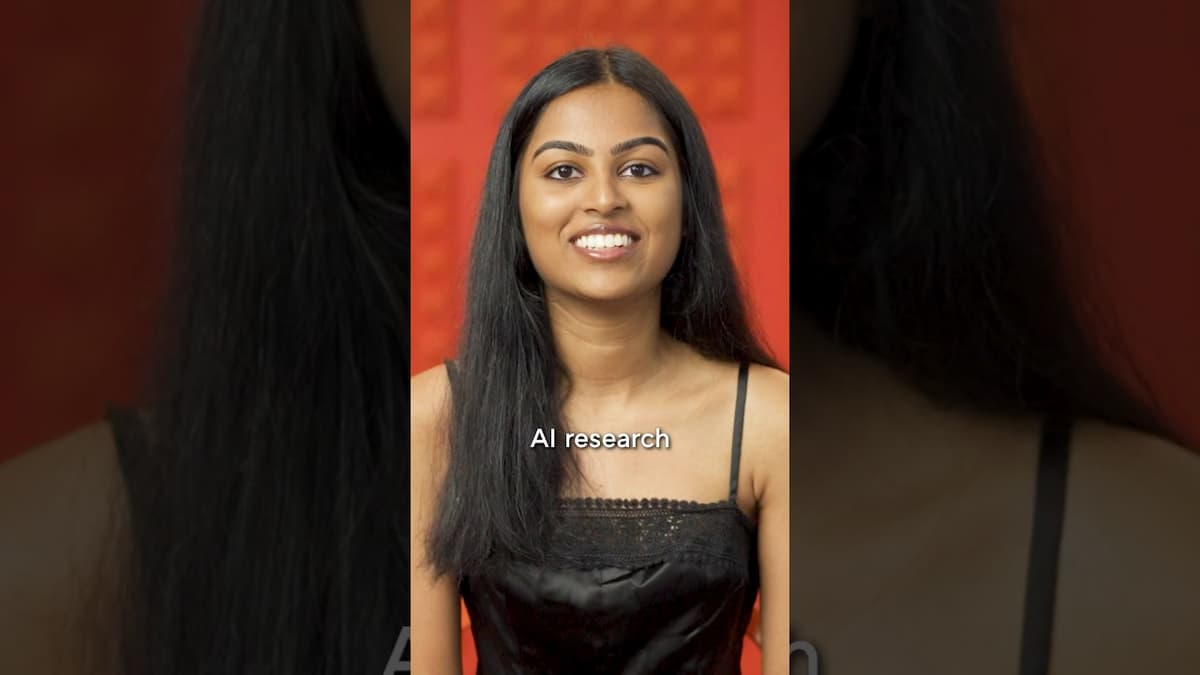
Founder Stories: Priya Khandelwal
Priya Khandelwal, co‑founder and CEO of Nixo, leads a startup that helps AI companies achieve SaaS‑level margins from custom deployments and services. Transitioning from Stanford AI research to entrepreneurship, she credits Y Combinator’s network for accelerating Nixo’s growth and simplifying...

Navan's IPO: Who Wins? & Harvey Raises $150M at $8BN Price & Why Google Is a Buy, Amazon Is a...
The panel dissected Navan’s recent IPO, noting the company priced near the top of its range at a $5 billion valuation only to trade down to roughly $4.8‑4.9 billion, challenging Bill Gurley’s notion that IPO allocations are always free money. They explained...
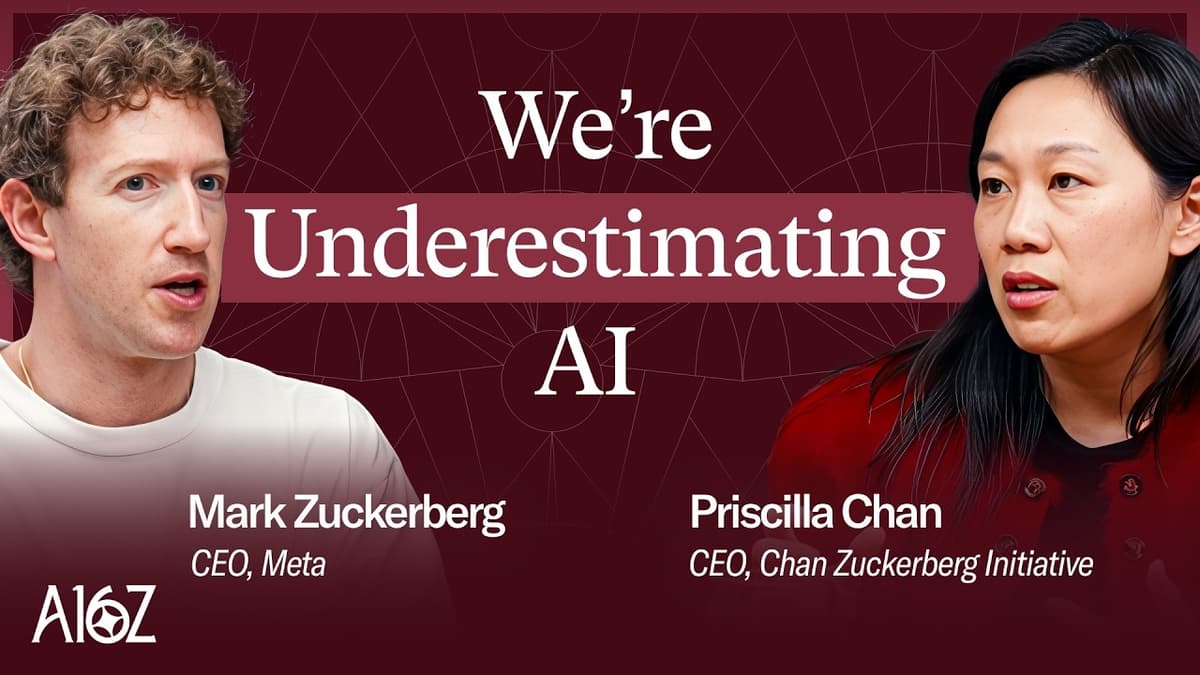
Mark Zuckerberg & Priscilla Chan: How AI Will Cure All Disease
Mark Zuckerberg and Priscilla Chan explained the Chan Zuckerberg Initiative's long‑term strategy to accelerate basic science by building AI‑driven research tools, arguing that new shared platforms are the modern equivalent of the microscope or telescope for biology. They highlighted the...
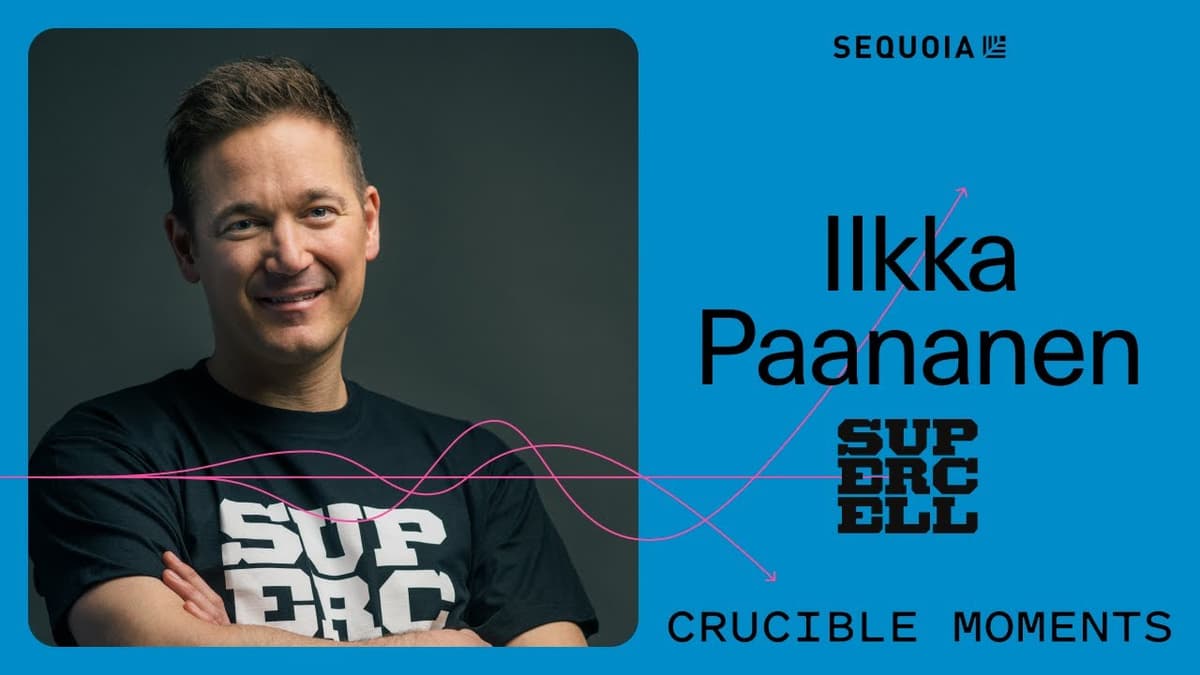
From Early Failures to ‘Clash of Clans’ and ‘Brawl Stars’ - Supercell Ft Ilkka Paananen
Supercell was founded on a reverse‑hierarchy model that puts game‑development teams, dubbed "cells," in charge of vision, a philosophy born from co‑founder Ilkka Paananen’s belief that developers should be the company’s superstars. After an early Facebook MMO, Gunshine, showed promise...
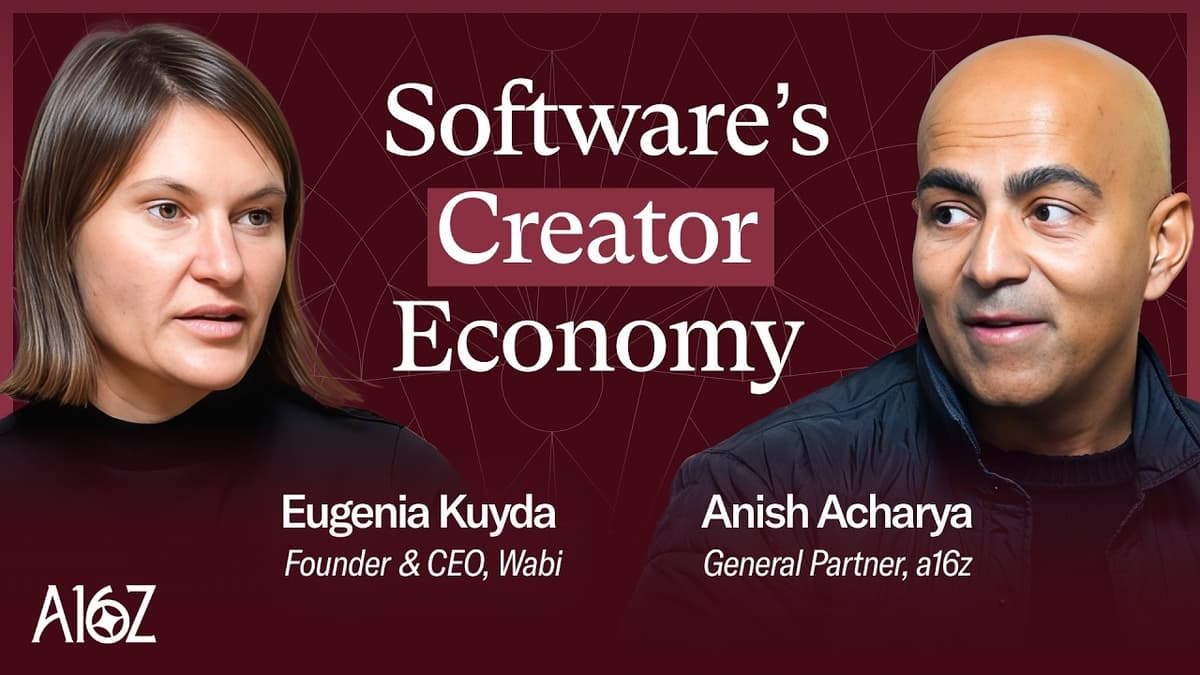
Seeing The Future From AI Companions to Personal Software
In the interview, Jenna discusses the evolution from AI chatbots as simple command‑line tools to a new generation of personalized, visual "personal software" built on AI companions. She argues that current AI interfaces are limited to basic search and writing...

The AI Revolution in B2B: Insights From SaaStr CEO's and Qualified's CEO
SaaStr and Qualified CEOs discussed their rapid adoption of AI agents to automate sales and support functions, starting with a generalist agent that handled 20% of qualification tasks and scaling to 12 verticalized agents across SDR, BDR, marketing, and customer...

OpenAI Sora 2 Team: How Generative Video Will Unlock Creativity and World Models
OpenAI’s Sora team unveiled Sora 2, a next‑generation generative video model that uses diffusion transformers and space‑time tokens to simulate entire video sequences with physics‑consistent behavior. By treating video as a world simulator, Sora 2 can maintain object permanence and produce realistic...
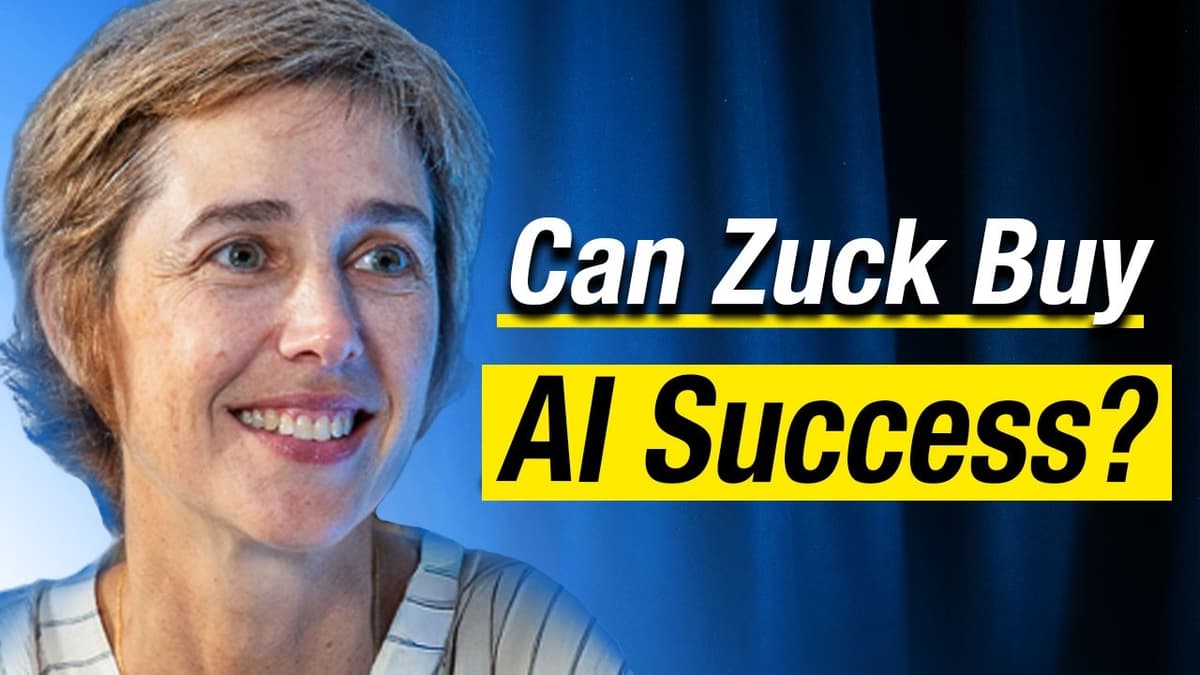
Cohere's Chief Scientist, Joelle Pineau: Why Scaling Laws Will Continue & Future of Synthetic Data
Cohere’s chief scientist Joelle Pineau, a former Meta researcher, discussed the durability of scaling laws, the current limits of reinforcement learning (RL) and the shift toward enterprise‑focused, on‑premise AI models. She emphasized that while compute and data yield roughly linear...
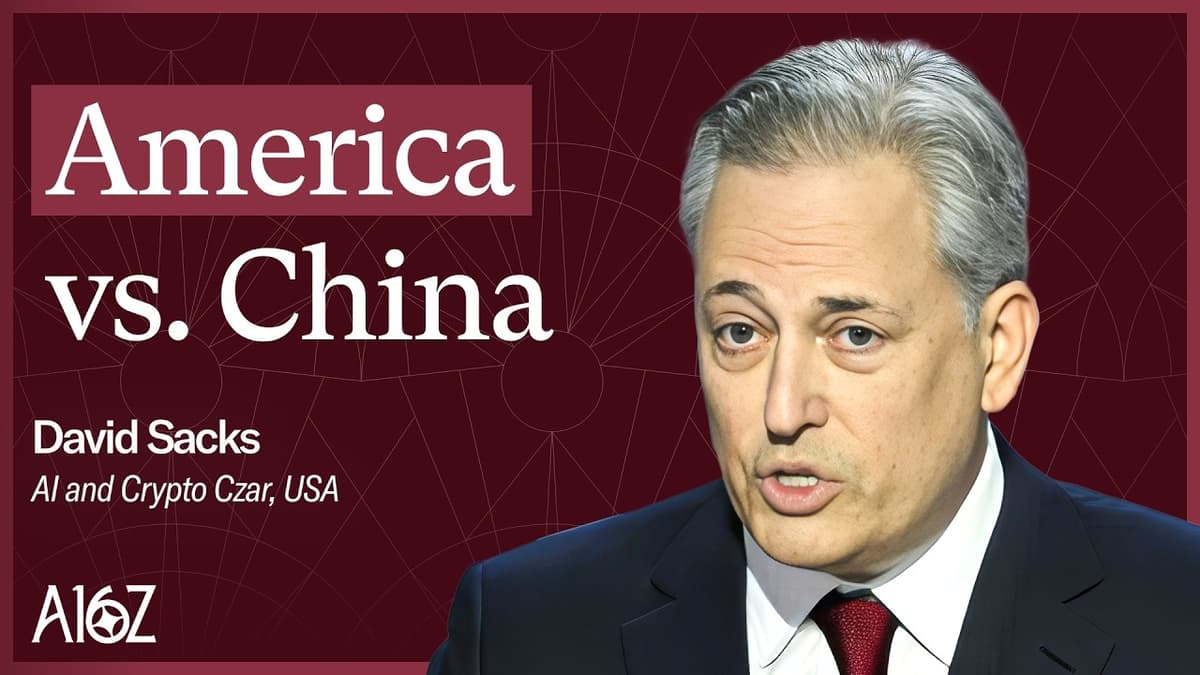
David Sacks: AI, Crypto, China, Dems, and SF
David Sacks argues that Europe views leadership as regulatory control, while the United States should provide clear, pro‑innovation rules for AI and crypto. He praises former President Trump’s pledge to make the U.S. a crypto capital by offering regulatory certainty...
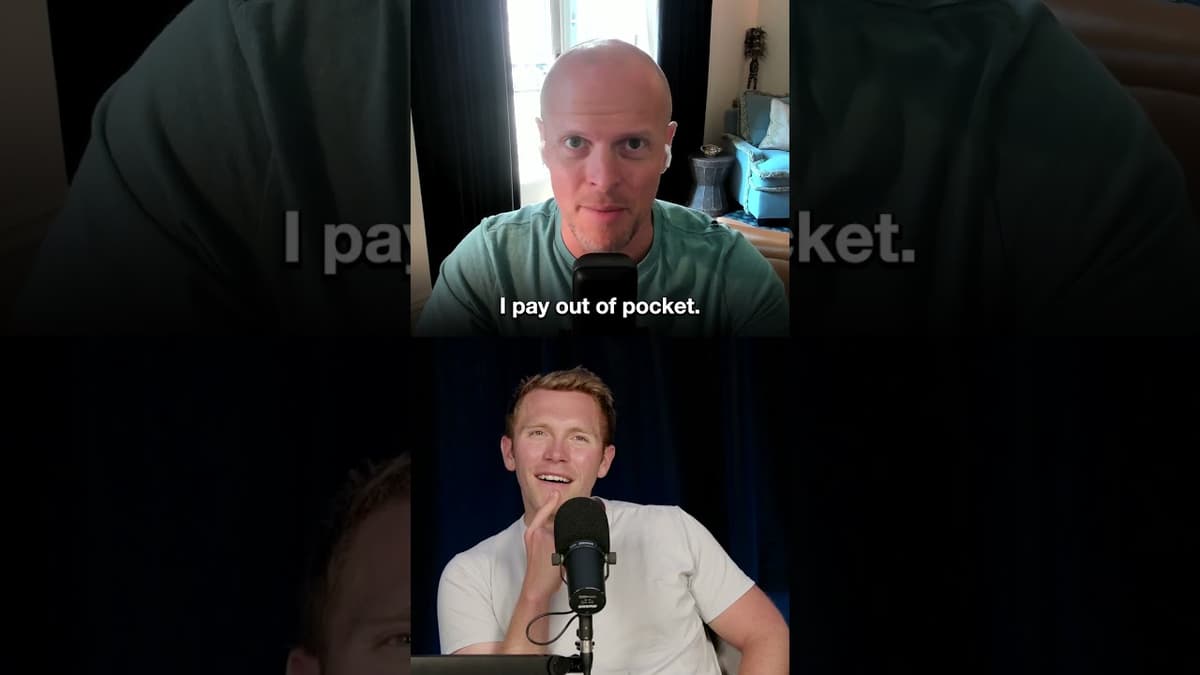
Why I Picked Angel Investing Over MBAs
A Princeton graduate who had long coveted a Stanford MBA decided to skip the program, treating the $120,000 tuition as a sunk cost and instead investing that money in early‑stage startups alongside angel investor Mike Maples. He framed the decision...
100M Views… Zero Impact?
The speaker notes that viral video clips—even those surpassing 100 million views—often generate negligible traffic to the underlying long‑form podcast, with download numbers remaining flat. He attributes this to platform operators who, backed by well‑funded data teams, promote engagement metrics that...
Marc Andreessen and Ben Horowitz on the State of AI
Marc Andreessen and Ben Horowitz argued that current large language models (LLMs) already approach human-like creativity and reasoning for most practical purposes, even if they may not replicate the rarest, generational-level breakthroughs. They emphasized that human innovation itself is largely...
Good News For Startups: Enterprise Is Bad At AI
A viral reading of an MIT study that claimed most AI projects fail is misleading, say podcast hosts who dug into the report and enterprise reality. The true takeaway: large organizations routinely botch AI deployments because internal IT, entrenched consultants...
Google DeepMind Developers: How Nano Banana Was Made
Google DeepMind's Nano Banana—an internal name for the Gemini 2.5 Flash image model—combines the high visual fidelity of DeepMind’s Imagine family with Gemini’s conversational, multimodal editing capabilities. Developers report striking zero‑shot personalization (one image yields convincing likenesses), rapid user adoption...

Why AI Salaries Are Outrageous
Compensation for top AI talent has ballooned to eye-popping levels, with recent graduates from elite schools reportedly receiving $50–$100 million packages and marquee names being offered deals worth up to $1 billion. That surge reflects a frenzy in tech and...
From Idea to $650M Exit: Lessons in Building AI Startups
A founder recounts building an AI legal assistant—launched after pivoting to GPT‑4-era models—that scaled rapidly and was acquired by Thomson Reuters for $650 million. He outlines three idea categories for AI startups: assist professionals with tasks, replace human labor, or...

Nvidia CTO Michael Kagan: Scaling Beyond Moore's Law to Million-GPU Clusters
NVIDIA CTO Michael Kagan said the AI compute frontier has shifted from squeezing transistors on a chip to stitching thousands—ultimately millions—of GPUs into single, rack‑scale machines connected by high‑performance networks. He credited Mellanox’s interconnect technology (now part of NVIDIA) with...

Raghu Raghuram: AI, Robotics, and the Rebirth of Infrastructure
From Netscape to VMware, Raghu Raghuram has been at the center of nearly every major inflection point in enterprise technology. In this episode, Raghu joins Ben Horowitz, Martin Casado and David George to reflect on the early internet wars with Microsoft,...

Most Common Growth Mistake (And How to Avoid It)
The video warns that the most common growth mistake is reflexively copying competitors’ tactics without grounding decisions in customer context or data. The speaker recounts a Pinterest case where teams replicated Facebook’s seven-part onboarding and product flow, spent weeks implementing...
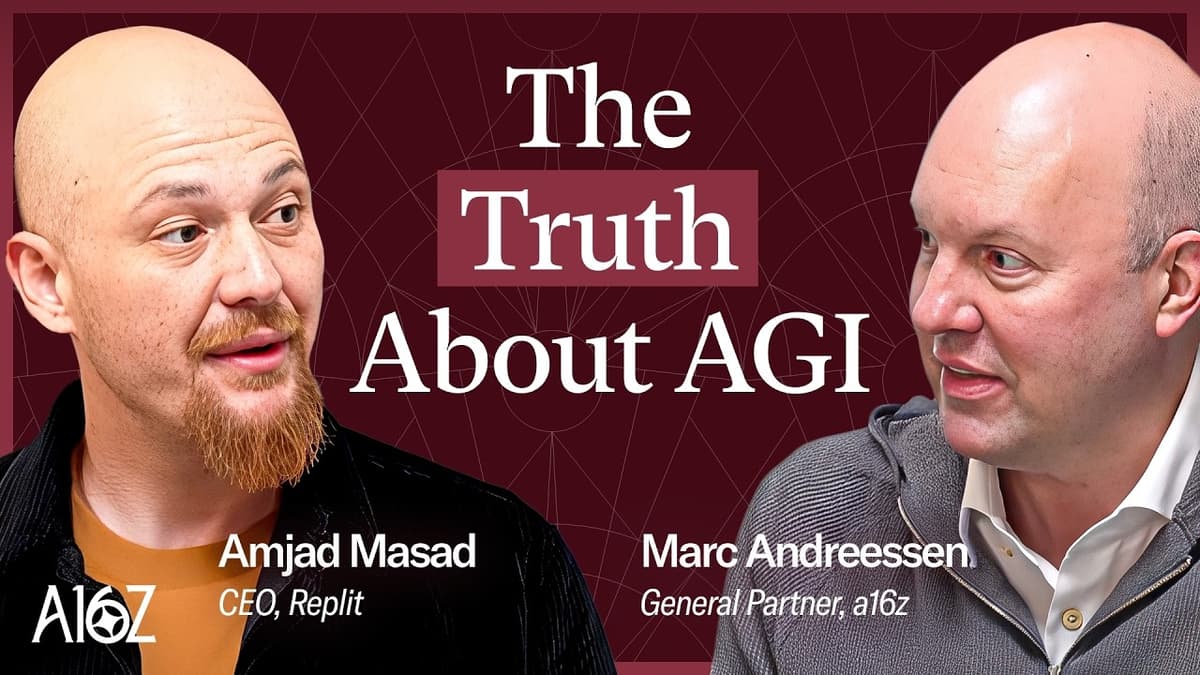
Marc Andreessen & Amjad Masad on “Good Enough” AI, AGI, and the End of Coding
In a wide-ranging conversation, Marc Andreessen and Replit CEO Amjad Masad argue that recent advances in AI are bringing programming closer to natural language, with platforms like Replit aiming to remove setup and syntax as barriers so users can build...