
The Experienced Mind Paradox: More Knowledge, Less Mental Space
The post explores the "Experienced Mind Paradox," where accumulated knowledge expands mental occupancy, making thinking feel heavier. While experience sharpens pattern recognition and decision speed, it also loads the mind with references, interpretations, and considerations. The author argues that this cognitive overload can lead to inconsistency, overthinking, and loss of focus, despite higher expertise. A brief plug for a 14‑day discipline guide is included as a remedy.

Let Silence Correct You — 11 May
The post argues that silence acts as a mirror, exposing decisions, resentment, and fatigue that constant noise conceals. By removing external stimulation, individuals confront uncomfortable truths rather than seeking easy relief. The author urges readers to deliberately create brief, distraction‑free...

Podcast Ep. 538 | Out of Sight
In episode 538, The Minimalists explore the evolving relationship listeners have with minimalism, acknowledging both the joy and frustration that come with decluttering. They reveal the hidden difficulties of producing a consistent podcast and share strategies for letting go of...

Monday Morning Minute: 11/May/2026 ~ Is Adequate Schedule Rest and Downtime Essential to High Quality Performance?
Mark Kolke’s Monday Morning Minute emphasizes that fatigue erodes judgment, patience, and pattern recognition, leading to costly mistakes in high‑stakes environments. He argues that rest is not a luxury but a core component of an organization’s operating system, essential for...

The Leader’s Antidote for Worry
Leaders face constant anxiety from rapid change, missed deadlines, and team conflict. Research shows that suppressing worry worsens it, while gratitude and reframing help but the most effective remedy is action. By identifying a specific, controllable step and executing it,...
Harm Reduction Effectively Treats Substance Use Disorder
Recent analysis underscores that harm‑reduction strategies such as syringe service programs and naloxone distribution dramatically lower overdose deaths and infectious disease transmission among people with substance‑use disorder. A 2021 study showed a $500,000 SSP budget can be cost‑saving by preventing...

Fertility
The post recounts how couples struggling with infertility experienced successful pregnancies after eliminating processed foods, chemicals, and fast‑food staples in favor of whole, ancestral foods like grass‑fed meat, bone broth, raw milk, and seasonal produce. An interview at the Rogue...

My Journal: Old Self vs New Self
The author revisits a recent Meta Mystic essay by completing its journal prompts, illustrating how structured self‑reflection can surface the limiting beliefs of the "old self" and define a more empowered "new self." The post outlines specific thought, emotional, and...

Training for Elevation Gain and Miles on the PCT
Brad J chronicles a 10‑month, trainer‑guided program that readied him for the Pacific Crest Trail. He began with Phase 1’s low‑weight, high‑rep strength work to establish a safe baseline, then progressed to Phase 2’s cardio focus, including a sprint triathlon and pool...

The Attention Economy of Menopause Medicine
The post highlights how three so‑called “miracle cures” for menopause brain fog—ADHD meds, creatine, and antihistamines—have surfaced within a year, exposing a medical knowledge gap that drives women to seek answers online. Social media’s attention economy amplifies sensational, unverified claims,...

"Doing and Making Are Acts of Hope... They Stop Us Feeling Overwhelmed by the Troubles of the World"
Anna Wharton’s White Ink hosted a slow‑writing meetup that previewed her upcoming 30‑day “Detox with Delight” program in June. The session emphasized non‑woo‑woo creative practices inspired by Sister Corina Kent’s belief that making is an act of hope. Wharton also...
Physician Burnout Is Not a Failure of Resilience
In a recent essay, Dr. Gus W. Krucke argues that physician burnout is a symptom of systemic pressure, not a personal shortfall in resilience. He contends that the relentless demand for presence, responsibility, and emotional labor exceeds what traditional medical...

Developing Your Powers of Concentration
The post argues that modern technology—from Walkmans to smartphones and social media—has fragmented attention and made deep concentration rare. It explains how multitasking further erodes focus by forcing the brain to switch tasks, which impairs memory and productivity. The author...

The Adiponectin Paradox: Fat’s Secret Longevity Signal or a Bio-Marker of Decline?
Adiponectin, a hormone secreted by fat cells, is celebrated for its anti‑inflammatory and insulin‑sensitizing effects, yet epidemiological data reveal a paradox: while centenarians exhibit high levels, elevated adiponectin in most older adults correlates with higher mortality and frailty. Researchers attribute...

How Do I Live in the Present?
The author spent several days in a southern French village reflecting on the challenge of living in the present. He observes that most professionals are chronic worriers, fixated on future milestones and past outcomes. By emphasizing that the present moment...

A Different View Of Trading Psychology
The piece argues that trading psychology hinges more on loss and grief than the classic fear‑and‑greed model. It recounts a portfolio manager whose beloved strategy collapsed, causing a career‑threatening loss that felt like a shattered dream. By linking traders’ emotional...
Do Not Feed Every Thought — 10 May
The post argues that not every thought warrants attention, emphasizing the difference between noticing a mental cue and actively feeding it. By repeatedly rehearsing a fleeting idea, individuals amplify its emotional weight and let it dominate their mindset. The author...
Scientists Discover How Coffee Impacts Memory, Mood, and Gut Health
Scientists have identified that both caffeinated and decaffeinated coffee influence brain function and gut health. Clinical studies show caffeine improves short‑term memory, while decaf enhances mood by modulating the microbiome. Regular consumption of two to three cups daily reshapes gut...

Third and Long (Paw Prints on My Heart #1) by Rebecca Minelga
Rebecca Minelga’s debut novel, *Third and Long (Paw Prints on My Heart #1)*, follows trauma survivor Abby Barclay, her therapy dog Gen, and a grieving NFL quarterback, Scott, as they navigate love, custody battles, and terminal illness. The story intertwines...

Charter: How to Combat the Physical Toll of Desk Work
NPR host Manoush Zomorodi’s new book “Body Electric” and its accompanying study reveal that brief, frequent movement breaks dramatically reduce the physical strain of sedentary desk work. The program, which engaged 23,000 participants, showed that five minutes of gentle activity...

Why Are the Fast Eaters Three Times More Likely to Carry Belly Fat?
Fast eating outpaces the gut‑brain satiety signals, causing delayed hormone release and overeating. Studies show that rapid meals suppress GLP‑1, CCK and PYY, leading to higher calorie intake and reduced fullness. Large meta‑analyses link fast eaters to three‑times greater odds...
Intensity Matters: High-Intensity Interval Exercise Enhances Motor Cortex Plasticity More Than Moderate Exercise
A recent Cerebral Cortex study shows a single 20‑minute high‑intensity interval training (HIIT) session markedly enhances motor‑cortex plasticity, outperforming moderate‑intensity continuous exercise and rest. Using transcranial magnetic stimulation, researchers observed increased cortico‑motor excitability and reduced intracortical inhibition after HIIT, while...

This Week’s Meditation: How To Reset After An Argument
The post introduces a guided meditation designed to help individuals calm their nervous system after an argument and shift from defensiveness to reconnection. It emphasizes gentle self‑reflection without shame, fostering compassion and emotional safety. The full session is available exclusively...
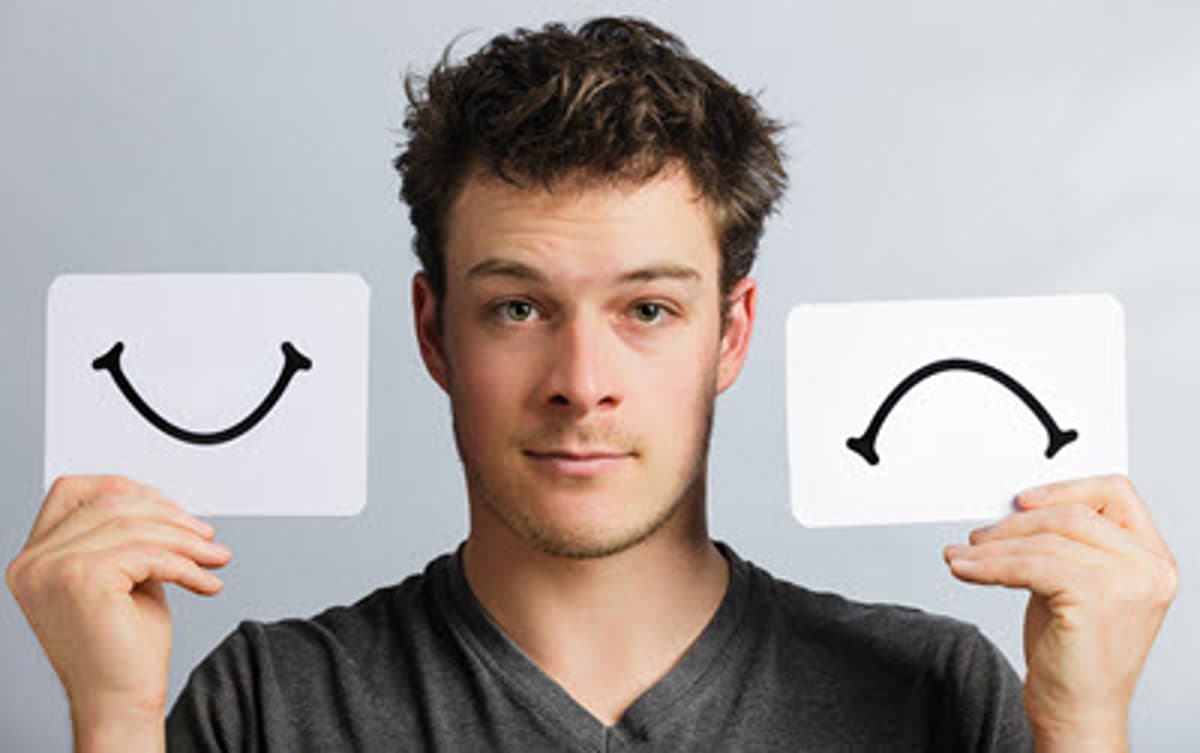
Picamilon
Picamilon, a Russian‑origin nootropic that bonds GABA with niacin, enables the inhibitory neurotransmitter to cross the blood‑brain barrier and act as an anxiolytic while boosting cerebral blood flow. Developed in 1969, it has been prescribed for anxiety, memory deficits, and...
Start Here
Dr. Laurie Marbas, MD, MBA, launched The Habit Healers, a subscription‑based newsletter that teaches health through single, science‑backed micro‑habits rather than sweeping lifestyle overhauls. The program is organized around five interconnected pillars—blood‑sugar regulation, movement, stress, community, and sleep—and offers a...

Black Seed Oil
Black Seed Oil, derived from Nigella sativa, is gaining scientific attention for its nootropic and neuroprotective properties. The oil’s key bio‑active, thymoquinone, accounts for roughly 37% of its composition and has been linked to improved memory, reduced anxiety, and seizure...

Thinking of Her While Meditating
The post argues that in Vajrayana Buddhism, sexual desire is not a hindrance but a potent catalyst for the deepest stages of meditation. It contrasts this view with the Hinayana emphasis on strict renunciation, which can create internal walls that...

Sex-Affirming Care vs Gender-Affirming Care
Gender‑Affirming Care, promoted by the World Professional Association for Transgender Health, has proliferated without a robust evidence base, prompting growing clinician unease as detransition numbers rise. The article contrasts this model with a proposed Sex‑Affirming Care approach that grounds treatment...
Journaling Changes Your Brain
The post promotes the “Mind Mirror Method,” a daily 15‑minute journaling habit that adds up to more than 5,000 minutes—or over 90 hours—of focused brain activity each year. By treating written thoughts as real experiences, the practice claims to rewire neural...
What’s Your Heart’s GPA?
The American Heart Association’s Life’s Essential 8 (LE8) provides a 0‑to‑100 composite score that aggregates four health‑behavior and four health‑factor metrics into a single cardiovascular health grade. The average U.S. adult scores 65, roughly a D+ on traditional grading scales,...
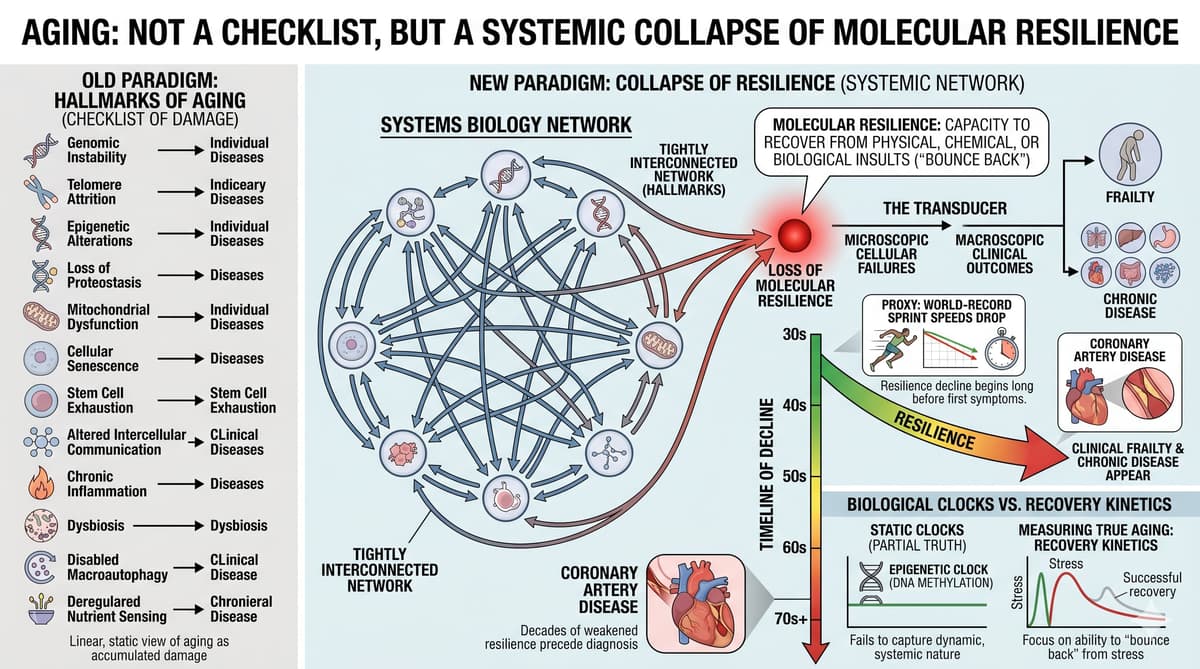
Loss of Resilience as the Key Measure of Aging, And How to Track It
A new kinetic resilience protocol shifts longevity medicine from static damage snapshots to dynamic stress‑response testing. By challenging metabolic, cardiorespiratory, autonomic and immune systems, clinicians can measure how quickly biology returns to equilibrium, using metrics such as OGTT clearance velocity,...

7 Things That Get Easier When You Own Less
Minimalism does more than tidy homes; it reshapes daily routines, finances, and mindset. By shedding excess possessions, cleaning becomes a quick task, spending slows, and mental clarity improves. The article outlines seven specific areas—cleaning, saving, calm, dressing, intentional living, presence,...

I “Failed” My Healing Journey…
Maahika, a London‑based founder and podcaster, recounts returning to therapy after four years of self‑declared healing. She describes the shame and self‑criticism that surfaced when she sought help again, despite having built a successful business and a seemingly content life....

Waking up in the Night
A recent Harvard study suggests that activating a “sleep zone” through simple bedtime habits can boost deep, restorative sleep and reduce morning fatigue. In Washington, DC, an investigation revealed that 13 Metropolitan Police Department officers were placed on administrative leave...

Effective Starters for Shy Students
The post introduces low‑stress "line" activities that help shy or reluctant students ease into public speaking. By positioning themselves on an imaginary line that reflects their confidence, learners visualize progress and share personal motivations. The author expands the toolkit with...

Spermidine
Recent clinical research confirms spermidine, a natural polyamine, boosts autophagy in brain cells, reducing amyloid‑beta and tau aggregates linked to Alzheimer’s disease. Levels of spermidine fall roughly 50 % between the twenties and seventies, correlating with increased cognitive decline, but supplementation...

Refusing to Be Productive Is a Spell for Your Sovereignty
The essay challenges the entrenched belief that rest must be earned, arguing that viewing downtime as a reward reinforces a machine‑like work ethic. It contends that perpetual productivity severs our natural rhythms and treats the body as a production engine....

When Your Child Pulls Away on Mother’s Day
The post explores the quiet ache mothers feel when adult children pull away, a feeling that intensifies on holidays like Mother’s Day. It argues that frantic attempts to repair the rift often add pressure, deepening the distance instead of healing...

RECESS: Juliet & Kelly Starrett on NCAAs, Healthy Aging, Dean Potter, and the Meowfia
Juliet and Kelly Starrett launch RECESS, a candid podcast series that blends health, movement, and personal stories. In the debut episode Kelly recounts coaching Cal Women’s Water Polo at the NCAA championship and introduces the "bronze medal mindset" for dealing...

I Just Want to Go Home...
The author reflects on week one of a 30‑day "Healing the Mother Wound" journey, focusing on the theme of "Distortions." After a day of deep cleaning, she finally engages with a guided meditation that triggers strong emotional release. The post...

The Fat Lady Sings
At a high‑profile cocktail event, the author and his wife mingled with media personalities, Broadway talent, and an outspoken French woman who bluntly suggested they exercise more. The evening featured a brief People Magazine interview, conversations with Andy Cohen and...

Friday Subscriber Discussion - Caught in a Backslide?
In a May 8 2026 subscriber post, Ragen Chastain warns that the health‑care community is experiencing a backslide from weight‑inclusive practices toward weight‑centric thinking. The shift is evident in recent clinical guidelines, provider language, and patient interactions. Chastain cites a reader’s concern...

Thirty Six Servings of Ayahuasca. Here's What She Taught Me.
The Balanced Blonde recounts completing 36 ayahuasca servings across four ceremonies, each spanning three nights, and shares how a viral Instagram Reels video amplified her plant‑medicine narrative. She highlights the intense, shadow‑work focus of the ceremonies and contrasts ayahuasca with...

Trick Yourself
The post explores how artists boost creativity by adopting fictional characters and self‑imposed tricks. It cites examples from Kimbra, Beyoncé, Taylor Swift, Aurora, and Tom Rowland, showing how role‑playing reshapes perspective and reduces self‑criticism. The author shares personal tactics—fake deadlines, imagined...
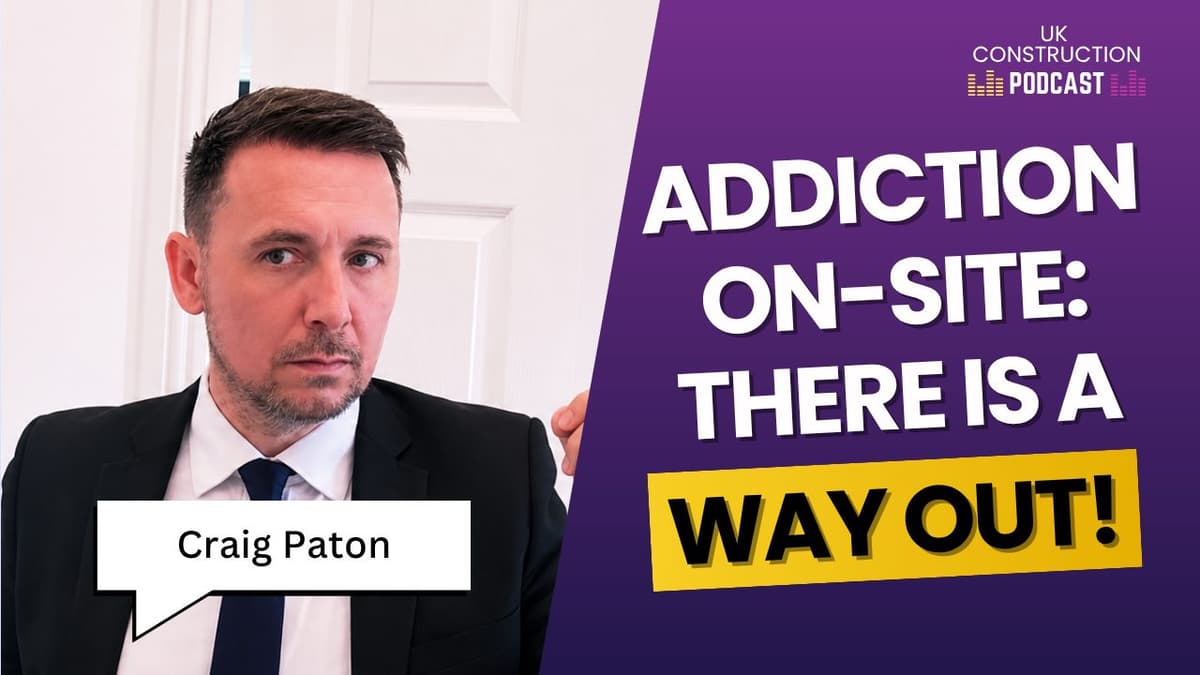
Why So Many Men In Construction Suffer In Silence
The UK Construction Podcast episode spotlights the silent mental‑health crisis among men on construction sites, where long hours, pressure, and a culture of banter mask deeper issues. Host Craig Paton, a Health, Safety and Wellbeing Director with personal experience of...

Your Kid Fidgets for a Reason (And It's Not ADHD)
The blog post, featuring New York Times bestseller Alyssa Blass Campbell, argues that children’s fidgeting is a sign of nervous‑system regulation, not misbehavior. It highlights that emotional regulation—rooted in nine sensory inputs—directly fuels problem‑solving, creativity, and academic performance. Campbell’s research...
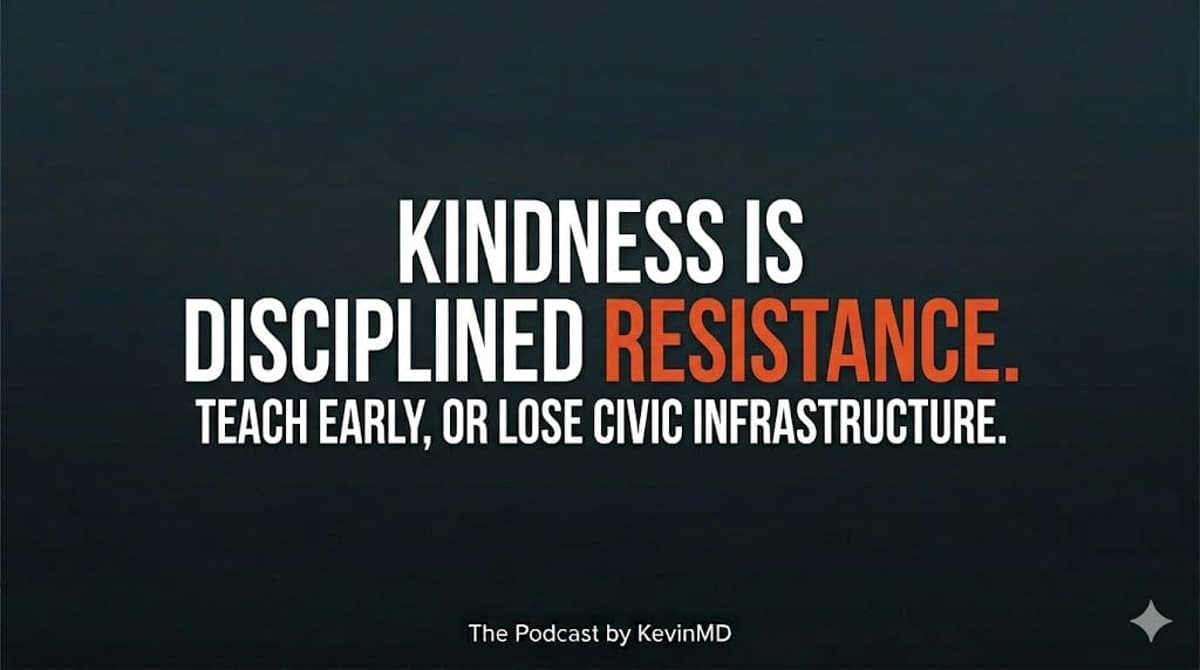
The Medical Case for Teaching Kindness in Early Childhood Development
Physician Paul Dranichnikov argues that kindness is a skill that must be taught, not left to chance, because early childhood is the only period when neural pathways for empathy can be reliably shaped. He cites neuroscience showing that repeated prosocial...

What Happened When We Chose Not to React in Anger
A family’s traffic accident turned into a lesson in emotional restraint when the author chose not to react with anger after a motorcyclist damaged their tire. Instead of arguing, they focused on the practical need—getting the tire fixed—by driving cautiously...

ChatGPT Adds Mental Health Safety Feature
OpenAI is introducing Trusted Contact, an optional safety feature that lets adult ChatGPT users nominate a single trusted person to be alerted if the AI detects serious self‑harm language. The system first notifies the user, then a trained human reviewer...

Herbalife and Cristiano Ronaldo Bring Performance Nutrition to Everyday Routines with “Fuel Like Ronaldo” Campaign
Herbalife Ltd. announced the global “Fuel Like Ronaldo” campaign, turning elite‑athlete nutrition into a four‑step daily framework for everyday wellness seekers. The initiative leverages the company’s 20‑year partnership with Cristiano Ronaldo, featuring a signature shake, digital tools, and personalized nutrition platforms....