
A Stoic Meditation on Perception
The post explores the Stoic view that perception—both sensory and intuitive—shapes our reality and moral character. Citing Marcus Aurelius, it argues that unchecked perceptions lead to agitation, while deliberate awareness turns events into material for personal growth. By distinguishing physical sensations from internal beliefs, the author shows how everyday experiences can either reinforce virtue or fuel self‑doubt. The piece concludes that cultivating mindful perception is essential for a tranquil, purpose‑driven life.

Navigating Anxiety
Elise Oehnen announces two upcoming events—a group energy‑healing Zoom session with Uta Opitz on May 2 and an in‑person retreat in Rhinebeck, NY, from May 25‑29—for Pulling the Thread members. She shares her personal experience with chronic hyperventilation, an often‑unrecognized form of...

All Roads Lead Back to Myself
In "All Roads Lead Back to Myself," the author reflects on how attempts to escape personal chaos repeatedly bring her back to self‑reflection. She describes the shift from trying to control external noise to nurturing an inner‑child and using tiny,...

Study: Unsweetened Coffee Protects Against Cardiovascular Disease. Sweetened? Not So Much
A new analysis of 173,614 UK Biobank participants found that drinking two to three cups of unsweetened coffee daily lowers cardiovascular disease risk by about 15% compared with non‑drinkers. The protective effect follows a U‑shaped curve, with higher or lower...

I Am Woman, Hear Me Snore.
The author recounts a sudden layoff and a health collapse that exposed years of unsustainable hustle, prompting a radical reassessment of priorities. By shedding a corporate copywriting role, a horse‑training business, and the constant grind, she embraced a slower, nature‑centered...

Your Manager Impacts Your Mental Health More Than Your Therapist—Here’s Why That Should Change How You Lead
Managers shape employee mental health more than any external support, as professionals spend roughly 90,000 work hours over a career. Gallup data shows managers account for 70% of engagement variance, and caring leaders make staff 3.2 times more engaged, driving...

How to Feel Safe When Panic Feels Dangerous
The article recounts a personal panic‑attack experience and reframes panic as a misfiring nervous‑system alarm rather than a bodily malfunction. It explains how chronic stress keeps the fight‑or‑flight response on overdrive, creating a feedback loop of sensations and fear. By...

My Favorite Exercises: Volume VI
The latest "My Favorite Exercises" letter spotlights an unconventional core movement that research labels one of the most effective therapies for preventing and treating low‑back pain. The author, a former Men’s Health fitness director, explains how neglecting this exercise contributed...

The Molecule Your Doctor Will Never Prescribe — That Does the Same Thing as Metformin (Without the Side Effects)
The article spotlights berberine, a plant‑derived alkaloid that mirrors metformin’s glucose‑lowering effects without its gastrointestinal side effects. It explains how berberine activates AMPK, improves insulin sensitivity, and reduces inflammation, making it attractive to biohackers and patients seeking natural alternatives. The...

Simple Ways to Support Healthy Habits and Routines for Busy Families
The article outlines practical steps busy families can take to embed healthy habits into daily life, emphasizing consistent meal and sleep schedules, advance nutrition planning, and adaptable routines. It highlights how small, repeatable actions—such as pre‑preparing ingredients or integrating brief...

The Body Learns Calm Through Repetition
The post argues that calm is not an automatic state but a skill the body learns through repeated low‑stress exposure. When most daily activity keeps the nervous system in high‑alert mode, the baseline shifts, making relaxation feel unfamiliar. Deliberate, consistent...

The Mental Health Tricks That Actually Work (From Someone Who's Tried Everything)
Jenny Lawson’s latest post distills five practical, science‑backed tricks for managing everyday anxiety and depression without formal therapy. She highlights diaphragmatic breathing, intentional smiling, pre‑emptive safety planning, a simple 1‑to‑5 mood‑rating scale, and silent Zoom writing sessions as low‑cost tools...

Why the Brain Prioritizes Comfort Over Completion With Age?
The post explains that as people age, their brains increasingly favor immediate comfort over long‑term task completion. Neurochemical shifts, especially reduced dopamine sensitivity to novelty, make familiar, low‑effort activities more rewarding. This comfort bias erodes self‑discipline, leading to procrastination even...
Mother Nature Steps In
The author, a neuroscience PhD, undertook a therapist‑recommended news fast and discovered how much of his day was consumed by constant news checking. By eliminating the habit, he became aware of the time previously lost to digital overload and began...

Your Brain Thinks You’re Still Busy Even When You’re Not
The article explains why your mind keeps working even after you stop physically working, attributing the feeling to the brain staying in a “busy mode.” It highlights that unfinished tasks and habit loops keep cognitive processes active, creating a false...

A Gentle May Journaling Practice (Instead of Doomscrolling)
The post introduces a gentle May journaling practice designed to replace doom‑scrolling with brief, intentional writing. It explains how a five‑minute daily prompt can shift mental processing from the amygdala to the pre‑frontal cortex, fostering clearer thinking. The practice is...

The Biology of Good Fortune: What ‘Lucky’ People Do Differently
Neuroscientist Nobuko Nakano shows that self‑identified "lucky" people have distinct brain activity that shifts their perception from threat‑detection to opportunity‑recognition. The research links daily habits—early morning light exposure, regular sleep, tryptophan‑rich diets—to serotonin production, which underpins optimism and resilience. Genuine...

The End-of-April Energy Audit
The post offers teachers a quick, actionable audit to reclaim mental energy by targeting two common drains: decision fatigue from chaotic schedules and guilt over unmanageable student behavior. It introduces a 15‑minute "Non‑Negotiable Three" framework that pre‑defines three essential lessons...
6 Signs of Burnout in High-Achieving Students
High‑achieving college students often mask burnout by maintaining top grades, prestigious internships, and leadership roles, while their mental and physical health silently deteriorates. The article outlines six tell‑tale signs, including identity fusion with achievement, perpetual pre‑career anxiety, emotional numbness, hypervigilance,...

Designing with Empathy: Writing Content for NHS Lung Cancer Screening
NHS England is piloting a digital version of its lung health check, a key step toward a national lung cancer screening programme slated for rollout by 2030. Over 80 users aged 50‑74 were interviewed, revealing that the word “cancer” triggers...

Start Here: What Is System C?
The blog outlines a new “System C” framework that aims to align food and healthcare around human health outcomes, targeting the $9 trillion blind spot created by chronic disease. It argues that current food (System B) and healthcare systems are optimized...

When No One Cares, Play Anyway
The post uses Joshua Bell’s 2007 D.C. metro experiment—where the Grammy‑winning violinist earned just $32 and attracted only 27 listeners out of 1,100 passersby—to illustrate how even extraordinary work can go unnoticed. The author parallels this with personal ministry setbacks,...

10 Daily Habits To Slow Down Your Brain
Amid a culture of constant speed, a new guide outlines ten everyday habits designed to slow the brain and cultivate stillness. The practices range from pausing in the car after work to eating a screen‑free meal and allowing moments of...

Change What You Do by Changing Who You Are
Behavior change experts argue lasting habits stem from identity, not just goals. Research shows framing actions as part of self‑concept—e.g., “I am a runner”—creates durable motivation. The article advises swapping outcome‑based questions for identity‑based ones and taking a single, aligned...

Secret of Adulthood: The Days Are Long, But the Years Are Short
Gretchen Rubin recounts how a simple observation on a school bus—“The days are long, but the years are short”—became her most quoted aphorism. The line, born from watching her daughter Eliza’s daily commute, captures the paradox of everyday fatigue versus...

The Hidden Reason Your Home Feels Tense
The post argues that the tone of everyday conversation shapes a home’s emotional temperature, turning casual sarcasm and criticism into lasting tension. It urges parents to replace careless speech with deliberate, constructive language, using a seven‑day fast from negative remarks...

Using Your Emotions as Tactical Alerts
The post reframes emotions as real‑time alerts that can be decoded like tactical intelligence. By naming a feeling, spotting its external trigger, and inserting a brief pause, you create a decision gap between impulse and action. It then recommends pre‑wired...

Recovering From Sexual Abuse in Cults: What Can We Learn From Neurobiology?
Doni Whitsett’s article translates cultic sexual‑abuse trauma into neurobiological terms, showing how coercive control dysregulates the HPA axis and autonomic nervous system. It explains concepts such as polyvagal theory, the window of tolerance, and neuroplasticity, and argues that body‑based practices...

Women Are Burning Out Weekly - These 7 Fixes Could Change That
A new analysis reveals that women are experiencing burnout at a weekly pace, with rates twice those of men. The piece attributes the surge to blurred work‑life boundaries, unequal domestic burdens, and limited access to supportive resources. It outlines seven...

Take a Break From Your Phone with a KitKat Wrapper that Is Also a Faraday Cage
Nestlé has introduced a limited‑edition KitKat “Break Mode” wrapper that doubles as a Faraday cage, physically blocking a phone’s ability to send or receive signals. The conductive wrapper shields against cellular, Wi‑Fi and Bluetooth frequencies, effectively turning smartphones into inert...

Your Brain Isn't a To-Do List (Stop Treating It Like One)
The article explains that unfinished tasks crowd the brain's limited working memory, creating a loop of mental clutter. It distinguishes two ways to clear this space: completing tasks immediately or scheduling them for a specific future moment. A 2011 study...

Simple Breathing Techniques to Help Kids Manage Anxiety and Big Emotions
Niraj Naik’s article outlines seven simple breathing exercises that help children manage anxiety, frustration, and overstimulation. By shifting from shallow, rapid breaths to slow, rhythmic patterns, kids can activate their parasympathetic nervous system and lower cortisol levels. The piece provides...

The Architecture of Aftermath: Metabolizing Collective Grief in a Reactive Age
The post reflects on a recent interview with therapist Prentis Hemphill, who argues that today’s relentless news cycle forces a constant reactive state that blocks true grieving. Hemphill links this media‑driven reactivity to a broader cultural failure to teach emotional...
I Read Every Electrolyte Study. The Industry Is Lying.
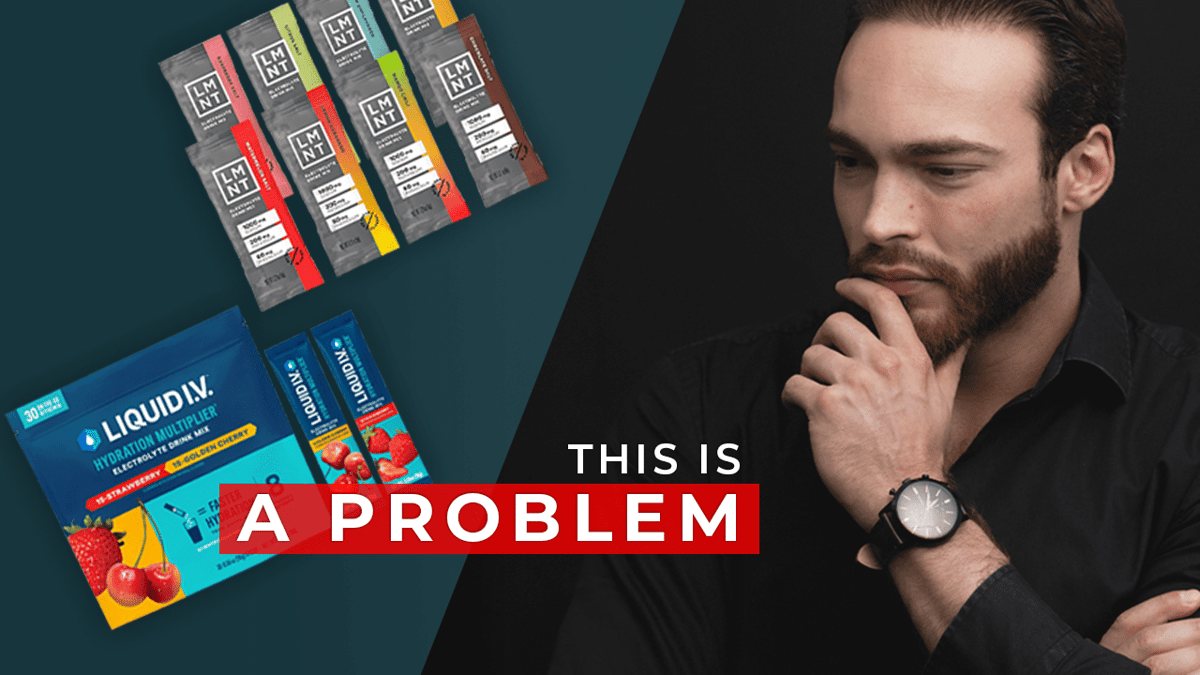
Recent scientific reviews show electrolyte supplements, largely sodium, provide no performance advantage for the average consumer and may increase cardiovascular risk. Typical diets already deliver 3–5 g of sodium daily, exceeding most health guidelines, so added supplement packets can push intake...
Podcast: Find Joy in Any Job
The Two Percent podcast released on May 1 tackles how to find joy in any job, featuring Dr. Mim Ari, an internist who outlines a 10:1 positive-to-negative work mindset and the quiet influence of AI on medical practice, and Robin...

Tell Me About a Moment You Faced Blowback
Shannon Watts recounts a personal episode where a male podcast host questioned whether her child’s eating disorder stemmed from her busy schedule, exposing gender‑based blowback. She links this experience to broader patterns she observes in her Firestarter University class, where...

You Never Fully Step Out of the Day
The essay highlights how modern connectivity makes it hard to mentally close the workday. It describes the lingering mental presence that turns evenings into a continuation of tasks, undermining true rest. The author proposes a deliberate “mental shutdown” practice—recognizing completion...

Why Dieting Fails in Lipedema — and Why Compassionate, Metabolic Care Works Better
Lipedema, a chronic disorder affecting up to 1 in 10 women, is often mistaken for simple obesity, leading clinicians to prescribe standard calorie‑restriction diets that rarely improve lower‑body symptoms. Women typically endure a decade‑long diagnostic lag, during which repeated dieting...

Broken at the Biochemical Level: The B Vitamin Series - Part 1
The opening post of the "B Vitamin Series" frames B‑vitamins as foundational metabolic regulators rather than optional nutrients. It argues that adequate B‑vitamins are essential for energy generation, nerve transmission, cardiovascular health, and cellular repair. When levels dip, the body...

How to Add 7.5 Years to Your Life (Without Drugs or Surgery)
A Yale study led by Dr. Becca Levy tracked 660 adults over 23 years and found that people who hold optimistic views about aging live about 7.5 years longer than pessimists, outpacing benefits from lower blood pressure or cholesterol. The...

Why Mental Health Care in Nigeria Needs a New Approach
Nigeria’s mental‑health crisis is hidden behind physical complaints such as headaches, fatigue and gastrointestinal issues, as cultural stigma labels emotional distress as weakness or spiritual attack. With fewer than one psychiatrist per 100,000 people, most specialists are confined to urban...

Check Your Blind Spot: Financial Stress, Mental Health and Suicide Risk at Work
Financial stress is emerging as a hidden workplace risk, eroding mental health, productivity and even raising suicide risk. Recent surveys show nearly half of adults cite money worries as a primary stress driver, while 45% of workers conceal mental‑health struggles...
You’ve Been Pooping All Wrong: How to Make Your Bowel Movements a Joy by Trisha Pasricha
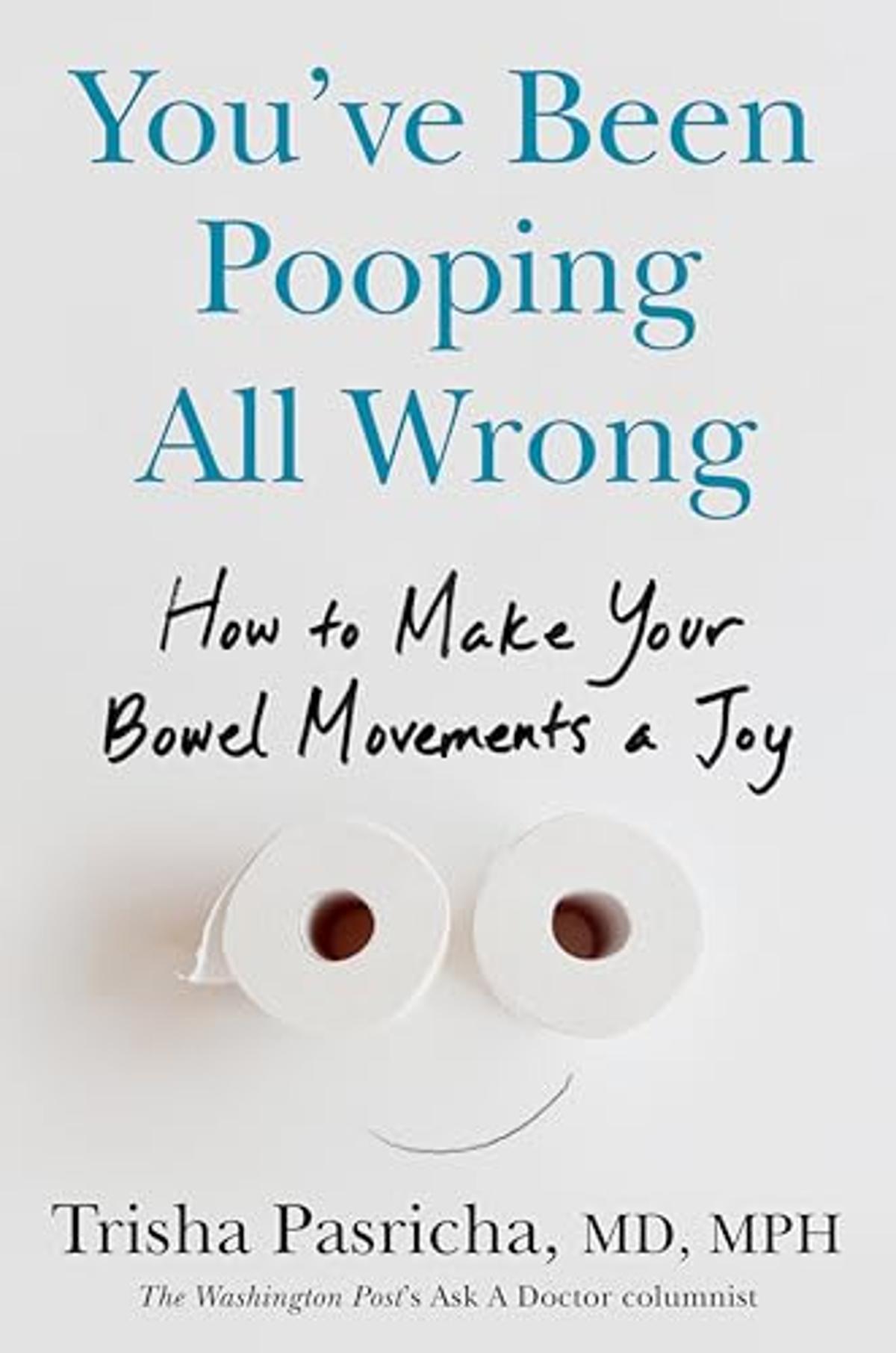
Harvard gastroenterologist Dr. Trisha Pasricha’s new book, *You’ve Been Pooping All Wrong*, offers a science‑backed guide to improving bowel habits through the brain‑gut‑microbiome connection. It demystifies IBS, explains how stress and neural signals affect stool consistency, and introduces a three‑P...

428. I Have Arranged to Get You Unbekoming's Complete New DMSO Book for Free.
The author of Surviving Healthcare has secured a free PDF of Unbekoming’s comprehensive DMSO book and is distributing it to his readership. Unbekoming, an Australian Substack writer, normally locks the 15‑book health library behind a paid subscription, but a limited‑time...

How Personalizing Nutrition Can Manage Inflammatory Bowel Disease
Inflammatory bowel disease (IBD) affects roughly 2.4‑3.1 million Americans and costs the U.S. economy about $50 billion each year. New research highlights that the typical Western diet—rich in refined sugars, vegetable oils, and ultra‑processed foods—disrupts the gut microbiome, increases intestinal permeability, and...
Engineer’s Anti-Brain-Fog Routine: Stare at a Wall for 10 Minutes
Software engineer Alex Selimov combats afternoon brain fog by staring at a blank wall for ten minutes. The routine follows a day of poor sleep, heavy caffeine, and constant news feeds that leave him with headaches and waning motivation. By...

When Joe Rogan Is in Charge of Health Care
President Donald Trump signed an executive order that accelerates research funding and fast‑track FDA review for psychedelic therapies after podcaster Joe Rogan texted the president about their potential. The order directs the Department of Health and Human Services to boost...

Teens and Socializing: How to Encourage More In-Person Connection in a Digital World
Teenagers are spending increasing hours on digital platforms, leading to a measurable decline in in‑person social interaction. This shift erodes essential skills such as empathy, conflict resolution, and confidence, while amplifying feelings of loneliness and social anxiety. Parents, educators, and...

How Long Does Grief Last? When to Seek Counseling
Grief is a highly individualized process with no universal timeline, often unfolding in waves over months or even years. When intense symptoms persist beyond six to twelve months and disrupt daily functioning, mental health professionals label it as complicated or...

How I Help Patients Safely Get Off Medications They No Longer Need
Psychiatrist Jake Goodman outlines his deprescribing framework, showing how he safely tapers patients off long‑term benzodiazepines, Z‑drugs, and over‑the‑counter sleep aids. Using a compounding pharmacy, he creates micro‑dose reductions to avoid withdrawal seizures, rebound anxiety, and cognitive fog. He stresses...