
The MolinaCares Accord Provides $100,000 Grant to Lurie Children’s in Support of Statewide School Mental Health Initiative
MolinaCares, the community‑investment arm of Molina Healthcare, has awarded a $100,000 grant to Lurie Children’s Hospital’s Center for Childhood Resilience to support the Resilience‑Supportive Schools Illinois (RSSI) initiative. RSSI equips Illinois schools with data‑driven tools, professional learning, and evidence‑informed resources to improve student and educator mental health. Over 800 schools have already completed the RSSI screener, gaining actionable insights and free resources. The funding will expand RSSI’s infrastructure and statewide awareness as Illinois moves toward universal mental‑health screening.

You Sit Still but Your Body Stays in Transition
The post explains why the body often feels unsettled even when we stop moving. It describes how each task leaves tiny muscular and respiratory traces that linger, creating a state of transition rather than true rest. Simple physical cues—dropping shoulders,...

Overworking Today Borrows From Future Health
The post argues that overworking feels like progress but incurs hidden, delayed costs to physical stamina, mental clarity, and long‑term resilience. It explains that the body tracks resource depletion even when the mind perceives endless capacity, leading to slower recovery...

The Emotional Pull of Shared Goals
The post explains how sharing goals with others creates an emotional pull that makes adherence easier, leading to higher consistency and lower dropout rates. It argues that the benefit stems from reduced isolation rather than a change in task difficulty....

You Are Not Lazy, You Are Mentally Overloaded
Many people mistake chronic mental overload for laziness, interpreting low energy and resistance to start tasks as personal failure. The article explains how constant background thinking, digital input, and unresolved decisions fill the brain, creating cognitive fatigue that hampers focus....

The Part of You That Never Gets a Break
The post identifies an "always‑on" part of the brain that never truly rests, explaining why idle moments feel mentally busy. It links this constant low‑level activity to unfinished tasks and endless external input. The author then offers five micro‑resets—writing thoughts,...

Start the Week Without Trying to Catch Up
Monday mornings often feel like a race against unfinished tasks, creating a mental backlog before the day even starts. The article argues that the common “catch‑up” mindset actually adds pressure and reduces productivity. Instead, it proposes a slower start: pick...

Throw Out Foil, Tide, Dawn, Ziplocs NOW!
The post highlights common kitchen items—plastic cutting boards, Ziploc bags, Dawn dish soap, Tide detergent, aluminum foil, and Windex—that can leach harmful chemicals into food and the home environment. It explains how each product contributes to microplastic ingestion, endocrine disruption,...
Bariatric Surgery Vs. Semaglutides Vs. Endoscopic Visceral Lipectomy
The article contrasts traditional bariatric surgery, GLP‑1 drug semaglutide, and the nascent endoscopic visceral lipectomy (EVL) as obesity interventions. It highlights semaglutide’s high cost, injection regimen, and 35‑50% one‑year discontinuation rate, while noting bariatric surgery’s nutritional risks and weight‑loss plateaus....

Designing Work/Life Balance
The Ultra Successful post challenges the binary view of work‑life balance, arguing that both the anti‑hustle and grind‑until‑you‑die mentalities hurt career growth. Drawing on a decade of experience with top founders, CEOs, and executives, the author outlines what high‑performance actually...

Sleep Supplements: What Is Most Effective, Least Habit Forming, and Safest?
Recent research highlights orexin hyperactivity as a core driver of PTSD‑related insomnia, linking stress‑induced orexin release to REM fragmentation and persistent fear memories. Traditional sedatives often disrupt sleep architecture, whereas dual orexin receptor antagonists (DORAs) such as suvorexant and daridorexant...
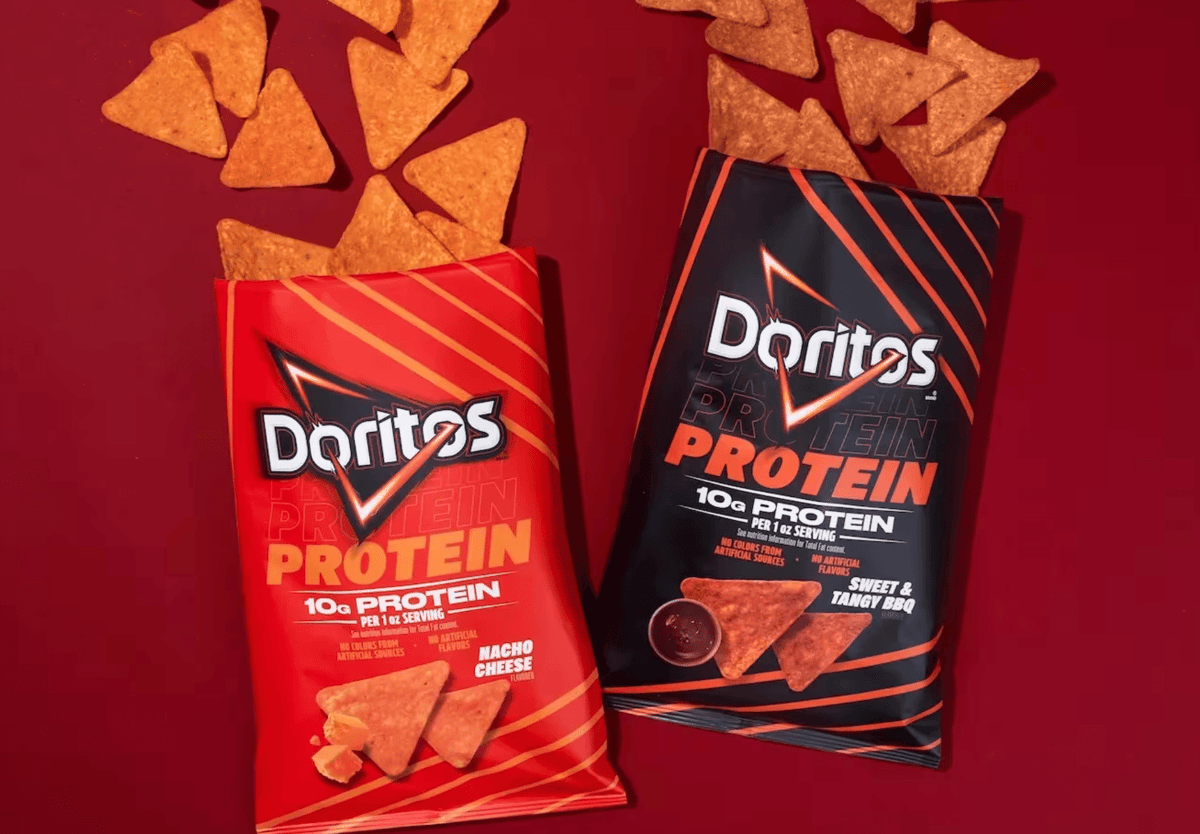
Boy Kibble: Muscle-Building Protein Maxxing Is the Latest Male Health Delusion
Marketers are flooding the market with protein‑centric products—protein popcorn, water, coffee—under the banner of “protein maxxing” or “boy kibble,” aimed at young men chasing muscular physiques. Nutrition scientists say most U.S. adults already meet or exceed the recommended protein intake,...
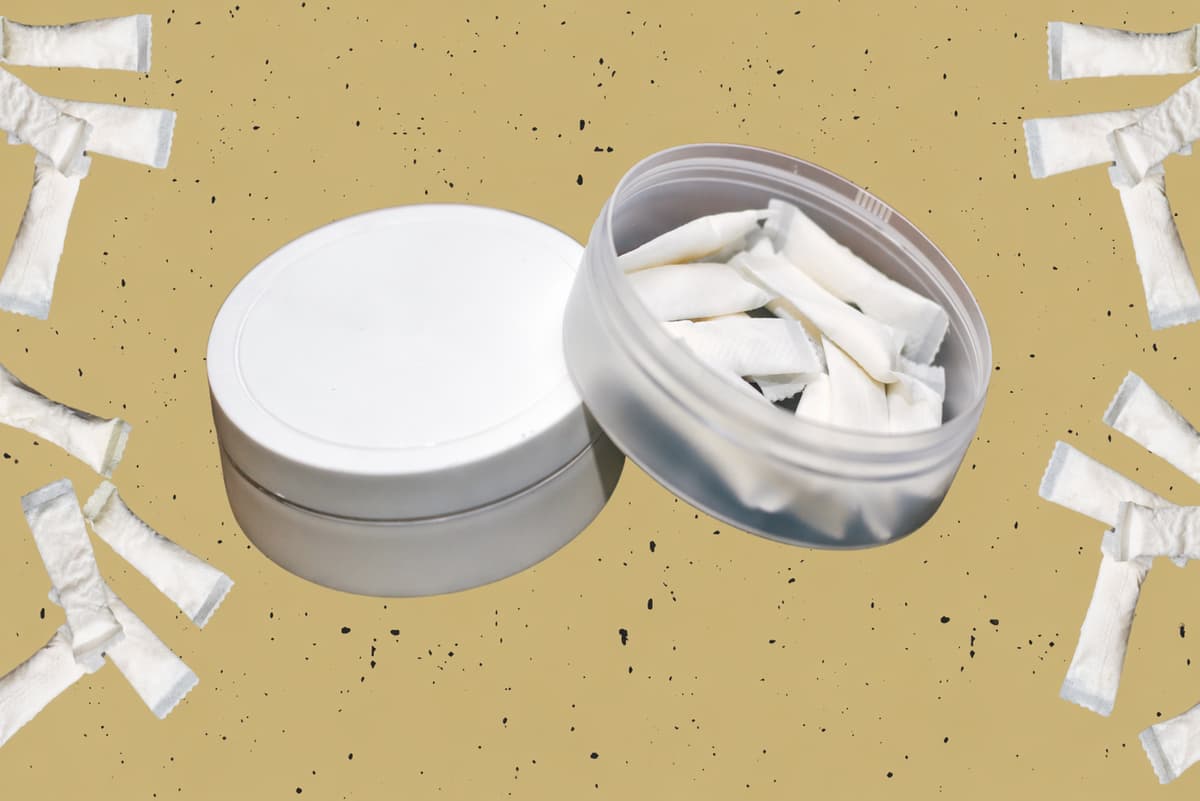
Wellness Influencer Nonsense: No, Nicotine Does Not Boost Cognition and Productivity, but It Can Damage Your Health
Wellness influencers are promoting nicotine patches and pouches as cognitive enhancers, productivity boosters, and weight‑loss aids. Scientific reviews show only modest improvements in attention or fine motor skills for some users, while many studies find neutral or negative effects in...

427. DMSO HEALS THE BRAIN AND NERVOUS SYSTEM
A comprehensive review of dimethyl sulfoxide (DMSO) highlights its neuroprotective mechanisms, including radical scavenging, cerebral blood‑flow enhancement, and reversible blood‑brain barrier opening. Epidemiological data show a ten‑fold lower risk of young‑onset Parkinson’s disease among DMSO users, while clinical observations report...

How Empathy without Boundaries Drain You
Empathy is praised for its ability to sense and soothe others, but when it lacks clear boundaries it can become a source of personal drain. The article explains how continual emotional absorption turns supportive conversations into unasked‑for responsibilities, leading to...

Impact of World Ageing Festival Singapore 2026
The World Ageing Festival Singapore 2026, organized by Singapore Management University, convened policymakers, healthcare innovators, and senior‑care providers under the theme “Embracing Longevity: Asia’s Priority, The World’s Opportunity.” The three‑day event attracted thousands of participants and hundreds of exhibitors from...

5-Minute Phone Use Causes Memory Loss
A 2017 medical study found that just five minutes of mobile phone use can degrade short‑term memory, with effects persisting for at least five minutes after use. The impairment was most pronounced in participants aged 60‑80 and those with early...

10 Tiny Habits With the Biggest Compound Effect
An article outlines ten micro‑habits that, when practiced daily, generate a powerful compound effect on personal and professional performance. The habits span reading, daily reviews, regular movement, deep work, expense tracking, morning hydration, weekly mentorship, pre‑sleep meditation, systematic saving, and...

Birdwatching to Stretch the Brain
Recent neurological research shows that activities requiring detailed visual identification—like birdwatching—can counteract age‑related brain shrinkage. By repeatedly distinguishing flora and fauna, participants build stronger neural pathways and increase cognitive reserve, a buffer against dementia. Brain scans of avid birdwatchers reveal...
Why Cooking for Better Health Makes Dietary Changes Easier
The article argues that home cooking empowers patients to adopt healthier diets, especially by reducing sodium, because it provides tangible, visual cues that reinforce nutritional awareness. It draws on a personal story of a mother with hypertension and explains how...

Why Nature-Aligned Health Is Your Best Defense Against Chronic Disease
The article argues that aligning health practices with natural, evolutionary biology is the most effective defense against chronic disease. It highlights that medical errors rank as the third leading cause of death in the U.S., while 90% of American calories...

Bacopa Monnieri
Researchers continue to validate Bacopa Monnieri, an Ayurvedic herb, as a potent nootropic and adaptogen. Clinical trials show that daily doses of 300‑450 mg of standardized extract improve memory, attention, and reduce anxiety by modulating acetylcholine and cortisol. The herb’s active...

Modern Self-Care for Women: Understanding Your Body Beyond the Basics
Modern self‑care for women now emphasizes proactive awareness of hormonal changes rather than reactive symptom treatment. Women are increasingly tracking sleep, mood, cycle irregularities, and energy levels to detect early signs of perimenopause, which can begin years before menopause. Tools...

Gentle Techniques to Activate Your Nervous System and Break Free From Stagnation
Feeling stuck often signals an underactive or overwhelmed nervous system. The article outlines gentle, mindful practices—breathing exercises, low‑impact movement, sensory touch, and grounding—to safely stimulate the sympathetic and parasympathetic pathways. These techniques aim to restore energy, clarity, and emotional regulation...

Train Hard, Recover Harder
Athletes pushing harder risk overtraining when nutrition and recovery lag behind. The article outlines five evidence‑based nutrition tactics—protein intake, complex carbs, proper hydration, healthy fats, and strategic timing—to close the recovery gap. It stresses that these dietary levers must work...

Exhaustion Isn’t Something You Should Normalize
The post warns that chronic exhaustion is becoming normalized in modern work life. It describes how people adjust their expectations, accept slower thinking and reduced patience, and treat fatigue as a permanent baseline. The author argues that this adaptation erodes...

The Simplest Way to Stop Feeling Tired
Over 80% of workers report insufficient energy, and more than half feel burned out, according to Microsoft’s Work Trend Index. The post argues that common fixes—relying on coffee, nicotine, or extensive bio‑hacking—create a cycle of spikes and crashes, while obsessive...

We’re Prescribing the Wrong First Treatment
The article argues that exercise is an underused first‑line treatment for teen depression, performing on par with antidepressants in many studies. Landmark trials like the SMILE study and a 2024 BMJ meta‑analysis show comparable remission rates and lower relapse when...

Cayenne Pepper: The Most Powerful Natural Agent for Blood Flow and Circulatory Health
Cayenne pepper, long used in traditional medicine, is highlighted as a potent natural agent for improving blood flow and circulatory health. The blog attributes its effects to capsaicin‑induced vasodilation and nitric‑oxide release, which can enhance tissue perfusion. It argues that...

The Neuroscience of Being Unapologetically Yourself
The piece outlines how authenticity is a measurable brain state that influences stress, reward, and social connection. When behavior diverges from inner values, the anterior cingulate cortex flags the mismatch, generating discomfort and cortisol spikes. Conversely, genuine self‑expression lights up...

Replace Doomscrolling for Bloomstrolling
The piece urges readers to swap doomscrolling for "bloomstrolling"—taking spring walks to enjoy blooming flowers, birdsong, and sunshine. It draws on the author’s experience in Vancouver, where cherry blossoms line the streets, and suggests garden‑therapy activities like making sugared flowers...

Chemical Frontiers: The Hidden Risks of the Psychedelic Renaissance
On April 18, President Donald Trump signed an executive order to accelerate the development of psychedelic medicines. The order directs the FDA to give expedited review to qualifying psychedelic drugs and instructs the Department of Health and Human Services to...

The Greatest Gift You Can Give Someone Is Your Presence
The essay argues that the most valuable gift we can give is our undivided presence, especially during others' pain, rather than quick fixes or advice. It highlights how modern life—fast‑paced work, automation, and digital interaction—leaves many feeling isolated and in...
Sleepless Nights Linked to Comfort Eating and Overeating
A large UK study of 27,263 adults found that poor sleep quality and short sleep duration dramatically increase emotional eating, overeating, and cravings for calorie‑dense foods. Participants who slept less than seven hours had 24% higher odds of overeating and...

I’m OK, You’re Not OK
The post weaves together Transactional Analysis theory, India’s energy‑security gaps, record election turnouts, and a cultural spotlight on Thundercat’s new album. It argues that President Trump’s harsh remarks on India reflect a “Parent” ego state, while India’s strategic crude reserve...

FDA Grants Quick Review Psychedelic Drugs, First Approvals Could Come As Soon As Summer
The FDA announced an accelerated review pathway for psychedelic therapies, aiming to clear the first approval by the end of summer. The move follows President Trump’s executive order, which allocates $50 million for state‑level research partnerships and directs faster rescheduling of...

3 Ways to Continually Elevate Athletic Performance Throughout Your Career
The article argues that mindset, not raw talent, separates athletes who keep improving from those who plateau, using Michigan star Yaxel Lendeborg’s career as proof. It outlines three mental performance strategies—rejecting comfort, persisting through invisible results, and seeking feedback—to sustain...

Intuitive Eating Research: Is It Useful for Your Relationship with Food?
Intuitive eating, defined by Tribole and Resch in 1995, emphasizes eating to internal hunger and satiety cues. Tracy Tylka’s Acceptance Model of Intuitive Eating (AMIE) links body acceptance, body‑function appreciation, and self‑compassion to higher intuitive‑eating scores. A 2021 meta‑analysis by...

The Wound That Became the Ministry
The author reflects on how profound loneliness, depression, and adolescent atheism forged an interior depth that later became the foundation of a therapeutic ministry. This “intelligent isolation” created hyper‑vigilant monitoring, which was later reframed as professional attunement and empathy. The...

How To Stop Being Your Own Tragic Hero
The post warns founders against inflating successes and catastrophizing setbacks, urging a realistic view of their stakes. It outlines practical steps—finding joy in small wins, balancing humility with conviction, and prioritizing self‑care—to protect mental health. The author stresses that genuine...

What Is This Actually For?
Danny Kenny, a behavioral scientist and Associate VP at InspireCorps, launched the "Work Wise" newsletter to help high‑performing professionals uncover purpose behind their work. Drawing on leadership coaching, behavioral research, and interdisciplinary reframes, each issue dissects a real‑world misstep, explains...

A Leadership Reset for ISFJ Personalities
The post spotlights a hidden burnout risk for ISFJ (Defender) leaders, who often become the invisible backbone of their teams. While 87% acknowledge that mental‑health days boost performance, 62% feel guilty taking them, and 23% think they don’t get enough....

Do Not Complete This Thought
The piece explores a common early‑morning mental urge to "fix" an unfinished thought, which can surge within 30 seconds and trigger physical tension. It argues that the antidote isn’t analysis or action but mindful observation, citing Buddhist teachings that all...

Aging Minds, Persistent Fears: The Habit Cycle Behind Health Anxiety
Health anxiety, often triggered by minor bodily sensations, follows a habit loop of cue, rumination, and temporary reassurance. This loop solidifies over time, turning occasional worry into a chronic mental‑health condition. The article explains how the cycle fuels repeated doctor...

7 Reasons to Work with a Positive Behavior Support Practitioner for Long-Term Behavior Change
Positive behavior support (PBS) practitioners specialize in uncovering the reasons behind challenging actions and designing tailored, evidence‑based plans. By conducting functional behavior assessments, they create individualized strategies that fit within existing disability and health service frameworks. Ongoing coaching for families,...
The Productivity Routine: Structure Your Day
The post argues that productivity hinges less on raw discipline and more on daily structure. By giving the day a clear shape, individuals guide their attention and avoid the drift that erodes output. The author contrasts common advice—early rising, harder...
Freedom Without Structure: The Cognitive Cost of Retirement
Retirement promises freedom from schedules, but the absence of daily structure can erode cognitive performance over time. Studies show that retirees who forgo routine experience slower information processing and diminished memory retention. Introducing modest habits—regular exercise, scheduled social interactions, and...

Health Literacy’s Impacts
A 2024 University of Michigan poll of adults 50 and older shows health providers remain the top source of medical information, with 81% turning to clinicians and 58% also searching the web. While most respondents feel confident handling health data,...

Above the Fold: Supply Chain Logistics News (April 24, 2026)
Adrian Gonzalez recounts a six‑day technology detox in Spain, emphasizing the mental‑health benefits of unplugging while traveling through Madrid and Seville. He returns to work with a new habit of keeping email off for most of the day and his...

The Prescription Most Doctors Won’t Write
Dr. Joseph Pizzorno argues that most physicians prescribe adding treatments rather than stopping harmful exposures, highlighting a hidden health crisis driven by environmental chemicals in food and packaging. He cites research suggesting roughly 90% of the diabetes epidemic stems from...