
The Nerve-Damage Epidemic
A retired British physician reported that topical Arnica montana provided notable relief from small‑fiber neuropathy symptoms she attributed to an mRNA COVID‑19 vaccine. The anecdote, shared by Dr. Peter A. McCullough, highlights twice‑daily application of Arnica gel as an alternative to conventional NSAIDs or opioids. While the case underscores patient‑driven interest in botanical remedies, it also raises questions about the paucity of rigorous clinical data. The post calls for broader inquiry into Arnica’s efficacy for vaccine‑related neuropathic pain.

Why Your 60s Could Be Your Happiest Years
Recent research shows happiness often rebounds in the 60s, forming a U‑shaped curve across adulthood. The post cites psychologist findings and a conversation with wellness entrepreneur Liz Earle, who reports feeling clearer and stronger after age 60. It argues that accumulated...

Week in Review
President Trump signed an executive order allocating $50 million to accelerate state‑led psychedelic research and to streamline FDA, DEA and DOJ reviews of ibogaine‑based therapies. A federal appeals court vacated a halt on the “Alligator Alcatraz” immigration detention center, while a...

Leaving a Corporate Career in NYC to Thru-Hike the PCT
Jen Mastrianni left a seven‑year corporate social responsibility role in New York finance to thru‑hike the Pacific Crest Trail. A semester at the National Outdoor Leadership School reshaped her career outlook, prompting a shift from law ambitions to outdoor adventure. After...

Monks and Scientists Rethink the Nature of Consciousness
A seven‑year adversarial collaboration at the Allen Institute pitted Integrated Information Theory against Global Neuronal Workspace Theory in a joint experiment with 256 participants and three neuroimaging modalities. Published in Nature, the study found that neither framework outperformed the other,...

Your North Star
The article proposes a holistic "North Star" health framework that defines true health as the ability to meet physical and cognitive demands with abundant energy, mental clarity, low anxiety, high libido, and pain‑free movement. It argues that traditional proxy markers—weight,...

Built to Support, Not Drain
Tamara and Peggy argue that teacher well‑being cannot be solved with add‑on wellness initiatives but must be embedded in school systems. They highlight three levers—manageable workload, protected planning time, and strategic staffing—to prevent burnout. By removing unnecessary tasks, allocating dedicated...

World Maternal Mental Health Day 2026: Advances in Clinical Research
World Maternal Mental Health Day on May 6, 2026 spotlights the growing urgency of perinatal mood and anxiety disorders. Studies show 70% of affected women hide symptoms, while the U.S. National Maternal Mental Health Hotline has fielded over 89,426 calls and...

66% of Women Experience Stress at Least Weekly - 7 Ways to Deal with Stress by Dr Radha Modgil
Dr Radha Modgil reports that 66% of women will experience stress at least weekly in 2026, a rise that underscores the gender gap in mental‑health pressures. She explains how chronic stress triggers sustained cortisol and adrenaline, leading to anxiety, hypertension, and burnout....

The Monster Under Your Bed Is Bigger in Your Head
The piece argues that anxiety is a mental construct, not a real threat, and that the brain’s tendency to overestimate danger creates physiological stress before any event occurs. It urges readers to recognize when thoughts shift from reality to anxiety...

Is the Vitamin K Shot Necessary for Newborns?
The vitamin K injection given at birth remains the standard defense against a rare but potentially fatal bleeding disorder in newborns. Between 2017 and 2024, parental refusal of the shot grew from 3% to over 5%, driven by broader medical mistrust...

How to Tell If Your Body Is Stuck in Stress Mode
The article explains that stress often manifests subtly in the body rather than through obvious anxiety or panic. Most people experience a state where shoulders stay raised, breathing never fully slows, and rest feels uneasy, indicating the body is stuck...
You Built a Life That Only Works When You Are Tense
The post describes a lifestyle that appears stable outwardly but is sustained by a constant undercurrent of tension. This internal alertness feels like a necessary readiness, preventing perceived loss of control. Over time, the tension becomes normalized, blurring the line...

Why Your Life Feels Empty (And the Neuroscience Fix You Haven't Tried)
A growing sense of meaninglessness is emerging as the top predictor of depression and anxiety among adults under 30, outpacing financial or relationship stress. The author links this crisis to weakened right‑hemisphere brain function caused by constant screen exposure and...

How Canva Boosts Morale Amid a ‘Vibecession’
Canva has turned workplace culture into a strategic asset, hiring a dedicated "head of vibe" in 2016 and expanding the vibe team to 70 employees by 2023. The group curates everything from office aesthetics and cafeteria menus to recognition rituals...

Before the Breakdown: How to Spot Burnout Before Crisis
Burnout develops silently, often disguised as high performance, before a crisis hits. HR leaders must recognize five early warning stages—from honeymoon disconnection to chronic cynicism—to intervene years before breakdown. Practical solutions include micro‑purpose alignment, priority clarity, boundary micro‑habits, and mental‑fitness...

When Everything Feels Too Much: A Letter to an Exhausted Mother.
A mother of two shares how full‑time work, primary caregiving, and an emotionally distant partner have left her feeling exhausted, lonely, and resentful. She describes an uneven division of household chores and a communication style that feels like another task....

HEPA Air Purifiers May Boost Brain Power in Adults over 40 – New Research
Researchers at the University of Connecticut and Tufts University found that using a high‑efficiency particulate air (HEPA) purifier for one month improved cognitive performance in adults aged 40 and older. In a randomized crossover trial of 119 residents of traffic‑polluted...

How Can We Help Early Social Development?
The latest Neurosense podcast features child psychiatrist Jonathan Green discussing his research on early social development in autistic children. Green’s approach centers on parent‑mediated interventions rather than direct work with the child, teaching caregivers strategies to foster social skills. The...

1946 Mood Chart: Know Your Bad Weeks Two Months in Advance
In September 1946, True magazine published a quirky piece by Donald G. Cooley that showcased a scientist’s wall‑mounted mood chart resembling a stock ticker. The graph plotted weekly emotional peaks and valleys, with the researcher claiming he felt capable of...

Why Mindfulness Speakers Feel So Different Depending On Who You Choose
Mindfulness speakers are not a monolithic category; they vary by era, delivery format, and thematic focus. The blog explains how practice‑first retreats, app‑based sessions, and media‑savvy talks each convey different versions of mindfulness. It also shows that speakers may emphasize...

Only 9% of Americans Know How to Maintain Brain Health, Alzheimer’s Association Finds
The Alzheimer’s Association’s 2026 Brain Health in America report reveals a stark knowledge gap: while 88% of U.S. adults aged 40+ consider brain health very important, only 9% say they know “a lot” about how to protect it. Respondents recognize...
Therapeutic Alliance in Psychiatry Matters More than Ever
Timothy Lesaca argues that the therapeutic alliance—rooted in Karl Menninger’s credo of understanding before judgment—is more vital than ever in psychiatry. He warns that modern, metric‑driven practices and shrinking appointment times erode the relational space essential for genuine patient connection....

A Step-by-Step Guide to Stewarding Your Health
Fitness professional Kate Horney, with over 20 years of experience, publishes a guide urging women to view health as a form of stewardship rooted in biblical truth. She emphasizes a mindset shift from vanity to purpose, framing physical care as...

I'm Adding Something New. "It's Called Inside the Blueprint"
Rochelle Carrington is launching a paid subscription tier called Inside the Blueprint, aimed at business owners who recognize the impact of Performance Drag on their results. Subscribers receive a monthly nervous‑system reset protocol, a personalized answer to a specific business...

How to Stop Your Brain From Constant Overthinking
The post explains that overthinking is a quiet mental habit that surfaces when the brain tries to juggle multiple unfinished thoughts. It argues that the perceived importance of these thoughts creates mental noise rather than clarity. By framing overthinking as...
Why Doctors Struggle to Listen to Your Body After an Injury
Plastic surgeon Diane Alexander recounts developing Achilles tendinopathy, revealing how physicians often ignore early injury cues due to a culture of pushing through discomfort. Despite her expertise, she delayed treatment, illustrating the gap between clinical knowledge and personal health behavior....

What Breathing Can Teach Us About Handling Pressure in Sports (And Why Breathwork Is Key)
Elite athletes are turning breathwork into a performance advantage, with Rory McIlroy publicly crediting nasal breathing for staying calm during The Masters. The Oxygen Advantage® method teaches controlled, CO₂‑tolerant breathing that boosts oxygen delivery, vagal tone, and stress resilience. Major...

If You Work Long Hours, Can You Still Have a Life?
The article examines the controversial 9‑9‑6 work schedule—nine a.m. to nine p.m., six days a week—borrowed from Chinese tech firms that later banned it. U.S. AI and tech startups have experimented with the model to speed product development, but the author argues...

A Nervous System That No Longer Knows How to Power Down
The post describes a subtle, lingering state of nervous system activation that persists even after rest, falling between stress and calm. It highlights how this low‑grade tension can leave the chest tight and the mind restless despite a lack of...

Emotional Avoidance Is the Root of Inconsistency
The post argues that inconsistency is not a lack of discipline but a pattern of emotional avoidance. When discomfort arises, people instinctively step away, gaining short‑term relief while reinforcing a brain‑based avoidance loop. Over time this cycle erodes productivity and...

The Frustration That Breaks Consistency
The post argues that frustration, not lack of knowledge, is the primary reason people break consistency. As results plateau and rewards feel distant, a quiet but growing frustration makes continued effort feel heavier than stopping. Recognizing this emotional dip is...

Being Present but Mentally Somewhere Else
The author reflects on a common yet under‑examined state: being physically present while the mind drifts elsewhere. This partial attention feels functional, allowing conversations to continue without obvious breakdowns, but it creates a subtle gap between perception and experience. Over...

You’re Not Resting, You’re Just Pausing the Pressure
The piece argues that what many label as "rest" is often just a temporary halt in activity, leaving the mind still engaged and the body slightly tense. It distinguishes genuine rest—complete mental disengagement—from merely pausing the pressure of work. By...

Your Nervous System Doesn’t Know You’re Safe Yet
The post explains why the nervous system often remains in a heightened state even when external circumstances are calm. It argues that the brain’s threat‑detection circuitry continues to signal danger until it receives clear, subconscious cues of safety. The author...

Your Brain Is Not Lazy, It Is Protecting You From Discomfort
The post argues that what feels like laziness is actually the brain’s built‑in safety system, steering us away from discomfort. When an alarm rings, the mind negotiates with subtle excuses—"later," "more rest," or "not today"—to keep us stationary. This avoidance...

Self-Care Tips for Stress: How to Nourish Yourself when Life Is Hard
The article outlines practical self‑care strategies for managing stress during uncertain times, emphasizing nutrition, sleep, alcohol moderation, and media boundaries. It highlights how emotional eating and irregular sleep can derail overall well‑being and offers actionable tips like batch cooking, consistent...

Earth Day: The Most Ignored Health Prescription
On Earth Day, Dr. Gator argues that the most overlooked health prescription is reconnecting with the planet. He highlights how soil microbes, sunlight, green space, tree‑derived phytoncides, and clean air shape immune function, circadian rhythms, and mental wellbeing. The post...
Beyond the Pharmaceutical Model
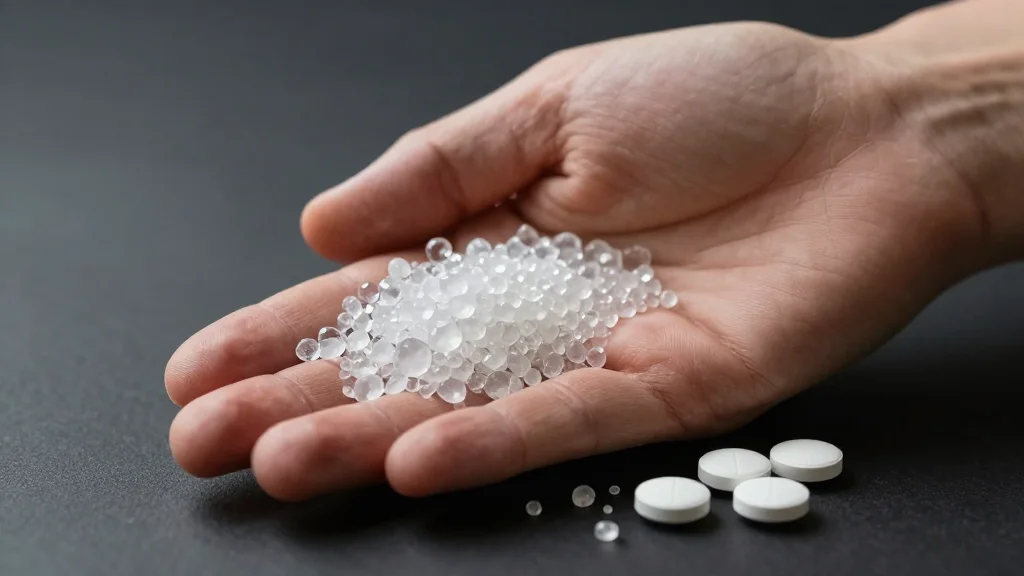
The post argues that modern medicine is organized around disease classification and long‑term drug management rather than genuine health restoration. It promotes Dr. Sircus’s “terrain theory,” which holds that environmental and lifestyle factors are the true roots of illness. By...

Wisdom in a World in Crisis: The Counterintuitive Need to Slow Down and Find Spaciousness
The Great Simplification podcast episode with philosopher‑neuroscientist Iain McGilchrist argues that during global crises, our instinct to double‑down on pragmatic, left‑brain thinking may be counterproductive. McGilchrist urges listeners to deliberately slow down, create mental spaciousness, and re‑engage with abstract values...

Love the World, Anyway.
In a recent Substack post, Kate Bowler reflects on finding joy amid global uncertainty, emphasizing that joy coexists with sorrow and can be cultivated through small, intentional actions. She shares insights from a podcast with pastor Nadia Bolz‑Weber and author...

No Complaints, Not Once
In "No Complaints, Not Once," Joshua Fields Millburn reflects on his brother’s lifelong habit of never complaining, even amid poverty, power outages, and a factory closure. The essay frames complaints as mental anchors that prolong dissatisfaction, suggesting that acceptance of unchangeable...

Decolonizing the Body in the Season of Becoming
Desiree B. Stephens frames the current "Season of Becoming" as a period of layered decolonization that moves from the mind, through the soul, to the body. She argues that true liberation cannot be achieved by intellectual work alone; the body...

This Daily Immune Ritual Supports Your Skin and Immunity From the Inside Out.
Pique has introduced the Daily Immune ritual, a liposomal vitamin C supplement designed to boost skin radiance and immune resilience. The product leverages liposomal delivery to improve absorption, a claim supported by a recent European Journal of Nutrition study that showed...

5 Questions to Ryan Alexander (Founder, Project Poetic Justice)
Project Poetic Justice, founded by Ryan Alexander, runs a ten‑week music and poetry program for incarcerated young adults at the DC Jail. In its second year the cohort expands to over 50 residents, with roughly 30 choosing to engage, and...

Lonely Island (Correct Edit)
A recent personal essay recounts a four‑day solo stay at a vacation home where the author interacted with virtually no one, thanks to self‑service tills, pay‑at‑pump fuel, and contactless deliveries. The piece uses this quiet experience to highlight how modern...
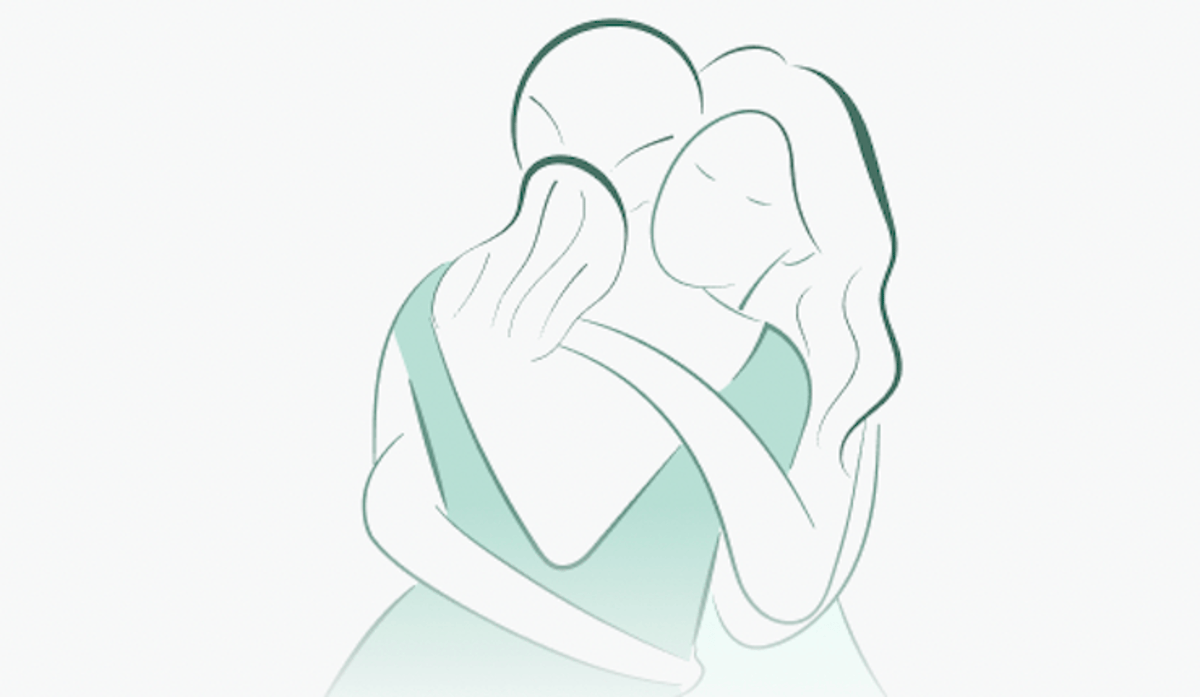
New Tool Launches to Support Women Through Post-Loss Journey
Carea has introduced a free "Healing After Loss" mode within its pregnancy and postnatal wellbeing app, offering on‑demand mental‑health tools, expert guidance, and a peer community for women who have experienced miscarriage or baby loss. The feature activates automatically when...
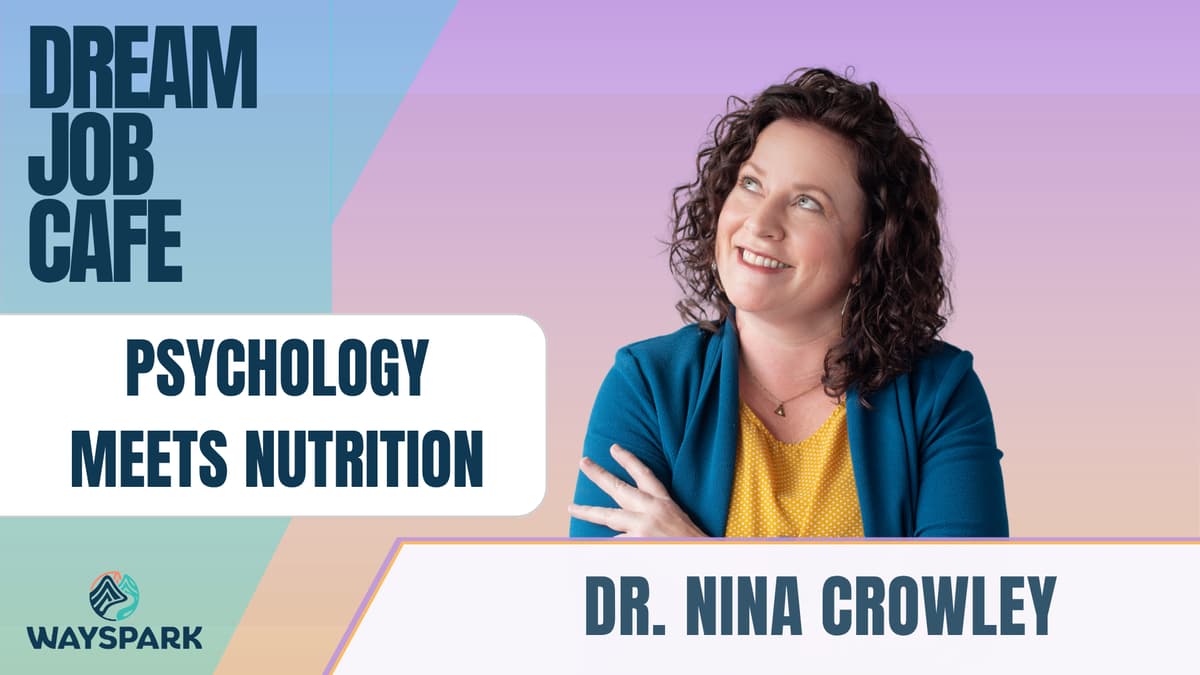
Beyond the Clinical Grind: Discovering Your Niche as a “Psychodietitian”
Dr. Nina Crowley, a registered dietitian and health‑psychology PhD, now leads clinical thought‑leadership at Sika, a maker of body‑composition scales. She educates clinicians on using bio‑electric impedance and DEXA technology to assess fat, muscle and bone, moving obesity care beyond...

When You Can’t Settle Your Mind, Start With Your Space
When mental chatter stalls, the article suggests tackling a small physical space—like washing dishes or clearing a countertop—to reset the brain. Citing psychology research, it notes that a tidy environment directly lowers anxiety and improves focus. Even ten minutes of...

Charlie Munger Advice: If You Really Want to Be Happy in Life, Start Saying No to These 10 Things
Charlie Munger, Berkshire Hathaway’s longtime partner, argues that happiness stems more from what you refuse than what you pursue. He outlines ten habits to reject—envy, resentment, self‑pity, overspending, unreliable people, high expectations, rigid ideology, disrespectful coworkers, liquor/leverage, and intellectual stagnation....