
5 Reasons Self-Improvement Is Lonely According to Warren Buffett
Warren Buffett argues that genuine self‑improvement is a solitary pursuit, driven by an inner scorecard rather than external validation. As individuals raise their standards, they gravitate toward higher‑quality associations, which naturally narrows their social circles. Protecting time by saying “no” and dedicating hours to deep reading compounds knowledge like interest, but reinforces the perception of unavailability. Finally, resisting the institutional imperative forces a contrarian mindset that, while profitable, can feel socially isolating.

How to Not Take Things So Personally: 6 Helpful Habits
The Positivity Blog outlines six practical habits to stop taking things personally, ranging from simple breathing exercises to improving self‑esteem. By pausing to breathe, seeking clarification, and recognizing that others’ behavior often reflects their own issues, readers can create mental...
My Mother Read My Journal when I Was 17. I Didn't Write Again for 30 Years.
The author recounts how her mother read a private journal entry when she was 17, prompting a 30‑year silence from writing. Decades later she returns to journaling, confronting the lingering nervous‑system alarm that honesty can be punished. She describes a...

Musician Yaya Bey on Being Happy with What You Have and Who You Are
Singer‑songwriter Yaya Bey explains that her music stems from an emotions‑first process, beginning with melodies before adding lyrics. After feeling pressured by market expectations on her previous album, she pivoted toward mental‑health‑centered creation, seeking peace of mind. Growing up in...

Leaders Are Burning Out: Stop Fixing People and Start Fixing the System
Burnout has moved from an individual flaw to a systemic crisis, with 91% of UK adults reporting high pressure and 77% of leaders showing exhaustion. Continuous digital connectivity and accelerating complexity have turned episodic peaks into relentless strain, exposing a...

JF Frankel Comic: Alex Pretti Ride – JF Frankel
On April 22, 2026, cartoonist JF Frankel released a bike‑themed comic series that frames cycling as a conduit for community, nature, and self‑discovery. The panels portray cyclists staging protests against ICE, sharing signs, and celebrating diversity, illustrating how the simple...

Salvador Marino at ACUD Galerie, Berlin
Salvador Marino’s "Iron Stream" installation opened at ACUD Galerie in Berlin, using sci‑fi‑inspired medical devices to interrogate the blood industry’s capitalist underpinnings. The work juxtaposes health benefits of donation with necropolitical questions about whose lives are saved and at what cost. Market...

I Blew Bubbles Before Going to Work, and You Should Too.
Arianna Bertolotti recounts buying a $1.25 bubble kit and using it as a morning ritual to break a stressful streak. The simple act of blowing bubbles on her patio sparked laughter, a sense of childlike joy, and sustained positivity throughout...

The Physiology of Agency in the Age of AI
The article argues that AI’s growing role reshapes the human feeling of agency, turning users from drivers to passengers in decision loops. It draws on neuroscience, citing Wegner’s illusion of conscious will and Seligman’s learned helplessness, to show that perceived...

You Are Exhausted, Angry, and Overwhelmed. Here Is What 40 Years in Court and a Decade of Trump Taught Me...
Trial lawyer Mitch Jackson draws on four decades of courtroom battles and a decade of Trump-era politics to outline a simple stress‑management system. He argues that exhaustion stems from failing to separate what we can control from what we cannot,...

The 25 Psychological “Shield Phrases” That Silence Gaslighting and Break Male Emotional Control
The post outlines 25 "shield phrases" designed to neutralize gaslighting and break male‑driven emotional control. It explains how subtle denial tactics destabilize memory and self‑trust, turning language into a weapon of power. By adopting precise psychological boundary language, individuals can...

Why You Feel Like a Fraud in Your Own Practice
Root & Ritual highlights the prevalence of spiritual imposter syndrome among modern witchcraft practitioners. The author argues that magic is innate intuition, not a learned skill, and offers three rituals—Bloodline Mirror, Intuition Compass, and Pulse Anchor—to restore confidence. By shifting...

You're Not Burned Out. You're Unpulled.
The article argues that many high‑capacity, neuro‑complex adults experience a form of burnout that rest alone cannot fix. It reframes burnout as a lack of direction for the nervous system rather than depleted energy, highlighting that dopamine’s role is misunderstood...

How I Rechannel Fear Energy
Steve Pavlina released a new in‑depth video detailing how he transforms fear, anxiety, worry, and dread into productive energy. He demonstrates specific mental techniques and ties the discussion to his upcoming live event, Open, in Las Vegas from April 28‑30....

10 Ways to Cultivate Resilience for How to Be a Successful Musician
The article outlines ten actionable ways musicians can build resilience, from treating setbacks as learning moments to cultivating gratitude and mindfulness. It stresses the importance of a strong support network, flexible routines, and realistic goal‑setting to navigate the volatile music...

To the Wounded Parent Who Wants to Do Everything Right
The article explores how parents who survived childhood trauma wrestle with a relentless inner critic that questions every parenting decision. It illustrates this struggle through personal anecdotes, such as a mother hesitating before offering a hug to her son who...

Podcast: Build Better Habits & Master the Mental Game of Eating
The Two Percent podcast released a new episode featuring Melissa Hartwig, co‑founder of the Whole30 movement, to discuss how short‑term elimination diets can rewire eating habits and uncover food sensitivities. Hartwig shares personal stories of trauma, sobriety, and how a...

How to Use Breathing to Control Your Emotions (The Neuroscience of Interoception)
The post explains how breathing and other bodily signals shape emotional experience through interoception. It cites classic experiments—such as the bridge study—and pharmacological evidence showing that heart‑rate changes alter perception of fear and attraction. Practical advice emphasizes using deliberate breath...

BODi Expands GLP-1 Support and Longevity-Driven Fitness with “10 Minute BODi” Workouts
BODi announced three new 10‑Minute BODi digital programs—Speed Train, Active Aging, and GLP‑1 Fitness Formula—expanding its micro‑dose fitness catalog for busy consumers, seniors, and users of GLP‑1 medications. Speed Train adds 22 resistance workouts, Active Aging delivers 15 mobility‑focused sessions...

The Ukemi Edition
Graydon Gordian, founder of Backyard Care, recounts his first Judo class where the focus was on ukemi, the art of safe breakfalling. He highlights that falling is the leading cause of injury for adults 65 and older, with 14 million incidents...

Podcast: What Are Recovered Memories? How Memory Distortion Leads to Family Estrangement with Mark Pendergrast
In a recent episode of the Family Troubles podcast, journalist Mark Pendergrast discusses the phenomenon of recovered memories and how memory distortion can fracture families. The conversation examines the science behind reconstructive memory, the role of suggestive therapeutic techniques, and...

I Wear a Continuous Glucose Monitor. Here's What MOTS-C Did to My Numbers.
The author, a biohacker who monitors glucose continuously, reports that weekly injections of the mitochondrial peptide MOTS‑c consistently drop post‑meal blood sugar by about 20 mg/dL compared with baseline. The effect appears reproducible across multiple CGM recordings while keeping food intake...

Your Brain Wants You to Be Happy.
The new book "Born to Flourish" by Richard Davidson and Cortland Dahl argues that flourishing is a set of trainable skills—awareness, connection, insight, and purpose—rooted in neuroplastic brain networks. Research shows that just five minutes of daily practice for 28...

PEPITEM as a Potential Therapy for Autoimmune Arthritis
Researchers at the University of Birmingham have identified a decline in the anti‑inflammatory peptide PEPITEM as a key driver of worsening inflammatory arthritis with age. Laboratory tests showed that adding synthetic PEPITEM restores white‑blood‑cell responsiveness to adiponectin in early‑stage rheumatoid...

Your Painful Joints Don't Need Rest. They Need This.
Recent analyses highlight aquatic exercise as a potent option for managing joint pain, especially knee osteoarthritis. Water’s buoyancy can reduce joint load by up to 90%, while gentle compression improves cartilage signaling and blood flow. A meta‑review of over 2,200...

“The Question That Saved My Marriage (And It’s Not What You Think)”
In a personal essay, Dr. Kim recounts how asking her husband, “What are you actually feeling right now?” broke a communication impasse that had lingered for years. The revelation that both partners possessed a limited emotional vocabulary—often reduced to five...

Your Wellbeing Scores Look Great. That Might Be the Problem
Most corporate wellbeing programmes focus on attendance and satisfaction, not on real behavioural change. Research shows mild, uncontrollable stress impairs the pre‑frontal cortex, meaning parents can’t apply learned coping tools during high‑pressure moments like a chaotic morning. Deloitte finds 46%...

Things I Looked Into While Trying to Fix Chronic Pain
A chronic‑pain sufferer with Hashimoto’s and psoriatic arthritis created a self‑curated guide of over 50 interventions, ranging from low‑dose naltrexone (LDN) to supplements, sauna and creatine. Frustrated by conventional clinicians who dismissed his symptoms, he graded each option by evidence...

Fish Oil Supplements for Brain Injuries Probably Don’t Work
A pioneering study from the Medical University of South Carolina, published in Cell Reports, suggests that fish oil supplements—specifically the omega‑3 fatty acid EPA—may hinder recovery after repetitive mild traumatic brain injuries. Using a novel animal model that replicates concussion‑like...

Iron: An Underrated Factor in Aging
The piece argues that excess iron—especially heme iron from animal foods—acts like internal rust, driving oxidative damage through the Fenton reaction and contributing to cardiovascular disease, insulin resistance, and cancer. It highlights that typical ferritin levels in Western populations often...

Senate Democrats Advance Bill Targeting AI Chatbot Dangers
Connecticut Senate Democrats moved Senate Bill 5, "An Act Concerning Online Safety," out of the General Law Committee and toward a full Senate vote. The bill obliges AI chatbot operators to identify signs of suicidal ideation and direct users to...

Using Anger as Fuel for Change
Catharine Hannay’s MindfulTeachers.org essay argues that anger, when suppressed or misdirected, fuels health problems and relational damage, but can also be a catalyst for personal and societal transformation. She cites research linking unexpressed anger to substance abuse, depression, and hypertension,...

How Can Parents Teach Kids Healthier Gaming Habits?
Parents are increasingly tasked with shaping healthier gaming habits as children spend more time on consoles and PCs. Simple interventions—regular stretching, ergonomic seating, and mindful snacking—can curb posture problems and excessive junk‑food consumption. The article outlines practical steps, from quick...

My Office’s “Wellness Week” Just Adds to Our Stress
Ask a Manager highlights a former government attorney’s experience with a mandated “Wellness Week” that, despite being labeled optional, created pressure to participate in team‑based challenges. Employees had to sacrifice actual self‑care or donate time and money, while workloads remained...

High-Functioning Anxiety and Hidden Trauma: A Growing Concern in Tampa and Jacksonville, FL
High‑functioning anxiety and hidden trauma are increasingly recognized as silent mental‑health challenges in Tampa and Jacksonville. While individuals appear successful and productive, they often grapple with chronic stress, perfectionism, and unresolved emotional pain. The article outlines how these conditions go...

The Psychology of Emotions: How Recognizing Your Feelings Reduces Impulsive Reactions
The post argues that most impulses stem from emotions we fail to label, and that consciously recognizing those feelings rewires our brain’s reaction pathways. It explains how the brain treats unidentifiable feelings as emotional alarms, prompting automatic impulses. By pausing...

The Discipline of Facing What You Don’t Want To Feel
The post argues that many professionals postpone tasks, conversations, and decisions not because they lack clarity, but because the associated feelings are uncomfortable. It describes how short‑term avoidance provides temporary relief while allowing new anxieties to surface. The author urges...

Neglecting Your Own Long-Term Well-Being
The post warns that constant focus on immediate responsibilities often pushes rest, health, and mental space to the back of the priority list. This pattern creates a slow, almost invisible decline in energy, focus, and overall capacity. Because the negative...

Convincing Yourself It Doesn’t Matter Today
The post warns that the seemingly harmless mantra “today doesn’t matter” fuels a cycle of small delays that silently erode long‑term momentum. Each postponed task feels trivial, yet the cumulative effect weakens consistency and stalls progress. By treating these micro‑procrastinations...

Emotional Regulation During Waiting: Reducing Anxiety and Frustration
The post explores how waiting—whether for answers, outcomes, or change—creates uncomfortable anxiety and tension despite the absence of external events. It explains that the mind fills idle moments with pressure, leading to restlessness and quiet stress. The author outlines practical...

Every Escape Has a Price — 20 April
The post argues that escaping uncomfortable tasks feels easy now but builds hidden mental weight over time. Each avoided decision creates a gap between intention and behavior, eroding self‑trust and increasing future stress. By confronting issues directly, even imperfectly, the...
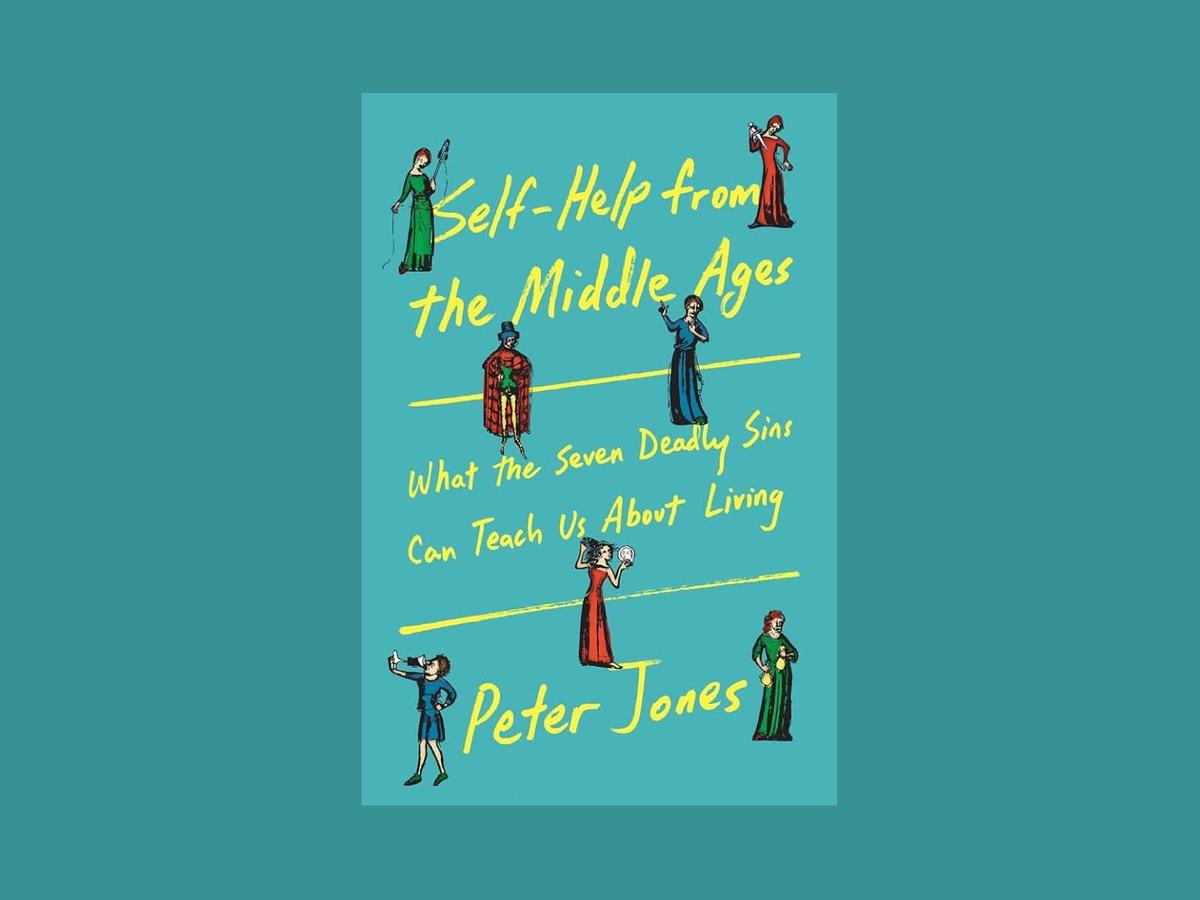
Book Briefing: ‘Self Help From the Middle Ages’ by Peter Jones
Peter Jones’s new title, “Self Help from the Middle Ages,” reexamines centuries‑old moral and practical advice through a modern lens. The book curates excerpts from monastic rules, chivalric codes, and medieval philosophers, translating them into actionable guidance for today’s professionals....

How to Overcome Depression?
Depression isn’t merely sadness; it reshapes perception, motivation, and physiology. The article argues that waiting for mood improvement before acting prolongs the condition, urging readers to take small, intentional actions first. It emphasizes stabilizing three basic anchors—consistent sleep, regular nutrition,...

Healthy Lifestyle
The post argues that a sustainable healthy lifestyle is built on daily, small choices rather than extreme diets or intense fitness regimes. It emphasizes nutrient‑dense meals with vegetables, fruits, whole grains, lean proteins and healthy fats, paired with mindful eating....

The Winner's Mindset
Sifu Yik’s post outlines ten practical rules that separate strong, high‑performing individuals from the rest. The guidelines stress earning respect through value, building personal strength, speaking less, continuous self‑improvement, decisive action, and strategic silence. They also highlight cutting toxic habits,...

Rogan Tipped the Scales on Psychedelic Research in the US
Joe Rogan appeared at the White House as President Trump signed an executive order to fast‑track psychedelic research and clinical trials. The directive directs federal agencies to accelerate approval pathways for psychedelic therapeutics aimed at PTSD, veteran mental health, and...

How to Build a Bedtime Routine for a Consistent Sleep Schedule
A consistent sleep schedule is linked to better alertness, mental health, and cognitive performance, yet only 30% of American adults maintain regular bedtimes. A 2019 poll shows most deviations are 30‑60 minutes, with a minority drifting over two hours. Sleep...

You’re Not Busy, You’re Afraid to Stop
The post argues that rest is a theological mandate, not a reward earned after work. It explains that the Sabbath command calls for ceasing on the seventh day, independent of productivity, and frames rest as an identity statement rather than...

Why Your Life Feels Fake: An Antidote to the Life You Were Sold
The article argues that most people live a performed version of themselves, creating a persistent sense of inauthenticity. It introduces the concept of Identity‑Lifestyle Fit, likening personal alignment to product‑market fit, and explains how early‑life beliefs shape that gap. The...

3 Stoic Principles That Will Improve Your Life
The article presents three timeless Stoic practices—daily self‑examination, living each day as if it were your last, and discarding burdens you cannot control—drawing directly from Seneca and Marcus Aurelius. It connects these ancient ideas to modern concepts like self‑awareness, purpose‑driven...