
Who Is the Sponsor, and Who Is Being Sponsored?
A recent Substack post recounts an unconventional Alcoholics Anonymous arrangement where two members, Peter and Jim, became each other's sponsor on alternating days. The story illustrates how reciprocal sponsorship can strengthen sobriety for both parties. The author ties the anecdote to research showing that giving support boosts personal happiness, confidence, and motivation. The piece argues that the act of helping others is simultaneously a form of self‑help, suggesting broader applications beyond recovery groups.

🎥 Joe Hudson: The Three Awakenings
Joe Hudson, a coach for top executives, argues that most leaders mistake mindfulness for perfection, using peace as a shield rather than a pathway to genuine fulfillment. He outlines five "awakenings"—emotional inclusion, heart versus head awareness, gut‑based safety, the self‑reliance...

Did Your Brain Accidentally Train Itself to Be Anxious?
Neuroscientist Dr. Jud Brewer reveals that anxiety functions as a reward‑based habit loop, mirroring everyday habits like nail‑biting. He argues that willpower‑driven suppression intensifies the loop, while cultivating open curiosity quiets the brain’s rumination centers. Brewer’s RAIN‑based "Curiosity Pause" technique...

Part 2: What the Body Does Instead
Dr. Benjamin Caplan explains that aging narrows the body’s physiological margin, so previously reliable habits no longer guarantee consistent outcomes. The body remains functional but becomes selective, allocating limited recovery resources across competing processes. This shift creates perceived instability, prompting...

Your Brain Is Wired for Threat, Not Safety
Human nervous systems are hardwired to prioritize threat detection over safety, a trait honed by evolutionary pressures where missing danger was costly. Modern life replaces acute dangers with persistent stressors, causing the sympathetic response to stay active and preventing natural...

An Invitation
Steve Pavlina posted a new, unedited one‑take video titled “Open,” aimed at people who appear successful outwardly but feel hollow inside. The raw format emphasizes authenticity, and viewers are invited to explore his Open program via a dedicated landing page....
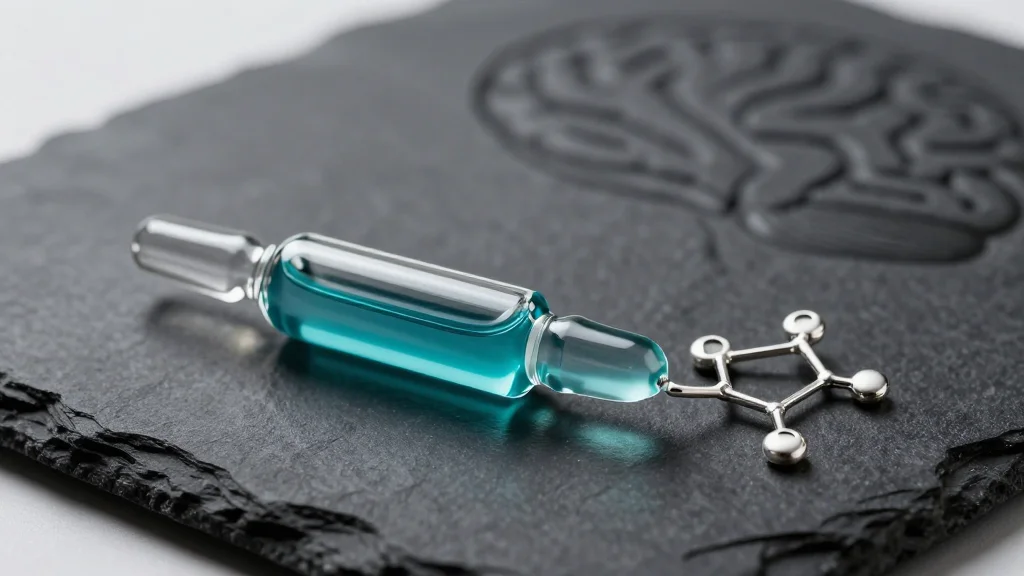
Compass Pathways Commends White House Executive Order to Accelerate Research and Access for Psychedelic Treatments
Compass Pathways welcomed the White House Executive Order aimed at speeding up research and access to psychedelic therapies for serious mental illness. The biotech highlighted its COMP360 synthetic psilocybin, which has delivered statistically significant results in two Phase 3 trials for...
How Regulating Clinical Empathy Prevents Physician Burnout
The article argues that physicians burn out not from caring too much but from unregulated empathy that turns patients' stories into personal trauma. By distinguishing a patient’s story from their feelings, clinicians can practice regulated compassion, reducing emotional exhaustion. Research...

Books to Unrot Your Brain: A Training Syllabus
The post warns that America’s collective attention is eroding, citing research that shows adult screen‑task focus fell from 2½ minutes in 2004 to just 47 seconds in 2023 and that 40% of adults didn’t finish a book last year. It...

The Secret to Being Happy, the Price We Pay for Meaning, 10 Questions to Answer and More
Wisereads Saturday’s April 18, 2026 edition curates the week’s most compelling long‑reads, spotlighting essays on the science of happiness, the personal sacrifices tied to a meaningful life, and a provocative "10 questions" framework for self‑reflection. The roundup blends psychology, philosophy, and narrative...

Group Pushes Ottawa to Ban Flavoured Vapes
Anti‑smoking groups and a University of Ottawa doctor are pressuring Health Minister Marjorie Michel to prohibit flavored vaping products nationwide. They cite a Health Canada study showing that 21% of the 300,000 Canadians who quit smoking in 2024 used vapes, while...

Your Spine Shrinks 2cm Every Workday
People lose up to 2 cm of height each workday as spinal discs compress from prolonged sitting. A Dublin product manager measured a 1.8 cm drop by 6 pm, confirming research that the average daily loss is about 19 mm. Traditional stretches like cobra...

How to Deal with the Paralysis Caused by Perfection
The article explains how perfectionism fuels a hidden paralysis, where the mind stays busy rehearsing, refining, and fearing embarrassment while real work stalls. It argues that the imagined "ideal self" who can execute flawlessly is fictional, and progress requires acting...

The Quiet Anxiety That Can Drive Action
The article describes a subtle form of anxiety that fuels nonstop activity, often appearing as disciplined productivity. This "quiet anxiety" creates a constant pull to stay busy, using action as a way to regulate internal tension. When the pace slows,...

Fear of Staying the Same vs Fear of Change
The post contrasts the immediate, loud fear of change with the quieter, long‑term fear of staying the same, showing that both carry hidden costs. It explains how the brain prioritizes short‑term discomfort, causing many to avoid transformation despite accumulating missed...

Motivation Tied to Others’ Opinions
People often perform better when they know others are watching, as external recognition fuels motivation. The blog explains that tasks become high‑energy under visible accountability but lose momentum in private settings, revealing an uneven effort pattern. It argues that reliance...

Neglecting Your Own Long-Term Well-Being
The post argues that knowing what benefits your long‑term well‑being is not enough to spur action. Readers often postpone self‑care, waiting for ideal conditions that rarely materialize. This delay creates a widening gap between insight and behavior, turning awareness into...
How Credentialing and Culture Impact Physician Mental Health
Physician burnout and mental‑health stigma are intensifying as 46% of health workers report frequent exhaustion, costing the U.S. health system roughly $4.6 billion a year. Credentialing forms that probe mental‑health history and drug use create a privacy fear that discourages clinicians...
Why GLP-1 Medications Require Expert Nutrition Guidance
GLP‑1 medications are reshaping obesity and diabetes treatment by delivering significant weight loss, but their appetite‑suppressing effects can lead to protein shortfalls, vitamin gaps, and muscle loss. A recent Academy of Nutrition and Dietetics survey found 98% of professionals flag...

Drowning Out the Noise
Andrew Marzoni recounts a weekend in the Catskills that coincided with the Unite the Right rally and the Charlottesville tragedy, juxtaposing personal leisure with national upheaval. He describes his own numbness to the violence and the subsequent shame he felt...
Why Current Solutions to Physician Burnout Are Failing
After a decade of wellness programs, physician burnout remains at 45% according to the AMA’s 2023 survey, essentially unchanged from earlier levels. Traditional solutions target environmental stressors—hours, bureaucracy, EHR—but the article argues this model fails because the harsh environment persists....
The Bathroom Habit That May Be Raising Your Blood Pressure
Recent research reveals that antiseptic mouthwash can disrupt oral bacteria that convert dietary nitrate into nitrite, a key step in the body’s nitric oxide production pathway. Reduced nitric oxide leads to modest but measurable rises in blood pressure within days...

4.18.26 | 💛 6 Habits that Support Me as a Highly Sensitive Person
The author, a self‑identified highly sensitive person (HSP), shares six daily habits that help her manage overstimulation as a mother living in Los Angeles. She explains how early childhood volatility heightened her sensory awareness, and how urban noise and crowded child‑focused...

Warren Buffett Advice: If You Want to Be Happy as You Get Older, Say Goodbye to These 5 Behaviors
Warren Buffett, at 95, shared five habits to drop for greater happiness in later life. He urges people to say no to most requests, abandon external scorecards, cut ties with toxic individuals, protect their reputation, and measure success by love...

Longevity: What 2 or 3 Other Supplemental Medications Would You Use Along with Rapacan/Sirolimus?
An anonymous forum user seeks supplemental drugs to pair with rapamycin (sirolimus) for longevity, already taking resveratrol. Community responses recommend metformin, acarbose, and SGLT2 inhibitors such as dapagliflozin to counter rapamycin‑induced glucose spikes, plus statins or ezetimibe for lipid control...

Exercise Triggers More Brain-Boosting Protein in Fit People
A 2026 Brain Research study found that only after a 12‑week fitness program do sedentary adults show a marked increase in brain‑derived neurotrophic factor (BDNF) during exercise. The rise in BDNF correlated with higher VO2 max scores and translated into faster...

Connecting to the Cycles of the Seasons Through Meditation
Anne‑Marie Emanuelli, founder of the B‑Corp Mindful Frontiers, outlines how meditation can be synchronized with the four seasons to deepen connection with nature and foster emotional balance. She describes specific practices for spring gratitude walks, summer water‑based breath work, fall...

How to Build Team Competitiveness in Sports: 3 Mental Strategies That Work
Top-performing teams rely on daily internal competition, not just raw talent, to sharpen focus and raise accountability. The University of Michigan men’s hockey team exemplified this by turning a modest 18‑15‑3 season into a 31‑8‑1 record, a Big Ten title,...
How to Get Your Sh*t Together.
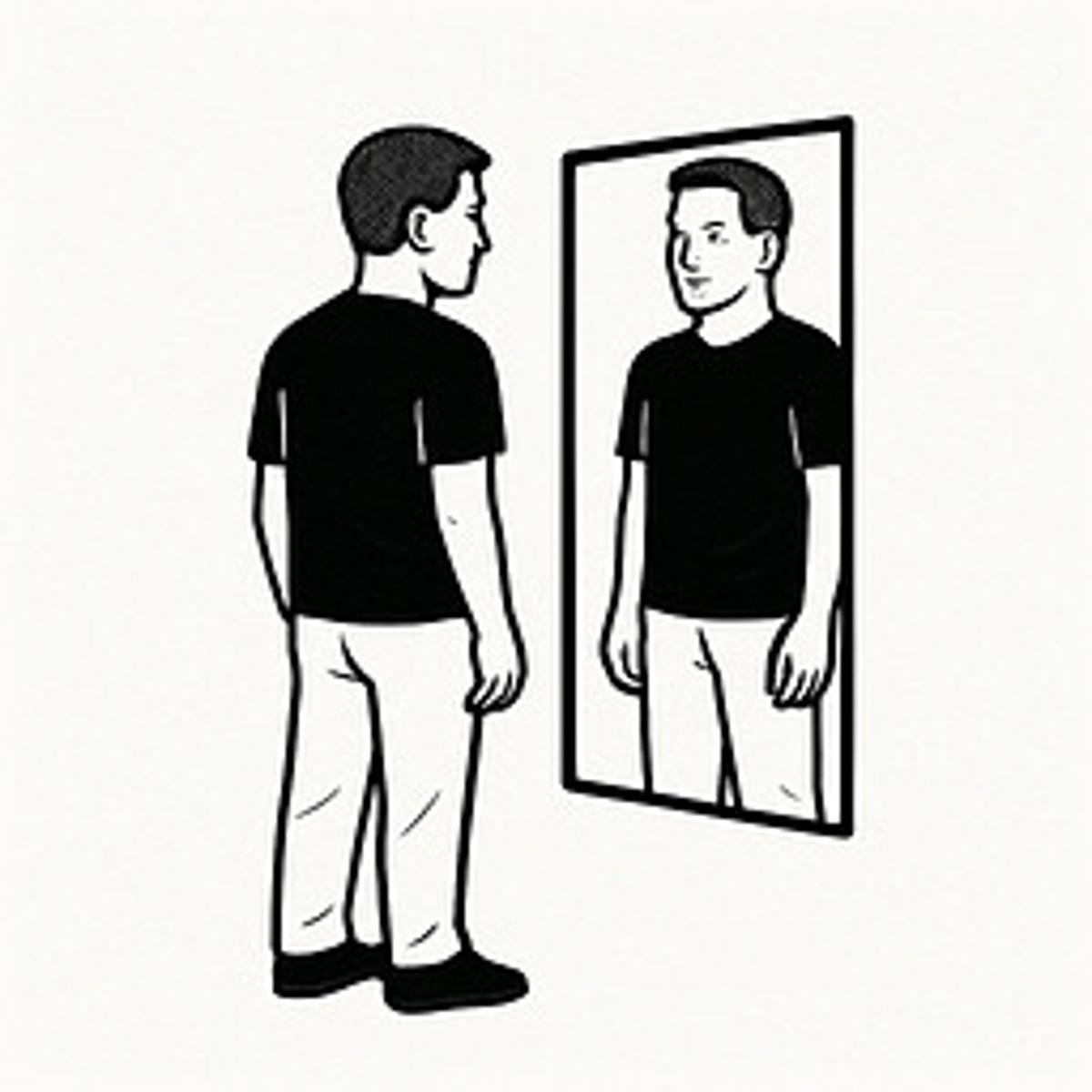
The post outlines a step‑by‑step system for turning a chaotic to‑do list into actionable, organized work. It starts with a phone‑free brain dump onto paper, then groups items, picks one‑to‑two high‑impact tasks, and schedules daily focus blocks. Quick wins under...

Should You Give Your Child Melatonin? What the Research Actually Says
Melatonin supplement sales in the United States surged from $285 million in 2016 to $821 million in 2020, reflecting a sharp rise in pediatric use. A recent survey indicates that roughly one in five school‑aged children received melatonin in the past month....

You’re Resting but Your Mind Isn’t
The post highlights a common experience: after a day’s work, the body may be still, but the mind continues to race with thoughts about unfinished tasks, tomorrow’s plans, and lingering details. This mental rumination prevents true rest, blurring the line...

Your Body Stays Tight Even When You Sit Down to Rest
The post highlights a common paradox: sitting down to rest does not automatically release muscular tension. Readers notice shoulders still raised and neck tight even after stopping movement, indicating the body remains in a semi‑alert state. The author suggests that...

Why You Never Feel Fully Caught Up (Even When You’re Doing Enough)
The article explains why many professionals feel perpetually behind despite completing tasks, attributing the sensation to the brain’s focus on unfinished work rather than completed items. Modern work environments flood people with constant messages, emails, and new tasks, eliminating a...
Not Failing, but Not Growing Either
The post reflects on a common professional plateau where daily routines keep things afloat but fail to generate real growth. It describes the feeling of “not failing, but not growing either,” highlighting how comfort and low risk create a static...
The Hidden Fear Behind Procrastination
The post reframes procrastination as a protective response to hidden fear rather than laziness or poor time management. It explains how anxiety about failure, adequacy, and uncertainty fuels task avoidance. By lowering emotional weight and expectations, the author suggests small,...

The Difference Between Forced Discipline and Emotional Discipline
The article contrasts forced discipline, which relies on external pressure and short‑term push, with emotional discipline, which stems from internal alignment and meaning. Forced discipline can produce immediate results but creates tension, fatigue, and eventual burnout. Emotional discipline listens to...
Depending on Mood to Take Action
The post argues that basing work on fleeting moods creates inconsistency and erodes productivity. While acting only when motivation peaks feels authentic, mood volatility leads to missed deadlines and a gap between intention and execution. The author stresses that sustainable...

Why You Feel Mentally Drained Before the Day Even Starts
Many professionals report feeling mentally drained before their workday even begins. The blog attributes this early fatigue to the brain’s premature activation, often triggered by immediate phone checks, lingering thoughts, and information overload. It argues that the problem isn’t insufficient...

6 Simple Steps To Reset Your Lungs’ Natural Cleaning System
The post explains how everyday pollutants—traffic exhaust, VOC‑laden cleaners, secondhand smoke, and wildfire smoke—overwhelm the lungs’ ciliary cleaning system, leading to mucus buildup, congestion, and reduced endurance. It details the biological limits of cilia and the warning signs of impaired...

Once You Understand Neuroplasticity Your Life Will Never Be the Same Again
Tim Denning’s post frames neuroplasticity as the engine behind lasting personal change, arguing that the brain rewires through repeated actions rather than mere intentions. He illustrates the concept with Barbara Arrowsmith‑Young’s self‑directed remediation of learning disabilities and shows how high‑performers...

Benefits of Craniosacral Fascial Therapy for Mind and Body Balance
Craniosacral Fascial Therapy (CFT) blends gentle craniosacral and fascial work to release deep tissue tension. Sessions last 45‑60 minutes, using light touch that encourages cerebrospinal fluid flow and loosens connective‑tissue restrictions. Practitioners report fewer chronic headaches, calmer nervous systems, and...

Five Ways to Use Gratitude to Improve Your Legal Practice and Well-Being
The article explains how intentional gratitude can counteract lawyers’ built‑in negativity bias and chronic stress. It outlines five practical habits—daily progress reflection, real‑time acknowledgment, tracking completed work, recognizing the profession’s demands, and noting meaningful moments—to embed gratitude into a busy...

Why Trauma Isn't Always What It Seems
The post explains that post‑traumatic stress disorder (PTSD) hinges on how individuals interpret adverse events, not just the events themselves. It highlights that autistic children often perceive routine situations as incomprehensible threats, leading to PTSD symptoms from seemingly minor incidents....
Part I:When the Body Stops Finishing What It Starts
Dr. Benjamin Caplan explains that many middle‑aged professionals experience lingering fatigue not because they lack discipline, but because their bodies' recovery processes no longer finish completely. As physiological margins narrow with age and cumulative stress, minor disruptions linger, producing a...

Performance Anxiety in Endurance Sports: What’s Happening & What to Do About It
Endurance athletes often face performance anxiety that can derail race day despite flawless training. Mental performance expert Carrie Jackson explains the psychobiology behind threat perception, showing how heightened heart rate, muscular tension, and impaired decision‑making reduce VO₂ max and increase injury...

Woo Truce? The Science and Health Establishment Divided on How to Deal with MAHA and RFK, Jr.
The Trump administration unveiled new meat‑ and milk‑focused dietary guidelines at an event featuring Robert F. Kennedy Jr. and his Make America Healthy Again (MAHA) coalition. AMA President Bobby Mukkamala attended, highlighting the medical community’s split over the administration’s push...
Hydrogen-Rich Water Reduces Premenstrual Symptoms and Improves Quality of Life
A randomized, double‑blind trial published in BMC Women’s Health found that women who drank 1,500‑2,000 mL of hydrogen‑rich water each day during the luteal phase experienced a measurable drop in PMS symptom scores and reported better physical and psychological quality of...

Overcoming AI Brain Fry - Part II
The post warns that juggling multiple AI tools can cause “brain fry,” a modern form of cognitive overload. It draws a parallel to 1800s telephone switchboard operators who faced similar fatigue when call volumes surged past 300 per hour. This...
Speaking of Joy...
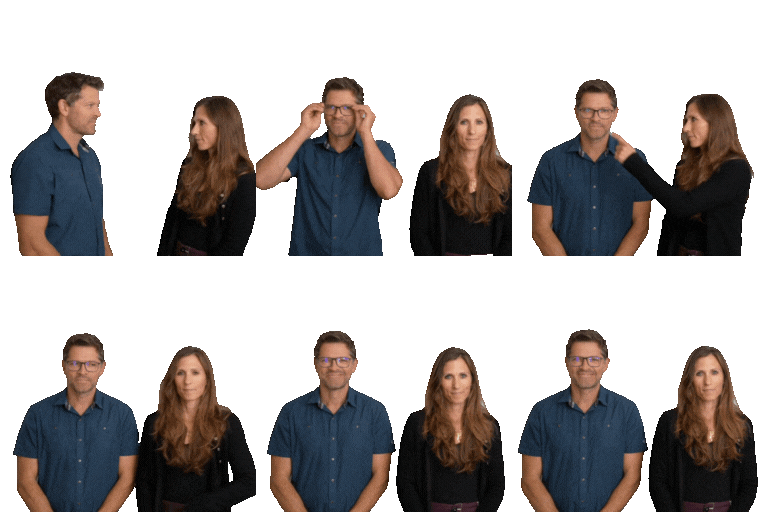
The author recounts a journey from severe burnout to rediscovering joy, crediting her partner Misha for helping rewire her nervous system and restore energy. After months of feeling fragmented, she describes a bedtime episode where a small act of patience...

Burnout Recovery Isn’t a Full Comeback. It’s a Renegotiation.
The post reframes burnout recovery as a renegotiation rather than a full comeback. It argues that returning to previous work habits often repeats the same stressors that caused burnout. Instead, individuals and leaders should redefine expectations, workload, and boundaries before...