
Support Levels Determine AI's Impact on Med Students' Well‑Being
I'm proud to share my PhD student, Nóra Árvai's, newest paper: Generative AI's Impact on the Mental Health of Medical Students: Scenario Analysis, just published in JMIR. She used scenario analysis to examine potential futures at the crossroads of generative AI adoption and medical students’ mental health. Then she analyzed each scenario and its potential impact on our decisions today: 1) Analog Happiness (high support and low AI integration) 2) Gen AI Paradise (high support and high integration) 3) Disconnected Struggles (low support and low integration) 4) Gen AI Takeover (low support and high integration). "𝐸𝑎𝑐ℎ 𝑠𝑐𝑒𝑛𝑎𝑟𝑖𝑜 𝑑𝑒𝑚𝑜𝑛𝑠𝑡𝑟𝑎𝑡𝑒𝑠 ℎ𝑜𝑤 𝑣𝑎𝑟𝑖𝑜𝑢𝑠 𝑖𝑛𝑠𝑡𝑖𝑡𝑢𝑡𝑖𝑜𝑛𝑎𝑙 𝑟𝑒𝑠𝑝𝑜𝑛𝑠𝑒𝑠 𝑐𝑎𝑛 𝑖𝑚𝑝𝑎𝑐𝑡 𝑠𝑡𝑢𝑑𝑒𝑛𝑡𝑠’ 𝑑𝑖𝑔𝑖𝑡𝑎𝑙 𝑟𝑒𝑎𝑑𝑖𝑛𝑒𝑠𝑠, 𝑝𝑠𝑦𝑐ℎ𝑜𝑙𝑜𝑔𝑖𝑐𝑎𝑙 𝑤𝑒𝑙𝑙-𝑏𝑒𝑖𝑛𝑔, 𝑎𝑛𝑑 𝑝𝑟𝑜𝑓𝑒𝑠𝑠𝑖𝑜𝑛𝑎𝑙 𝑔𝑟𝑜𝑤𝑡ℎ. 𝐹𝑜𝑟 𝑒𝑎𝑐ℎ 𝑜𝑛𝑒, 𝑤𝑒 𝑖𝑑𝑒𝑛𝑡𝑖𝑓𝑖𝑒𝑑 𝑡ℎ𝑒 𝑚𝑎𝑖𝑛 𝑠𝑦𝑠𝑡𝑒𝑚𝑖𝑐 𝑟𝑖𝑠𝑘𝑠 𝑎𝑛𝑑 𝑠𝑢𝑔𝑔𝑒𝑠𝑡𝑒𝑑 𝑖𝑚𝑚𝑒𝑑𝑖𝑎𝑡𝑒 𝑖𝑛𝑠𝑡𝑖𝑡𝑢𝑡𝑖𝑜𝑛𝑎𝑙 𝑚𝑒𝑎𝑠𝑢𝑟𝑒𝑠 𝑡𝑜 𝑎𝑑𝑑𝑟𝑒𝑠𝑠 𝑡ℎ𝑒𝑚." The paper: https://t.co/cneyYRxadP
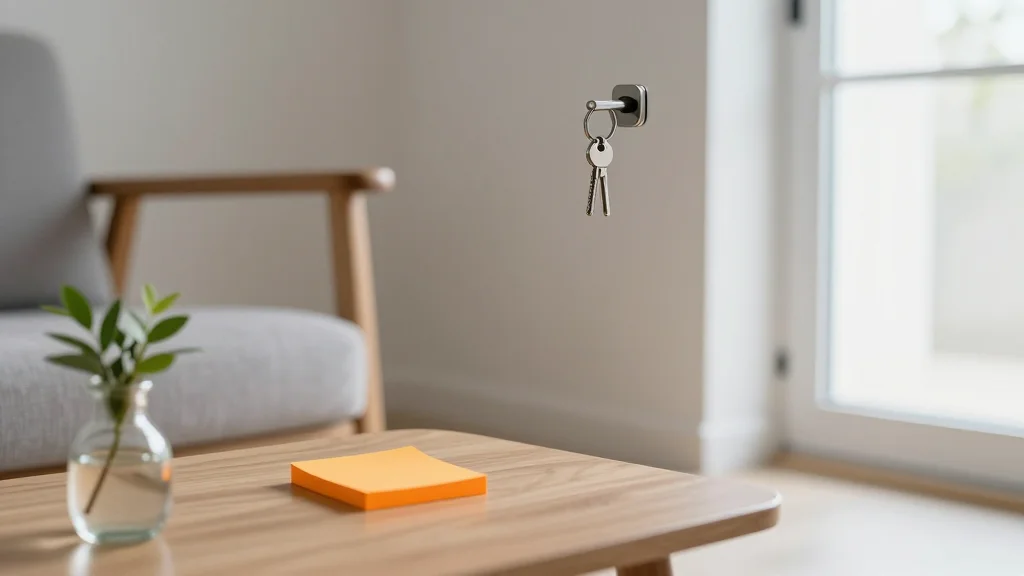
Use Your Space as an External Memory Aid
If you have ADHD, your environment is part of your memory. The thing on the chair might be a reminder. The open tab might be a thought. The object near the door might be tomorrow’s task. Build external memory, but without turning your place...

Say This First Sentence to Calm ADHD Children
A child psychologist trick: the first sentence to say that instantly lowers defensiveness in an ADHD child
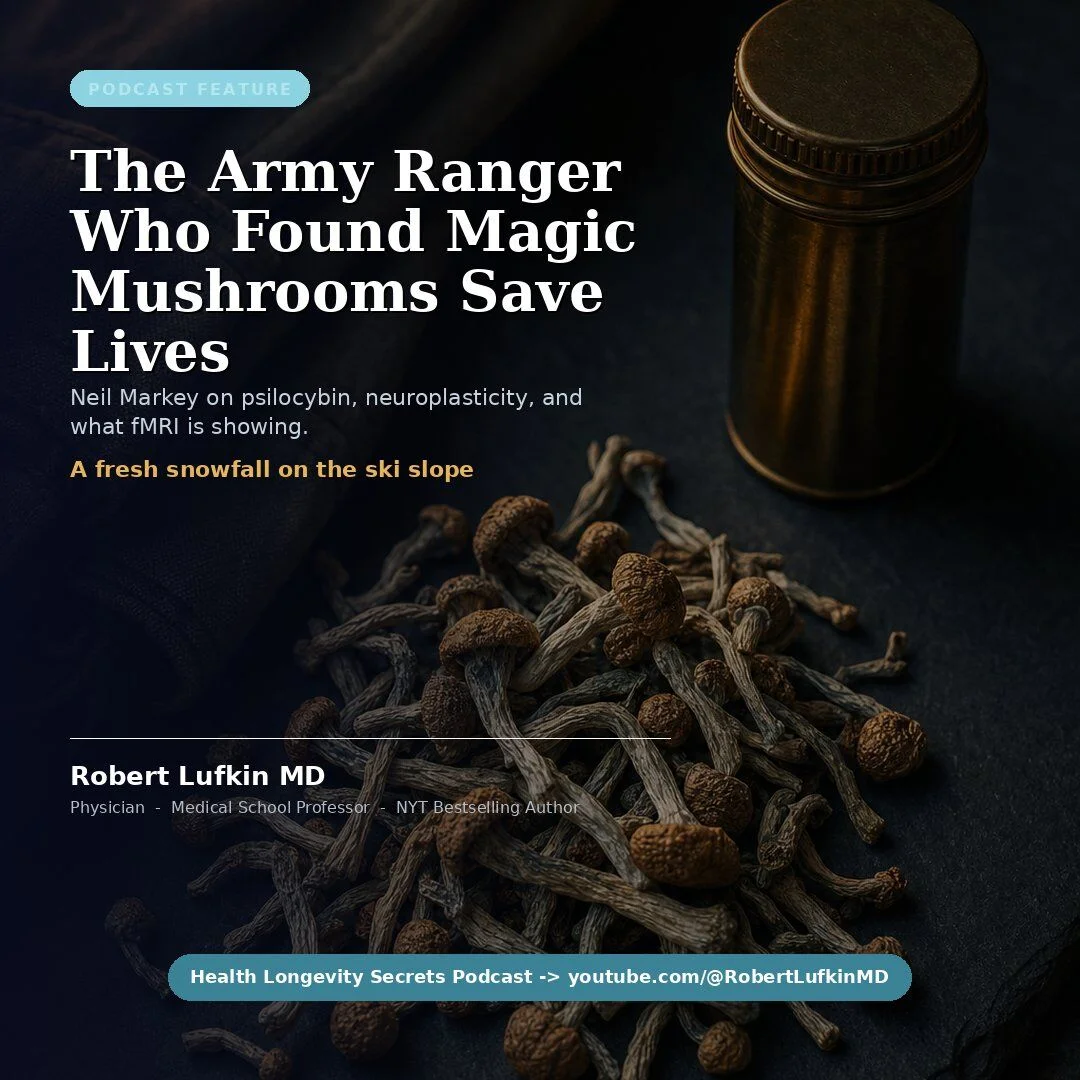
Psilocybin Succeeded Where SSRIs Failed for Veteran
When an Army Ranger with two tours in Afghanistan tells me psilocybin worked where SSRIs and anti-anxiety meds did not, I listen. Neil Markey came home with broken sleep and anger - feeling no one realized a war was still going...
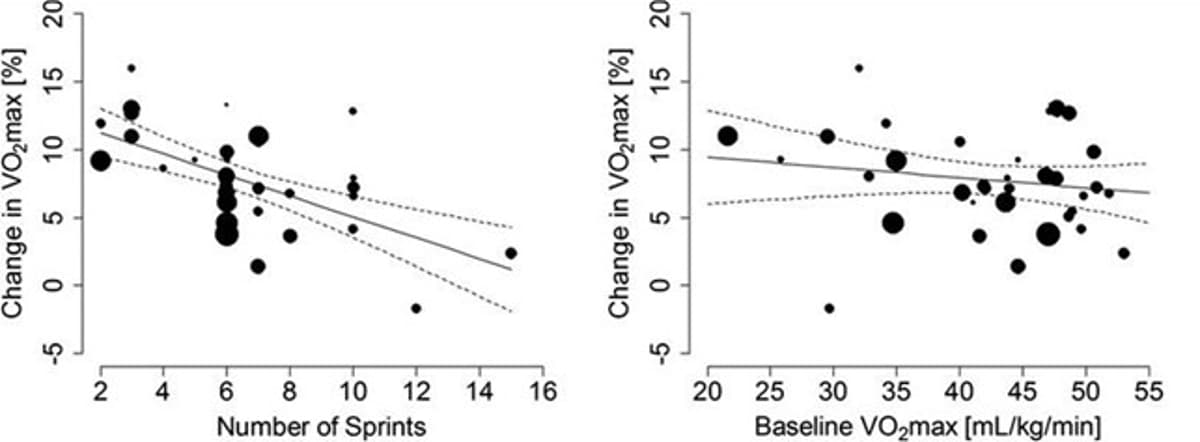
Just 2–3 Sprints Enough; More Reduces VO2 Gains
Just 2–3 all-out sprints may be enough to get most of the cardio fitness benefits of sprint interval training. A meta-analysis of 34 studies found that: - Sprint interval training increased VO2 max by ~8% overall - Doing MORE sprint repetitions did not...
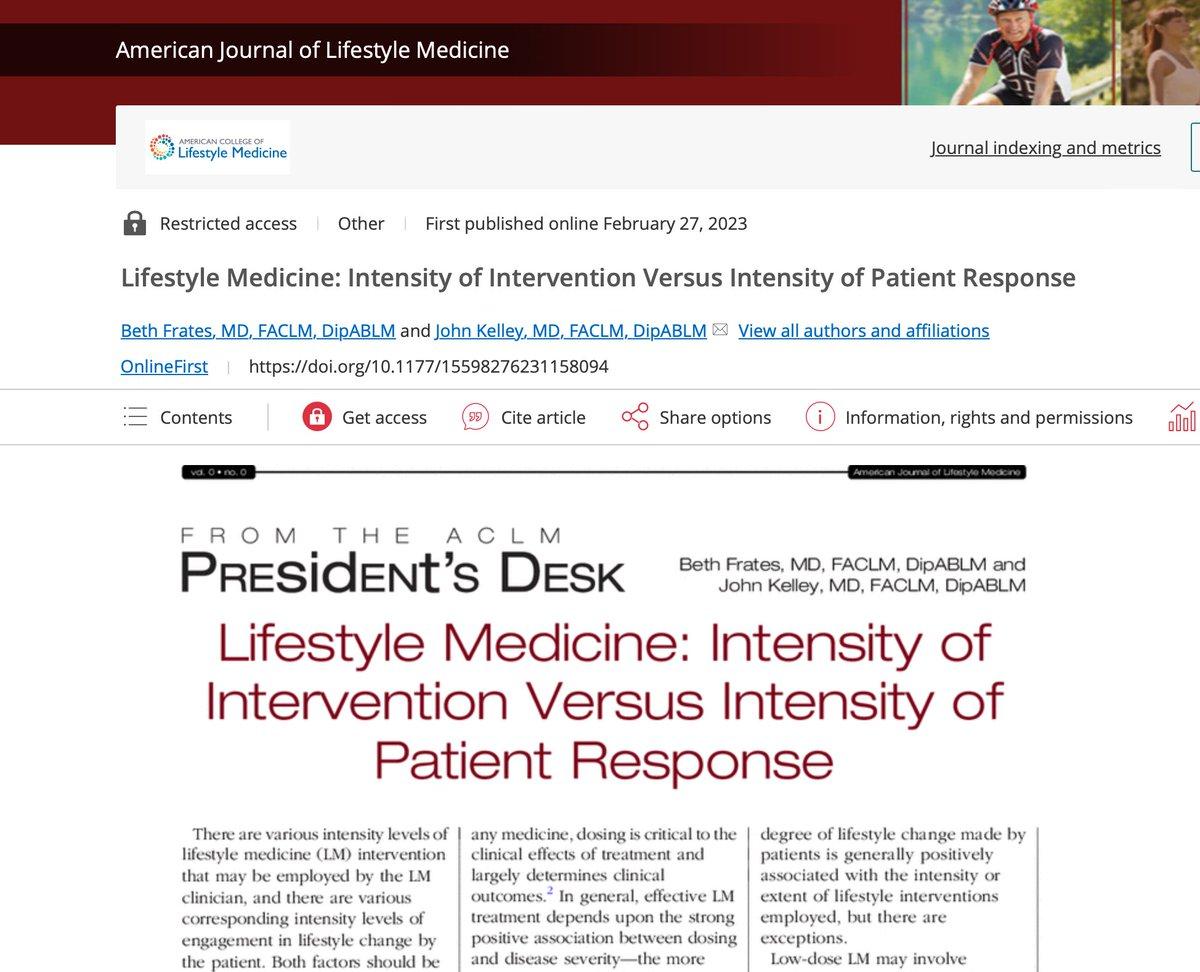
Tailor Lifestyle Medicine: Match Intervention Intensity to Patient Readiness
Lifestyle Medicine interventions have different intensities. There's the intensity of the actual intervention+there's the intensity of the response. The first is more provider dependent and the other is patient dependent. We strive for impact by meeting patients where they are....

You're Not Your Thoughts—Just Let Them Pass
One of the most powerful and important lessons for mental health that more people need to know: You are not your thoughts. We all have “crazy” thoughts. Let them float on by. No need to assign meaning to them.
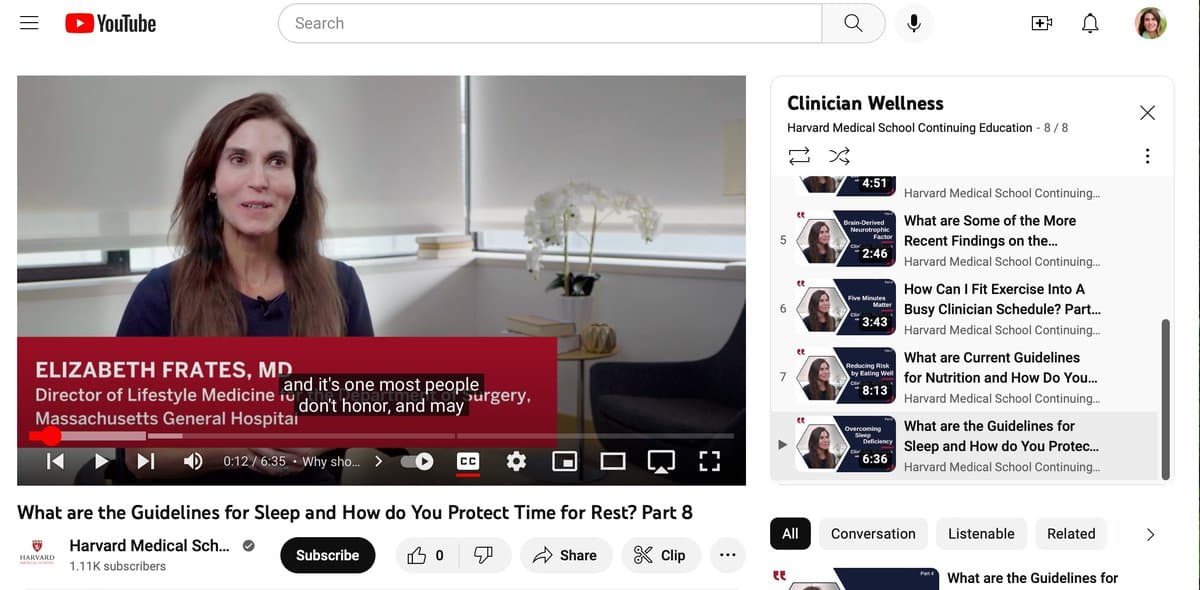
Most Adults Need 7‑8 Hours of Sleep Nightly
Sleep is essential for good health. Do you know how many hours of sleep are recommended each night?🤔 Is it 5, 6, 7 or perhaps 8 hours? You'll find the answer in this video. 📹 https://t.co/q1o9q3o11h #sleep #Health #lifestylemedicine #HealthCoach #MedTwitter #Wellness...

Avoiding Discomfort Predicts Anxiety, Depression, PTSD, Addiction
Thirty years of research has identified one of the strongest predictors of anxiety, depression, PTSD, and addiction. It's how unwilling you are to sit with an uncomfortable feeling. Why modern life is making this worse We’re all avoiding the experience of discomfort: https://substack.com/home/post/p-194421092
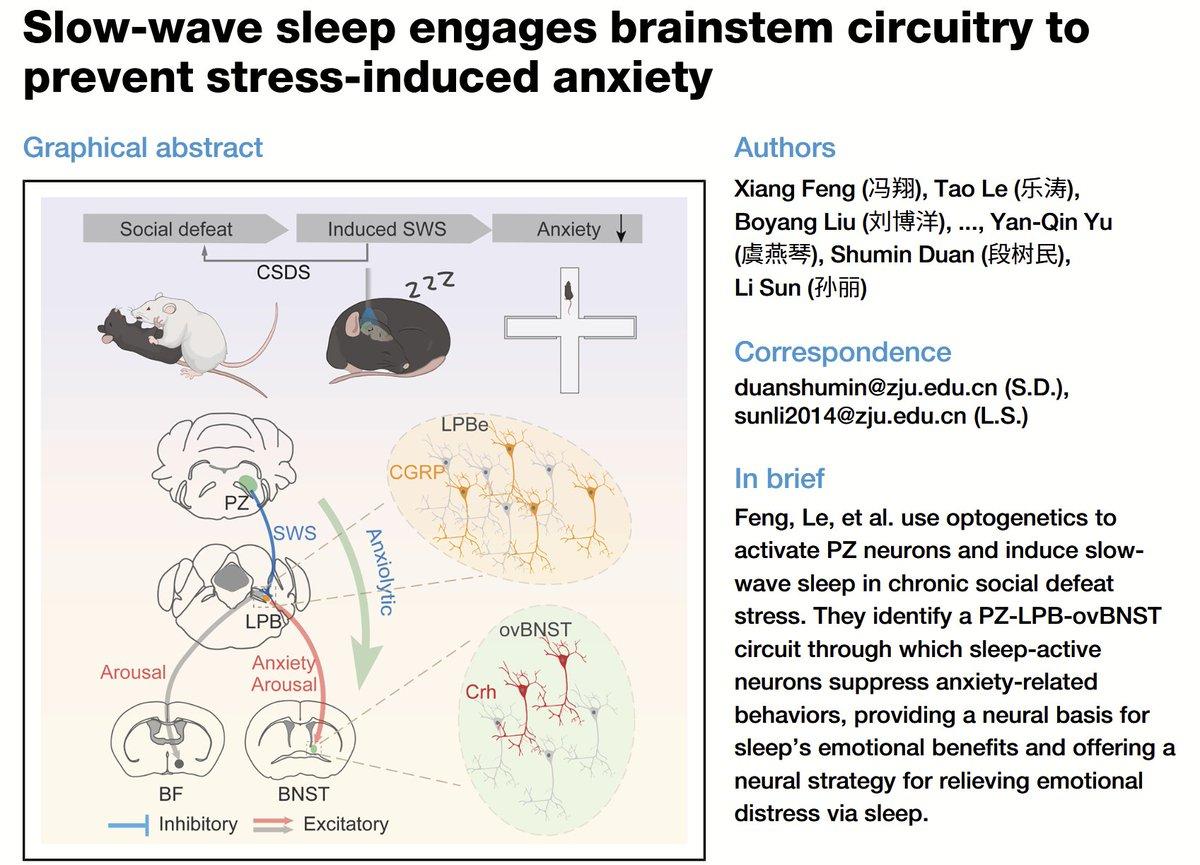
Deep Sleep Circuit Silences Stress, Reduces Anxiety
Deep sleep may be one of the brain’s most powerful anti-anxiety tools. Researchers identified a sleep-active circuit linking the parafacial zone, parabrachial nucleus, and BNST that suppresses stress-related signaling during slow-wave sleep and prevents anxiety-like behavior. #SleepScience #Neuroscience #MentalHealth https://t.co/0kEEWqKOGG

Savour Negative Emotions to Transform Them Into Energizing Wellbeing
The most powerful meditation technique I've come across recently: rather than just "observe" negative emotions, learn to actively savour them. With a bit of practice, it's often possible to find an enjoyable aspect of them: the energised quality of anger, or...
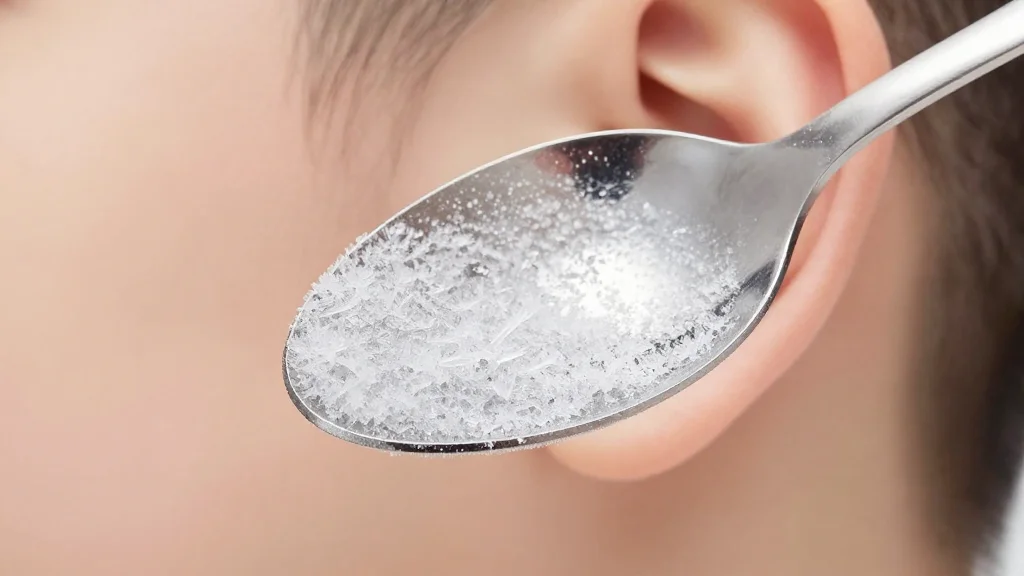
Cold Spoon Behind Ears Calms Stress Instantly
I’m a neurodivergent health research advisor with a PhD. Here are my 11 favorite nervous system regulation tricks that took me 18+ years to figure out: 1. Keep a spoon in your freezer and hold it behind your ears for 30s...
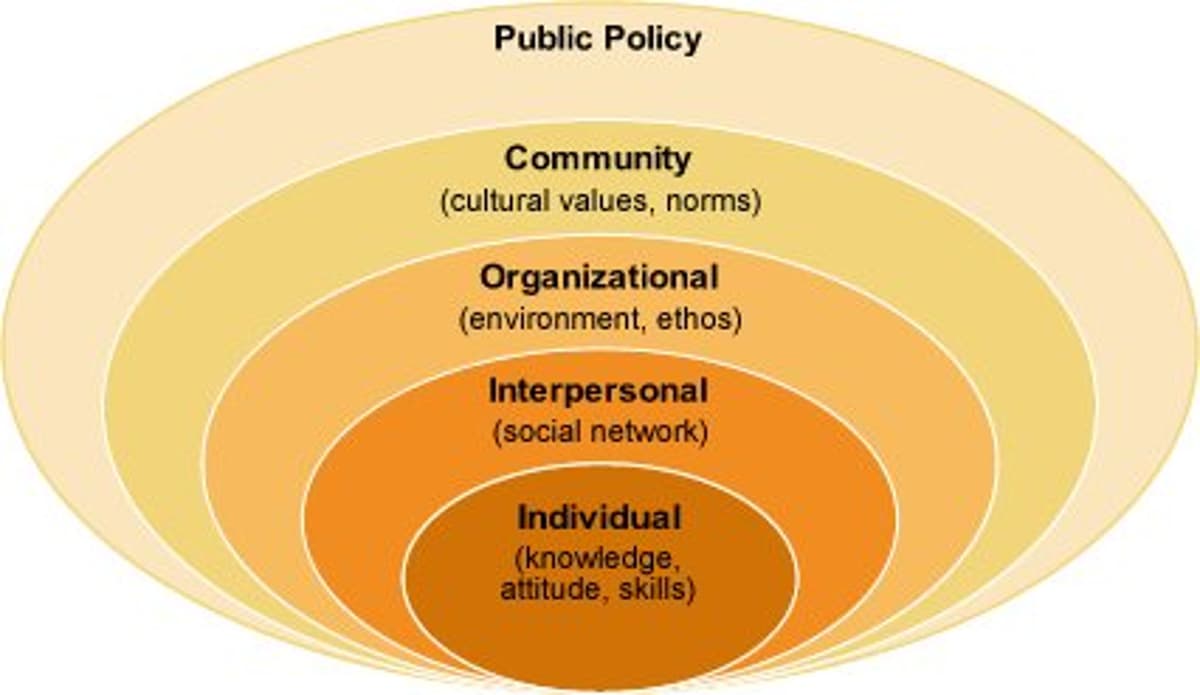
Behavior Change Requires Individual, Social, and Policy Alignment
Behavior change is a journey. There are many things we can do for ourselves at the individual level such as increase our knowledge, change our attitude+gain new skills. We also have to factor in our social network, environment, cultural...
Corporate Profit Trumps Patient Safety, Clinicians Pay the Price
An ER physician in Missouri spent three years warning his private-equity employer that the staffing plan was unsafe. A patient died. He got louder. They fired him. He sued for wrongful termination and won. He won again on appeal. This...
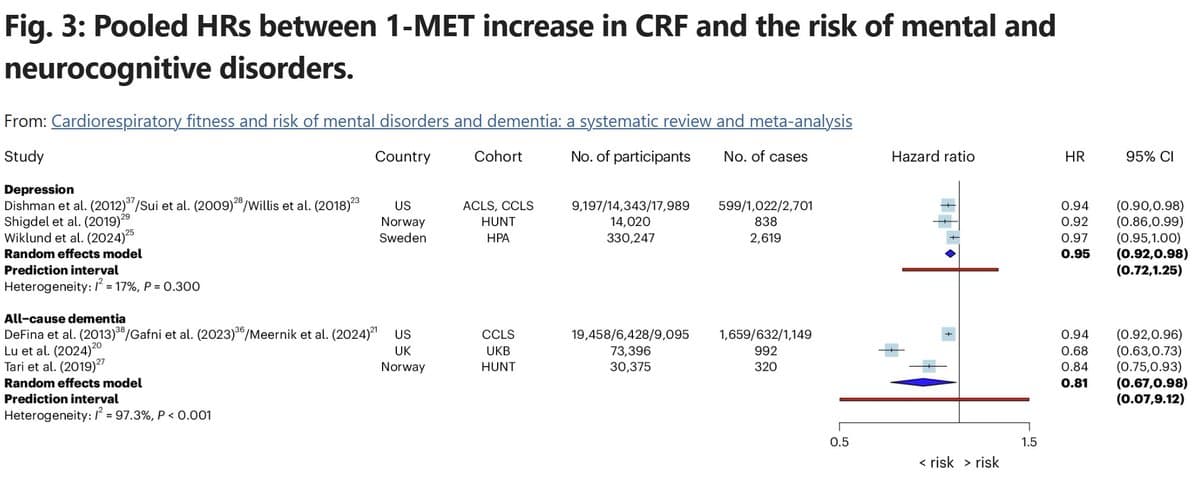
Higher Cardiorespiratory Fitness Cuts Depression, Dementia Risk
Cardiorespiratory fitness and risk of mental disorders and dementia: a systematic review and meta-analysis High CRF was associated with a reduced risk of depression (HR = 0.64); all-cause dementia (HR = 0.61) and psychotic disorders (HR = 0.71) in adults. https://t.co/5dNZ0WfU8H
Environment Trumps Willpower: Change Surroundings, Change Behavior
An Army Ranger captain who ran psychedelic retreats for veterans told me the #1 lesson he learned at war AND at McKinsey: Willpower will lose to your environment. Every. Single. Time. We frame metabolic disease, addiction, even burnout as failures of discipline....
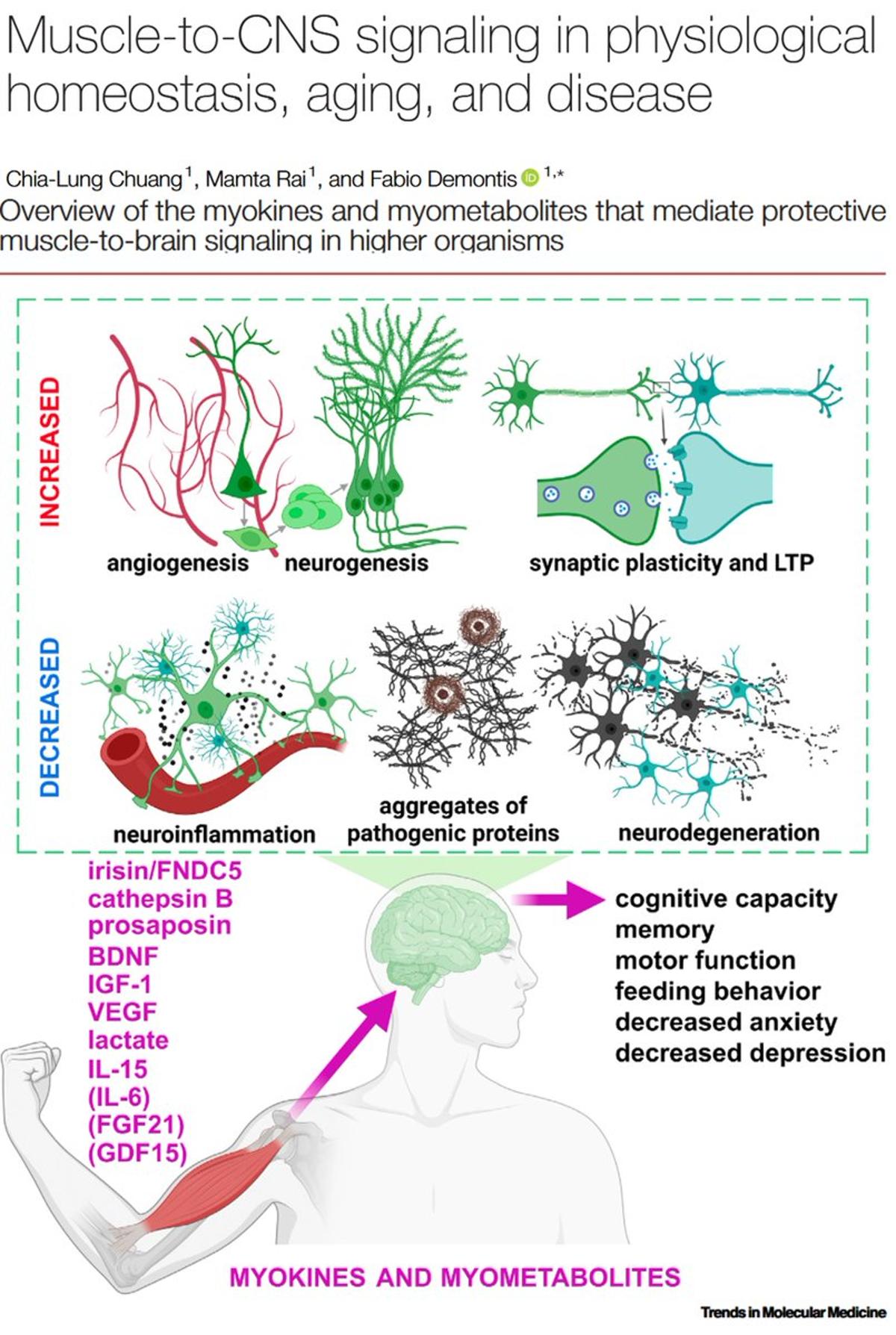
Exercise‑released Myokines Boost Brain, Inactivity Harms Cognition
Muscle talks to the brain. 💪🧠 Exercise triggers myokines & myometabolites that boost cognition, while inactivity sends harmful signals that impair brain function. This muscle–brain crosstalk shapes behavior and resilience to aging and neurodegeneration. @WuTsaiAlliance https://t.co/63skqJToIa

Spotting Trendy Therapists Lacking Real Knowledge
Signs of a therapist who is trendy but not knowledgeable: - Being opposed to behaviorism, then saying they use ERP, ACT, or DBT in clinical practice 👀 - Assuming that the idea of "parts" came from IFS - Thinking that therapy inherently neglected...
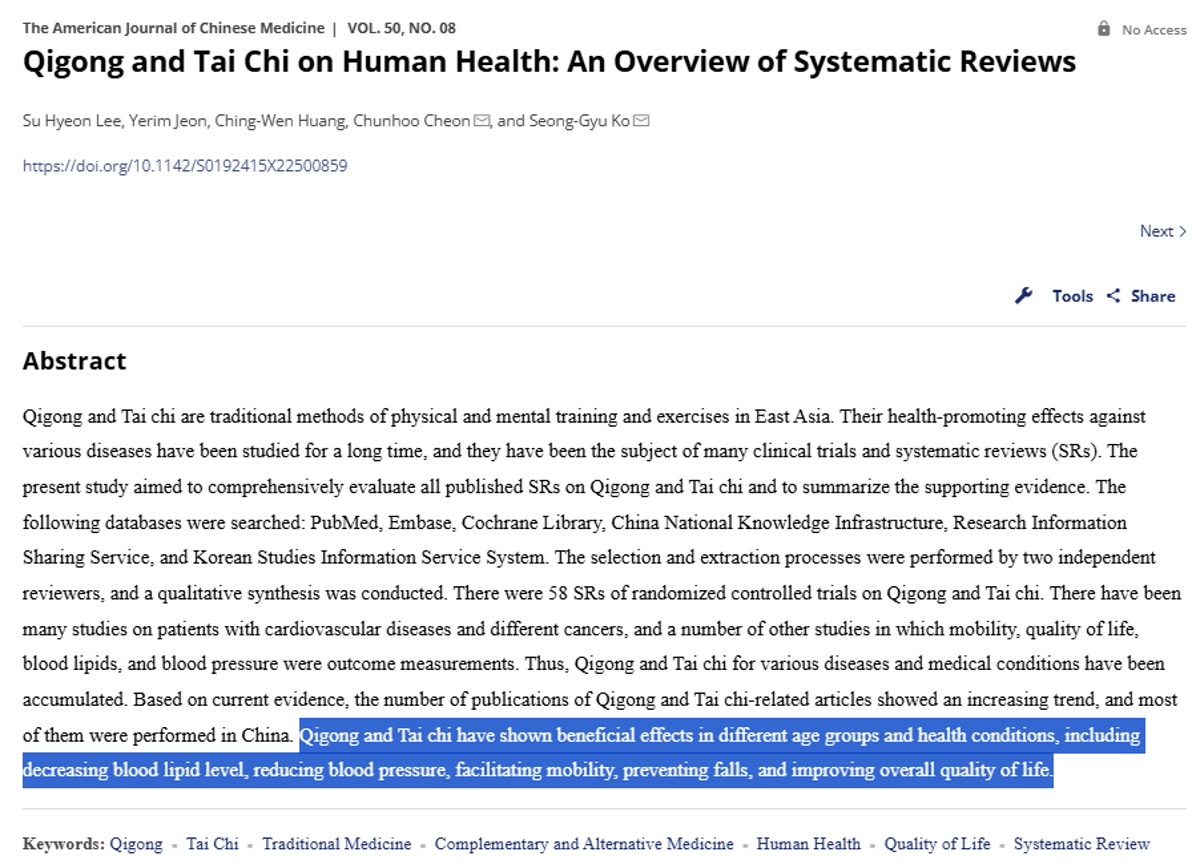
Tai Chi Shows Mixed Benefits for BP, Mobility, Falls
Across reviews of randomized trials, Tai Chi and related qigong practices showed broad but uneven health signals, especially for blood pressure, mobility, falls, and quality of life. 🧵 1/7 https://t.co/47mu7PLfB2

Starting Exercise in Your 40s Cuts Mortality 35%
It's Never Too Late to Start As a medical school professor, I used to tell patients that the best time to start exercising was 20 years ago. The science says otherwise. A 2019 BMJ analysis followed more than 315,000 adults across two...
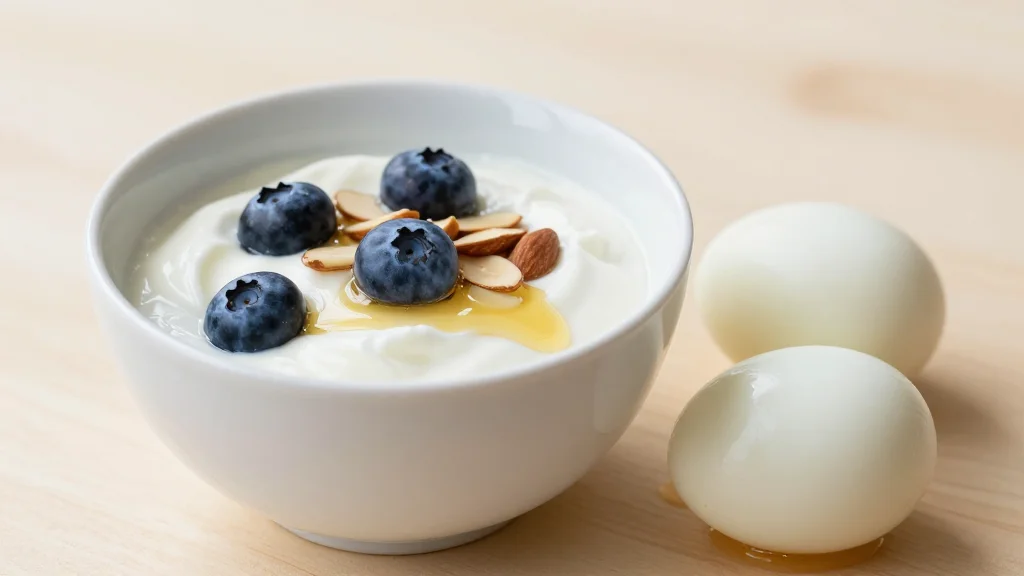
Protein‑rich Breakfast Stops Late‑night Snack Cravings
Most people try to fix 9pm cravings at 9pm. The better place to start is breakfast. A high-protein first meal can make the whole day feel less like a snack negotiation with your brain.

Adults Need 9–10 Hours of Exercise Weekly
Adults should record between 560 and 610 minutes a week of moderate to vigorous physical activity, according to the research in the British Journal of Sports Medicine. That means nine to 10 hours a week 💪 https://t.co/spWT6ZPjLS

Postpartum Rage Signals Hormone and Nutrient Depletion
Every mom has had that moment. You snap at your kid for something small. You hear your own voice and barely recognize it. For some women it lasts a few weeks postpartum and fades as the body refills. For others,...

Speed, Not Strength, Is the True Fountain of Youth
Observation: At age-67, I’m stronger in every lift than I was at age-17. The importance of lifting as we age can’t be overstated. 🏋️♂️ But, my max velocity is around 50% of what I could hit in 1976. The ability to move...

Half of Waking Hours Wander, Lowering Happiness
Researchers Matthew Killingsworth and Daniel Gilbert tracked people throughout their days and found that our minds wander about 47% of the time that we’re awake. They found people were less happy when their minds were wandering, no matter what they were...

Knee Pain? Adjust Your Squat, Don’t Stop
Knee pain during squatting doesn’t mean stop squatting. It means find a different entry point. My 5 favorite squats for knee pain, easiest to hardest: 1. Spanish Squat ISO holds 2. Heels-elevated Spanish Squat 3. Belt Squat 4. Front Squat to Box 5. Barbell Pin Squat Knees don’t need rest. They need...
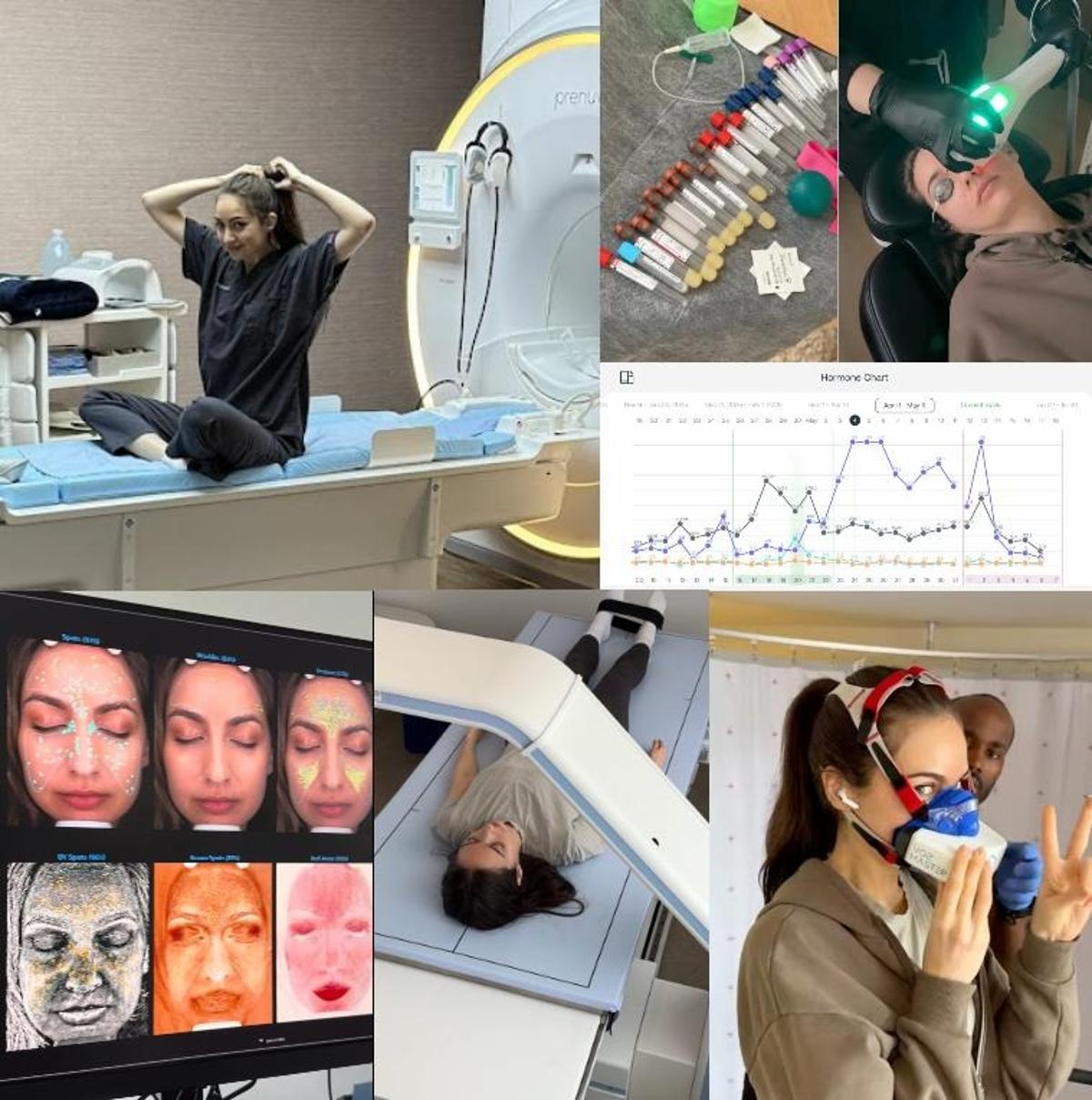
Meet Kate Tolo: First Ultra‑Measured Woman for Free Health Data
We now have a female Bryan Johnson. It’s Kate Tolo. She will become the most measured female in history. +$2 million of spend per year + Developing a female-specific protocol + Sharing everything for free To start, she will spend 3 months mapping her baseline....
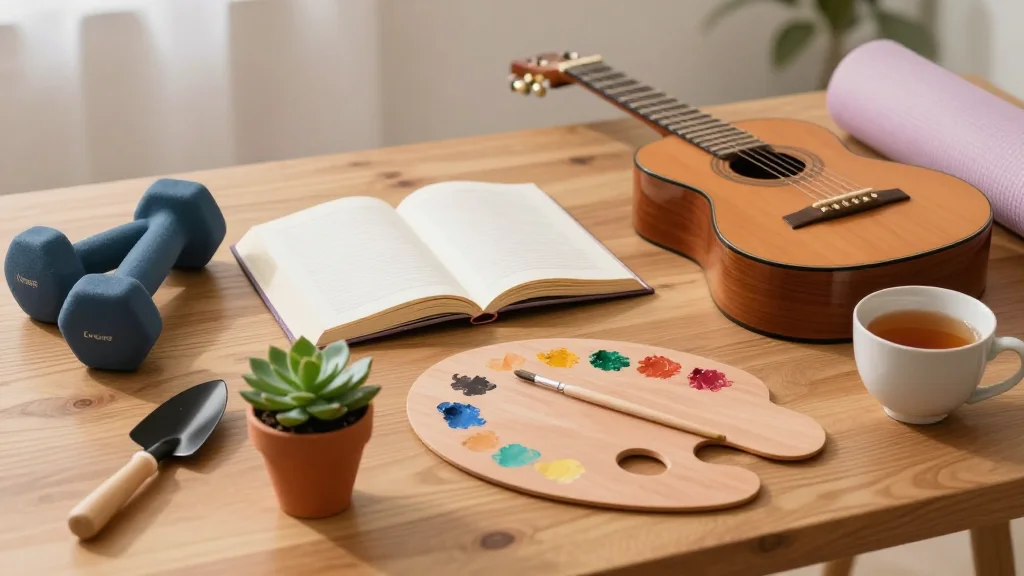
Six Hobbies Proven to Boost Healthy Longevity
I’m a bioscientist researching longevity 🧬 Here are 6 hobbies consistently linked with healthier aging ↓

Toxic “You’re Perfect” Fuels Despair or Misplaced Blame
Some of the worst damage in your life came from people who love you, in the form of a poisonous sentence wrapped in good intentions: “You're perfect just the way you are.” The reason it landed as damage rather than kindness is...
Inside Depression: Jon Nelson’s Journey to Recovery
What is depression like? Tune in this week for an intimate view of the experience of depression... and the complex neurological path by which guest Jon Nelson eventually got out. https://t.co/qSWninYAR8 https://t.co/mTRrMwpYb3
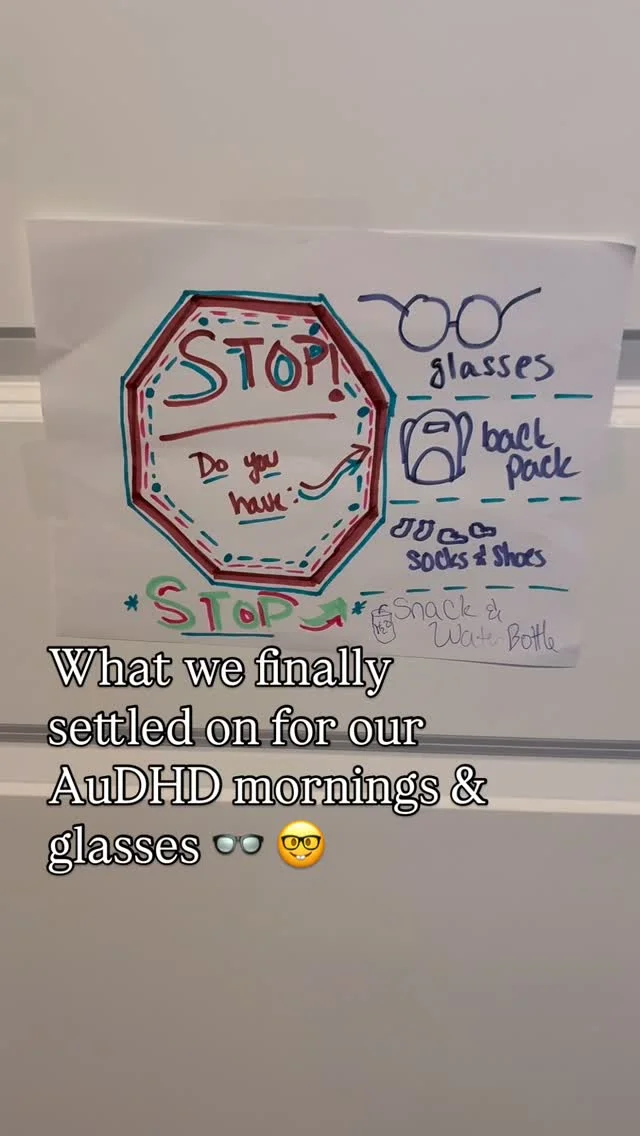
Visual Routines Prevent Mom Burnout and Boost Creativity
After several comments & consideration for our family, here is what I’ve created for us. My AuDHD kids love routine & need visual stimulus, so, this should work for us - for a while👏🏻 These rhythms, routines, and systems help us...
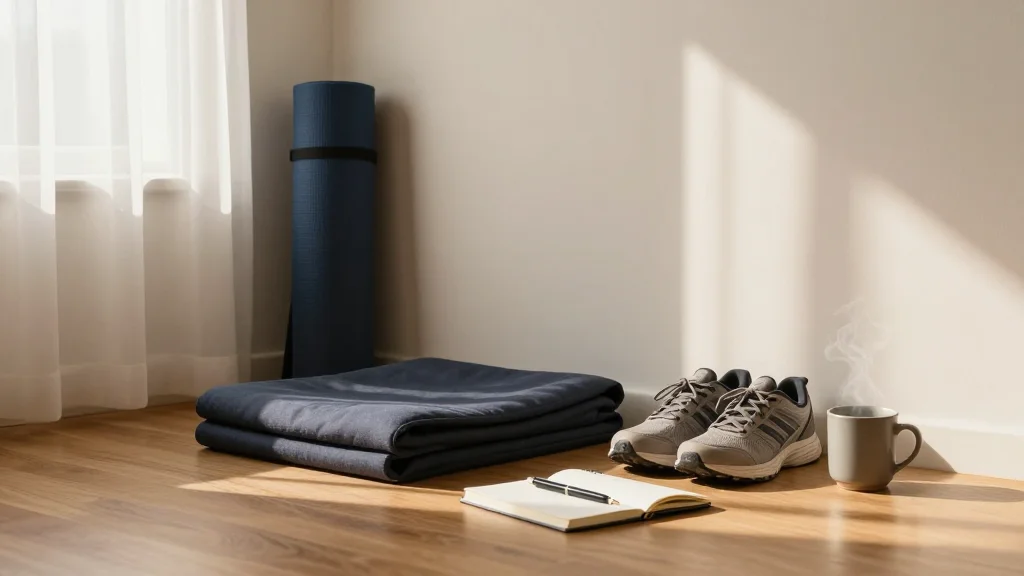
Quiet Mind, Unseen Growth Begins Offline
All of this. And before the quiet work. Practice the quiet mind. Walk without a podcast. Sit without a screen. The courage to build unseen starts there.
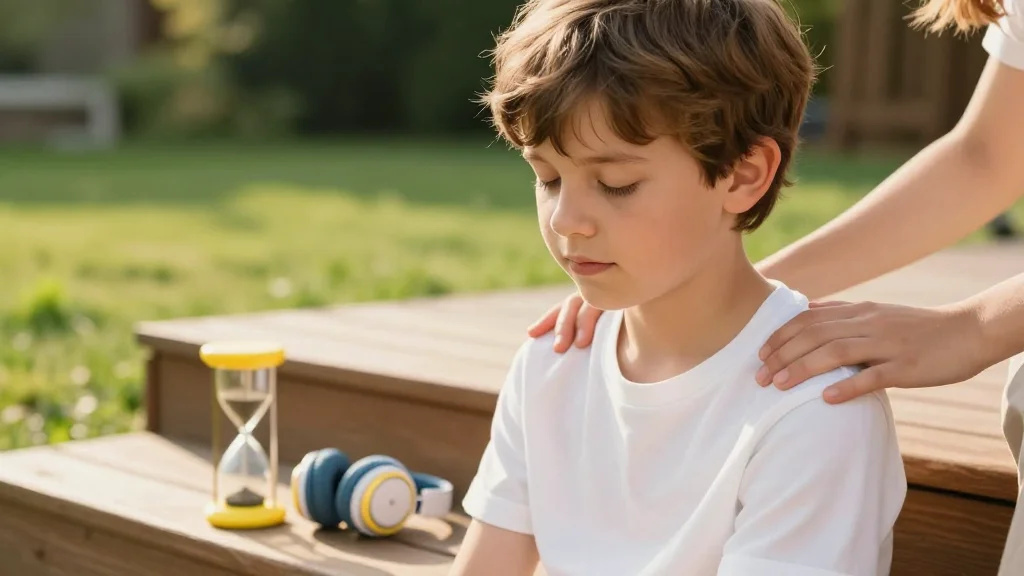
Quick Dopamine Reset for ADHD Kids After Screen Time
A child psychologist trick: The fastest dopamine reset for ADHD kids after long gaming or YouTube sessions

Wearable BCI Boosts Focus and Reduces Depression
Brain/computer interface to make your brain better. @jaypatel_27 founder of @mavehealth shows me its latest BCI, which, when worn for a few minutes a day, makes your brain better. More focus, less depression, among other things we discuss here. https://t.co/h55XPPxO7Y

Find Safety Within Your Existing Nervous System
You don’t need a new life. You need a nervous system that feels safe inside the one you already have.
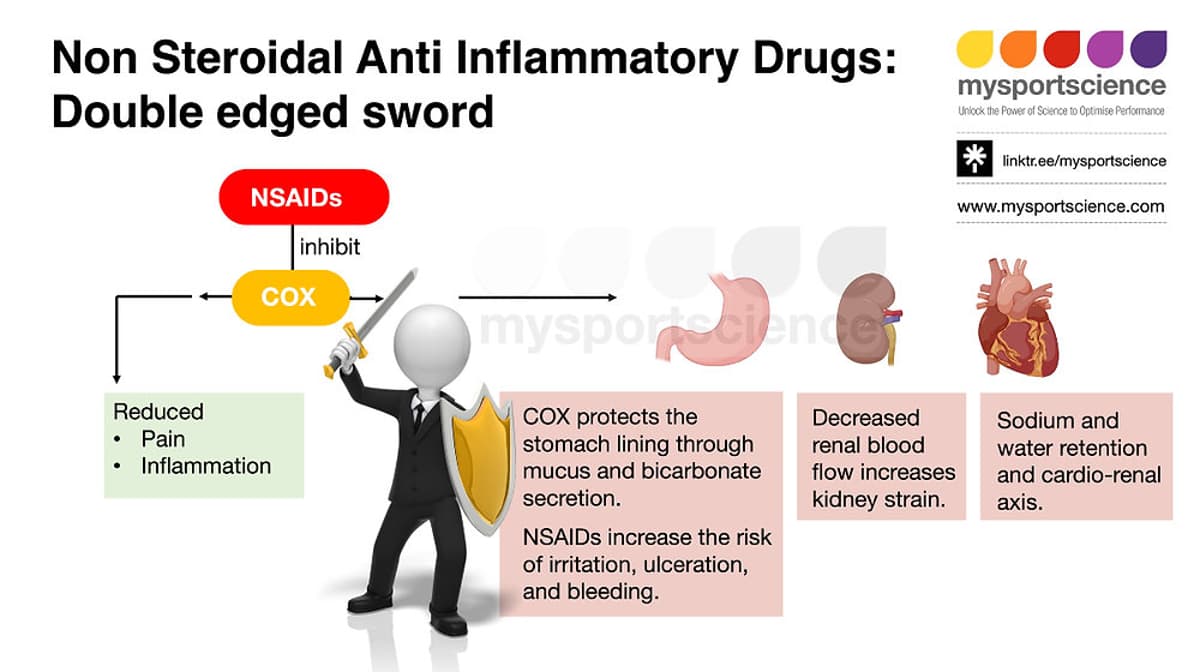
Avoid NSAIDs: Risks Outweigh Benefits for Athletes
NSAIDs in sport https://t.co/Wrn4odCInL Many athletes use NSAIDs for pain management, especially in endurance sports. In this blog, Dr. Nick Tiller explains the risks of taking NSAIDs and why these drugs should generally be avoided in the context of sport. https://t.co/ZSaH9vz1tF

ADHD Kids Withdraw when Emotionally Exposed, Says Psychologist
A child psychologist trick: Why some ADHD kids stop cooperating the moment they feel emotionally exposed

Quiet Low‑stimulus Habits Are the New Superpower
The internet trained people to worship speed. But the people quietly winning right now move differently. Long walks. Deep sleep. Focused work. Small circles. Clear minds. Low stimulation is becoming a superpower.
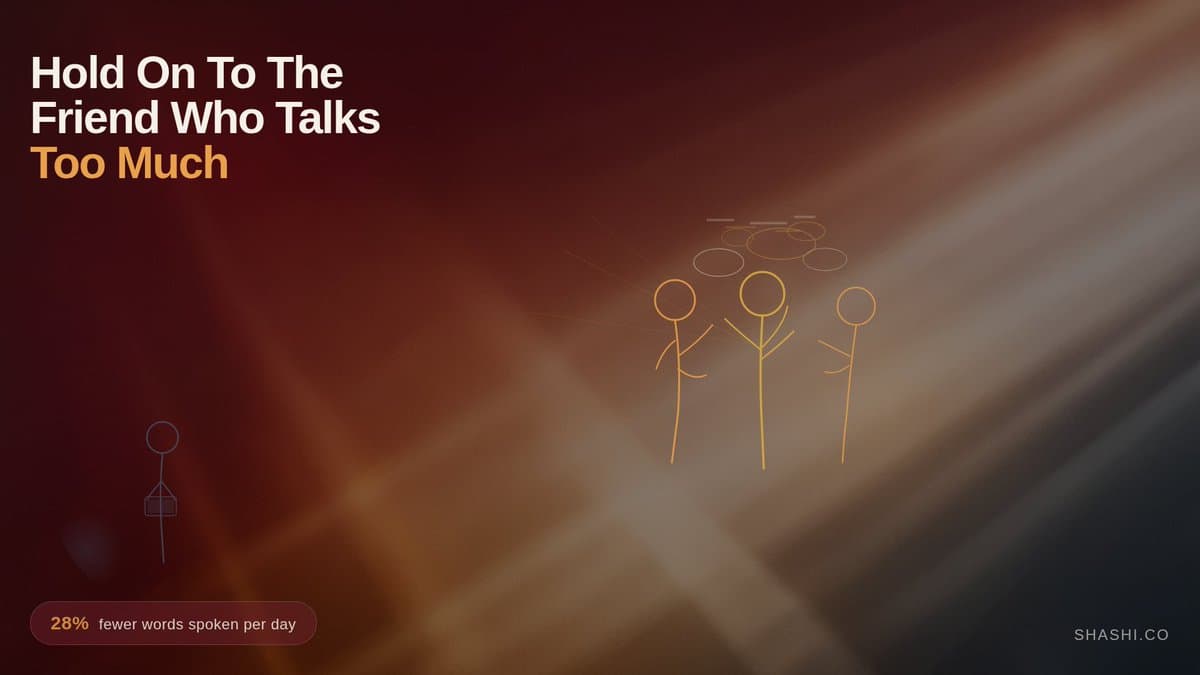
Convenience Is Quieting Conversation; Real Talk Fights Loneliness
We speak 28% fewer words per day than we did in 2005. Not because we have less to say. Because we engineered the conversation out of daily life. - Self-checkout instead of a cashier. - Delivery apps instead of a phone call. - Texts...
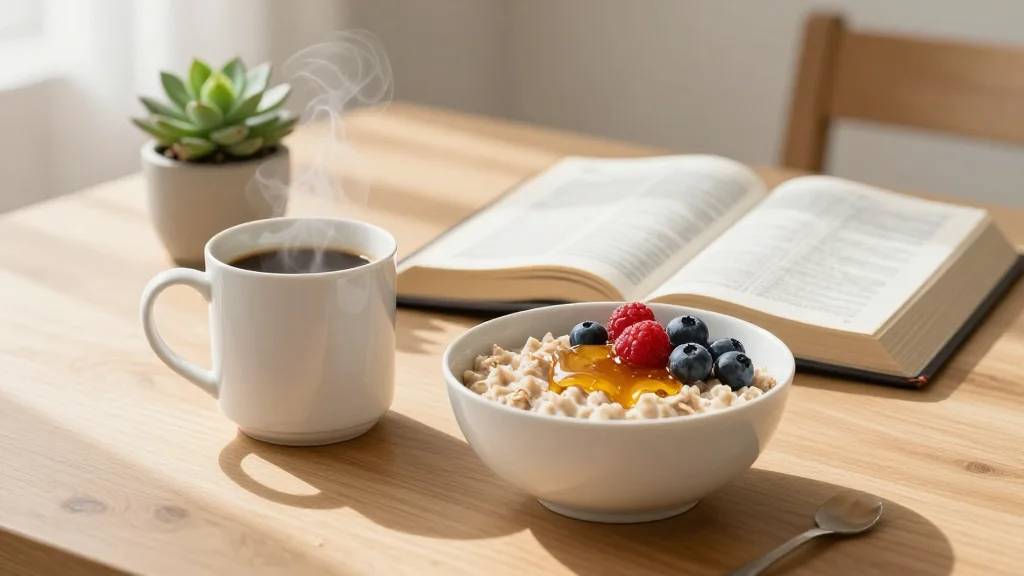
Sunday Blueprint: Faith, Fitness, Food, and Family
The best Sunday? -Wake up & pray -Take a walk -Bible & coffee -High protein breakfast -Head to church -Nature -Something active -Read -Cold plunge + sauna -Spend time with community/family -Prep healthy food for the week -Journal 5 things you’re grateful for -Healthy dinner -Evening walk -Evening prayer -Early bedtime Start...
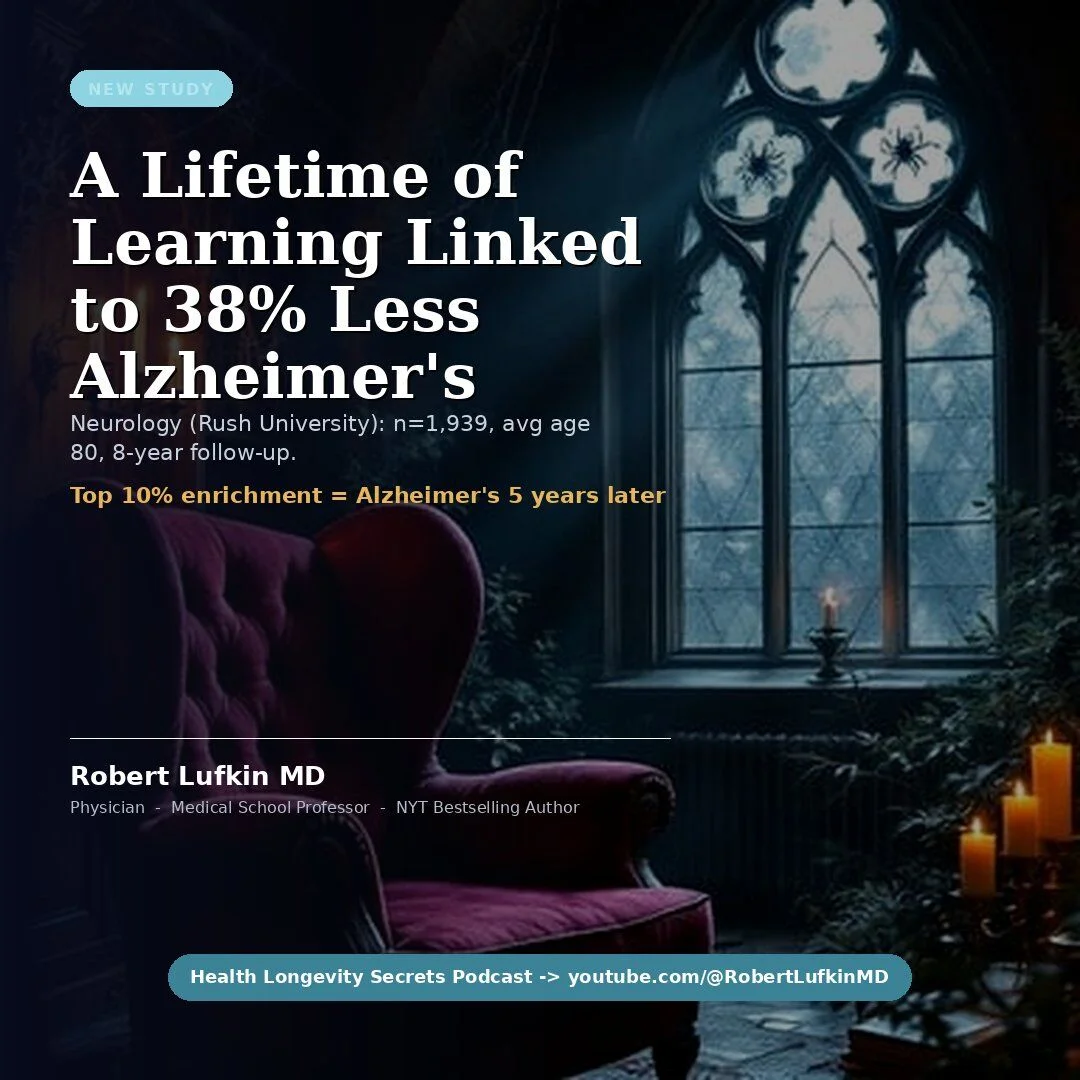
Reading Boosts Cognitive Reserve, Cuts Alzheimer Risk 38%
A Lifetime of Reading and Learning Linked to 38% Lower Alzheimer's Risk As a medical school professor, I have watched cognitive reserve go from a fuzzy idea to a measurable signal. A new study just put hard numbers on it. (1/5)
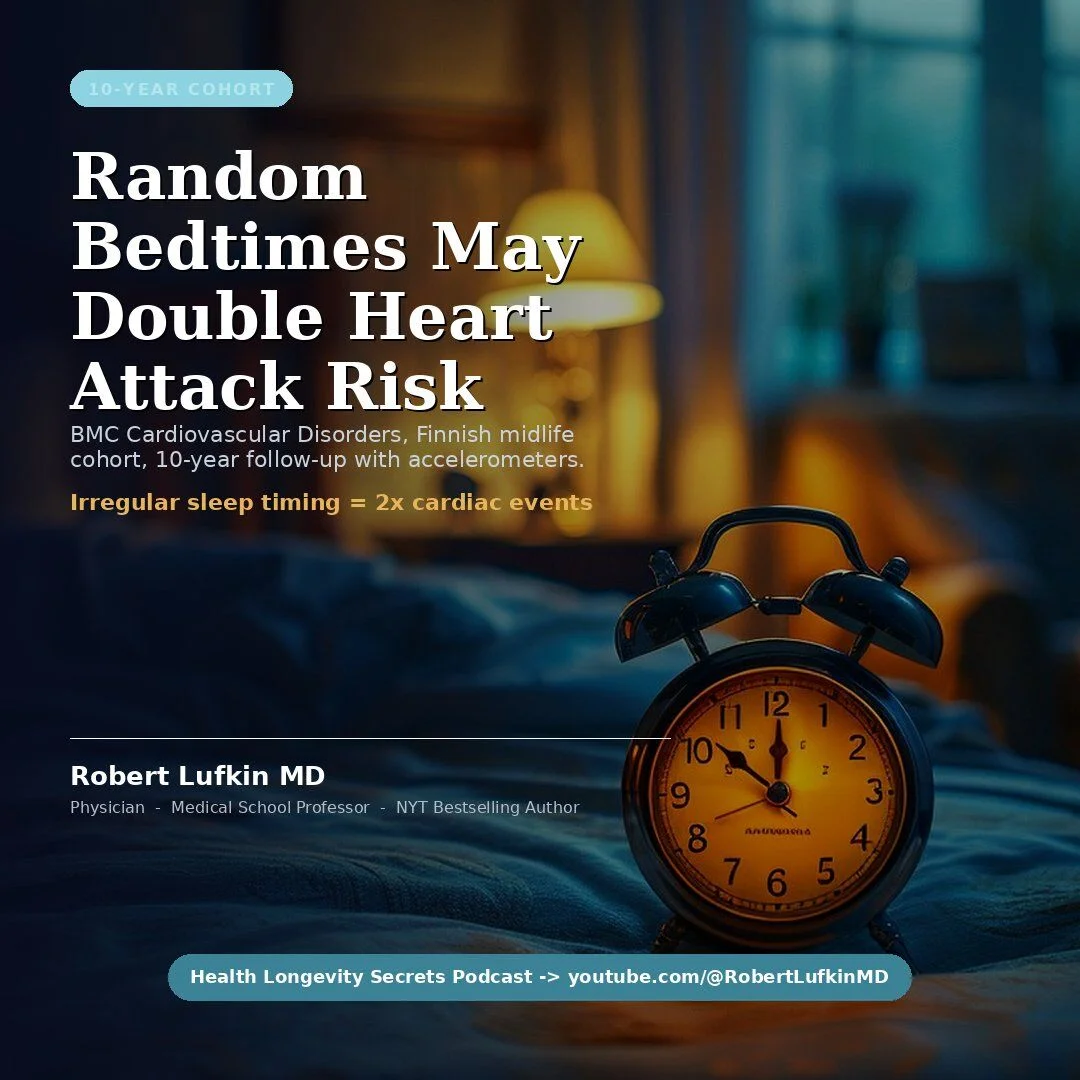
Irregular Bedtimes May Double Heart Attack Risk
Going to Bed at Random Times May Double Your Heart Attack Risk As a medical school professor, I teach that sleep quantity matters. What I am updating is how much sleep TIMING matters -- often more than total hours. A new 10-year...
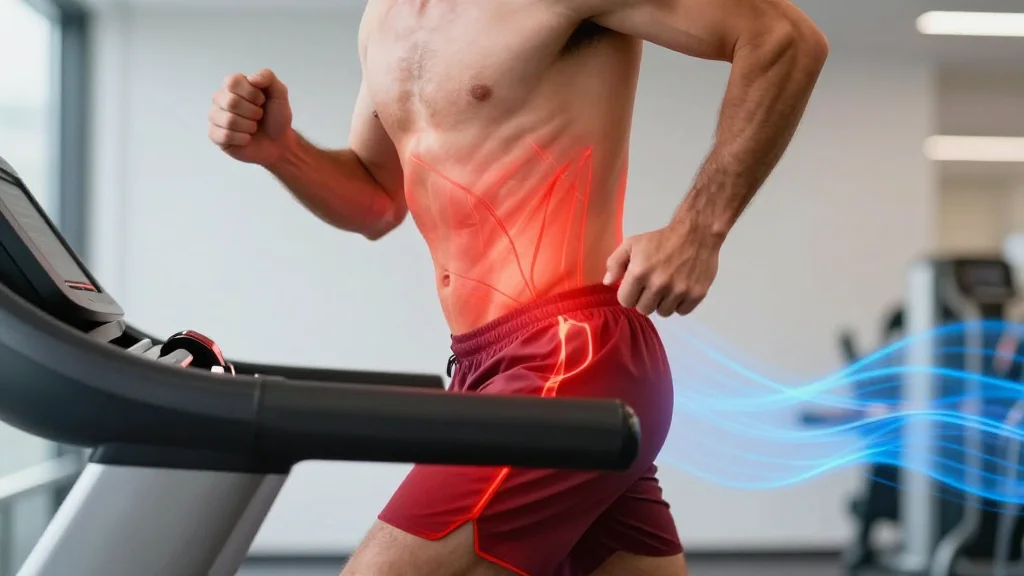
Intensity Beats Volume, Yet Media Overstated Its Meaning
Intensity or volume? A recent paper got the world abuzz with a clear message… intensity led to far greater health effects than volume. However, every journalist who reported on this paper seriously overestimated what the authors meant by intense. I...

Your Home Environment Shapes Mental Health Daily
We talk about what we eat, how we sleep, how we move. Nobody talks about the fact that the space you live in is affecting your mental health every single day. I wrote about how to fix that. Link ⤵️
Give Yourself the Gift of Daily Mindfulness
Mindfulness--feeling fully present in the present moment is a present you can give to yourself everyday. 🌸 Take the time to be mindful. 💗 #SaturdayMorning #SaturdayMotivation #SaturdayVibes #Mindfulness https://t.co/qGxAAmnZL1

Identify a Responsive Nervous System with Four Signs
4 Signs You Have A Responsive Rather Than Reactive Nervous System: 1. Adaptability. 2. Non-Attachment to Triggers. 3. Active Listening. 4. Self-Compassion.
Socializing Grows Older Adults' Brain Volume
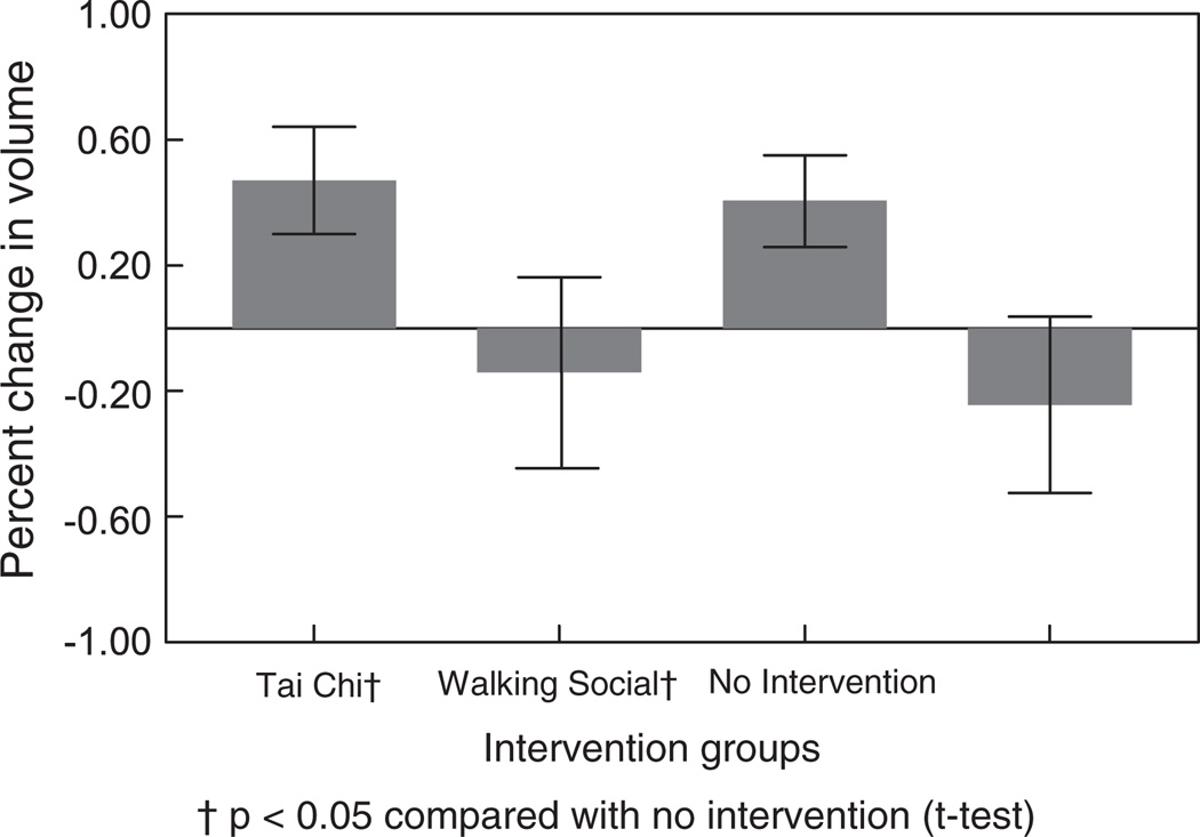
Socializing increases brain volume in older adults 120 adults aged 60–79 were randomized into 4 groups for 40 weeks: - Tai Chi → ~0.47% increase in brain volume - Social interaction → ~0.41% increase - Walking → slight decline - No intervention → ~0.24%...
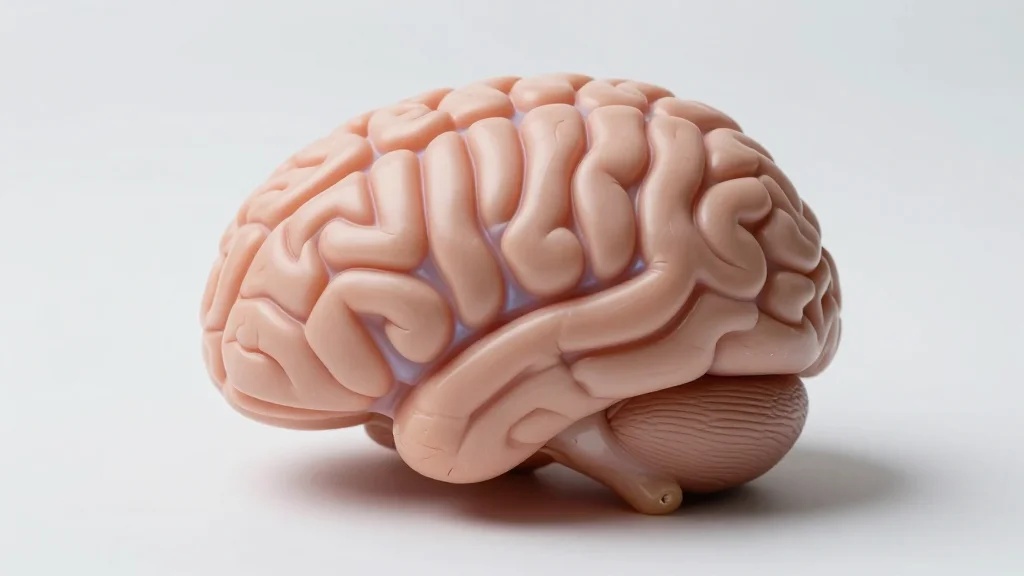
EMDR BLS Works via Memory, Not Brain Hemispheres
Really wish EMDR therapists would quit with the idea that BLS "unsticks trauma" by "activating the right and left hemispheres of the brain." EMDR is a great model, it works, it's got a great structure for addressing multiple entangled traumatic events....
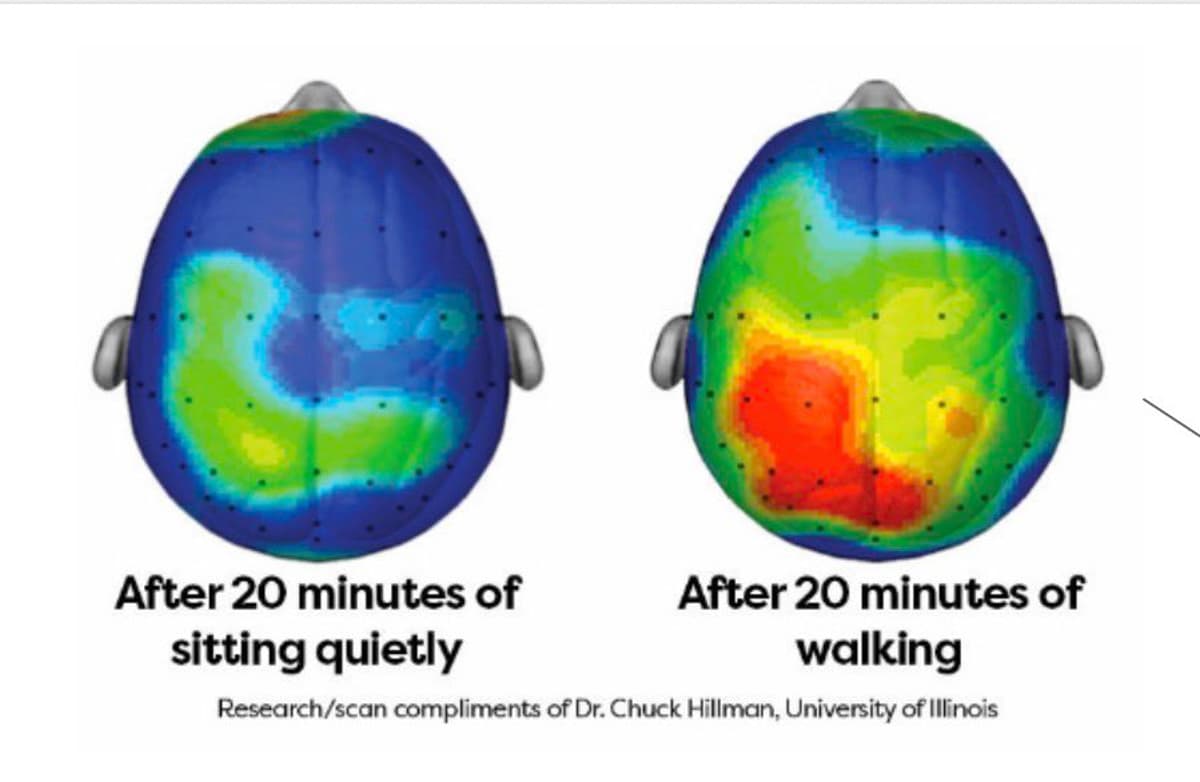
Walking Boosts Mitochondrial Health, Eases Depression
Autonomic imbalance is a major and well-documented factor in depression. Depression is also a bidirectional disorder of the mitochondria. These two facts present a glaring detail most therapists miss, as did Dickens and those who came after. Depression being a...
Commissioner’s Exit Raises Uncertainty for Psychedelic Therapies
What might the FDA Commissioner’s resignation mean for psychedelics? Ketamine infusions rapidly reduce suicidal an… - mp@michaelpollan.com - MichaelPollan Mail https://t.co/wc3FDbWVkg