
Laser-Induced Graphene Patch Delivers Noninvasive, Low-Temperature Melanoma Therapy
Researchers at Wuhan University and City University of Hong Kong have created a soft, transparent, stretchable laser‑induced graphene (LIG)‑Cu/PDMS patch for non‑invasive melanoma treatment. The patch converts low‑power light into mild heat (~42 °C) that triggers localized copper ion release, killing cancer cells while sparing surrounding tissue. In mouse studies, two one‑hour phototherapy sessions reduced tumor volume by 97% within ten days without skin damage. The device also stimulates multiple cell‑death pathways and an immune response, offering a reusable platform for superficial cancers.

Incretin Modulators Boost Health, Happiness, and Longevity
Life is a marshmallow test. Incretin modulators help you win while staying happy. I often ask big audiences - "how many of you are on GLP1?" and only a couple hands go up. Sometimes, none. That's when I understood that...

Marc Guell’s SynBio Lab Featured in Journal’s 30‑Year Highlights
Great to see the SynBio work of @marcguellc lab getting featured as one of the highlights of 30 years of the journal

Intensive LDL‑Cholesterol Target Cuts Heart Attack and Stroke Risk, Study Shows
A three‑year Korean trial of 3,000 patients with atherosclerotic disease found that aiming for an LDL‑cholesterol level below 55 mg/dL reduced major heart attacks, strokes and deaths by about a third compared with the conventional 70 mg/dL goal. Researchers say the result...

Stanford Study Finds Fasting‑Mimicking Diet Cuts Inflammation in Crohn’s Patients
Researchers at Stanford Medicine reported that a five‑day‑per‑month fasting‑mimicking diet (FMD) reduced inflammation and eased symptoms in about 66% of Crohn’s disease participants, offering a potential non‑steroidal treatment option.

Harvard COSMOS Trial Shows Daily Multivitamin Cuts Biological Aging by ~4 Months
A Harvard‑led sub‑study of the COSMOS trial, published in Nature Medicine, reports that two years of daily Centrum Silver multivitamin‑mineral supplementation slowed biological aging by roughly 4‑5 months. The finding provides the first randomized, large‑scale evidence that an over‑the‑counter supplement...

Cipla Secures FDA Approval for Generic Nintedanib Capsules, Expanding U.S. IPF Portfolio
Cipla USA Inc. received final FDA approval for its generic Nintedanib capsules (100 mg and 150 mg) to treat idiopathic pulmonary fibrosis, positioning the company against Boehringer Ingelheim's Ofev. The launch comes as the U.S. imposes 100% tariffs on patented drugs, leaving...

Oral GLP‑1 Pill Approved as Cardiovascular and Longevity Game‑Changer for Biohackers
The FDA’s 2026 approval of Eli Lilly’s oral GLP‑1 agonist orforglipron marks a turning point for drug‑based biohacking, adding a needle‑free option to a class already shown to cut cardiovascular events by 20% and hint at longevity gains. Researchers cite robust...

Waseda Researchers Unveil Nanotube Injector Achieving 90% Cytoplasmic Transfer Efficiency
A team led by Professor Takeo Miyake at Waseda University demonstrated a gold‑membrane nanotube injector that can extract and deliver cytoplasmic contents—including functional mitochondria—between living cells with over 90% transfer efficiency and 95% cell viability. The breakthrough promises more precise...
Lipocine’s Oral Brexanolone Phase 3 Fails, Shares Crash 78%
Lipocine Inc.’s Phase 3 trial of LPCN‑1154, an oral brexanolone for postpartum depression, failed to meet its primary endpoint, triggering a 78% plunge in the company’s share price. The setback raises questions about the viability of oral neurosteroid therapies and...

SETDB1 Modulates Neuroinflammation in the Mouse Cortex by Regulating Neuronal P2rx7 Expression
A recent mouse study demonstrates that the histone methyltransferase SETDB1 suppresses neuroinflammation by repressing neuronal P2rx7 expression. Conditional loss of SETDB1 in cortical neurons doubled P2X7 mRNA levels, amplified microglial IL‑1β release, and produced anxiety‑ and depressive‑like behaviors. Pharmacologic blockade...

Assessing Molecular Gene by Treatment Interactions Using a Population of Neural Progenitors Exposed to Valproic Acid and Lithium
Researchers exposed a genetically diverse panel of 83 human neural progenitor cell lines to valproic acid (VPA) and lithium, measuring chromatin accessibility and gene expression. They identified over 1,000 gene‑by‑treatment interaction loci, many of which overlap with psychiatric disorder risk...

Neuronal HDAC9: A Key Regulator of Cognitive and Synaptic Aging, Rescuing Alzheimer’s Disease-Related Phenotypes
Recent research identifies neuronal HDAC9 as a pivotal regulator of synaptic health and cognition during aging. The study shows that HDAC9 expression declines in the cortex of Alzheimer’s disease (AD) patients and aged mice, correlating with synaptic loss and memory...
NBTXR3 Surpasses 70% Enrollment, on Track For
$NBTX update: Their lead cancer drug NBTXR3 is now over 70% enrolled in its crucial Phase 3 trial. Target: complete enrollment by end of 2025. With cash into late 2027, they're funded to reach this major milestone. Biotech

Hong Kong: Advancing Smart Therapeutics, Translational MedTech
Hong Kong is positioning itself as a regional hub for biopharmaceutical innovation, focusing on advanced therapeutic products (ATPs) such as cell therapy. Invest Hong Kong is attracting mainland and international firms to set up R&D in the city, backed by...

Liver Specialist Amit Singal Joining Curve Biosciences
Amit Singal, a leading hepatology expert, has joined Curve Biosciences as chief medical officer. Singal currently serves as chief of hepatology at UT Southwestern Medical Center and authored the latest AASLD practice guidance on liver cirrhosis monitoring. Curve, based in San Mateo, leverages its...
![[Correspondence] Suicidal Crisis: First Regulatory Approval of IV Racemic Ketamine](https://hixhlmpcokxhartfkpyi.supabase.co/storage/v1/object/public/images/thumbnails/9ee5b606511aef98e3b5be5706cf97fd.webp)
[Correspondence] Suicidal Crisis: First Regulatory Approval of IV Racemic Ketamine
In March 2026 France became the first country to grant regulatory approval for intravenous racemic ketamine as a treatment for adult severe suicidal crisis. Clinical trials have shown that a single 0.5 mg/kg infusion over 40 minutes can blunt suicidal ideation...

FDA Approves Extension of Eylea HD Dosing Intervals
The FDA has approved an extension of dosing intervals for Regeneron's Eylea HD, allowing injections as infrequently as every 20 weeks for patients with wet age‑related macular degeneration (AMD) and diabetic macular edema (DME). The label update incorporates two‑year efficacy and...

Researchers Create Blended Immune System to Cure Type 1 Diabetes in Mice
Scientists have cured type 1 diabetes in mice by engineering a hybrid immune system that accepts donor insulin‑producing cells without long‑term immunosuppression. The breakthrough could reshape how autoimmune diseases are treated, moving beyond blanket immune suppression toward targeted tolerance.

Pfizer, BioNTech Abort U.S. Updated COVID-19 Vaccine Trial as Enrollment Falters
Pfizer and its partner BioNTech have ended a U.S. phase III trial of an updated COVID-19 vaccine for healthy adults aged 50‑64, citing insufficient enrollment. The decision, announced in a March 30 letter, comes amid waning demand for boosters and...

Therapeutic SASP Targets Halt Brain Cell Senescence Spread
Characterizing the SASP-Dependent Paracrine Spreading of Senescence Between Human Brain Cell Types "we identified specific SASP targets for therapeutic intervention in the context of human brain cells and thereby informed the SASP-dependent reaction of immune cells and age-related tissue dysfunction across...

CZI Biohub Leverages AI to Outpace Funders in Biomedical Research
CZI’s Biohub aims to harness AI for groundbreaking biomedical research, potentially surpassing other leading funders in influence and investment. Wendy Paris Reports: https://tinyurl.com/28f6rnzc Related IP Resources: The Chan Zuckerberg Initiative -https://tinyurl.com/nhhw9a9u Disease Research Grants -https://tinyurl.com/akr4pv9h Grants for Science Research -https://tinyurl.com/mpdstvy2 Tech Philanthropists -https://tinyurl.com/bdewp5v8 Journalism

Complementary Value of CEUS-Guided Hookwire Localization Combined with Methylene Blue Staining for Sentinel Lymph Node Detection, and the Predictive Role...
A single‑arm study of 76 patients evaluated contrast‑enhanced ultrasound (CEUS)‑guided hookwire localization combined with intra‑operative methylene blue staining for sentinel lymph node (SLN) detection. The dual‑modality approach identified SLNs in 73 patients, achieving a 96.05% overall detection rate, with each...

Signal Reprogramming as an Approach to the Challenge of cGAS-STING Overactivation
A new open‑access review highlights the cGAS‑STING pathway as a central driver of ovarian aging, linking DNA and mitochondrial leaks to chronic inflammation and follicle loss. The authors propose three therapeutic angles: small‑molecule inhibitors that silence cGAS or STING, upstream...

New ARPA‑H Effort Aims to Change How Doctors Understand and Treat Critical Illness in Real Time
ARPA‑H has launched the CIRCLE program to transform critical‑illness care by combining high‑resolution sensors, rapid lab assays, and AI‑driven digital‑twin models that predict patient trajectories in real time. The initiative targets sepsis and other triggers of organ failure, which affect...

NR & NMN Boost Blood NAD+ via Gut Microbiome
The differential impact of three different NAD+ boosters on circulatory NAD and microbial metabolism in humans “Collectively, the clinical data combined with the ex vivo human microbiota and human whole-blood experiments led us to propose a human model where NR and...

5‑MeO
I mis-spoke here. This study showed 5-meo-DMT much more effective than psilocybin. This was specifically on treatment resistant depression. A 15 point MADRS reduction there is ~2x psilocybin and ~3x ketamine. 5-meo-DMT really is the most potent antidepressant known to...

Epigenetic Strategy Restores Tumor Suppressor in Acute Myeloid Leukemia Models
Researchers at The Jackson Laboratory have demonstrated that inhibiting KDM4 enzymes can reactivate the silenced tumor‑suppressor gene ZBTB7A in acute myeloid leukemia (AML) models. Using a novel FISHnCRISP platform that combines fluorescence in‑situ hybridization, flow cytometry and CRISPR editing, they...
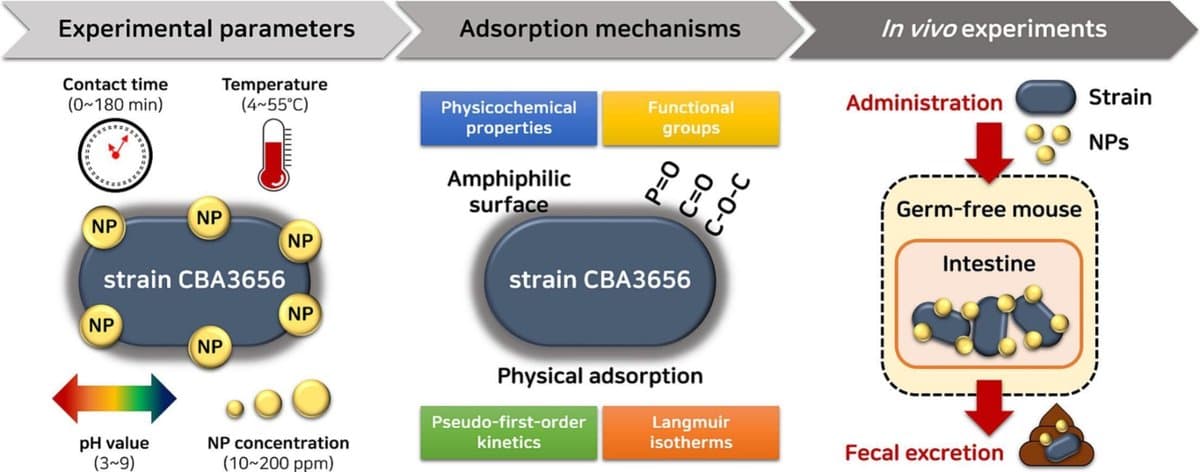
Food-Derived Bacterium Boosts Nanoplastic Excretion in Mice
Efficient biosorption of nanoplastics by food-derived lactic acid bacterium 👉 Strain CBA3656 enhanced fecal excretion of nanoplastics from the germ-free mouse intestine. 🔎 CBA3656 as a food-derived microbial biosorbent for NP mitigation https://t.co/eweZxEKYwL https://t.co/UbEYXADXwq

Direct GenBank Transcriptome Downloads Enable DIY Tool Creation
Can now download transcriptome data directly into my app from GenBank with kinda decent search functionality. Strangely exciting to start cobbling some tools I always dreamed of having but never had the will to learn to code well. Making useful...
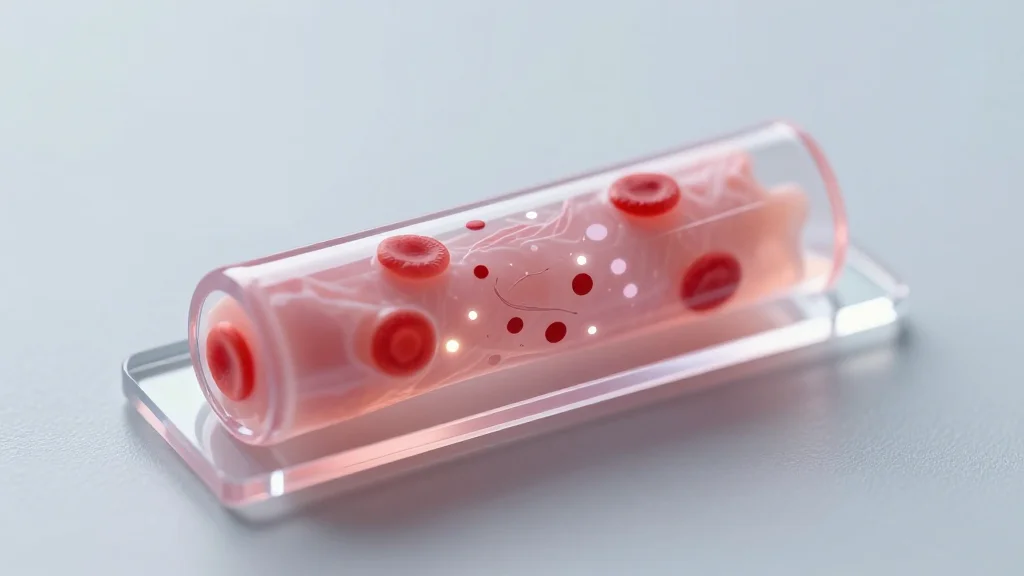
Immune-Capable Cervix-on-a-Chip Enables Study of Sexually Transmitted Infections
Researchers at the University of Maryland and partner institutions have unveiled the first immune‑capable cervix‑on‑a‑chip, a microphysiological system that mimics the human cervical environment, including epithelial, stromal, immune cells and a native microbiome. The platform was validated with Chlamydia trachomatis...

Bacteria Harness Modified CRISPR to Activate Genes via RNA
Scientists discovered that some bacteria use a modified CRISPR system to turn genes on with RNA—confirming a decades-old idea and revealing a new, flexible way to control gene activity. https://t.co/fxLl5ph1ry

HHS Undermines U.S. Biotech, Promotes Pseudoscience
Hasn’t HHS already done enough damage to U.S. biomedical science and biotech? Why kill one of the few things that still works in America? ANS: it’s part of a darker dystopian MAHA vision to elevate pseudoscience in its place. My...

An Injectable Particle Could Make Surgery Safer for Infants
Researchers at North Carolina State University have engineered an injectable microgel, called BK‑TriGs, that dramatically reduces surgical bleeding in infants. In mouse models mimicking neonatal hemostasis, the particles cut blood loss by 50‑60 percent compared with controls. The microgel leverages...

Time-to-Market Is SynBio’s Biggest Scaling Hurdle
Great conversation with Jamie Bacher about the one challenge synbio must solve: time to market. Jamie argues that scaling biotech requires more than great strains—process dev, downstream, analytics, and new financing models all matter. Excited to have him at #SynBioBeta2026. Read the...

Cutting Illumina DNA Prep Volume Without Introducing Bias
Colleague is looking for input on reducing library prep costs for metagenomic sequencing using Illumina DNA Prep kit. They ask "Has anyone successfully reduced library prep volumes without introducing bias? If so, how much reduction worked for you?"

Alzheimer’s Risk Gene Shrinks Neurons
Researchers at the Gladstone Institutes have identified a molecular cascade linking the Alzheimer’s risk gene APOE4 to early hippocampal neuron shrinkage and hyperexcitability. The study shows that neuronal APOE4 up‑regulates the protein Nell2, which reduces neuron size, making cells fire...

Zanubrutinib Demonstrates Favorable Tolerability in R/R CLL/SLL
A systematic review and meta‑analysis of four trials involving 508 relapsed or refractory CLL/SLL patients found that zanubrutinib (Brukinsa) has low treatment‑discontinuation (7.2%) and atrial fibrillation rates (2.9%). While 98.5% of patients experienced at least one adverse event, only 67%...
Operationalizing Seamless Care Between Community and Academic Centers: Turab Mohammed, MD
Dr. Turab Mohammed, a hematologist‑oncologist at Novant Health, outlined how community systems can operationalize seamless collaboration with academic centers through dedicated care‑navigation teams and real‑time communication protocols. He emphasized early referral of high‑risk leukemia and lymphoma patients to preserve T‑cell...
Cellular Pathways that Drive Precancerous Lesions to Form Pancreatic Tumors Identified
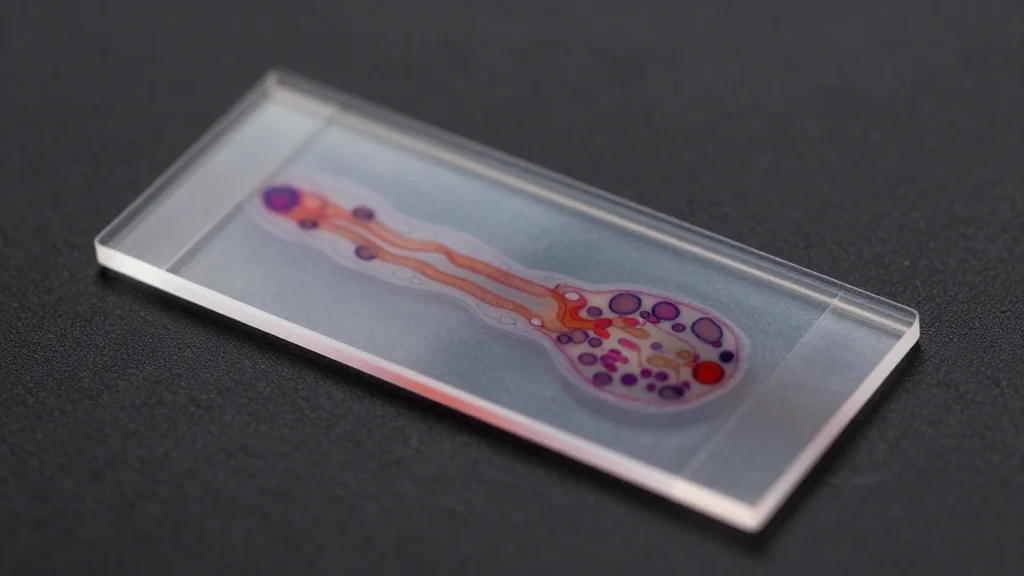
Researchers published in Nature Metabolism have pinpointed two NADPH‑producing enzymes, glucose‑6‑phosphate dehydrogenase (G6PD) and malic enzyme 1 (ME1), as critical regulators of the transition from reversible acinar‑to‑ductal metaplasia to pancreatic ductal adenocarcinoma. Mouse experiments showed that lowering activity of either enzyme...

Multi-Target Gene Therapy for Osteoarthritis: Dual-Axis Modeling and In Silico Validation
A computational study proposes a multi‑target gene therapy for osteoarthritis that combines anti‑inflammatory, anabolic, and catabolic‑blocking transgenes delivered via a dual‑vector AAV system. Network perturbation modeling shows the multi‑axis approach achieves an ECM Recovery Score of 76.2, markedly higher than...

Update on FDA’s Ongoing Evaluation of Reports of Suicidal Thoughts or Actions in Patients Taking a Certain Type of Medicines...
The FDA’s November 1, 2024 drug safety communication reports a preliminary review of suicidal thoughts and actions among patients using glucagon‑like peptide‑1 receptor agonists (GLP‑1 RAs). After analyzing adverse event reports, clinical trials and observational studies, regulators found no clear causal link,...
Scientists Map How the Body Traps 'Sleeping' Tuberculosis
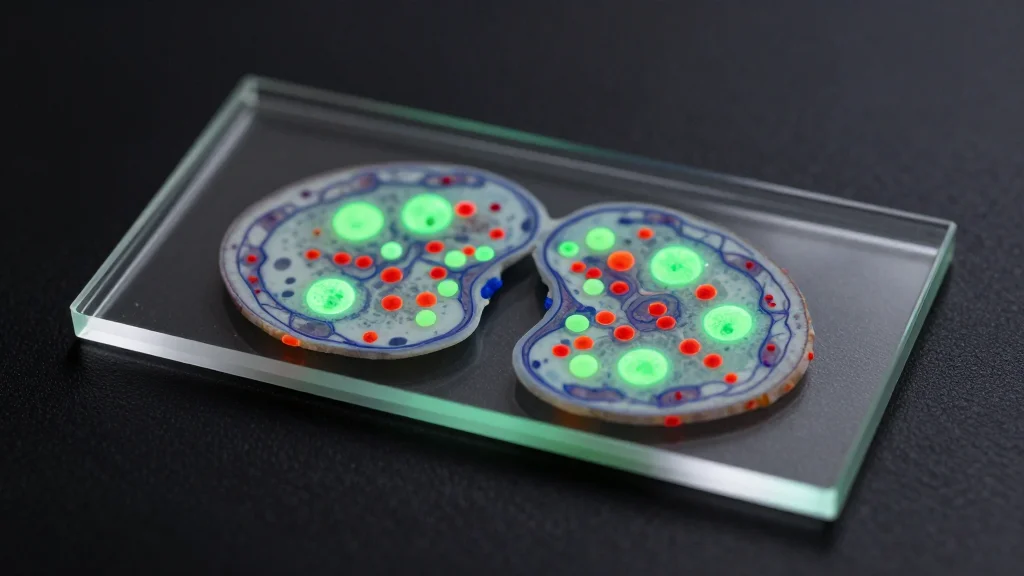
Scientists at James Cook University used spatial transcriptomics to map where latent Mycobacterium tuberculosis resides within lymph nodes and bone marrow, revealing how the immune system contains the dormant bacteria. The study, published in Nature Communications, identified CD8⁺ T cells...
FDA Adds Warning About Rare Occurrence of Serious Liver Injury with Use of Veozah (Fezolinetant) for Hot Flashes Due to...
On December 16, 2024, the FDA issued a Boxed Warning for Veozah (fezolinetant), the first non‑hormonal drug approved for menopausal hot flashes, highlighting a rare but serious risk of liver injury. The agency now mandates baseline liver testing and monthly...
Serious Liver Injury Being Observed in Patients without Cirrhosis Taking Ocaliva (Obeticholic Acid) to Treat Primary Biliary Cholangitis
The FDA’s latest safety communication reveals that Ocaliva (obeticholic acid) is causing serious liver injury in primary biliary cholangitis (PBC) patients without cirrhosis, including cases that required liver transplants or resulted in death. In a post‑market trial, 7 of 81...
FDA Adds Boxed Warning About a Rare but Serious Allergic Reaction Called Anaphylaxis with the Multiple Sclerosis Medicine Glatiramer Acetate...
The FDA issued a new boxed warning for glatiramer acetate (Copaxone, Glatopa), highlighting a rare but potentially fatal anaphylactic reaction. Data from 1996‑2024 show 82 reported cases worldwide, including six deaths, with most events occurring within an hour of injection...
FDA Adds Warning About Serious Risk of Heat-Related Complications with Antinausea Patch Transderm Scōp (Scopolamine Transdermal System)
The FDA has issued a Drug Safety Communication adding a new warning to the Transderm Scōp scopolamine patch about serious heat‑related complications, including hyper‑temperature, hospitalization and death. The warning follows 13 reported cases worldwide—seven in the U.S.—with four hospitalizations and two...
FDA Requires Expanded Labeling About Weight Loss Risk in Patients Younger than 6 Years Taking Extended-Release Stimulants for ADHD
The FDA is requiring a uniform "Limitation of Use" label for all extended‑release stimulants used in ADHD treatment, warning that children under six years face higher drug exposure and a significant risk of weight loss. The agency’s analysis of clinical...
FDA Is Requiring Opioid Pain Medicine Manufacturers to Update Prescribing Information Regarding Long-Term Use
The FDA has mandated that manufacturers of extended‑release/long‑acting opioid analgesics update their prescribing information to reflect new post‑marketing study results. Two large PMR studies (3033‑1 prospective cohort and 3033‑2 retrospective cohort) found that roughly 22% of long‑term users develop opioid...
FDA Removes Risk Evaluation and Mitigation Strategy (REMS) Program for the Antipsychotic Drug Clozapine
The FDA announced that, effective June 13 2025, the risk evaluation and mitigation strategy (REMS) for clozapine is being eliminated. While the drug’s potential to cause severe neutropenia remains, the agency concluded that updated labeling and a new Medication Guide provide sufficient...