
Early Matrix Proteins Drive Kidney Fibrosis Dynamics
A new Nature Metabolism study identifies extracellular matrix protein ECM1 as a pivotal early regulator of kidney fibrosis. Global ECM1 knockout mice develop spontaneous fibrosis and premature death, while AAV9‑mediated ECM1 knockdown in fibroblasts markedly lessens fibrotic burden. Mechanistically, ECM1 signals through integrin α2β1‑RhoC to activate YAP, suppressing TEAD4 repression of Pgc1a and boosting mitochondrial oxidative phosphorylation in tubular cells. The findings position ECM1 as both a promising early‑detection biomarker and a therapeutic target across fibrotic diseases.

Discover the Expert Voices Driving Innovation in Skin Science and Longevity
The Anti‑Ageing Skin Care Conference 2026 will be held June 23‑24 at the Royal College of Physicians, featuring two days of presentations on healthy ageing, biomarker science, and emerging skin technologies. A roster of leading academics and industry R&D heads—including...

After Exiting 2seventy, Chip Baird Took a 180 to Food Allergy With Newly Launched Poplar
Chip Baird, after selling 2seventy bio to Bristol Myers Squibb, launched Poplar Therapeutics as CEO in early 2025. The company secured a $50 million Series A and an additional $45 million extension to fund Phase 1 trials of its anti‑IgE antibody PHB‑050. PHB‑050 aims to...

Webinar: The Future Is Collaborative: Transforming Clinical Trials
A MEDSIR‑hosted webinar titled “The Future is Collaborative: Transforming Clinical Trials” examined how collaborative‑initiated trials and investigator‑initiated trials (IITs) are reshaping oncology research. Speakers Dr. Javier Cortés and Dr. Antonio Llombart‑Cussac, both leading breast‑cancer oncologists, discussed their roles in recent...

From Prompt to Pill: Researchers Propose AI-Driven Path To ‘Pharmaceutical Superintelligence’
A team of researchers proposes "pharmaceutical superintelligence," an AI‑driven pipeline that can turn a plain‑language request into a preclinical drug candidate and even outline clinical trial plans. The framework stitches together generative chemistry models, multi‑agent reasoning, and robotic labs into...

Bayesian Learning Uncovers Schistosomiasis Multimorbidity Risks
Researchers applied Bayesian machine‑learning to uncover risk factors for hepatosplenic multimorbidity in schistosomiasis. By fusing clinical records, environmental exposure data, and host genetic markers, the model pinpointed predictors such as specific immune‑gene variants and poor sanitation. Its capacity to continuously...

Synthetic Gene Medicines May Disrupt DNA Repair
Researchers at Karolinska Institutet reported that phosphorothioate antisense oligonucleotides (ASOs) directly bind key DNA‑repair enzymes, forming nuclear condensates that trigger a false DNA‑damage response. The effect was observed at concentrations commonly used in laboratory assays, though clinical doses reach lower...

'Dismal' Survival Demands Change in Bile Duct Cancer Therapy
An international panel of 147 oncology leaders, including Prof. John Bridgewater, issued a consensus calling for sweeping reforms in the diagnosis, treatment, and research of cholangiocarcinoma (bile duct cancer). The disease remains deadly, with three‑quarters of patients dying within a...

Nine Companies Advancing Biotech in Philadelphia
Philadelphia’s biotech ecosystem, long known for CAR‑T breakthroughs, is diversifying into obesity, metabolic disease, gene editing, and solid‑tumor immunotherapies. Nine local companies illustrate this shift, from Alveus Therapeutics’ $197 million Series A obesity program to Cabaletta Bio’s autologous CD19 CAR‑T for autoimmune...
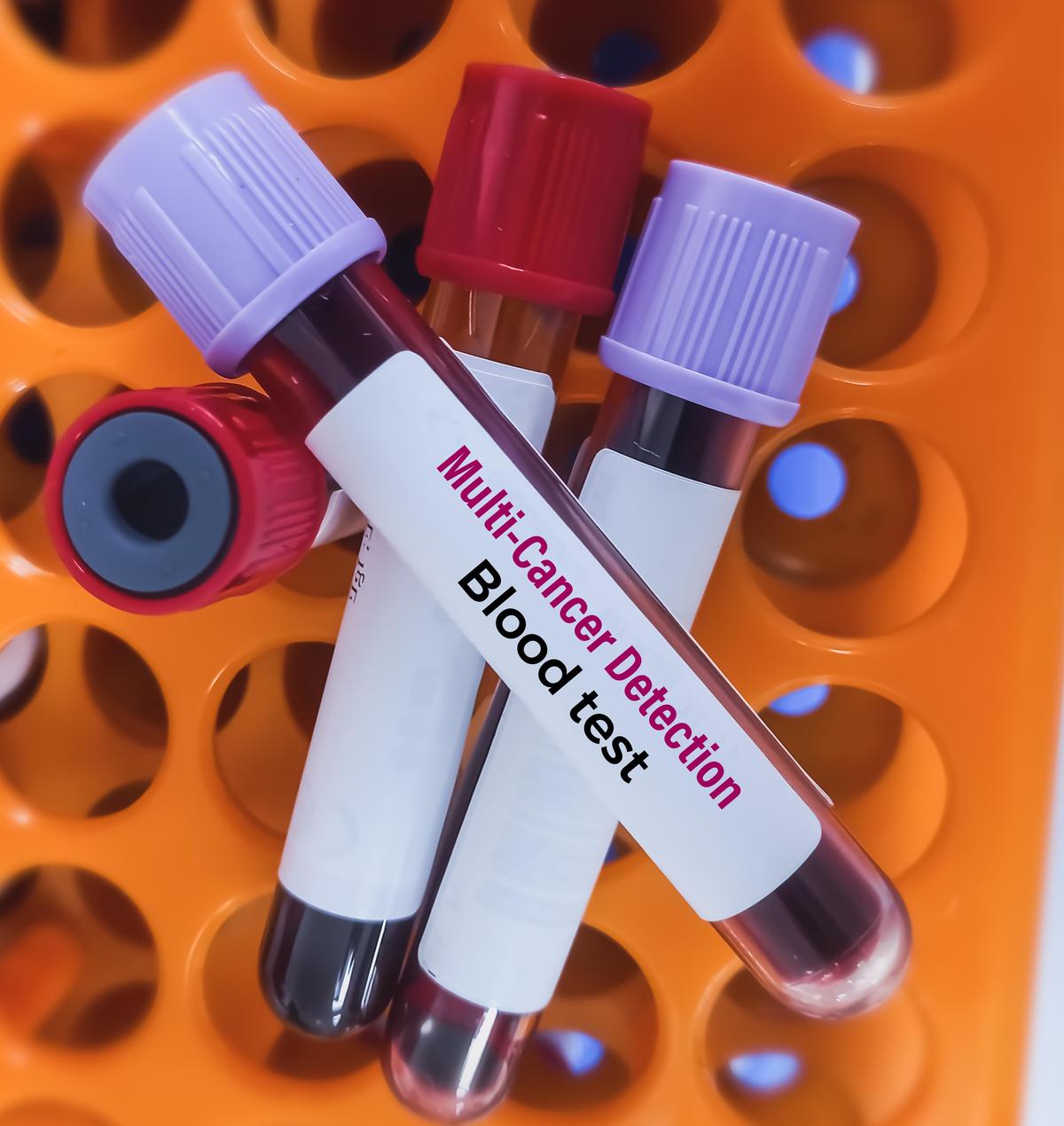
Promises And Pitfalls Of Multi-Cancer Diagnostic Tests
Multi‑cancer early detection (MCED) tests analyze blood, urine or saliva for tumor‑derived DNA, RNA or proteins, promising a single‑sample screen for dozens of cancers. While early‑stage detection could complement established organ‑specific programs, sensitivity varies widely, with some cancers identified in...
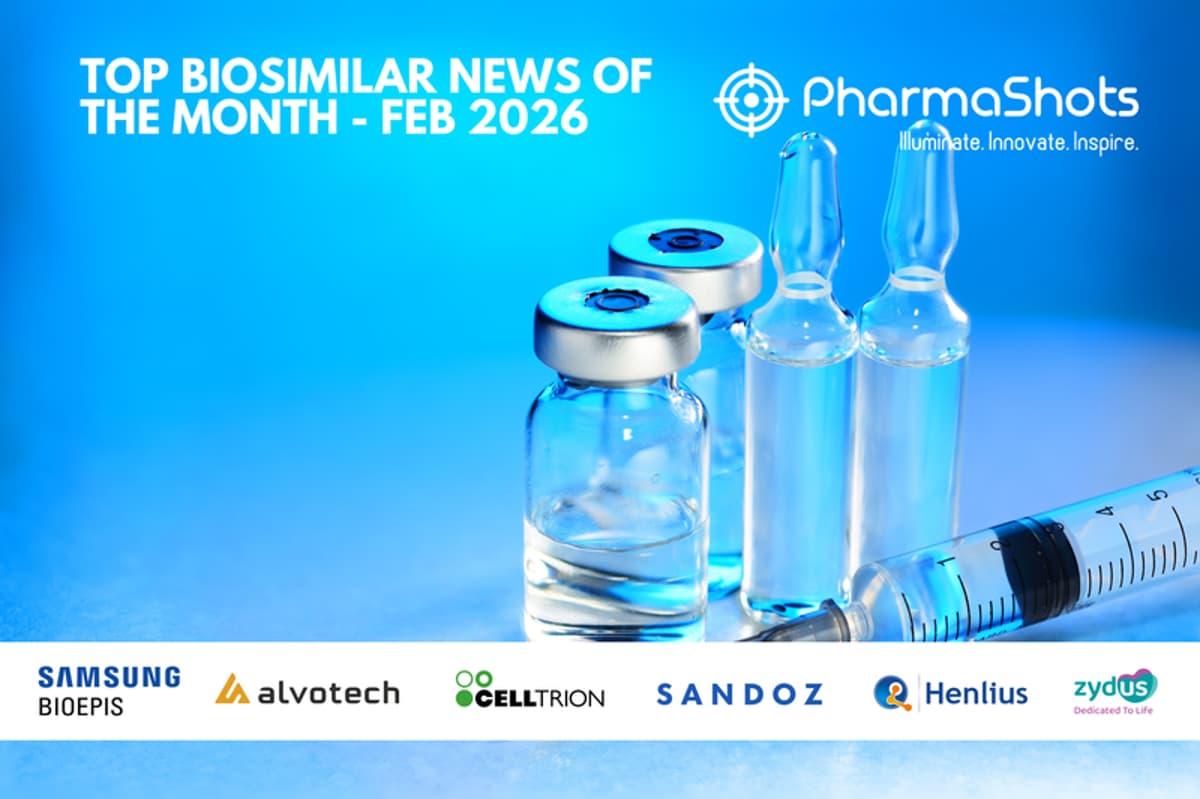
Key Biosimilars Events of February 2026
February 2026 saw a surge of biosimilar activity, with key regulatory approvals for products such as Sandoz Enzeevu (Eylea), Accord Filkri (Neupogen), and STADA Gotenfia (Simponi) across the US, Canada and the EU. Companies forged new licensing and commercialization deals that extend biosimilar...
NKTR Emerges as Biotech's Most Undervalued Gem
More cases of Kaposi sarcoma for OX40. OX. 40. Is. Done. $SNY still projecting $3-$5B peak sales for Amli is a pipe dream. This value is going to $NKTR. $NKTR is, IMO, the single most undervalued name I...

Quell Takes New Treg Into Clinic After Transplant Study Halt
Quell Therapeutics has launched the phase 1/2 CHILL trial of its autologous CAR‑Treg therapy QEL‑005 in rheumatoid arthritis and systemic sclerosis, after pausing the liver‑transplant program QEL‑001. The multi‑center study will enroll patients in the UK, Germany and Spain, with read‑out...
Boehringer Ingelheim Axes MASH Pact With OSE After Disappointing Mid-Stage Data
Boehringer Ingelheim has terminated its metabolic dysfunction‑associated steatohepatitis (MASH) collaboration with OSE Immunotherapeutics after an exploratory Phase 2 trial failed to meet its primary endpoint. The original 2018 deal included a €15 million upfront payment and up to €1.1 billion in milestone potential,...

RecovryAI Announces FDA Breakthrough Device Designation for Patient-Facing Clinical AI
RecovryAI, emerging from stealth, received FDA Breakthrough Device Designation for its physician‑prescribed Virtual Care Assistants (VCAs), AI tools that guide patients through post‑operative recovery. The designation, reserved for devices that can substantially improve care standards, accelerates the company’s engagement with...
DDW Highlights: 3 March 2026
In this episode, Bruno Quinney highlights four major developments: a long‑acting injectable HIV regimen (cabotegravir + rilpivirine) that cut virological failure risk by nearly half versus daily oral therapy; SolasCure’s ORES wound gel, which accelerated debridement 22‑fold and healing seven‑fold in chronic...
Lynk Pharmaceuticals Reports Topline P-III Trial Data on Zemprocitinib in Atopic Dermatitis
Lynk Pharmaceuticals announced topline Phase III data for its oral JAK inhibitor zemprocitinib in 356 patients with moderate‑to‑severe atopic dermatitis. Both the 12 mg and 24 mg doses met the co‑primary endpoints at week 16, delivering 38‑46 percentage‑point improvements in EASI‑75 and roughly 30 percentage‑point gains...

Animal Drugs: Strengthening Federal Incentives Could Help Address Unmet Animal Health Needs
The GAO report reveals that, despite a conditional approval pathway introduced in 2004 and expanded in 2018, FDA‑approved animal drugs for minor species and niche uses remain scarce. From FY2018 through FY2025, only 13 drugs received conditional approval, all targeting...

FDA Doubts QURE Gene Therapy Benefit, Leaks to Media
New reporting from me taking you inside the $QURE - FDA Huntington's gene therapy imbroglio. I spoke to a senior FDA official late yesterday, who told me agency reviewers "are not convinced there’s any therapeutic benefit of the product. If...

STAT+: FDA Is ‘Not Convinced’ UniQure’s Huntington’s Therapy Has Benefit, Senior Official Says
The FDA concluded that UniQure’s experimental gene therapy for Huntington’s disease has not demonstrated therapeutic benefit based on existing clinical data. Reviewers said they are not persuaded by the evidence, prompting the agency to block the company from submitting a...

AI‑Discovered Gal‑3 Blocker Cuts Inflammation, Boosts Memory in Mice
Alzheimer’s research is increasingly looking beyond plaques and tangles to the brain’s immune response. A study published in Elsevier's Pharmacological Research journal used AI to screen 1.6M compounds for a Galectin-3 (Gal-3) blocker that could cross the brain barrier. In Alzheimer’s-like...

Integrating Omics Data, Not Algorithms, Is Pharma’s Biggest Challenge
The hardest problem in pharma data science isn't the algorithm. It's getting three different omics datasets to agree with each other. That's exactly what we'll dig into at #ddpeast26 on June 10 in Waltham. I'm joining as a panelist and roundtable moderator....

This Startup Wants To Use Mini Robots To Treat Alzheimer's
Jacksonville‑based startup MMI is preparing the first U.S. microrobotic surgeries to treat Alzheimer’s by clearing lymphatic drainage pathways in the neck. The FDA granted clearance for an initial safety cohort of 15 patients, with five slated for the first procedure...
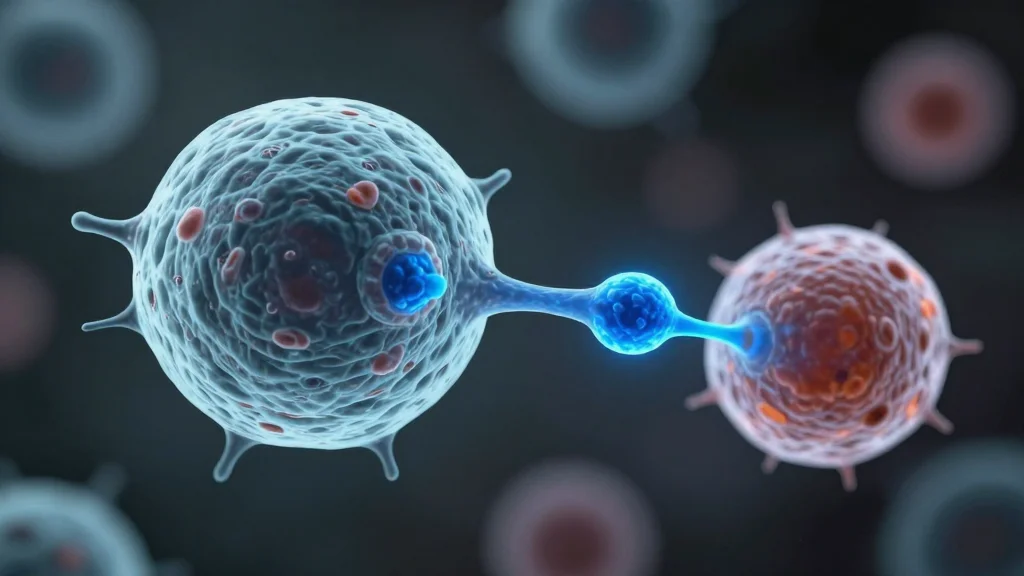
T‑cell Engagers Offer New Autoimmunity Treatment Opportunity
T-cell engagers for autoimmunity. Listen to Ken Song describe the opportunity as CEO of San Diego-based Candid Therapeutics. Sponsored by @AlphaSenseInc & Dash Bio. https://t.co/Ct2viH00c4

APGE Should Drop OX40 Bispec, It's Just a Black Box
$APGE should can the OX40 bispec IMO. You’re basically just tacking on a black box with that MOA at this point…

Innovent Receives the NMPA Approval for Jaypirca to Treat R/R Chronic Lymphocytic Leukemia or Small Lymphocytic Lymphoma (CLL/SLL)
Innovent’s pirtobrutinib, marketed as Jaypirca, received Chinese NMPA approval for adults with relapsed or refractory chronic lymphocytic leukemia/small lymphocytic lymphoma who have undergone at least one prior therapy, including a BTK inhibitor. The decision follows the phase‑III BRUIN CLL‑321 trial,...

The Role of the cGAS-STING Interaction in the Age-Related Inflammation of the Brain
The cGAS‑STING pathway, a DNA‑sensing immune circuit, becomes aberrantly activated in the aging brain as mitochondrial and nuclear DNA escape into the cytoplasm. This chronic activation drives low‑grade neuroinflammation, contributing to neurodegenerative diseases such as Alzheimer’s, Parkinson’s and ALS. Preclinical...

Some Epigenetic Clocks Correlate with Risk of Dementia
A recent analysis of 6,069 cognitively normal women examined whether epigenetic aging clocks predict incident mild cognitive impairment or dementia. Second‑ and third‑generation clocks (AgeAccelPheno, AgeAccelGrim2, DunedinPACE) were compared with first‑generation Horvath and Hannum measures. Only the AgeAccelGrim2 clock showed...

Patent Term Extension: Challenges with Defining and Claiming Approved Biologics
Patent term extension (PTE) offers up to five extra years of exclusivity for FDA‑approved drugs, but biologics present a unique hurdle because the law hinges on defining the “active ingredient.” Unlike small molecules, biologics are large, variable structures, making it...

CMS Extends Deadline for MFN Pricing Pilot Scheme
The U.S. Centers for Medicare & Medicaid Services (CMS) has pushed back the deadline for manufacturers to join its GENEROUS pilot, extending the initial cut‑off to April 30 while keeping the final deadline at June 30. The voluntary program applies a Most‑Favoured...

Industry Leaders Announce World’s First Microphysiological Systems Industry Association
Eight leading European microphysiological systems companies have launched the Industry Alliance for Microphysiological Systems (IAMPS), the world’s first trade association dedicated to MPS technologies. IAMPS will represent organ‑on‑chip, organoid and related NAM developers, aiming to harmonize standards, promote data sharing,...

Merck and Eisai Present P-III (LITESPARK-011) Trial Data on Welireg + Lenvima in Advanced Renal Cell Carcinoma (RCC) at ASCO...
Merck and Eisai disclosed Phase III LITESPARK-011 results showing that the oral combination of Welireg (belzutifan) and Lenvima (lenvatinib) outperformed cabozantinib in 747 patients with advanced renal cell carcinoma who progressed after anti‑PD‑1/PD‑L1 therapy. At a median follow‑up of 29...
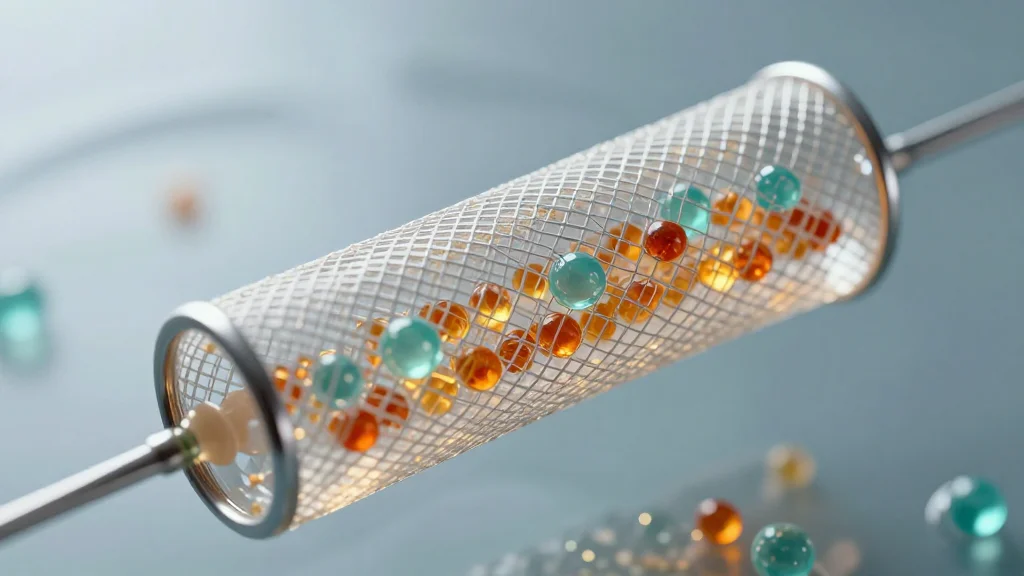
Selective Lipoprotein Removal Enables High‐Purity EV Isolation From Plasma via Aptamer‐Based Mesh Filtration
Researchers introduced ApoFilter, an aptamer‑functionalized mesh filtration system that selectively removes plasma lipoproteins while allowing extracellular vesicles (EVs) to pass. The platform targets ApoA1 and ApoB100, depleting over 99% of HDL and (V)LDL within a minute using gravity‑driven flow. Integrated...
Dermatology Trials by the Numbers: Key Trends and Benchmarks for 2026
Dermatology research is booming, with more than 16,000 trials completed, ongoing, or planned by the end of 2025. The Asia‑Pacific region now hosts roughly 8,000 studies, a five‑fold increase over the past decade, matching North America and Europe combined. Low...

Cryo-EM Reveals New Aspects of CRISPR-Cas Biology
Researchers at Vilnius University used cryogenic electron microscopy to map eleven CRISPR‑Cas protein complexes, including three variants of a newly described Cas9‑Cas1‑Cas2‑Csn2 supercomplex. The study shows that Cas9, traditionally viewed only as a DNA‑cutting enzyme, also directs the selection and...

Clinically‐Relevant Static Magnetic Field Induces Release of Encapsulated Molecules From Magnetoliposomes
Researchers demonstrated that a clinically‑available 1.5 T static magnetic field can trigger the release of encapsulated molecules from magnetoliposomes (MLs). The study used citric‑acid‑stabilized Fe₃O₄ nanoparticles, with and without a chitosan coating, and monitored structural changes via SAXS and DLS. Fluorescence...

Lee Hood’s Persistent Plan to Reinvent Medicine From the Ground Up
Lee Hood’s three‑decade instrument‑building effort birthed the automated DNA sequencer that made the Human Genome Project feasible and founded the Institute for Systems Biology, the cradle of systems‑level medicine. He coined the four P’s—predictive, preventive, personalized, participatory—arguing the first three are...

A Strong Dose of Digital for U.K. Pharma and Life Sciences
Earlier this year the UK government pledged £82.6 million to AI‑focused drug‑discovery firms, underscoring its ambition to lead the global digital health transformation. Major players such as AstraZeneca are launching dedicated health‑tech units like Evinova to accelerate clinical‑trial design, while the...

How North Carolina Attracted Amgen and Roche To Become a Next-Gen Obesity Drug Production Hotspot
North Carolina’s Holly Springs is becoming a hub for next‑generation obesity drugs as Amgen and Roche commit more than $3.5 billion to build manufacturing capacity. Amgen’s $1.55 billion rollout includes a new drug‑substance plant and a second facility slated for 2032, while Roche’s...

Latest TechBio News
Proscia has been crowned the top‑performing digital pathology software vendor in the United States, receiving a 95.2 overall score in KLAS Research’s 2026 report and earning A+ or A grades across all six customer‑experience pillars. The company is also the...

#596: Why Do Omega-3 Trials Show Mixed Results?
Omega‑3 supplementation trials produce mixed results due to differences in dose, population risk, and chosen endpoints. High‑dose EPA/DHA studies in secondary‑prevention cohorts with elevated triglycerides, such as REDUCE‑IT, show significant cardiovascular benefit, whereas lower‑dose primary‑prevention trials like VITAL and ASCEND...

Navigating the FDA After the Storm To Advance Drug Candidates
After a wave of senior departures and a 3,500‑position cut, the FDA entered 2026 with a largely inexperienced workforce, raising uncertainty for drug developers. The agency’s new AI guidance, released in January, outlines best practices but emphasizes human oversight and...

Treatable, Not Curable: Biotech Must Rise Now
"Treatable, not curable" should be a call to arms for any cancer biotech that isn't a grift to step up. Life is so cruel more often than not, but humans are tenacious and unstoppable.

SOPHiA GENETICS SA (SOPH) Q4 2025 Earnings Call Transcript
SOPHiA GENETICS reported Q4 2025 revenue of $19.5 million, up 23% year‑over‑year, marking the third consecutive quarter of accelerating growth. The company added 31 new customers, bringing total 2025 signings to 94, and saw U.S. revenue rise 30%, highlighting strong market...

NDA and BLA Calendar Year Approvals
The FDA’s Center for Drug Evaluation and Research (CDER) has published its annual New Drug Application (NDA) and Biologics License Application (BLA) approval reports for calendar years 2015 through 2025, each linked in a consolidated list. These reports detail the...
New Diagnostic Markers for Multiple Sclerosis Discovered in Cerebrospinal Fluid
Researchers from the Max Planck Institute of Biochemistry and the Technical University of Munich applied high‑throughput mass spectrometry to cerebrospinal fluid from more than 5,000 patients, measuring roughly 2,000 proteins per sample. They identified a 22‑protein panel that distinguishes multiple...

One PSMA Agent Outshines Competitors at Detecting Prostate Cancer Recurrence
A head‑to‑head study of 55 post‑prostatectomy patients compared two FDA‑cleared PSMA PET agents, Posluma (flotufolastat F‑18) and Pylarify (piflufolastat F‑18). Posluma demonstrated markedly lower bladder radioactivity, with a median bladder SUV of 10.9 versus 29 for Pylarify. This reduction translated into higher...
How Flatworms Keep Their Regeneration Powers on Track
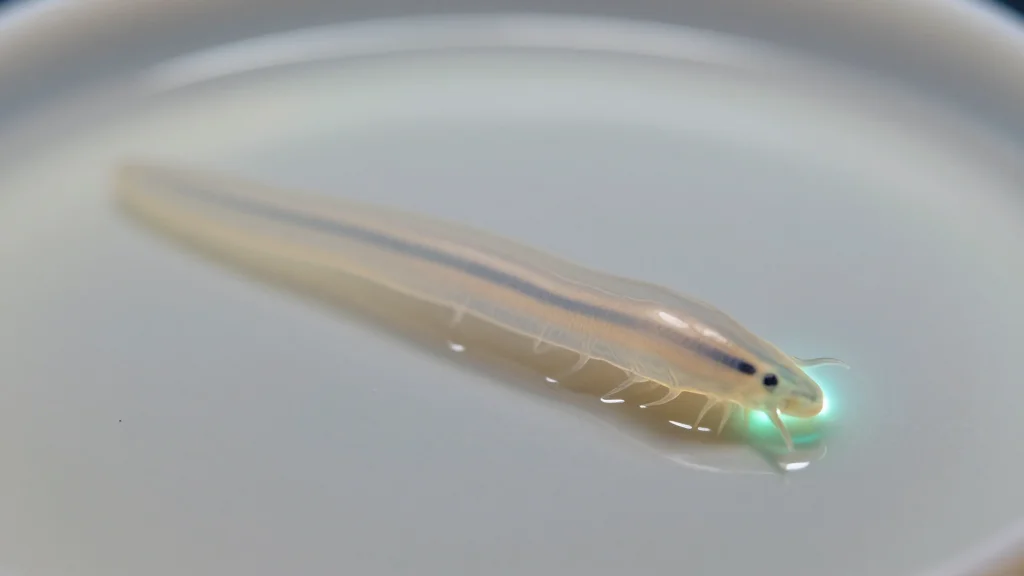
Scientists have identified a molecular checkpoint that guides planarian stem cells during regeneration. The roundabout A receptor (RoboA) suppresses inappropriate pharyngeal differentiation by regulating the transcription factor FoxA, while the extracellular protein Anosmin1a partners with RoboA to fine‑tune cell identity...

Ultrasound-Activated 'Nanoagents' Kill Superbugs Hiding in Biofilms
Scientists at the University of Birmingham and Nottingham Trent University have created silica‑based nanoagents that encapsulate the hydrophobic antibiotic rifampicin and release it only when exposed to low‑frequency ultrasound. The ultrasound‑triggered particles penetrate deep into Staphylococcus aureus biofilms, achieving a...
FDA Adverse Event Reporting System (FAERS) Electronic Submissions
The FDA has mandated electronic submissions to the FAERS database using the ICH‑endorsed E2B(R3) standard, beginning January 16 2024 for post‑marketing drug and biologic reports and April 1 2024 for pre‑marketing IND safety reports. Companies have until April 1 2026 to transition fully, after which only...