
Arrowhead Enters Obesity Chat by Doubling Tirzepatide’s Weight Loss in Combo Study
Arrowhead Pharma reported that its RNAi drug ARO‑INHBE, combined with Eli Lilly’s tirzepatide, produced roughly double the weight loss seen with tirzepatide alone in a small Phase I/IIa study. In the interim analysis, patients receiving the combo lost 9.4% of body weight by week 16 versus 4.8% with tirzepatide monotherapy, while visceral, total, and liver‑fat reductions were markedly greater. A second candidate, ARO‑ALK7, demonstrated 88% target‑gene knock‑down and a 14% visceral‑fat decrease, with both agents showing mild adverse events and no discontinuations. The data sent Arrowhead’s stock up 17% to $75.20 and positioned the company as a potential partner for next‑generation obesity therapies.

Lilly Doubles Down With Nimbus, Paying $55M for Preclinical Obesity Drug
Eli Lilly has struck a new multi‑year collaboration with Nimbus Therapeutics, paying $55 million upfront for a preclinical oral obesity drug program that could generate up to $1.3 billion in milestones. The partnership leverages Nimbus’s AI‑driven, structure‑based design to discover small‑molecule treatments for...

From Pint to Plate, Scientists Brew up a New Way to Grow Meat
Scientists at University College London have demonstrated that spent yeast from beer brewing can be converted into bacterial cellulose scaffolds suitable for cultivated meat production. The yeast‑derived cellulose matches or exceeds the texture of conventional scaffolds while being edible and...

Top 10 Most Popular Drug Hunter Reviews of 2025
2025 drug discovery emphasized rigorous target selection, with genetics‑driven programs outpacing unvalidated approaches. Immunology saw a breakthrough as small‑molecule degraders and inhibitors of transcription factors IRF5 and STAT6 demonstrated oral activity, challenging the dominance of biologics. Emerging modalities such as...

Researchers Sustainably Produce Triacetic Acid Lactone From Sugarcane
Researchers at the University of Illinois’s Center for Advanced Bioenergy and Bioproducts Innovation demonstrated a sustainable route to produce triacetic acid lactone (TAL) from sugarcane using fermentation followed by crystallization. By coupling experimental solubility data with the BioSTEAM simulation platform,...

Nanoparticles Show Unexpected Ability to Activate Immune System Against Melanoma
Cornell researchers have shown that ultrasmall core‑shell silica nanoparticles, dubbed "prime dots," can reprogram the tumor microenvironment of melanoma, activating innate immunity and converting immunologically "cold" tumors into "hot" ones. The study published in Nature Nanotechnology documents multiple mechanisms—including pattern‑recognition...

MICOS in the Age-Related Decline of Mitochondrial Function
Recent 3‑D reconstructions reveal that the mitochondrial contact site and cristae organizing system (MICOS) becomes progressively disordered in aging neurons, especially those exposed to Alzheimer’s disease (AD) pathology. The study documents age‑dependent cristae fragmentation, reduced inter‑mitochondrial connectivity, and altered mitochondrial...
Modest Reversal of Proteomic Aging via a Structured Program of Exercise
A recent study using a 12‑week supervised exercise program showed a modest reversal of proteomic aging, shrinking the predicted biological age by roughly ten months in 26 male participants. The research linked higher ProtAgeGap scores to lower physical activity and...

Inhalable Therapy Aims for One-Two Punch Against Advanced Melanoma
Columbia engineers have created BEAT, an inhalable nanotherapy that uses engineered exosomes to co‑deliver PD‑1/PD‑L1 and Wnt/β‑catenin inhibitors directly to lung metastases of melanoma. In mouse models resistant to checkpoint inhibitors, inhaled BEAT achieved superior lung retention, dramatically suppressed tumor...

Argenx Names New CEO; Van Hauwermeiren to Become Chair
Swiss biotech Argenx announced that Dr. Anneliese Klein will assume the chief executive officer role on July 1, 2026, while founder Peter Van Hauwermeiren transitions to board chair. Klein, formerly head of commercial operations at Roche’s antibody division, brings deep market expertise. Van’s move...

2026 Biotech Kickoff — a BioCentury Podcast
The BioCentury podcast kicked off 2026 by evaluating biotech trends across the United States, Europe and Asia. Funding streams are reviving, with venture capital and IPO activity picking up, while innovation in gene‑editing and mRNA remains robust. At the same...

ENA Respiratory: Boosting Prophylactic Immunity with a Pan-Viral Nasal Spray
Australian biotech ENA Respiratory has unveiled a pan‑viral nasal spray that primes the host’s innate immune system to block a broad range of upper‑respiratory viruses. Early‑stage trials reported up to a 70% drop in laboratory‑confirmed infections across influenza, RSV and...

Gene Editing in Indonesia: Can New Biotechnology Solve Old Agricultural Problems?
Indonesia faces mounting food‑security pressures as climate stress and import dependence strain its staple‑centric agriculture. Gene‑editing technologies, touted for precise, non‑transgenic trait improvements, are being positioned to boost rice, cassava and sorghum yields. Yet stakeholder interviews reveal deep skepticism, especially...

Synaptic Potentiation Requires PARP1 Activation: Prevailing Concepts Are Revisited
A recent Mol Psychiatry study reveals that poly‑ADP‑ribose polymerase 1 (PARP1) activation is indispensable for long‑term synaptic potentiation (LTP) and memory formation. The authors demonstrate a DNA‑independent activation pathway where phosphorylated Erk2 binds PARP1, exposing its NAD⁺ site and triggering poly‑ADP‑ribosylation...

Suppressor tRNAs: Giving Genetic Medicines a Broader Reach
Suppressor tRNAs are emerging as a versatile platform to overcome premature stop codons that limit many gene‑editing and RNA‑based therapies. Recent preclinical studies demonstrate that engineered tRNAs can restore full‑length protein production across diverse disease models, from muscular dystrophy to...

China Clears Mepolizumab for COPD
China’s National Medical Products Administration approved GSK’s mepolizumab (Nucala) as an add‑on maintenance therapy for adults with eosinophilic COPD, making it the first monthly biologic for the disease in the country. The decision rests on Phase III MATINEE and METREX trials...

Restoration of Lymphatic Vessel Contractility in Aged Mice
Researchers identified the voltage‑gated sodium channel NaV1.3 as a selective, drug‑gable target in adult lymphatic smooth muscle. Using the scorpion‑venom‑derived activator Tf2, they fully restored lymphatic vessel contractility in aged mice and partially rescued radiation‑induced deficits. NaV1.3 is absent from...

Blocking the IgG Highway: FcRn Biology, Approved Agents, and the Small Molecule Horizon
The article reviews the role of the neonatal Fc receptor (FcRn) in extending IgG half‑life and outlines how therapeutic blockade of this pathway can reduce pathogenic antibodies in autoimmune diseases. It surveys the currently approved FcRn‑targeting biologics, such as efgartigimod...
High-Throughput Platform Enables Aptamer Discovery and Kinetic Profiling
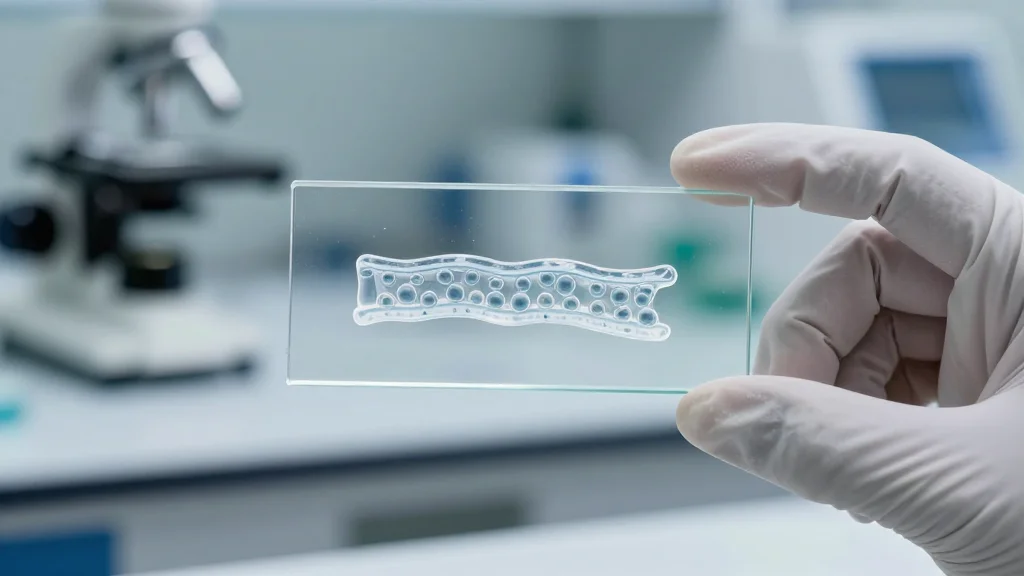
Researchers at the Chinese Academy of Sciences unveiled SPARK‑seq, a high‑throughput platform that merges CRISPR perturbations, single‑cell multi‑omics and aptamer sequencing to map aptamer‑target interactions in native cellular contexts. In a proof‑of‑concept study, the system screened over 8,000 single cells,...

Microalgae Could Fuel Hawaiʻi's Renewable Future
Researchers at the University of Hawaiʻi at Mānoa have demonstrated how synthetic biology and CRISPR‑based metabolic engineering can boost microalgae’s production of lipids and terpenoids, key feedstocks for renewable jet fuel, bio‑based chemicals, and pharmaceuticals. The study, published in Plant...
Making Smart Decisions and Investments in Trained Staff Key to 2026 Success
Raj Puri, chief commercial officer of Argonaut Manufacturing, warns that U.S. tariffs will keep pressuring pharma manufacturers in 2026, extending costs and timelines for new or upgraded facilities. He highlights that large capital projects face uncertainty in a volatile geopolitical...

Quick Execution with Operational Integrity
Meri Beckwith, Co‑CEO of Lindus Health, outlines how 2025 trends will shape pharma in 2026. AI moved from experimental to strategic, accelerating trial design, site selection and patient matching. Decentralized trial models combined with real‑world data enable nationwide recruitment and...

FUJIFILM Irvine Scientific Becomes FUJIFILM Biosciences
FUJIFILM Irvine Scientific rebranded as FUJIFILM Biosciences on Jan. 1, 2026, aligning its name with a 55‑year legacy in cell‑culture media and bioprocessing. The change underscores the unit’s shift toward biologics manufacturing and CDMO services. Recent strategic moves include a $3 billion, 10‑year...
Advancing Pharmaceutical Quality Through Integrated Digital Systems and Collaborative Scientific Innovation
Saharsh Davuluri of Neuland Labs outlines a digital overhaul of API manufacturing, leveraging AI tools such as Merck’s Synthia and automated parallel synthesizers to design scalable processes. He envisions a fully paperless plant where electronic batch records feed directly into...

Multi-Compendial Compliance for Pharmaceutical Excipients–Part 2: A Detailed Assessment for Specification Equivalence
The article presents a technical assessment of compendial tests across the European Pharmacopoeia, USP‑NF, and Japanese Pharmacopoeia to establish specification equivalence for pharmaceutical excipients. It recommends standardizing on the Ph. Eur. method for most tests, applying the tightest acceptance criteria, and...
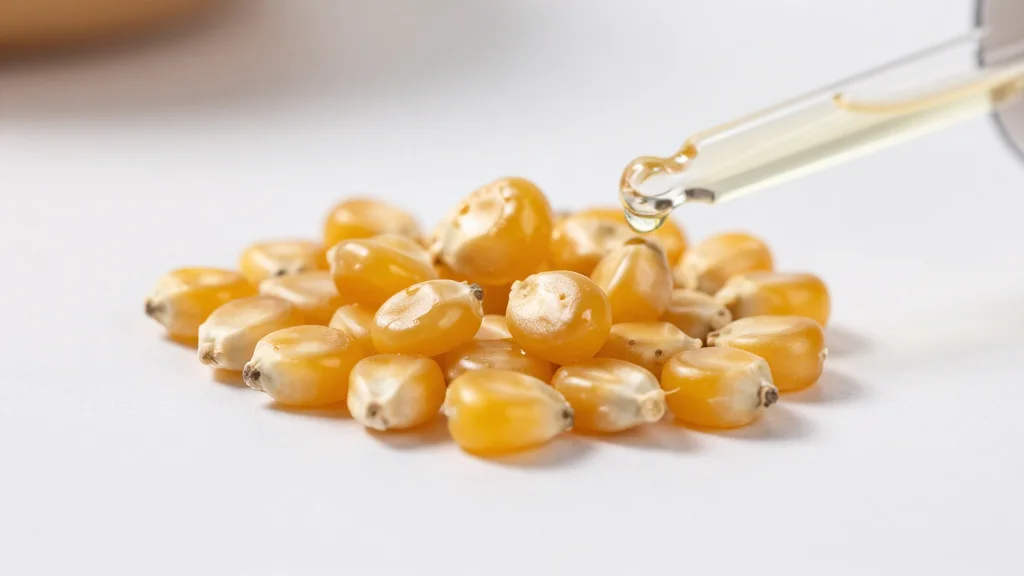
Nearly Every Corn Seed Planted in Colorado Is Covered in Insecticide: Lawmakers May Restrict the Chemical
Nearly every corn seed planted in Colorado is coated with a neonicotinoid insecticide, a practice that protects seedlings but also introduces the chemical into plants, soil and water. Environmental groups are drafting legislation that would ban such coatings unless farmers...

Machine Learning Drives Drug Repurposing for Neuroblastoma
Researchers at Lund University used machine learning to repurpose existing drugs for high‑risk neuroblastoma. They identified a synergistic combination of a statin and a phenothiazine that markedly slowed tumor growth in mouse models. Laboratory trials showed reduced tumor cholesterol, increased...

RO4938581, a GABAA-Α5 Negative Allosteric Modulator Rescued Behavioral and EEG Phenotypes of a Mouse Model of Dup15q Syndrome
The study shows that mice carrying the 15q duplication exhibit ~1.5‑fold elevation of GABA A‑α5 receptors in cortex, hippocampus and striatum, leading to heightened inhibitory synaptic activity and a characteristic increase in beta‑band EEG power. Chronic oral administration of the selective...

Weekly Reads: The Stem Cell Niche, Tongue Stem Cells, Autoimmune Diseases
The post highlights recent advances in stem cell niche research, focusing on bone‑marrow organoid models, niche‑preserving intestinal transplants, and the discovery of tripotent Lgr5+ stem cells in the posterior tongue that generate lingual, taste, and salivary lineages. It curates related...

A Better Way to Detect Off-Target Genome Changes From Base Editors
St. Jude Children’s Research Hospital unveiled CHANGE‑seq‑BE, a new assay that sensitively maps off‑target activity of CRISPR base editors while using only a fraction of sequencing resources. The method, published in Nature Biotechnology, demonstrated 95.4 % on‑target specificity in an FDA‑emergency case...

Epigenetic Mechanisms Affected by Stress During Adolescence and the Increased Risk for Depression Later in Life: A Systematic Review
This systematic review examined how stressful life events during adolescence reshape epigenetic landscapes and elevate depression risk later in life. By screening 30 preclinical and clinical studies, the authors identified consistent DNA methylation and micro‑RNA changes—particularly affecting the BDNF pathway—in...

Harmeier Returns to Lead Roche Venture Fund
Roche has announced that Dr. Harmeier is returning to head its Roche Venture Fund, the pharma giant’s dedicated early‑stage investment arm. Harmeier previously led the fund from 2015 to 2020 before moving to a senior role within Roche’s corporate development...

Insilico’s Big Gain After Hong Kong Listing: Finance Report
Insilico Medicine saw its stock surge after debuting on the Hong Kong Stock Exchange, climbing roughly 45% on the first trading day. The secondary offering raised about $1.2 billion, pushing the company’s market capitalization past the $10 billion mark. The strong demand...

Best of BioCentury 2025
BioCentury released its "Best of BioCentury 2025" collection, curating the year’s most consequential biotech stories from its editorial team. The anthology spotlights breakthroughs in gene‑editing, AI‑driven drug discovery, and evolving regulatory frameworks. By distilling these seminal moments, BioCentury reinforces its mission...

Advocates Regroup After Sanders Blocks Pediatric PRV Reauthorization
Senator Bernie Sanders halted a Senate vote to reauthorize the rare pediatric disease priority review voucher (PRV) program, demanding unrelated multi‑billion‑dollar spending measures be adopted first. Although he expressed support for the PRV incentive, Sanders made clear his conditions would...

Industry Outlook 2026: Success Through Top Talent, AI Utilization, and Sustainability
Ardena US managing director Ian Bilodeau says AI is reshaping pharma by linking fragmented data and speeding product decisions. He also emphasizes that attracting and developing top talent requires challenging, impact‑focused work environments. Sustainability, highlighted by Ardena’s EcoVadis certification, is...
The Evolution of Data-First Regulatory Operations
Remco Munnik of Arcana Life Sciences says European regulators are cementing a data‑first approach, with the EMA’s electronic product database and digital submission forms becoming standard. The pharma sector is eager to embed AI for document automation and quality oversight,...

Grading My 25 Stem Cell & Regenerative Medicine Predictions for 2025
The author graded 25 2025 predictions for stem cell and regenerative medicine, finding most were accurate despite some disappointing headlines. Key highlights include reduced FDA oversight paired with notable warnings in the perinatal space, a successful Mesoblast approval, and several...

Zoliflodacin (ETX-0914)
Zoliflodacin (ETX-0914) received FDA approval as an oral bacterial type II topoisomerase inhibitor for the treatment of urogenital gonorrhea. The drug emerged from rational design of earlier inhibitors and is the product of a partnership among AstraZeneca, Entasis, Innoviva and GARDP....

Double Cone Tumble Blender Provides Homogeneity in Heavy-Duty Applications
Charles Ross & Son introduced the DCB-5 Double Cone Tumble Blender, a five‑cubic‑foot unit designed for high‑density powder processing. The machine combines a stainless‑steel jacket, a 2 HP intensifier bar, and an integrated vacuum system to deliver repeatable homogeneity and simultaneous...

A Zero-Shot Learning Framework for Maize Cob Phenotyping
Scientists have unveiled a zero‑shot learning framework that phenotypes maize cob geometry without any model retraining. The system combines text‑guided object detection, lightweight segmentation, and calibrated trait extraction, delivering 98‑100% detection accuracy and over 0.95 correlation for trait estimates. It...
From AI to Smart Factories: How Pharma Is Preparing for 2026
Manish Garg of Hikma Pharmaceuticals highlighted how AI, personalized medicine, and smart manufacturing reshaped pharma in 2025 and set the agenda for 2026. AI accelerated drug discovery and clinical design, while niche, high‑value therapies gained prominence. Companies are regionalizing supply...

New Technique Lights up Where Drugs Go in the Body, Cell by Cell
Researchers at Scripps have unveiled vCATCH, a whole‑body imaging platform that lights up covalent drugs at single‑cell resolution in mice. By attaching a tiny chemical handle to drugs and using highly selective click‑chemistry, the method tags each bound molecule with...

HITL and HOTL: An Air Traffic Control Analogy for Agentic AI
ArisGlobal’s senior VP Jason Bryant argues that both human‑in‑the‑loop (HITL) and human‑on‑the‑loop (HOTL) remain essential for deploying agentic AI in pharma. He uses an air‑traffic‑control analogy, portraying AI agents as aircraft and the orchestration layer as air‑traffic management. Bryant stresses...

Pain‑free Surgery Once Seemed Impossible, Now It's Reality
If restoring youthful function in old tissues sounds radical, remember that surgery without pain once did to

Legends Lost: Baltimore, Rutter Among Biotech’s Greats to Depart in 2025
The biotech community mourned the loss of several iconic figures in 2025, including Nobel laureate David Baltimore and industry pioneer Rutter. Their careers spanned groundbreaking scientific discoveries, the founding of biotech firms, and the cultivation of global research ecosystems. The...
Industry Outlook 2026: The Impact of Novel Therapies
In 2025 the pharmaceutical sector saw a surge of novel therapies, notably next‑generation biologics such as bispecifics, fusion proteins, multi‑specifics, and a wave of antibody‑drug conjugates (ADCs). A breakthrough sub‑category, antibody‑oligo conjugates (AOCs), gained traction for muscular dystrophy, highlighted by...

Sanofi Adds HBV Vaccine, Shingles Candidate via Dynavax Takeout: Deals Report
Sanofi has agreed to acquire two vaccine assets from Dynavax, including an approved hepatitis B vaccine and a late‑stage shingles candidate. The transaction, announced in late December 2025, adds to Sanofi’s existing vaccine portfolio and broadens its reach in both...

Colossal Biosciences Wins 2025 The Screamers Award for Science Hype on Dire Wolf De-Extinction Claim
Colossal Biosciences was awarded the 2025 The Screamers Award for its overstated claim of de‑extincting the dire wolf. In reality the firm only introduced a handful of dire‑wolf‑related gene edits into existing gray wolves, leaving the animals genetically gray wolves....

Right Blood Pressure Drug Can Reduce Healthcare Costs
Researchers analyzed over 340,000 Swedish hypertension patients and found that initiating treatment with angiotensin‑receptor blockers (ARBs) leads to markedly higher long‑term medication persistence. After five years, 80 % of ARB starters remained adherent, versus 65 % for calcium‑channel blockers, the next best...