
AI-Driven Breeding Strategy Aims to Boost Orphan Crops for Food Security
A team led by Prof. Xu Cao at the Chinese Academy of Sciences has proposed an AI‑empowered breeding framework, dubbed DSAP, to accelerate the domestication of orphan crops such as fonio, tef, and cowpea. The strategy integrates de novo genome editing, speed breeding, and high‑throughput AI phenomics to shorten generation cycles and identify elite varieties. By rapidly improving yield, quality, and climate resilience, the approach aims to broaden the global food base beyond the 30 staple crops that currently dominate calories. The findings were published in Nature Communications in November 2025.
BioCentury’s 2025-26 Picks and Predictions. Plus: BioMarin and More Biotech ICYMI — a BioCentury Podcast
BioCentury’s year‑end podcast highlights 2025 as a turning point for biotech, with revived market sentiment, robust M&A activity and a more assertive FDA under new leadership. Analysts spotlight the $4.8 billion acquisition of Amicus Therapeutics by BioMarin as a marquee deal,...
2025 Was an Inflection Point. Will 2026 Show the Impact?
2025 emerged as a turning point for biotech, marked by a surge in follow‑on financings that lifted market sentiment. Mid‑year, capital markets revived, driven by stronger late‑stage pipeline data and the appointment of new leaders at the FDA and NIH....

Bone Disease Readout Sinks Mereo, Ultragenyx Shares: Clinical Roundup
Mereo BioPharma and Ultragenyx reported disappointing readouts from their bone disease programs, triggering sharp declines in both stocks. Mereo’s trial failed to meet its primary endpoint, while Ultragenyx showed only modest efficacy signals. The market reaction erased roughly 15% of...

From One Voice to Many: Gabriella Rubert, Riley Conover Elmer & Karishma Chhugani
Gabriella Rubert reflects on her tenure as host of the Inside Biotech podcast, discussing the challenges of translating complex science into engaging stories and the responsibility that comes with science communication. She emphasizes the power of storytelling to bridge biotech...
Review of 2025 Reviews
The Practical Fragments blog celebrated its thousandth post in 2025, highlighting a decade of fragment‑based drug discovery (FBDD) milestones. Key reviews covered fragment‑to‑lead successes, the rise of covalent fragments, AI‑driven cryptic pocket discovery, and extensive bibliometric analysis showing steady global...

Full Autonomy Is a ‘No-Go Zone’: Setting Parameters for Agentic AI in Pharma
ArisGlobal senior VP Jason Bryant explains that full autonomy for AI agents is off‑limits in pharmacovigilance, citing ethical and legal concerns. Instead, he advocates bounded autonomy managed by an orchestrator that can hand control to humans when needed. The discussion...

Top 5 Stem Cell Good News Stories of 2025
The 2025 stem‑cell roundup highlights five breakthrough developments: Capricor’s deramiocel for Duchenne muscular dystrophy is on track for FDA approval by 2026; three independent Parkinson’s trials reported encouraging early efficacy; Vertex’s diabetes program saw participants achieve insulin‑free periods; a Mass Brigham...
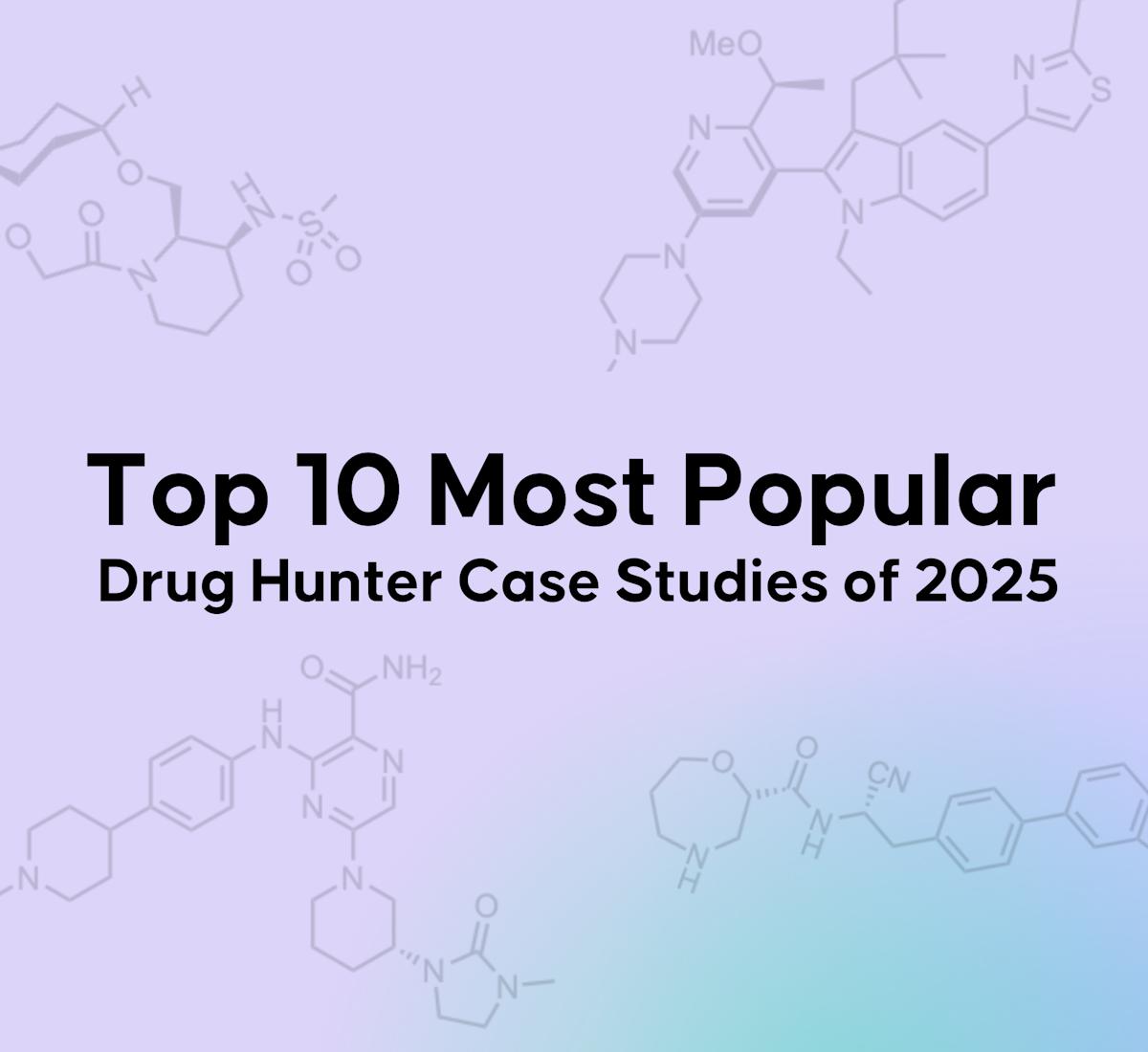
Top 10 Most Popular Drug Hunter Case Studies of 2025
2025 proved pivotal for drug discovery, with the FDA approving 44 new therapies and several breakthrough candidates advancing to late‑stage trials. The most‑read case studies highlighted oral macrocycles, innovative PK engineering, and first‑in‑class modalities such as the pan‑RAS glue daraxonrasib...

The Natural Human Protein Drug May Halt Neuron Death in Alzheimer's Disease
University of Colorado researchers found that the FDA‑approved drug sargramostim, a synthetic GM‑CSF protein, reduced the blood biomarker UCH‑L1 of neuronal death by 40% in Alzheimer’s patients, bringing levels down to those seen in early life. The study also documented...

Structural Covariance, Regional Topology, and Volumetric Aspects of Amygdala Subnuclei in Posttraumatic Stress Disorder Using Ultra-High Field Imaging
Using ultra‑high‑field 7 T MRI, researchers examined amygdala subnuclei volumes, network topology, and structural covariance in 73 PTSD patients, 78 trauma‑exposed controls, and 59 non‑trauma controls. Whole‑amygdala size was unchanged, but the lateral nucleus showed opposite volume shifts: larger left lateral...
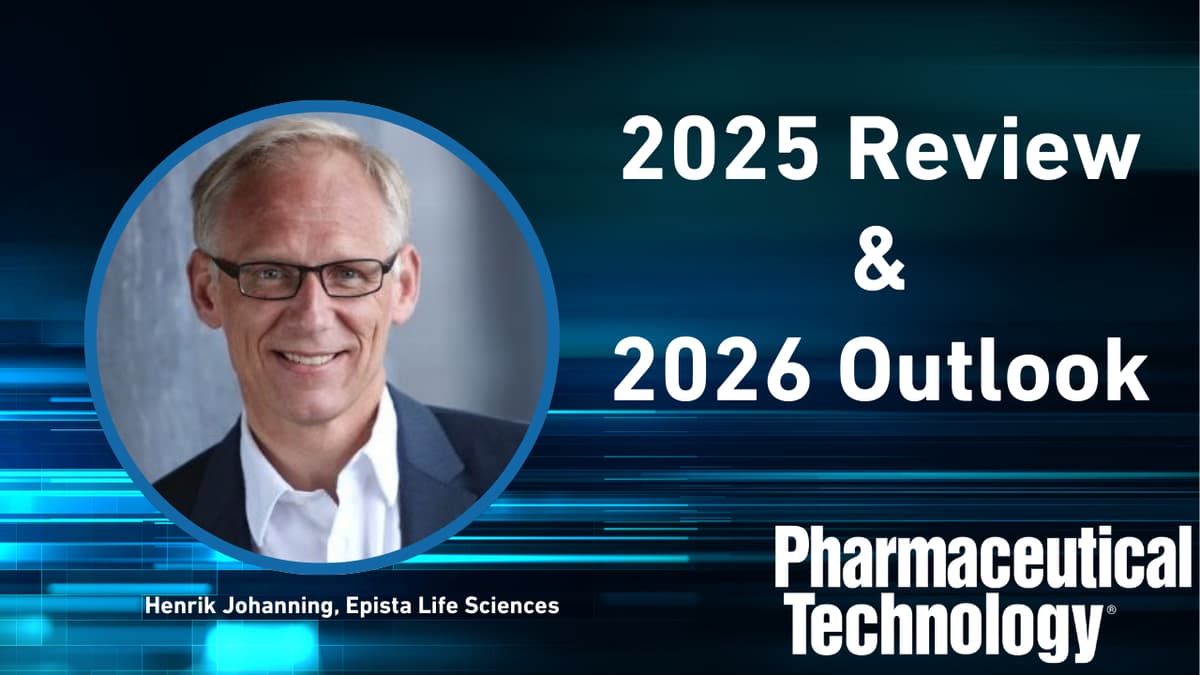
Navigating Digitalization, QRM Maturity, and Global Compliance Convergence Into 2026
Henrik Johanning of Epista Life Sciences outlines the European regulatory and manufacturing roadmap for 2026, emphasizing the operationalisation of modern quality risk management (QRM) and the need for tangible upgrades to meet EU GMP Annex 1 requirements. He highlights rising digital...

The Top 10 PharmTech Videos of 2025
The PharmTech roundup reviews the ten most‑watched videos of 2025, revealing a industry pivot toward complex modalities such as AAV‑based gene therapies, high‑concentration biologics, and radiopharmaceuticals. Across the series, manufacturers stress the "CGT 2.0" model—flexible, automated, data‑driven production—to overcome scale‑up bottlenecks....
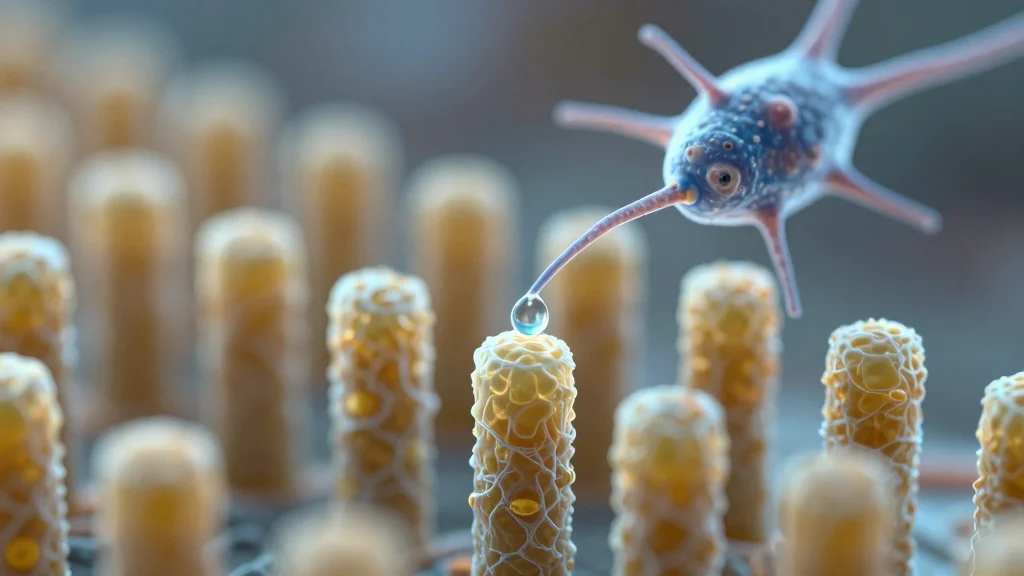
Researchers Develop Graphene Oxide Hybrid Electrodes for Real-Time Dopamine Monitoring
Researchers at SKKU, HKUST and Jeonbuk University unveiled SIDNEY, a graphene‑oxide‑wrapped hybrid electrode that enables real‑time, label‑free dopamine detection in living neurons and brain organoids. The nanostructured platform combines gold nanopillars with a thin graphene‑oxide coating, achieving a detection limit...

Iowa AG Wins $1M From Stem Cell Clinic
An Iowa civil court awarded a $1 million judgment against Omaha Stem Cells and its owner Travis Broughton for deceptive stem‑cell therapies. The ruling also ordered reimbursement of $810,477 to 76 patients, including an additional $20,000 penalty for targeting older adults....

When Biotech Makes Christmas Miracles Happen — Second Edition
The article revisits three recent biotech breakthroughs that felt like miracles: base‑edited CAR‑T cells (BE‑CAR7) delivering remission for relapsed T‑ALL, ex vivo gene‑corrected skin grafts curing severe junctional epidermolysis bullosa, and prenatal enzyme replacement therapy mitigating infantile Pompe disease. Each case...

Well Dr. Stephanie Seneff, 2025 Is Over. Did Glyphosate Turn Half of All Children Autistic?
In 2014 MIT researcher Dr. Stephanie Seneff warned that glyphosate would make half of all children autistic by 2025, a claim that has now been disproven. The blog post uses this missed prediction to illustrate a broader pattern where disinformation...

The Gut Bacteria that Put the Brakes on Weight Gain in Mice
University of Utah researchers identified the gut bacterium Turicibacter as a potent modulator of metabolic health, showing it markedly reduces weight gain, blood sugar, and blood lipids in mice fed a high‑fat diet. The microbe’s effect stems from a suite...
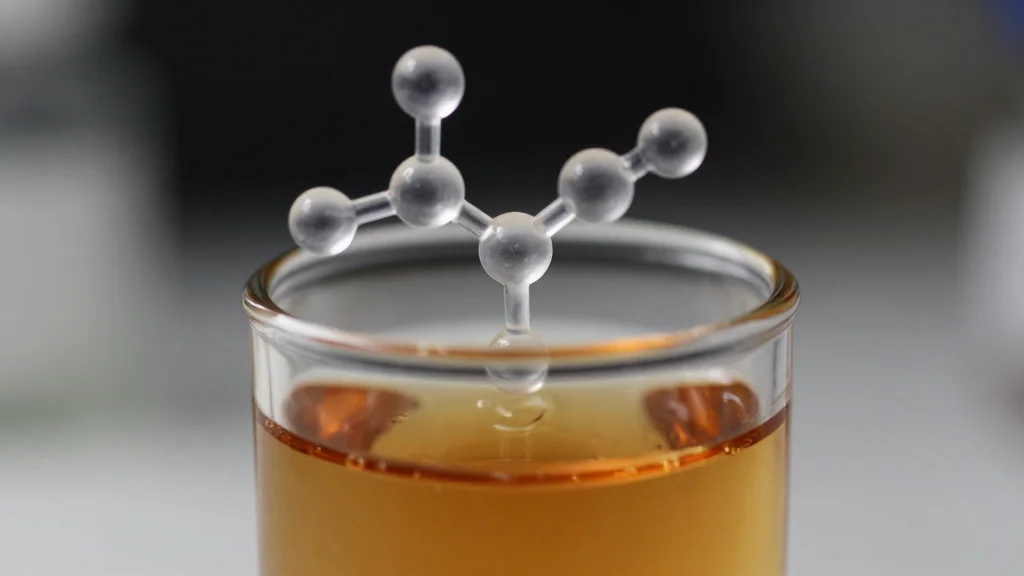
Groundbreaking Discovery Turns Household Plastic Recycling Into Anti-Cancer Medication
University of St Andrews researchers have demonstrated a ruthenium‑catalysed semi‑hydrogenation that depolymerises household PET waste into ethyl‑4‑hydroxymethyl benzoate (EHMB). EHMB is a versatile intermediate for high‑value drugs such as the cancer therapy Imatinib, as well as tranexamic acid and the...

Felony Charges Against 3 in Utah Related to Stem Cells, Undercover Agents Visited Clinic
Utah authorities have filed felony charges against Dr. Paul William Winterton, Randall Matthew Relyea, and Jenny Astrid Fraizer for a pattern of unlawful activity at the Precision Pointe Regenerative Health clinic. The indictments include second‑degree felonies for communications fraud, third‑degree...
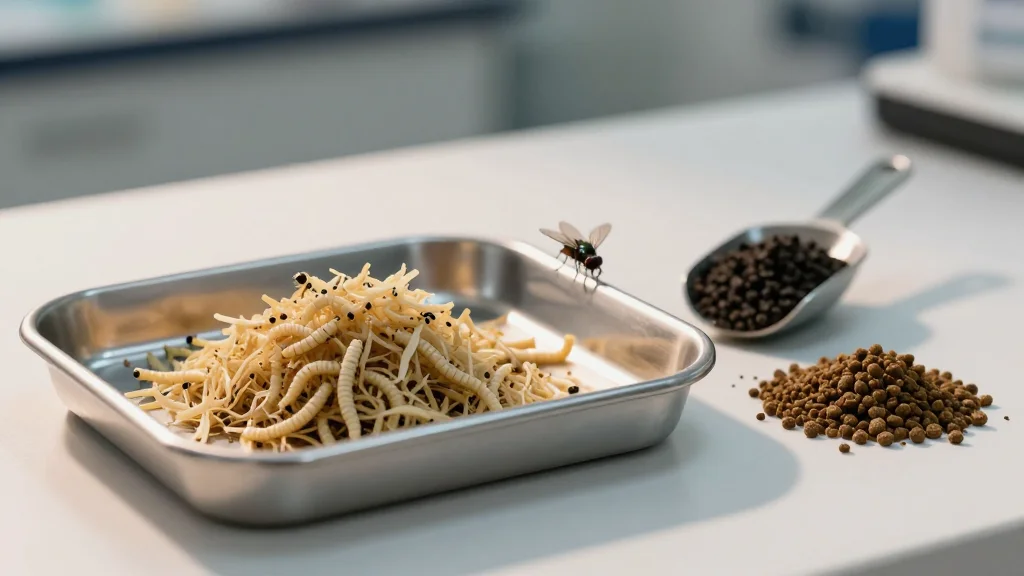
A DIY, Fly-Powered Food Waste Recycling System
University of California‑Riverside researchers have engineered a DIY black‑soldier fly bioreactor that converts on‑site food waste into high‑protein larvae and nutrient‑dense frass. The system uses off‑the‑shelf materials, operates under a single caretaker, and yields roughly one pound of larvae per...

Accelerated Cancer Drug Approvals Deliver Limited Survival Gains at High Cost
A BMJ Medicine study examined Medicare’s use of FDA accelerated‑approval cancer drugs from 2012‑2020. Of the 178,000 beneficiaries treated, only 45% received drugs that later proved to extend survival, adding an estimated 76,000 life‑years. The three most beneficial drugs accounted...

The FDA’s Proposed “Black Box” Warning for COVID-19 Vaccines
Former FDA official Henry I. Miller warns that the agency’s draft plan to place a black‑box warning on COVID‑19 vaccines lacks scientific justification. He notes that the proposal appears driven by political appointees, particularly HHS Secretary Robert F. Kennedy Jr., rather than robust...

A Year of Biotech Bytes: The Stories, Lessons, and Laughs Behind the Mic
In this retrospective episode, host and guest Mary Louise Smith reflect on Biotech Bytes' first year, sharing how the podcast began, the power of simple conversations for generating ideas, and the role of AI in streamlining work. Mary offers behind‑the‑scenes...
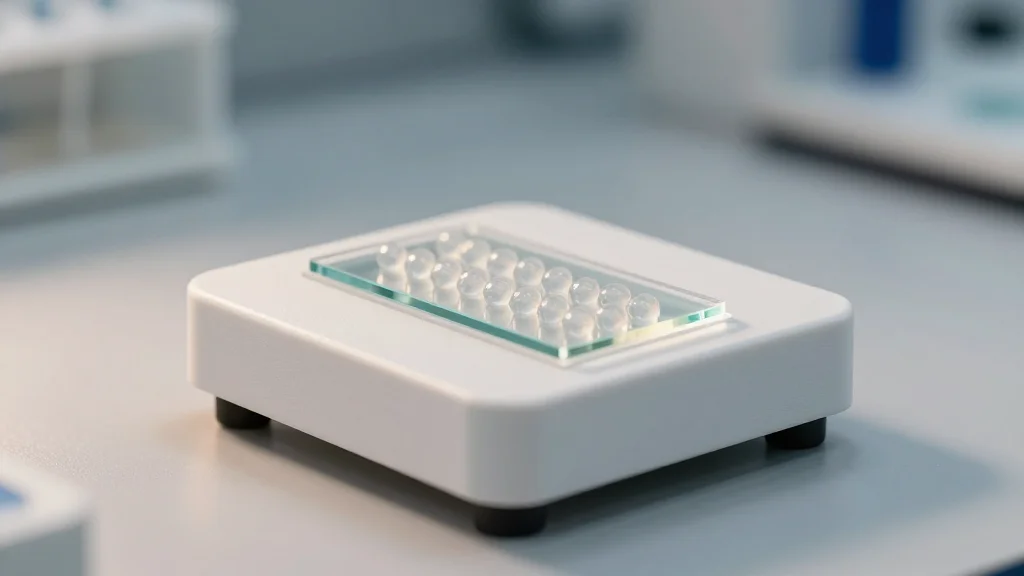
New Microfluidics Technology Enables Highly Uniform DNA Condensate Formation
Researchers at Chuo University introduced a vibration‑induced local vortex (VILV) platform that creates highly uniform DNA condensate droplets using a low‑cost piezoelectric vibrator. The system replaces traditional microfluidic pumps with stable micro‑vortex arrays generated on a simple micropillar device, enabling...

Gepotidacin
Gepotidacin (Blujepa®), an oral bacterial type II topoisomerase inhibitor developed by GSK, received approval in April 2025 for uncomplicated urinary‑tract infections and gonorrhea. The drug emerged from an unbiased antibacterial screening program and represents the first new oral class of antibiotics targeting...
Artificial Metabolism Turns Waste CO₂ Into Useful Chemicals
Northwestern and Stanford researchers have engineered a fully synthetic, cell‑free metabolism called the Reductive Formate Pathway (ReForm) that converts CO₂‑derived formate into acetyl‑CoA and subsequently into malate, a high‑value chemical. The pathway relies on five engineered enzymes arranged in six...
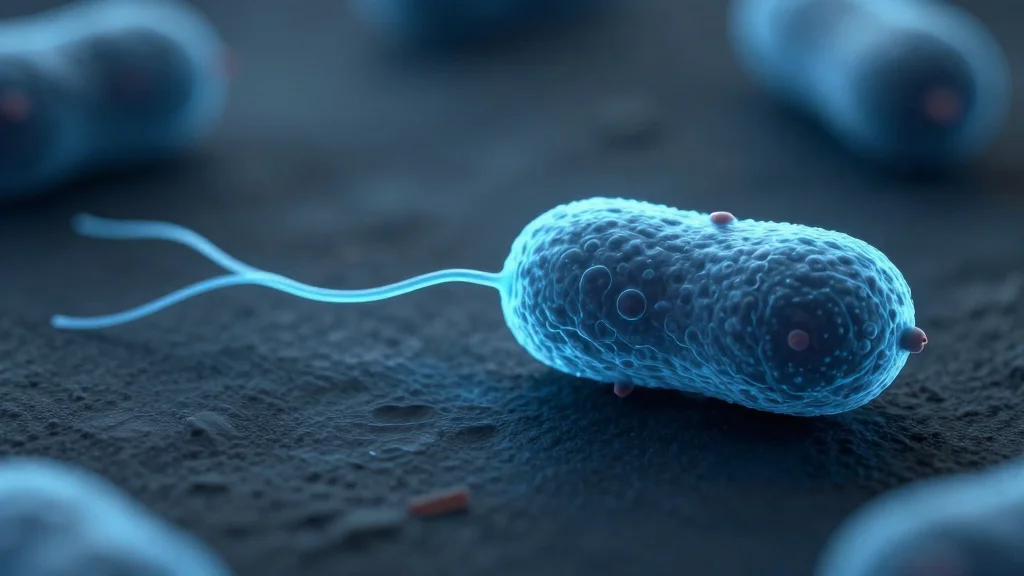
Tiny Viral Switch Offers Hope Against Drug-Resistant Bacteria
Researchers at Hebrew University identified a tiny phage‑encoded RNA, PreS, that reprograms bacterial host cells during infection. PreS binds to the folded region of the bacterial dnaN mRNA, unfolding it and boosting production of the DnaN replication protein. The resulting...

844: Applying Physics and Nanotechnology to Understand Mechanics and Shape in Biological Systems - Dr. Sonia Contera
In this episode, Dr. Sonia Contera discusses how physics and nanotechnology can illuminate the mechanics and shape of biological systems, from molecular assemblies to whole organs. She explains her interdisciplinary approaches—such as nanoscale imaging and mechanical probing—to study pancreatic tumors,...

Every Accusation Is a Confession (or a Statement of Intent): MAHA’s New Tuskegee Experiment
The U.S. Centers for Disease Control and Prevention awarded a $1.6 million grant to the University of Southern Denmark to conduct a five‑year randomized trial of hepatitis B vaccine timing in newborns in Guinea‑Bissau. The study, led by Christine Stabell Benn and Peter Aaby,...

Weekly Reads: Stem Cells for Vision Loss Hope, Gene Therapy Trial Death, NFL Doc on Clinics
A low‑dose adult stem‑cell transplant (RPESC‑RPE‑4W) for dry age‑related macular degeneration met primary safety endpoints and showed visual acuity gains. In a separate development, a child died during a pioneering gene‑therapy trial that used engineered viruses to cross the blood‑brain...

Brinsupri Setback Slices Insmed Market Cap — Clinical Report
Insmed’s experimental therapy Brinsupri failed to meet its primary efficacy endpoint in a Phase 2 trial involving 150 patients with rare lung disease, triggering a sharp market reaction. The company announced the setback on Dec. 19, 2025, and its market...
A Non-Profit Brought an Abandoned Rare Disease Gene Therapy to Market. Can the Model Scale?
A non‑profit, Fondazione Telethon, partnered with a U.S. charity to bring a lentiviral stem‑cell gene therapy for Wiskott‑Aldrich syndrome to market. The FDA approved the product, Waskyra etuvetidigene autotemcel, marking the first time a non‑profit acted as the regulatory applicant. The therapy...

Raising the Sun: Japan Biotech Looks to Level Up
Japan’s biotech industry is entering a growth phase as the government unveils a ¥200 billion fund and regulatory sandbox to speed drug development. Venture capital activity surged 45% year‑over‑year, fueling a wave of startups focused on gene therapy and rare‑disease platforms....
Seeking ‘Continuous’ Run of Deals, BioMarin Adds Fabry, Pompe Drugs via $4.8B Amicus Takeout
BioMarin Pharmaceutical announced a $4.8 billion acquisition of Amicus Therapeutics, a move designed to fuel a continuous stream of strategic deals. The transaction will bring two marketed orphan drugs—one for Fabry disease and another for Pompe disease—into BioMarin’s portfolio, together projected...

Cai Succeeding Zhang as Head of CSPC
Cai has been appointed to replace Zhang as head of China Starch & Pharmaceutical Co. (CSPC), the country’s largest generic drug manufacturer. The transition was announced in December 2025 and is effective immediately. Cai brings a background in AI-driven drug...
November 2025 Patent Highlights
The November 2025 Patent Highlights post serves as a gateway to Drug Hunter’s most‑read resources, including top‑10 lists of popular articles, reviews, and case studies from the year. It spotlights a detailed review of FcRn biology and the push toward oral...

U.S. Vaccine Approvals to Undergo Overhaul: What Do the Changes Mean?
The U.S. FDA has disclosed a draft overhaul that would tighten vaccine approval standards, requiring developers to submit expanded safety and efficacy data and potentially subject annual flu shots to large‑scale trials. Simultaneously, the CDC withdrew its universal hepatitis B vaccination...

Johnson & Johnson’s Hematology Portfolio: Breakthroughs to Watch
Johnson & Johnson showcased a robust hematology pipeline at the ASH 2025 meeting, unveiling more than 60 new abstracts. The company highlighted real‑world evidence from thousands of patients, underscoring the efficacy of its CAR‑T, bispecific and gene‑editing therapies. Notably, the...
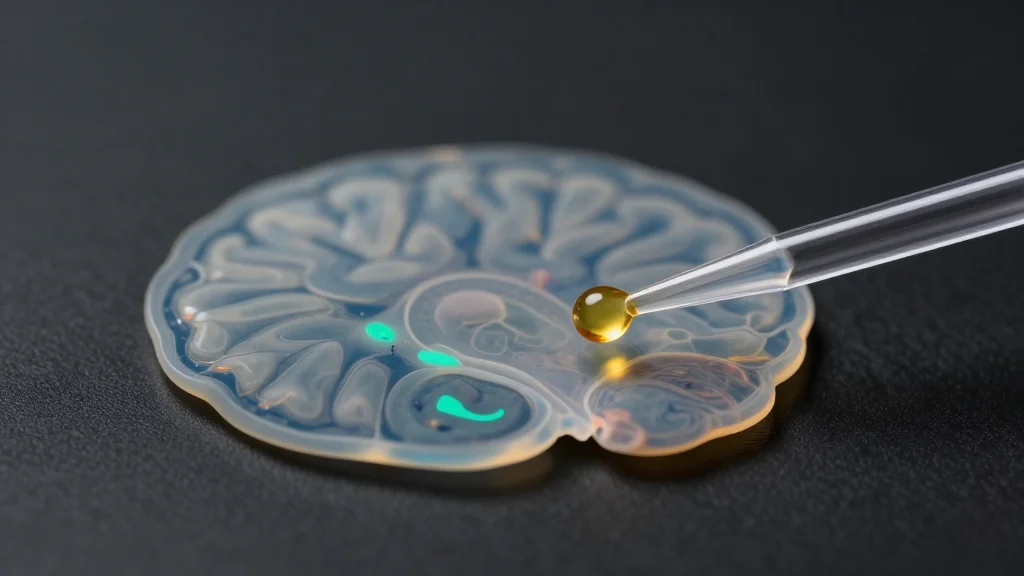
NU-9 Halts Alzheimer's Disease in Animal Model Before Symptoms Begin
Northwestern researchers report that the small‑molecule NU‑9 eliminates a newly identified toxic amyloid‑beta oligomer subtype in a pre‑symptomatic mouse model of Alzheimer’s disease. Daily oral administration for 60 days dramatically reduced reactive astrogliosis, neuroinflammation, and associated TDP‑43 pathology across multiple...

Using AI In Patent Practice: Practical and Ethical Issues
At the BIO International Convention’s IP Counsels Committee panel, experts outlined how AI is reshaping patent practice. They classified tools into traditional, generative, and patent‑specific solutions, stressing secure enterprise versions for confidential data. Ethical pitfalls—including AI hallucinations and potential public...

Dr. Vinay Prasad “Called For” RCTs. Dr. Peter Marks Delivered Them.
Dr. Vinay Prasad claims he was among the few who called for randomized controlled trials (RCTs) of COVID‑19 vaccines, yet the blog argues that it was his predecessor, Dr. Peter Marks, who actually designed and executed the pivotal trials that...
GLP Podcast: Evolutionary Mismatch. Is Civilization Wrecking Our Health?
The episode examines the evolutionary mismatch theory, arguing that modern industrialized life bombards humans with chronic low‑level stressors unlike the intermittent challenges faced by our hunter‑gatherer ancestors, leading to physical ailments such as hypertension, immune decline, and reduced fertility, as...
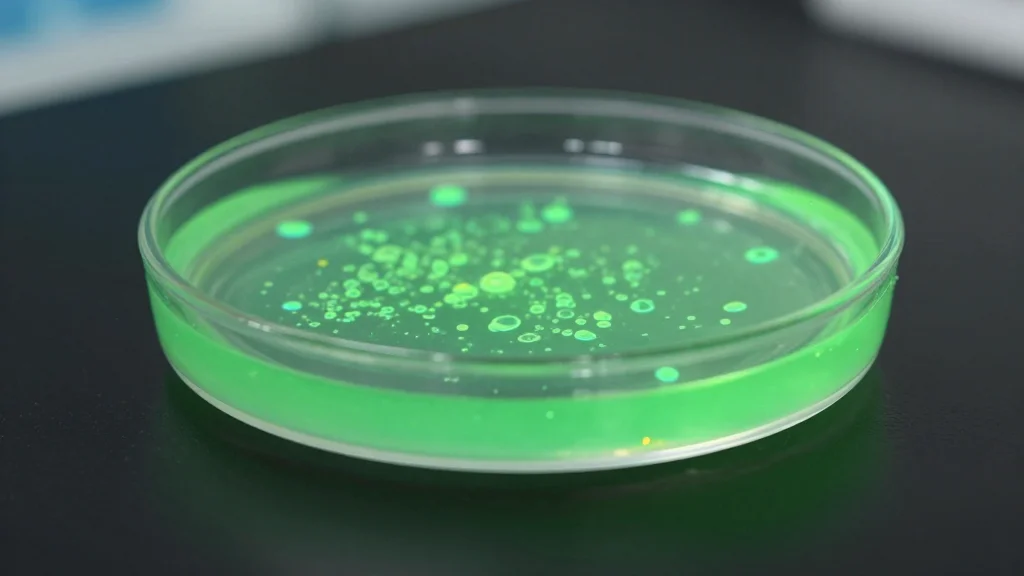
Stelios Papadopoulos Brings the Long View on Biotech on The BioCentury Show
Stelios Papadopoulos, former Biogen chair and current Exelixis leader, warned that biotech faces heightened pricing pressure and rising competition from China despite a surge of over $3 billion in capital in a single day. He argued that the sector can no...

How Alphamab Is Differentiating in Crowded Cancer Targets
Alphamab is launching a next‑generation bispecific antibody‑drug conjugate (ADC) platform that simultaneously engages two tumor antigens while employing a lower drug‑to‑antibody ratio (DAR). The company argues that this design improves the therapeutic index by delivering potent payloads more selectively and...

Third Rock Backs Steve Paul’s Latest Schizophrenia Spinout in $165M Round: Venture Report
Third Rock Ventures led a $165 million financing round for Steve Paul’s newest schizophrenia‑focused biotech, marking a significant venture capital commitment to neuropsychiatric innovation. Paul, a serial biotech founder, will use the capital to move novel mechanisms from discovery into early...

Early Signals Stack Up: Two Small Molecules Activate GCase in Parkinson’s
Gain Therapeutics reported Phase Ib data showing that its small‑molecule program reduces glucosylceramide substrate in the central nervous system, confirming target engagement of glucocerebrosidase (GCase). In parallel, Vanqua Bio presented early evidence that its distinct compound activates peripheral GCase while...
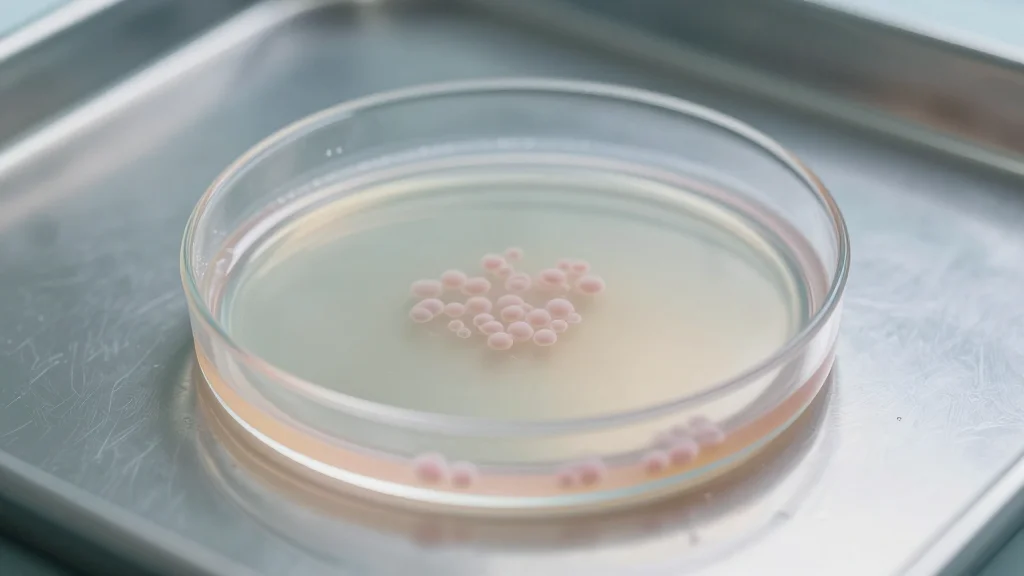
Induced Pluripotent Stem Cells: From Dish to Freezer and Back
Kobe University researchers have devised a cryopreservation protocol that freezes induced pluripotent stem cells (iPSCs) directly in their 2‑dimensional culture dishes. The method uses the inexpensive amino acid D‑proline combined with a synthetic polymer and a brief enzymatic step to...

Editors’ Choice: Top Stories of 2025
In the year‑end episode, GEN editors review six headline biotech stories, highlighting AI’s expanding role in drug discovery, a landmark success for Baby KJ in cell‑gene therapy, and the turbulent year for Sarepta’s DMD gene therapy Elevidys, including patient deaths...

GOP Lawmakers Ask RFK Jr. To Make FDA Unleash Risky Peptides Like BPC-157
GOP Representative Diana Harshbarger, a pharmacist, wrote FDA Commissioner RFK Jr. urging the agency to use enforcement discretion to loosen restrictions on six unapproved wellness peptides, including BPC‑157 and CJC‑1295. The request echoes a similar appeal from Senator Tommy Tuberville, signaling...