
Retatrutide - Possibly Better than Semaglutide B/C Lower Nausea/Side Effect Profile, but Higher Heart Rate
Retatrutide, a next‑generation GLP‑1/GIP/Glucagon agonist, appears to cause less nausea than semaglutide while delivering comparable weight‑loss efficacy, but early data show a modest increase in resting heart rate. Patient anecdotes highlight typical GLP‑1 side effects—transient nausea, bowel habit shifts, occasional insomnia—that often resolve with gradual dose escalation. Systematic reviews reveal mixed signals on psychiatric outcomes, with semaglutide linked to higher reported suicidality but overall GLP‑1 classes showing no consistent mental‑health risk. Interest is growing in micro‑dosing strategies to balance efficacy and tolerability.
Lest We "Off" Ourselves (Cautionary Examples)
Investigative videos reveal that wellness influencers Mark Hyman and Jordan Peterson suffered severe sepsis after receiving experimental stem‑cell and related injections from Dr. Adil Khan’s unregulated clinics. The series links Hyman’s spinal abscess and Peterson’s pneumonia‑sepsis to a pattern of...

Pharmaceutical Executive Daily: Wegovy HD Now Available in the U.S.
Novo Nordisk has rolled out Wegovy HD, a 7.2 mg weekly semaglutide injection, across the United States, delivering an average 20.7% weight loss in trials—significantly higher than the 2.4 mg dose. The FDA approved the product in March under its National Priority Review...

Yuviwel Gets FDA Greenlight as First Once‑Weekly Treatment for Dwarfism in Children
Ascendis Pharma’s Yuviwel (navepegritide) received FDA approval as the first once‑weekly therapy for achondroplasia in children aged two and older. The drug, a TransCon CNP formulation, showed a 1.5 cm greater annual height gain versus placebo in a 52‑week trial and...

The Road to Producing New Bodies Starts with Multi-Organ Pseudo-Embryos
Biotech researchers are moving from organoid cultures toward multi‑organ pseudo‑embryos that mimic early human development without brains. Companies such as R3 Bio and Kind Biotechnology are pioneering these brain‑less constructs as a bridge between tissue engineering and full‑body regeneration. The...

CSL Plans $1.5B Expansion of Illinois Plasma Therapy Manufacturing Facility
CSL announced a $1.5 billion expansion of its plasma‑therapy manufacturing plant in Kankakee, Illinois, aimed at boosting output of immunoglobulins, albumin and specialty proteins. The project will add at least 300 jobs to the existing 1,200‑person workforce and is expected to...
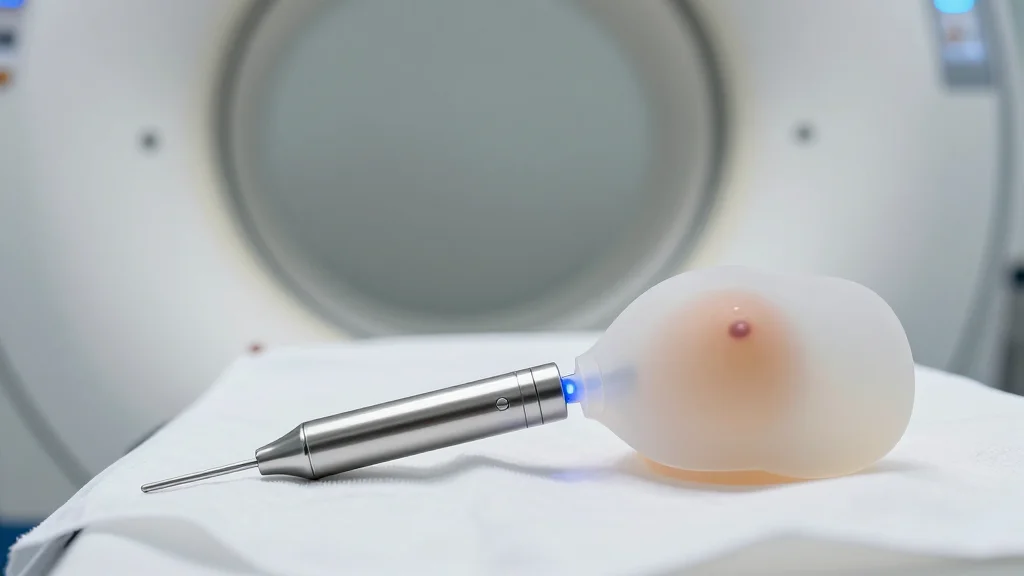
First In-Room MRI-Guided Breast Biopsy System Gets FDA Clearance
Mammotome received FDA clearance for the Prima MR system, the first in‑room MRI‑guided vacuum‑assisted breast biopsy platform, alongside its HydroMARK Plus MR biopsy site markers. The system lets clinicians perform biopsies directly inside the MRI suite, eliminating patient transfers and streamlining...

Growth Hormone Supplementation Can Restore the Thymus, but What Is Its Effect on Lifespan?
Recent debates on growth hormone (GH) supplementation highlight its ability to rejuvenate the thymus but raise serious concerns about lifespan effects. Experts from the 2013 Erice workshop and subsequent literature argue that while transient GH can restore immune tissue, chronic...

Snailing Colorectal Cancer Drug Delivery, Once and for All
University of Manchester researchers have secured roughly $1.27 million from UKRI to develop snail‑inspired soft‑robotic carriers for colorectal cancer drugs. The project aims to create centimeter‑scale, peptide‑based robots that travel through the gastrointestinal tract and release protein kinase inhibitors directly at...

Wegovy HD Now Available in the U.S.
Novo Nordisk launched Wegovy HD, a 7.2 mg semaglutide injection, across the United States. Clinical data from the Phase III Step Up trial showed an average 21% weight loss under ideal conditions and 19% in real‑world adherence, with nearly one‑third achieving ≥25% loss....

TNO155
TNO155, also known as batoprotafib, is an oral, allosteric SHP2 inhibitor that stabilizes the phosphatase in its inactive conformation. Developed by Novartis in Cambridge, MA, it emerged from a 1.5 million‑compound high‑throughput screen combined with structure‑based drug design, becoming the first...

Lest We "Off" Ourselves (Cautionary Examples)
Investigative videos reveal that wellness influencers Mark Hyman and Jordan Peterson suffered severe sepsis after undergoing experimental stem‑cell and regenerative‑medicine procedures at Dr. Adil Khan’s unregulated clinics. The series links spinal injections and intravenous therapies to bacterial infections, highlighting the...

University of Arizona Launches $12 Million Rapamycin Clinical Trial
The University of Arizona’s R. Ken Coit College of Pharmacy is launching a double‑blind, randomized Phase 3 clinical trial to test low‑dose rapamycin’s ability to boost resilience and immune function in adults aged 65 and older. The six‑year study, funded by a $12 million...

University of Arizona Launches $12 Million Rapamycin Clinical Trial
University of Arizona’s R. Ken Coit College of Pharmacy is launching a double‑blind, randomized Phase 3 clinical trial to test low‑dose rapamycin’s ability to improve resilience and immune function in adults 65 and older. The $12 million study is fully funded by...

BCL-2 and Cellular Senescence in Pulmonary Fibrosis
Researchers identified BCL-2 as a key blocker of fibroblast apoptosis in idiopathic pulmonary fibrosis (IPF). Conditional over‑expression of BCL‑2 in PDGFRα‑positive fibroblasts generated senescent, pro‑fibrotic myofibroblasts that persisted in mouse lungs. Spatial transcriptomics confirmed BCL‑2‑positive senescent myofibroblasts in human IPF...

UPAR Targeting to Enable CAR T Cell Therapies to Treat Solid Cancers
Researchers at Memorial Sloan Kettering demonstrated that CAR T cells engineered to target the urokinase plasminogen activator receptor (uPAR) can eradicate solid‑tumor cells and metastases in multiple preclinical models. uPAR was found elevated in 12 of 14 examined cancer types,...

How Many GLP-1 Users Must Seek Medical Care for Side Effects?
Recent Phenomix and Mayo Clinic data reveal that 50‑60% of GLP‑1 users experience significant side effects, far higher than earlier estimates. About 10% of patients incur $5,000 in out‑of‑pocket expenses, while many spend roughly $1,000 managing symptoms. The high cost...

Uncovering the Cellular Origins of Cancer and Neurodevelopmental Disease
Jasmine Plummer, founding director of St. Jude’s Center for Spatial Omics, outlines how her lab merges single‑cell transcriptomics, epigenomics and cutting‑edge imaging to map cellular origins of cancer and neurodevelopmental disease. The team created STAMP, a method that turns standard microscopes...

Biotalys Achieves First Research Milestone in Syngenta Partnership for Novel Bioinsecticide Development
Biotalys announced the first research milestone in its Syngenta partnership, confirming promising in‑vitro results for a novel bioinsecticide built on its AGROBODY™ platform. The achievement moves the collaboration into the next phase of in‑vivo testing on living organisms. The milestone...

4D Atlas of Thousands of Genes Offers Unparalleled Insight Into Embryogenesis
A University of Basel team introduced weMERFISH, an imaging technique that captures activity of nearly 500 genes with subcellular resolution across an entire zebrafish embryo. Using this method they built a 4D atlas linking gene expression to cell migration, tissue...

The Hollow Promise of Protection
A Singapore study led by Wee et al. examined thousands of cancer patients who were fully vaccinated with mRNA COVID‑19 shots. Despite high vaccination rates, most participants contracted COVID‑19 and developed long‑COVID symptoms such as fatigue, dyspnea, and cognitive impairment....

Canagliflozin - Another Top Longevity Drug
Canagliflozin and other SGLT‑2 inhibitors are gaining attention as potential longevity agents due to their ability to cut cardiovascular events, renal decline, and COPD exacerbations in patients with type‑2 diabetes. Recent meta‑analyses show reduced emergency‑room visits and lower mortality among...

‘Tech Bro Hype’ Vs. Serious Science: The Inside Story on Colossal’s Attempt to Create a Real-Life Jurassic Park
Colossal Biosciences announced that it has produced three gene‑edited pups it calls dire wolves, marking its first high‑profile claim of de‑extinction. The Dallas‑based firm says a woolly mammoth will follow within two years, with a dodo later on, using ancient...

What Would Robert Louis Stevenson Say About Ozempic?
The article warns that GLP‑1 drugs such as Ozempic, Wegovy and Mounjaro, while effective for weight loss, may blunt dopamine‑driven pleasure centers, leading to apathy and altered behavior. It draws a parallel between these modern injectables and the historic side...
An Opinionated Take on NEJM Highlights for Q1 of 2026
The first quarter of 2026 NEJM featured several disruptive studies, including a Canadian‑Australian dialysis trial where fish‑oil supplementation halved myocardial infarctions and cut strokes by two‑thirds. Merck’s oral PCSK9 inhibitor enlicitide achieved a 57% LDL reduction, positioning it for a...
Pharmaceutical Executive Daily: Neurocrine Biosciences Agrees to Acquire Soleno Therapeutics
Neurocrine Biosciences announced a $2.9 billion cash acquisition of Soleno Therapeutics, paying $53 per share—a 34% premium to Soleno’s closing price and 51% premium to its 30‑day VWAP. The deal brings Vykat XR, the only FDA‑approved therapy for hyperphagia in Prader‑Willi syndrome,...

Academic Clinical Trials for Rapamycin to Answer Questions on Dosing for Anti-Aging Use
Researchers at UT Health San Antonio have launched a multi‑phase academic clinical trial to evaluate rapamycin’s biological effects in older adults. The program begins with a younger‑cohort benchmark study, then seeks the optimal dose that restores immune and metabolic markers...

Tozorakimab Scores Double Win in Phase III COPD Trials
AstraZeneca announced that its IL‑33 monoclonal antibody tozorakimab achieved its primary endpoints in two Phase III COPD trials, Oberon and Titania. The drug significantly reduced the annual rate of moderate‑to‑severe exacerbations versus placebo across former and current smokers. AstraZeneca positions tozorakimab...

From Noncovalent Fragment to (Non)covalent Leads Against PLPro
Researchers at Vanderbilt have leveraged a protein‑observed NMR fragment screen to revive interest in SARS‑CoV‑2 papain‑like protease (PLPro), an essential viral enzyme with few existing inhibitors. From 13,824 fragments, 77 hits were confirmed, leading to a non‑covalent series that progressed...

Quemliclustat
Quemliclustat (AB680) is a highly potent (5 pM) selective CD73 inhibitor that completed a Phase I trial in healthy volunteers, demonstrating a pharmacokinetic profile suitable for biweekly intravenous dosing. Early clinical data showed promising activity, prompting a successful Phase II study in pancreatic...

Module 3, Section 2: Quality Not Quantity
The article emphasizes a shift in high‑throughput screening toward curated, high‑quality compound libraries rather than sheer volume. It cites literature on global pharmacological mapping that shows enhanced hit relevance when nonspecific inhibitors are minimized. Phenotypic versus target‑based discovery is highlighted...

The Dangerous Trap of “One-Drug Cancer Cures”
Recent commentary warns against the allure of one‑drug cancer cures, arguing that such reductionist approaches echo past failures in oncology. While repurposed agents like ivermectin and fenbendazole demonstrate laboratory activity, the author cites severe side effects, including a patient death,...

A Review Focused on Exerkines in Extracellular Vesicles Generated by Muscle Tissue
A new review examines how muscle‑derived extracellular vesicles (EVs) act as carriers of exercise‑induced exerkines, linking physical activity to systemic health benefits. It details the molecular cargo—proteins, lipids, and non‑coding RNAs—that modulates muscle stem‑cell activation, combats sarcopenia, and influences distant...

Bringing the Bayesian Method to Clinical Trials: Q&A with Dr. Stacy Lindborg
The FDA issued a January 2026 draft guidance formally recognizing Bayesian methods for drug and biologic trials, offering sponsors a clear regulatory pathway to incorporate prior data and adaptive designs. Imunon CEO Dr. Stacy Lindborg explains how the guidance could...

Shining a Blue Light on an Overlooked Posttranslational Modification
Rice University chemist Zachary Ball unveiled a photochemical technique that selectively tags the often‑overlooked post‑translational modification pyroglutamate. By irradiating a protein mixture with 350‑400 nm blue light, a nickel‑based catalyst binds to the pyroglutamate ring and attaches a reporter tag. The method...
Viewpoint — ‘Miracle’ Peptides: Regulatory Greyzone and RFK, Jr. Propaganda Opens the U.S. to a Perilous Biohacking Experiment
Robert F. Kennedy Jr. announced on Joe Rogan’s podcast that the FDA plans to move roughly 14 experimental peptide compounds from a restricted status to availability through compounding pharmacies. While over 100 peptide drugs are FDA‑approved, the compounds marketed by...

IQVIA (IQV) Launches IQVIA.ai Unified Agentic AI Platform with Nvidia
IQVIA Holdings announced the launch of IQVIA.ai, a unified agentic AI platform built with Nvidia, aimed at the life‑sciences sector. The solution merges IQVIA’s healthcare‑grade AI and extensive data assets with Nvidia’s Nemotron models and NeMo Agent Toolkit, meeting strict...

The Peptide Economy vs the Healthcare AI Economy: Which Side of the Trade Matters More
The essay contrasts the rapidly expanding peptide economy—led by GLP‑1 and next‑generation obesity drugs—with the burgeoning healthcare‑AI sector, arguing they are interdependent rather than competing. Peptide revenues are projected to surpass $200 billion annually by 2030, while AI revenues sit at...

Making Babies with a Computerized Sperm Storage Site
Fairfax Cryobank, a leading sperm storage provider, operates a detailed online donor catalog where clients can select vials based on extensive personal profiles. The article critiques these profiles for highlighting non‑heritable traits such as humor and appearance, which may mislead...

Weekly Reads: 1st FDA-Approved CIRM Supported Therapy, Asymmetric Histone Inheritance, Stem Cell Retraction
The FDA has granted approval to KRESLADI, a gene‑editing therapy from Rocket Pharmaceuticals that treats severe leukocyte adhesion deficiency‑I (LAD‑I) in children without a matching bone‑marrow donor. This marks the first FDA‑approved product directly funded by California’s Institute for Regenerative...

Dr. Vinay Prasad Said He Would Deliver New COVID Vaccine RCTs. He Failed and Should STFU.
Pfizer and BioNTech announced they are halting a U.S. phase‑III trial of their updated COVID‑19 vaccine aimed at adults 50‑64 because enrollment fell far short of the planned 25,000‑30,000 participants. The companies said the decision was unrelated to safety or...

The Competitive Fiction of a “Best” Obesity Treatment
Novo Nordisk issued a press release claiming its Wegovy (semaglutide) tablets outperform the newly approved orforglipron (Foundayo) tablets, basing the claim on a simulated treatment comparison to be presented at the Obesity Medicine Association meeting. The article warns that such...

Signal Reprogramming as an Approach to the Challenge of cGAS-STING Overactivation
A new open‑access review highlights the cGAS‑STING pathway as a central driver of ovarian aging, linking DNA and mitochondrial leaks to chronic inflammation and follicle loss. The authors propose three therapeutic angles: small‑molecule inhibitors that silence cGAS or STING, upstream...

RFK Jr. Appointed a Saboteur to Run the CDC’s Vaccine Panel — And Didn’t Know It
Dr. Robert Malone, a co‑inventor of mRNA vaccine technology, quit the CDC’s Advisory Committee on Immunization Practices (ACIP) alleging internal sabotage. He claims that a person personally appointed by RFK Jr. to oversee ACIP operations acted as a mole, undermining Secretary...

Soquelitinib
Corvus Pharmaceuticals announced soquelitinib (CPI‑818), an oral covalent inhibitor that irreversibly engages ITK at Cys442 while sparing the related kinase RLK. The selectivity addresses the broader off‑target activity seen with earlier covalent ITK agents such as ibrutinib. Soquelitinib is currently...

Agenus Announces Data From Phase II Study of BOT+BAL in Combination with Agent-797 in PD-1 Refractory Gastroesophageal Cancer to Be...
Agenus announced that data from an investigator‑initiated Phase II trial of its multi‑mechanistic immunotherapy combo—botensilimab (BOT), balstilimab (BAL) and the allogeneic iNKT cell therapy agenT‑797—will be presented at the AACR Annual Meeting in April 2026. The study targets patients with PD‑1‑refractory gastroesophageal...

100% Pharma Tariffs, Lilly's Oral GLP-1 Approval, and a $12B Week in Biotech M&A – This Week in Biotech #94
The White House announced 100% tariffs on branded drug imports from countries lacking trade agreements, prompting biotech firms to reassess supply‑chain and pricing strategies. Eli Lilly secured a rapid FDA approval for Foundayo, the first oral small‑molecule GLP‑1 for chronic weight...

Proposing Atrial Fibrillation and Heart Failure to Be Manifestations of the Same Condition
Researchers propose that atrial fibrillation and heart failure share a common molecular origin: reduced expression of the transcription factor TBX5. Mouse models lacking TBX5 in the atria develop arrhythmias and gene‑expression patterns that closely resemble heart‑failure signatures. Human atrial tissue...

Oral Microbiome Changes in the Correlation Between Periodontal Disease and Cognitive Decline
Researchers analyzed data from 1,157 participants in the Taizhou Imaging Study, linking periodontal health, salivary microbiome composition, and cognitive function. They found five clinical periodontal indices inversely related to cognition and identified ten bacterial genera, 21 functional pathways, and two...

Researchers Develop Nasally Delivered DNA Vaccine for Tuberculosis
Johns Hopkins researchers have created an intranasal DNA vaccine that fuses the relMtb and Mip3α genes to target drug‑tolerant tuberculosis persisters. In mouse models the vaccine accelerated bacterial clearance, lowered lung inflammation and prevented relapse when combined with standard therapy....