
Why Kidney Disease Innovation Is a Tale of Two Cities — and What It Would Take to Change That with...
John Butler, CEO of Akebia Therapeutics, explained the stark contrast between rapid innovation in rare kidney diseases and the near‑absence of new dialysis therapies, blaming regulatory uncertainty and a Medicare bundle that discourages drug development. FDA clarity on endpoints sparked investment in conditions like IgA nephropathy, while the $280 per session dialysis bundle makes introducing new drugs financially untenable. Legislative efforts such as the Kidney Care Access Protection Act aim to extend TDAPA and shift to a pay‑per‑use model, potentially unlocking funding for dialysis innovations. Butler also described Akebia’s use of FDA dispute resolution to secure Vafseo approval, showing a path forward despite systemic hurdles.

Zeto New Wave EEG System Wins FDA Clearance For At-Home Brain Monitoring
Zeto announced FDA 510(k) clearance for its New Wave EEG system, the company’s third FDA‑approved neuro‑diagnostic platform. The device is a 21‑electrode, gel‑free headset designed for short‑term, up‑to‑2.5‑hour recordings in outpatient clinics and patients’ homes. Integrated with Zeto’s cloud and...

Affecting a Signaling Pathway Alleviates Alzheimer’s in Mice
A study from Daegu Gyeongbuk Institute of Science and Technology shows that overexpressing the neuropeptide somatostatin (SST) in mice reduces microglial activation, lowers amyloid‑β plaque density, and improves spatial memory in the 5xFAD Alzheimer’s model. In vitro, SST boosted microglial...

FDA Clears Low-Dose MRI Contrast Agent Vueway for Newborns and Infants
The U.S. Food and Drug Administration has granted an expanded indication for Bracco's Vueway (gadopiclenol) injection, allowing its use in neonates and infants for contrast‑enhanced MRI. The macrocyclic agent delivers high‑quality images at half the standard gadolinium dose (0.05 mmol/kg), addressing...

Shooting People In The Head and Heart with mRNA Vaccines, Murder One or Insanity?
A recent blog post dramatizes a WHO‑backed Global Vaccine Data Network (GVDN) study that examined 99 million vaccine recipients across eight countries. The study confirmed strong myocarditis and pericarditis signals after mRNA COVID‑19 vaccines, while Guillain‑Barré syndrome and cerebral venous sinus...

Can Forgotten Biotech Break Out?
The iShares Biotechnology ETF (IBB) surged more than 50% from its April lows to a mid‑January peak, then entered a prolonged sideways phase. Recent price action shows the fund just reclaimed its 50‑day moving average but has yet to breach...

How to Master the Pharmacovigilance System Master File for Inspection Readiness
Mastering the Pharmacovigilance System Master File (PSMF) is essential for inspection readiness, as regulators use it to gauge a company’s PV compliance before any formal interview. In the EU and UK, the PSMF must be supplied within seven days of...

Verastem Oncology Announces Two-Year Median Follow-Up Data on AVMAPKI® FAKZYNJA® Combination Therapy (Avutometinib Capsules; Defactinib Tablets) in Recurrent Low-Grade Serous...
Verastem Oncology presented two‑year median follow‑up data from its Phase 2 RAMP 201 trial of the AVMAPKI® FAKZYNJA® combination (avutometinib + defactinib) in recurrent low‑grade serous ovarian cancer (LGSOC). The updated analysis confirmed a median duration of response of 31.1 months and a median progression‑free survival...

NVIDIA Just Helped Map 31 Million Protein Complexes and the Health Tech Investment Implications Are Enormous
NVIDIA, DeepMind, EMBL‑EBI and Seoul National University expanded the AlphaFold Protein Structure Database to include 31 million predicted protein complexes—23.4 million homodimers and 7.6 million heterodimers—across 4,777 proteomes. Using H100 DGX Superpod clusters, MMseqs2‑GPU and TensorRT‑accelerated inference, the team generated 1.8 million high‑confidence homodimer...

NPPA Gene Therapy to Encourage Greater Regeneration Following Heart Attack
Researchers at Columbia Engineering have engineered an RNA‑lipid nanoparticle that programs skeletal muscle to secrete a pro‑ANP precursor, which the heart‑specific enzyme Corin converts into active atrial natriuretic peptide. This two‑phase gene‑therapy bypasses the need for direct cardiac drug delivery,...

Cleveland Clinic Catalyzer Program Awards $250K to Quantum Startups
Cleveland Clinic’s Quantum Innovation Catalyzer Program will award up to $250,000, matched with in‑kind resources, to three startups applying quantum computing to health challenges. The selected firms—EntangleBio, Polaris Quantum Biotech, and Singularity Quantum—gain access to IBM’s Quantum System One, the...
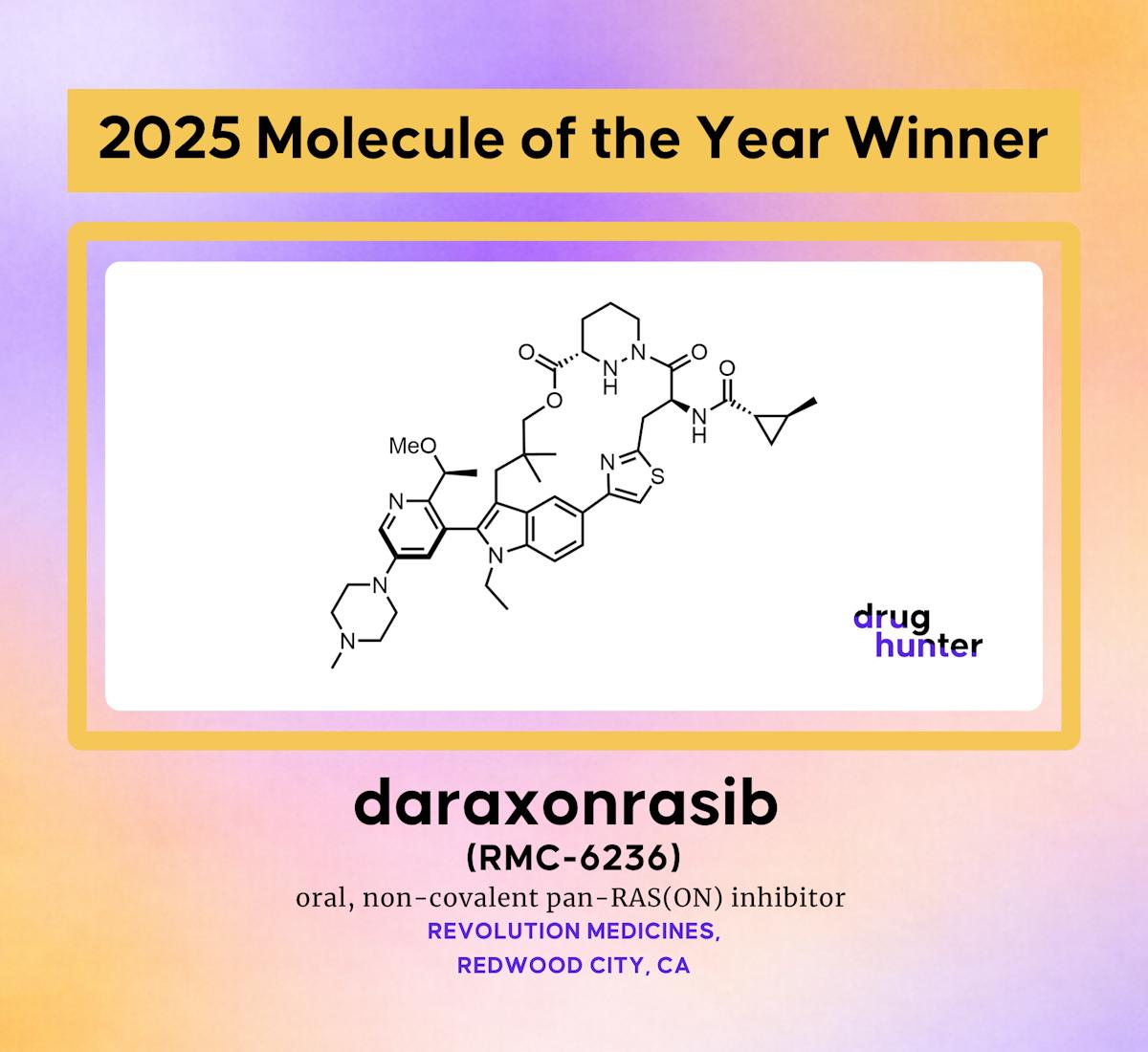
Daraxonrasib (RMC-6236): The 2025 Molecule of the Year
Revolution Medicines’ daraxonrasib (RMC‑6236) was crowned 2025 Molecule of the Year after winning 50% of community votes. The oral, tri‑complex molecular glue inhibitor uniquely targets the active GTP‑bound state of KRAS, NRAS and HRAS, covering both mutant and wild‑type isoforms....
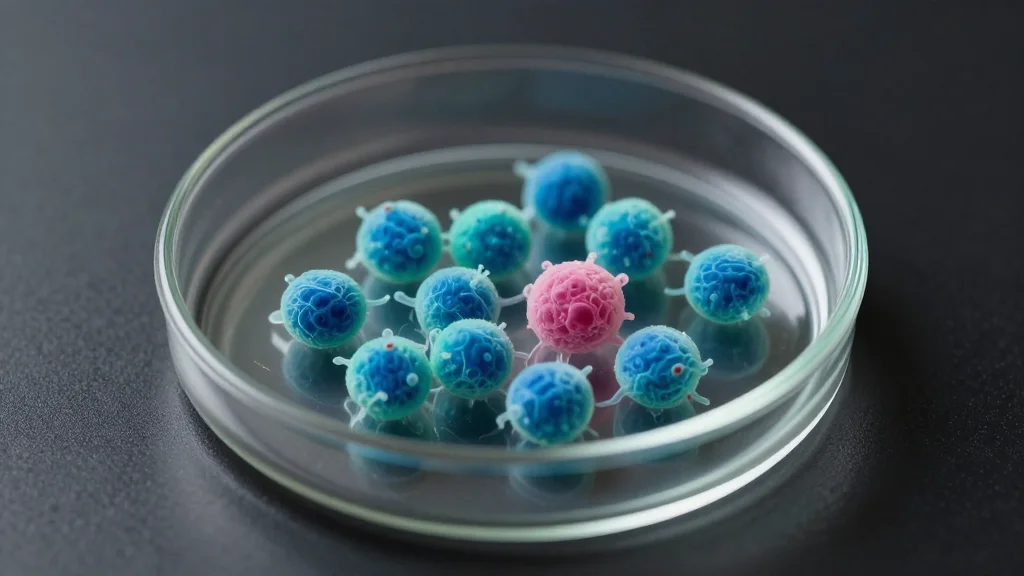
UK Cancer Trial Targets Difficult-to-Treat Tumours in Children
A new CAR T‑cell immunotherapy trial, called Mighty, will enroll up to 60 children and young adults with hard‑to‑treat solid tumours in the UK and US. The study targets rhabdomyosarcoma, Ewing sarcoma and soft‑tissue sarcoma, cancers that behave differently from...
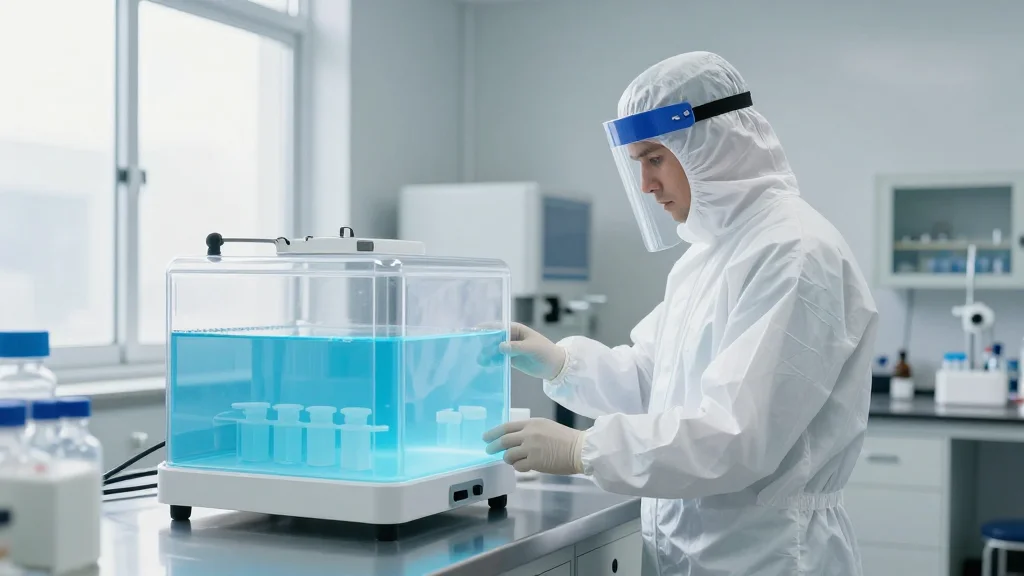
Ossium Health Hosts Facility Tour and Reception for Indiana Governor Mike Braun and Healthcare Leaders
Ossium Health hosted a facility tour and reception with Indiana Governor Mike Braun, showcasing its 34,000‑square‑foot Indianapolis plant that houses five ISO 7 cleanrooms and a bone‑marrow banking platform. The company has treated 23 patients using organ donor‑derived bone marrow, underscoring...

Vedanta Biosciences Showcases Innovative Work on Its Microbiome-Based Therapeutics at the European Society of Clinical Microbiology and Infectious Diseases (ESCMID)...
Vedanta Biosciences presented a poster on its eight‑strain consortium VE303 and an oral talk on VE707 at the ESCMID 2026 Congress in Munich. VE303 showed more than an 80% reduction in recurrent Clostridioides difficile infection odds in a Phase 2 trial...

TriSalus Life Sciences to Present New Data at the 2026 Society of Interventional Radiology Annual Scientific Meeting
TriSalus Life Sciences will present new pre‑clinical and clinical data on its Pressure Enabled Drug Delivery™ (PEDD) platform at the Society of Interventional Radiology 2026 Annual Scientific Meeting in Toronto. The company’s posters and sessions will cover hepatic tumor penetration...

Thursday Discussion Post
Johns Hopkins Clinical and Translational Research Institute announced a clinical trial for a combined Shigella and ETEC vaccine aimed at preventing traveler’s diarrhea. The study will enroll volunteers for outpatient and inpatient arms, offering compensation of up to $5,100. The...
Bispecific ADCs and the Conditions Nobody Is Talking About
Sidewinder Therapeutics announced a $137 million Series B round to push precision bispecific antibody‑drug conjugates (BspADCs) into clinical trials. The funding follows a prior preview of the emerging bispecific ADC niche at AACR, highlighting a surge of early‑stage programs. While the concept...
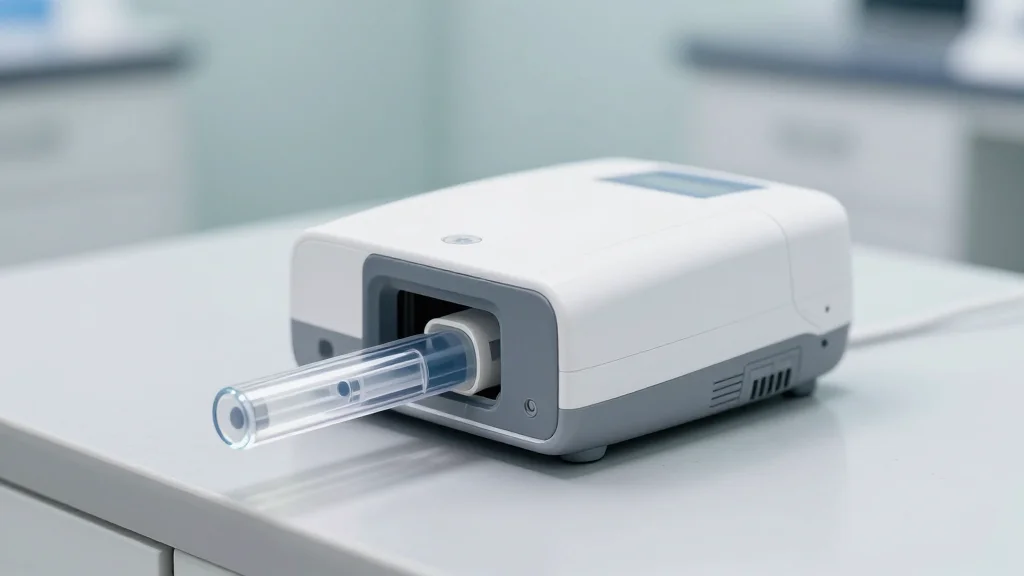
Baebies’ Finder Platform Secures Dual FDA Clearance and CLIA Waiver
Baebies announced that its Finder platform has received FDA 510(k) clearance for a Flu A&B/SARS‑CoV‑2 test and a CLIA waiver, making it the first molecular point‑of‑care system with multifunctional capabilities. The cartridge‑based device delivers PCR‑quality results in 15‑20 minutes, enabling...

Pharmaceutical Executive Daily: Shionogi Receives Contract Through BARDA's Project BioShield
Shionogi’s U.S. subsidiary secured a BARDA Project BioShield contract that could total $482 million to develop and manufacture its gram‑negative antibiotic Fetroja, with an initial $119 million funded. The agreement funds a U.S. production facility and expands research against high‑priority biothreat pathogens...

Arg-1 Makes Macrophages More Inflammatory, Impairing Cartilage Regeneration with Age
The study identifies Arginase‑1 (Arg‑1) as a key regulator of age‑dependent macrophage behavior that hampers cartilage regeneration. Single‑cell RNA sequencing shows older animals have fewer anti‑inflammatory macrophage subsets, with Arg‑1 expression declining with age, leading to heightened inflammation. Overexpressing Arg‑1...

How Long-Read Sequencing Is Scaling Beyond the Specialist Lab
Advances in long‑read sequencing accuracy, throughput and cost are moving the technology from niche labs to large‑scale research. PacBio’s HiFi reads now deliver whole‑genome data at a few hundred dollars per sample, enabling thousands of genomes per instrument annually. The...

Landmark Federal Indictment for Pop Peptides Alleged ‘Scheme’ Even as RFK Jr. May Soon Un-Ban Some
A federal grand jury indicted Dr. Justin Watkins, owner of Utah's TruHealth Clinic, for relabeling Chinese‑manufactured peptides and selling them to more than 200 patients without disclosing the source or FDA status. The indictment alleges that the clinic repackaged the...

From Innovation to Adoption: Leadership Perspectives on What Makes Life Science Tools Succeed
Dale Gordon, chair of Abselion’s board, explains that life‑science tools only thrive when they solve a clear, high‑value customer problem, fit seamlessly into existing laboratory workflows, and deliver measurable economic and speed advantages. He stresses that operational robustness, data traceability,...
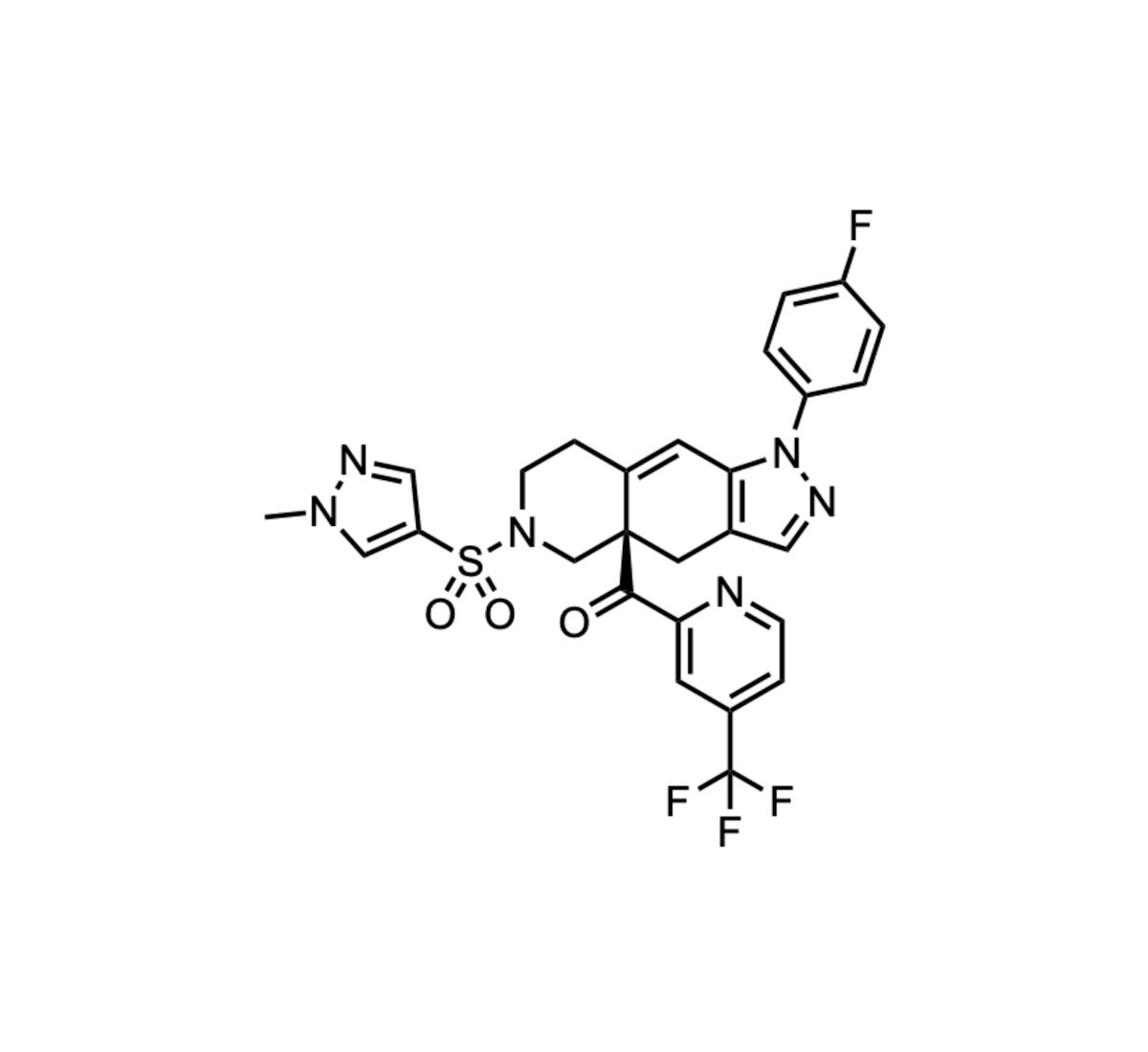
Relacorilant (CORT125134)
Corcept Therapeutics received FDA approval for relacorilant, branded Lifyorli, in combination with nab‑paclitaxel for platinum‑resistant ovarian cancer. The oral agent is a selective glucocorticoid‑receptor antagonist that blocks cortisol signaling without binding other steroid receptors, differentiating it from older cortisol‑pathway drugs....

GoodRx Expands Access to Eli Lilly and Company’s New Oral GLP-1, Foundayo™, and Zepbound® KwikPen® with Self-Pay Pricing at More...
GoodRx announced a partnership with Eli Lilly to offer the newly FDA‑approved oral GLP‑1 drug Foundayo (orforglipron) at a self‑pay price of $149 per month. The platform is also rolling out self‑pay pricing for Lilly’s injectable Zepbound (tirzepatide) KwikPen at $299...

Cartography Biosciences Advances Strategic Oncology Collaboration with Gilead’s First Option Target Exercise
Cartography Biosciences announced that Gilead Sciences exercised its first option to exclusively license a novel oncology target identified through Cartography’s ATLAS and SUMMIT single‑cell platforms. The target is part of a multi‑year collaboration aimed at tumor‑selective antigens in triple‑negative breast...
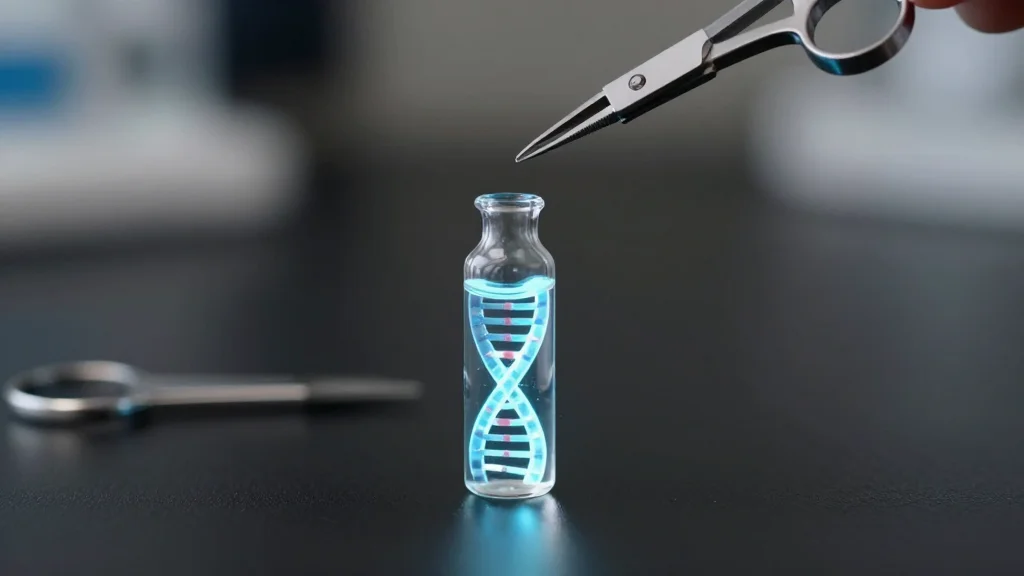
Are Genetically Engineered Humans Coming
CRISPR technology now makes germline editing of human embryos technically feasible, though current U.S. policy blocks federal funding and FDA approval. Private startups are exploring the market despite regulatory uncertainty, and some jurisdictions lack explicit bans. While disease‑preventing edits could...
From Fringe to Formulary: How Integrative Medicine, Peptides, and the D2C Biomarker Stack Are Reshaping the Boundaries of Evidence-Based Care
Integrative health, once a fringe market, now commands a $30 billion out‑of‑pocket industry with 37 % of U.S. adults spending on modalities like acupuncture, functional‑medicine and peptide protocols. Federal agencies are building measurement tools—NIH’s NCCIH $170 M Whole Person Health Index—and the VA’s...

High Dose Influenza Vaccine Correlates with Greater Reduction in Dementia Risk
A retrospective cohort study of U.S. seniors found that receiving a high‑dose inactivated influenza vaccine (H‑IIV) was associated with a significantly lower risk of Alzheimer’s disease compared with the standard‑dose vaccine (S‑IIV). The analysis used claims data from 2014‑2019, covering...

How to Make Cancer Therapies BETter: An Insight Into the Distinct Roles of BET Proteins
A new study from the Max Planck Institute reveals that BET proteins BRD2 and BRD4 play distinct, sequential roles in gene activation, explaining why broad‑spectrum BET inhibitors have shown limited clinical success. BRD4 drives the release of RNA polymerase II,...

Breathing New Life Into Tubercolosis Treatment with Iinhalable Nanomedicine
Scientists at the University of Witwatersrand’s Wits Advanced Drug Delivery Platform have created an inhalable nanocarrier that can encapsulate all four first‑line tuberculosis drugs and release them directly in the lungs. The system bypasses the liver and bloodstream, aiming to...

Octopus-Shaped Nanomachine Reprograms ATP Flow to Starve Cancer Cells
Researchers unveiled an octopus‑shaped nanomachine, HSA‑ABC, that anchors to cancer cell membranes and uses an ATP‑sensing aptamer to trigger photodynamic therapy and rapid doxorubicin delivery. The device creates a self‑amplifying cycle: ATP binding activates a photosensitizer, damaging the membrane, which...

“I Don’t Need Those Pills”—Until the Second Heart Attack
At ACC 2026, researchers unveiled the Ez‑PAVE trial, a multicenter, randomized study of 3,048 South Korean patients with established atherosclerotic cardiovascular disease. The trial compared an ultra‑low LDL‑C target of <40 mg/dL against a conventional target of <70 mg/dL, using statin plus...

Cell-to-Cell Power Grid: How Mitochondrial Transplantation Is Redefining Metabolic Aging and Tissue Rescue
A new comprehensive literature review evaluates mitochondrial transplantation (MTx) and the Drp1 inhibitor Mdivi‑1 as experimental strategies to reverse metabolic aging in diabetic animal models. The analysis highlights how MSC‑derived mitochondria can induce mitophagy, suppress apoptosis, and modulate immune pathways...

Molecular Hydrogen as a Treatment for Chronic Fatigue Syndrome
Molecular hydrogen is emerging as a potential therapy for chronic fatigue syndrome (ME/CFS) by protecting mitochondria from oxidative damage and restoring cellular energy production. Pre‑clinical and early‑stage human trials show hydrogen‑rich water and inhalation improve endurance, lower blood lactate, and...

Tumor-Inspired Microparticles Reprogram Fat Cells and Improve Insulin Sensitivity
Researchers have engineered injectable silica microparticles that mimic the nanoscale surface roughness of invasive cancer cells, stripping away all biological material. When cultured on these tumor‑inspired topographies, mouse adipocytes rapidly lose their mature phenotype, become multipotent stem‑like cells, and exhibit...

Lynavoy (Linerixibat) Wins FDA Approval for Rare Liver Disease After Alfasigma-GSK Licensing Deal
Alfasigma secured FDA approval for Lynavoy (linerixibat), the first U.S. therapy specifically indicated for cholestatic pruritus in primary biliary cholangitis (PBC). The approval follows a March licensing agreement with GSK that could be worth up to $690 million, including a $300 million...

Bausch + Lomb Receives FDA 510(k) Clearance for Bi-Blade+™ Dual-Port Vitrectomy Cutter and Adaptive Fluidics™ Advanced Update
Bausch + Lomb received FDA 510(k) clearance for its Bi‑Blade™+ dual‑port vitrectomy cutter and the Adaptive Fluidics update on the Stellaris Elite system. The new cutter operates at 25,000 cuts per minute, a 66% speed boost over the prior model, and delivers a...
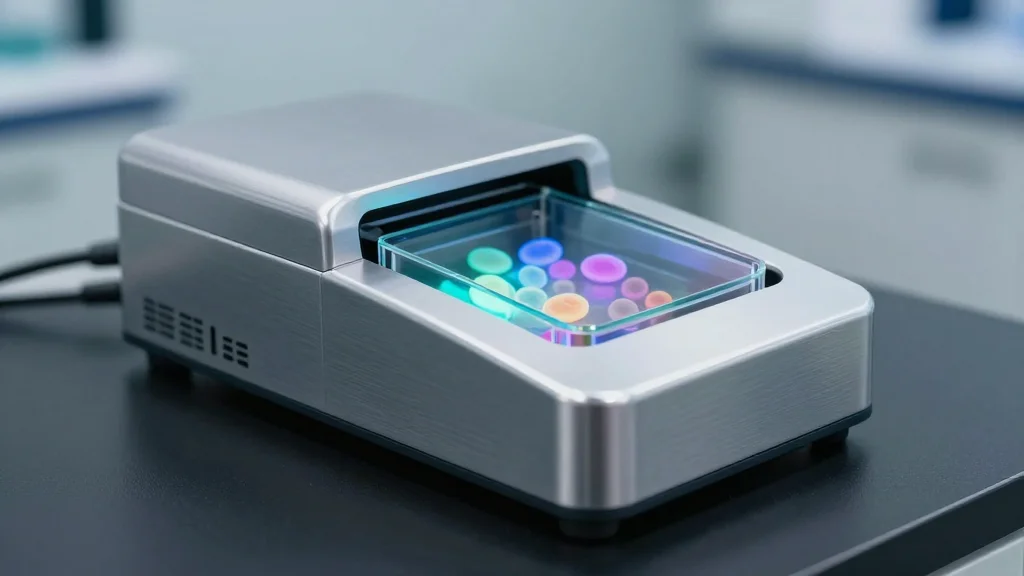
VION Biosciences Closes Acquisition of CTL, Strengthening Functional Immune Monitoring Capabilities
VION Biosciences announced the closing of its acquisition of Cellular Technology Limited (CTL), adding ELISPOT and FluoroSpot analyzers, software, consumables, and assay services to its portfolio. The deal enhances VION’s ability to provide functional immune‑monitoring solutions across translational and clinical...

First Human Data for Rubedo Life Sciences' Senolytic Drug RLS-1496
Rubedo Life Sciences reported preliminary Phase 1 data for RLS‑1496, the first topical GPX4‑modulating senolytic tested in humans. The double‑blind, vehicle‑controlled study in the EU evaluated safety, tolerability and early efficacy in plaque psoriasis, atopic dermatitis and photo‑aged skin. Results showed...

Falling Out of Love on Obesity Medicines?
Recent media stories claim experimental obesity drugs like retatrutide cause people to lose romantic feelings and could trigger a divorce surge. The Guardian and Telegraph pieces rely on TikTok anecdotes and indirect data from bariatric surgery, not clinical evidence. Experts...

Bridging the Precision Gap: Accelerating Clinical Adoption of Companion Diagnostics in Oncology
Companion diagnostics (CDx) are central to precision oncology, yet clinical adoption lags due to lengthy evidence generation, regulatory hurdles, and reimbursement challenges. The article outlines three core bottlenecks—clinical validation, workflow integration, and payer coverage—that can stretch implementation timelines to a...

Hemispherian Initiates Phase 1/2a Clinical Trial of GLIX1 in Glioblastoma
Hemispherian AS announced the initiation of a first‑in‑human Phase 1/2a trial of GLIX1 in patients with recurrent glioblastoma and other high‑grade gliomas. GLIX1 is an oral, first‑in‑class small‑molecule TET2 activator that induces tumor‑selective DNA damage and has demonstrated potent preclinical efficacy,...

FDA Seeks Input on Digital Health Technologies in Clinical Investigations for Drugs and Biological Products
The FDA has issued a Federal Register notice seeking stakeholder input on the use of digital health technologies (DHTs) in clinical investigations for drugs and biologics. The agency asks for comments on regulatory challenges, guidance needs, and topics for future...

Foray Bioscience and Z’s Nutty Ridge Partner to Scale Hazelnut Trees With Fabricated Seed Technology
Foray Bioscience has entered a three‑year partnership with New York‑based Z's Nutty Ridge to develop fabricated seeds for the nursery’s proprietary hybrid hazelnut varieties. The deal includes a multi‑million‑dollar forward purchase agreement that aims to accelerate the rollout of cold‑hardy,...

Controlling Diabetes without Insulin Injections Thanks to New Implant
MIT researchers unveiled an implantable device that houses insulin‑producing islet cells, shielding them from immune attack and supplying oxygen via an on‑board generator. In mouse studies the encapsulated cells survived at least 90 days, continuously secreting enough insulin to maintain...

Scalable Biologics Production Trends: Featuring Omar Wahab of Lonza — Breakthrough, Episode 250
In episode 250 of the Xtalks Life Science Podcast, Lonza’s Vice President of Bioprocessing Omar Wahab explains why cell‑culture media is a strategic lever for scalable biologics manufacturing. He argues that early formulation choices influence downstream productivity, product quality, and...
Obesity Pills: Orforglipron Outpaces Semaglutide: Next-Gen Oral GLP-1 Agonist Drives Superior Glycemic and Weight Control
The phase 3 ACHIEVE‑3 trial showed that oral orforglipron outperformed oral semaglutide in both glycemic control and weight loss for type 2 diabetes patients. At 52 weeks, the 36 mg dose reduced HbA1c by 1.91% versus 1.47% for semaglutide and achieved an 8.2% weight...

University of Arizona Launches $12 Million Rapamycin Clinical Trial
The University of Arizona’s R. Ken Coit College of Pharmacy is launching a double‑blind, randomized Phase 3 clinical trial to test low‑dose rapamycin’s ability to boost resilience and immune function in adults aged 65 and older. The six‑year study, funded by a...