
Northland Highlights ARS Pharmaceuticals, Inc. (SPRY) Needle-Free Therapy as Major Innovation Driver
Northland Research initiated coverage of ARS Pharmaceuticals (NASDAQ:SPRY) with an Outperform rating and a $25 price target, spotlighting its needle‑free epinephrine spray, Neffy, as a growth catalyst. The U.S. FDA recently revised Neffy’s labeling, removing the previous age restriction and permitting use in anyone weighing at least 33 lb for emergency allergic reactions. The update also adds new storage instructions, a free carrying case, and clarified dosing guidance. Northland expects the product’s ease of use to drive both new prescriptions and switches from traditional injectable epinephrine.

Jefferies Sees Reduced Visibility for Replimune Group, Inc. (REPL) Following FDA Decision
Jefferies downgraded Replimune Group (NASDAQ:REPL) from Buy to Hold and slashed its price target to $2 after the FDA issued a complete response letter on the RP1 oncolytic therapy. The FDA’s feedback diverged from earlier Type A meeting guidance, raising...

Evercore Adjusts Fortrea Holdings Inc. (FTRE) Valuation Following Updated Near-Term Assumptions
Evercore ISI trimmed Fortrea Holdings (FTRE) price target to $14 from $25 while keeping an Outperform rating, citing revised near‑term assumptions in its Q1 healthcare technology update. The change coincides with FTRE’s launch of Fortrea Intelligent Technology (FIT), an AI‑enabled...

Friday Hope: Palmitoylethanolamide (PEA): Inhibits Spike Entry, Reduces Proinflammatory Markers in COVID and Improves Symptomology in Long COVID
Recent peer‑reviewed studies demonstrate that palmitoylethanolamide (PEA), a naturally occurring lipid, can block SARS‑CoV‑2 spike protein entry, cut viral replication by roughly 70%, and lower key inflammatory biomarkers in acute COVID‑19 patients. A separate real‑world cohort shows PEA supplementation markedly...

Revolution Medicines' Daraxonrasib Cuts Pancreatic Cancer Death Risk by 60% – This Week in Biotech #96
Revolution Medicines announced Phase 3 RASolute 302 results for its oral RAS‑ON inhibitor daraxonrasib in second‑line metastatic pancreatic ductal adenocarcinoma. The trial reported a median overall survival of 13.2 months versus 6.7 months with standard chemotherapy, a hazard ratio of 0.40 and a 60%...

A Treasure Trove of Food for Thought From Julia Belluz
Julia Belluz’s New York Times essay examines GLP‑1 medicines as broad metabolic tools, not merely weight‑loss drugs. She outlines emerging cardiometabolic, brain‑health, and inflammation benefits while stressing that scientific proof lags behind rapid real‑world adoption. The piece gives weight to patient experiences...
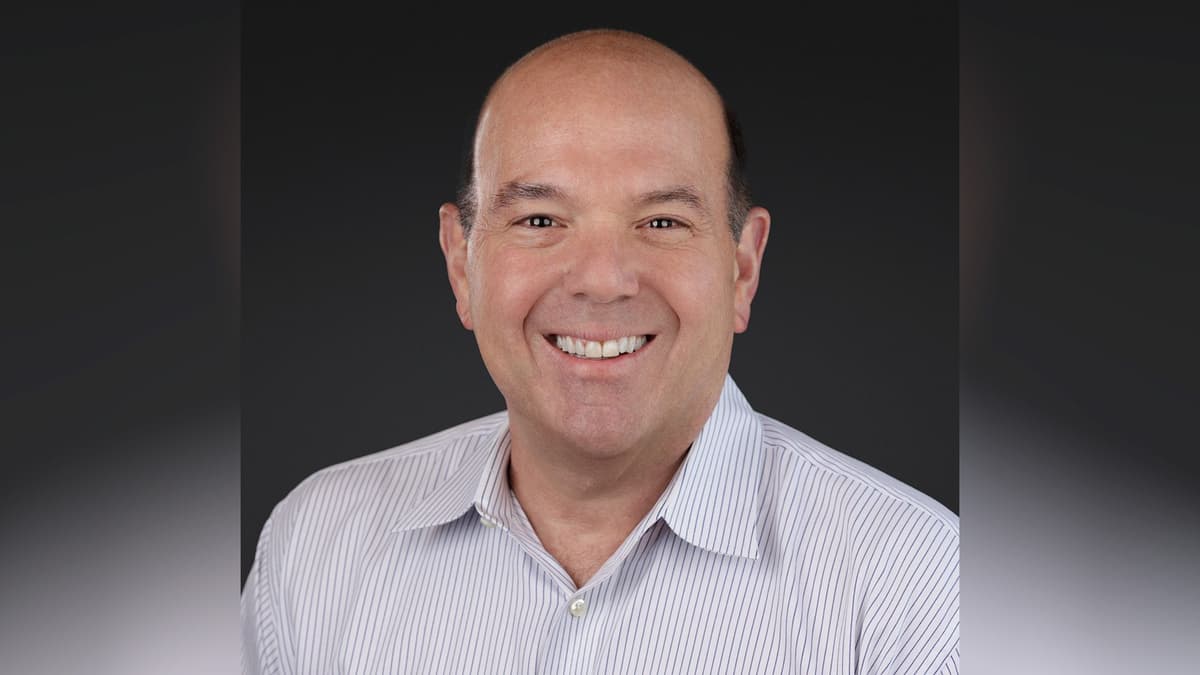
Bringing New Delivery Methods to Treatments: Q&A with Richard Lowenthal
In March 2025 the FDA cleared ARS Pharmaceutical’s neffy, a needle‑free epinephrine nasal spray, marking the first major delivery innovation for the drug in over 35 years. CEO Richard Lowenthal explained that the spray eliminates needle anxiety, simplifies administration, and improves portability,...

The Turning Point for Oral Biologics: Q&A With Morten Graugaard
Orbis Medicines CEO Morten Graugaard says the FDA’s approval of Icotyde validates oral biologics as a viable drug class. He frames the decision as a proof point that macrocycle chemistry can translate biologic efficacy into a pill, but cautions that...

Weekly Neuroscience Update
Researchers unveiled a fully implantable brain‑computer interface that lets paraplegic patients control a robotic exoskeleton with their thoughts, aiming to restore both walking and its sensation. Parallel advances include an AI pruning framework that mimics infant brain development to slash...

Europe Is on the Cusp of Approving Gene Editing of Crops. Many Other Countries May Follow Soon.
European Parliament is set to vote in spring 2024 on allowing gene‑edited crops in the EU, ending three decades of stringent opposition to crop biotechnology. Industry leaders, such as Cibus CEO Peter Beetham, say regulators now view the technology’s risks...

A Single Measurement Sorts Chiral Molecules by Type, Handedness, and Ratio
Researchers have unveiled a terahertz circular dichroism platform that uses an achiral gradient metasurface to identify chiral biomolecules, their handedness, and mixing ratios in a single broadband scan. The metasurface reflects terahertz light from 0.5 to 1.8 THz without adding background...

The Category 2 Peptide Unwind: How a Rogan Appearance, 14 Withdrawn Nominations & a July PCAC Docket Will Reprice the...
Kennedy’s appearance on The Joe Rogan Experience announced that roughly fourteen peptides could be re‑classified from FDA Category 2 back to Category 1, but no Federal Register rule has been issued yet. The announcement highlights a procedural path where nominators withdraw nominations,...
![[April 2026] FDA Form 483 Response Guidance, Weight Loss Device Framework + AI-Driven Device Warning Letter](/cdn-cgi/image/width=1200,quality=75,format=auto,fit=cover/https://substackcdn.com/image/fetch/$s_!CHiL!,w_256,c_limit,f_auto,q_auto:good,fl_progressive:steep/https%3A%2F%2Fbucketeer-e05bbc84-baa3-437e-9518-adb32be77984.s3.amazonaws.com%2Fpublic%2Fimages%2F59dae4d3-b9e4-442b-8b97-0a78fab4dc99_582x582.png)
[April 2026] FDA Form 483 Response Guidance, Weight Loss Device Framework + AI-Driven Device Warning Letter
The FDA released three pivotal documents in April 2026: a finalized guidance on responding to Form 483 observations, a structured benefit‑risk framework for weight‑loss devices, and a warning letter to an autonomous insulin‑delivery system. The Form 483 guidance offers the...

Pharmaceutical Executive Daily: Eli Lilly Releases Updated Safety Data for Foundayo
Eli Lilly has released topline safety results from its Phase III Achieve‑4 trial for Foundayo, addressing FDA‑requested evidence on cardiovascular, liver and gastric safety. The FDA’s post‑approval letter, issued on the day of approval, demanded trial data rather than observational studies. Concurrently,...

FDA Clears Endomina EZFuse System for GI Suturing
The FDA granted 510(k) clearance to Endo Tools Therapeutics’ Endomina EZFuse system, enabling U.S. commercialization of a next‑generation GI suturing platform. The device uses a single‑movement mechanism that can cut procedure time by up to 50 percent, simplifying internal stitching...

ICER and Verdant Research Publish White Paper Examining FDA’s Accelerated Approval Pathway
The Institute for Clinical and Economic Review (ICER) and Verdant Research released a white paper urging reforms to the FDA’s accelerated approval pathway. The report highlights persistent issues such as surrogate‑endpoint uncertainty, delayed confirmatory trials, and opaque decision‑making. It proposes...

Acerand Therapeutics Updates the Phase I/II Study of ACE-106 (ACE-86225106), a Highly Selective and Potentially Best-in-Class PARP1 Inhibitor, in Advanced...
Acerand Therapeutics reported updated Phase I/II data for ACE‑106, a highly selective PARP1 inhibitor, in 57 heavily pre‑treated patients with advanced solid tumors. The drug showed no dose‑limiting toxicities and a safety profile that appears better than approved PARP inhibitors....

Delve Detect Enables Neurologists to Treat CNS Infections When Conventional Testing Fails
Delve Bio will showcase new data on its metagenomic sequencing service, Delve Detect, at the American Academy of Neurology 2026 meeting. A head‑to‑head study showed the test matches standard CNS panels while uncovering additional pathogens and co‑infections. Clinical cases highlighted...
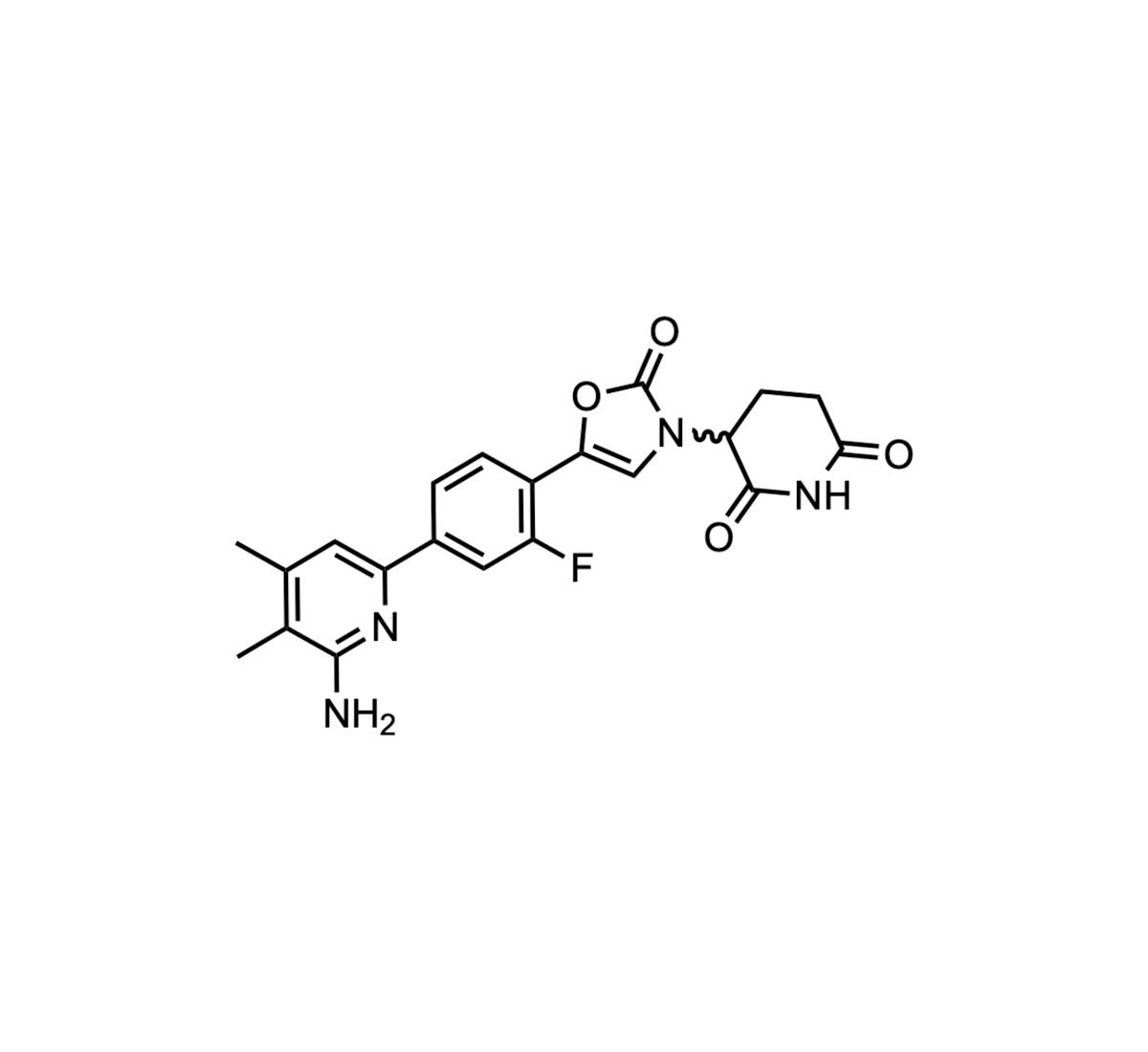
BMS-986482
Bristol Myers Squibb disclosed BMS-986482, a CRBN‑mediated degrader that targets the IKZF1‑4 transcription factors, at the ACS Spring 2026 First‑Time Disclosures session. The molecule entered a combined Phase 1/2 study aimed at patients with advanced solid tumors, marking BMS’s entry into...

Foundation Medicine to Strengthen Monitoring Portfolio with SAGA Diagnostics’ Tumor-Informed Molecular Residual Disease (MRD) Platform
Foundation Medicine announced the integration of SAGA Diagnostics' Pathlight tumor‑informed molecular residual disease (MRD) platform following Roche's definitive agreement to acquire SAGA for up to $595 million. Pathlight leverages whole genome sequencing and digital PCR to detect structural variants with ultra‑sensitive...

Promega to Showcase Oncology Research Tools and Companion Diagnostics at AACR Annual Meeting 2026
Promega will showcase a suite of oncology‑focused tools at the AACR Annual Meeting in San Diego, including its Lumit® hKi‑67 proliferation assay, the TarSeer™ BRETSA™ target‑engagement platform, and FDA‑cleared OncoMate® MSI companion diagnostic. The company also unveiled pre‑configured automated nucleic‑acid...

Retatrutide Vs. Zepbound: How Does Lilly’s Next-Gen Obesity Drug Compare to Tirzepatide?
Eli Lilly’s investigational triple‑agonist retatrutide is delivering weight‑loss results that eclipse its approved dual‑agonist Zepbound (tirzepatide), with Phase III trials reporting up to 28.7% body‑weight reduction over 68 weeks and HbA1c drops of about 2.0%. Zepbound, already a blockbuster generating roughly...

How Aging Reshapes the Mammalian Body: Atlas of 7 Million Cells Reveals All
Researchers at The Rockefeller University have created the most comprehensive single‑cell atlas of aging, profiling nearly 7 million cells from 21 mouse organs at 1, 5 and 21 months. The study identified over 1,800 cell subtypes, revealing that about a quarter...
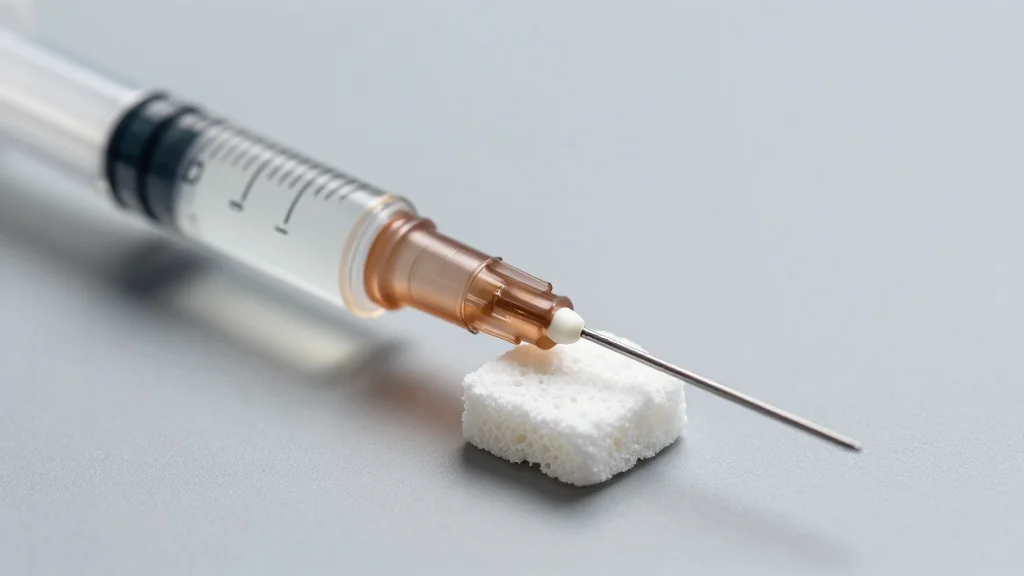
AscentX Medical’s Dr. Sandhu on a New Approach to Treating GERD
AscentX Medical is developing G125, a regenerative injectable biomaterial designed to reinforce the lower esophageal sphincter in patients with gastroesophageal reflux disease (GERD). The platform delivers a biocompatible scaffold via a patented needle that integrates with tissue, promoting collagen growth...

Johnson & Johnson’s Experience Navigating The Commissioner’s National Priority Voucher Program
Johnson & Johnson’s hematology division secured FDA approval for a new multiple myeloma regimen—Tecvayli plus Darzalex Faspro—through the FDA Commissioner’s National Priority Voucher pilot. The approval came just 55 days after filing, marking the first blood‑cancer therapy to use the voucher...

Maneesh Goyal on Unlocking Clinical Data for Global Discovery — Mayo Clinic Platform | VIVE 2026
Mayo Clinic Platform, led by COO Maneesh Goyal, is building a global network that pools de‑identified, longitudinal clinical data to power AI‑driven discovery. The initiative already runs more than 300 predictive algorithms that can flag disease before symptoms emerge, shifting...
The FDA Just Rewrote the Rules for Gene Therapy Approval & Most Investors Haven’t Noticed Yet: The Plausible Mechanism Framework...
The FDA released two draft guidances in early 2026 that reshape gene‑therapy regulation. The Plausible Mechanism Framework (PMF) creates a formal pathway for individualized, ultra‑rare treatments, allowing single‑patient or tiny‑cohort data combined with mechanistic and natural‑history evidence to support marketing...

You're The Perfect Specimen
The blog post surveys a series of rapid‑changing trends, from GLP‑1 drugs turning into a massive, self‑directed health experiment to political leaders publicly disputing the Pope’s war doctrine. It highlights the cultural backlash against AI‑generated art, the surge of private‑equity...

Watching A Potential Big Pharma Buyout
A seasoned trader has flagged a small‑cap biotech that checks the key boxes big pharma seeks in an acquisition: late‑stage clinical validation, an imminent FDA decision, a multi‑billion‑dollar addressable market, and a cash‑rich balance sheet. The company’s lead asset is...

Organon’s VTAMA® (Tapinarof) Cream, 1%, Granted Strong Recommendation in the 2026 American Academy of Dermatology Guidelines for Pediatric Atopic Dermatitis
Organon announced that its steroid‑free VTAMA® (tapinarof) 1% cream received a strong, evidence‑based recommendation in the American Academy of Dermatology’s 2026 pediatric atopic dermatitis (AD) guidelines. The AAD highlighted VTAMA as the only topical treatment with high‑certainty evidence that is...

Pharma Finance Roundup: Platform Innovation Drives Biotech Investment Across Oncology and Immunology
This week’s biotech financing spotlighted platform‑driven innovation in oncology and immunology. Adcendo closed a $75 million Series C to expand its ADC pipeline, while Beeline Medicines launched with $300 million Series A to develop precision autoimmune therapies. Harbinger Health secured $100 million for its multi‑cancer...

Precision BioSciences Expands ELIMINATE-B Trial Following Clinical Trial Application Approval in Two European Countries
Precision BioSciences received Clinical Trial Application approval to add sites in France and Romania to its global ELIMINATE‑B study of PBGENE‑HBV, an in‑vivo gene‑editing therapy for chronic hepatitis B. The expansion joins existing locations in the United Kingdom, Moldova, New Zealand, Hong Kong...
Atelerix Forms Strategic Partnership With JH Health Ltd to Expand Non-Cryogenic Cell Preservation Capabilities in the Middle East
Atelerix, a UK biotech, has signed a strategic partnership with Saudi Arabia’s JH Health Ltd, granting JH Health exclusive rights to distribute Atelerix’s non‑cryogenic hydrogel cell‑preservation solutions across the Middle East. The deal includes funding for high‑volume local manufacturing, regulatory...
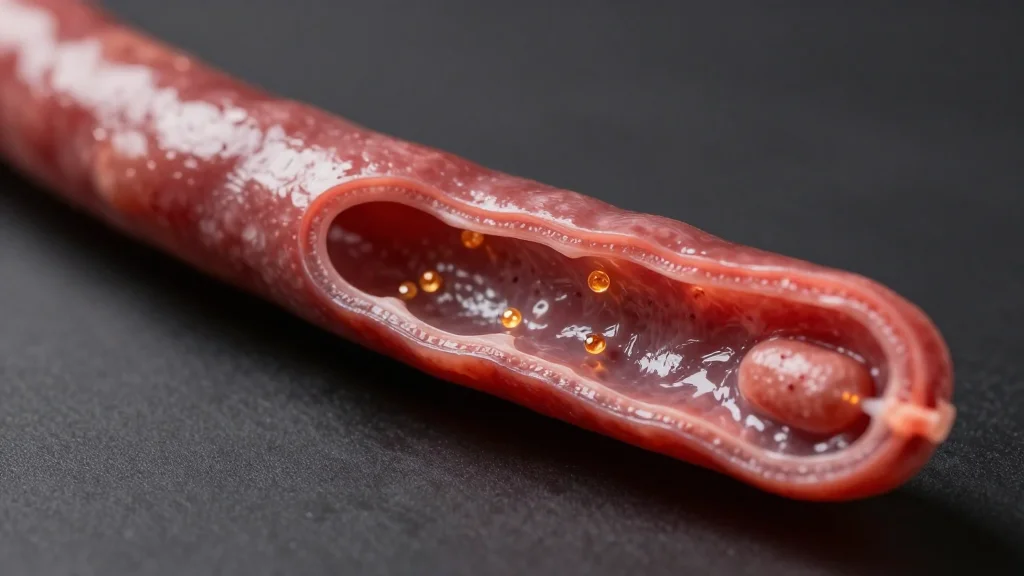
Cellular Senescence and Mitochondrial Dysfunction and the Aging of the Vascular Endothelium
The review links cellular senescence and mitochondrial dysfunction to the aging of the vascular endothelium, showing how reduced nitric‑oxide, oxidative stress, and chronic inflammation drive atherosclerosis, hypertension, and blood‑brain barrier leakage. It details a feedback loop where mitochondrial bioenergetic decline...

Homoharringtonine as a Senotherapeutic Drug
Researchers used a large‑scale drug‑repositioning screen to identify homoharringtonine (HHT), an FDA‑approved anti‑leukemic agent, as a potent senotherapeutic. In vitro, HHT selectively eliminated senescent pre‑adipocytes while sparing healthy cells. In male mice, HHT cleared senescent adipocytes, restored white‑adipose tissue function,...

How Are Regulatory Factors Impacting Biosimilars
The FDA issued draft guidance in March that would drop certain pharmacokinetic (PK) studies for biosimilars, aiming to lower development costs. At the same time, the Inflation Reduction Act (IRA) and most‑favored‑nation (MFN) pricing provisions are reshaping how manufacturers price...
Off the Shelf Cell Therapies for Bone Marrow Transplantation with Ossium Health’s Kevin Caldwell — Episode 251
In episode 251 of the Xtalks Life Science Podcast, Kevin Caldwell, CEO and co‑founder of Ossium Health, discusses the company’s pioneering off‑the‑shelf bone‑marrow therapy derived from deceased organ donors. The treatment aims to solve long‑standing clinical and logistical hurdles in...
Viewpoint: CRISPR and mRNA — Under Attack by Technology Skeptics — Poised to Save Millions of Children with Rare Diseases
Rare genetic diseases affect roughly 25 million Americans and generate about $400 billion in annual medical costs, yet fewer than five percent have FDA‑approved therapies. The scarcity of treatments stems from the economics of drug development for tiny patient pools. Recent breakthroughs...

Major Organoids Companies Plus Latest TechBio News
The latest TechBio briefing spotlights the fastest‑growing private organoid firms, highlighting recent Series A‑C rounds that collectively raised over $500 million. Leaders such as OrganoTech, CellSphere, and BioMimic are scaling production pipelines to meet demand from pharma, diagnostics, and personalized‑medicine partners. The...

Inflammation & Immune System - A Deep Dive Into Genetic Pathways for Actionable Insights
A detailed genetic analysis of inflammation and immune pathways identified three high‑impact homozygous variants: PTPN22 R620W, CFH Y402H, and NFE2L2 –617. The report translates these findings into concrete clinical actions, including autoimmune and thyroid screening, baseline retinal imaging for age‑related...

GHK-Cu Peptide Rescues Aging Cognition but Splits Molecular Pathways in the Brain
Researchers examined the copper‑binding peptide GHK‑Cu, noting its molecular weight of about 402 g/mol and a 15.8% copper composition. Translating the mouse dose of 15 mg/kg to humans yields an 85 mg daily intake, delivering roughly 13.4 mg elemental copper—well above the 10 mg tolerable...

Sonodynamic Therapy with Ferrocene-Modified Frameworks Targets Breast Cancer Metastasis
Researchers at Beijing Institute of Technology have engineered ferrocene‑modified covalent organic frameworks (mCOFs) that act as ultrasound‑activated sonosensitizers. When combined with sonodynamic therapy, the nanoplatform reduces breast cancer cell viability to 24.3% and drives apoptosis above 84%, while simultaneously generating...

A Built-In 'Hairpin' Prevents Rogue CRISPR RNAs
Researchers at the Helmholtz Institute for RNA‑based Infection Research have identified a conserved RNA hairpin that blocks the production of extraneous CRISPR RNAs (ecrRNAs) in diverse CRISPR‑Cas13 systems. The hairpin binds the first repeat in the CRISPR array, preventing Cas13...
Pharmaceutical Executive Daily: AbbVie and Haisco Enter $745 Million Licensing Agreement
AbbVie signed an exclusive licensing deal with China’s Haisco Pharmaceutical to develop, manufacture and sell a suite of novel pain compounds outside mainland China, Hong Kong and Macau. The agreement provides Haisco $30 million upfront and up to $715 million in milestone payments,...

Apple Studio Display XDR Now Cleared for Diagnostic Radiology
Apple’s Studio Display XDR has received FDA clearance for diagnostic radiology, allowing U.S. radiologists to view medical images on the consumer‑grade monitor. The display supports DICOM presets on macOS 26.4, eliminating the need for dedicated imaging screens. Priced at $2,899,...

Fordham 33 (Report 4): Life Sciences and Healthcare Innovation
A multinational panel at Fordham’s IPKat event dissected life‑science patent strategies across the U.S., Europe, Japan and the upcoming Unified Patent Court. Speakers highlighted how European protocol disclosures reveal methods but not results, making anticipatory rejections rare, while U.S. product‑for‑use...

NEW STUDY: Frog-Derived Gut Bacterium Completely Eradicates 100% of Tumors After a Single Dose in Mice
A peer‑reviewed study in *Gut Microbes* reports that a single intravenous dose of the frog‑derived gut bacterium Ewingella americana eradicated colorectal tumors in 100% of immunocompetent mice. The live microbe outperformed both doxorubicin chemotherapy and anti‑PD‑L1 checkpoint blockade, achieving complete...

New CellCelector CLD Takes You From Thousands of Candidates to the Top Clone, Faster
German biotech equipment maker Sartorius has launched the CellCelector CLD, an automated imaging and cell isolation platform that accelerates monoclonal cell line development. The system combines high‑speed scanning, advanced imaging and gentle clone retrieval to screen up to 885 nanowell...

BHV-2100
Researchers from KU Leuven, CISTIM Leuven and Biohaven Therapeutics have announced that an oral TRPM3 antagonist has entered Phase 2 clinical testing for the acute treatment of migraine. The program leveraged a cell‑based high‑throughput screen of more than 200,000 compounds to...

Nanozyme Boosts Stem Cell Mitochondria to Accelerate Bone Regeneration
Researchers have engineered a single‑atom nanozyme that mimics cytochrome c oxidase, restoring mitochondrial energy production in stem cells. The nanozyme, anchored with iron and copper on a mesoporous silica scaffold and coated with triphenylphosphonium, targets mitochondria and shifts cell metabolism toward...