
A Modular, Synthetic Origin of Replication
Researchers at Rice University have engineered a synthetic origin of replication, SynORI, that replaces the native ColE1 feedback loop with programmable RNA regulators. The modular design yields six orthogonal plasmid compatibility groups that can coexist in E. coli for at least a week and enables copy‑number tuning across a 115‑fold range, from ~1.6 to ~185 copies per cell. By incorporating the parCBA multimer‑resolution system, SynORI also suppresses plasmid multimers, improving vector stability. However, the refactored origin shows reduced stability without antibiotic selection, requiring continued selective pressure.

Radical Catheter Technologies Announces FDA Clearance for 6F Neurovascular Catheter
Radical Catheter Technologies announced FDA 510(k) clearance for its 6F neurovascular access catheter, expanding its cleared portfolio to three devices. The 6F catheter’s thin‑wall, ribbon‑based design delivers a larger inner lumen while maintaining flexibility, pushability, and stability for both radial...

Flags in the Ground: SGO26 and the Danger of Competitive Urgency
The Society of Gynecologic Oncology’s 2024 meeting in San Juan showcased a wave of early‑stage data on ovarian and endometrial cancers. While press releases painted an optimistic picture, a deeper dive reveals modest response rates and limited patient cohorts. The...

The FDA Said NO to a New Vaccine; Then Suddenly Said YES; and the Guy Who Said NO Was Gone.
The FDA initially refused to review an experimental RNA flu vaccine, then abruptly reversed its stance after apparent pressure from the White House. The agency’s vaccine chief left the organization shortly after the policy shift, fueling speculation about internal conflict....

The Biotech Bi-Weekly: Expanding the Reach of T-Cell Engagers in Solid Tumors, a Next-Generation Chemiluminescent Immunoassay Platform and AACR Exhibitor...
The biotech bi‑weekly highlights several product launches and site expansions unveiled at the AACR Annual Meeting. Deck Bio introduced a multi‑target T‑cell engager platform aimed at overcoming heterogeneity in solid‑tumor immunotherapy. Abcam released SimpleStep Ignite™, a chemiluminescent ELISA that delivers...

The Senescence Associated Secretory Phenotype as a Basis for an Aging Clock
Researchers have created a composite Senescence‑Associated Secretory Phenotype (SASP) Score using large‑scale proteomics and a guided autoencoder transformer model. The score, built on curated SASP proteins from the UK Biobank Pharma Proteomics Project, independently predicts mortality and major chronic diseases...

Does the History of Insulin Rhyme with GLP-1s?
Liam Shaw’s essay draws a parallel between the debut of insulin and today’s GLP‑1 receptor agonists, arguing that both transformed their respective diseases while spawning new complexities. Insulin’s miracle cure introduced issues of affordability, access, and treatment intensification, a pattern...

How Serious Is the Biosimilar Void?
The FDA released a draft guidance in March 2026 that would drop certain pharmacokinetic (PK) studies, easing biosimilar development and cutting costs. Samsung Bioepis SVP Thomas Newcomer says a biosimilar void still exists in the U.S., especially for mid‑volume and...

Building Operational Visibility in Clinical Trials: Q&A with Deepak Prakash
Identiv VP Deepak Prakash explains how RFID and Bluetooth‑enabled tracking is reshaping clinical trial operations by delivering continuous, real‑time visibility of assets, samples, and shipments. The technology replaces fragmented, manual data entry with automated condition monitoring, cutting reconciliation costs and...

Implications of Tecvayli Plus Darzalex Faspro Demonstrating 83% Reduction in Disease Progression or Death.
Johnson & Johnson’s Tecvayli (teclistamab) combined with Darzalex Faspro (daratumumab) achieved an 83% reduction in disease progression or death in a Phase III trial for relapsed/refractory multiple myeloma. The study, presented at ASH, reported a hazard ratio of 0.17, higher response rates,...

The Secret History of the FDA
The Brownstone Institute’s latest post argues that the FDA was created as an industry‑controlled agency to rescue failing meat‑packing and biologics sectors, embedding regulatory capture from its inception. It claims this origin explains why reforms face entrenched resistance and why...

Boehringer Ingelheim Launches LENZELTA Mastitis Vaccine for Dairy Cattle in European Union
Boehringer Ingelheim has secured an FDA Emergency Use Authorization for its IVOMEC® 1% ivermectin injection, allowing it to prevent New World screwworm infestations in cattle at key intervention points. The EUA permits treatment within 24 hours of birth, at castration,...

Sequence Identities and Functional Definitions - Where Is the Limit? (T 0137/24)
The EPO Board of Appeal in T 0137/24 upheld a cannabis‑producing yeast patent by ruling that selecting a higher amino‑acid sequence identity from a convergent list does not add matter. The board found the claim’s functional definition of enzyme activity sufficient,...

Cody Simmons, DermaSensor
DermaSensor, led by CEO Cody Simmons, has developed a spectroscopy‑based device to detect early skin cancer. Currently only about 8% of individuals with suspicious lesions receive recommended screening, leaving a large gap in early detection. The company is positioning the...
![Oral Wegovy Sounds Easy, but the Reality Is More Complicated [PODCAST]](https://hixhlmpcokxhartfkpyi.supabase.co/storage/v1/object/public/images/thumbnails/016265f036964b075db4a0e7e7a191dc.webp)
Oral Wegovy Sounds Easy, but the Reality Is More Complicated [PODCAST]
Oral Wegovy, the first FDA‑approved semaglutide pill, delivers rapid weight loss and metabolic improvements, but patients often experience nausea, constipation, reflux, and variable results after discontinuation. Recent pharmacovigilance data reveal a heightened signal for non‑arteritic anterior ischemic optic neuropathy, especially...

IMPORTANT REMINDER: Pfizer Whistleblower Fired Hours After Reporting “Nightmare” COVID Vaccine Trial
Brook Jackson, a senior associate at Ventavia Research Group, disclosed serious protocol breaches in Pfizer’s COVID‑19 vaccine trial, including mislabeled specimens and deliberate unblinding of participants. She reported these violations to the FDA on September 25 and was terminated by Ventavia...

When the Data Favor Motion Preservation, How Long Does It Take for Surgeon Culture to Catch Up?
A multicenter FDA IDE trial compared the Total Posterior Spine (TOPS) facet‑replacement system with traditional transforaminal lumbar interbody fusion (TLIF) in 249 patients with grade I spondylolisthesis at L4‑5. TOPS achieved an 85% composite clinical‑success rate versus 64% for TLIF, with...

Loyal Raises $100 Million: Dog Longevity Drugs Targeting IGF-1 and PPAR Pathways
Loyal, a veterinary biotech firm, announced a $100 million financing round to advance its canine longevity platform. The company targets the IGF‑1 and PPAR pathways to develop drugs that extend the lifespan of senior and large‑breed dogs. It has secured conditional...

Evidence for Retrotransposon Suppression to Reduce Biological Age in Humans
Researchers evaluated two FDA‑approved nucleoside reverse transcriptase inhibitor (NRTI) regimens in healthy adults to see if they could blunt age‑related epigenetic drift. Over 12 weeks, the emtricitabine/tenofovir‑alafenamide (FTC/TAF) combo lowered multiple DNA‑methylation clocks, including DunedinPACE and PhenoAge, and reduced inflammatory...

Powering a Smarter, Scalable Future for Bioprocessing
Yokogawa introduced Bio Pilot, a vendor‑agnostic platform that integrates equipment, data and workflows across both upstream and downstream bioprocessing. The solution replaces fragmented, manual operations with real‑time analytics, model‑predictive control and a no‑code workflow editor that automates SOPs. Early deployments...

Pharmaceutical Executive Daily: FDA Issues Second CRL for Replimune's RP1 Melanoma Treatment
The FDA issued a second complete response letter rejecting Replimune’s biologics license application for RP1 combined with nivolumab in advanced melanoma, citing insufficient data to isolate RP1’s contribution. Replimune’s CEO warned of job cuts and a scale‑back of U.S. manufacturing....

Spinal Elements Wins FDA Clearance for Ventana A ALIF System, Expands 3D-Printed Spine Portfolio
Spinal Elements has secured FDA 510(k) clearance for its Ventana A anterior lumbar interbody fusion (ALIF) system, the latest addition to its 3D‑printed titanium spine portfolio. The company reports that the first U.S. cases have already been completed, demonstrating early...

Kailera Therapeutics (KLRA) IPO Deck
Kailera Therapeutics (KLRA) is preparing an initial public offering to fund its GLP‑1‑based obesity drug platform, which includes both injectable and oral candidates. The company’s pipeline spans multiple clinical stages, from early‑phase studies to late‑stage trials, positioning it to capture...

Sarcopenia -- New Clues
Recent preclinical and clinical work links low‑grade inflammation to age‑related muscle loss, or sarcopenia, and shows that ibuprofen can blunt this process. In 20‑month‑old rats, a five‑month ibuprofen regimen cut inflammatory markers by up to 60% and boosted post‑prandial muscle...

Fragments vs the E3 Ligase KLHL12
Researchers at Vanderbilt screened 13,824 fragments against the E3 ligase KLHL12, a protein overexpressed in many cancers but absent from heart tissue. The campaign yielded 35 initial hits, with compound 7k emerging as the most potent, displaying sub‑micromolar affinity in...

Orforglipron
Orforglitron, an oral non‑peptide GLP‑1 receptor partial agonist developed by Eli Lilly and Chugai, received FDA approval for chronic weight management. The drug distinguishes itself from oral semaglutide by requiring no fasting or special dosing constraints, enabling once‑daily administration. Clinical trials...

Researchers Use Nanomaterials and Ultrasound to Create Light Inside the Body
Stanford researchers have created a noninvasive method that uses focused ultrasound to activate biocompatible ceramic nanoparticles, generating light at any point inside the body. The proof‑of‑concept, demonstrated in mice, produced blue 490 nm light that could stimulate neurons and mimic photodynamic...

The IPO Buzz: Obesity-Focused Kailera Therapeutics Sets $500 Million IPO
Kailera Therapeutics, an obesity‑focused biotech developing a weekly GLP‑1 injection and a daily oral pill, filed an S‑1/A to raise $500 million. The company will offer 33.33 million shares at $14‑$16 each, which would place its market value near $1.8 billion if priced...

Leukogene Therapeutics Announces Two Presentations at the AACR Annual Meeting 2026 Highlighting MHC Class II-Engager Immunotherapies
Leukogene Therapeutics announced two poster presentations at the 2026 AACR Annual Meeting in San Diego, showcasing its MHC class II‑engager immunotherapy candidates for acute myeloid leukemia and pancreatic cancer. The posters will be displayed during the Immunology session on bi- and...

Ifinatamab Deruxtecan Granted Priority Review in the U.S. for Adult Patients with Previously Treated Extensive-Stage Small Cell Lung Cancer Who...
Daiichi Sankyo and Merck have received FDA acceptance and Priority Review for the Biologics License Application of ifinatamab deruxtecan, a first‑in‑class B7‑H3‑directed antibody‑drug conjugate, targeting adult patients with extensive‑stage small cell lung cancer (ES‑SCLC) who progressed after platinum chemotherapy. The...

Genetically Engineered Pets Are Coming
Genetic engineering, especially CRISPR, is moving beyond medicine and food into the pet market. U.S. regulators classify gene edits for pets as animal drugs, so companies must demonstrate safety for the animal and environment. Start‑up projects such as the Los...

Module 3 Quiz
Drug Hunter’s online learning platform has released a Module 3 quiz covering the Hit Discovery section of its pharmaceutical curriculum. The quiz is part of a broader, subscription‑based course that guides users through early‑stage drug‑target identification. Learners must sign in or...
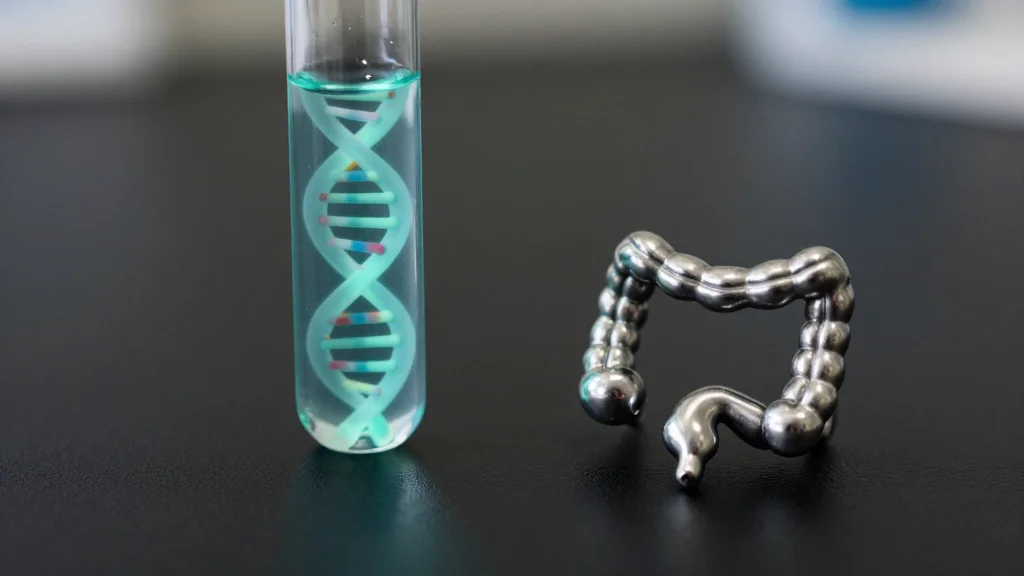
Personalis and Collaborators to Highlight Ultrasensitive ctDNA Data and New Therapy Resistance Tracking Capabilities at AACR 2026
Personalis will showcase its ultrasensitive NeXT Personal ctDNA assay at the AAC 2026 meeting, including an oral presentation on neoadjuvant pembrolizumab in high‑risk colorectal cancer. The company will also debut Real‑Time Variant Tracker, a new MRD test option that longitudinally monitors therapy‑resistance...

Living, 3D-Printed Biological Knee Replacement Advances to Preclinical Testing
Columbia University researchers have received ARPA‑H’s green light to move their living, 3‑D‑printed knee implant, NOVAKnee, into preclinical testing. The device combines a biodegradable scaffold with patient‑derived stem cells that regenerate cartilage and bone after implantation. Designed to address the...

Cartherics and Catalent Expand Commercial License Agreement
Cartherics and Catalent have signed an amended commercial license agreement granting Cartherics access to Catalent's cGMP‑compliant iPSC line for manufacturing its CAR‑NK cell therapies, including lead candidate CTH‑401. The partnership enables Cartherics to use the line for development, clinical trials,...

Reviewing What Is Known of Sex Differences in Response to Established Longevity Interventions
Recent research highlights that male and female mammals, especially mice, respond differently to interventions that aim to slow aging. While women outlive men in most populations, they also endure more disease, a pattern echoed in laboratory rodents where sex‑specific outcomes...

GLP-1 Tablets and the Shift in Discourse About Obesity
Foundayo, the first oral non‑peptide GLP‑1 tablet, received FDA approval last week, marking a new chapter in obesity treatment and intensifying competition with Novo Nordisk’s Wegovy pill. The launch coincides with a measurable shift in media coverage: mentions of obesity...

Almirall and Barcelona Supercomputing Center Expand Their Collaboration to Accelerate Innovation in Medical Dermatology
Almirall, a global medical dermatology company, has expanded its partnership with the Barcelona Supercomputing Center (BSC) under the BSC Connects program. The new framework, running through 2026, gives Almirall access to BSC’s AI and high‑performance computing resources, including the MareNostrum 5...

Managing Patient Experience and RWE in Clinical Trials: Q&A with Matt Holms, MB
Recent enrollment shortfalls in Pfizer/BioNTech COVID‑19 and Lyme vaccine studies underscore how operational flaws can derail promising drugs. Matt Holms, VP of commercial, patient engagement and recruitment at Citeline, explains that modern trial design must integrate real‑world data, AI‑driven patient...

#387 – AMA #83: Peptides—Evaluating the Science, Safety, and Hype in a Rapidly Growing Field
Peter’s AMA on gray‑market peptides demystifies a fast‑growing, often misunderstood segment of the wellness industry. He introduces a four‑point framework—mechanism, evidence, safety, and regulatory status—to assess any peptide claim. The episode walks through real‑world case studies such as SS‑31, melanotan‑II,...

Aspirin May Fight Cancer — But Not for the Reason You Think
Researchers at Tahoe Therapeutics assembled a 100‑million‑cell dataset to ask whether drugs can push cancer cells back toward a normal gene program. Using this approach, they confirmed known colon‑cancer therapies and discovered that sodium salicylate—aspirin without its acetyl group—reverses cancer‑state...

FDA’s Fiscal Year 2027 Budget Is Chock-Full of Legislative Proposals – Especially on Hatch-Waxman and the BPCIA
The FDA’s FY2027 budget request bundles 27 legislative proposals into its Justification of Estimates for Appropriations Committees, a sharp increase from prior years. Highlights include allowing U.S. generic manufacturers to file Paragraph IV certifications a month earlier, deeming all approved...
WATCH: Former Pfizer Europe Chief Toxicologist Testifies Pfizer Vaccine Should Never Have Been Released, Calls Mass Rollout a “Human Experiment”
In March 2026, a former Pfizer Europe chief toxicologist testified before a German parliamentary committee, alleging that critical safety studies for the Comirnaty COVID‑19 vaccine were skipped. He claimed carcinogenicity tests were omitted, reproductive toxicity data were inadequate, and the...

Weekly Reads: Federal Stem Cell Charges Disappear, SCBEM Ethics, Diet & MYCN Cancer, How to Make a Nose
The article examines the abrupt dismissal of former South Carolina lawmaker Stephen Goldfinch’s federal stem‑cell charge, underscoring the uneven enforcement of unapproved cellular therapies. It contrasts this with a pending federal indictment targeting peptide manufacturers, especially BPC‑157, highlighting regulatory blind...

How Pfizer Created More Depressed People
In the early 1990s Pfizer launched Zoloft and deliberately reshaped public and medical perceptions of depression to expand its market. The company promoted a view that ordinary sadness was a chemical imbalance requiring medication, targeting primary‑care physicians as prescribers. This...
GLP-1 Micro Dosing - Strategies and Tactics?
A Reddit user is experimenting with micro‑dosing GLP‑1 agonists, currently injecting 3 mg tirzepide weekly and planning to use a 7 mg generic oral semaglutide tablet. The goal is to reduce visceral adipose tissue and support cartilage regeneration after knee injections, targeting...

Corcept Presents Complete Data From Pivotal ROSELLA Trial in SGO Late-Breaker with Simultaneous Publication in The Lancet: Lifyorli™ (Relacorilant) Plus...
Corcept Therapeutics presented final overall survival results from the phase 3 ROSELLA trial, showing that Lifyorli™ (relacorilant) combined with nab‑paclitaxel cuts the risk of death by 35 percent and adds 4.1 months to median survival versus chemotherapy alone. The regimen met both overall...

Girl Mice Grew Balls After a One-Letter DNA Change
Researchers at Bar‑Ilan University introduced a single‑letter mutation into a non‑coding DNA segment of female mice, causing them to develop testes. The alteration targeted a regulatory region previously considered "junk DNA," demonstrating that tiny changes can flip sexual development pathways....
Imeglimin. A New and Novel Drug Thats Better than Metformin
Imeglimin, a novel oral antidiabetic approved in Japan and the EU, improves mitochondrial bioenergetics and reduces HbA1c more effectively than metformin. Its renal excretion bypasses the CYP3A4 pathway, eliminating pharmacokinetic conflicts with rapamycin, an mTOR inhibitor used in longevity protocols....

Influenza Vaccination Reduces Cardiovascular Risk Following Infection
A new Danish register‑based self‑controlled case series spanning 2014‑2025 shows that influenza infection triggers a sharp, short‑lived surge in acute myocardial infarction and stroke, especially within the first three days. Prior influenza vaccination cuts the excess cardiovascular risk dramatically, with...