
ViiV Ownership Shifts as Pfizer Sells Its Stake
Pfizer is selling its ViiV Healthcare stake for $1.875 billion, reducing its involvement in the HIV joint venture. Shionogi’s ownership more than doubles to 21.7% while GSK retains a 78.3% majority and aims to push ViiV sales beyond £7 billion this year. The transaction simplifies ViiV’s shareholder structure and provides Pfizer with cash to offset declining vaccine and drug revenues. ViiV continues to battle Gilead in the fast‑growing long‑acting injectable HIV market.

New AI-Powered Wearable Helps Stroke Patients Communicate by Mouthing Words
Researchers at the University of Cambridge and Beihang University unveiled Revoice, an AI‑powered wearable choker that translates silently mouthed words into speech for stroke survivors with dysarthria. The non‑invasive device senses throat vibrations and carotid pulse, then uses two AI...

Revolutionary NIR-II Imaging Spotlights Liver Tumors
A new near‑infrared II (NIR‑II) imaging platform has demonstrated unprecedented clarity in visualizing liver tumors, achieving sub‑millimeter resolution at depths up to five centimeters. In early‑phase clinical trials, the technology identified lesions 30% earlier than conventional ultrasound and MRI, enabling...

Revolutionizing C‒N Bond Formation From Water-Based Nitrogen
A research team announced a novel catalytic method that forms carbon‑nitrogen (C‑N) bonds directly from water‑based nitrogen sources, eliminating the need for hazardous ammonia gas. The process operates under ambient temperature and pressure, achieving yields above 85% for a broad...

Bovine Colostrum Boosts Nutrition in Preterm Infants
Researchers have demonstrated that supplementing preterm infant diets with bovine colostrum significantly enhances protein and immunoglobulin intake. Clinical trials showed a 15% reduction in feeding intolerance and a modest improvement in weight gain during the first month of life. The...

Teladoc’s Mental Health Arm BetterHelp Has Quietly Expanded the Use of AI
BetterHelp, Teladoc's flagship mental‑health platform, has quietly broadened its use of artificial intelligence across multiple service layers. The AI tools now support client intake, symptom triage, and therapist recommendation workflows, aiming to streamline care delivery. BetterHelp claims the expansion will...

Rigid‐Flexible Layered Immobilization Enables Precise Confinement and Dynamic Activation of Small Enzymes
A novel rigid‑flexible layered immobilization combines metal‑organic framework (MOF) micropores with hydrogel macropores to stabilize small enzymes (10–50 kDa) while preserving activity. The dual‑pore architecture reduces substrate‑enzyme distance by 34.2% and prevents leakage, enabling 40 consecutive cycles of high conversion for...

Triboelectric Wearable Devices for Wound Healing: Materials, Mechanisms, and Innovative Designs
A new review outlines triboelectric wearable devices—primarily triboelectric nanogenerators—as self‑powered platforms for wound healing. It details core design elements, including triboelectric and electrode materials, and structural strategies that enable electrical stimulation without external power. The paper explains multi‑scale mechanisms such...

Corvus' New Phase 1 Atopic Dermatitis Data Meet High Expectations
Corvus Pharmaceuticals announced that its Phase 1 trial for a novel severe atopic dermatitis therapy met predefined safety and efficacy benchmarks. The data demonstrated favorable tolerability and early signs of clinical improvement, prompting the company to advance the program into...

J&J, Isomorphic Sign Research Deal for AI-Made Molecules
Isomorphic Labs, a Google DeepMind spin‑out specializing in AI‑driven drug design, announced its third pharmaceutical collaboration, signing a multi‑target research agreement with Johnson & Johnson. The partnership will leverage Isomorphic’s generative‑AI platform to design novel molecules across several therapeutic areas....

Freenome Expands AI and Deep Learning Initiatives Accelerated by NVIDIA
Freenome announced a partnership with NVIDIA to boost its blood‑based early cancer screening using accelerated deep‑learning infrastructure. The collaboration will scale training of Freenome’s proprietary fragment‑level deep learning (FLDL) models and create an open‑source cfDNA methylation foundation model. NVIDIA’s BioNeMo...

Moderna, Merck Show Long-Term Survival For mRNA-Keytruda Combo
Moderna and Merck reported that their mRNA neoantigen vaccine intismeran autogene combined with Keytruda cut the risk of melanoma recurrence or death by 49% at the five‑year mark, matching the three‑year result. The data come from the Phase IIb KEYNOTE‑942 trial...

Intuitive.ai Partners with Matilda Cloud to Accelerate Secure, Compliant AI and Cloud Modernization for Life Sciences
Intuitive.ai has teamed up with Matilda Cloud to help life‑science firms accelerate AI and cloud modernization while meeting strict GxP and CSA regulations. The joint solution offers rapid, compliance‑ready visibility into cost drivers, security posture, and modernization pathways, promising 20‑40%...

GSK Reaches $2.2bn Deal to Buy Food Allergy Biotech RAPT
GlaxoSmithKline announced a $2.2 billion acquisition of U.S. biotech RAPT Therapeutics, securing global rights to its anti‑IgE antibody ozureprubart, currently in Phase 2b trials. The deal, the first major transaction under new CEO Luke Miels, aims to strengthen GSK’s immunology pipeline and...

When Every Day Counts: Building CRO Partnerships on a Foundation of Trust, Care and Precision
Almac Clinical Services positions its "Supply with Care" model as a trust‑based solution for CROs facing costly clinical‑supply delays. The firm highlights a global depot network, real‑time visibility tools, and dedicated CRO operational leads to keep medicines on schedule. By...

The Patient Retention Crisis Is Happening Before Enrollment Even Begins
A new State of Enrollment 2026 report reveals that most patient loss happens before enrollment, with 48% dropping out during pre‑screening, 38% at phone screening, and 36% during eligibility review. This upstream attrition is invisible on traditional enrollment dashboards, shifting the...
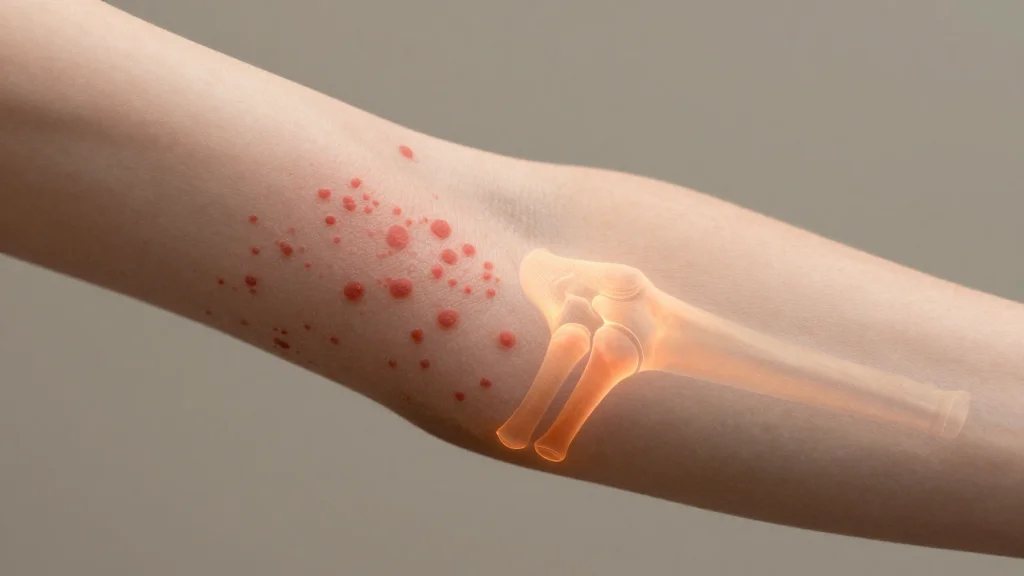
How Psoriasis Affects Joints
Researchers at FAU uncovered that skin‑derived myeloid precursor cells enter the bloodstream and migrate to joints, where they encounter resident fibroblasts that lose their protective role, triggering psoriatic arthritis. The study, published in Nature Immunology, explains why 20‑30% of psoriasis...

From Science to Scale: Building Biotech Companies via Milestone Leadership
Leadership quality now rivals scientific innovation as a key driver of venture‑capital success in biotech. A new "milestone leadership" framework proposes using dynamic scorecards to match executive competencies with each development stage, from pre‑clinical discovery to commercial launch. Companies that...

Tracking Sheep Health Trends in Ethiopian Breeding Villages
A pilot program in Ethiopia’s highland breeding villages is deploying low‑cost wearable sensors and mobile analytics to track sheep health indicators such as temperature, activity, and weight gain. The initiative, backed by the Ministry of Agriculture and a consortium of...

Threonic Acid Boosts Intermittent Fasting for Weight Loss
The request references an article titled "Threonic Acid Boosts Intermittent Fasting for Weight Loss," but the provided text contains only a list of unrelated article titles and publication dates, with no substantive content about Threonic Acid or its effects. Without...

Impact of Exercise on Youth with Arthritis
A new study confirms that structured exercise programs significantly improve joint function and reduce pain for youths diagnosed with arthritis. Researchers observed that low‑impact aerobic activity combined with targeted strength training lowered inflammation markers by up to 30 percent over...

Collaborative Carting: Advances in Human-Robot Biomechanics
The latest research on collaborative carting demonstrates how tightly coupled human‑robot systems can share material handling tasks while preserving operator comfort. By embedding force‑feedback sensors and biomechanical models into autonomous carts, the platform dynamically adjusts assistance to match a worker’s...

How Concomitant Medications Affect Cancer Immunotherapy Outcomes
Recent analyses reveal that common concomitant drugs—especially antibiotics, steroids, and proton‑pump inhibitors—significantly blunt the efficacy of cancer checkpoint inhibitors. Clinical cohorts show up to a 30% drop in response rates when patients receive broad‑spectrum antibiotics before immunotherapy. Steroid exposure prior...

Whole-Genome Sequencing Unveils Insights Into 9p Syndromes
A recent whole‑genome sequencing study has mapped the genetic landscape of 9p deletion and duplication syndromes, uncovering more than 30 previously unreported variants. The analysis boosted diagnostic yield by roughly 25% compared with conventional karyotyping. Researchers linked the novel variants...

Nanoparticle-Mediated Targeting Chimeras Transform Targeted Protein Degradation
Recent studies demonstrate that ligand‑installed nanoparticles can act as targeting chimeras, directing both membrane‑bound and intracellular proteins to degradation pathways. Liu et al. (2025) showed broad membrane protein degradation across diverse nanoparticle platforms, while Huang et al. (2024) revealed that positively charged...

Syngene Extends Major Research Collaboration with BMS
Syngene International has extended its strategic research partnership with Bristol Myers Squibb through 2035, adding a decade of collaborative planning for drug discovery, development, and manufacturing. The deal reinforces an integrated service model that spans chemistry, biology, DMPK and clinical...

Adapting to Climate Change: Insights for Ghana’s Smallholder Farmers
Ghana’s smallholder farmers face accelerating climate risks, including erratic rainfall and rising temperatures that threaten staple crop yields. Recent field trials show drought‑tolerant rice and maize varieties delivering up to 15% higher productivity under stress. Farmers are adopting solar‑powered irrigation...

Golden Gate Method Enables Fully-Synthetic Engineering of Therapeutically Relevant Bacteriophages
Researchers at New England Biolabs and Yale have unveiled the first fully synthetic engineering platform for therapeutic bacteriophages targeting *Pseudomonas aeruginosa*. Using NEB’s High‑Complexity Golden Gate Assembly, they assembled a phage genome from 28 synthetic fragments and introduced point mutations,...

Double-Dose Firmonertinib Boosts EGFR L858R Lung Cancer Treatment
A phase‑II trial showed that a double‑dose regimen of firmonertinib markedly improves outcomes for patients with EGFR L858R‑mutated non‑small cell lung cancer. The higher dose increased progression‑free survival by roughly 30% and boosted overall response rates without a proportional rise...

Kidney Issues in Tanzanian Pediatric Cancer Patients
A recent study of Tanzanian pediatric oncology centers reveals a high incidence of kidney complications among children receiving chemotherapy. Approximately 35% of patients developed measurable nephrotoxicity, with acute kidney injury accounting for half of these cases. Limited access to renal...

Reprogramming the Cancer Messenger: A New Era of Tumor Extracellular Vesicle Engineering
Researchers at National Taiwan University unveiled the EV Bimodal Functional Regulator (eBFR) platform, which separates and edits tumor‑derived extracellular vesicles (EVs) to remove oncogenic cargo while preserving surface features. The system integrates CLEAR, SWITCHER, and eSimoa modules to map and...

New EPIVINF Study Highlights a Promising Model for Long COVID Research
Researchers from IRTA and IrsiCaixa identified the golden Syrian hamster as a viable model for studying long COVID, monitoring the animals for 60 days post‑infection. The study documented persistent viral RNA, ongoing immune dysregulation, and behavioral alterations that echo human...

Piercing Pathogens: A New Anti-Biofilm Strategy
Researchers are developing mechano‑bactericidal surfaces that kill microbes by physically puncturing cells, a strategy inspired by nanopillars on cicada wings. These nanostructured materials, ranging from metal pillars to graphene spikes and metal‑organic framework (MOF) nanospikes, have demonstrated rapid bacterial death...
Sharp Expands European Injectable Packaging Capacity With €20 Million Investment
Sharp announced a €20 million expansion of its European injectable packaging sites in Belgium and the Netherlands. The Dutch plant will launch two Grade D GMP packaging suites by 2026, while the Belgian location will quadruple cold‑chain storage, double ambient space, and...

Remote Assessment of Infant Motor Skills: New Insights
A new remote assessment platform leverages AI video analysis and wearable sensors to evaluate infant motor development without clinic visits. Clinical trials report over 90% sensitivity in detecting motor delays compared with traditional examinations. The system delivers real-time feedback to...

JPM26: Galapagos' New CEO Is Here to Finally Turn The Ship Around
Galapagos appointed Henry Gosebruch as CEO, inheriting a €3 billion cash war chest and a mandate to reset the biotech’s direction after a series of clinical setbacks and a failed cell‑therapy push. Gosebruch has halted the cell‑therapy program and is reassessing...

Bonus Episode: Q3 2025 Job Market Update
BioSpace released a bonus podcast episode featuring Vice President of Marketing Chantal Dresner and Careers Editor Angela Gabriel, reviewing Q4 2025 job‑market performance in the life‑sciences sector. The hosts highlighted a modest hiring uptick, rising salaries, and stronger diversity hiring,...

Brillio Leads in HFS Horizons: Life Sciences Service Providers 2025 Report
Brillio was named a Leader in the HFS Horizons: Life Sciences Service Providers 2025 report, highlighting its AI‑driven innovation across the industry. The firm’s ADAM platform and Personal Health Concierge underpin solutions that advance the Quadruple Aim of better health...

Sun Pharma Says Talk of $10bn Organon Bid Is 'Speculative'
Sun Pharmaceutical Industries denied rumors of a $10 billion bid for women's‑health specialist Organon, calling the Economic Times report speculative and stating no material event has occurred. The proposed price would make the deal Sun's largest acquisition since the 2015 Ranbaxy...

Sugarcane Hits the Sweet Spot for Sustainable Carbon
Researchers at the ARC Research Hub argue sugarcane is the most viable feedstock for sustainable aviation fuel, citing its existing large‑scale production and high biomass yield. They contrast it with algae and canola, which face economic or land‑use constraints. The...

EU Starts Review of First-Line Enhertu for Breast Cancer
The European Medicines Agency has opened its review of Daiichi Sankyo and AstraZeneca’s Enhertu (trastuzumab deruxtecan) combined with pertuzumab as a first‑line treatment for HER2‑positive metastatic breast cancer. The DESTINY‑Breast09 trial demonstrated a 44% reduction in disease recurrence or death versus...

AbbVie, Genmab’s Bispecific Misses Key Overall Survival Endpoint in Phase III Lymphoma Study
AbbVie and Genmab reported that their bispecific antibody Epkinly failed to achieve a statistically significant overall survival benefit in the Phase III EPCORE DLBCL‑1 trial, showing only a 4% OS gain versus standard chemotherapy. The study, which enrolled 483 relapsed/refractory DLBCL patients...
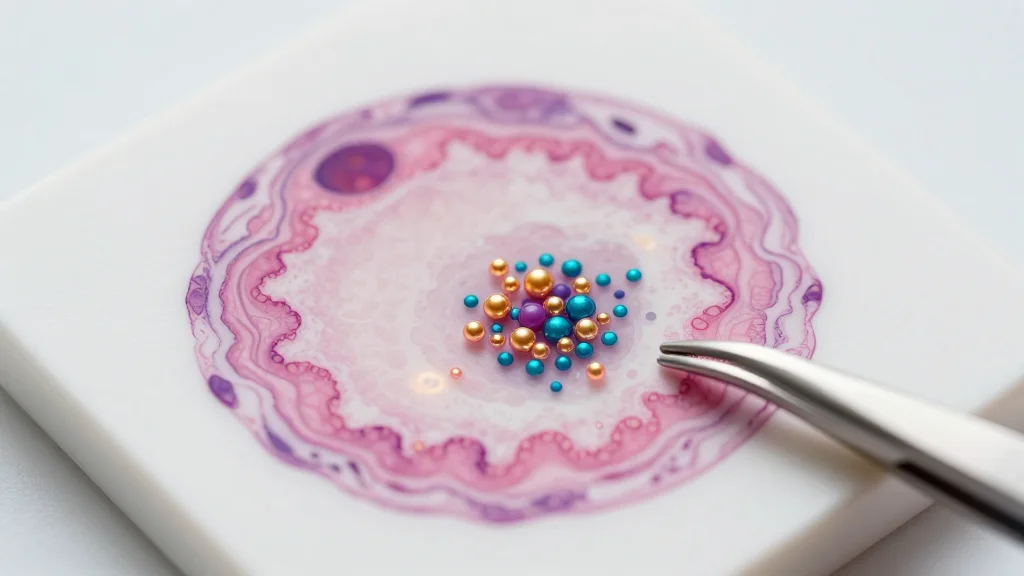
A New Nanorobot Designed to Improve Immune Cell Recognition Could Help Treat Colorectal Cancer
Researchers at Xinqiao Hospital and the CAS Center have created a peptide‑based nanorobot that binds PD‑L1 on colorectal‑cancer cells, blocks the PD‑1/PD‑L1 checkpoint, and self‑assembles into fibrils in the acidic tumor microenvironment. The fibrils perforate cancer‑cell membranes, releasing damage‑associated molecular...

New Hybrid Nanocomposite Films for Optical Diagnostics and Optical Temperature Sensing: Synergy Among Α‐Synuclein, Gold and Upconverting Nanoparticles
Researchers engineered a quasi‑monolayer hybrid film by using the intrinsically disordered protein α‑synuclein as a molecular linker between gold nanoparticles and Yb³⁺, Er³⁺‑doped CaF₂ upconverting nanoparticles. The resulting 2D nanocomposite exhibits strong upconversion emission under 980 nm excitation and functions as...

Correction to “Janus Magnetic‐Plasmonic Nanoparticles for Magnetically Guided and Thermally Activated Cancer Therapy”
Small, EarlyView.

Cellulose Formate‐Based Surgical Sutures With Tunable Absorbability and Enhanced Biocompatibility
Researchers have developed a cellulose formate‑based surgical suture that combines collagen and a poly(vinyl alcohol) surface coating to deliver mechanical strength comparable to commercial collagen sutures. By tuning the polymerization and substitution degree of the cellulose formate, the suture’s absorbability...

A Multifunctional Bioactive Nanoscale Coating Deposited by Atmospheric Pressure Plasma Polymerization of Peppermint Essential Oil
Researchers have developed a substrate‑independent nanoscale coating by atmospheric pressure plasma polymerisation of peppermint essential oil. The plasma‑derived film retains antioxidant, antibacterial and immunomodulatory functional groups, delivering up to 90% reactive species scavenging and significant cytokine modulation. In vitro tests...

Light‐Guided Molecular Patterning for High‐Throughput Single‐Molecule Mechanical Characterization
Researchers have introduced a light‑guided molecular patterning technique that arranges oligonucleotides on surfaces using UV patterns projected through a digital micromirror device. The method eliminates the need for specialized lithography tools, offering a cost‑effective, scalable way to create precise single‑molecule...
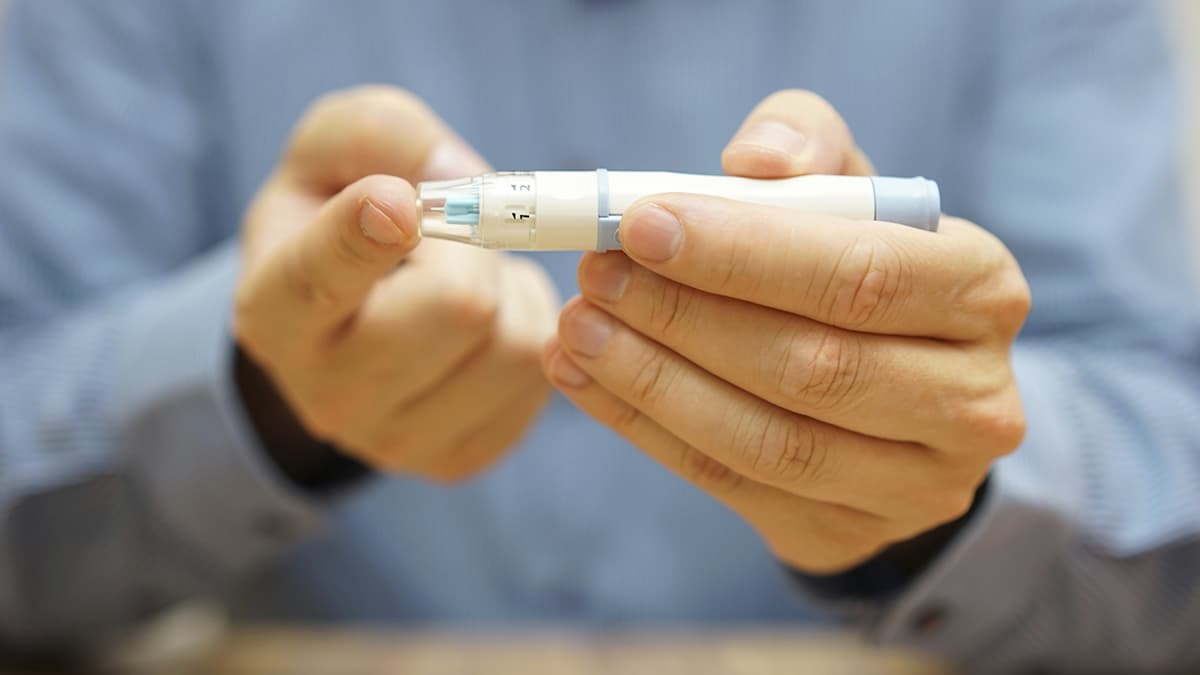
Could Alzheimer's Be Predicted with a Finger-Prick Test?
An international trial, Bio‑Hermes‑002, is testing a finger‑prick blood test to predict Alzheimer’s risk in people over 60. The study measures three biomarkers—pTau217, GFAP, and NfL—and compares results with PET/MRI scans, lumbar punctures and digital assessments. With 1,000 volunteers across...

Nano‐Functionalized Biopolymer Films with Green‐Synthesized CuO/Attapulgite for Light‐Promoted Antibacterial Therapy and Wound Healing
Researchers used olive leaf extract to green‑synthesize copper‑oxide nanoparticles anchored on attapulgite clay, creating a visible‑light‑responsive nanocomposite. The CuO/attapulgite particles were embedded in κ‑carrageenan/carboxymethyl chitosan films, yielding dressings with a water contact angle of 56.7°, high moisture retention, and robust...