
Atrium Therapeutics Inc (RNA) Q1 2026 Earnings Call Transcript
Sarepta Therapeutics reported Q1 2026 revenue of $731 million, a modest 2% decline, while posting GAAP operating profit of $358 million and ending the quarter with $748 million in cash. The company reiterated full‑year revenue guidance of $1.2‑$1.4 billion and highlighted non‑cash collaboration income from Roche as a key contributor. Early Phase 1/2 data for its siRNA programs targeting FSHD (SRP‑1001) and DM1 (SRP‑1003) demonstrated strong muscle delivery and gene knockdown, and the firm submitted sNDAs to convert AMONDYS 45 and VYONDYS 53 to traditional approval. Alevitus commercial rollout continues, supported by a doubled sales force and a six‑month enrollment‑to‑infusion timeline.

Navigating the Clinical Progress of Antibody-Drug Conjugates: Emerging Opportunities and Remaining Challenges
Antibody‑drug conjugates (ADCs) have become one of the fastest‑growing anticancer modalities, reaching 19 FDA‑approved products worldwide by the third quarter of 2025. The portfolio has expanded from hematologic indications to a broad array of solid tumors, driven by successful HER2‑targeted...

Sangamo Therapeutics Inc (SGMO) Q1 2026 Earnings Call Transcript
Sangamo Therapeutics announced that the FDA reaffirmed the use of eGFR slope as an endpoint for an accelerated Biologics License Application for its Fabry gene therapy ST-920, positioning a filing as early as Q1 2026. The STAR study showed a mean...
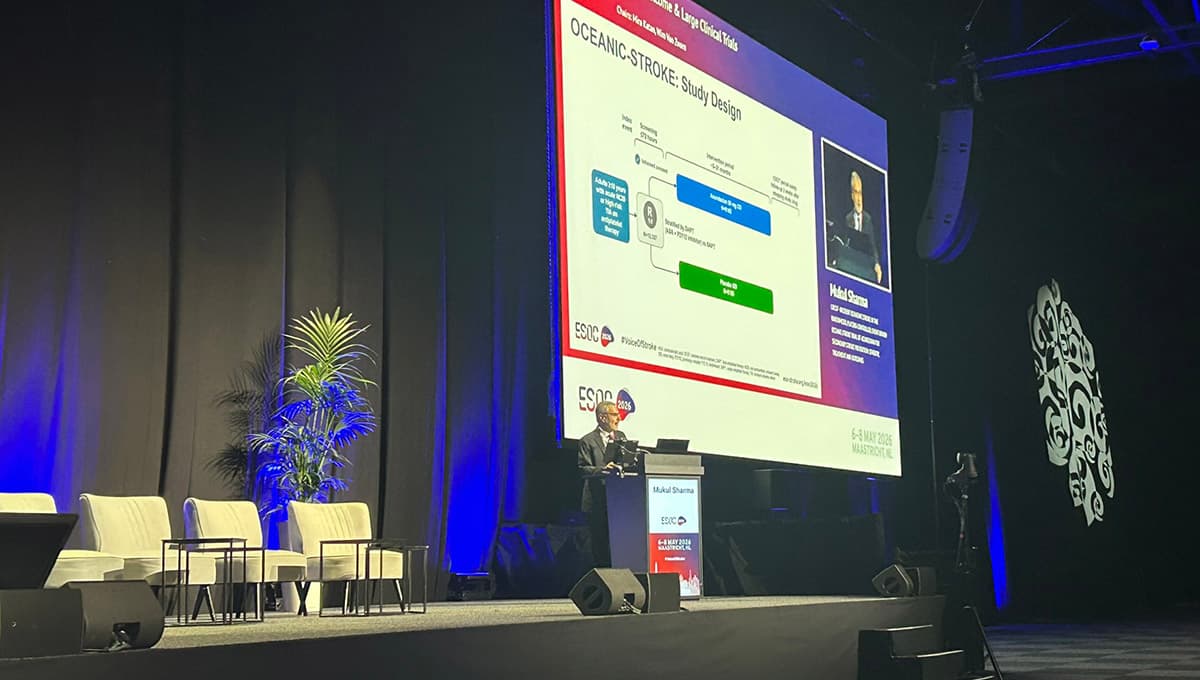
Recurrent Strokes Less Severe on Asundexian: OCEANIC-STROKE
The OCEANIC‑STROKE trial of 12,327 patients showed that the factor XIa inhibitor asundexian reduced recurrent ischemic strokes by 26% versus placebo in secondary prevention. Additional analyses revealed that strokes occurring on asundexian were less severe, with fewer NIHSS scores ≥8 and...

New Drug Candidate that Reprograms the Immune System Shows Promise as a Brain Cancer Treatment
McMaster University researchers have engineered a uPAR‑targeted CAR‑T cell that reprograms the immune system to attack glioblastoma. In preclinical mouse studies, a single infusion of 1 × 10⁶ engineered T cells eradicated established brain tumors and prevented recurrence, outperforming unmodified T cells....

Drug Trials Snapshots: Forzinity
Stealth Biotherapeutics’ mitochondrial cardiolipin binder FORZINITY was granted FDA accelerated approval on September 19 2025 for treating muscle weakness in Barth syndrome patients weighing at least 30 kg. The pivotal SPIRA‑201 study enrolled 12 male patients in a randomized, double‑blind, placebo‑controlled crossover followed...
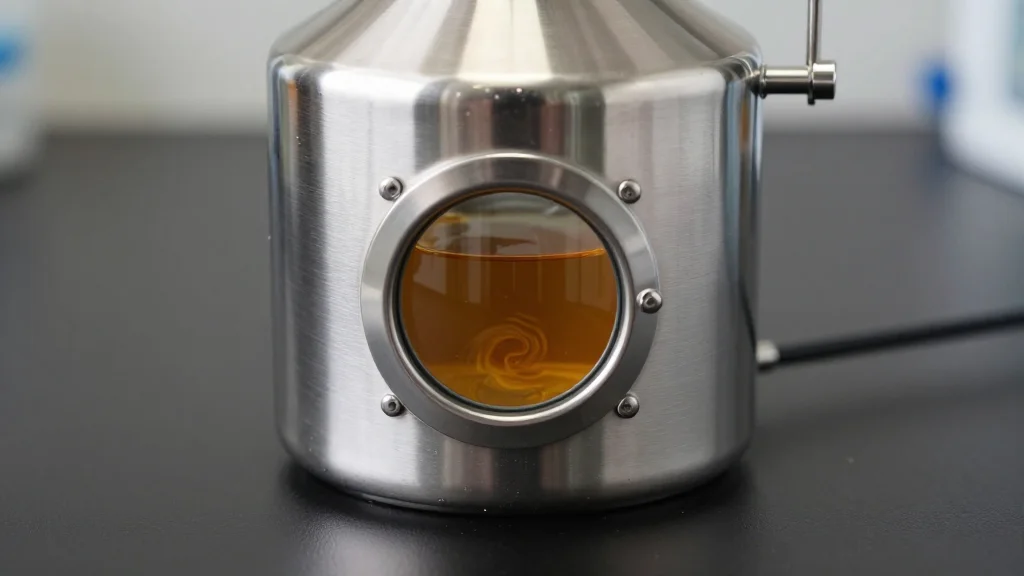
How Biologic Developers Are Using Optimized Platforms and Operations to Reach First-in-Human Trials
Catalent’s Emily Schirmer explains that early chemistry, manufacturing and controls (CMC) decisions and early engagement with a capable CDMO can dramatically shorten the path to first‑in‑human (FIH) trials. By evaluating the full supply chain—drug substance, product, fill‑finish and distribution—developers avoid...

Teaching Your Body To Make Designer Antibodies
A study published in Science demonstrates that a handful of gene‑edited blood‑forming stem cells can turn the body into a self‑sustaining factory for designer antibodies. In mice, as few as 7,000 edited cells produced therapeutic antibody levels that were boosted...
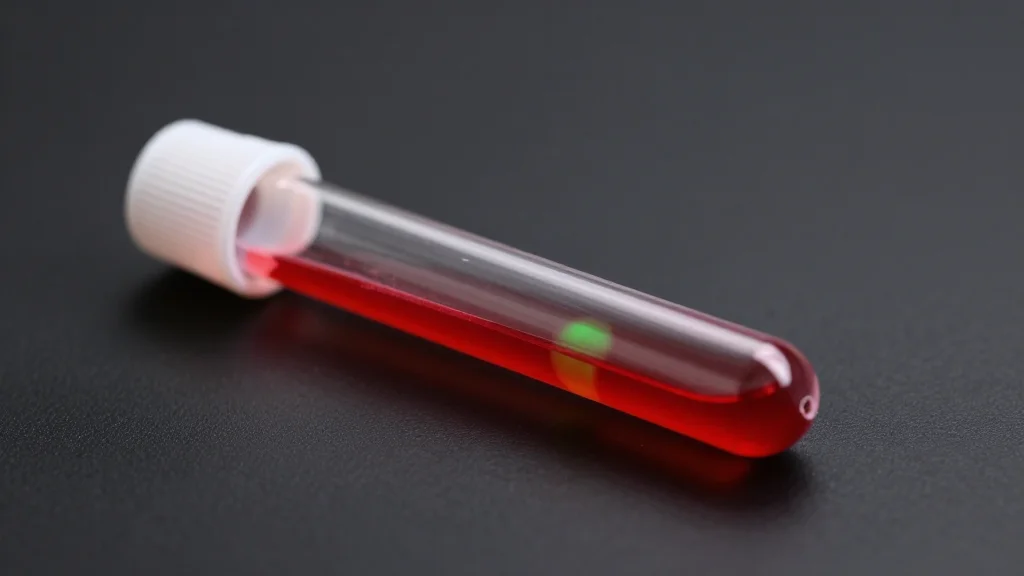
FDA Approves Grifols Malaria Blood Screening Assay
The U.S. Food and Drug Administration has cleared Grifols’ Procleix Plasmodium assay for malaria screening of blood donors. The nucleic‑acid test uses magnetic target capture, transcription‑mediated amplification and chemiluminescence to identify ribosomal RNA from five human‑infecting Plasmodium species. It runs on...

Is Argenx SE (ARGX) Among the Most Promising Biotech Stocks to Buy?
Argenx SE (NASDAQ:ARGX) announced that the FDA has broadened Vyvgart and Vyvgart Hytrulo to treat all serotypes of adult generalized myasthenia gravis, including anti‑AChR, anti‑MuSK, anti‑LRP4 and triple‑seronegative patients. In its Q1 2026 report, the company posted $1.3 billion in global product...
Development of Local Anesthetic Drug Products With Prolonged Duration of Effect
The FDA released a draft Level 2 guidance (Docket FDA‑2023‑D‑0608) on developing local anesthetic products with prolonged duration of effect. The document outlines recommended development pathways, trial designs, and data requirements for future new‑drug applications. It aims to help sponsors generate evidence...

Cellares and ProTgen Automate Manufacturing of Progenitor T-Cell Therapy for Blood Cancer
Cellares, an integrated development and manufacturing organization, has partnered with ProTgen to automate the production and quality control of ProT-096, a personalized progenitor T‑cell therapy for refractory leukemia and other blood cancers. Cellares will deploy its Cell Shuttle and Cell...

Current Clinical Trials of Alzheimer’s Drugs
The 2026 annual report on Alzheimer’s drug development lists 158 therapies across 192 active clinical trials, enrolling 54,728 participants. Over the past decade the number of trials and tested agents grew by roughly 35% and 40%, respectively, with 59 new...

Adopting Creative Chemistry to Optimize Bioprocessing Workflow
Professor Sunny Zhou of Northeastern University argues that creative chemistry can mitigate unique bioprocessing challenges of antibody‑drug conjugates (ADCs). He highlights two major vulnerabilities: light‑sensitive payloads that cause aggregation and linker cleavage by host‑cell enzymes, both of which can compromise...

Lilly Data Point to ‘Maintenance’ Strategies for GLP-1 Weight Loss
Eli Lilly presented new data showing its GLP‑1 therapies can help patients maintain weight loss after injectable treatment. In the Surmount‑Maintain trial, patients who stayed on the highest Zepbound dose lost an additional two pounds over a year, while a reduced...
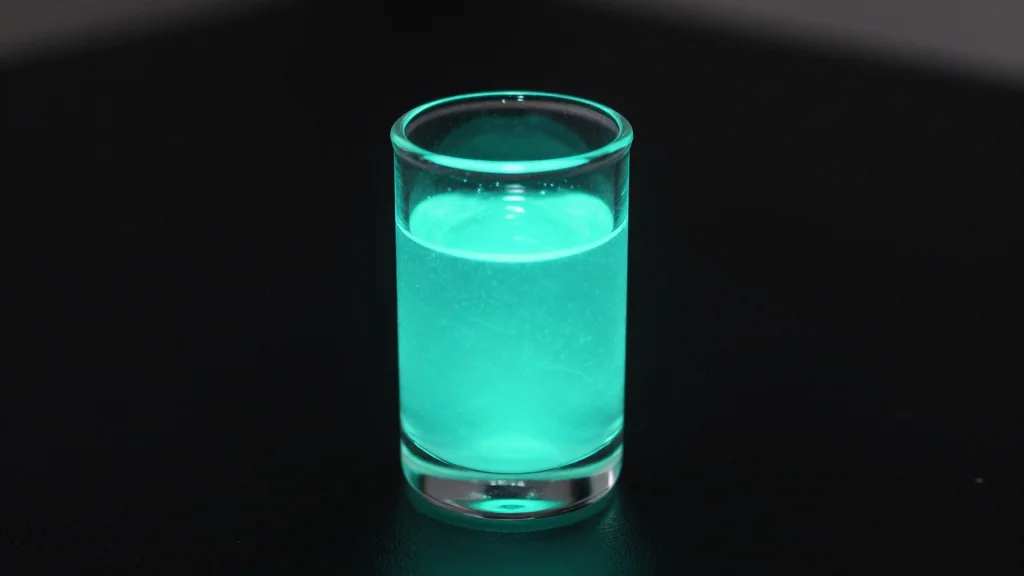
A Marine-Inspired Sunscreen Ingredient Made by E. Coli
Researchers at Jiangnan University engineered Escherichia coli to biosynthesize the marine UV‑protective molecule gadusol, achieving a 93‑fold yield increase to 4.2 g per litre. The bacterially produced gadusol demonstrated strong UV‑blocking and antioxidant properties comparable to vitamin C in early tests. By...

AI Generates First Complete Models of Proteins in Motion
Scientists at EPFL have unveiled LD‑FPG, an AI‑driven generative framework that creates full‑atom, dynamic models of proteins, moving beyond static predictions like AlphaFold. The system leverages graph neural networks and latent diffusion to generate ensembles that capture side‑chain motions and...

Fate Therapeutics Reports First Quarter 2026 Financial Results and Business Updates
Fate Therapeutics reported Q1 2026 results, highlighting a cash balance of $174.8 million that funds operations into 2028. The company announced the upcoming start of the Phase 2 RECLAIM‑LN trial of its off‑the‑shelf CAR‑T product FT819 in lupus nephritis, targeting about 53 patients...
Molecular Grappling Hooks Improve Cancer Drug Targeting and Effectiveness
Scientists have engineered restricted interaction peptides (RIPs) that act as molecular grappling hooks, anchoring anticancer drugs to tumor cell membranes after activation by fibroblast activation protein. In mouse models, a RIP‑linked monomethyl auristatin E payload shrank tumors more effectively and with...

World’s First Human Cervix Chips Among Lush Prize 2026 Winners
The Lush Prize 2026 awarded funding to breakthrough animal‑free organ‑on‑chip technologies. Dr. Zohreh Izadifar of Harvard’s Wyss Institute received roughly $64,000 to develop a human cervix chip that uses electrical sensors to monitor vaginal and cervical cell responses without animal...

Inside the Race to Develop a Test for the Rare Andes Hantavirus
Nebraska’s public‑health laboratory at the University of Nebraska Medical Center has rapidly created a PCR diagnostic test for the rare Andes hantavirus, a strain previously seen only in South America. The test, built in under 48 hours, can detect the...

Novo Nordisk Data Shows Oral Semaglutide Delivers Significant Weight Loss in Phase 3 Trial
Novo Nordisk presented sub‑analyses of the phase 3 OASIS 4 trial at ECO2026, showing that oral semaglutide 25 mg tablets deliver substantial weight loss and functional gains for adults with obesity. Early responders—28.8% of participants—lost at least 10% of body weight by week 16...

A Plan to Make Drugs in Orbit Is Going Commercial
Varda Space Industries has secured United Therapeutics as its first commercial partner to test drug manufacturing in orbit. The collaboration will send United's pulmonary‑arterial hypertension medicines to microgravity to grow novel crystal forms that could improve stability and efficacy. Varda...
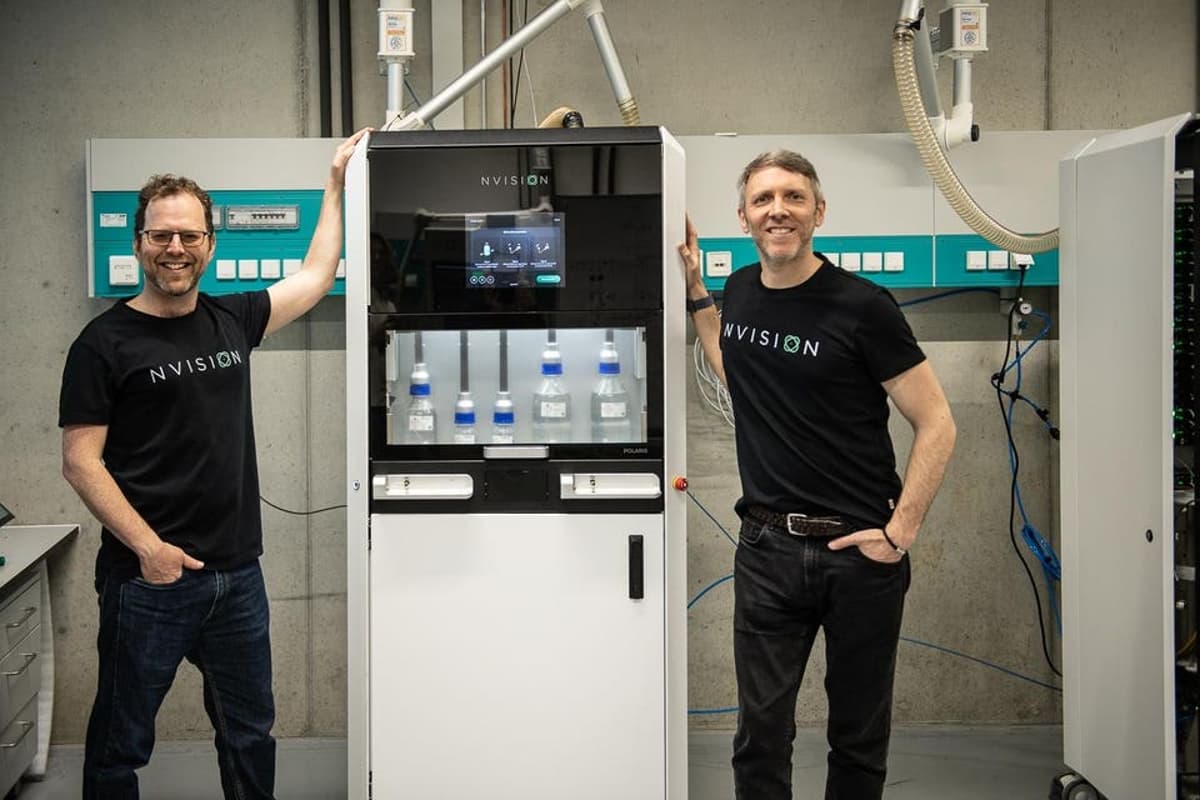
This $250 Million Startup Tracks How Cancer Reacts To Treatment In Real Time
NVision Quantum Technologies announced a $55 million financing round, including $38 million led by diagnostics giant Abbott, to commercialize its metabolic MRI platform that amplifies sugar signals 10,000‑fold for real‑time tumor monitoring. The German‑based startup, valued at over $250 million, plans to roll...
Bond Pet Foods Gets US FDA Nod for Yeast-Brewed Lamb Protein Created with Hill’s Pet Nutrition
Bond Pet Foods and Hill’s Pet Nutrition have secured a Letter of No Objection from the U.S. FDA’s Center for Veterinary Medicine, clearing the way to sell a yeast‑brewed lamb protein in dog food. The ingredient, produced via precision fermentation,...

Boy’s Brain Tumor Tied to Gene Therapy
A 13‑month‑old boy with Hurler syndrome received an in‑vivo AAV‑IDUA gene therapy that later caused a brain tumor when the viral DNA integrated into his genome. The tumor was safely removed and the child remains cognitively advanced, but the case...
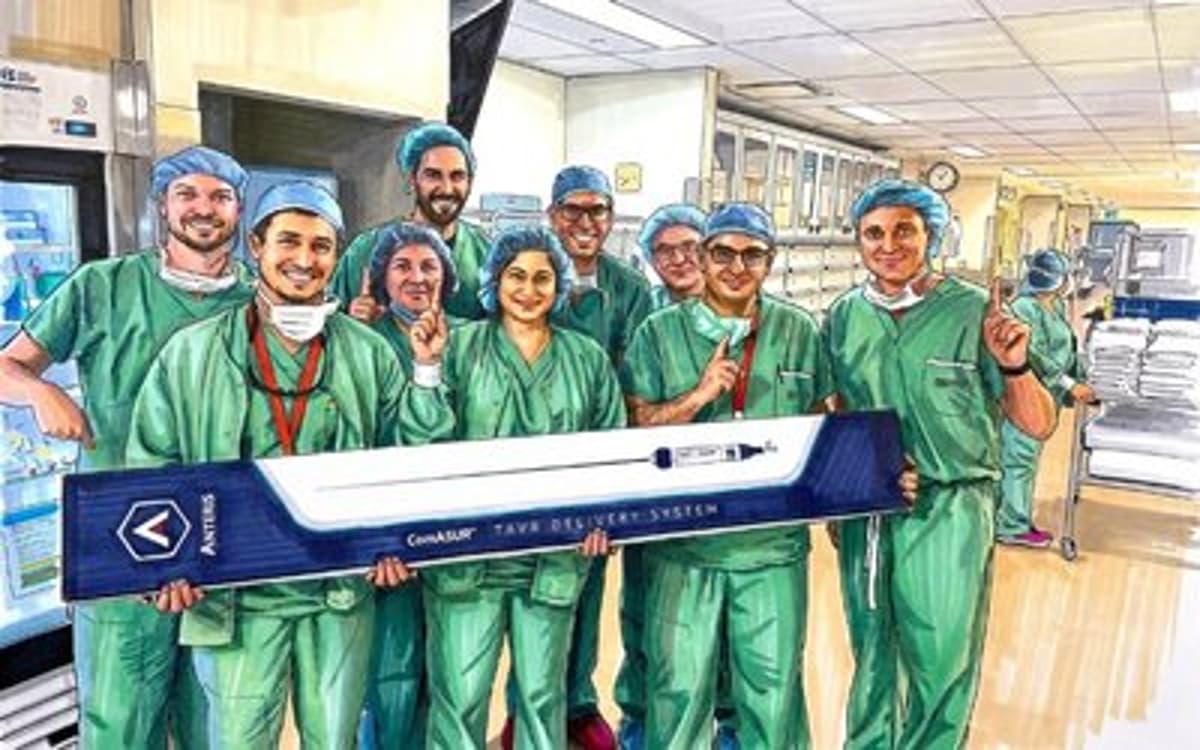
Anteris Technologies Global Starts US PARADIGM Trial Enrolment
Anteris Technologies Global announced the start of U.S. patient enrollment in its pivotal PARADIGM trial for the DurAVR transcatheter heart valve. The company raised $320 million in January, including a $230 million public offering and a $90 million private placement with Medtronic, boosting...

AI-Powered Handheld Microscope May Improve Early Cancer Detection
Researchers at Rice University and MD Anderson have created PrecisionView, a pen‑sized handheld endomicroscope that combines AI‑designed optics with deep‑learning reconstruction. The device delivers cellular‑level resolution across a field of view five times larger and a depth of field eight...

Implantable Cytokine Factories Show Promise Against Advanced Ovarian Cancer
Researchers at Rice University and MD Anderson reported first‑in‑human results for AVB‑001, an implantable cell capsule that continuously secretes interleukin‑2 within the peritoneal cavity of patients with high‑grade serous ovarian cancer. In a Phase I dose‑escalation study of 14 platinum‑resistant...

Talphera Inc (TLPH) Q1 2026 Earnings Call Transcript
Talphera reported a $21.1 million cash balance and closed a $4.1 million financing tranche, with two additional conditional tranches of $16 million tied to study milestones. The nephro CRRT trial has surpassed the 50% enrollment target and is on track for full enrollment...
Allogene Therapeutics Inc (ALLO) Q1 2026 Earnings Call Transcript
Allogene Therapeutics reported interim data from its pivotal ALPHA-3 trial, showing SemiCell achieved a 58.3% MRD clearance rate versus 16.7% in the observation arm—a 41.6% absolute improvement—alongside a near‑98% median ctDNA reduction. The safety profile was clean, with no cases...
Beyondspring Inc (BYSI) Q1 2026 Earnings Call Transcript
BeyondSpring Inc. reported that its lead asset plinabulin received FDA priority review with a PDUFA decision deadline of November 30, 2021. The company completed enrollment of 559 patients in the global Phase 3 DUBLIN‑3 trial for second‑line non‑small cell lung cancer...

Humacyte Inc (HUMA) Q1 2026 Earnings Call Transcript
Humacyte reported a sharp rise in Symvess product revenue to $703,000 in Q1 2026, driven by expanding hospital approvals and its first sale to U.S. military facilities after ECAT listing. The company secured 25 Value Analysis Committee approvals covering 92...

PolyPid Ltd (PYPD) Q1 2026 Earnings Call Transcript
PolyPid announced that its D‑PLEX100 product achieved primary and all key secondary endpoints in the SHIELD II Phase III trial, confirming a meaningful reduction in surgical site infections. The FDA provided written feedback endorsing a rolling new drug application, with...

Omeros Corp (OMER) Q1 2026 Earnings Call Transcript
Omeros Corp reported Q1 2020 results, highlighting progress on its lead antibody narsoplimab as it nears completion of a rolling biologics license application (BLA) with breakthrough therapy designation and anticipated priority review. The company also detailed its Omidria cataract‑surgery product,...
Weight Loss Maintained Seven Times More Effectively with Continued Maximum Dose of Tirzepatide, Study Finds
A Phase 3b trial presented at ECO 2026 showed that continuing tirzepatide at the maximum tolerated dose (10 mg or 15 mg) after an initial 60‑week weight‑loss phase preserved a 21.9% reduction from baseline after a further 52 weeks, compared with only 9.9% in the...

Lilly Points to Low-Dose Zepbound and Foundayo as Weight Loss Maintenance Options
Eli Lilly’s phase‑III trial indicates that a reduced dose of its obesity injectable Zepbound can sustain weight loss while improving safety and lowering costs. The study also highlighted Foundayo, an oral GLP‑1 candidate, as a viable maintenance therapy for patients preferring...

Personalized DNA Vaccine Doubles Glioblastoma Survival Rates
A phase‑1 trial of Geneos Therapeutics' personalized DNA vaccine GNOS‑PV01 showed it was safe and generated robust immune responses in newly diagnosed glioblastoma patients. The vaccine, which encodes up to 40 patient‑specific neoantigens, more than doubled 12‑month overall survival to...

Slowing Parkinson’s by Blocking a Key Protein
Researchers at the University of Pennsylvania have pinpointed glycoprotein nonmetastatic melanoma B (GPNMB) as a key driver of alpha‑synuclein spread in Parkinson’s disease. In pre‑clinical models, monoclonal antibodies that block GPNMB halted the neuron‑to‑neuron transmission of toxic protein clumps. Analysis...

GLP-1 Drugs Dramatically Reduce “Food Noise” In Weight Loss
Researchers presented data at the European Congress on Obesity showing that adding GLP‑1 receptor agonist drugs to a digital behavioral weight‑management program dramatically lowers "food noise," the intrusive thoughts about food that hinder healthy choices. In a month‑long trial, participants...

Artera Gets FDA Clearance for AI Breast Cancer Risk Prediction Tool
Artera, a 2023 startup backed by $90 million including Johnson & Johnson’s venture arm, received FDA clearance for its AI‑driven ArteraAI Breast tool. The system analyzes digitized pathology slides and clinical data to predict the likelihood of distant metastases in early‑stage, hormone‑receptor‑positive, HER2‑negative...
Multi-Attribute Methods Advance Analytics for Complex Therapeutic Development
At the 2026 AAPS National Biotechnology Conference, Agilent’s Dr. Ganesh Bala highlighted how multi‑attribute LC‑MS methods are reshaping analytics for complex bioconjugates such as antibody‑drug conjugates. He explained that peptide‑mapping‑based MAMs can simultaneously quantify critical quality attributes—including site‑specific conjugation and...
The Long Non-Coding RNA CidecAS Regulates Hepatocyte Lipid Metabolism via the Alpha-1 Subunit of Na+/K+-ATPase
The study identifies a novel antisense long non‑coding RNA, lnc‑CidecAS, that modulates hepatic lipid metabolism. Overexpression of lnc‑CidecAS in cultured hepatocytes and mouse models lowers extracellular and serum triglycerides, reduces body‑fat accumulation, and ameliorates diet‑induced hepatic steatosis. Mechanistically, lnc‑CidecAS directly...
Effects of Standardized Near Activities on Retinal and Choroidal Structure, Microcirculation, and Visual Outcomes in Children with Anisometropic Amblyopia: Study...
A prospective, single‑center randomized trial will enroll 80 children with hyperopic anisometropic amblyopia to evaluate whether a standardized 15‑minute near‑activity task, added to conventional patching, produces measurable changes in retinal and choroidal structure and microcirculation. Optical coherence tomography and OCT‑angiography...

DeepMind Spinout Isomorphic Labs Raises $2.1bn
Isomorphic Labs, a DeepMind spin‑out focused on AI‑designed drugs, closed a $2.1 billion Series B round led by Thrive Capital. The round also included the UK Sovereign AI fund, Abu Dhabi’s MGX, Alphabet’s GV and Singapore’s Temasek, adding to a $600 million raise...

Alkermes' Narcolepsy Phase 3 Success; Boehringer's Antibody Deal
Alkermes announced that its narcolepsy candidate Lumryz achieved its primary and key secondary endpoints in a pivotal Phase 3 trial, demonstrating statistically significant reductions in cataplexy attacks and excessive daytime sleepiness. The study enrolled 500 patients across North America and Europe...

Medisca and Dsm–Firmenich Partner to Expand Access to Pharmaceutical-Grade Vitamin APIs for U.S. Compounding Market
Medisca has struck a strategic partnership with dsm‑firmenich to bring a portfolio of pharmaceutical‑grade vitamin active pharmaceutical ingredients (APIs) to U.S. compounding pharmacies and 503B outsourcing facilities. The vitamins will be sourced from dsm‑firmenich’s European cGMP manufacturing sites, ensuring compliance...

Harvard Bioscience Q1 2026 Earnings Call Transcript
Harvard Bioscience posted Q1 2026 revenue of $20.8 million, in line with its $20‑$22 million outlook, and lifted adjusted gross margin to 59%, a 300‑basis‑point year‑over‑year gain. The company highlighted strong sales of its new MeshMEA, BTX electroporation, and SOHO telemetry platforms, which...
20/20 BioLabs Exclusively Licenses PSA Velocity Algorithm From the University of South Carolina
20/20 BioLabs announced an exclusive worldwide licensing deal with the University of South Carolina to commercialize a patented PSA velocity algorithm that flags rapidly rising prostate‑specific antigen levels. The tool identifies aggressive prostate tumors before PSA crosses the conventional 4.0 ng/mL...

MMA.INC (NYSE American: MMA) Enters Exclusive 50/50 Revenue Share Peptide Partnership with Precision Peptide (CSE: BPC)
Mixed Martial Arts Group Limited (MMA.INC) announced an exclusive partnership with The Precision Peptide Company, granting MMA.INC a 50/50 share of net revenue from peptide sales sourced through its combat‑sports ecosystem for the first year, then 25% thereafter. The agreement...