
Can Biopeptides Reclaim Weight Loss From GLP‑1 Drugs?
Biotech startup Lembas is developing biopeptide ingredients that trigger satiety pathways, positioning them as a functional‑food complement to GLP‑1 weight‑loss drugs rather than a replacement. The short, bioavailable peptides aim to activate a cascade of gut hormones, delivering six to twelve hours of fullness without extra calories. Lembas has launched clinical trials in the United States and Canada and is courting CPG partners to embed the peptides in bars, drinks, and other everyday foods. The company is seeking funding to scale its solution as the market for GLP‑1‑adjacent nutrition expands.
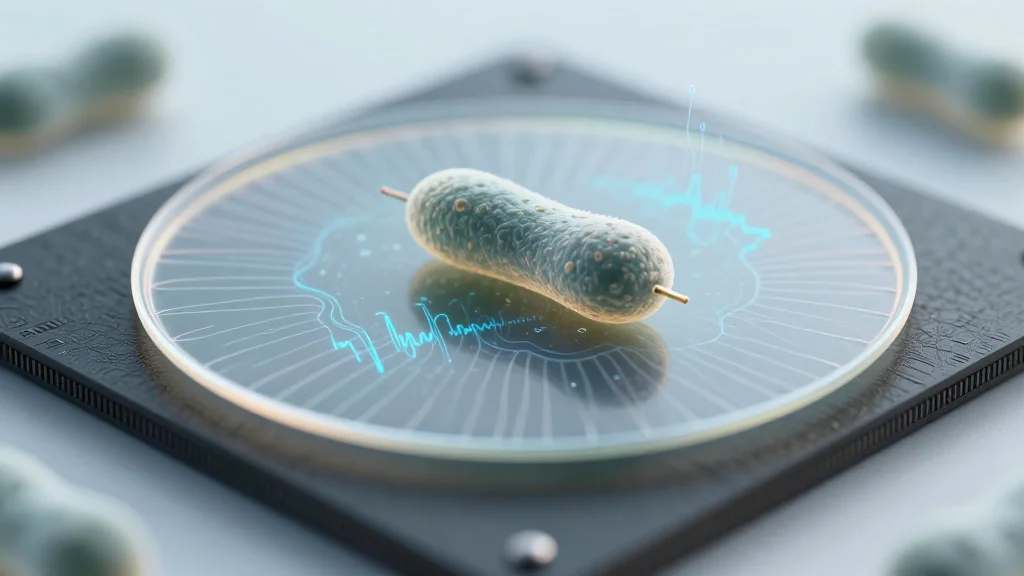
Researchers Develop Graphene Nanodrum and AI Platform for Rapid Single-Cell Bacterial ID and Antibiotic Testing
Researchers at TU Delft, its spin‑off SoundCell, and Reinier Haga MDC have created a graphene‑based nanodrum platform that reads the nanomotion of individual bacteria and feeds the data to AI models for rapid identification and antibiotic susceptibility testing. The label‑free...

Extracellular Vesicles: A Growing Pipeline Still Searching for Validation
Extracellular vesicles (EVs), once hailed as natural delivery vehicles, have generated a sizable pipeline but no approved therapeutics yet. More than 90 clinical studies are evaluating both native MSC‑derived vesicles and engineered platforms for regeneration, gene editing, and vaccines. Companies...
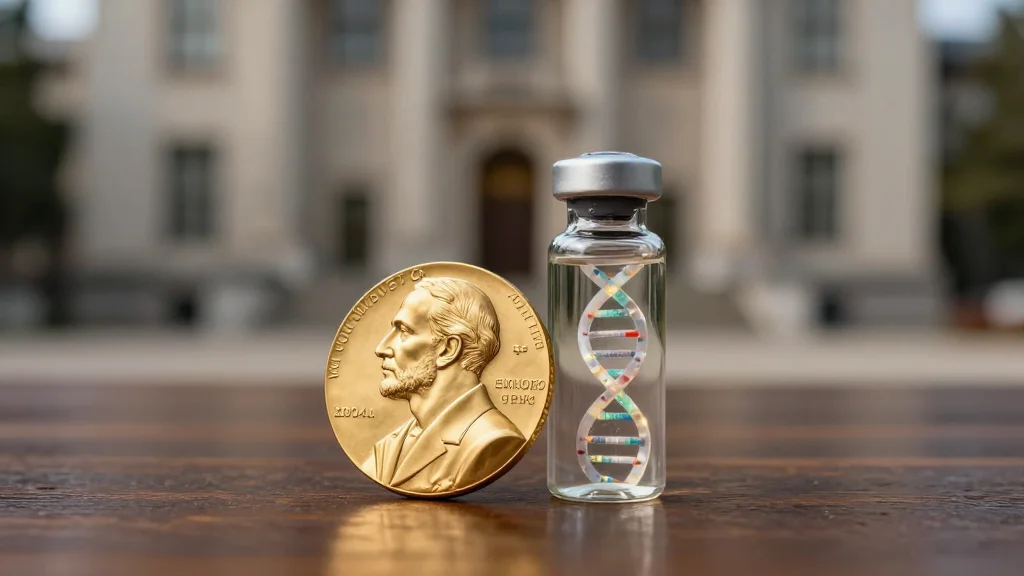
MRNA Pioneer Katalin Karikó to Give Johns Hopkins Commencement Address
Nobel laureate Katalin Karikó will deliver the commencement address at Johns Hopkins on May 21. Karikó, whose mRNA work underpins the Pfizer/BioNTech and Moderna COVID‑19 vaccines, will receive a Doctor of Humane Letters. Her career, marked by early setbacks and decades‑long...

SLAS Announces the Cohort for Innovation AveNEW at SLAS Europe 2026
SLAS announced the twelve startups selected for its Innovation Ave NEW program at the SLAS Europe 2026 conference in Vienna. The cohort, representing companies from seven countries, will showcase new laboratory‑automation and discovery technologies on a dedicated exhibition floor. SLAS will cover...

Insmed Scraps Skin Plans for Lung Disease Drug as Competitors Make Headway
Insmed announced it will drop development of its lung‑disease drug Brinsupri for hidradenitis suppurativa after the Phase 2b CEDAR trial showed no efficacy, with placebo outperforming both tested doses. The study also missed secondary endpoints, prompting the company to cease the...

Asthma Exacerbations Drop with Medium-Dose ICS to Biologic Switch
A recent analysis of 2016‑2023 Optum claims data shows that asthma patients who switched from a medium‑dose inhaled corticosteroid (ICS) directly to a biologic experienced markedly larger reductions in exacerbations and systemic corticosteroid fills than those who escalated to high‑dose ICS....

Nuvalent Reports the US FDA’s NDA Submission for Neladalkib to Treat ALK-Positive NSCLC
Nuvalent has submitted a New Drug Application to the U.S. FDA for neladalkib, an ALK‑selective inhibitor intended for patients with advanced ALK‑positive non‑small cell lung cancer (NSCLC) who have progressed after prior tyrosine‑kinase inhibitor (TKI) therapy. The filing is backed...

Women Have Awaited a Revolution in Menopause. It Hasn’t Arrived.
The menopause market has surged to roughly $17 billion, driven by celebrity awareness and telehealth startups, yet scientific backing lags behind demand. Only about 6 % of private healthcare funding is allocated to women’s health, leaving many treatments unproven and clinical guidance...
Lilly’s Foundayo Nod Launches New Battle With Novo, M&A Mania Continues, Tariffs Hit Pharma
Eli Lilly received FDA approval for its oral obesity drug Foundayo (orforglipron), sparking a direct rivalry with Novo Nordisk’s Wegovy pill, which posted a modest efficacy edge in Phase 3 trials. The drug’s convenience—no water required—could differentiate it in a crowded market. Meanwhile,...
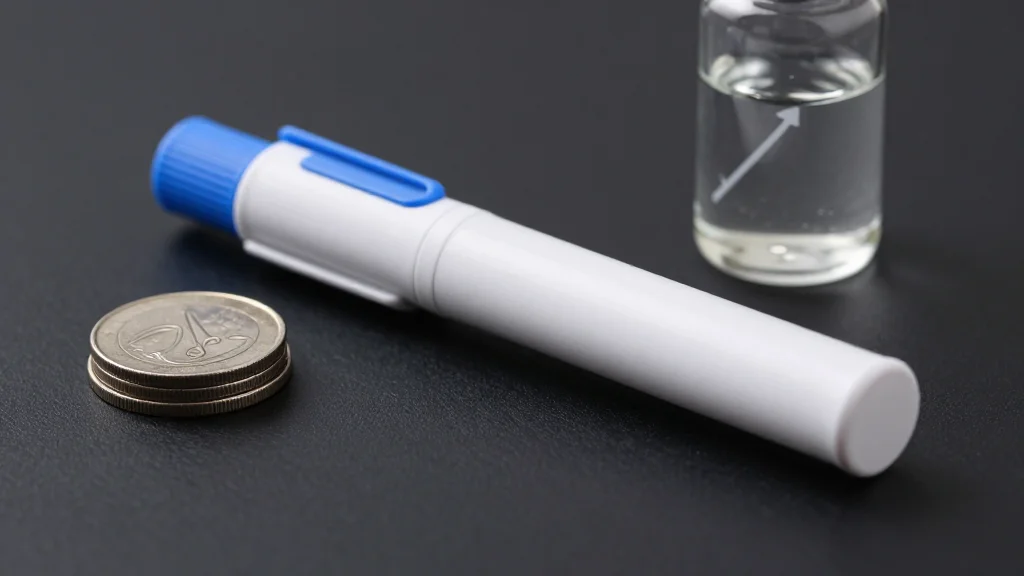
A High Dose of Wegovy Will Cost $50 Less than Zepbound
Novo Nordisk introduced Wegovy HD, a high‑dose GLP‑1 injection priced at $399 per month, $50 less than Eli Lilly’s Zepbound at $449. The new 7.2 mg dose triples the previous 2.4 mg maximum, aiming to boost weight‑loss efficacy. Novo’s shares jumped 2.7% following...

Insmed Shelves Brinsupri in Skin Disease After Mid-Stage Flop
Insmed announced it is discontinuing development of Brinsupri for hidradenitis suppurativa (HS) after a Phase 2b trial failed to meet its primary endpoint. The drug, originally pursued for sinus inflammation, had already been shelved in that indication last year. The...
Nurix Therapeutics Reports First Quarter 2026 Financial Results and Provides a Corporate Update
Nurix Therapeutics reported Q1 2026 results, highlighting ongoing enrollment in the Phase 2 DAYBreak CLL‑201 trial and plans to launch a global Phase 3 DAYBreak CLL‑306 confirmatory study by mid‑year. The company also advanced a new tablet formulation of bexobrutideg to support an...

Jeito Capital Raises Record US$1.2bn to Bankroll European Biopharma’s Next Generation
Jeito Capital closed its second biopharma fund, Jeito II, at a record $1.2 bn (about €1 bn), making it the largest raise for an independent European biotech‑focused PE firm. The fund will back 15‑20 clinical‑stage companies, allocating roughly $162 m per position across obesity,...
RoosterBio and MineBio Team up to Expand MSC Solutions Access in China
RoosterBio has signed an exclusive distribution agreement with MineBio Life Sciences to bring its research‑grade and cGMP‑grade mesenchymal stem cell (MSC) and exosome bioprocessing media to China. MineBio has already secured import clearance, allowing rapid fulfillment of orders for both...

Sequencing Method Exposes Hidden Gaps in Immune Signaling by Tracking RNA and Protein Together
University of Miami researchers unveiled CIPHER‑seq, a single‑cell platform that simultaneously profiles RNA and protein within individual immune cells. The method captures cytokine transcripts and their corresponding proteins, revealing the precise timing of immune activation. Compared with conventional workflows, CIPHER‑seq...

First Patient Dosed in CatalYm’s Phase IIb Visugromab Trial
CatalYm announced the first patient has been dosed in its Phase IIb GDFATHER‑HCC‑01 trial, evaluating visugromab as a second‑line therapy for unresectable or metastatic hepatocellular carcinoma. The blinded, randomized study combines visugromab with the PD‑1 inhibitor nivolumab and the tyrosine‑kinase inhibitor...
Halozyme and Vertex Sign Deal for Hypercon Technology
Halozyme Therapeutics’ Hypercon unit has inked a global exclusive licence with Vertex Pharmaceuticals to apply its Hypercon microparticle platform to up to three drug targets. Vertex will pay Halozyme an upfront $15 million plus potential milestones and royalties on any resulting...

STAT+: A Decade Ago, These Drugs Tore Apart the FDA. Today, They Might Be some Patients’ Best Hope
Exon‑skipping therapies for Duchenne muscular dystrophy, once a source of controversy at the FDA, are now delivering unexpected clinical benefits. A recent trial involving 39 patients, including 5‑year‑old Hawken Miller, showed functional improvements that have surprised leading experts. The drugs,...
Clarity Signs Manufacturing Supply Agreement for Copper-64 With Theragenics
Clarity Pharmaceuticals has signed a large‑scale manufacturing supply agreement with Theragenics to produce copper‑64 (Cu‑64) at Theragenics’ 134,000‑sq‑ft facility near Atlanta. Theragenics can generate about 100 Ci (3.7 TBq) of Cu‑64 per day per cyclotron, enough for roughly 2,000 patient doses. The...

Mint Explainer | Anthropic’s $400-Million Biotech Bet: What It Means for India’s Pharma Industry
Anthropic, the creator of the Claude AI model, has acquired stealth biotech startup Coefficient Bio for $400 million in an all‑stock transaction. Coefficient, founded by former Genentech computational drug discovery scientists, brings expertise in AI‑driven molecule design. The purchase underscores a...

The Push for Artificial Inheritance
A Berkeley Genomics gathering of roughly 100 scientists, investors and futurists highlighted a growing commercial push to edit human embryos using CRISPR technology. Startups such as Bootstrap Bio, Manhattan Genomics and Preventive are courting parents and investors despite U.S. bans...

European VC Jeito Gets $1.2B to Help Private Biotechs Control Their 'Destiny'
Jeito Capital, a Paris‑based venture firm, closed its second fund at $1.2 billion (over €1 billion, roughly $1.08 billion). The capital will be deployed to a dozen or so European drug‑development startups seeking to advance pre‑clinical and early‑stage clinical programs. By providing sizable,...
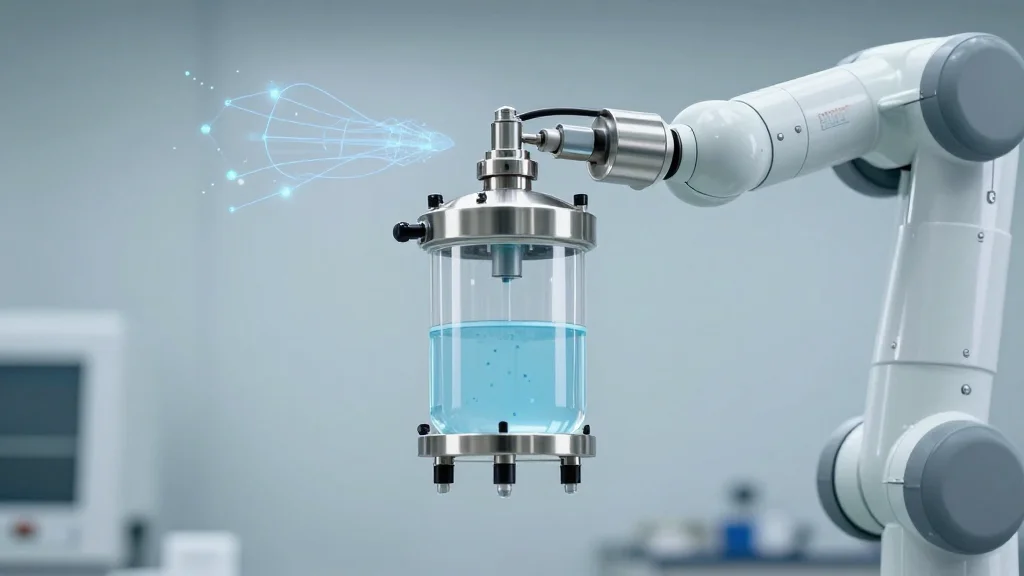
As CGT Manufacturing Scales Up, Automation and Collaboration Become Essential
Cell and gene therapy manufacturing faces a scalability crunch as single batches cost over $500,000 and skilled labor shortages drive high turnover. Companies are turning to robotics, AI, and digital dashboards to automate processes, cut contamination risk, and harness real‑time...

Siemens Healthineers Partnership Seeks to Boost Supply of Novel PET Imaging Agent
Siemens Healthineers has signed a clinical supply agreement with Australian biotech Radiopharm Theranostics to manufacture and distribute the novel PET imaging agent RAD101 in the United States. The fluorine‑18‑labeled small molecule targets suspected recurrent brain cancer that has metastasized and...

Scientists Map the Brain’s Hidden Wiring Using RNA Barcodes in Major Breakthrough
Researchers at the University of Illinois Urbana‑Champaign unveiled Connectome‑seq, a novel technique that tags neurons with unique RNA barcodes to map synaptic connections. The method charted over 1,000 neurons in a mouse pontocerebellar circuit, revealing previously unknown links and achieving...
Author Correction: Oncogene Ablation-Resistant Pancreatic Cancer Cells Depend on Mitochondrial Function
Nature issued an author correction on 8 April 2026 for the 2014 study linking oncogene‑ablation‑resistant pancreatic cancer cells to mitochondrial function. The correction fixes a sample‑labeling error in immunoblots shown in Fig. 4a, changing the identifiers from “No. 1/2” to “No. 3/4”. The authors state...

Engineered Immunosuppressive Dendritic Cells Protect Against Cardiac Remodelling
Researchers engineered fibroblast‑activation‑protein (FAP)‑targeted immunosuppressive dendritic cells (iCDCs) that co‑express CTLA4‑Ig, PD‑L1 and IL‑10. In mouse myocardial infarction, ischemia‑reperfusion and pressure‑overload models, a single iCDC infusion markedly improved ejection fraction, reduced ventricular dilation and fibrosis, and extended survival. The therapy...
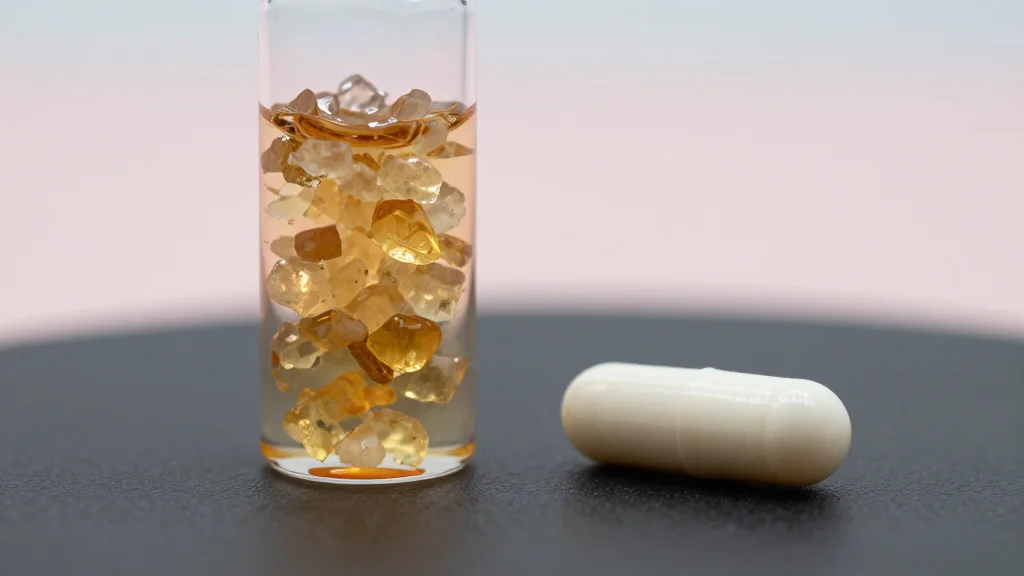
Subjective and Neurocognitive Profiling of Clinical Doses of 3,4-Methylenedioxymethamphetamine (MDMA) in Healthy Volunteers: Implications for Therapeutic Use
A recent clinical study administered therapeutic doses of MDMA (75‑125 mg) to healthy volunteers and measured both subjective experiences and neurocognitive performance. Participants reported marked increases in empathy, mood elevation, and sociability, with peak effects around 90 minutes and a return to...

Adenosine Surges: A Step Forward in Understanding Antidepressant Actions of Ketamine
A recent Nature study reveals that a single sub‑anesthetic dose of (R,S)-ketamine produces rapid, transient surges of extracellular adenosine in the medial prefrontal cortex, independent of NMDA‑receptor blockade. Using genetically encoded adenosine sensors, the researchers showed that these adenosine spikes...
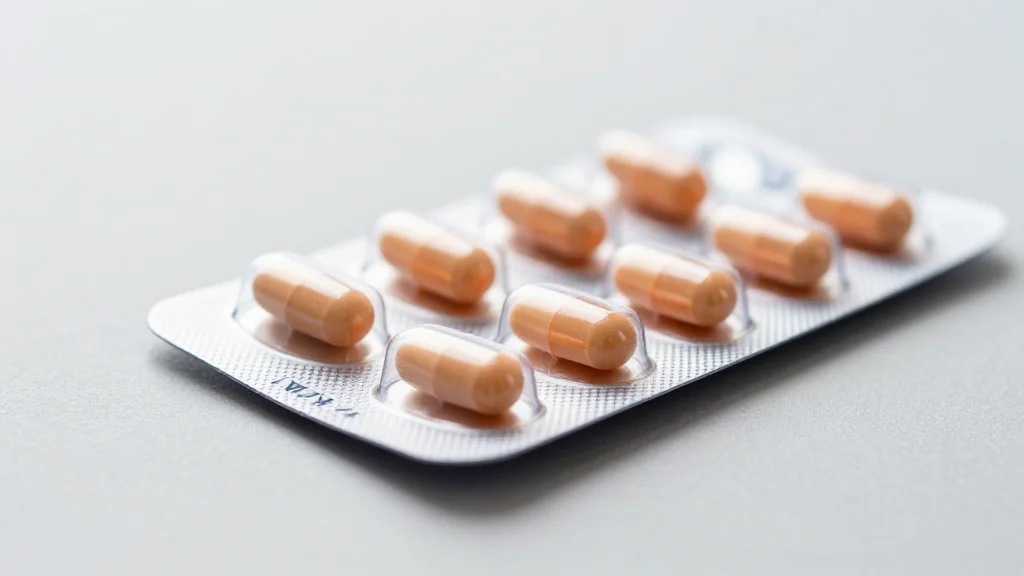
Novo Nordisk's Explosive Wegovy Pill Launch Draws a New Wave of Patients Into GLP-1 Weight Loss Treatment
Novo Nordisk’s oral Wegovy pill launched in January and has already generated over 600,000 prescriptions within three months, attracting tens of thousands of new patients who previously avoided GLP‑1 injections. The drug is priced at $149‑$299 per month, markedly lower...

Molecular 'Leash' Measures Force-Sensing Protein Activation at About 15 Piconewtons
Researchers at the National University of Singapore engineered a DNA‑based molecular leash that pulls directly on the mechanosensitive ion channel Piezo1, allowing forces as low as 15 piconewtons to be applied with nanometer precision. Real‑time calcium fluorescence showed that Piezo1...

Scientists Achieve Major Breakthrough in Safe, Reversible Male Contraception
A multinational research team announced a breakthrough in male contraception: a non‑hormonal, reversible pill that achieved 95% efficacy in Phase‑III trials. The compound, which temporarily blocks sperm maturation, proved safe across a diverse cohort with no reported hormonal side effects....

Long-Term Cardiac Amyloidosis Survival Benefits Seen in Extension Acoramidis Trial
The open‑label extension of the ATTRibute‑CM trial demonstrated that the transthyretin stabilizer acoramidis (Attruby) delivers sustained survival benefits out to 54 months in patients with cardiac amyloidosis. Participants who began acoramidis early and remained on therapy showed markedly lower all‑cause...

Insmed Discontinues Development of Skin Condition Drug After Mid-Stage Study Miss
Insmed announced it will discontinue development of brensocatib, its investigational therapy for hidradenitis suppurativa, after the drug failed to meet the primary efficacy endpoint in a mid‑stage trial. The study aimed to reduce painful nodules in patients with the chronic...
FDA Approves First Generic Dapagliflozin to Reduce HF Hospitalization Risk in Type 2 Diabetes
The FDA has approved the first generic dapagliflozin tablets, expanding access to the SGLT2 inhibitor that lowers heart‑failure hospitalizations in type‑2 diabetes. The generics match the branded product’s safety and efficacy profile, offering a lower‑cost alternative to Farxiga. This approval...

Hints of a Mortality Benefit With TTVR at 2 Years TRISCEND II
The TRISCEND II trial shows transcatheter tricuspid valve replacement (TTVR) remains safe and improves quality of life at two years. A post‑hoc crossover analysis suggests a mortality advantage for patients receiving the Edwards Evoque device versus those who never received TTVR. While...

AlpE Combo: New Tuberculosis Treatment Breakthrough
An international research team has introduced AlpE, a novel combination of Alpibectir and ethionamide, that dramatically shortens tuberculosis therapy and boosts efficacy against drug‑resistant strains. Alpibectir, a new class of mycobacterial enzyme inhibitor, works synergistically with ethionamide to disrupt cell‑wall...

Neurocrine Grows in Endocrinology, Rare Disease with $2.9B Soleno Buyout
Neurocrine Biosciences announced a $2.9 billion cash acquisition of Soleno Therapeutics, adding the FDA‑approved Vykat XR for Prader‑Willi syndrome to its portfolio. The deal also brings together Neurocrine’s existing marketed drugs Ingrezza and Crenessity, which together generated roughly $2.8 billion in 2025 sales....
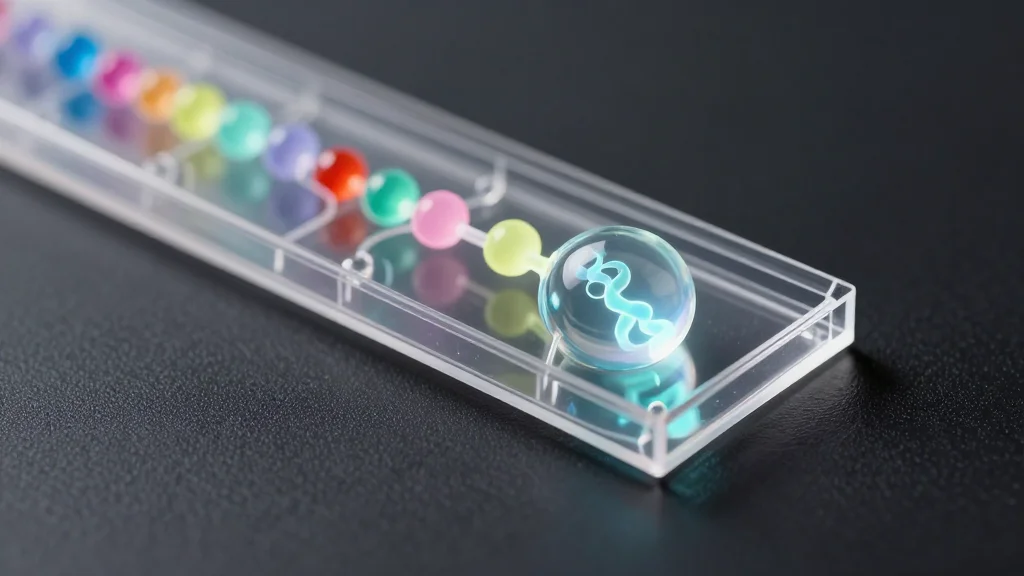
What This AI Epitope Library Means for Vaccines, Immunotherapy and Biosensors
CIC biomaGUNE, together with Multiverse Computing, has launched epiGPTope, an AI‑driven platform that designs and classifies synthetic epitopes at scale. The system can generate a library of hundreds of thousands of protein fragments and predict whether they originate from viruses...
Navigating the Frontiers of Advanced Therapeutics and Operational Excellence
In 2026 the biopharma sector is juggling rapid advances in emerging modalities—viral vectors, multispecific antibodies and nucleic‑acid therapies—with heightened operational discipline. Companies are deploying patient‑derived xenograft models, 3‑D organoids and AI‑enhanced spectral flow cytometry to de‑risk next‑gen immunotherapies. Manufacturing focus...

Did Eli Lilly Just Strike Another Gold Mine?
Eli Lilly announced a $1.5 billion acquisition of a biotech portfolio centered on orexin‑targeting therapeutics. The deal adds late‑stage candidates for insomnia, narcolepsy and metabolic disorders to Lilly’s central‑nervous‑system pipeline. Analysts estimate the combined market for orexin drugs could surpass $10 billion by...
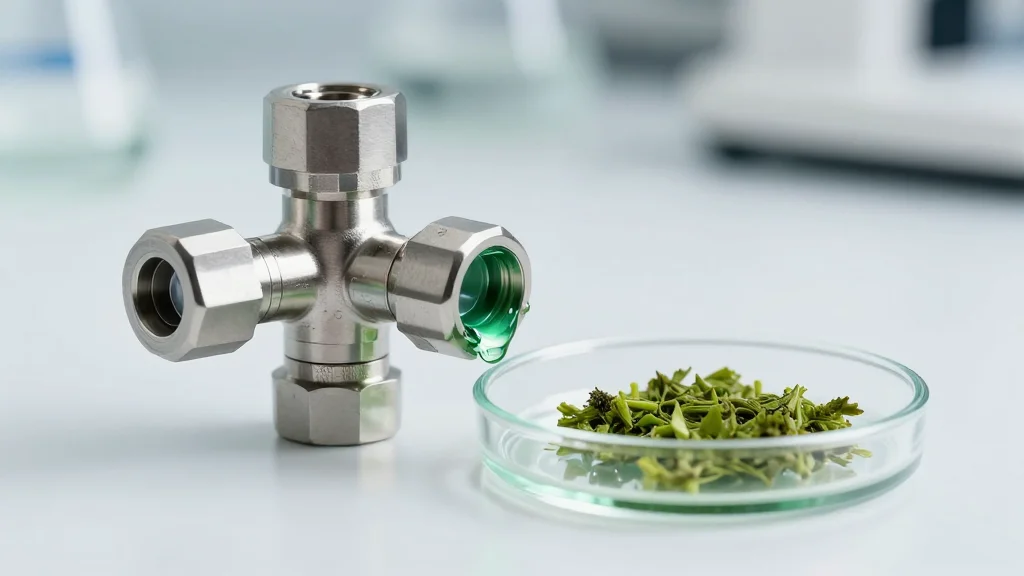
Locus FS Receives 2026 North American Technology Innovation Leadership Recognition
Frost & Sullivan has awarded Locus FS the 2026 North American Technology Innovation Leadership Recognition for its precision fermentation platform. The company’s proprietary microbial designs produce renewable glycolipid biosurfactants that replace petrochemical inputs across agriculture, oil and gas, mining, and industrial...
Stem Cell Therapy for Skin Rejuvenation: Safety, Benefits, and Recovery Time
Stem cell therapy is gaining traction as a non‑surgical skin‑rejuvenation option, leveraging the body’s own regenerative cells to boost collagen and elastin. Clinical reports suggest visible improvements in texture and firmness within two to three weeks, with full benefits emerging...
A Breath Test Reveals Infections Deep Inside Tissues
UCSF researchers have created a breath test that injects ^13C‑labeled sugars into the bloodstream, allowing bacteria deep in tissues to convert them into detectable ^13CO₂. In mouse models of muscle, bone, lung and bloodstream infections, the test identified infection within...
White House Adds AbbVie's Humira to TrumpRx Alongside Cheaper Biosimilars
The White House’s drug‑discount portal TrumpRx now lists AbbVie’s Humira at $950 per month, a steep cut from its typical $5,000‑plus price. The listing appears alongside two lower‑cost biosimilars that target the same inflammatory conditions. TrumpRx aims to provide seniors...

Pol Theta Enzyme Identified as Key Driver of Cancer Resilience
Researchers at Scripps Research discovered that the enzyme Pol θ mediates microhomology‑mediated end joining (MMEJ) directly at collapsed replication forks, overturning the previous belief that break‑induced replication (BIR) was the primary responder. Fork‑MMEJ, initiated by RPA, produces distinctive asymmetric deletions that...

Newly Developed Smart Molecules Offer a Safer and More Precise Approach to Cancer Care
Researchers at NYU Abu Dhabi have created manganese‑based smart molecules that act as both MRI contrast agents and cancer therapeutics. The compounds stay inert in healthy tissue and activate in the acidic micro‑environment of tumors, releasing manganese ions that enhance...
Outcomes of Treatment for Methicillin-Resistant Staphylococcus Aureus Ventilator-Associated Pneumonia
A retrospective study of 125 patients with MRSA‑associated ventilator‑associated pneumonia compared trimethoprim‑sulfamethoxazole (SMX‑TMP) to the standard vancomycin therapy. Mortality was 28% with SMX‑TMP versus 37% with vancomycin, a difference that was not statistically significant. Clinical cure rates at day 5 and...

Combination of Ranibizumab, Dexamethasone Superior to Ranibizumab Alone for Macular Edema
A retrospective real‑world study of 139 eyes with non‑ischemic retinal vein occlusion‑related macular edema found that sequential ranibizumab followed by a dexamethasone implant yielded superior visual outcomes compared with three monthly ranibizumab injections alone. At three months, the combination group...