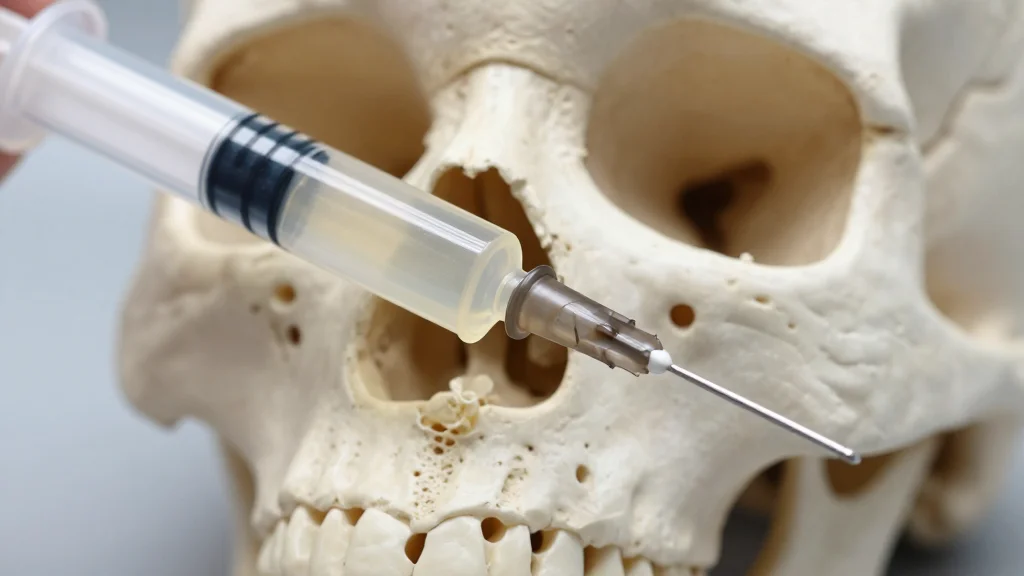
Shape‐Memory Collagen/Silk‐Fibroin Scaffold for Dura Sealing and Skull Base Regeneration
Researchers have engineered an injectable, shape‑memory scaffold combining collagen, silk‑fibroin and α‑tricalcium phosphate for skull‑base reconstruction. The composite features a silk‑fibroin‑rich outer layer that creates a watertight seal against cerebrospinal fluid, while an inner α‑TCP layer encourages bone growth and mechanical stability. Cryogelation‑inspired fabrication gives the material memory to expand after minimally invasive delivery. In vitro and animal studies show strong cell adhesion, osteogenic activity, and stable integration without adverse reactions.

Labguru Customer Portal Launched for CRO/CDMO and Client Collaboration
Cenevo has unveiled the Labguru Customer Portal, a digital hub that extends its ELN and LIMS platforms to external partners. The portal lets CROs and CDMOs centralize visibility across projects, standardize workflows, and manage multiple client programs at scale. Clients...

Leukemia Cells Use a Sugar-Coated Protein to Hide From the Immune System
A study by the Broad Institute and partners discovered that the protein CD43, heavily sialylated, creates a sugar‑coated barrier that shields acute myeloid leukemia (AML) cells from macrophages, T cells and NK cells. Genome‑wide CRISPR screens showed that loss or...

Scientists Are Turning Bread Into Fuel. It Could Revolutionize Manufacturing.
Researchers at the University of Edinburgh have shown that feeding ordinary bread crumbs to unmodified Escherichia coli, together with a biocompatible catalyst, produces hydrogen gas at yields higher than traditional fossil‑fuel hydrogenation. The hybrid chemo‑microbial process demonstrated carbon‑negative life‑cycle emissions,...

Examining Embryo Model Ethics Beyond Box-Checking
A coalition of stem‑cell researchers and ethicists has proposed an embedded ethics framework for human stem‑cell‑based embryo model (hSCBEM) research. The model replaces traditional “box‑checking” approvals with continuous, interdisciplinary dialogue throughout the project lifecycle. It aligns with the latest ISSCR...

British Heart Foundation Receives Largest Donation
The British Heart Foundation received a £6 million (≈$7.7 million) donation from the Garfield Weston Foundation, the charity’s largest single gift ever. The money will bolster the BHF’s Centre of Research Excellence in Advanced Cardiac Therapies, a joint venture with the Medical...
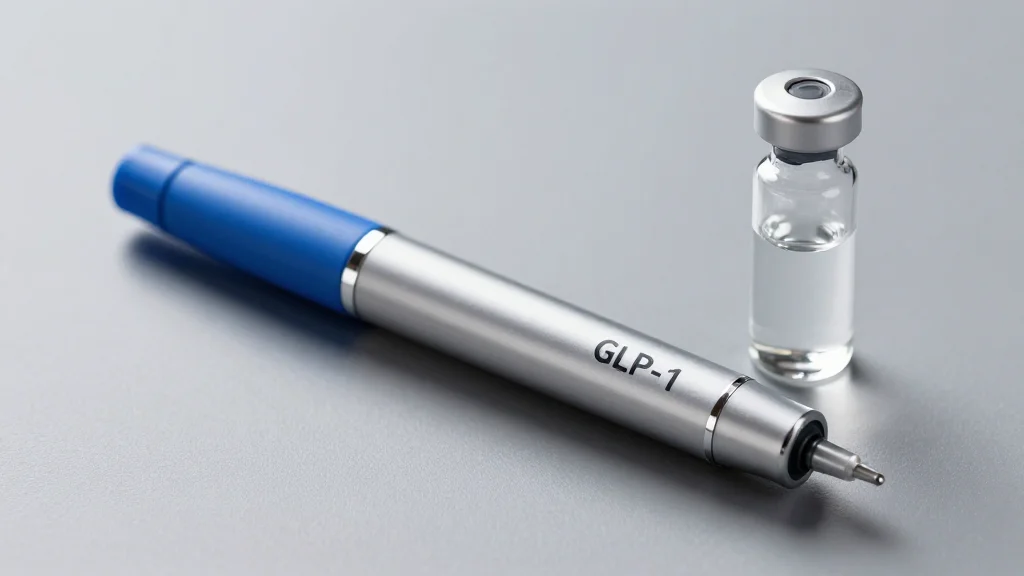
Re: Glucagon-Like Peptide-1 Receptor Agonists and Risk of Substance Use Disorders Among US Veterans with Type 2 Diabetes: Cohort Study
A BMJ cohort study emulating a target trial found that US veterans with type 2 diabetes who were prescribed glucagon‑like peptide‑1 (GLP‑1) receptor agonists experienced significantly fewer incident substance‑use disorders (SUDs) and related adverse events compared with those on sodium‑glucose...

Scientists Are Finally Unlocking a Cancer Treatment’s Full Potential
German hematologist Fabian Müller applied experimental CAR‑T cell therapy to a 47‑year‑old woman suffering from three severe autoimmune diseases, achieving remission and eliminating her need for transfusions. CAR‑T, originally developed for cancer, is now delivering months‑to‑years of remission in multiple...

STAT+: 5 Years After Lupus Breakthrough, CAR-T Is Still Surprising Autoimmunity Researchers
Five years after a pioneering CAR‑T treatment rescued a teenage lupus patient, the therapy has sustained remission and reshaped expectations for autoimmune disease management. The case, led by German rheumatologist Georg Schett, proved that engineered T cells could safely target...

Long-Term Bimekizumab Data Confirm Sustained Efficacy, Consistent Safety in Hidradenitis Suppurativa: Steven Daveluy, MD
Long‑term data from the BE HEARD 1 and BE HEARD 2 trials show that 86.1% of hidradenitis suppurativa patients treated with bimekizumab remained flare‑free over a three‑year period. The biologic’s safety profile stayed consistent from week 16 through year 3, with no new signals detected. Early...

Eli Lilly’s Mounjaro Loses Ground to Less-Expensive Semaglutide Generics & Innovator Novo Nordisk’s Products
Eli Lilly’s tirzepatide brand Mounjaro saw sales dip to ₹114 crore in March, down from ₹135 crore in February, as low‑cost generic semaglutide entered the Indian market. The generics, launched by 13 firms across 26 SKUs, are priced 50‑80% below Novo Nordisk’s Ozempic, Wegovy...

Makena (Hydroxyprogesterone Caproate Injection) Information
The FDA’s Center for Drug Evaluation and Research has proposed withdrawing approval of Makena, a hydroxyprogesterone caproate injection originally granted accelerated approval in 2011 to reduce preterm birth risk. A confirmatory trial—four times larger than the pivotal study—failed to demonstrate...

Amazon Pharmacy to Offer Eli Lilly’s Foundayo via Same-Day Delivery
Amazon Pharmacy announced it will dispense Eli Lilly’s newly approved oral GLP‑1 drug Foundayo, a once‑daily treatment for obesity and overweight adults. Customers can order the medication with a prescription, view real‑time availability and transparent pricing, and receive same‑day delivery...

Mount Sinai Unveils Real-Time Intraocular Pressure Monitoring in Glaucoma Surgery
Mount Sinai researchers unveiled miDOC, a micro‑interventional device that continuously measures intraocular pressure, flow, outflow facility and ocular compliance during glaucoma surgery. In the first 20 first‑in‑human cases, surgeons accessed real‑time biometric feedback and could adjust their technique on the...

Blockchain For Impact Launches $50-M Innovation Platform for Medtech Ecosystem
Blockchain For Impact (BFI) has unveiled a $50 million Innovation Full Stack platform aimed at accelerating biomedical and MedTech development in India. The initiative, anchored by the Nailwal MedTech Acceleration Hub, offers early‑stage innovators access to prototyping facilities, engineering expertise, material‑science resources, and...

Sir Demis Hassabis Wants to Automate Drug Design
DeepMind CEO Demis Hassabis reiterates his ambition to automate drug design using artificial intelligence. After AlphaFold earned the 2024 Nobel Prize in Chemistry for protein‑folding predictions, DeepMind is now channeling its expertise into generative models that can design therapeutic molecules...

Mysterious 'Compound X' Clears Toxic Parkinson’s Proteins From Brain
Researchers at Swinburne University disclosed that an undisclosed molecule, dubbed compound X, eliminated toxic protein clumps linked to Parkinson's disease in mice. The treatment activated the brain's glymphatic waste‑clearance system, resulting in measurable gains in balance and overall mobility. While the...
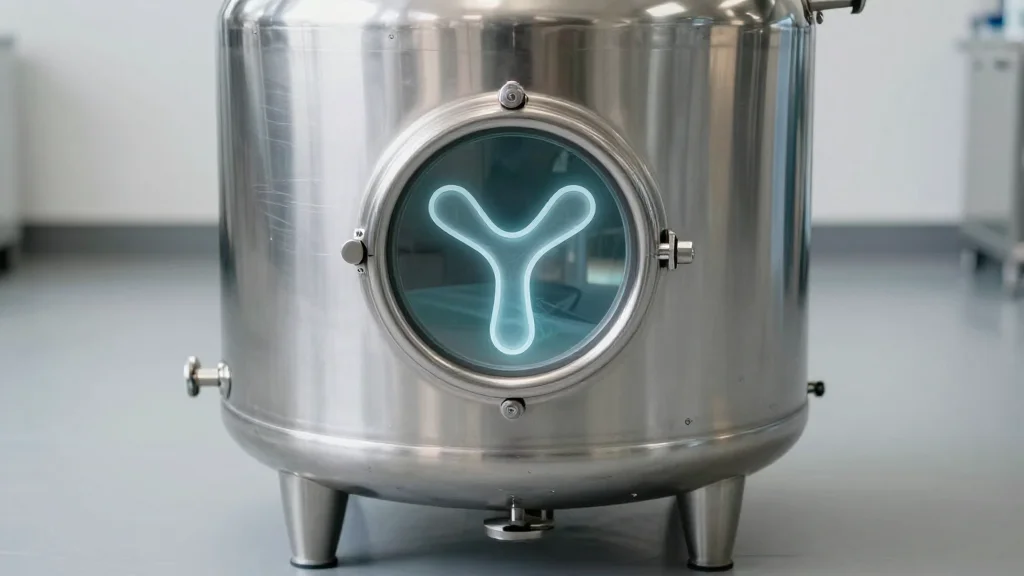
Innovent’s CDMO Gets Green Light to Make Biologics at Large Chinese Plant
Innovent Biologics’ CDMO, Altruist Biologics, received its first 20,000‑liter biologics production license from China’s NMPA for the Hangzhou plant, marking the country’s inaugural facility of this scale. The site, equipped with four 20,000‑liter bioreactors, will be expanded to 172,000 liters, complementing...

This Experimental New Treatment May Revolutionize Cancer Care
Researchers have engineered a heat‑activated, graphene‑copper patch that functions like a band‑aid to treat early‑stage melanoma. In laboratory cultures the patch released copper ions that killed most melanoma cells, and a 10‑day mouse study showed a 97% reduction in lesions...

C4 Therapeutics and Roche Enter Oncology Collaboration Worth Over $1B to Develop DAC with Payload
C4 Therapeutics and Roche have signed a multi‑billion‑dollar partnership to develop degrader‑antibody conjugates (DACs) for cancer treatment. The deal launches two undisclosed oncology programs, with C4 providing its Torpedo degrader payload platform and Roche handling antibody selection, conjugation, and downstream...

Fusion Enzyme ‘Boosts Polyester Textile Recycling’
UK researchers from the University of Portsmouth and the University of Manchester have engineered a new fusion enzyme that can break down polyethylene terephthalate (PET) even when reactors contain roughly 20% plastic by weight. The redesign targets polyester textile waste,...
One Doctor Helped Kickstart US Nuclear Medicine’s New Wave. Now He’s Refining It.
Dr. Ebrahim Delpassand, a pioneer of U.S. nuclear medicine, launched the first FDA‑approved lutetium‑based radioligand therapy (Lutathera) in 2010 and later helped bring Pluvicto to market, driving blockbuster sales in 2025. He founded Excel Diagnostics, where he ran the sole...

Waters Expands Cervical Cancer Screening Access with At-Home HPV Test Approval
The U.S. FDA has cleared the Onclarity HPV Self‑Collection Kit and approved the BD Onclarity HPV Assay for at‑home cervical cancer screening. The kit detects every high‑risk HPV genotype, delivering both individual and pooled results, and is processed on the...

How to Use Real-World Data to Improve Drug Development, Starting with the Patient Journey
A new eBook from PurpleLab and MedCity News highlights how real‑world data (RWD) can expose hidden gaps in the non‑small cell lung cancer (NSCLC) patient journey, such as missed biomarker testing and transportation barriers. Recent state legislation now requires insurers...

Vanda Pharmaceuticals Initiates Thetis Study of Nereus for GLP-1–Induced Vomiting Prevention
Vanda Pharmaceuticals has launched the Phase‑III Thetis trial to test Nereus (tradipitant) against placebo for preventing vomiting in patients on GLP‑1 receptor agonists. The study’s primary endpoint is the proportion of participants who remain vomiting‑free, with topline data slated for...

Why Anti-Cancer Drugs Often Fall Short of Expectations
Recent analyses reveal that many anti‑cancer drugs underperform because they confront complex tumor biology that preclinical studies often oversimplify. Heterogeneous cell populations, rapid emergence of resistance pathways, and inadequate biomarker strategies limit clinical efficacy. Additionally, safety concerns restrict dose intensity,...

SEADLING Founder Simon Davis on Bringing Long-Term Economic Benefit to SEA’s Seaweed Farmers
Biotech startup SEADLING, founded by Simon Davis, supplies Elkhorn sea moss seedlings to smallholder farmers in Malaysian Borneo and processes the harvest into fermented, functional ingredients. In 2025 the company closed a $1 million seed round and opened a second processing...

Granules India to Tighten Oversight After US FDA Warning, Exec Says
Granules India, a leading global paracetamol and API producer, is tightening oversight after the U.S. FDA cited GMP, equipment cleaning and record‑keeping violations at its Telangana plant. The company will digitise logbooks, batch records and badge cards, increase gemba walks,...

20 Future Czech HealthTech and MedTech Leaders
The Czech Republic’s healthtech and medtech sectors are shifting from fragmented early‑stage projects to profit‑focused, clinically validated businesses, positioning the country as a global contender. Despite a 7.7% drop in total startup investment to €540 million (≈$589 million) in 2025, the healthtech...

FDA Seeks Permanent Future for Rare Pediatric Priority Review Vouchers
The FDA announced plans to permanently authorize the rare pediatric disease priority‑review voucher (PRV) program as part of its $7.2 billion FY 2027 budget request. The initiative ends the cycle of four‑year reauthorizations that left the program in limbo after its 2024...

Syneron Raises $150m for Macrocyclics, and Other Financings
Syneron Bio, a Beijing‑based biotech, closed a $150 million Series B just four months after raising $100 million, underscoring strong investor appetite for macrocyclic peptide therapeutics. The company’s AI‑powered Synova platform claims to design drug candidates for protein targets that have eluded conventional...

Automation, Collaboration and the Future of Advanced Therapies
BioSpace’s Denatured podcast episode explores how soaring demand for cell and gene therapies is driving the industry toward automation, digitization, and robotics. Guests Jason Jones of Cellular Origins and Alexander Seyf of Autolomous discuss the need for scalable, sterile manufacturing workflows...
Shionogi Secures $482m BARDA Contract to Tackle AMR Crisis
Japanese pharmaceutical firm Shionogi has secured a BARDA contract worth up to $482 million to build a U.S.-based manufacturing facility for its injectable antibiotic Fetroja (cefiderocol). The agreement provides $119 million upfront and up to $363 million over several years, enabling production aimed...

TyG/AIP Indices Linked to Survival in Elderly Patients
The 2026 BMC Geriatrics study linked cumulative triglyceride‑glucose (TyG) and atherogenic index of plasma (AIP) metrics to terminal survival in patients aged 65 and older with circulatory system diseases. By tracking serial blood‑test data, researchers identified a clear dose‑response: higher...

Aging Biomarkers Linked to Spinal Disc Degeneration
Researchers led by Zhang et al. have identified and experimentally validated aging‑related biomarkers—such as p16^INK4a, p21, inflammatory cytokines, and matrix metalloproteinases—that drive intervertebral disc degeneration (IVDD). Using a multi‑omics pipeline, they linked molecular changes to mechanical loss of disc elasticity and...

Spatial Transcriptomics Portal: Seeing Gene Expression in a Spatial Context
EMBL‑EBI’s BioImage Archive and Functional Genomics teams have launched the Spatial Transcriptomics Portal, a pilot platform that merges imaging and molecular data to map gene activity within tissue contexts. The portal introduces harmonised metadata standards, creating a single entry point...
BIO Coffee Chat: Price Controls Like MFN Harm Access, Increase Costs
BIO’s March Coffee Chat highlighted how recent U.S. drug‑price policies, including the Inflation Reduction Act’s out‑of‑pocket cap and proposed Most Favored Nation (MFN) pricing models, are unintentionally raising patient costs and tightening access. Evidence shows beneficiaries often pay more than...

Astellas Exercises Option to License Dyno’s AAV Capsid for AI-Designed Gene Delivery
Astellas has exercised its option to license an AI‑engineered adeno‑associated virus (AAV) capsid from Dyno Therapeutics for skeletal muscle gene delivery, marking the first licensed asset from their 2021 partnership. The capsid, created using Dyno’s large‑scale in‑vivo data‑driven AI models,...

STAT+: Biotech VCs, Used to a Winning Formula in Drug Development, Face Disruption
For decades, biotech venture capitalists have followed a formula—seed university science, add seasoned pharma executives, and invest tens of millions—to generate drugs and returns. That playbook is now under pressure as Chinese biotech firms deliver research faster and cheaper, and...

FDA Guidance May Move Goalposts For Form 483 Responses
The FDA released draft guidance that reshapes how drug manufacturers respond to Form 483 inspection observations. The guidance introduces a standardized framework for documenting, assessing and correcting systemic quality issues. While the clearer process aims to improve regulatory consistency, it...
Stocks Showing Rising Market Leadership: MoonLake Immunotherap Earns 85 RS Rating
MoonLake Immunotherapeutics (MLTX) saw its shares surge after the company signaled alignment with the FDA on a development path for its skin‑disease drug. The stock’s Relative Strength Rating jumped from 79 to 85, crossing the 80 threshold that historically precedes...

Anumana Secures the US FDA 510(k) Clearance for Its ECG-AI Algorithm to Detect Risk of Cardiac Amyloidosis Early
Anumana has received FDA 510(k) clearance for its ECG‑AI algorithm, a software‑as‑a‑medical‑device that screens for cardiac amyloidosis using routine 12‑lead electrocardiograms. The AI model, originally developed at the Mayo Clinic, identifies subtle waveform patterns invisible to clinicians, enabling early risk...

The FDA Has Released Draft Guidance for NAMs Validation – Now What?
On March 18, 2026 the FDA issued draft guidance for validating new approach methodologies (NAMs), including complex in‑vitro models (CIVMs). The guidance centers on four validation principles—context of use, human biological relevance, technical characterization, and fit‑for‑purpose. The 11th 3D Tissue Models Summit in Boston...

Äio’s Yeast-Derived Fat Enters the Cosmetics Market with Tilk’s Skin-Boosting Serum
Estonian deep‑tech startup Äio has launched RedOil, a yeast‑derived, upcycled fat, in Tilk’s new Skin Booster Bio‑Fermented Serum priced at $84. The ingredient, produced via precision fermentation of wood, dairy and food‑industry sidestreams, uses 97% less land and 90% less...

Virica Biotech and FUJIFILM Biosciences Collaborate Under the Canada-Japan Co-Innovation Program to Advance AAV Production Enhancers
Virica Biotech secured advisory services and funding from NRC IRAP under the Canada‑Japan Co‑Innovation Program to partner with FUJIFILM Biosciences. The joint effort will optimize Virica’s Viral Sensitizer (VSE) formulation for FUJIFILM’s BalanCD® HEK293 media, aiming to boost adeno‑associated virus (AAV)...

This “Rotten Egg” Brain Gas Could Be the Key to Fighting Alzheimer’s Disease
Johns Hopkins researchers, funded by the NIH, identified the enzyme cystathionine γ‑lyase (CSE) as a critical source of hydrogen sulfide—a brain‑derived gas that supports memory formation. Mice lacking CSE displayed progressive spatial‑memory loss, oxidative stress, DNA damage, and blood‑brain‑barrier breakdown,...
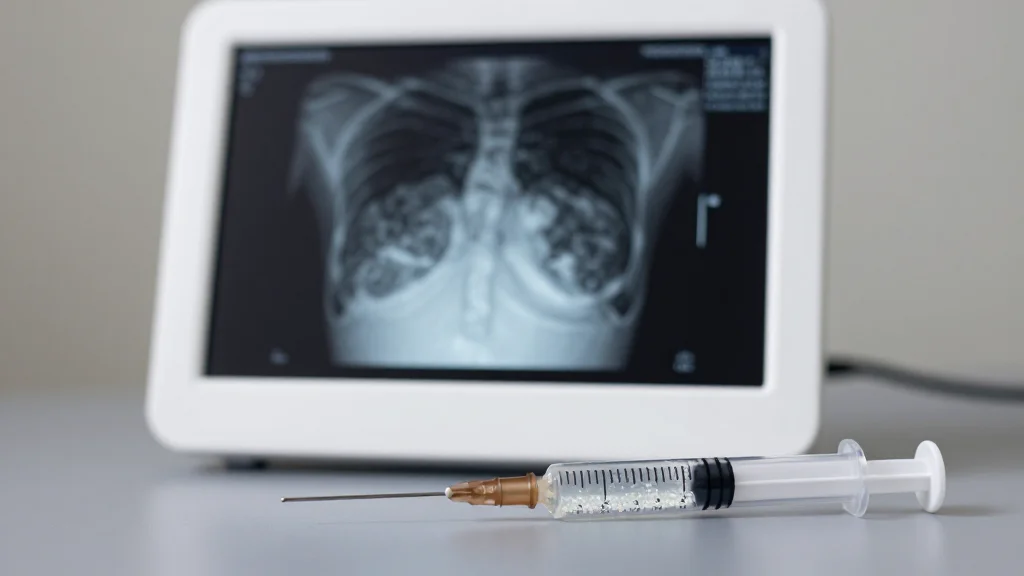
Dermal Filler Recently Approved by FDA Could Skew Breast Imaging Results, Experts Warn
The FDA approved Merz Aesthetics' Radiesse dermal filler for use in the décolleté area of adults 22 and older. Radiesse contains hydroxyapatite microspheres that can be visible on medical imaging, raising concerns that it may obscure breast tissue on mammograms....
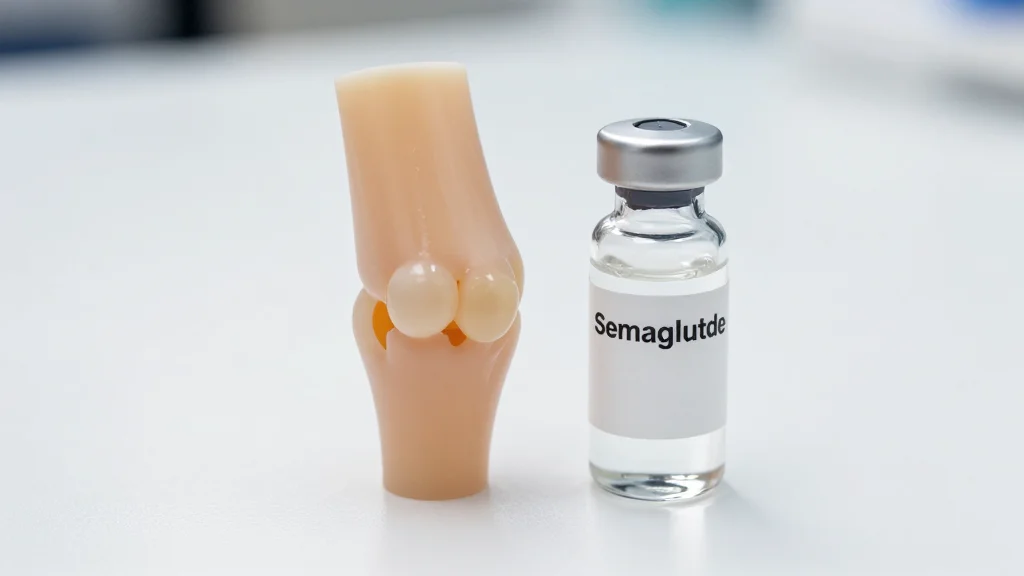
GLP-1 Drugs Shown to Fight Arthritis Independent of Weight Loss
A Chinese study found that semaglutide, a GLP‑1 drug best known for diabetes and weight‑loss treatment, can halt cartilage degradation and even thicken cartilage in osteoarthritis patients, independent of weight loss. In mice, only the semaglutide‑treated group showed reduced joint...
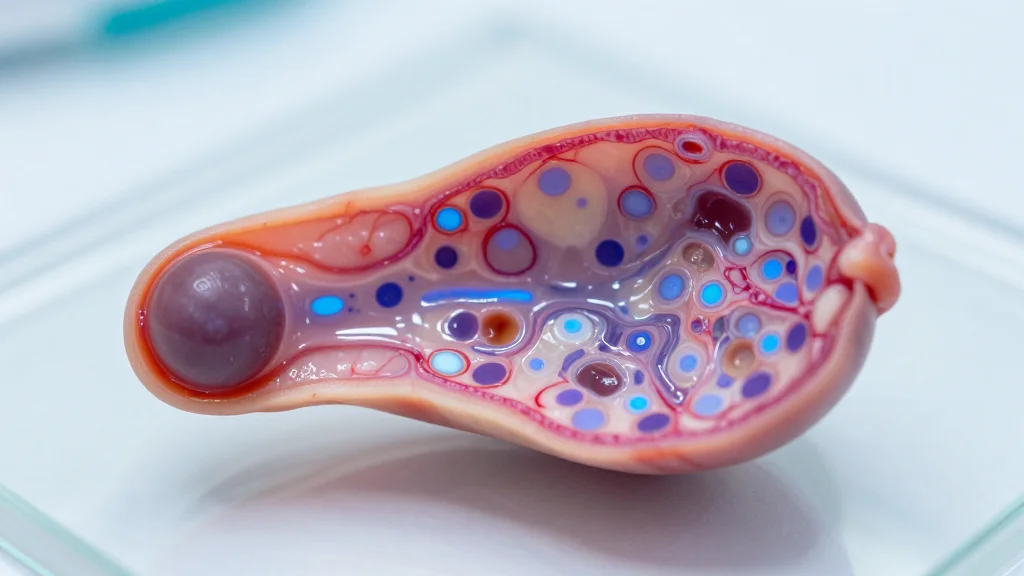
Single-Cell Atlas of Maternal–Fetal Interface Sheds Light on Pregnancy Complications
Scientists at UCSF have produced a comprehensive single‑cell atlas of the human maternal–fetal interface, analyzing about 200,000 cells from early gestation to term. The study combined single‑nucleus transcriptomics, chromatin accessibility, spatial transcriptomics and multiplex protein imaging to map cell types...
Long-Term Follow-Up Results of Topical Imiquimod for High-Grade Cervical Intraepithelial Neoplasia in Young Women: An Original Research
A retrospective single‑arm cohort studied topical imiquimod in nulliparous women under 35 with CIN 2/3 to avoid cervical excision. After eight weekly applications, 96% of lesions regressed to at least CIN 1 and 47% cleared high‑risk HPV. Long‑term follow‑up showed 81.6% complete...