
Notices of Updates
The FDA released a series of updates between 2020 and 2026 that revise, recognize, or withdraw antimicrobial susceptibility breakpoints and standards for dozens of drugs. Recent actions include recognizing M100 MIC and disk‑diffusion breakpoints for amikacin, cefiderocol, and several beta‑lactam combinations, while rejecting earlier standards for agents such as colistimethate and polymyxin B. The agency also added new susceptible‑only breakpoints (STIC) for emerging pathogens like Neisseria gonorrhoeae and Acinetobacter baumannii. These changes reflect evolving resistance patterns and align FDA guidance with CLSI and clinical practice.

In the Clinic for March 20, 2026
The March 20, 2026 "In the Clinic" page aggregates a wide array of BioWorld snapshots, special reports, and infographics covering biopharma, medical technology, and emerging therapeutic areas. It links to daily data snapshots, market outlooks, and deep‑dive analyses such as the med‑tech...

Generic Semaglutide Versions Roll Out at Prices Pegged 80% Less that Novo Nordisk’s Ozempic
Indian drugmakers Natco Pharma, Glenmark Pharmaceuticals and Eris Lifesciences are set to launch generic semaglutide on March 23, 2026, just after the drug’s patent expired. The generics are priced roughly 80% less than Novo Nordisk’s Ozempic, with Natco’s vials costing...

Earendil Labs to Scale AI-Driven Biologics Platform with $787 Million Funding
Earendil Labs announced a $787 million financing round, the largest recent capital raise for AI‑enabled drug development. The funding, led by Sanofi and the Biotech Development Fund, will be used to scale its AI‑driven biologics discovery platform, expand R&D teams, and...
FAQs on IPF Therapies: Current, Emerging, and Combination Strategies
Idiopathic pulmonary fibrosis (IPF) treatment now includes three FDA‑approved antifibrotic drugs—nerandomilast, nintedanib, and pirfenidone—each shown to slow forced vital capacity decline. Nerandomilast, approved in 2025, marks the first new IPF therapy in over a decade, while cost‑effectiveness analyses favor nintedanib...

A Gene Carried by 99% of Humanity Raises Alzheimer's Risk Dramatically. Could Gene Therapy Correct It?
A new Nature study of 450,000 people finds that the APOE gene, particularly the APOE3 and APOE4 variants, accounts for 72‑93% of Alzheimer’s disease cases, and that 99% of the population carries at least one risk‑increasing allele. Lexeo Therapeutics is...

UK’s NICE Revisits Lilly, Eisai Alzheimer's Drugs Under New Pricing Threshold
The UK’s National Institute for Health and Care Excellence (NICE) has reopened its evaluation of Eli Lilly’s donanemab and Eisai’s lecanemab after initially rejecting them on cost grounds. A newly‑introduced cost‑effectiveness threshold of roughly £20,000 per quality‑adjusted life year (QALY)...

Listen: NI Exclusive with Checkerspot CTO on POA Innovation
Researchers engineered the heterotrophic microalga Prototheca moriformis to produce high levels of polymethylene octadecanoic acid (POA), achieving over 50% POA of total fatty acids and roughly 20.8 g/L POA in a 1 L fed‑batch fermentation. The study, funded by Nestlé and Checkerspot,...

Orthogonal Tri‐Modular Coiled‐Coil Assembly for Programmable Multi‐Cargo Display on Escherichia Coli Nissle 1917
Researchers have engineered a tri‑specific scaffold cell (TriSC) platform in the probiotic strain *Escherichia coli* Nissle 1917 that uses three orthogonal coiled‑coil motifs to create a programmable, reversible surface. The system enables simultaneous, selective attachment of multiple nanobody cargos and...

Off the Scales: The Inside Story of Ozempic and the Race to Cure Obesity Reviewed
The review of Aimee Donnellan’s book Off the Scales examines how Ozempic, a GLP‑1 drug originally for type‑2 diabetes, has become a blockbuster obesity treatment. It details the drug’s ability to deliver rapid 20%‑plus weight loss, its side‑effect profile, and...

Rhythm Obesity Drug Wins Broader Use From FDA
The FDA approved Rhythm Pharmaceuticals' once‑daily injection Imcivree for acquired hypothalamic obesity in adults and children aged four and up. Clinical trials showed an 18‑percentage‑point weight‑loss advantage over placebo, making it the first therapy for this rare, brain‑injury‑driven condition. Rhythm...

Genentech Culls Muscle-Preserving Drug in Genetic Diseases, Raising Questions About Obesity Trial
Roche’s Genentech has halted the Phase III development of its muscle‑preserving therapy for spinal muscular atrophy (SMA) and facioscapulohumeral muscular dystrophy (FSHD). The decision follows disappointing efficacy signals and safety concerns that emerged in late‑stage trials. The program also included an...

Appeal Finds NICE Must Reconsider Alzheimer's Drugs
NICE has agreed to revisit its June 2025 rejection of Eli Lilly’s Kisunla (donanemab) and Eisai’s Leqembi (lecanemab) for NHS reimbursement. The appeal will send the dossiers back to the appraisal committee to re‑examine clinical benefits, long‑term data, infusion costs and unpaid...
Shionogi Enrols First Patients in Esprit Trial for Pompe Disease
Shionogi announced the first patient enrollment in its global Phase II Esprit trial, evaluating the oral substrate‑reduction therapy S‑606001 in adults with late‑onset Pompe disease. The 52‑week, double‑blind, placebo‑controlled study will run across the EU, the UK and the United States,...

Mind-Altering Substances Are (Still) Falling Short in Clinical Trials
Psychedelic research has surged, but recent psilocybin trials reveal modest benefits that fail to outpace placebo. A German study with 144 treatment‑resistant depression patients found no statistically significant advantage for high‑dose psilocybin. An open‑label review of 24 trials concluded psychedelics...

LivaNova’s Aura6000 System Secures the US FDA Premarket Approval to Treat Obstructive Sleep Apnea (OSA)
LivaNova received FDA Premarket Approval for its aura6000 neurostimulation system, targeting adults with moderate‑to‑severe obstructive sleep apnea (OSA) who cannot use or have failed first‑line therapies. The approval is based on the OSPREY randomized controlled trial, which showed a 65%...
![[Editorial] Making Treatment for Obesity More Equitable](https://hixhlmpcokxhartfkpyi.supabase.co/storage/v1/object/public/images/thumbnails/9ad50868737552068254155c5d608c4d.webp)
[Editorial] Making Treatment for Obesity More Equitable
2026 could be a watershed year for obesity treatment as GLP‑1 receptor agonists cement their role after a decade of clinical success. The global market for weight‑loss drugs is forecast to hit US$150 billion by 2035, reflecting soaring demand. More than...

Does Lithium Work for Memory Loss? Experts Answer 4 Key Questions
A two‑year pilot trial published in JAMA Neurology found that low‑dose oral lithium (150‑300 mg daily) slowed verbal memory decline in older adults with mild cognitive impairment. The neuroprotective benefit was most pronounced in participants who tested positive for amyloid‑beta, a...

What the EU Biotech Act Delivers for Europe
The European Union’s proposed Biotech Act seeks to streamline fragmented regulatory procedures, create coordinated clinical‑trial pathways, and introduce new instruments such as regulatory sandboxes and data‑quality accelerators. By aligning biotech oversight with the AI Act and the European Health Data...

Metastasis Slowed by Targeting Lipid Metabolism in Healthy Lung Cells
Researchers at VIB‑KU Leuven and the Francis Crick Institute discovered that alveolar type II (AT2) cells in the lung are reprogrammed by metastatic breast cancer to overproduce lipids, creating a nutrient‑rich niche that fuels tumor growth. The study showed that...
Hormone Linked to Morning Sickness May Help Reduce Alcohol Intake
Researchers from Denmark and collaborators reported that the hormone GDF15, known for causing nausea in early pregnancy, appears to rise in response to chronic alcohol consumption and may act as a feedback signal limiting intake. Small human studies at Oktoberfest...

Modifying T Cell Receptor Improves Targeted Cancer Therapy
Researchers from UCLA, Stanford, Utah, and Columbia have engineered T cell receptors to strengthen catch‑bond interactions with prostate cancer antigens, improving cytotoxic function. By altering just one or two amino acids in the TCR, the modified cells exhibit longer bond...

Bio-Sourcing and Tiny Cargo Partner on Orally Delivered mAbs Using Goat Milk Exosomes
Bio‑Sourcing and The Tiny Cargo Company announced a strategic collaboration to co‑develop orally delivered monoclonal antibody therapies using goat‑milk‑derived exosomes. The partnership merges Bio‑Sourcing’s BioMilk platform, which produces high‑yield antibodies and milk extracellular vesicles in transgenic goats, with Tiny Cargo’s...

Lab-Grown Oesophagus Restores Pigs’ Ability to Swallow
Scientists at University College London have engineered bio‑grown oesophageal segments using patient‑derived stem cells and implanted them into minipigs, restoring normal swallowing. The grafts were seeded onto decellularized scaffolds, covered with a biodegradable mesh, and integrated functional muscle, nerves, and...

Drug Development Is Booming in China. Should the U.S. View It as a Threat or an Opportunity?
China’s biotech sector is experiencing a rapid surge, now hosting more CAR‑T cell trials than the United States. The growth is driven by a dual‑track regulatory framework that enables fast‑track, investigator‑initiated trials with minimal red tape. U.S. experts warn that...

Magnetic Fields Guide Lab-Grown Blood Vessels Into Precise Patterns for Drug Testing
Researchers at the Institute of Physical Chemistry (IPC PAS) and the University of Warsaw have created a magnetic‑field‑driven system that arranges endothelial‑cell‑coated microparticles into predefined lattices, prompting the growth of microvascular networks with precise architecture. By using super‑paramagnetic beads and micromagnets,...
Recursion’s Khan: AI Will Be Judged by the Medicines It Makes
Recursion Pharmaceuticals CEO Najat Khan says AI’s worth will be judged by the medicines it helps create, not by the sophistication of the tools. She emphasizes deploying AI selectively in chemistry, trial execution, and out‑of‑domain predictions to generate clinical proof...

Molecular Enhancements Help Plants Light up when They're Under Attack
Researchers at the MRC Laboratory of Medical Sciences have engineered plants to glow when their immune systems are activated, using a bioluminescent pathway from mushrooms linked to the plant hormones salicylic and jasmonic acid. The genetically modified Nicotiana benthamiana and...

FDA Clears 2 New MR-Guided Breast Biopsy Tools
The FDA has cleared Mammotome’s Mammotome Prima MR Dual Vacuum‑Assisted Breast Biopsy System and its HydroMARK Plus MR biopsy site marker, marking the first in‑room MR‑guided biopsy solution. The system positions the vacuum‑assisted device beside the patient in the scanner, reduces...

Baylor College of Medicine Taps Nautilus’ Voyager for Cancer Proteomics
Nautilus Biotechnology has enrolled Baylor College of Medicine as the first participant in its Voyager early‑access program, granting the school access to a single‑molecule proteomics platform capable of mapping up to 10 billion intact proteins per run. The collaboration, funded by...

BIOTECanada Welcomes the Announcement of the Pharmaceutical and Life Sciences Sector Task Force
BIOTECanada has praised the federal government’s launch of the Pharmaceutical and Life Sciences Sector Task Force, signaling a strategic push to strengthen Canada’s biotech and pharma ecosystem. The task force is tasked with reviewing investment incentives, regulatory frameworks, and market...

Johns Hopkins Awarded $15M to Develop Platform to Study Neurological Diseases, Screen Chemicals
Johns Hopkins received a five‑year, $15 million NIH grant to build the Drug Research Organoid Intelligence Development Platform (DROIDp). The platform will combine human brain organoids, advanced electrical sensors and AI analytics to evaluate learning, memory and neurotoxicity. It targets Alzheimer’s,...
FDA Warns About Severe Worsening of Multiple Sclerosis After Stopping the Medicine Gilenya (Fingolimod)
The FDA has added a new warning to the Gilenya (fingolimod) label after identifying 35 cases where patients experienced severe disability following drug discontinuation. The worsening, which can occur 2 to 24 weeks after stopping treatment, often exceeds typical MS...
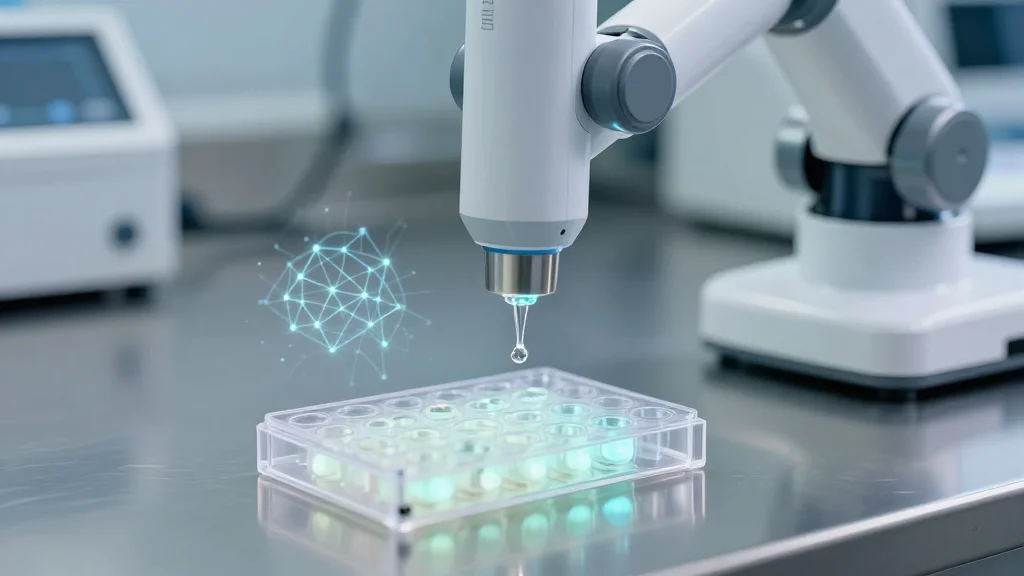
PNNL: Robotics and AI Power Biotechnology Advances
Pacific Northwest National Laboratory has merged AI with high‑throughput robotics to speed microbial biotechnology development. Researchers adapted the open‑source BacterAI platform to model continuous growth‑boundary conditions, then paired it with a Tecan Fluent liquid‑handling system that can execute thousands of...

STAT+: Novo Nordisk’s High-Dose Wegovy Approved in the U.S.
Novo Nordisk announced FDA approval of a high-dose formulation of its obesity injectable Wegovy in the United States. The approval was granted through a new FDA priority review voucher program, which Novo earned via a price‑cut deal with the Trump...

Scientists May Have Just Discovered a More Effective Hair Loss Treatment
Scientists introduced TH07, a topical blend of finasteride, minoxidil, and latanoprost, aimed at treating androgenetic alopecia. In a pilot trial of 34 men, the 23 participants receiving TH07 reported 52% dense hair growth and higher satisfaction versus groups using each...
Sarepta Plans FDA Run for Duchenne Exon Skippers Despite Confirmatory Trial Failure
Sarepta Therapeutics will submit a supplemental NDA to the FDA seeking to convert the accelerated approvals of its Duchenne exon‑skippers Amondys 45 and Vyondys 53 into traditional approvals, despite the confirmatory ESSENCE trial failing to improve motor function. The company bolsters its...

Nia Therapeutics’ Smart Neurostimulation System Receives FDA Breakthrough Device Designation to Treat Memory Loss
The U.S. Food and Drug Administration granted Breakthrough Device Designation to Nia Therapeutics’ Smart Neurostimulation System (SNS) for treating episodic memory loss in adults with moderate to severe traumatic brain injury. The fully implantable, closed‑loop system records neural activity from...
Gossamer Nearly Halves Workforce in Savings Push After Late-Stage Hypertension Fail
Gossamer Bio announced a near‑half workforce reduction after its Phase 3 seralutinib trial failed to meet statistical significance in pulmonary arterial hypertension. The company will lay off 77 employees, about 48 % of staff, aiming to preserve cash while its future path...

Quintessence Debuts First ‘Living’ Artificial Cell for CGT Bio-Separation
Quintessence Biotech introduced DACS, the first "living" artificial cell designed to streamline bio‑separation in cell and gene therapy (CGT) manufacturing. The lipid‑particle platform mimics cell size, deformability and antigen presentation, enabling a gravity‑based flotation method that replaces magnetic‑bead workflows. DACS...

STAT+: Eli Lilly’s ‘Triple-G’ Drug Leads to Significant Blood Sugar, Weight Reductions in Diabetes Trial
Eli Lilly’s investigational injectable retatrutide achieved a 1.9‑point HbA1c reduction versus 0.8 points for placebo after 40 weeks, while participants on the highest dose shed 15.3% of body weight compared with 2.6% on placebo. The weight loss was still progressing at...

AL-S Pharma Reports the P-II (AP-101-02) Trial Data on AP-101 for Amyotrophic Lateral Sclerosis (ALS)
AL‑S Pharma released Phase II (AP‑101‑02) data evaluating intravenous AP‑101 every three weeks in 73 ALS patients, including 52 with sporadic disease and 21 with SOD1 mutations. The trial met its primary safety and tolerability endpoint and demonstrated disease modification,...

Spinal Elements' 3D Printed Ventana A ALIF Devices Receives FDA 510(k) Clearance
Spinal Elements has received FDA 510(k) clearance for its 3D printed Ventana A anterior lumbar interbody fusion (ALIF) system, a device engineered with a hinged architecture to maximize bone graft volume and containment. The system employs a specialized additive‑manufacturing process...

Molecule in Python Blood Could Pave Way for New Obesity Drugs, Scientists Say
Scientists have isolated a gut‑bacterial metabolite, pTOS, that spikes in Burmese python blood after feeding and dramatically reduces appetite in obese mice. When administered to mice, pTOS caused a 9% body‑weight loss over 28 days without affecting energy expenditure. The...

FDA Pushes Back Its Review of New PET Imaging Agent From Lantheus
The U.S. FDA has extended its review of Lanteus’ PET imaging agent LNTH‑2501 by three months, moving the PDUFA target date to June 29. LNTH‑2501, a Ga‑68 edotreotide kit for detecting neuroendocrine tumors in adults and children, remains unapproved and...

BioCina Launches Manufacturing Program for Patrys’ Injectable Delirium Therapy
BioCina has launched a comprehensive Chemistry, Manufacturing and Controls (CMC) program for Patrys Ltd’s injectable formulation RLS-2201, a proprietary quetiapine product aimed at treating acute delirium in intensive‑care patients. The manufacturing effort is based in BioCina’s sterile facility in Perth...

AstraZeneca to Build Cell Therapy Base, Innovation Center in Shanghai
AstraZeneca announced plans to construct a cell‑therapy manufacturing base and an innovation centre in Shanghai. The facilities will produce CAR‑T cancer treatments for China and broader Asian markets, positioning the company as the first global drugmaker with end‑to‑end cell‑therapy capabilities...

Metformin Reduces Weight Gain in Young People Taking Antipsychotics
A large pragmatic trial involving 1,565 overweight or obese youths with bipolar spectrum disorders found that adding metformin to a brief lifestyle program significantly blunted weight gain associated with second‑generation antipsychotics. Over six months, the metformin group’s BMI rose only...

Eledon Pharmaceuticals Inc (ELDN) Q4 2025 Earnings Call Transcript
Longeveron raised $15.9 million in a private placement, extending its cash runway into the fourth quarter of 2026. The company reported a $22.7 million net loss for 2025, driven by higher personnel, CMC, and severance costs, while revenue fell 50% to $1.2 million....

Mechanistic Insights Into Cannabidiol-Mediated TrkB Activation via FRS2 Interaction in Attenuating Alzheimer’s Disease Pathology and Cognitive Impairment
A recent preclinical study demonstrates that cannabidiol (CBD) directly engages the TrkB neurotrophin receptor through its PTB‑binding domain, recruiting the adaptor protein FRS2 to trigger robust downstream signaling. This activation attenuates amyloid‑β deposition, tau hyperphosphorylation, and neuroinflammation in transgenic Alzheimer’s...