
Accumulus Technologies Launches the Accumulus Connector, Delivering Live Integration Across Regulatory Systems
Accumulus Technologies launched the Accumulus Connector, extending its platform into customers’ existing pharma and biotech systems for live, bi‑directional regulatory communication. The Connector provides real‑time, one‑click global submissions to more than 70 national regulators, eliminating manual data reconciliation. By integrating directly with both industry and regulator systems, it creates a unified, always‑on regulatory network that speeds drug approval timelines. The solution is now available to Accumulus platform subscribers.

China Approves World’s First Implantable BCI
China's National Medical Products Administration has granted approval for the world's first commercially available implantable brain‑computer interface (BCI). Developed by Shanghai's Borui Kang Medical Technology, the system uses implanted electrodes to translate neural signals into commands for an assistive glove,...

New Zealand Begins Genomics Testing Pilot and More Briefs
Te Whatu Ora Health New Zealand launched a two‑year genomics testing pilot with Illumina, targeting over 6,000 cancer and rare‑disease samples. The initiative seeks to localise roughly half of the 4,000 tests currently sent abroad, cutting the current $2.3 million annual overseas...

Can a Mouse Be Cloned Indefinitely? Decades-Long Experiment Has Answers
Researchers at the University of Yamanashi completed a two‑decade experiment that serially cloned a single mouse for 58 generations before the process failed. Over 30,000 cloning attempts revealed that large‑scale DNA mutations, including loss of an entire chromosome, accumulated in...

Anesthetics as Emerging Therapeutics for Post-Traumatic Stress Disorder (PTSD): Bridging Bench and Bedside
A recent Molecular Psychiatry review highlights anesthetics as a promising new class of therapeutics for post‑traumatic stress disorder (PTSD). It outlines how NMDA‑receptor antagonists, α2‑adrenergic agonists, GABA‑A modulators and certain opioids can modulate fear circuitry and memory reconsolidation. Pre‑clinical models...

UCSF and Biohub Scientists Develop New Material to Grow More Consistent Lab Organs
Scientists at UCSF and the Biohub have engineered a seaweed‑derived alginate‑Matrigel composite that behaves like wet sand, enabling precise 3D bioprinting of stem cells. The material’s stress‑relaxation properties allow printed cells to stay positioned while the tissue self‑organizes, producing organoids...

HIV Remains Suppressed in Some Patients After Treatment Withdrawal
Scientists at Gladstone Institutes identified two host genes, DDIT4 and ZNF254, that act as molecular locks keeping HIV dormant after antiretroviral therapy (ART) cessation. Multi‑omic analysis of 75 participants from analytical treatment interruption trials linked higher expression of these genes,...

MRI-Guided Ablation as Effective as Surgery for Prostate Cancer Treatment
MRI‑guided TULSA ablation matches or exceeds robotic radical prostatectomy for intermediate‑risk prostate cancer. In the CAPTAIN trial of 211 patients, TULSA halved rates of erectile dysfunction and urinary incontinence, eliminated blood loss, and shortened hospital stays. Functional recovery was faster,...
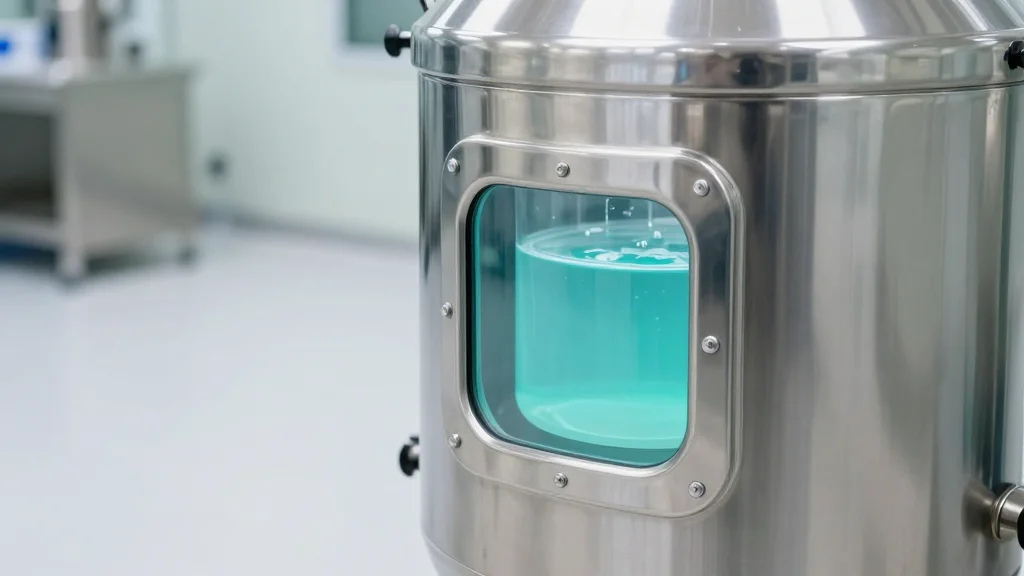
Market Shifts Powering the Growth of Sterile Injectable Manufacturing
The sterile injectable contract manufacturing market is rapidly evolving as demand surges for both large‑scale biologics and niche, small‑batch therapies. Leading CDMOs are responding by expanding production capacity, building global redundancy, and investing heavily in specialized talent. Development and pre‑commercial...
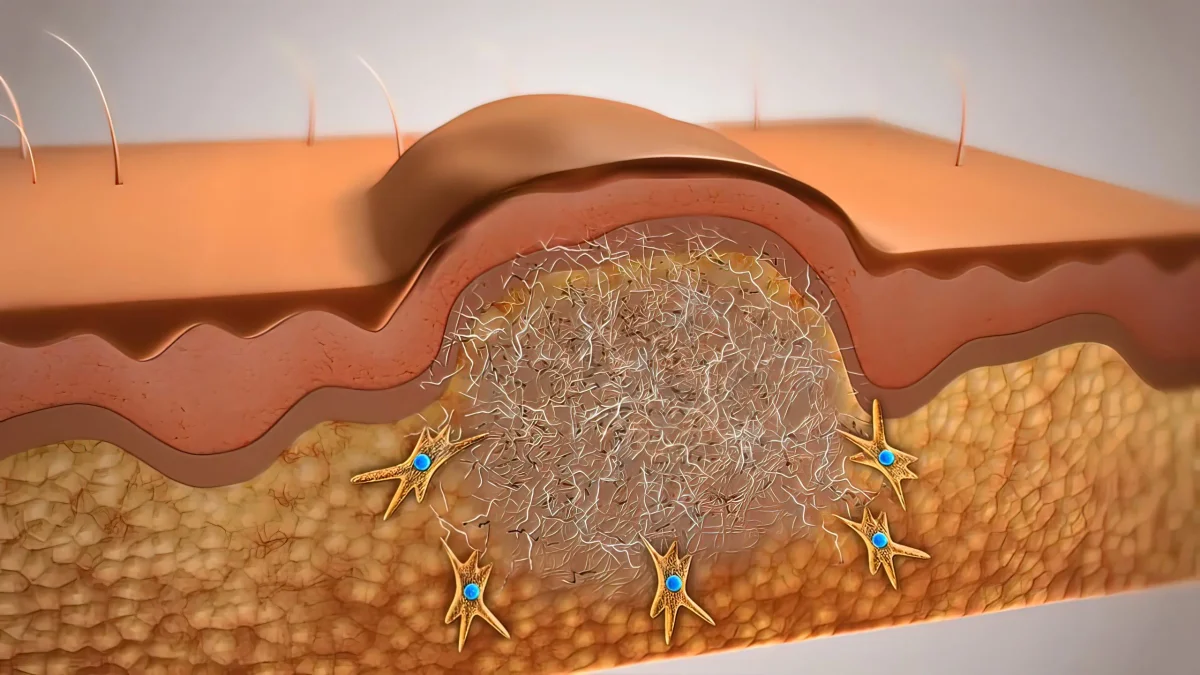
Skin Regeneration Enabled by Embryonic Healing Mechanism in Mice
Harvard researchers published a Cell study showing that mouse skin can fully regenerate by reactivating an embryonic healing program that normally shuts down after birth. They identified excessive nerve growth—hyperinnervation—driven by fibroblast‑derived Cxcl12 as the key barrier to regeneration. Genetic...
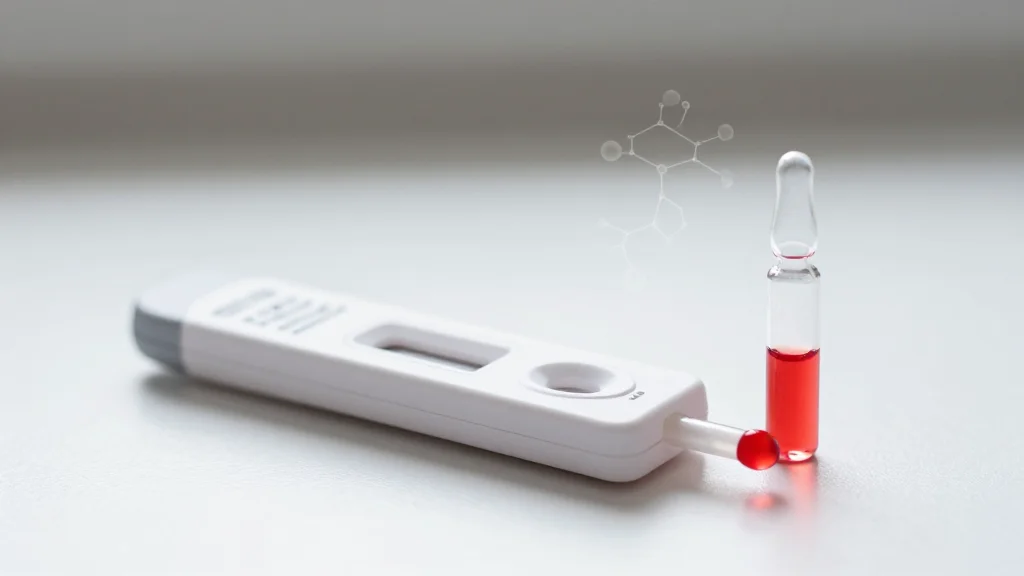
Study Makes Promising Advances in Accurately Diagnosing Sepsis
Doctors at Liverpool and Cardiff University, together with 20 NHS hospitals, completed a large randomized trial of a rapid procalcitonin‑guided algorithm for suspected sepsis. The study of 7,667 emergency patients showed a 17% relative drop in mortality—from 16.6% to 13.6%—equating...

Bariatric Surgery in Adolescents 'Reprograms' Kidney Biology to Promote Recovery
A multi‑institutional study in the Journal of Clinical Investigation shows that vertical sleeve gastrectomy in adolescents with type 2 diabetes and obesity triggers profound molecular reprogramming of kidney cells, leading to functional recovery. Over a 12‑month follow‑up, participants lost weight, improved...

New Tongue-Swab TB Test Could Help Eradicate The Disease, WHO Says
The World Health Organization has endorsed a new near‑point‑of‑care molecular test that uses a simple tongue swab to detect tuberculosis in under an hour. Developed by PlusLife on its MiniDock platform, the device costs up to 90% less than GeneXpert...

Timeline of Selected FDA Activities and Significant Events Addressing Substance Use and Overdose Prevention
Since 1995 the FDA has moved from approving standard opioid products to implementing a comprehensive regulatory regime aimed at curbing misuse and overdose. Key milestones include the 2007 authority to require Risk Evaluation and Mitigation Strategies (REMS), a series of...
CDER’s Framework for Regulatory Advanced Manufacturing Evaluation (FRAME) Initiative
The FDA’s Center for Drug Evaluation and Research (CDER) launched the Framework for Regulatory Advanced Manufacturing Evaluation (FRAME) to create a regulatory pathway for emerging manufacturing technologies. FRAME focuses on four priority technologies—end‑to‑end continuous manufacturing, distributed manufacturing (including non‑traditional sites),...

More Data Support Investigational Drug Combo for HIV Therapy
Phase 3 data presented at the 2026 Conference on Retroviruses and Opportunistic Infections show that the doravirine‑islatravir (DOR/ISL) two‑drug regimen met non‑inferiority criteria versus the standard bictegravir/emtricitabine/tenofovir alafenamide (BIC/FTC/TAF) triple‑pill. At week 48, 91.8% of participants on DOR/ISL achieved viral suppression compared...

BTK Inhibition in CLL: Comparing Brukinsa and Jaypirca Approaches
BTK inhibitors have become the cornerstone of chronic lymphocytic leukemia therapy, replacing traditional chemotherapy. Brukinsa (zanubrutinib) is a second‑generation irreversible inhibitor that offers high selectivity and strong efficacy in treatment‑naïve or early‑relapse patients, with reduced cardiovascular risk. Jaypirca (pirtobrutinib) is...
FDA Drug Safety Communication: Safety Review Update of Recombinant Human Growth Hormone (Somatropin) and Possible Increased Risk of Death
The FDA updated its safety review of recombinant human growth hormone (somatropin) after the French SAGhE study raised concerns about a possible increased risk of death. The agency identified significant design flaws in the study and found no supporting evidence...

When Doctors Prescribe Horoscopes: The Trouble With Biological Age Tests
Consumer epigenetic "biological age" tests promise a single number that reflects a person’s true health trajectory, but they actually measure DNA methylation patterns correlated with chronological age. Research‑grade clocks can predict mortality risk, yet the kits sold to patients lack...

Tang Seizes Control of Aurinia, Taking CEO Post in Total Transformation of C-Suite
Kevin Tang, chair of Aurinia’s board and head of Tang Capital Management, has seized the CEO role, replacing Peter Greenleaf, and installed fellow Tang Capital executives as COO, CFO, and CSO. Tang Capital expanded its ownership from 5.1% in September 2024 to 9.2%...

Stock Movers: Apogee, Synopsys, Norwegian Cruise (Podcast)
Apogee Therapeutics' shares jumped after the company released mid‑stage trial data showing its experimental drug deepened responses in patients with moderate‑to‑severe atopic dermatitis. Synopsys rose as activist investor Elliott Investment Management disclosed a multibillion‑dollar investment in the chip‑design software firm....

Rheumatology Enters the Gut-Brain-Immune Axis
Healio’s latest editorial highlights the expanding role of GLP‑1 receptor agonists in immune‑mediated inflammatory diseases, emphasizing weight‑independent anti‑inflammatory mechanisms. Emerging data suggest central nervous system GLP‑1 activation can modulate peripheral immunity, linking the gut‑brain‑immune axis. The FDA’s recent approval of...

New Hope For Spina Bifida
A new prenatal therapy combining in‑utero surgery with placental stem‑cell patches, tested in the CuRe trial, has shown promising safety results for spina bifida. Six pregnancies underwent the procedure between 19 and 26 weeks, all delivering without infection, fluid leak,...

The Six Biotech Companies in Portugal You Should Know About in 2026
Portugal’s biotech sector is gaining momentum, highlighted by BIO‑Europe Spring in Lisbon. Six home‑grown companies—Beat Therapeutics, BSIM Therapeutics, Exogenus, Immunethep, Mondego Bio and TechnoPhage—are advancing novel therapies ranging from DDR inhibitors for pancreatic cancer to exosome‑based wound treatments and bacteriophage...

CLL/SLL Treatment Choices Based on Various Factors
A population‑based study of 148 first‑line CLL/SLL patients in Alberta found that time‑limited venetoclax‑obinutuzumab was used in 51% of cases, while continuous BTK inhibitor therapy accounted for 44%. Patients with del(17p) or TP53 mutations chose BTK inhibitors in 84% of...

FDA Warns of Seizure Risk with some Parkinson’s Drugs
The FDA’s recent safety alert warns that high‑dose levodopa/carbidopa regimens can provoke seizures when patients develop vitamin B6 deficiency. Fourteen post‑marketing cases, including two fatalities, involved doses exceeding 1,000 mg daily and featured focal‑onset seizures that generalized. Vitamin B6 supplementation halted...

Kali Therapeutics Partners with Sanofi for KT501 in a ~$1.2B Deal
Kali Therapeutics has signed a license agreement with Sanofi granting the French giant exclusive worldwide rights to KT501, a next‑generation tri‑specific T‑cell engager aimed at B‑cell‑mediated autoimmune diseases. The deal provides Kali with $180 million in upfront and near‑term payments and...

Henlius Receives NMPA IND Clearance for HLX18 (Biosimilar, Opdivo)
Henlius announced that China’s National Medical Products Administration (NMPA) has granted IND clearance for HLX18, a biosimilar of Opdivo (nivolumab), targeting resected solid tumours. The company also reported first‑patient dosing in Phase I trials for HLX17 (Keytruda biosimilar) and HLX13...

Xilio Therapeutics Announces Pipeline and Business Updates and Fourth Quarter and Full Year 2025 Financial Results
Xilio Therapeutics reported a strong cash position of $137.5 million, extending its runway to the end of 2027, and highlighted significant pipeline advances. The company plans to file an IND for its bispecific PD‑1/masked IL‑2 candidate XTX501 in mid‑2026 and start...

Arbutus Reports Fourth Quarter and Year End 2025 Financial Results and Provides Corporate Update
Arbutus Biopharma announced a $950 million upfront settlement from Moderna, with a potential $1.3 billion contingent payment, strengthening its cash position to $91.5 million. The company reported $14.1 million revenue for 2025, driven by license milestones, while cutting R&D expenses by $28.8 million. Clinical progress...

Viruses in the Gut May Help Prevent Blood Sugar Spikes, Mouse Study Hints
A mouse study published in Cell Host & Microbe shows that the gut virome—primarily bacteriophages—modulates carbohydrate metabolism by activating immune pathways. Disrupting the virome with an antiviral cocktail caused sharp blood‑glucose spikes in mice fed a high‑carbohydrate diet, while enriching...

Pyxis Oncology Provides Business Update and Reports Fourth Quarter and Full Year 2025 Financial Results
Pyxis Oncology announced completion of target enrollment for its Phase 1 MICVO monotherapy study in recurrent/metastatic head and neck cancer, enrolling roughly 40 patients. Interim CEO Thomas Civik highlighted promising early efficacy, with a 46% objective response rate as monotherapy and a...

STAT+: Insmed Drug Benefits Patients with Rare, Bacterial Lung Disease, Study Shows
Insmed announced that a Phase 3 trial showed adding its inhaled antibiotic Arikayce to standard therapy significantly improved respiratory symptoms and boosted culture conversion rates in patients with newly diagnosed mycobacterium avium complex (MAC) lung infection. The study met its primary...

Avalo Therapeutics Reports 2025 Financial Results and Recent Business Updates
Avalo Therapeutics announced its 2025 financial results, reporting $98.3 million in cash and short‑term investments that should fund operations into 2028. Research and development expenses jumped to $50.1 million, driven by the Phase 2 LOTUS trial of abdakibart (AVTX‑009) for hidradenitis suppurativa. The...

'Zombie' Cells Created by Transplanting Genomes Into Dead Bacteria
Researchers have revived a dead bacterial cell by transplanting the complete genome of Mycoplasma capricolum into a chemically inactivated host, creating the first living synthetic bacterium assembled from non‑living parts. The experiment builds on the 2010 landmark where a synthetic...

STAT+: Pfizer’s Lyme Vaccine Shows Efficacy, but Misses Key Statistical Hurdle
Pfizer and Valneva’s experimental Lyme vaccine cut the risk of infection by more than 70% in a late‑stage trial, offering a promising preventive tool for a disease that affects roughly 476,000 Americans annually. The study, however, missed its primary statistical...

STAT+: Apogee Therapeutics Data Show Long-Acting Eczema Drug Induced Relief with Less Frequent Injections
Apogee Therapeutics reported that its experimental long‑acting eczema biologic, zumilokibart, achieved sustained skin‑clearance in a mid‑stage trial. Seventy‑five percent of patients receiving the drug every three months and 85 % of those dosed every six months maintained an EASI‑75 response after...

IntraBio Reports the US FDA’s sNDA Submission of Aqneursa for Ataxia-Telangiectasia
IntraBio has filed a supplemental New Drug Application (sNDA) with the U.S. FDA seeking approval of Aqneursa (levacetylleucine) for Ataxia‑Telangiectasia (A‑T). The filing is supported by a Phase III trial that met its primary and key secondary endpoints and demonstrated a...

HUTCHMED Initiates P-III Trial of HMPL-760 + R-GemOx for R/R Diffuse Large B-Cell Lymphoma in China
HUTCHMED has launched a Phase III trial of HMPL‑760 combined with R‑GemOx in relapsed/refractory diffuse large B‑cell lymphoma (DLBCL) patients in China, dosing the first patient on March 20, 2026. The study will enroll approximately 240 patients who have failed first‑line therapy and...

ADA2 Deficiency Boosts Cell Death, Metabolic Issues
A new study reveals that deficiency of the enzyme ADA2 markedly increases programmed cell death and disrupts normal metabolic pathways. Researchers observed heightened apoptosis in immune cells and multiple organ tissues of ADA2‑knockout mice, accompanied by severe inflammation and organ...

Validated Mechanisms, Strong Data Beat Hype in Longevity Investing
Longevity investing has shifted from hype to data‑driven strategies, according to LongeVC partners Sergey Jakimov and Artem Trotsyuk. They argue that startups must focus on measurable, disease‑specific mechanisms rather than treating aging as a single target, aligning with FDA and...

A Targeted Nanozyme for STING Activation Improves BiTEs Therapy Outcomes in Colorectal Cancer
Researchers engineered a tumor‑targeted nanozyme, MnO2‑dsDNA@BiTE/APT, that simultaneously delivers a double‑strand DNA STING agonist and a PD‑L1/CD3 bispecific T‑cell engager. The MnO2 carrier releases Mn2+ ions, activating the STING pathway, while the surface‑bound BiTE recruits T cells to cancer cells....

Dizal Reports the P-III (WU-KONG28) Trial Results on Zegfrovy (Sunvozertinib) in EGFRm NSCLC
Dizal announced topline results from its Phase 3 WU‑KONG28 trial, comparing oral once‑daily Zegfrovy (sunvozertinib) to platinum‑based chemotherapy as first‑line treatment for advanced NSCLC with EGFR exon 20 insertion mutations. The study met its primary endpoint, demonstrating a statistically significant improvement in...
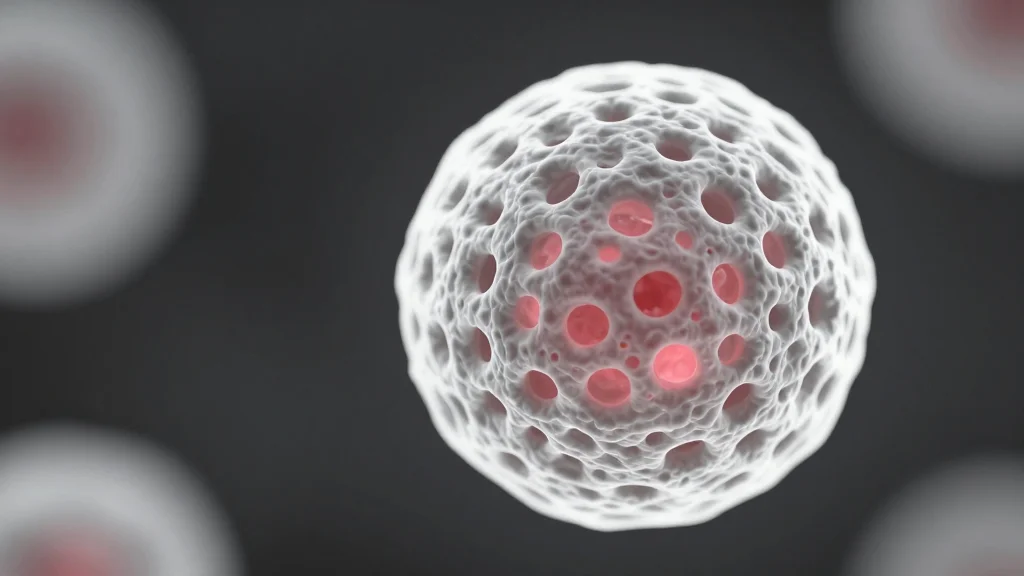
Mesoporous Silica Nanoparticles‐Based Formulations for Enhanced Oral Delivery of Peptide Drugs: A Case Study on Insulin
Researchers engineered mesoporous silica nanoparticles (MSN) to encapsulate insulin and co‑formulated them with succinylated β‑lactoglobulin into pH‑responsive tablets. Surface grafting with polyethylene glycol and phosphonate groups boosted insulin solubility by roughly 2.5‑fold and stabilized the particles in gastrointestinal fluids. The...

Social Status Influences T-Cell Synapse Strength
A new study in Cell Research links social hierarchy to immune competence by showing that pre‑frontal cortical synaptic strength governs peripheral T‑cell activity. Lower‑ranking animals displayed weakened synaptic transmission, which correlated with reduced T‑cell activation, while higher‑ranking peers exhibited stronger...

Powering the Next Wave of Cell Therapy: From iPSC-Derived Cells to In Vivo Reprogramming
Induced pluripotent stem cells (iPSCs) are being engineered into diverse therapeutic cell types, while in vivo reprogramming aims to convert resident cells directly within patients, eliminating traditional cell‑manufacturing steps. Both strategies depend on precise recombinant growth factors, cytokines, extracellular matrix proteins...