
WuXi Biologics Reports Record 2025 Annual Results, Operational Excellence Driven by Digital-Native Architecture
WuXi Biologics reported record 2025 results, with revenue up 16.7% and IFRS gross profit climbing 30.9%, lifting its gross margin to 46%. The growth was driven by expanding research, development and manufacturing contracts and tighter cost control across its global network of 13,000+ staff. A digitally‑native intelligent lab and factory platform accelerated timelines and improved quality, while a new secure client portal gave sponsors real‑time data access. The company also emphasized ESG initiatives, positioning itself as a sustainable leader in the biologics CRDMO market.

Metformin’s Hidden Brain Pathway Revealed After 60 Years
Researchers at Baylor College of Medicine have identified a brain‑based pathway that underlies metformin’s glucose‑lowering effect. The study shows that metformin suppresses the Rap1 protein in the ventromedial hypothalamus, a region critical for whole‑body glucose regulation. Mice lacking hypothalamic Rap1...

The United Laboratories and Novo Nordisk Report P-II Trial Data on UBT251 in Chinese Patients with Type 2 Diabetes
Novo Nordisk and United Laboratories reported Phase‑II data for the GLP‑1 agonist UBT251 in 211 Chinese patients with type‑2 diabetes. Over 24 weeks, UBT251 achieved a 2.16 % HbA1c reduction, outperforming semaglutide’s 1.77 % and placebo’s 0.66 % from a baseline of 8.12 %....

Gilead’s Ouro Buy, J&J/Protagonist’s Approval, Aurinia’s Revamp, ACIP Confusion, More
Gilead announced a $2.1 billion acquisition of Ouro Medicines and its T‑cell engager OM336, planning to split the deal with long‑time partner Galapagos. Johnson & Johnson and Protagonist Therapeutics secured FDA approval for Icotyde, an IL‑23 receptor blocker that becomes Protagonist’s...

Genomic Mapping of E. Coli Capsules Identifies High-Risk Types for Vaccines
A genomic survey of over 18,000 *Escherichia coli* genomes has mapped 90 capsular K‑loci, revealing that five capsule types (K1, K5, K52, K2, K14) cause more than half of bloodstream and urinary‑tract infections in Europe. The study links these high‑risk...

World-First Portable Multi-Pathogen CRISPR Test Seeks to Improve STI Diagnostics
Researchers at Australia’s Peter Doherty Institute have created a portable, CRISPR‑based diagnostic that simultaneously detects syphilis, HSV, chlamydia and gonorrhea in under an hour. The assay also identifies a key antibiotic‑resistance gene in gonorrhea, delivering 97‑100% accuracy compared with laboratory...

MSD and Quotient Collaborate on IBD Drug Targets
Merck (MSD) has entered a multi‑year research partnership with Quotient Therapeutics to uncover new drug targets for inflammatory bowel disease using Quotient’s somatic genomics platform. The deal provides Quotient with $20 million upfront and up to $2.2 billion in regulatory, development and...

STAT+: How an Outsider Crept Into Eli Lilly’s Top Ranks — and Plans to Drive Its Business Forward
Jacob Van Naarden, formerly COO of Loxo Oncology, joined Eli Lilly after its $8 billion cash acquisition of Loxo in 2018. He now serves as president of Lilly Oncology and head of business development, overseeing the company’s dealmaking and pipeline expansion. The purchase...

Ionis’ Zilganersen Receives US FDA Priority Review for Alexander Disease
Ionis Pharmaceuticals received FDA acceptance of its new drug application for zilganersen and a priority‑review designation for treating Alexander disease, with a PDUFA target action date of September 22, 2026. The Phase III trial enrolled 54 patients aged 1.5 to 53...

Trace Unites ALS Teams Behind a Target That Could Broaden Treatment Access
Trace Neuroscience, launched Nov 2024, is developing an antisense drug, TRCN‑1023, to restore UNC13A protein function in ALS patients. The target emerged from parallel discoveries at UCL and Stanford, and the company plans intrathecal delivery and biomarker‑guided trials. Leveraging lessons...
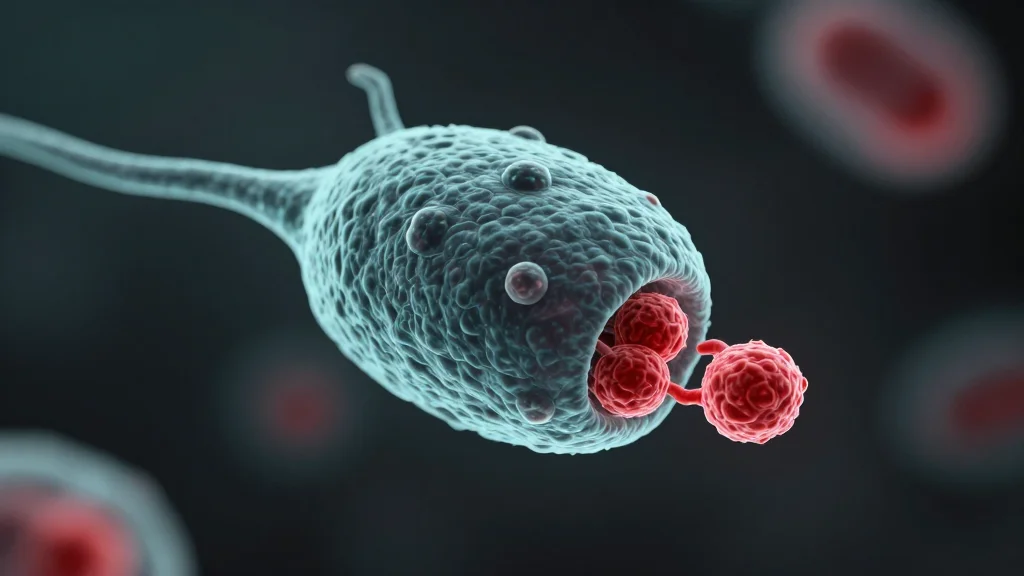
As Antibiotics Fail, a New Treatment Targets the Host, Not the Bacteria
Researchers at Trinity College Dublin have demonstrated that a single dose of interferon‑gamma can “train” human macrophages to more effectively kill drug‑resistant bacteria such as MRSA and Mycobacterium tuberculosis. The IFN‑γ‑trained cells undergo epigenetic reprogramming, rely on glutamine metabolism, and...

This Tiny Implant, Smaller than a Grain of Salt, Can Read Your Brain
Cornell researchers have unveiled the microscale optoelectronic tetherless electrode (MOTE), a neural implant barely larger than a grain of salt. The 300 µm‑by‑70 µm device wirelessly transmits brain‑wave data via infrared light and has demonstrated chronic operation in awake mice for more...

Cancer Drug Can Treat Drug-Resistant Herpes, Too
Researchers at the University of Illinois Chicago have repurposed the FDA‑approved cancer drug doxorubicin to combat drug‑resistant herpes simplex virus type 1 (HSV‑1). Using their AI‑driven platform HerpDock, they identified doxorubicin’s ability to block the PI3K‑AKT‑mTOR pathway that the virus exploits,...

AL-S Pharma Tests How Far SOD1 Biology Extends Into Sporadic ALS
The article outlines BioCentury’s cookie policy, detailing the categories of cookies used on its website—strictly necessary, functional, marketing, advertising, and analytics. Each type is described in terms of purpose, activation status, and impact on user experience. The policy emphasizes that...

Towards Intelligent and Miniaturized Drug Delivery Devices
Intelligent and miniaturized drug delivery devices (IMDDDs) combine biotechnology, AI, electronics, and novel materials to provide precise, programmable drug release inside the body. These platforms integrate real-time sensing with adaptive control, enabling dose adjustments based on biomarkers such as glucose...
Doctors for America Raises PDUFA, CNPV, Bayesian, Supply Chain Concerns With Lawmakers
Doctors for America met with bipartisan lawmakers to flag several regulatory concerns at the FDA. The group warned that “America First” provisions in the upcoming PDUFA negotiations could increase user fees and hinder drug access, while the agency’s reliance on...

Absci Reports Business Updates and Fourth Quarter and Full Year 2025 Financial and Operating Results
Absci Corporation announced that its AI‑designed antibody ABS‑201 has been dosed in the first three single‑ascending‑dose cohorts of the Phase 1/2a HEADLINE trial, showing favorable safety and early hair‑growth signals in human ex vivo studies. The company also unveiled Origin‑1, a generative‑AI...
Karyopharm Therapeutics Inc. (KPTI) Discusses Top Line Results From Phase III SENTRY Trial in Myelofibrosis Transcript
Karyopharm Therapeutics announced top‑line data from its Phase III SENTRY trial, which evaluated selinexor combined with ruxolitinib in patients with myelofibrosis. The company reported that the regimen met its primary efficacy endpoints and demonstrated a manageable safety profile. Alongside the clinical...
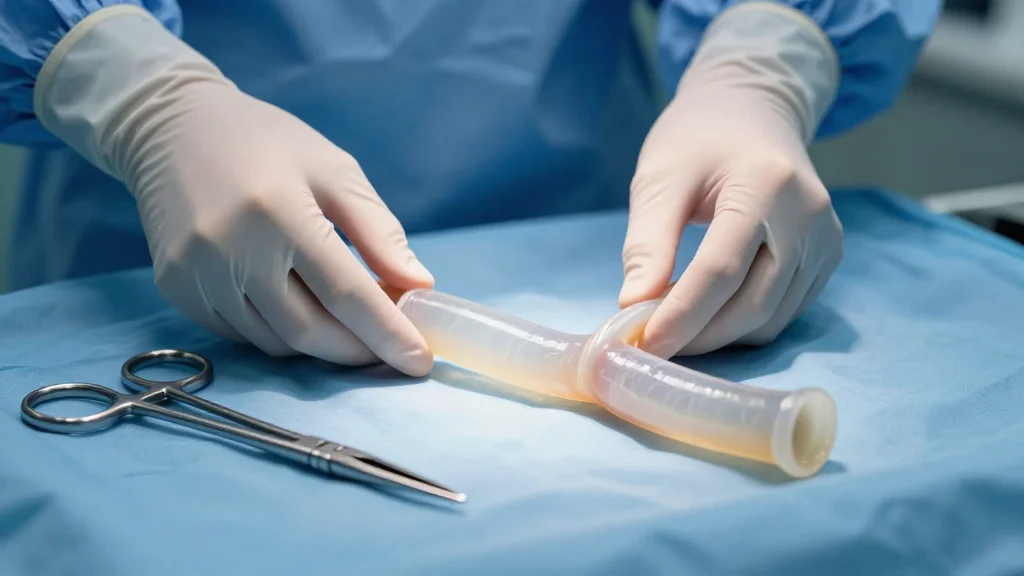
New Off-the-Shelf Conduit for CABG Shows Promise in First-in-Human Study
Vascudyne’s acellular tissue‑engineered vessel with external support (ATEV‑ESS) demonstrated early promise as an off‑the‑shelf conduit in a first‑in‑human study. Three patients with multivessel coronary disease received the device; two implants remained patent at 12 months with no thrombus or major...

MaRS Impact Health Returns to Showcase Canada’s Next Big Healthcare Breakthroughs
MaRS Impact Health will convene more than 1,000 biotech, digital‑health and medical‑device innovators in Toronto on April 23, showcasing Canada’s push to define a "middle‑power" role as the global healthcare market fragments. The summit highlights rare‑disease breakthroughs, including mRNA vaccine...

CSA Announces $3.6M Opportunity for Life Sciences Research on the ISS
The Canadian Space Agency (CSA) has launched a $3.6 million CAD (≈ $2.6 million USD) Announcement of Opportunity to fund health and life‑sciences research on the International Space Station. Up to $900,000 CAD (≈ $660,000 USD) per project will be awarded to Canadian teams...

Safety Similar Across Advanced Crohn’s Disease Therapies
Researchers analyzed real‑world claims data from 12,245 Crohn’s disease patients treated between 2016 and 2022 to compare safety outcomes across five advanced therapies, including TNF antagonists, vedolizumab, ustekinumab, risankizumab, and upadacitinib. Incidence rates for serious infections, major adverse cardiovascular events,...

Kintor’s KX-826 Meets Phase III Endpoints in Alopecia
Kintor Therapeutics announced that its oral JAK inhibitor KX-826 successfully met both primary and key secondary endpoints in a pivotal Phase III trial for alopecia areata. The double‑blind study enrolled 620 patients and showed statistically significant hair regrowth compared with...

STAT+: FDA Slams Soon-Shiong and ImmunityBio for Making ‘False and Misleading’ Claims About a Drug
The FDA sent a March 13 warning letter to ImmunityBio, a company controlled by biotech magnate Patrick Soon‑Shiong, after finding multiple false and misleading statements about its bladder‑cancer drug Anktiva. The agency highlighted that television ads and a podcast claimed the...
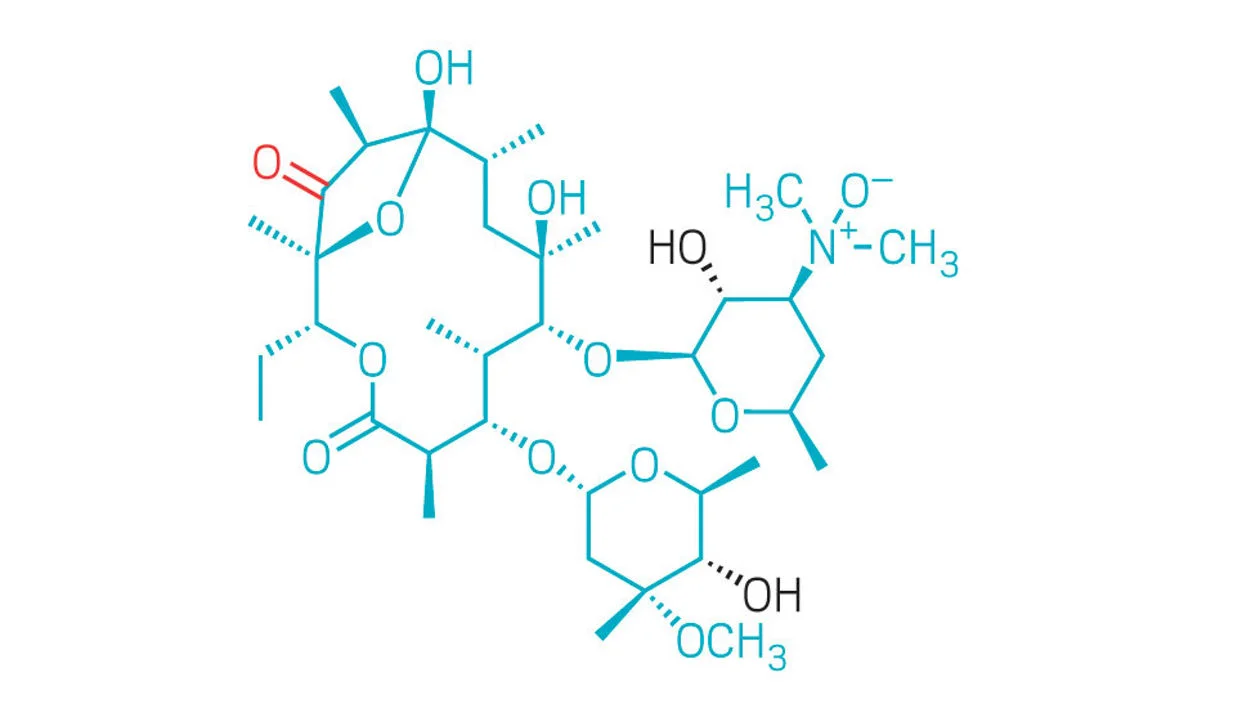
Antibiotics Selectively Supercharged Against MRSA
Yale and Cornell chemists have devised a metal‑free aminoxyl catalyst that oxidizes a single secondary alcohol in the macrolide antibiotic erythromycin A. The catalyst, paired with mCPBA, proved highly selective, but analogous macrolides clarithromycin and azithromycin required different reagents to achieve...

Ocugen Heads to Phase 3 with Gene Therapy for Geographic Atrophy
Ocugen announced that its investigational gene therapy for geographic atrophy, a leading cause of vision loss in age‑related macular degeneration, will move into a Phase 3 clinical trial. The company reported mixed Phase 2 results, showing a favorable safety profile but inconsistent...

NanoZymeX Secures €160K to Advance Lipid Nanoparticle Enzyme Therapies for Rare Diseases
Swiss biotech NanoZymeX has secured €160,000 (about $174,000) from Venture Kick to accelerate its lipid‑nanoparticle platform for enzyme replacement therapies. The technology, spun out of the University of Basel, seeks to improve delivery of therapeutic enzymes into muscle cells and lysosomes,...

Fusion Enzyme Boosts Polyester Textile Recycling – Study
Researchers at the University of Portsmouth and the University of Manchester have engineered a “plastic‑eating” enzyme that dramatically speeds the depolymerisation of PET, the polymer used in polyester clothing. The enzyme remains highly active even at the high substrate concentrations...

FDA Warns ImmunityBio over Misleading Podcast with Patrick Soon-Shiong
The U.S. Food and Drug Administration issued a warning to ImmunityBio after a television ad and a podcast featuring billionaire biotech entrepreneur Patrick Soon‑Shiong suggested that the company’s bladder‑cancer drug Anktiva could cure or prevent all cancers. The FDA said...

Optibrium Introduces Graphical Interface for QuanSA to Enhance Ligand-Based Affinity Predictions
Optibrium has released a new PyMOL plugin that adds a graphical user interface to its QuanSA ligand‑based affinity prediction tool. QuanSA uses physically‑motivated machine learning to deliver free‑energy perturbation‑level accuracy without needing a protein structure, dramatically lowering computational cost. The...

Karyopharm’s Mixed Myelofibrosis Data; Rezolute to Seek FDA Approval Despite Trial Failure
Karyopharm reported mixed results from its Phase 3 SENTRY trial of selinexor in myelofibrosis, achieving a statistically significant reduction in spleen volume but raising safety concerns. The data fell short of expectations for overall survival benefit. Meanwhile, Rezolute announced it will...

Q&A: Controversial Embryo Editing Entrepreneur Cathy Tie on Her New Startup
Cathy Tie, the founder of Origin Genomics, announced the shutdown of her previous embryo‑editing venture and the launch of a new startup focused on pre‑implantation genetic modification. The new company, dubbed EmbryoX, has secured $55 million in Series A funding led by...

Seven T Cell Engager Companies You Should Know About
T‑cell engagers are bispecific antibodies that redirect T cells to destroy cancer cells and are being explored for autoimmune disorders. Seven companies are leading the field: Adaptin Bio secured FDA IND clearance for APTN‑101 in glioblastoma; Candid Therapeutics merged with...

Novartis Pledges $480M to Expand China Presence, Following Eli Lilly and AstraZeneca
Swiss drugmaker Novartis announced a $480 million investment to expand its manufacturing and R&D footprint in China. The plan allocates about $218 million to upgrade its Beijing Changping facility, which can produce up to 3 billion tablets annually, and $262 million to expand its...
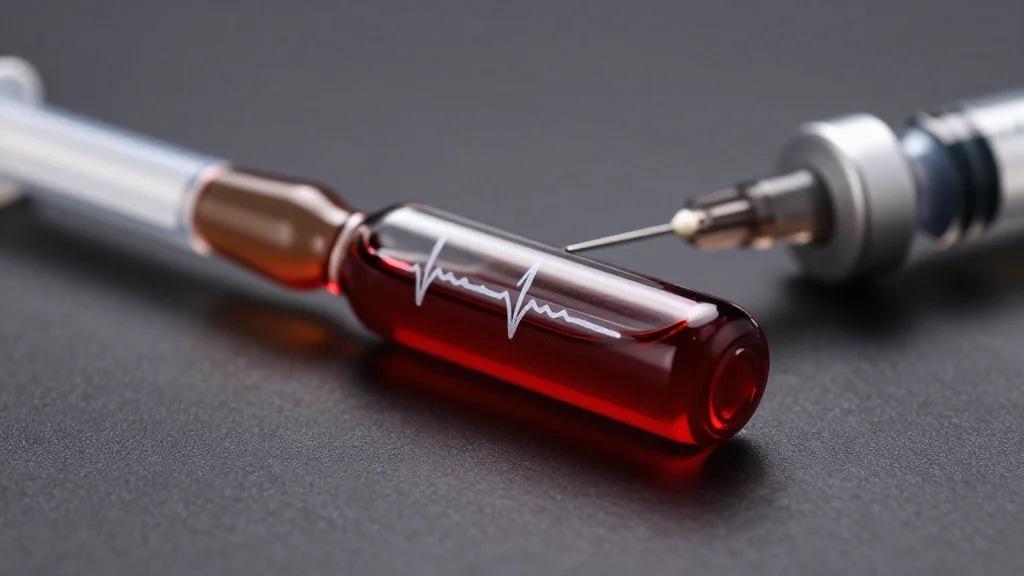
Aardvark Pauses 2 Obesity Trials, Reveals New Details on Cardiac Concerns
Aardvark Therapeutics has paused two Phase 2 obesity trials, POWER and STRENGTH, after cardiac safety signals emerged in its lead compounds ARD‑101 and ARD‑201. The anomalies were observed in healthy volunteers receiving double the target dose, prompting a halt to the...

ImmuneBridge Secures $7.7M to Open Cell Therapy Manufacturing Platform to Biotech Partners
ImmuneBridge announced a $7.7 million second seed round, bringing its total seed capital to roughly $20 million, to commercialize its proprietary cell‑therapy screening and manufacturing platform for external partners. The platform combines machine‑learning‑driven donor selection with a unique small‑molecule that preserves stem‑cell...

Dual-Action Antiviral Treatments Offer A New Path Forward
Scientists at the U.S. Army Medical Research Institute of Infectious Diseases have engineered a dual‑action antibody that simultaneously targets two stages of Venezuelan equine encephalitis virus (VEEV) entry. The single‑molecule treatment protected animals even when given after exposure and neutralized...

Leica Biosystems Launches Aperio GT Elite Scanner, Aperio iQC Software
Leica Biosystems, a Danaher company, launched the Aperio GT Elite digital pathology scanner in the U.S., paired with Aperio iQC software featuring AI‑driven rescan capabilities. The scanner can process up to 103 slides per hour, scanning a slide in as...

Imaging Agent Granted FDA Fast Track Designation
FluoGuide A/S announced that the U.S. FDA has granted Fast Track designation to its intraoperative imaging agent FG001, targeting high‑grade glioma surgery. The designation recognizes the serious nature of glioblastoma and the agent's promise to improve tumor visualization during resection....

Quotient Therapeutics & Merck Enter ~$2.2B Partnership to Discover Novel Drug Targets in IBD
Quotient Therapeutics and Merck have signed a multi‑year collaboration to use Quotient’s somatic genomics platform for discovering new drug targets in inflammatory bowel disease. The agreement provides Quotient with $20 million upfront and includes milestone payments that could lift the total...

Radiopharmaceutical Clinical Trials in 2026: How to De-Risk Isotope Supply, Imaging Variability, and Regulatory Pathways
Radiopharmaceutical clinical trials are becoming a high‑velocity segment in 2026, but they remain vulnerable to three predictable bottlenecks: isotope supply chain fragility, imaging variability, and regulatory pathway selection. Axcellant, a boutique CRO with an integrated imaging core lab, demonstrates that...
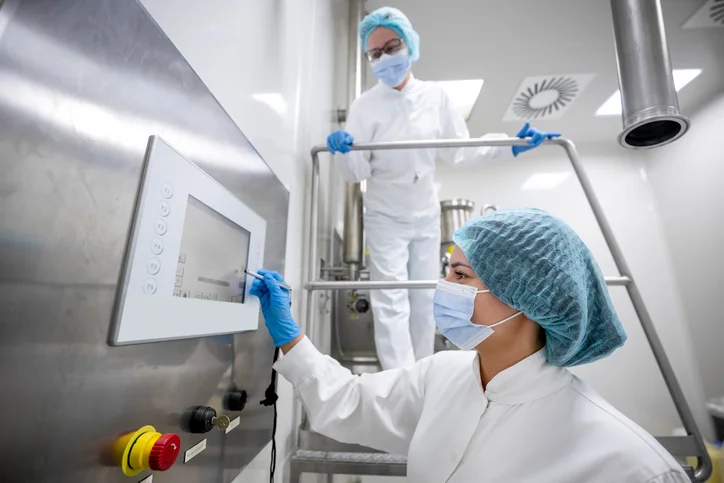
Synthetic DNA Manufacturing Hub Set Up in Boston by Artis BioSolutions
Artis BioSolutions, a San Diego‑based advanced therapies firm, has launched a synthetic DNA manufacturing hub in Boston using Syngoi Technologies' proprietary enzymatic platform. The new site complements its GMP manufacturing facility in Watertown, creating a bi‑continental network with an existing...

Biotech Investors Set to Meet with Key Congressional Panel
A bipartisan congressional commission focused on maintaining U.S. leadership in biotechnology will host a meeting with leading biotech investors next week. The investors, representing venture capital firms and industry funds, aim to discuss policy gaps, funding mechanisms, and regulatory hurdles....

Prestige Biopharma Reports Topline P-III (SAMSON-II) Study Results for HD204 (Biosimilar, Avastin)
Prestige Biopharma announced topline results from its phase‑III SAMSON‑II trial comparing HD204, a biosimilar to Avastin (bevacizumab), with the reference product in 625 patients with advanced non‑squamous non‑small cell lung cancer. The study demonstrated an objective response rate (ORR) of...

Apnimed Set to Exit Sleep Disorder Joint Venture with Shionogi for $100M Upfront
Japanese pharmaceutical company Shionogi is buying out Apnimed’s 50% stake in their sleep‑disorder joint venture for an upfront payment of $100 million. The acquisition gives Shionogi full control over the partnership’s pipeline, which focuses on treatments for conditions such as obstructive...

E Fund HK Launches “Global First” Biotech ETF Bridging Hong Kong and US Markets
E Fund Management Hong Kong launched the E Fund (HK) Solactive Biopharma Select Index ETF (code 3186) on March 23, 2026, the first ETF to blend Hong Kong and US biotech stocks. The index tracks up to 100 biotechnology and pharmaceutical firms, weighting...
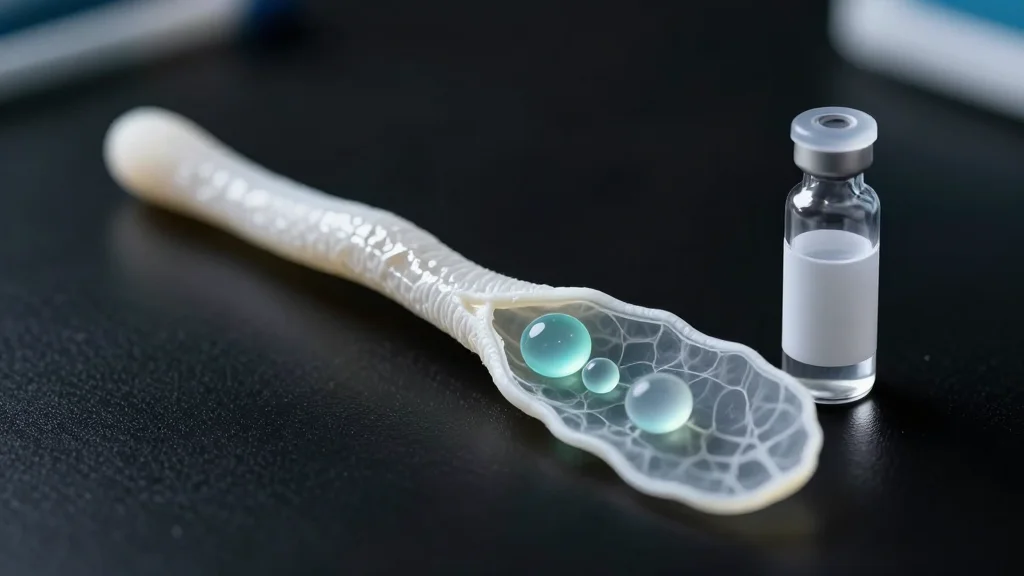
Clemastine Fumarate Activates Lipophagy to Promote Oligodendrocyte Progenitor Cells Differentiation and Remyelination in a Cuprizone-Induced Demyelination Model
Researchers discovered that clemastine fumarate activates lipophagy in oligodendrocyte progenitor cells (OPCs), clearing lipid droplets that impede differentiation. In vitro, the drug enhanced OPC maturation and removed myelin debris, while in a cuprizone‑induced mouse model it restored myelin integrity and...

Dietary Fructo-Oligosaccharides Dose-Dependently Modulate the Microbiome and Suppress Type 2 Lung Inflammation in a Murine Model of House Dust Mite-Induced...
Researchers fed BALB/c mice diets containing 1 %, 2.5 %, 5 %, or 10 % fructo‑oligosaccharides (FOS) before and during house‑dust‑mite sensitisation. While overall eosinophil recruitment to the lungs was unchanged, FOS dose‑dependently lowered lung Th2 cell frequencies and reduced key type 2 cytokines such...

Ecnoglutide Approval Intensifies Competition in China GLP-1 Obesity Market
China's National Medical Products Administration approved Sciwind Biosciences' Ecnoglutide injection, marking the country's fifth GLP‑1 obesity therapy. The drug demonstrated a 15.4% average weight loss in the Phase III SLIMMER trial, with over 90% of participants achieving at least 5%...