Veracyte Inc (VCYT) Q4 2025 Earnings Call Transcript
Veracyte reported fourth‑quarter 2025 revenue of $140.6 million, a 19% year‑over‑year increase driven by strong testing volume and higher average selling prices. Non‑GAAP gross margin rose to 75.1%, with testing margin reaching 76.1% after the transition to the v2 transcriptome platform. The company generated $52.6 million of operating cash flow, ending the quarter with $412.9 million in cash, and reaffirmed fiscal 2026 guidance of $570‑$582 million revenue and roughly 25% adjusted EBITDA margin. Two new products—TRUE MRD for bladder cancer and Prosigna LDT for early‑stage breast cancer—are slated for launch by summer 2026.
Myelin Dysfunction in Autism Spectrum Disorder: Insights Into Core Symptoms and Mechanisms of Brain Development
Recent research highlights myelin dysfunction as a central factor in autism spectrum disorder, linking abnormal white‑matter development to core social and communication deficits. Genetic and epigenetic studies reveal that disruptions in oligodendrocyte maturation, driven by mTOR and ERK signaling, occur...
Dual Regulatory Roles of CPT1C in Chronic Stress-Induced Depression-Related Outcomes
A recent study reveals that carnitine palmitoyltransferase 1C (CPT1C) exerts dual regulatory functions in chronic stress‑induced depression‑related phenotypes. CPT1C enhances surface expression of GluA1‑containing AMPA receptors via SAC1‑mediated lipid signaling while simultaneously dampening mTORC1 activity through AMPK pathways. Genetic deletion...

Sarepta Therapeutics Inc (SRPT) Q4 2025 Earnings Call Transcript
Sarepta Therapeutics reported a blockbuster fourth quarter, with ELEVIDYS gene‑therapy sales of $384 million, surpassing guidance by $60 million, and total net product revenue of $1.79 billion for 2024, up 56% year‑over‑year. The company achieved GAAP profitability and cash‑flow positivity, confirming the financial...
Schrodinger Inc (SDGR) Q4 2025 Earnings Call Transcript
Schrödinger reported Q2 FY2025 revenue of $54.8 million, up 16% year‑over‑year, driven by 15% software growth to $40.5 million and 19% drug‑discovery growth to $14.2 million. Gross margin slipped to 68% as the mix shifted toward lower‑margin services and new predictive‑toxicology investments. Net...
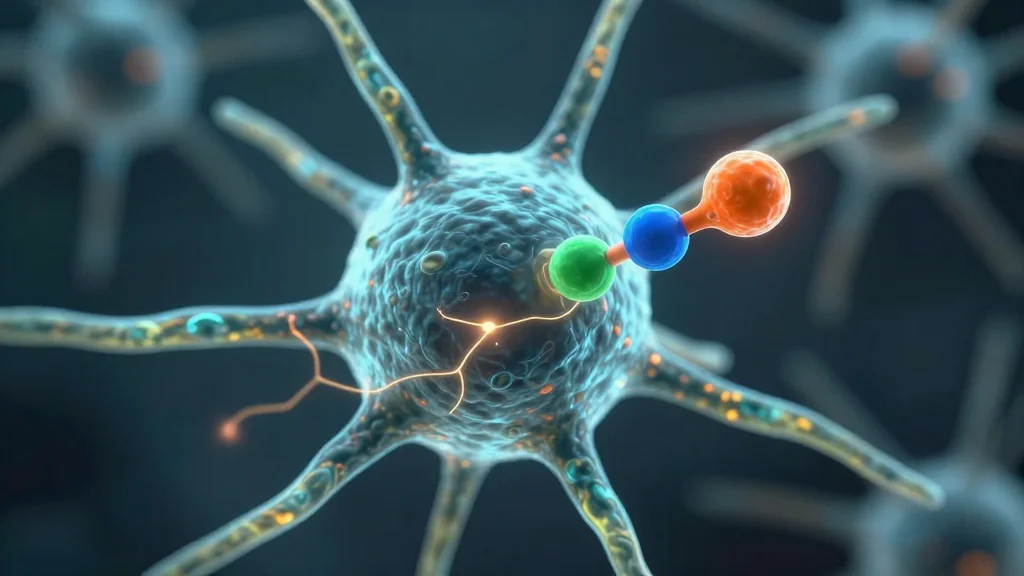
Nitric Oxide-Mediated S-Nitrosylation of TSC2 Drives mTOR Dysregulation Across Shank3 and Cntnap2 Models of Autism Spectrum Disorder
Researchers identified that neuronal nitric oxide (NO) S‑nitrosylates the TSC2 protein at cysteine 203, triggering its ubiquitination and degradation. The loss of TSC2 removes inhibition of the mTOR pathway, causing hyperactivation in both excitatory and inhibitory neurons of Shank3Δ4–22 and Cntnap2‑/‑...
Revolution Medicines Inc (RVMD) Q4 2025 Earnings Call Transcript
Revolution Medicines reported that its lead KRAS inhibitor doraxonrasib secured breakthrough therapy, orphan drug, and a FDA National Priority Voucher, underscoring its potential in pancreatic cancer. Phase I data revealed median overall survival of 13.1‑15.6 months and a 47% objective...
Biomarker for Craving and Acamprosate Treatment Response in Patients with Alcohol Use Disorder: Insights From Multi-Omics
A multi‑omics investigation identified molecular signatures that link alcohol craving to acamprosate treatment response in patients with alcohol use disorder (AUD). The study highlighted IL17RB genetic variants and elevated plasma TNFSF10 as robust predictors of therapeutic success, while proteomic and...

AI-Powered Platform Accelerates Discovery of New mRNA Delivery Materials
University of Toronto researchers unveiled LUMI‑lab, an AI‑driven self‑driving lab that combined a 28‑million‑molecule foundation model with active‑learning robotics to synthesize and test over 1,700 lipid nanoparticles. The system independently identified brominated lipid tails as a potent new class for...
New Protein-Like Polymers Target, Degrade “Undruggable” Proteins Driving Cancer
Researchers at Northwestern University have created HYDRACs, hybrid degrading copolymers that bind and eliminate traditionally "undruggable" oncogenic proteins such as MYC and KRAS. The polymers display target‑recognizing peptides on one side and degron motifs on the other, directing the proteins...

Solving Cancer Immunotherapy's Fuel Shortage with a Protected Sugar Source
UCLA researchers engineered T cells with two fungal proteins that let them import and metabolize cellobiose, a sugar tumors cannot use. This protected fuel restores T‑cell viability, cytokine production, and tumor‑killing capacity in glucose‑deprived environments. In mouse models of lung,...

FDA Approves Drug for Adult and Pediatric Patients Aged 6 and Older with Allergic Fungal Rhinosinusitis
The FDA has granted approval for Dupixent (dupilumab) to treat allergic fungal rhinosinusitis (AFRS) in adults and children six years and older, marking the first indication for this rare sinus disease. The approval follows a 52‑week trial that demonstrated significant...
Sustained HIV Viral Suppression Restores Immune Potential: Victor Appay, PhD
New data presented at CROI 2026 show that people living with HIV who have maintained viral suppression for 25‑30 years on antiretroviral therapy regain robust HIV‑specific CD8⁺ T‑cell function. Using flow cytometry and single‑cell RNA sequencing, researchers found these cells display...
Verified Clinical Benefit | Cancer Accelerated Approvals
The FDA has granted traditional approvals to ten oncology drugs that originally received accelerated approval after post‑marketing studies verified clinical benefit. The list includes agents such as Braftovi, Epkinly, and Padcev, with conversion dates ranging from 2022 to 2026. These...
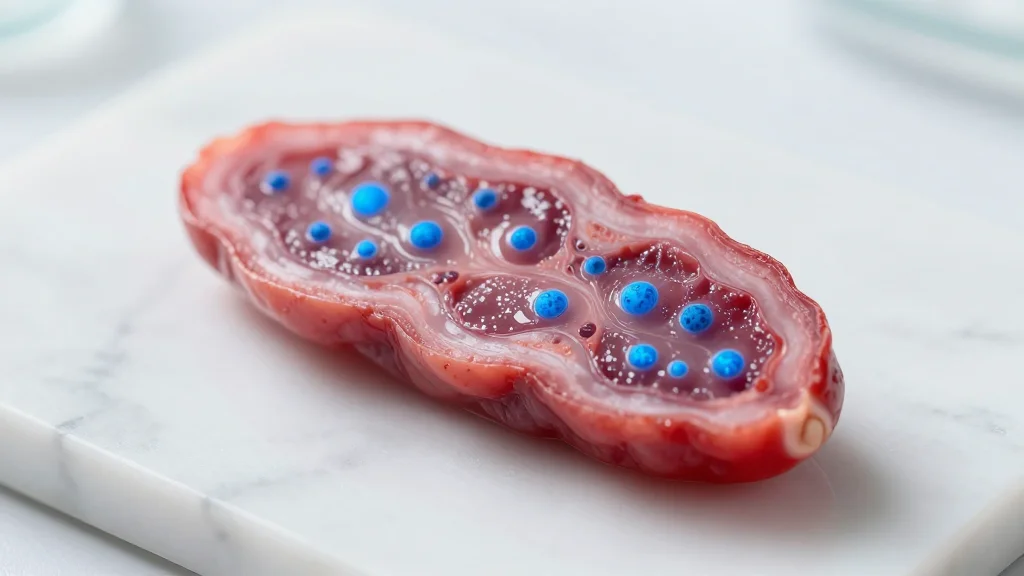
Engineered Bacteria Can Consume Tumors From the Inside Out
University of Waterloo researchers have engineered the anaerobic bacterium Clostridium sporogenes to eat solid tumors from the inside out. By inserting an oxygen‑tolerant gene and coupling it to a quorum‑sensing circuit, the bacteria survive at the tumor periphery only after...

Holding Out Hope for HF Shunts, Even After an FDA Panel’s Doubts
The FDA Circulatory System Devices Panel rejected the V‑Wave interatrial shunt, citing a neutral primary endpoint in the RELIEVE‑HF trial despite promising subgroup results in HFrEF patients. The trial showed no overall reduction in mortality, hospitalizations, or quality‑of‑life measures, and...

STAT+: Drugmakers Lay Out Their Legal Arguments Against Trump’s Drug Pricing Experiments
Pharmaceutical and biotech firms are mobilizing against two Trump administration proposals that would tie Medicare drug prices to those paid in other affluent nations. The initiatives – the GLOBE model for Part B physician‑administered drugs and the GUARD model for Part D...
What to Know About the ‘Anti-Aging’ Peptide Shots Flooding Social Media
A wave of unapproved anti‑aging peptide injections is sweeping social media, driven by influencers and celebrities. Most products are sold on the gray market, often from China, and lack FDA approval or robust clinical data. Experts warn of safety risks,...

Pfizer’s Strategy: How the Company Is Evolving After Its COVID Success
Pfizer’s post‑COVID strategy pivots from vaccine and antiviral sales to rebuilding growth through oncology and metabolic assets. The 2026 guidance excludes COVID revenue, projects modest 4% operational growth, and anticipates a $1.5 billion patent‑cliff hit. To offset these pressures, Pfizer completed...

AI Provides a More Precise Time of Death Post-Mortem
Researchers at Linköping University and Sweden's National Board of Forensic Medicine have created an AI model that estimates the post‑mortem interval with roughly one‑day precision, even up to 13 days after death. The system analyzes metabolite patterns in blood, leveraging...
Sciwind Biosciences and Pfizer China Partner to Commercialize Ecnoglutide in China
Sciwind Biosciences granted Pfizer China exclusive rights to commercialize ecnoglutide injection in Mainland China. Sciwind will keep the marketing authorization and handle R&D, registration, manufacturing, and supply, receiving up to $495 million in milestone payments. Ecnoglutide, a cAMP‑biased GLP‑1 receptor agonist,...

ArisGlobal Launches XDI
ArisGlobal unveiled XDI, a Data Intelligence Cortex that federates fragmented life‑science data without centralizing it. The platform delivers continuous, explainable, decision‑grade intelligence across domains such as pharmacovigilance, benefit‑risk, and regulatory operations. XDI promises up to 80% reduction in compliance effort...
FDA Accepts Beren Therapeutics’ NDA for Niemann-Pick Disease
Beren Therapeutics announced that the U.S. Food and Drug Administration has accepted its New Drug Application for adrabetadex, an investigational therapy aimed at treating infantile‑onset Niemann‑Pick disease type C (NPC). The agency set a target action date of 17 August 2026 under the...
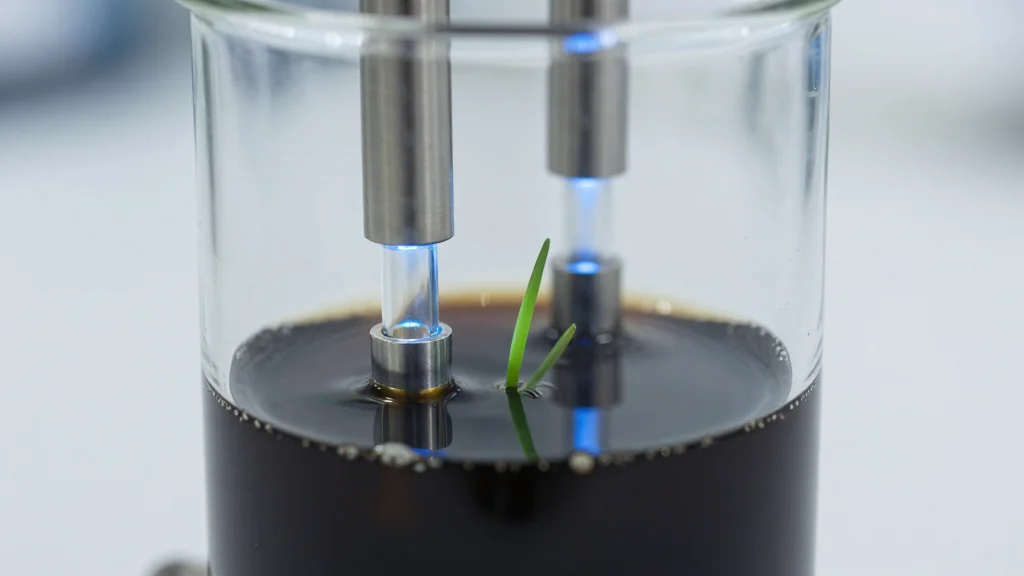
How Bacteria Can Reclaim Lost Energy, Nutrients and Clean Water From Wastewater
Researchers in a Frontiers in Science review highlight that global wastewater contains roughly 800,000 GWh of recoverable chemical energy and nutrients enough to meet 11 % of ammonia and 7 % of phosphate demand. Microbial electrochemical technologies (METs) using electrogenic bacteria can transform...

STAT+: New Treatment Approach Could Give IBD Patients Hope, and Be a Bonanza for Drugmakers
A new combination‑therapy approach for inflammatory bowel disease (IBD) aims to boost remission rates beyond the current 30 % success benchmark. By pairing agents that target distinct immune pathways, early trials show remission climbing to roughly 55 % and faster mucosal healing....
Advancing Pediatric MASLD Screening: Challenges and Future
A forthcoming Pediatric Research review by Vimalesvaran and Dhawan examines the current state of Metabolic Dysfunction‑associated Steatotic Liver Disease (MASLD) screening in children, highlighting advances in imaging and biomarker research while exposing persistent gaps in sensitivity and guideline standardization. The...
Every Cure and Computational Pharmacophenomics: A New Field of Medicine
The nonprofit Every Cure is launching computational pharmacophenomics, an AI‑driven approach that systematically evaluates all 4,000 FDA‑approved drugs for the 14,000 diseases lacking treatments. Its MATRIX platform integrates massive biomedical knowledge graphs, generates graph embeddings, and ranks 75 million drug‑disease pairs,...
Comparing Senescence in Articular Chondrocytes: Phenotype & Molecules
Researchers published a comparative analysis of replicative versus chemically‑induced senescence in articular chondrocytes, revealing divergent molecular signatures, secretory profiles, and mitochondrial dynamics. Replicative senescence displayed a controlled, anti‑inflammatory SASP and stable epigenetic marks, while chemically‑induced senescence produced a pro‑inflammatory secretome,...

New Research Reveals Dry Powder Inhalers Enhance Patient Outcomes and Reduce Environmental Impact
UCLA Health researchers published a JAMA Internal Medicine study showing that dry powder inhalers (DPIs) and soft‑mist inhalers (SMIs) cut COPD exacerbations while eliminating high‑global‑warming‑potential propellants used in metered‑dose inhalers (MDIs). The analysis of insurance‑claims data from 2016‑2025 found a...

Hims Reports 2025 Earnings, Shares Details on GLP-1 Pill Decisions
Hims & Hers disclosed its fourth‑quarter earnings and announced that it has withdrawn the controversial GLP‑1 weight‑loss pill it briefly launched. The decision followed conversations with key ecosystem stakeholders, including regulators and partner pharmacies. The company highlighted modest revenue growth...

Geometrically Well‐Controlled Wireframe RNA Nanostructures With Bundled‐Helix Edges
Researchers have introduced a single‑stranded RNA origami platform that uses dual duplex bundles as wireframe edges, delivering markedly defined geometries. The approach enables the construction of intricate RNA polygons and grid lattices with high yield and structural fidelity. By bundling...

Kinase-Inactive RIPK3 Model Unveils Scaffold Role in Inflammation
Researchers created a kinase‑inactive RIPK3 D143N mouse that remains viable, revealing that RIPK3’s scaffold function alone can drive TNF‑induced inflammatory pathology. The mutant protein continues to recruit RIPK1, FADD and activate NF‑κB, producing cytokine storms without necroptotic cell death. In...

Assessing Targeted HIV and Harm Reduction Services
A new NIH‑backed assessment of targeted HIV prevention and harm‑reduction services in five major U.S. cities shows a 15% decline in new infections over the past year. The study attributes the drop to expanded syringe‑exchange programs, mobile testing units, and...

Cut Down on Oncology Drug Waste With Better Forecasting
Oncology drug waste reaches up to 30%, costing over $2 billion annually in the U.S. A 2023 CMS rule now forces manufacturers to refund Medicare for discarded volumes beyond a 10% threshold, adding financial pressure. Traditional forecasting relies on static sales...

Australia-Based Manufacturing to Deliver Custom mRNA Vaccines for Brain Cancer Trial
Southern RNA and Providence Therapeutics announced the PaedNEO‑VAX trial, a world‑first personalized mRNA vaccine study for children with advanced brain tumors. The multi‑site trial, funded by Providence, the Australian government and donors, will launch in March 2026 across eight pediatric...
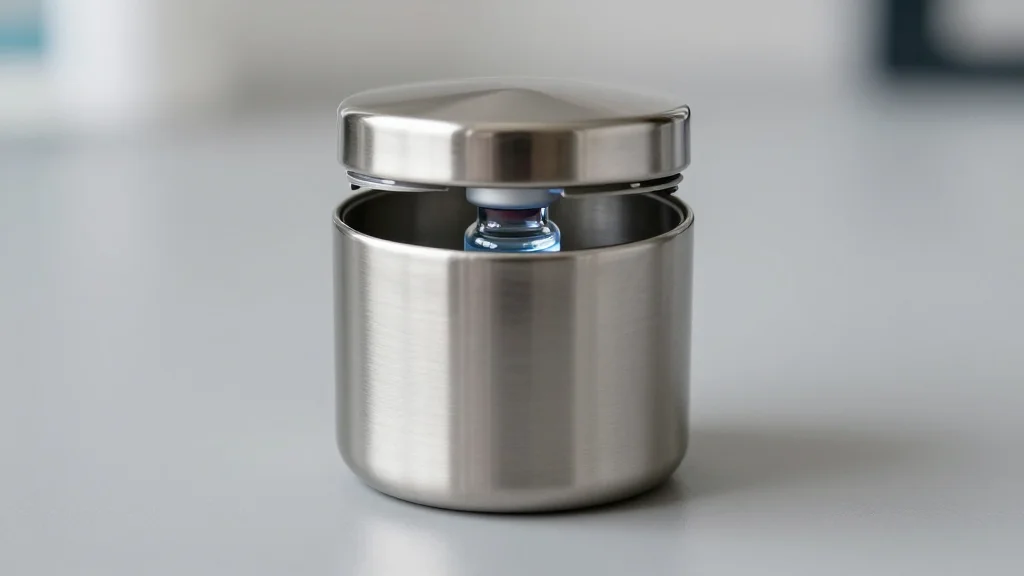
Radiopharmaceutical Sector Shapes Supply Chain Around Fast-Decaying Products
Radiopharmaceutical manufacturers must design ultra‑fast supply chains because isotopes decay rapidly, turning each dose into a ticking clock. Companies such as NorthStar and Nucleus mitigate this by locating production near major airports, using private air freight for longer‑half‑life isotopes, and...
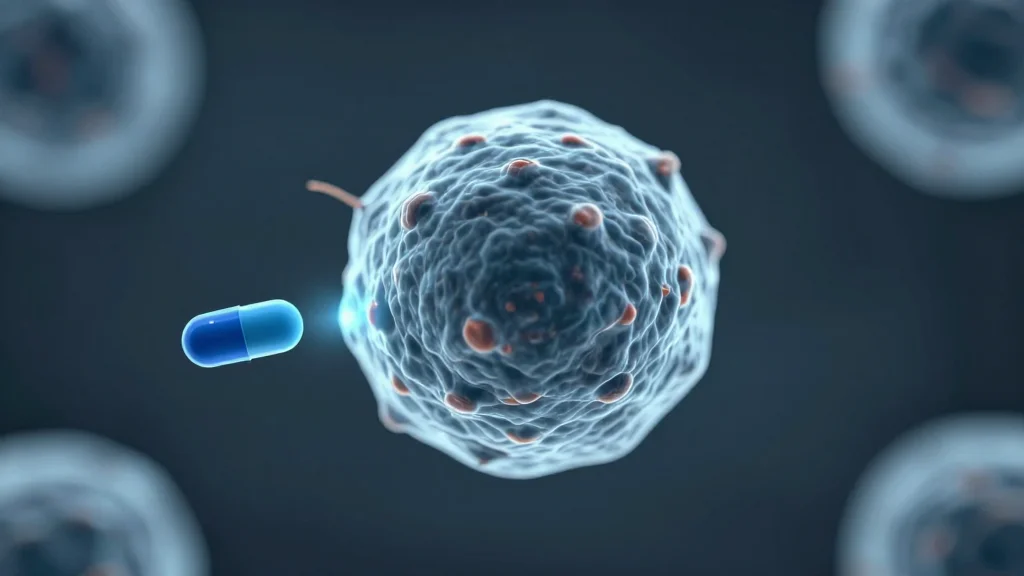
Drug-Controlled CAR T Cells May Enable Safer Immunotherapy
Researchers at EPFL have created a drug‑controlled CAR‑T platform called DROP‑CAR that can be turned off on demand with the FDA‑approved BCL‑2 inhibitor venetoclax. The system places a reversible protein‑protein interaction on the cell surface, causing the CAR to dissociate...
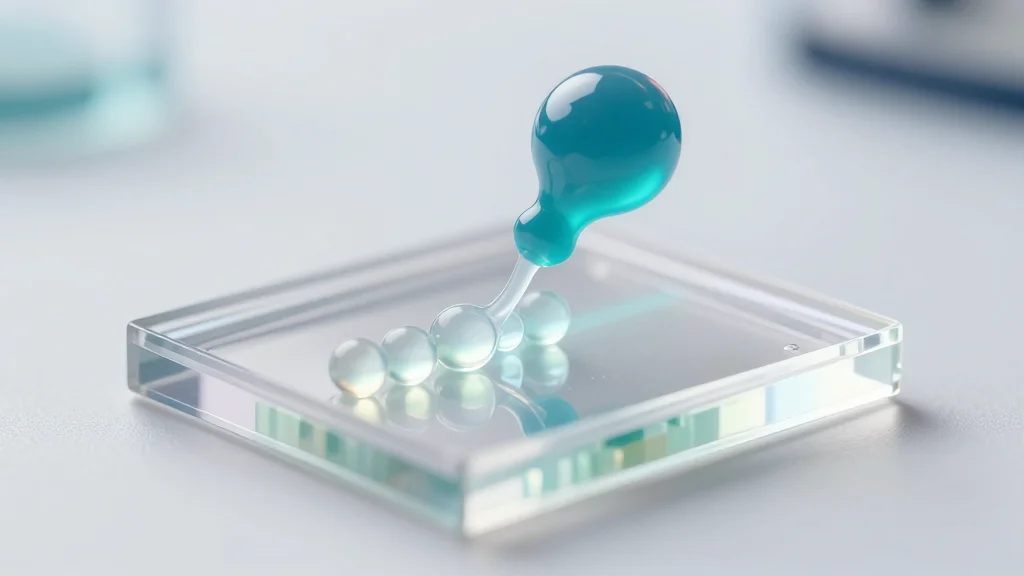
System Isolates Single Extracellular Vesicle Surface Proteins to Map Function
UC Davis engineers unveiled VESSEL, a cell‑free platform that produces extracellular vesicles bearing a single surface protein. By isolating individual proteins, the system enables direct functional mapping, exemplified by the discovery that CADM1 promotes vesicle uptake. The approach is scalable...

Cytokinetics Inc (CYTK) Q4 2025 Earnings Call Transcript
Cytokinetics announced rapid global regulatory clearance for MYCorzo, securing FDA, China NMPA, and European Commission approvals within a single week. The company launched the drug in the U.S. with over 700 REMS‑certified physicians and more than 12,000 customer engagements in...
Standard BioTools Inc (LAB) Q4 2025 Earnings Call Transcript
Pacific Biosciences reported Q4 2025 revenue of $44.6 million, a 14% year‑over‑year increase, driven by record consumable sales and higher Vega system placements. Consumables generated $21.6 million, up 15% YoY, pushing non‑GAAP gross margin to 40% for the quarter and the full...

Day One Biopharmaceuticals Inc (DAWN) Q4 2025 Earnings Call Transcript
Day One Biopharmaceuticals reported a breakout 2025, with Ojemda generating $155.4 million in net product revenue—a 172% year‑over‑year increase—and over 4,600 prescriptions. The company achieved its first profitability milestone as Ojemda’s revenue exceeded combined cost of sales and SG&A, while ending...

CareDx Inc (CDNA) Q4 2025 Earnings Call Transcript
CareDx reported Q4 2025 revenue of $108.4 million, up 25% year‑over‑year, propelled by testing services and a 47% surge in patient‑digital solutions. Adjusted EBITDA fell 34% because of a $6.7 million one‑time executive bonus, while cash balances reached $201 million and the company...

BridgeBio Pharma Inc (BBIO) Q4 2025 Earnings Call Transcript
BridgeBio Pharma reported Q4 2025 revenue of $120.7 million, a surge driven primarily by Attruby net product sales of $108.1 million and expanding royalty streams. The company announced statistically significant Phase III readouts for BBP-418 in limb‑girdle muscular dystrophy and...
Harmony Biosciences Holdings Inc (HRMY) Q4 2025 Earnings Call Transcript
Harmony Biosciences reported $714.7 million net product revenue for 2024, a 23% year‑over‑year increase, with Q4 sales of $201.3 million driven largely by its flagship narcolepsy drug Wakix. The company announced a generic settlement with Novogen that postpones competition until at least...
Vaxcyte Inc (PCVX) Q4 2025 Earnings Call Transcript
Incyte reported a strong Q4 2025, delivering $1.51 billion in revenue, a 28% year‑over‑year increase, and $5.14 billion for the full year, up 21%. Core products drove the surge: Jakafi posted $828 million in Q4 sales, Opsilura $207 million, and hematology/oncology sales jumped 121%...

Abcellera Biologics Inc (ABCL) Q4 2025 Earnings Call Transcript
AbCellera Biologics reported a transformative 2024, shifting from a partnership platform to a clinical‑stage biotech. The company advanced two internal antibody programs, ABCL635 and ABCL575, toward CTA filings in Q2 2025 and highlighted a $800 million liquidity position. It outlined a...
Iovance Biotherapeutics Inc (IOVA) Q4 2025 Earnings Call Transcript
Iovance Biotherapeutics reported third‑quarter product revenue of about $68 million, a 13% sequential increase, driven primarily by $58 million in Amtagvi sales and $10 million in Proleukin revenue. Gross margin improved to roughly 43% after a restructuring that cut cost of sales by...

Fulcrum Therapeutics Inc (FULC) Q4 2025 Earnings Call Transcript
Fulcrum Therapeutics reported a strong fourth‑quarter, posting $1.51 billion in revenue, a 28% year‑over‑year increase, and a full‑year 2025 revenue of $5.14 billion, up 21%. Core product sales accelerated, led by Jakafi’s $828 million Q4 revenue and Opsilura’s 28% sales jump to $207 million....

Supernus Pharmaceuticals Inc (SUPN) Q4 2025 Earnings Call Transcript
Vanda Pharmaceuticals reported a 9% rise in total revenue to $216.1 million for 2025, driven primarily by a 24% jump in Fanapt sales and a successful bipolar disorder launch. The company secured FDA approval for tradipitant (Nirius) for motion‑sickness prevention, marking...

Animal Muscles Inspire Biomaterial Design for Agriculture, Fabrics and Medicine
Researchers at Washington University in St. Louis have engineered muscle‑inspired protein fibers using synthetic biology, creating filamin‑based threads that combine high tensile strength, toughness, damping and shape‑memory. By growing genetically modified microbes in bioreactors, they achieved higher protein yields and...