
Ongoing | Non-Malignant Hematological, Neurological, and Other Disorder Indications Accelerated Approvals
The FDA’s ongoing accelerated‑approval list details 30+ drugs for non‑malignant hematologic, neurologic and other rare disorders that remain contingent on post‑marketing requirements (PMRs). Each entry cites the indication, approval date, specific confirmatory trial design, and a projected completion date ranging from 2026 to 2038. Notable therapies include Voyxact for IgA nephropathy, Wegovy for MASH, several exon‑skipping DMD agents, and gene‑therapy Skysona for cerebral adrenoleukodystrophy. The FDA tracks these PMRs to verify clinical benefit before converting to full approval.
Accelerated Approval Program
The FDA’s Accelerated Approval Program permits earlier market entry for drugs treating serious conditions by relying on surrogate endpoints that predict clinical benefit. Companies must later complete confirmatory trials; positive results convert the approval to traditional status, while negative outcomes...

ADMET Predictions Get AI Boost, Federated Data Network Unites Pharma
Apheris has launched the ADMET Network, a federated learning platform that lets pharmaceutical companies jointly train ADMET prediction models without exposing raw data. Five founding members—Lundbeck, Orion Pharma, Recursion, Servier and an undisclosed partner—have each contributed roughly 80% of their...
STAT+: A Rare Disease Drug Was Approvable, Then It Wasn’t. Inside a Surprise Rejection by the FDA
An experimental cell therapy for a rare post‑transplant blood cancer, developed by Atara Biotherapeutics and Pierre Fabre, was initially deemed approvable by FDA reviewers but was abruptly rejected in February 2026 over alleged clinical data deficiencies. The disease affects roughly...

Bridging the Translation Gap for Regenerative Tissues
Muvon Therapeutics, a clinical‑stage company developing regenerative muscle treatments, is confronting the translation gap between academic discovery and commercial manufacturing. The firm highlights three core hurdles: co‑developing evolving regulatory frameworks, automating novel manufacturing processes, and recruiting personnel with GMP expertise....

Autonomy and Accountability in Bioprocessing
Artificial intelligence is transitioning from offline analysis to active laboratory roles, yet bioprocess engineering faces unique biological and regulatory hurdles. A recent review advocates hybrid laboratories that blend AI‑driven automation for core tasks with human oversight for auxiliary processes. High‑throughput...

Samsung Joins CEPI Vaccine Network to Prepare for Next Pandemic
Samsung Biologics has joined the Coalition for Epidemic Preparedness Innovations (CEPI) Vaccine Manufacturing Facility Network, committing to develop a ready‑to‑activate recombinant protein vaccine platform. Backed by a $20 million budget, Samsung will pre‑agree manufacturing processes, run simulated outbreak drills, and prepare...
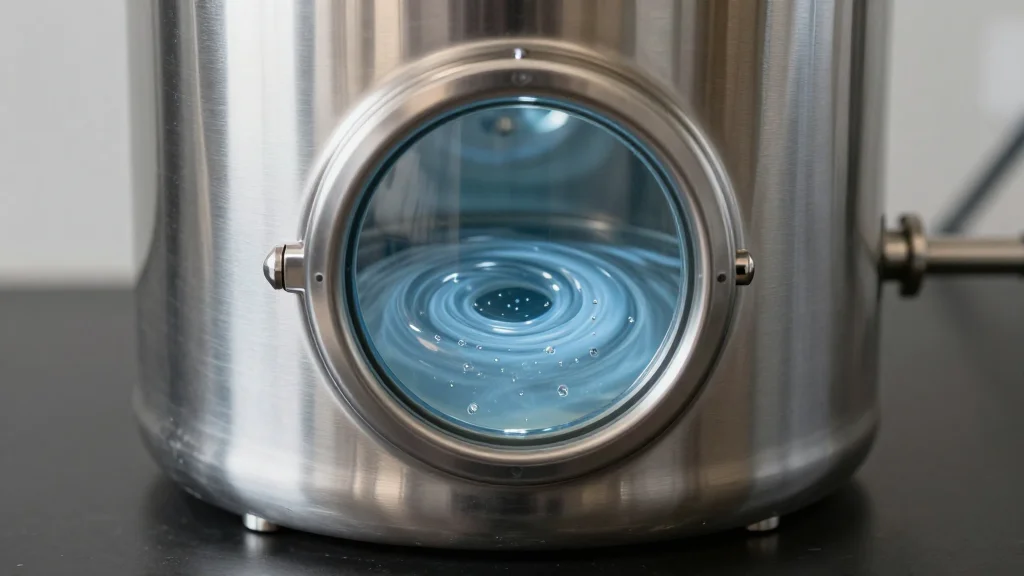
Fermenter-Extractor-Separator Mixes Uniformly and Is Gentle on Cells
Researchers at Iowa State University have unveiled a Taylor Vortex Fermenter‑Extractor‑Separator that combines fermentation, extraction and separation in a single unit. The concentric‑cylinder design creates Taylor vortices, delivering uniform mixing while minimizing cell damage. Higher mass‑transfer rates cut gas consumption,...

Alkermes’ Richard Pops to Step Down After Three-Decade Run as CEO
Richard Pops will step down as Alkermes CEO on July 31 after a 32‑year tenure, remaining as board chair. COO Blair Jackson will succeed him and join the board during the transition. Under Pops, Alkermes shifted from drug‑delivery to commercial...

New Research Platform Quorix Delivers Insights on the Convergence of DeFi, AI, Biotech & Physical Intelligence
Quorix, a new private research platform, concentrates on the convergence of decentralized finance, artificial intelligence, biotechnology, and physical intelligence. It delivers structured, forward‑looking analysis for venture capital funds, family offices, angel investors, and tech founders seeking cross‑sector insights. By mapping...

Music Beats Cancer Aims to Bring Everyone to the Stage
Music Beats Cancer, a nonprofit founded by former cancer researcher Mona Jhaveri, uses live music and a peer‑to‑peer platform to funnel public donations directly to early‑stage biotech firms tackling cancer. By turning song likes into dollars, the organization bridges the...

New Insights Into Hypertension and MACE Reduction in HIV: Steven Grinspoon, MD
A recent analysis of the REPRIEVE randomized trial shows that pitavastatin reduces incident hypertension by 17 % and cuts major adverse cardiovascular events (MACE) by 36 % in adults living with HIV. The findings extend statins’ benefit beyond LDL‑cholesterol lowering, highlighting a...

NASA Study to Analyze Fermented Food Samples From Space
NASA’s BioNutrients-3 experiment aboard the International Space Station uses engineered probiotic cultures to ferment nutrient‑dense foods on demand, addressing the shelf‑life limits of essential vitamins for long‑duration missions. Astronaut Kimiya Yui demonstrated production bags containing yogurt cultures, and the samples...

Scientists Create High-Efficiency Photocatalyst Using Iron as Sustainable Alternative to Rare Metals
Researchers at Nagoya University have unveiled an iron‑based photocatalyst that matches or exceeds the performance of traditional ruthenium and iridium systems while dramatically lowering material costs. The new catalyst combines inexpensive achiral bidentate ligands with a reduced amount of tailored...

Formate Links Photorespiration to DNA Methylation
Researchers have uncovered that formate, a by‑product of photorespiration, serves as a direct donor for one‑carbon units used in DNA methylation in plants. The study demonstrates a mechanistic link between metabolic flux in the chloroplast and epigenetic modifications in the...

FDA Clears PCR Test that Detects 11 Gastrointestinal Pathogens
The FDA has cleared Cepheid’s Xpert GI Panel, a multiplex PCR test that identifies 11 gastrointestinal pathogens—including eight bacteria, two parasites and one virus—from a single stool sample. Results are available in just over an hour, dramatically faster than traditional culture...
Learning and Education to ADvance and Empower Rare Disease Drug Developers (LEADER 3D)
The FDA’s Center for Drug Evaluation and Research has launched the Learning and Education to ADvance and Empower Rare Disease Drug Developers (LEADER 3D) initiative under its Accelerating Rare disease Cures (ARC) program. LEADER 3D provides a suite of educational videos, downloadable...

Gibson Oncology and NIH Launch Phase 2 Trials of LMP744 Targeting First-Time Recurrent Glioblastoma
Gibson Oncology has launched a Phase 2 trial of its dual‑action drug LMP744 in patients with first‑time recurrent glioblastoma. The compound simultaneously inhibits topoisomerase 1 and down‑regulates the cMYC oncogene, aiming to disrupt tumor proliferation. The study will enroll about 40 patients,...

Antibacterial Effects of Crude Extracts From Tithonia Diversifolia and Solanum Torvum on Selected Shigella Species Demonstrated In Vitro
Researchers evaluated crude extracts from the African weed Tithonia diversifolia and the nightshade Solanum torvum for antibacterial activity against several Shigella strains. In vitro assays demonstrated clear zones of inhibition, with minimum inhibitory concentrations between 125 µg/mL and 250 µg/mL. Both extracts...

Engineered Nanoplatform with Dual Anti‐Inflammatory and Microbiota‐Modulating Actions for Targeted Therapy in Chronic Inflammatory Bowel Disease
The study introduces BG/SOD@ZIF‑zc, a multifunctional nanoplatform that encapsulates superoxide dismutase within a copper‑doped ZIF framework and coats it with bacterial ghosts for targeted delivery to the colon. The formulation retains SOD activity in the harsh gastrointestinal tract, efficiently scavenges...

Verdiva Bio Completes Enrolment for Phase 2b Study of Oral GLP‑1 Candidate VRB‑101
Verdiva Bio announced that enrollment for its phase 2b EVOLVE‑2 trial of VRB‑101, a once‑weekly oral GLP‑1 peptide analog for weight loss, is complete with more than 200 participants across 22 U.S. sites. The double‑blind, placebo‑controlled study will assess safety, tolerability...
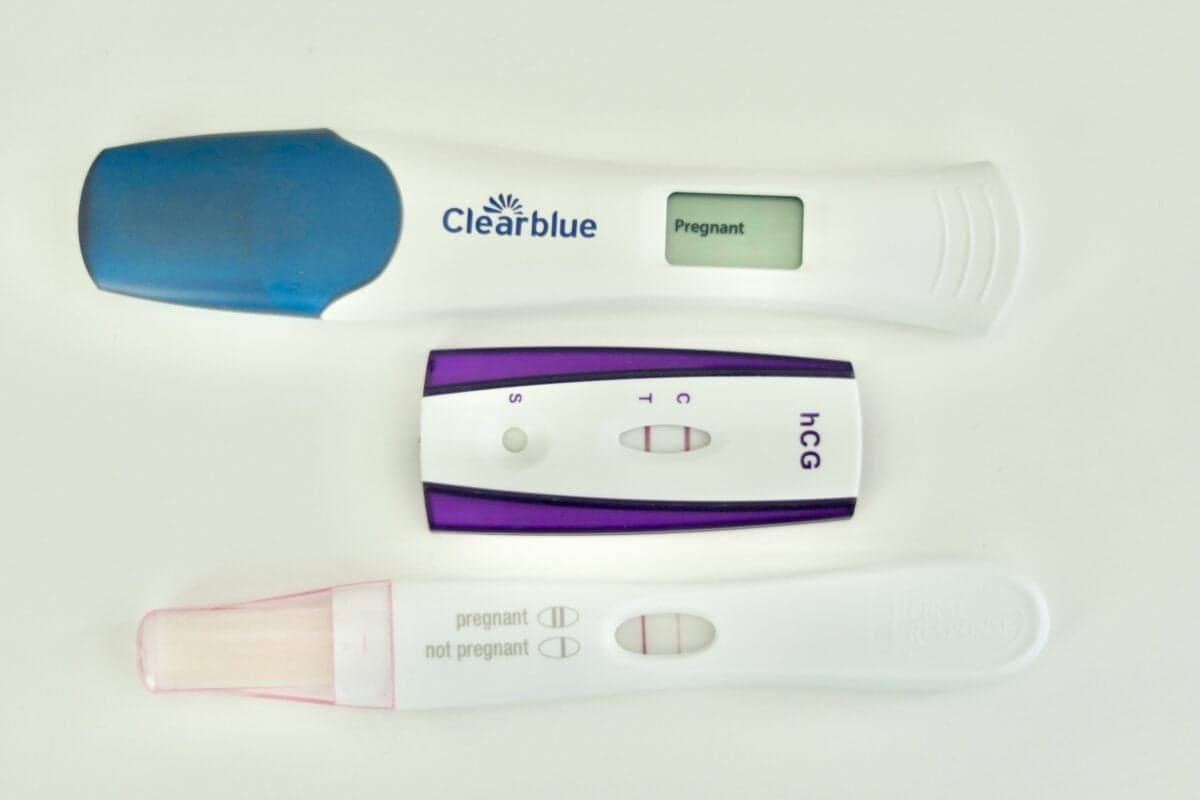
Male Infertility Care to Shift Treatment Burden From Women
Infertility has long been framed as a women's issue, yet about half of cases stem from male factors. New treatments such as Igyxos' IGX12 monoclonal antibody, which enhances follicle‑stimulating hormone activity, aim to improve sperm production and reduce the physical...
Division of Applied Regulatory Science
The Division of Applied Regulatory Science (DARS) operates within the FDA’s Office of Clinical Pharmacology and the Office of Translational Sciences. Its mandate is to translate emerging scientific advances into the agency’s regulatory framework, tackling complex questions that hinder drug...

Valo Health CEO: We Don’t Want Investors To Drive the Science
Valo Health is reshaping drug development by applying AI to human causal biology, aiming to raise clinical success rates from roughly 10% to 20%. The company leverages over 17 million de‑identified patient records and Mendelian randomization to pinpoint genetically validated targets....

Processing and Interpreting Untargeted Metabolomics Data for Biomarker Discovery and Drug Development
Panome Bio has launched MassID™, a cloud‑based platform that streamlines the processing and interpretation of untargeted LC/MS metabolomics data. The system delivers an end‑to‑end pipeline that cleans, normalizes, and annotates raw spectra while assigning probability‑based confidence scores and global false...

Novo Nordisk Inks A $2.1 Billion Deal To Develop Next Generation Obesity Pills
Novo Nordisk has struck a deal with Boston biotech Vivtex worth up to $2.1 billion to develop next‑generation oral GLP‑1 obesity and diabetes pills. The partnership leverages Vivtex’s AI‑driven gastrointestinal‑on‑a‑chip platform that can boost drug absorption by orders of magnitude. Novo...

China’s Biopharma Advance Draws Financial Investment
Chinese biotech firms are moving beyond licensing deals as capital markets open, highlighted by a 64% rise in the Hang Seng Biotech Index in 2025. Reforms to listing rules since 2018 have unlocked public financing, enabling a record $138 billion in...

Patient Death Forces Partial Freeze on MacroGenics’ Gynecologic Cancer Study
A patient in MacroGenics' Phase 2 LINNET trial of the bispecific antibody lorigerlimab suffered grade 4 neutropenia and septic shock, leading to a fatality and prompting the FDA to place a partial clinical hold on the study. The company also reported three...
IDEAYA Biosciences Reports the First Patient Enrolment in P-I Trial of IDE034
IDEAYA Biosciences announced the enrollment of the first patient in a Phase‑I dose‑escalation and expansion study of IDE034, a bispecific B7H3/PTK7 TOP1 antibody‑drug conjugate for solid tumours. The trial will assess safety, tolerability and pharmacokinetics of IDE034 as a monotherapy...

Translating Single-Cell Research Into Routine Preventive Screenings
Researchers are exploring single‑cell omics as a next‑generation tool for preventive health screening. By profiling thousands of individual cells, the technology can detect subtle genetic mutations and immune‑cell shifts years before clinical symptoms appear. Early studies have identified driver mutations...

IQVIA Signs Agreement to Acquire Drug Discovery Assets From Charles River Laboratories, Expanding End-to-End Drug Discovery Capabilities
IQVIA Holdings announced an agreement to acquire five drug discovery service sites from Charles River Laboratories, adding in‑vitro capabilities, New Approach Methodologies and a small‑molecule AI platform. The assets, built on more than 20 years of data, have helped launch...

Zifo and Maze Therapeutics Partner to Power Precision Medicine
Zifo and Maze Therapeutics have teamed up to launch an AI‑powered platform that manages, stores, and scales massive biobank datasets. The solution tackles the fragmentation of genetic, proteomic, and phenotypic data by providing a unified workflow that delivers summary statistics...

Lilly Bests Novo Again, Rare Disease Week Goes Regulatory, More CDC Leadership Upheaval
Eli Lilly’s obesity drug Zepbound achieved a 25.5% weight loss in a head‑to‑head Phase 3 trial, outpacing Novo Nordisk’s CagriSema and sending Novo’s shares down 20%. The FDA launched Rare Disease Week, issuing draft guidance for a new Plausible Mechanism Pathway that...

SteinCares Forges Licensing Agreement with Shilpa Biologicals for Biosimilars Across Latin America
SteinCares has signed a strategic licensing agreement with Shilpa Biologicals to commercialize a biosimilar across Latin America. Under the deal, SteinCares receives exclusive rights to register, market and distribute the product throughout the region, while Shilpa Biologicals will complete development...
Vico Therapeutics Initiates Patient Dosing for VO659 Phase I/IIa Trial
Vico Therapeutics has initiated patient dosing in an expanded European cohort for its Phase I/IIa VO659 trial, targeting Huntington's disease, spinocerebellar ataxia type 3 and type 1. The study employs a twice‑annual intrathecal regimen and will monitor safety, tolerability, pharmacodynamics and pharmacokinetics...
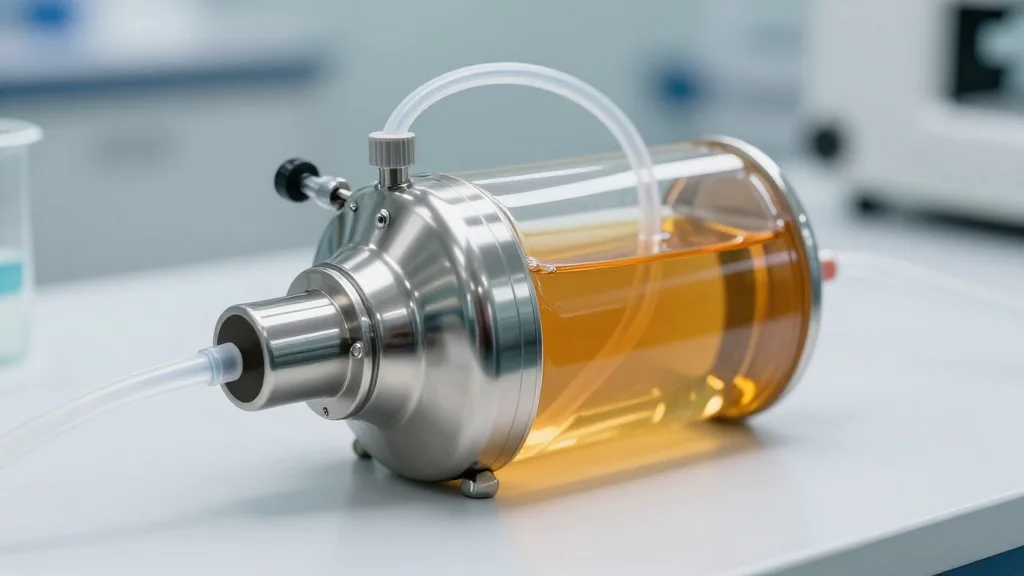
NorthX Biologics and Demeetra Collaborate on GMP Manufacturing and CLD
NorthX Biologics and Demeetra have formed a strategic alliance to provide an end‑to‑end solution that couples Demeetra’s CleanCut CHO cell line development platform with NorthX’s GMP manufacturing capabilities. The partnership leverages a high‑titre GS‑knockout CHO cell line that carries no...
NorthX Biologics and Demeetra Collaborate on GMP Manufacturing and CLD
NorthX Biologics and Demeatriz have formed a strategic alliance to deliver an end‑to‑end platform that couples Demeatriz’s CleanCut CHO cell line development with NorthX’s GMP manufacturing capabilities. The partnership leverages a high‑titre GS‑knockout CHO cell line that carries no royalty...

Evolution Summit By Marcus Evans | May 7-8, 2026 | The Ritz-Carlton, Fort Lauderdale, Florida
The Evolution Summit, organized by Marcus Evans, will take place May 7‑8, 2026 at the Ritz‑Carlton in Fort Lauderdale. The invitation‑only event convenes senior clinical‑trial executives with innovative suppliers to discuss pressing challenges in clinical operations and drug development. Featured speakers include...

STAT+: GSK Picks up Pulmonary Hypertension Drug with 35Pharma Acquisition
GlaxoSmithKline announced a $950 million cash acquisition of 35Pharma, a privately held biotech focused on lung diseases. The deal brings the experimental compound HS235, slated to enter pulmonary arterial hypertension (PAH) trials, into GSK’s pipeline. PAH has become a lucrative target,...

Five-Year Data Show Sustained Benefits with Briumvi in Relapsing MS
Long‑term data from the Phase 3 ULTIMATE I and II trials show that continuous treatment with Briumvi (ublituximab) provides sustained clinical benefits for relapsing multiple sclerosis over five years. More than 80 % of patients who started Briumvi remained free of relapses and...

J&J Reports the FDA’s sBLA Submission for Imaavy to Treat Warm Autoimmune Hemolytic Anemia
Johnson & Johnson has filed a supplemental Biologics License Application (sBLA) with the U.S. FDA for Imaavy (nipocalimab‑aahu), a monoclonal antibody intended to treat warm autoimmune hemolytic anemia (wAIHA). The filing is supported by the Phase II/III ENERGY trial, which demonstrated...

In Brief SOTU Remarks, Trump Asks Congress to "Codify" MFN
President Donald Trump used a brief four‑minute segment of his State of the Union address to push Congress to codify his Most‑Favoured Nations (MFN) drug‑pricing program. He claimed the voluntary agreements would give Americans the lowest prescription prices worldwide, though...

Opinion: Balancing Safety Access in Rare Disease—Lessons From Sarepta
In July 2025 the FDA ordered a complete halt of Sarepta’s gene‑therapy Elevidys after two non‑ambulatory Duchenne muscular dystrophy (DMD) patients died, sparking a market plunge and patient access concerns. Sarepta argues that ambulatory patients, who had been receiving Elevidys...

How LB Rode the Brutal Capital Markets to One of 2025’s Most Successful IPOs
LB Pharma went public in September 2024, pricing its shares at $15 and raising $285 million despite a severely constrained capital market. The IPO followed a Phase 2 trial that showed LB‑102 markedly reduced schizophrenia symptoms, sparking investor demand even as venture...

Cashing In on ‘Creative Fundamentals’ To Fund Rare Disease R&D
The FDA reauthorized its rare pediatric disease priority review voucher program, bolstering a wave of regulatory incentives that include new guidance on plausible mechanisms and a Rare Disease Evidence Principles framework. Yet ultra‑rare indications still struggle to attract traditional venture...

United Therapeutics Corp (UTHR) Q4 2025 Earnings Call Transcript
United Therapeutics reported record Q4 2025 revenue of $800 million, a 7% year‑over‑year increase driven by double‑digit growth of its Tyvaso DPI inhaler and Orenitram. The company unveiled new 80‑112 µg Tyvaso DPI cartridges, expanding dosing flexibility, and highlighted unprecedented results from...

Amarin Corporation PLC (AMRN) Q4 2025 Earnings Call Transcript
Amarin reported Q4 2024 revenue of $62.3 million, down from a year earlier as U.S. VASCEPA sales fell under generic pressure. Internationally, the company added pricing and reimbursement wins in Europe and grew partnership revenue, boosting total 2024 revenue to $228.6 million....
Geron Corp (GERN) Q4 2025 Earnings Call Transcript
Geron Corp reported full‑year 2025 Rytelo net revenue of $184 million, with Q4 sales of $48 million, and projected 2026 revenue between $220 million and $240 million. Operating expenses are expected to dip to $230‑$240 million, a $20 million reduction year‑over‑year, while cash balances sit at...

Procept Biorobotics Corp (PRCT) Q4 2025 Earnings Call Transcript
Procept Biorobotics reported a 48% year‑over‑year revenue increase to $79.2 million in Q2 2025, driven by strong U.S. growth and a 58% surge in handpiece and consumable sales. Gross margin expanded to 65.4%, up 640 basis points, while adjusted EBITDA loss narrowed...

Soleno Therapeutics Inc (SLNO) Q4 2025 Earnings Call Transcript
Soleno Therapeutics reported $190.4 million in net revenue for fiscal 2025, representing less than nine months of commercial sales of its VICAT XR therapy. The company turned profitable, posting $20.9 million net income and generating $48.7 million of operating cash in Q4, ending the...