
Boehringer Bets up to $500m on Sitryx Immunology Programme
Boehringer Ingelheim announced a potential $500 million investment in UK biotech Sitryx to obtain global rights to an undisclosed small‑molecule immunology programme. The partnership covers upfront fees, milestones and royalties, giving Boehringer full responsibility for research, clinical development and commercialization. Sitryx’s lead candidate SYX‑5219, an oral PKM2 modulator, has progressed to Phase 1b in atopic dermatitis, while pre‑clinical MTHFD2 and GLS‑1 inhibitors are being evaluated for additional indications. The deal follows a prior Eli Lilly collaboration that returned rights to Sitryx after substantial milestone payments.

The Hidden DNA Shape That Could Break Cancer
Researchers have captured the fleeting i‑DNA structure inside living cells, showing it acts as a molecular switch for genes that drive cancer. The study demonstrates that i‑DNA formation and resolution are tightly timed during DNA replication, influencing gene expression and...

Continuous Cardiac Monitoring: Redefining the “End” Of a Clinical Study?
Continuous cardiac monitoring via wearable ECG devices is reshaping clinical trials and post‑market care. Recent studies show that 14‑day monitoring after cardiac surgery uncovered atrial fibrillation in 24% of patients, many of which were missed until three‑month follow‑ups. In epilepsy...

Pfizer Advances Beam’s Gene Editor After Pulling Hemophilia Gene Therapy
Pfizer has signed a global gene‑editing partnership with Beam Therapeutics, reviving its genetics ambitions after withdrawing the hemophilia B therapy Beqvez a year earlier. The agreement includes a $300 million upfront payment and up to $1.05 billion in milestones, granting Pfizer exclusive worldwide...

Cara Medical Reports 510(k) Clearance of CARA System for Noninvasive Cardiac Conduction System Visualization
Cara Medical announced that the U.S. FDA granted 510(k) clearance for its CARA System, a non‑invasive solution that creates patient‑specific 3‑D visualizations of the cardiac conduction system using CTA data. The platform pairs the CARA Metis™ Simulator for pre‑procedural mapping...
![[Comment] Oral GLP-1 Receptor Agonists: Competition for Efficacy and Tolerability](https://hixhlmpcokxhartfkpyi.supabase.co/storage/v1/object/public/images/thumbnails/ce10e510d7294b419a4a07dfad918da4.webp)
[Comment] Oral GLP-1 Receptor Agonists: Competition for Efficacy and Tolerability
Oral GLP-1 receptor agonists have moved from injectable peptides to a tablet form, highlighted by oral semaglutide combined with the absorption enhancer SNAC. The formulation requires patients to fast overnight, take the dose with a small amount of water, and...

GSK Reports the NMPA’s NDA Acceptance with Priority Review of Linerixibat for Cholestatic Pruritus
GlaxoSmithKline announced that China’s National Medical Products Administration has accepted the New Drug Application for linerixibat and placed it under priority review for treating cholestatic pruritus in primary biliary cholangitis (PBC). The filing is backed by the Phase III GLISTEN trial,...

Merck Animal Health’s Numelvi Secures the FDA Approval for Control of Pruritus Associated with Allergic Dermatitis in Dogs
Merck Animal Health announced that the U.S. FDA has approved Numelvi (atinvicitinib) for controlling pruritus linked to allergic dermatitis in dogs six months and older, with commercial availability slated for spring 2026. Numelvi is a second‑generation JAK inhibitor that demonstrates...
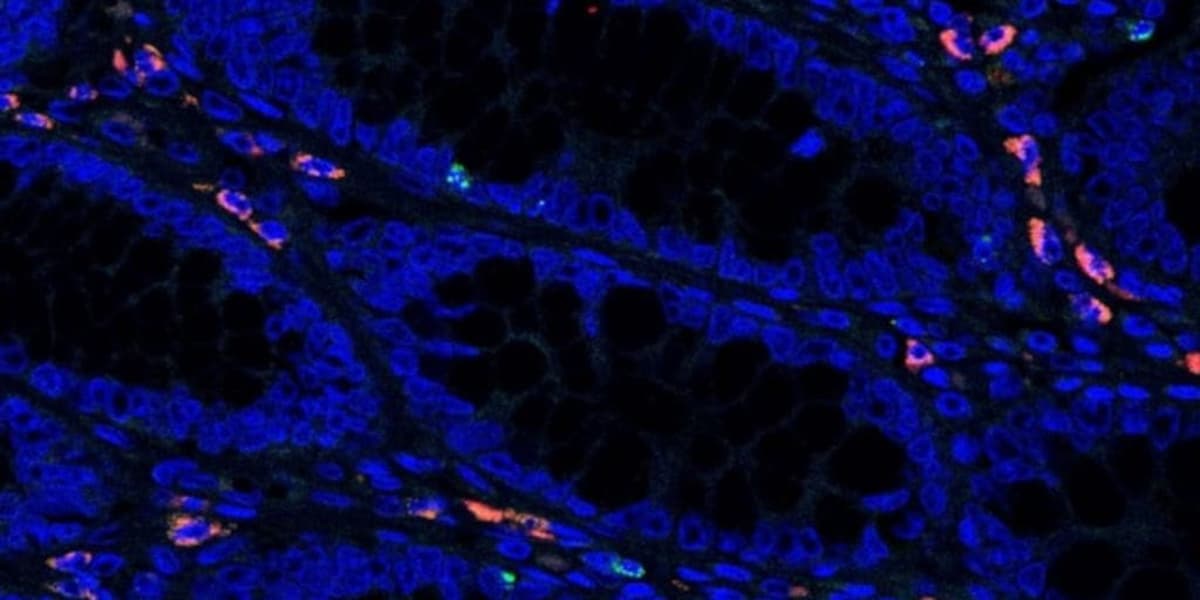
New Test Could Help Pinpoint IBD Diagnosis, Study Finds
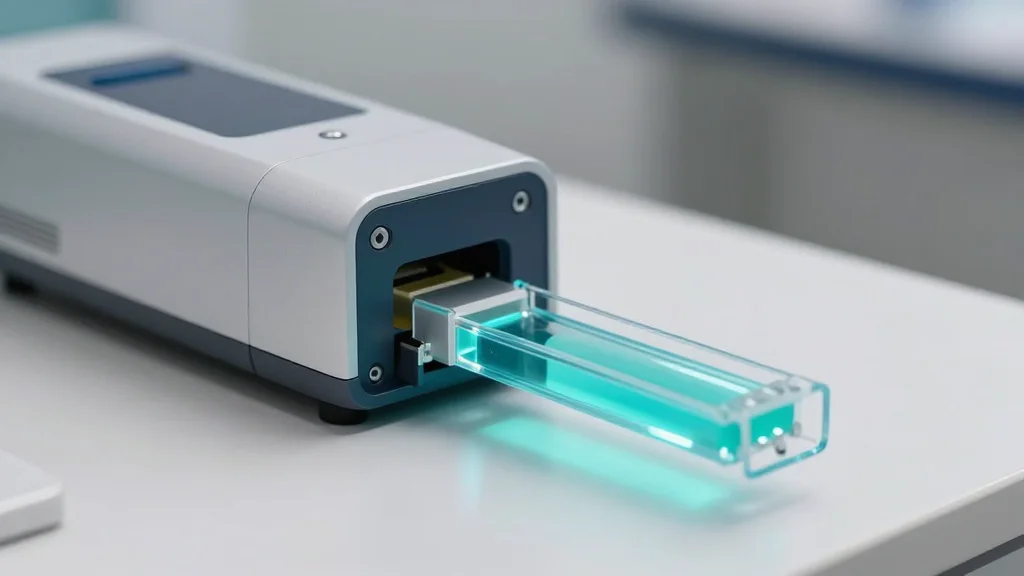
Researchers at the University of Edinburgh have created a luminescent reporter that detects granzyme A activity in stool samples, offering a rapid, non‑invasive marker of gut inflammation. In a trial of 150 specimens, the new assay combined with standard faecal calprotectin...

STAT+: Rare Disease Advocates Fume over FDA’s Mixed Signals
The FDA has rejected Regenxbio’s gene therapy for mucopolysaccharidosis type 2, citing a need for additional data that could postpone approval by years. This decision adds to at least four other recent rejections of cell or gene therapies targeting deadly rare...

Mahzi Doses First Patient in MZ-1866 Trial for Pitt Hopkins Syndrome
Mahzi Therapeutics has administered the first dose of its investigational gene therapy MZ-1866 in the Phase I/II UNITE study for Pitt‑Hopkins syndrome. The open‑label, multicentre trial will enroll roughly 12 genetically confirmed patients across sites in Spain, Israel and the...

BioAIrepo: EMBL-EBI’s Hub for Life Science AI Models
EMBL‑EBI has launched BioAIrepo, a dedicated repository that makes life‑science machine‑learning models FAIR—findable, accessible, interoperable and reusable. The pilot catalogue aggregates imaging and genomics models from the BioImage Model Zoo and Kipoi, providing code, weights, training data and citation metadata....

The Right Fit: Contract Work Finds Increasing Favor Among Employers, Professionals
BioSpace data shows contract biopharma job postings jumped 36.7% from Jan 2025 to Jan 2026 while full‑time listings fell 11.3%. A 2026 employment outlook survey found contract workers now represent 14.3% of respondents, up from 10.6% in 2023. Recruiters say the shift...
10 Companies Hiring in San Francisco and South San Francisco
San Francisco and South San Francisco remain biotech hubs, employing over 113,700 workers according to a Cushman & Wakefield report. Although BioSpace job postings fell sharply in January, listings are now climbing, with ten companies actively hiring. Companies such as AbbVie, Amgen, Eli Lilly and Ideaya...

Argenx Reports Topline P-III (ADAPT OCULUS) Trial Data on Vyvgart in Ocular Myasthenia Gravis (MG)
argenx announced topline Phase III ADAPT OCULUS data for Vyvgart (efgartigimod alfa + hyaluronidase‑qvfc) in adults with ocular myasthenia gravis. The trial met its primary endpoint, delivering a 4.04‑point improvement in Myasthenia Impairment Index PRO ocular scores versus 1.99 points for placebo at...

STAT+: Sarepta Therapeutics CEO Doug Ingram Will Retire After a Tumultuous Decade
Sarepta Therapeutics CEO Doug Ingram announced his retirement, ending a decade that lifted the biotech to a $15 billion valuation by securing approvals for three Duchenne muscular dystrophy (DMD) therapies. The company’s market value subsequently collapsed amid a safety investigation into...

Emergent BioSolutions Inc (EBS) Q4 2025 Earnings Call Transcript
Emergent BioSolutions reported a successful completion of its stabilization phase, cutting net debt by $156 million and improving leverage to 3.3x adjusted EBITDA. Adjusted EBITDA surged to $183 million, a $205 million swing from the prior year, while operating cash...

Syndax Pharmaceuticals Inc (SNDX) Q4 2025 Earnings Call Transcript
Ascendis (SNDX) reported €720 million total 2025 revenue, driven by €477 million from Yorvipath and €206 million from Skytrofa. Q4 operating profit hit €10 million and cash flow reached €73 million, leaving €616 million in cash at year‑end. Management guided 2026 operating cash flow of roughly...
BioLife Solutions Inc (BLFS) Q4 2025 Earnings Call Transcript
BioLife Solutions reported 2025 revenue of $96.2 million, a 29% year‑over‑year increase, driven largely by its biopreservation media (BPM) franchise which now represents 85% of total sales. Adjusted EBITDA rose to $25 million (26% margin) and the company posted adjusted net income...

This Compound Enhances Long-Term Memory of Mice — but only in Females
Researchers injected acetate, a common metabolic by‑product, into mice and tested long‑term memory using spatial and object‑recognition tasks. Female mice that received acetate showed significantly better performance 24 hours later, while male mice displayed little to no improvement. The memory...

Pacira Biosciences Inc (PCRX) Q4 2025 Earnings Call Transcript
Pacira BioSciences reported a record $726 million in total 2025 revenue and an all‑time high non‑GAAP gross margin of 80%, driven by growth in its flagship product EXPAREL. EXPAREL sales rose 7% year‑over‑year to $155.8 million, though the increase was partially offset...

Akebia Therapeutics Inc (AKBA) Q4 2025 Earnings Call Transcript
Akebia Therapeutics reported 2025 total revenue of $236.2 million, a 47% increase driven by the commercial launch of Vafseo and higher Auryxia sales. Net product revenue reached $227 million, with Vafseo contributing $45.8 million and gaining prescribing access for 290,000 dialysis patients. The...

OPKO Health Inc (OPK) Q4 2025 Earnings Call Transcript
OPKO Health reported a $369 million cash position for Q4 2025, driven by asset sales, BARDA funding and partnership payments. The company repurchased 34.6 million shares for $47 million and allocated $109 million to stock and convertible note buybacks. Diagnostics revenue dropped to $71.1 million, but...

OrthoPediatrics Corp (KIDS) Q4 2025 Earnings Call Transcript
PolyPid announced successful completion of the Phase III SHIELD II trial, with D‑PLEX100 achieving its primary and key secondary endpoints and demonstrating a meaningful reduction in surgical site infections. The FDA provided written support for a rolling NDA review, and the company...

Synaptic Correlates of Benzodiazepine Tolerance
Recent pre‑clinical work has mapped the synaptic changes that underlie benzodiazepine tolerance. Chronic exposure uncouples GABA(A) receptors from their benzodiazepine binding site, down‑regulates α1‑subunit mRNA, and reshapes receptor trafficking through auxiliary proteins such as Shisa7. These alterations weaken inhibitory signalling,...
Delcath Systems Inc (DCTH) Q4 2025 Earnings Call Transcript
Delcath Systems reported record 2025 revenue of $85.2 million, driven by over 40% volume growth and 28 REMS‑certified treatment centers. Gross margins held at 85% for Q4 and 86% for the full year, while adjusted EBITDA turned positive to $25.1 million and...

Anika Therapeutics Inc (ANIK) Q4 2025 Earnings Call Transcript
Anika Therapeutics reported total revenue of $27.8 million for the quarter, a 6% year‑over‑year decline driven primarily by lower pricing in its OEM osteoarthritis pain‑management channel. Commercial channel revenue rose 22% to $12 million, powered by a 25% surge in...
Personalis Inc (PSNL) Q4 2025 Earnings Call Transcript
Personalis reported a record $18.2 million Q4 2019 revenue, a 38% year‑over‑year increase, and full‑year revenue of $65.2 million, up 73% from 2018. The VA Million Veteran Program (MVP) remained the core revenue driver, contributing $43.5 million for the year and $13.8 million in...

MannKind Corp (MNKD) Q4 2025 Earnings Call Transcript
MannKind reported a record Q4 2024 with $77 million in revenue and a full‑year total of $286 million, a 43% increase year‑over‑year. Afrezza sales grew 17% to $64 million, and the company announced a pediatric filing for the inhaled insulin in the first...

Biodesix Inc (BDSX) Q4 2025 Earnings Call Transcript
Biodesix reported fourth‑quarter 2021 revenue of $7.2 million and total 2021 revenue of $54.5 million, a 20% year‑over‑year increase driven by strong growth in its core lung‑diagnostic portfolio. Core lung‑test sales jumped 49% to $18.7 million, while COVID‑19 testing revenue collapsed, lifting the...

A Nuclei-Specific Fronto-Amygdala Pathway and Its Neurotransmitter Receptor Distribution: Implications for Antidepressant Selection
Recent neuroimaging and tract‑tracing studies have identified a nuclei‑specific fronto‑amygdala pathway that links distinct amygdala subregions with ventromedial prefrontal cortex. The work maps serotonin, norepinephrine and dopamine receptor densities across these nuclei, revealing divergent pharmacological profiles for SSRIs and SNRIs....

The Novel Role of GADD45A in the Etiology of Autism: Modulating Neuronal Excitability via TET1/R-Loop Dependent Regulation of KCNQ5
Researchers identified GADD45A as a hub gene dysregulated in both valproic acid‑induced and MECP2‑related autism models. Deleting Gadd45a in mice produced core autistic traits, heightened neuronal excitability, and seizures, while rescuing GADD45A in excitatory mPFC neurons restored normal social behavior....

Organogenesis Holdings Inc (ORGO) Q4 2025 Earnings Call Transcript
Organogenesis Holdings posted a record fourth‑quarter 2025, delivering $225.1 million in net product revenue, a 78% year‑over‑year increase driven largely by an 83% surge in advanced wound‑care sales. Gross profit rose to 78% of revenue and GAAP operating income jumped 519%...

Endometrium-Targeted mRNA-Lipid Nanoparticles for Treating Reproductive Conditions
Researchers have engineered ligand‑conjugated mRNA‑lipid nanoparticles that home specifically to the endometrium, delivering therapeutic mRNA directly to uterine tissue. In a murine model of endometrial injury, the targeted formulation restored embryo implantation rates to near‑normal levels. Safety profiling showed reduced...

Definium Therapeutics Inc (DFTX) Q4 2025 Earnings Call Transcript
Definium Therapeutics reported that its lead psychedelic candidate DT120 ODT has fully enrolled the EMERGE Phase III trial for major depressive disorder, with top‑line results expected in late Q2 2026. The VOYAGE Phase III study for generalized anxiety disorder is...

BioCryst Pharmaceuticals Inc (BCRX) Q4 2025 Earnings Call Transcript
BioCryst Pharmaceuticals reported a 37% year‑over‑year rise in Orladeyo revenue to $159.1 million in Q3 and lifted its 2025 sales guidance to $590‑$600 million. The company completed the divestiture of its European business, repaid a $200 million term loan and entered Q3 with...
Cytek Biosciences Inc (CTKB) Q4 2025 Earnings Call Transcript
Cytek Biosciences reported Q3 2025 revenue of $52.3 million, a modest 2% year‑over‑year increase driven by strong APAC growth and expanding recurring service and reagent streams. The company posted a net loss of $5.5 million and adjusted EBITDA of $2.5...

Puma Biotechnology Inc (PBYI) Q4 2025 Earnings Call Transcript
Puma Biotechnology reported total 2025 revenue of $75.5 million, driven by $59.9 million net product revenue from its HER2‑positive breast cancer drug NERLYNX and a surge in royalty income to $15.6 million after a large shipment to a Chinese partner. Ex‑U.S. inventory rose...

Relay Therapeutics Inc (RLAY) Q4 2025 Earnings Call Transcript
Heron Therapeutics reported full‑year 2025 net product sales of $155 million and adjusted EBITDA of $14.7 million, surpassing its guidance. Acute Care drove growth, with ZYNRELEF revenue up 48% YoY and the franchise expanding 57% overall, helped by the CrossLink IGNITE incentive program,...

Nautilus Biotechnology Inc (NAUT) Q4 2025 Earnings Call Transcript
Nautilus Biotechnology reported a 23% drop in operating expenses to $15.4 million for Q4 2025, driven by lower R&D and administrative costs, while ending the quarter with $156.1 million in cash and a reduced cash burn of $50.2 million. The...
Castle Biosciences Inc (CSTL) Q4 2025 Earnings Call Transcript
Castle Biosciences reported $344.2 million revenue for 2025, beating its own guidance, and projected $340‑$350 million for 2026. Core test volumes surged, with TissueCypher reports up 86% to 39,014 and total reports reaching 105,053, while DecisionDx‑Melanoma grew modestly 9%. The company posted...

Vericel Corp (VCEL) Q4 2025 Earnings Call Transcript
Vericel Corp. reported record third‑quarter revenue of $67.5 million, driven by a 25% jump in MACI sales to $55.7 million and a 21% rise in burn‑care revenue. Margin expansion outpaced top‑line growth, with adjusted EBITDA climbing 70% to $17 million and gross profit...

Kymera Therapeutics Inc (KYMR) Q4 2025 Earnings Call Transcript
Kymera Therapeutics reported Q4 2025 revenue of $2.8 million, entirely from its Gilead collaboration, while maintaining a cash balance of $978.7 million that extends runway into the second half of 2028. Adjusted R&D and G&A expenses fell 7% and 3% quarter‑over‑quarter, respectively....

Intellia Therapeutics Inc (NTLA) Q4 2025 Earnings Call Transcript
Intellia Therapeutics announced that the FDA has placed a clinical hold on its nex‑z MAGNITUDE and MAGNITUDE‑2 Phase III trials after a patient death and liver enzyme abnormalities. The company is implementing intensified safety monitoring and data reviews while awaiting regulatory...

How a 3D-Printed Synthetic Sea Lion Pelvis Enhances Veterinary Capabilities to Counter Ongoing Beaching
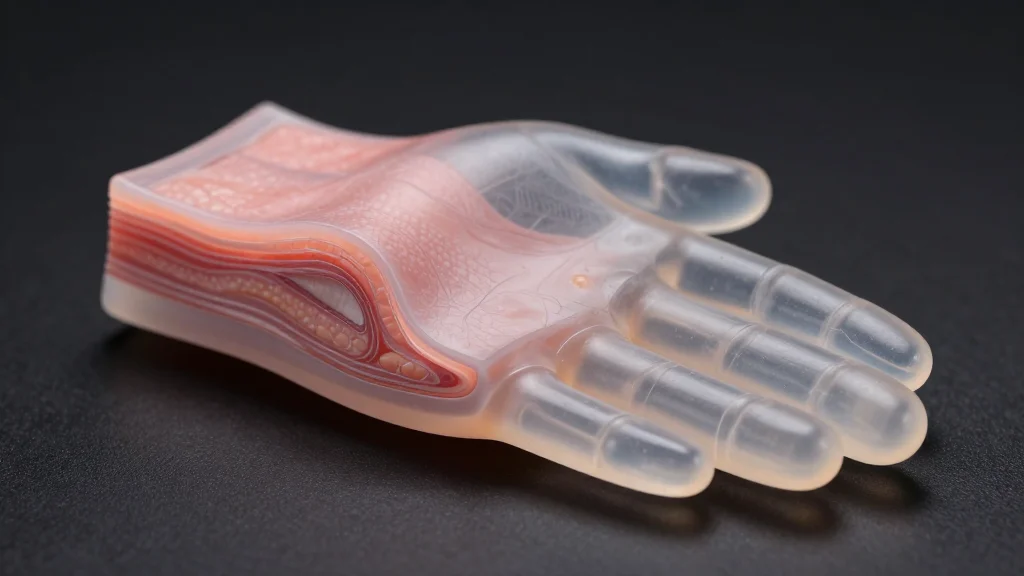
UNLV engineers have 3D‑printed a synthetic pelvis that replicates the bone, soft tissue, and blood flow of California sea lions, using DICOM data from micro‑CT and MRI scans. The lifelike model lets veterinarians practice blood‑collection techniques without relying on carcasses,...

Radiopharmaceutical Targeted Toward Treatment-Resistant Cancer Put on FDA's Fast Track
Aktis Oncology announced that its investigational radiopharmaceutical AKY-1189 has earned FDA Fast Track designation. The drug targets Nectin‑4, present in 80‑90 % of urothelial cancers, and delivers the alpha‑emitter actinium‑225 directly to tumors. AKY-1189 is in a Phase 1b trial covering urothelial,...

11th Annual Rare Disease Day | Advancing a Divalent siRNA for Prion Disease: An Investigator-Initiated Program
Rare Disease Day marked its 11th anniversary, highlighting the stark disparity between the 8,000 known rare‑disease genes and the under 500 approved therapies. Hosted by the Broad Institute’s Ladders to Cures Accelerator and the Termeer Institute, the event featured leading...

An Endangered Natural Pharmacy Hidden in Coral: Hundreds of Reef-Dwelling Microbes Reveal Untapped Potential
A new Nature study led by ETH Zurich researchers sequenced the genomes of 645 bacteria and archaea from over 800 coral samples, revealing that more than 99% of these reef‑dwelling microbes were previously unknown. The analysis showed that each coral...

Iron Nanoparticle Eliminates Tuberculosis in Mice and May Pave the Way for New Treatments
Brazilian researchers have shown that an iron‑based compound, ferroin, encapsulated in lipid nanoparticles, completely eradicated Mycobacterium tuberculosis from mouse lungs after a 30‑day course. The formulation, LNP@FEP, stabilizes the drug, enhances the activity of existing antibiotics, and targets bacterial cell‑wall synthesis....

Withdrawn | Non-Malignant Hematological, Neurological, and Other Disorder Indications Accelerated Approvals
The FDA has removed several accelerated approvals for non‑malignant hematological, neurological, and other disorder indications after post‑marketing requirements were withdrawn. These withdrawn indications are not reflected in official listings until a Federal Register notice or label update is issued. The...