
Unravelling Electronic Structure and Molecular Vibrations of Proteins in Virus Using Novel Correlated Plasmon‐Enhanced Raman Spectroscopy With Machine Learning
A novel correlated plasmon‑enhanced Raman spectroscopy (CP‑ERS) platform, built on highly oriented single‑crystalline gold quantum‑dot chips, enables direct, non‑destructive probing of electronic structure and molecular vibrations in dengue virus proteins. The technique reveals previously unseen quasielastic and inelastic Raman scatterings and phonon modes, while also detecting glycosylation‑induced spectral shifts. Machine‑learning analysis of the CP‑ERS data classifies dengue serotypes with 100% hold‑out accuracy and 93% cross‑validation accuracy. This demonstrates a powerful, reproducible method for virus fingerprinting and broader material analysis.

Immuneering Reports Fourth Quarter and Full Year 2025 Financial Results and Provides Business Updates
Immuneering Corporation announced its 2025 financial results, highlighting a 64% overall survival rate at 12 months for atebimetinib plus modified gemcitabine/nab‑paclitaxel in first‑line pancreatic cancer. The company secured FDA and EMA alignment on the design of its pivotal Phase 3 MAPKeeper 301...

TaiGen Completes Enrolment and Doses First Patient with Insilico Medicine’s ISM4808 in P-I Trial
Insilico Medicine and TaiGen announced that enrollment for the Phase‑I trial of ISM4808, an AI‑designed therapy for CKD‑related anemia, is now complete and the first patient has been dosed. The study comprises single‑ascending‑dose and multiple‑ascending‑dose cohorts evaluating safety and pharmacokinetics...

Artificial Feeding Platform Transforms Study of Ticks and Their Diseases
Researchers at the University of Melbourne have unveiled the world’s first laboratory‑based, host‑free feeding platform for the Asian longhorned tick (Haemaphysalis longicornis). The silicone‑membrane system, using defibrinated cattle blood, supports full feeding and reproduction without live animal hosts. This breakthrough...
Magnetic Nanoparticles Could Make Doxorubicin Delivery More Precise
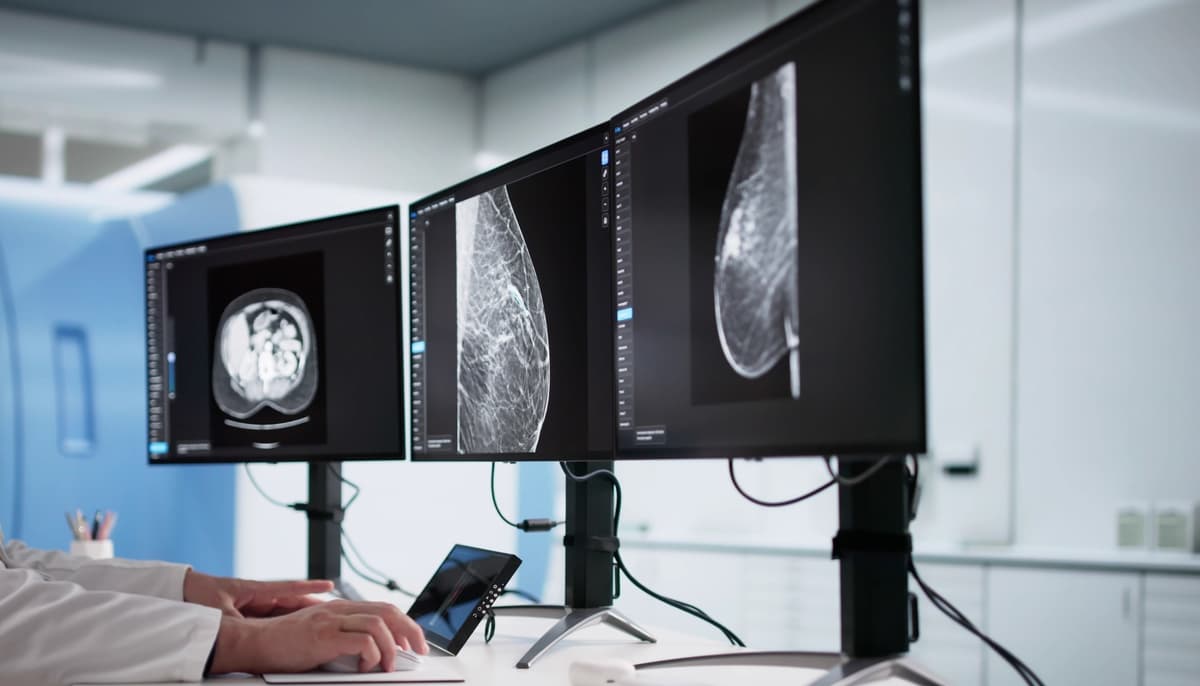
Researchers have engineered a magnetic nanocarrier (IO@MBD) that combines γ‑Fe₂O₃ nanoparticles with a melamine‑based dendrimer to deliver doxorubicin. The platform achieves roughly 17 wt% drug loading, remains dispersible in water, and releases the drug preferentially under acidic conditions typical of tumor...

Blood-Based Metabolomics May Enable Earlier Detection of Gallbladder Cancer, Study Finds
Researchers from Tezpur University and the University of Illinois Urbana‑Champaign identified blood‑based metabolic signatures that distinguish gallbladder cancer patients—both with and without gallstones—from individuals with gallstones alone. Using untargeted metabolomics, they detected 180 to 225 altered metabolites, many linked to...

Johnson & Johnson Reports the US FDA Approval of Tecvayli + Darzalex Faspro for R/R Multiple Myeloma
Johnson & Johnson announced FDA approval of the Tecvayli (teclistamab) and Darzalex Faspro (subcutaneous daratumumab with hyaluronidase) combination for adults with relapsed/refractory multiple myeloma who have received at least one prior line of therapy. The approval is grounded in the Phase III...

Seqster Unveils 1-Click DataLake for Clinical Trials
Seqster has introduced 1‑Click DataLake, a real‑world data platform that aggregates anonymized electronic health‑record information from over 150 million patients and 200,000 clinicians across the United States. The solution delivers real‑time, longitudinal patient journeys to speed trial design, feasibility assessments, and...
Liberate Bio Gains Licences for Myeloid-Specific CAR Design Patents
Liberate Bio announced it has secured both exclusive and non‑exclusive licenses for patents covering chimeric antigen receptor (CAR) designs specifically engineered for myeloid cells such as monocytes and macrophages. The patents, obtained from Carisma Therapeutics and the University of Pennsylvania,...

How the ‘Holy Grail’ Weight Loss Pill Became a Reality, and What Comes Next
The pharmaceutical industry has finally delivered an oral GLP‑1 weight‑loss pill, with Novo Nordisk launching an oral version of Wegovy earlier this year. Eli Lilly’s oral GLP‑1 candidate, orforglipron, is expected to receive approval imminently. Oral formulations overcome the injection barrier that...

Reversing Tumor Immunosuppression with Next-Gen GPCR Modulation
Kainova Therapeutics, formerly Domain Therapeutics, announced a Series B funding round to advance its next‑generation GPCR‑modulating platform aimed at reversing tumor immunosuppression. The rebrand signals a strategic shift toward a broader oncology focus, leveraging GPCR pathways that control immune cell trafficking....

This Week in European MedTech and HealthTech: 6th March 2026
The European Commission unveiled a Health Package that revises the MDR/IVDR, removes the five‑year certificate cap and introduces risk‑based surveillance, while hard‑wiring cybersecurity reporting and aligning high‑risk AI obligations with the AI Act. The package also launches the first phase...

MIT Researchers Develop Self-Implanting Nanotech Brain Devices
MIT Media Lab researchers have created subcellular‑sized wireless bioelectronic devices, termed “circulatronics,” that hitch a ride on monocytes to traverse the bloodstream, cross the blood‑brain barrier, and autonomously implant in inflamed brain tissue. In mouse studies the implants self‑positioned, were...

Roche and Zealand Pharma Report P-II (ZUPREME-1) Trial Data on Petrelintide in Obesity
Roche and Zealand Pharma disclosed Phase‑II (ZUPREME‑1) results for petrelintide, an amylin‑analog injected weekly, in 493 overweight or obese adults (mean BMI 37 kg/m²) with weight‑related comorbidities. The trial evaluated five dose levels against placebo over 42 weeks and met its primary endpoint,...

Spray Shield Adhering to Transplant Organs Could Ease Lifelong Immunosuppressant Burden for Patients
Researchers at POSTECH and Ewha Womans University have created “Immune‑Shield,” a sprayable adhesive microgel that locally delivers immunosuppressive drugs onto transplanted organ surfaces. The mussel‑inspired coating adheres robustly in wet environments, providing sustained release and dramatically increasing graft survival in...
Combination GLP-1 Therapy Reduces Fat Mass While Preserving Lean Muscle in Adults with Obesity
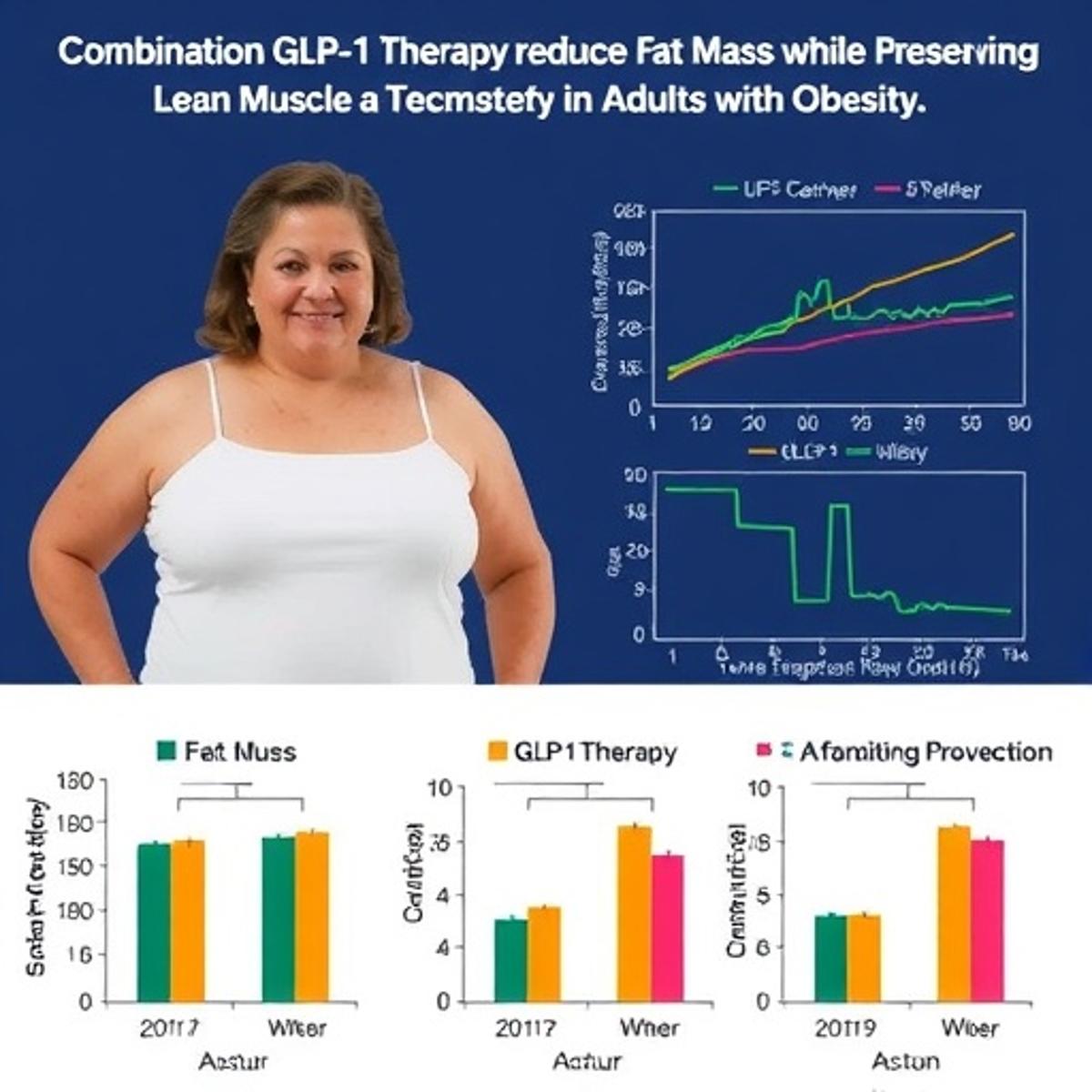
A recent double‑blind trial found that a combination of two GLP‑1 receptor agonists cut fat mass significantly while sparing lean muscle in adults with obesity. Over 24 weeks, participants lost an average of 5 % body fat, with lean mass decline...
Promising Henlus Data Tripped up by Psychedelic Trial Design Dilemma
Helus Pharma reported Phase II data for its psychedelic candidate HLP004, indicating symptom improvement in generalized anxiety disorder patients for up to six months. However, the trial’s low‑dose active control arm showed similar efficacy, making it difficult to isolate the...
Promising Helus Data Tripped up by Psychedelic Trial Design Dilemma
Helus Pharma reported Phase II data for its psychedelic candidate HLP004 in generalized anxiety disorder, showing symptom improvement lasting six months. However, the trial’s active low‑dose control produced outcomes similar to the therapeutic dose, making it difficult to isolate the drug’s...

Degenerating Tanycytes Disrupt Tau Removal, Shaping Alzheimer’s Progression
Researchers from Kyoto University and INSERM identified tanycytes as a previously unknown conduit that clears tau protein from cerebrospinal fluid into the bloodstream. In rodent and cellular models, blocking vesicular transport in these cells dramatically slowed tau efflux and worsened...
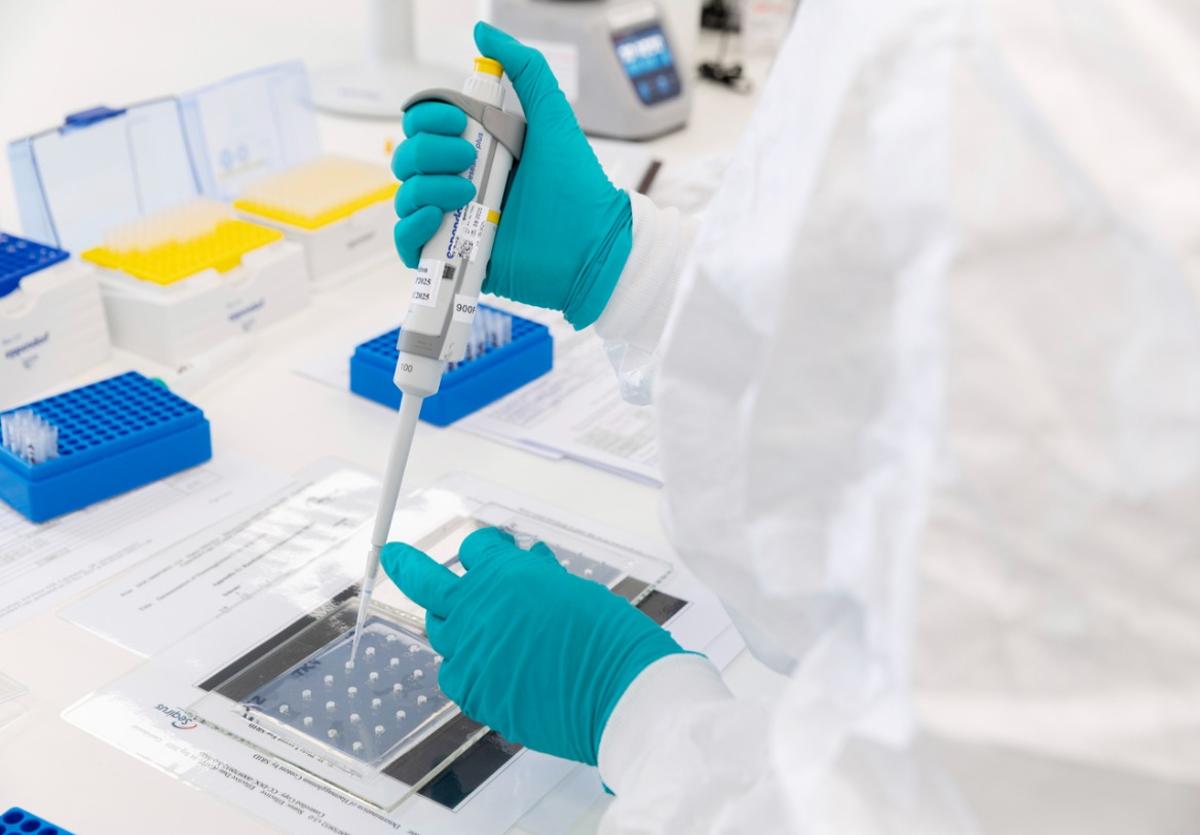
Advanced Vaccine Manufacturing in Australia to Supply Canada with 15 Million Pandemic Doses
Australian biotech firm CSL Seqirus has secured a contract with Canada’s Public Health Agency to deliver up to 15 million doses of a cell‑based, adjuvanted pandemic influenza vaccine if the WHO declares a pandemic. The doses will be manufactured at CSL...

Genetically Modified Pig Liver Keeps Man Alive Until Human Organ Transplant
A 56‑year‑old Chinese patient became the first living person to be connected to a genetically modified pig liver via extracorporeal perfusion, keeping him alive until a human liver transplant could be performed. The operation, carried out at Xijing Hospital, used...
![[Comment] Pimicotinib: A New Agent for an Orphan Disease](https://hixhlmpcokxhartfkpyi.supabase.co/storage/v1/object/public/images/thumbnails/5b160e8a2b2821c82aa66047ca629679.webp)
[Comment] Pimicotinib: A New Agent for an Orphan Disease
Tenosynovial giant cell tumour (TGCT) is a rare, locally aggressive neoplasm driven by CSF‑1 over‑expression. The phase 3 MANEUVER trial evaluated pimicotinib, a selective CSF1R kinase inhibitor, against placebo in patients with inoperable or relapsed diffuse‑type TGCT. Results demonstrated statistically significant...

Asia Deals Aim for First-in-Class Biology, with at Least Four Deals for New Targets
Asian biotech firms outside China announced 72 deals in 2024‑25, emphasizing first‑in‑class assets over me‑better or me‑too programs. At least four transactions involve novel targets such as CNTN4, GPR52, MTARC1 and OK‑1, spanning new modalities and indications. Global pharmaceutical companies...

Therapeutic mRNA Reverses Genetic Infertility in Male Mouse Model
Scientists delivered naked Cldn11 messenger RNA directly into the testes of genetically infertile male mice, restoring Sertoli cell function and enabling spermatogenesis. The treatment produced viable sperm that generated healthy offspring via in‑vitro fertilization, without permanent germline alteration. The approach...
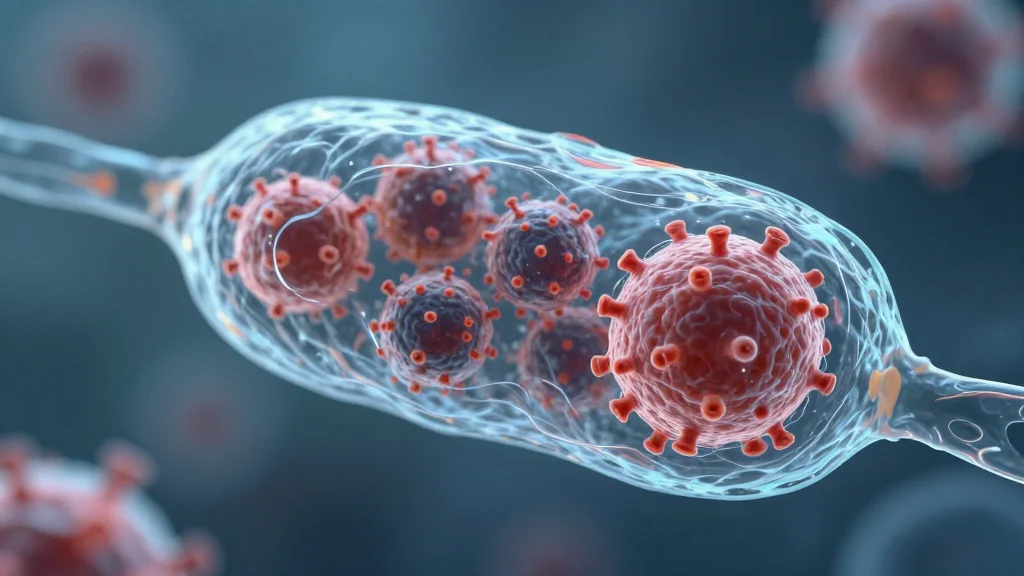
HSV-1 Liquifies Cell Nuclei to Aid Replication
Researchers at NYU Langone Health discovered that herpes simplex virus 1 (HSV‑1) deploys its early protein ICP4 to partially liquefy the densely packed human cell nucleus. This fluidization creates a more permissive environment for viral replication compartments, accelerating virus production....

Schrödinger Stock – A Dead Cat Bounce?
Schrödinger’s stock has plunged 88% over five years, leaving a sub‑$1 billion market cap. The company’s AI‑driven software segment posted 11% revenue growth in 2025 and aims for modest 12% growth in 2026, while shifting customers to cloud contracts that compress...

Patient-Focused Drug Development Glossary
The FDA released a comprehensive Patient‑Focused Drug Development (PFDD) glossary to standardize terminology across its guidance documents mandated by the 21st Century Cures Act and PDUFA VI. The glossary defines key concepts such as attributes, benefit‑risk assessment, clinical outcome assessments, patient‑reported...

Cognito Therapeutics Raises $105M for Neurotechnology Platform for Alzheimer's
Cognito Therapeutics closed an oversubscribed $105 million Series C round, led by Morningside Ventures with new investors such as Apollo Health Ventures. The capital will fund the readout of its HOPE pivotal study, FDA submission preparation, and commercialization of its Spectris neurostimulation...

Is Neurodegeneration a Systemic Metabolic Condition?
British biotech Vesalic reports a breakthrough that links amyotrophic lateral sclerosis (ALS) to a systemic metabolic dysfunction detectable in blood extracellular vesicles (EVs). The company says the EVs carry a toxic lipid cargo that harms motor neurons, and its blood‑based...

Pond-Dwelling Microalga Exposes a Parallel Track for RNA Processing
Researchers at RIKEN discovered that the pond microalga Euglena agilis processes the majority of its introns using a non‑canonical splicing code, bypassing the typical GT‑AG splice site signals. Over 70 % of its introns lack the standard motifs, instead following a...

Psychedelics Are Placeholders for More Traditional Depression Therapies: Analysts
Psychedelic antidepressants are poised for FDA review this year, driven by strong investor and patient interest. William Blair analysts note that while Johnson & Johnson’s Spravato generated $1.7 billion in 2025 sales, psychedelics are unlikely to capture the entire treatment‑resistant depression market. Companies...

Alnylam Unites With Tenaya in Potential $1B+ Pact To Find New Genetic Heart Disease Targets
Alnylam Pharmaceuticals has signed a deal with Tenaya Therapeutics, providing $10 million upfront and the potential for up to $1.13 billion in milestones to discover up to 15 new genetic targets for heart disease. Tenaya will apply its modality‑agnostic platform to validate...

UniQure’s Path for Huntington’s Gene Therapy Clouded by Ethical Questions as Potential Phase 3 Looms
UniQure’s one‑time gene therapy AMT‑130 showed a 75% slowdown in Huntington’s disease progression in its Phase 1/2 trial, prompting expectations for a BLA filing in early 2026. The FDA, however, reversed its earlier stance and now requires a sham‑controlled Phase 3 study,...
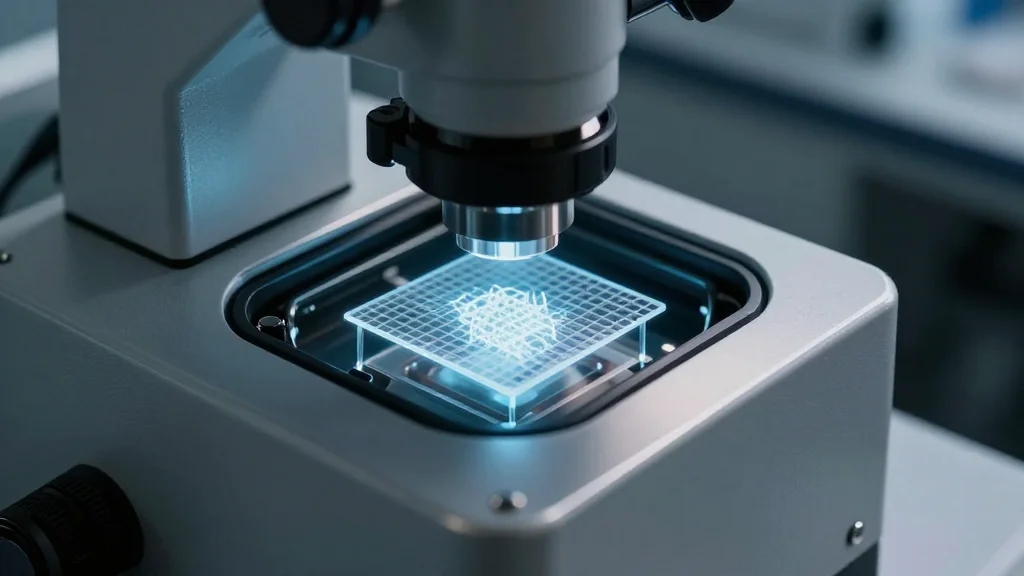
Cryo-EM Drug Discovery Center in Bay Area Opened by Thermo Fisher Scientific
Thermo Fisher Scientific has opened a Cryo‑Electron Microscopy Drug Discovery Center in South San Francisco, offering pharmaceutical and biotech firms direct, hands‑on access to cutting‑edge cryo‑EM instrumentation. The facility is designed to accelerate structural insight generation, enabling faster, more cost‑effective...

At CNBC Cures, Becky Quick Leads Clarion Call for Rare Disease Research
The CNBC Cures Summit opened with Becky Quick urging families and innovators to accelerate rare‑disease research. Speakers highlighted a widening gap between rapid scientific breakthroughs—gene therapies, AI‑driven diagnostics, and modular “nodal biology”—and an aging regulatory framework. Leaders from Biogen, the...
PepGen’s Mid-Stage Myotonic Dystrophy Study Hit With ‘Surprise’ Pause
PepGen’s Phase 2 FREEDOM2 trial in myotonic dystrophy type 1 received a partial FDA clinical hold due to concerns over a sub‑chronic mouse study that showed blood‑pressure changes. The agency did not question the Phase 1 human data, and the company continues dosing...

Using Real World Data From the Patient Experience to Improve Drug Development
Randomized trials for non‑small cell lung cancer often miss real‑world nuances that affect patients' quality of life. Real‑world data (RWD) and social determinants of health (SDOH) expose hidden barriers such as transportation gaps and limited molecular testing access. Pharma can...

Roche Broadens Global Clinical Trial Footprint With $480M+ South Korea Pledge
Roche announced a $480 million, five‑year investment in South Korea to build a national clinical‑trial ecosystem, fund R&D infrastructure, and train specialized personnel. The pledge also includes support for domestic biotech startups aiming for global markets. This move aligns with a...

Can GLP-1 Drugs Help Tackle Addiction?
A new BMJ meta‑analysis of over 600,000 U.S. veterans with type‑2 diabetes found that patients prescribed GLP‑1 agonists such as semaglutide or tirzepatide were 14% less likely to develop substance‑use disorders (SUD) than those on SGLT2 inhibitors. Over a three‑year...
Dr Klaas Zuideveld
TECregen, a biotech firm developing thymus‑rejuvenating biologics, announced Dr Klaas Zuideveld as its new chief executive officer. Zuideveld brings more than two decades of experience in pharmaceutical and biotech leadership, spanning translational strategy, clinical development, and global regulatory affairs. He has overseen...

Beiersdorf’s Skin Age Clock Can Predict Biological Age – Now Researchers Wants to Find Out What Makes It Tick
Beiersdorf’s AI‑driven Skin Age Clock, patented in 2021, reads epigenetic markers to estimate the biological age of skin. The technology underpins the Epicelline ingredient, now featured in Nivea and Eucerin lines, which claims to reverse cellular aging. To refine the...

Government Throws Weight Behind Space-Manufactured Drugs
The UK government announced a new package of measures to accelerate space‑based pharmaceutical manufacturing, offering regulatory clarity and a sandbox for companies developing drugs in microgravity. The initiative, led by the Department for Science, Innovation and Technology, brings together the...

Targeted Therapies to Join Chemo as Oncology Treatment Backbone
Targeted therapies are reshaping oncology, yet chemotherapy remains essential. Immune checkpoint inhibitors like Keytruda generate $31.7 bn sales in 2025 and cover more than 40 indications. The FDA granted 63 antibody‑drug conjugate review designations in 2024, nearly double the previous peak....

Hansa Closes on FDA Verdict for Transplant Drug Imlifidase
The FDA has begun reviewing Hansa Biopharma’s imlifidase, a drug that desensitises highly sensitised kidney‑transplant patients, with a decision expected by December 19, 2024. If approved, it would be the first U.S. therapy to improve transplant odds for the 10‑15 % of...

Akeso Presents P-II (COMPASSION-03) Trial Data on Cadonilimab for R/M Cervical Cancer at ESGO 2026
Akeso presented Phase‑II COMPASSION‑03 data for cadonilimab in patients with recurrent or metastatic cervical cancer who progressed after platinum chemotherapy. The trial reported a median overall survival of 17.5 months across the cohort, with 24‑month OS rates of 40.9% irrespective...

HUTCHMED Begins Phase I/IIa Trial of HMPL-A580 for Solid Tumours
HUTCHMED has launched a first‑in‑human Phase I/IIa trial of HMPL‑A580, its second antibody‑targeted therapy conjugate, in the United States and China. The multi‑centre, open‑label study will evaluate safety, tolerability, immunogenicity, pharmacokinetics and early efficacy across dose‑escalation and expansion cohorts. HMPL‑A580...
Affinia Receives FDA Fast Track Designation for AFTX-201
Affinia Therapeutics announced that the FDA has granted fast‑track designation to its gene‑therapy candidate AFTX‑201 for BAG3‑associated dilated cardiomyopathy. The one‑time intravenous treatment delivers a full‑length BAG3 transgene via an engineered capsid that requires doses five to ten times lower...
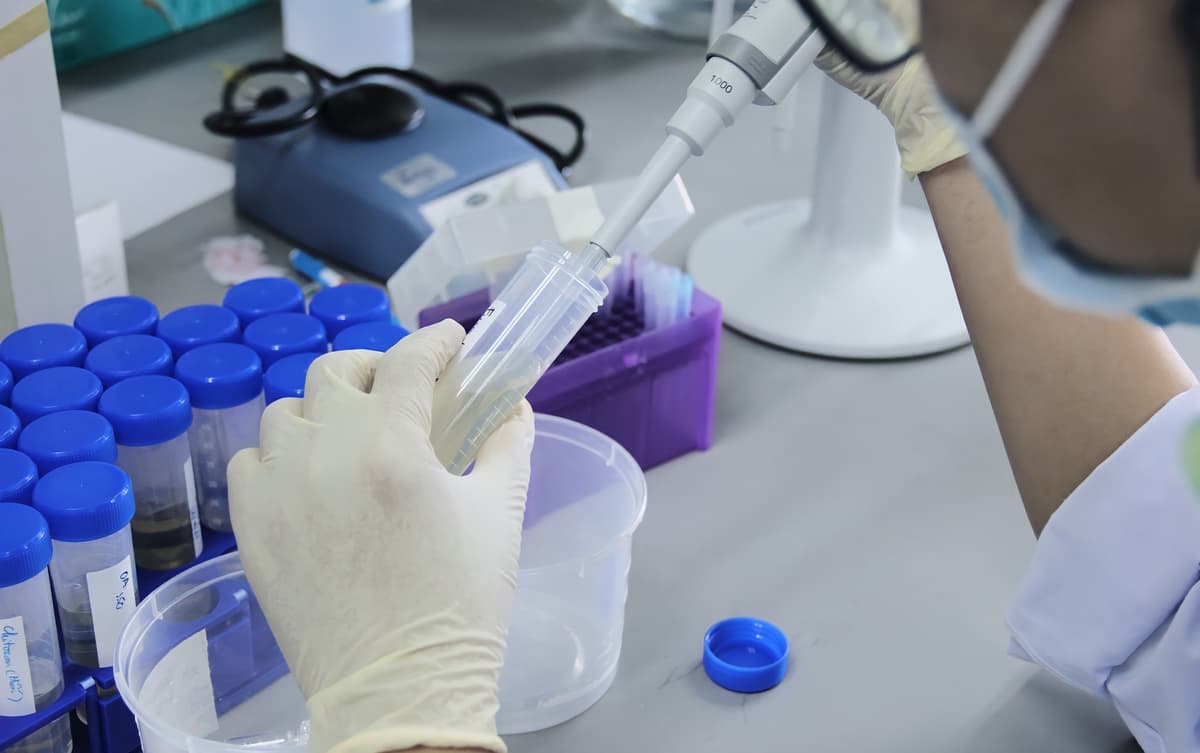
Guiding Nano Assembly for Drug Delivery with Machine Learning
Researchers repurposed the FAP inhibitor SP‑13786 as a co‑assembly excipient to create SP co‑assembled nanoparticles (SCAN) that encapsulate hydrophobic drugs. Using molecular dynamics and a random‑forest machine‑learning model, they identified 228 physicochemical descriptors that predict successful nano‑co‑assembly, highlighting aromaticity and...

Keeping the Door Open: Many Would Return to Companies That Laid Them Off
A BioSpace LinkedIn poll of 1,267 biopharma professionals revealed that 51% would consider returning to the employer that laid them off. Tight labor markets, limited local opportunities, and the appeal of consulting contracts drive this willingness. Respondents cite generous severance...

Thermogenetics: How Proteins Are Controllable by Heat
Researchers at Heidelberg University have engineered modular, heat‑responsive protein switches that function within the narrow 37 °C‑40 °C physiological window. By integrating a plant‑derived sensory domain into diverse proteins, they created allosteric thermoswitches capable of rapid, reversible activation. The technology was validated...