
A Common CRISPR Platform Enables Comparative Studies of Multicellularity in Social Amoebae
A team led by Associate Professor Tetsuya Muramoto at Toho University has created a CRISPR‑based genome‑editing platform that works in multiple social amoeba species. The vector, combined with donor DNA, dramatically improves editing efficiency, allowing gene disruptions in previously intractable Dictyostelia strains. This breakthrough expands functional genetics beyond the traditional model Dictyostelium discoideum, enabling true cross‑species comparisons of multicellular development. The findings were published in Scientific Reports on March 3, 2026.

FDA Approves First Generic of Flovent HFA for Treatment of Asthma
The FDA has approved the first generic version of Flovent HFA, a fluticasone propionate inhalation aerosol delivering 44 µg per actuation for asthma maintenance in patients aged four and older. The generic, produced by Glenmark Specialty SA, matches the brand’s safety and efficacy...

Anaptys Provides Update on Business Separation and Announces Fourth Quarter and Full Year 2025 Financial Results
AnaptysBio announced it will spin off its biopharma division into a new public company, First Tracks Biotherapeutics, in Q2 2026, separating it from the royalty‑focused parent that will retain the AnaptysBio name. The royalty side highlighted strong performance from GSK’s Jemperli,...

Oculis Reports Q4 and Full Year 2025 Financial Results and Provides Company Update
Oculis Holding AG reported a transformative 2025, highlighted by a $268.7 million cash position that extends its runway to 2029 and a $210 million equity raise. The company secured FDA Breakthrough Therapy designation for Privosegtor, its neuro‑protective candidate for optic neuritis, and...
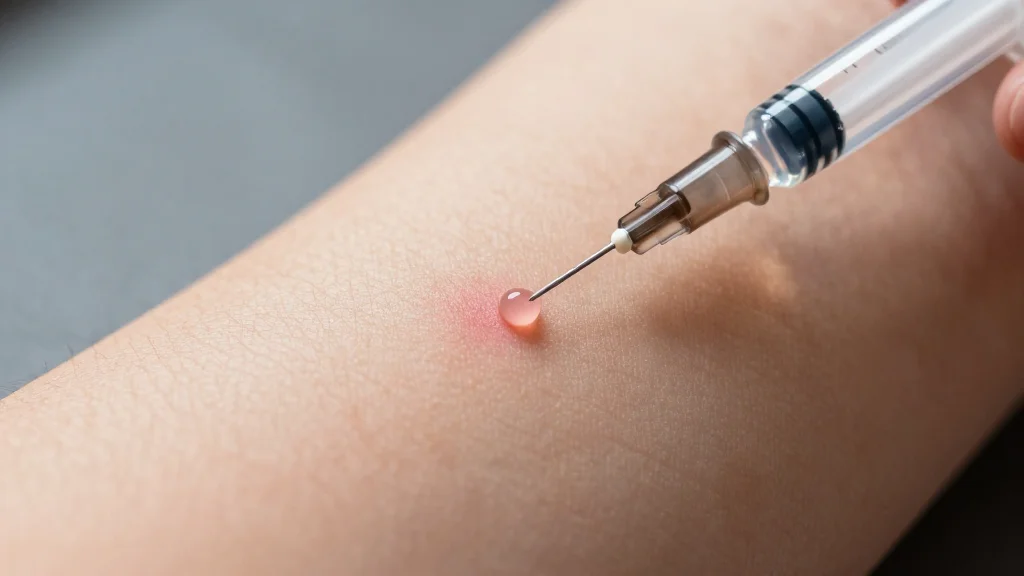
Intralesional Cemiplimab Shows Promise as a Nonsurgical Alternative for Early-Stage CSCC
A phase‑1 pilot of low‑dose intralesional cemiplimab in early‑stage cutaneous squamous cell carcinoma (CSCC) demonstrated rapid tumor regression with visual objective response rates of 66.7%–75% and pathologic complete responses of 58.3%–66.7%. Safety was favorable, with no grade ≥ 3 events and minimal...

FDA Approves Navepegritide for Children With Achondroplasia
The FDA granted accelerated approval to navepegritide (Yuviwel), a once‑weekly CNP prodrug, for children aged two years and older with achondroplasia and open growth plates. In the phase 2b ApproaCH trial, the drug raised annualized growth velocity to 5.89 cm/year, a 1.49 cm/year...

New Clinical Data Highlight Povorcitinib’s Potential to Achieve High-Threshold Lesion Clearance in HS
New post‑hoc analyses of the phase 3 STOP‑HS1 and STOP‑HS2 trials show that oral povorcitinib, a selective JAK1 inhibitor, delivers rapid, high‑threshold lesion clearance in patients with severe hidradenitis suppurativa. In the 75 mg arm, up to 57% of participants achieved complete...

Kyowa Kirin Abandons Touted Eczema Drug Following Safety Review
Kyowa Kirin announced it will cease all clinical trials of rocatinlimab, an anti‑OX40 antibody once touted as a potential eczema blockbuster, after a safety review identified emerging malignancy signals. The review, conducted with former partner Amgen, uncovered a confirmed and...
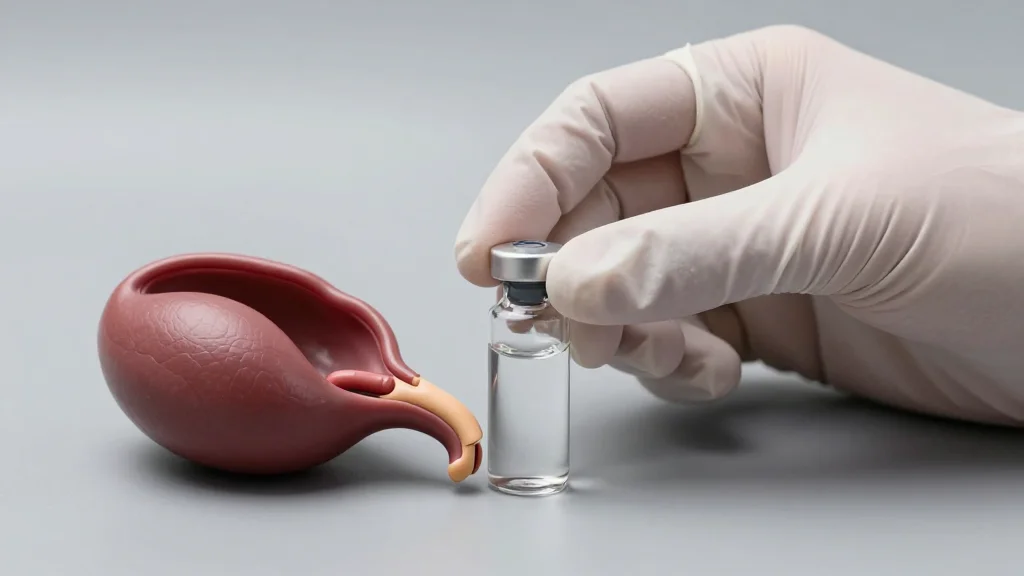
For Patients With mCRPC, Results With Pluvicto in Real-World Settings Keep Pace With Clinical Trials
Real‑world evidence from Duke’s PRECISION platform shows Pluvicto (Lu‑177 vipivotide tetraxetan) delivers a median progression‑free survival of 13.5 months in PSMA‑positive metastatic castration‑resistant prostate cancer (mCRPC) after androgen‑receptor pathway inhibitor (ARPI) therapy, matching the pivotal PSMAfore trial. Patients who received Pluvicto...

Decoding MMA and CBS via Whole Exome Sequencing
A March 2026 study in Pediatric Research applied whole exome sequencing to seven patients with methylmalonic acidemia (MMA) and cystathionine beta‑synthase (CBS) deficiency, uncovering both known and novel pathogenic variants in MMUT, MMAA and CBS genes. The researchers linked specific mutation...

Nanocomposite Ag Nanoparticles Boost Anticancer Potential
Researchers have engineered a nanocomposite incorporating silver (Ag) nanoparticles that markedly improves anticancer efficacy. The hybrid material boosts reactive oxygen species generation and enhances tumor cell uptake while sparing normal tissue. In vitro studies show synergistic activity with standard chemotherapeutics,...

At-Home Cervical Cancer Screening Wand Now Available In All 50 States
The FDA has approved the Teal Wand, the first at‑home cervical cancer screening device, now available nationwide for women ages 25‑65 at average risk. The wand collects a dry cervical sample at home, which is mailed to a lab for...
Newly Added Guidance Documents
The FDA has published a batch of newly added guidance documents, spanning drug exclusivity, post‑approval safety reporting, real‑world data studies, Bayesian trial methods, and patient‑preference research. Ten documents are highlighted, with six in draft form and four finalized, dated between...

Early Matrix Proteins Drive Kidney Fibrosis Dynamics
A new Nature Metabolism study identifies extracellular matrix protein ECM1 as a pivotal early regulator of kidney fibrosis. Global ECM1 knockout mice develop spontaneous fibrosis and premature death, while AAV9‑mediated ECM1 knockdown in fibroblasts markedly lessens fibrotic burden. Mechanistically, ECM1...

Discover the Expert Voices Driving Innovation in Skin Science and Longevity
The Anti‑Ageing Skin Care Conference 2026 will be held June 23‑24 at the Royal College of Physicians, featuring two days of presentations on healthy ageing, biomarker science, and emerging skin technologies. A roster of leading academics and industry R&D heads—including...

After Exiting 2seventy, Chip Baird Took a 180 to Food Allergy With Newly Launched Poplar
Chip Baird, after selling 2seventy bio to Bristol Myers Squibb, launched Poplar Therapeutics as CEO in early 2025. The company secured a $50 million Series A and an additional $45 million extension to fund Phase 1 trials of its anti‑IgE antibody PHB‑050. PHB‑050 aims to...

Webinar: The Future Is Collaborative: Transforming Clinical Trials
A MEDSIR‑hosted webinar titled “The Future is Collaborative: Transforming Clinical Trials” examined how collaborative‑initiated trials and investigator‑initiated trials (IITs) are reshaping oncology research. Speakers Dr. Javier Cortés and Dr. Antonio Llombart‑Cussac, both leading breast‑cancer oncologists, discussed their roles in recent...

From Prompt to Pill: Researchers Propose AI-Driven Path To ‘Pharmaceutical Superintelligence’
A team of researchers proposes "pharmaceutical superintelligence," an AI‑driven pipeline that can turn a plain‑language request into a preclinical drug candidate and even outline clinical trial plans. The framework stitches together generative chemistry models, multi‑agent reasoning, and robotic labs into...

Bayesian Learning Uncovers Schistosomiasis Multimorbidity Risks
Researchers applied Bayesian machine‑learning to uncover risk factors for hepatosplenic multimorbidity in schistosomiasis. By fusing clinical records, environmental exposure data, and host genetic markers, the model pinpointed predictors such as specific immune‑gene variants and poor sanitation. Its capacity to continuously...

Synthetic Gene Medicines May Disrupt DNA Repair
Researchers at Karolinska Institutet reported that phosphorothioate antisense oligonucleotides (ASOs) directly bind key DNA‑repair enzymes, forming nuclear condensates that trigger a false DNA‑damage response. The effect was observed at concentrations commonly used in laboratory assays, though clinical doses reach lower...

'Dismal' Survival Demands Change in Bile Duct Cancer Therapy
An international panel of 147 oncology leaders, including Prof. John Bridgewater, issued a consensus calling for sweeping reforms in the diagnosis, treatment, and research of cholangiocarcinoma (bile duct cancer). The disease remains deadly, with three‑quarters of patients dying within a...

Nine Companies Advancing Biotech in Philadelphia
Philadelphia’s biotech ecosystem, long known for CAR‑T breakthroughs, is diversifying into obesity, metabolic disease, gene editing, and solid‑tumor immunotherapies. Nine local companies illustrate this shift, from Alveus Therapeutics’ $197 million Series A obesity program to Cabaletta Bio’s autologous CD19 CAR‑T for autoimmune...
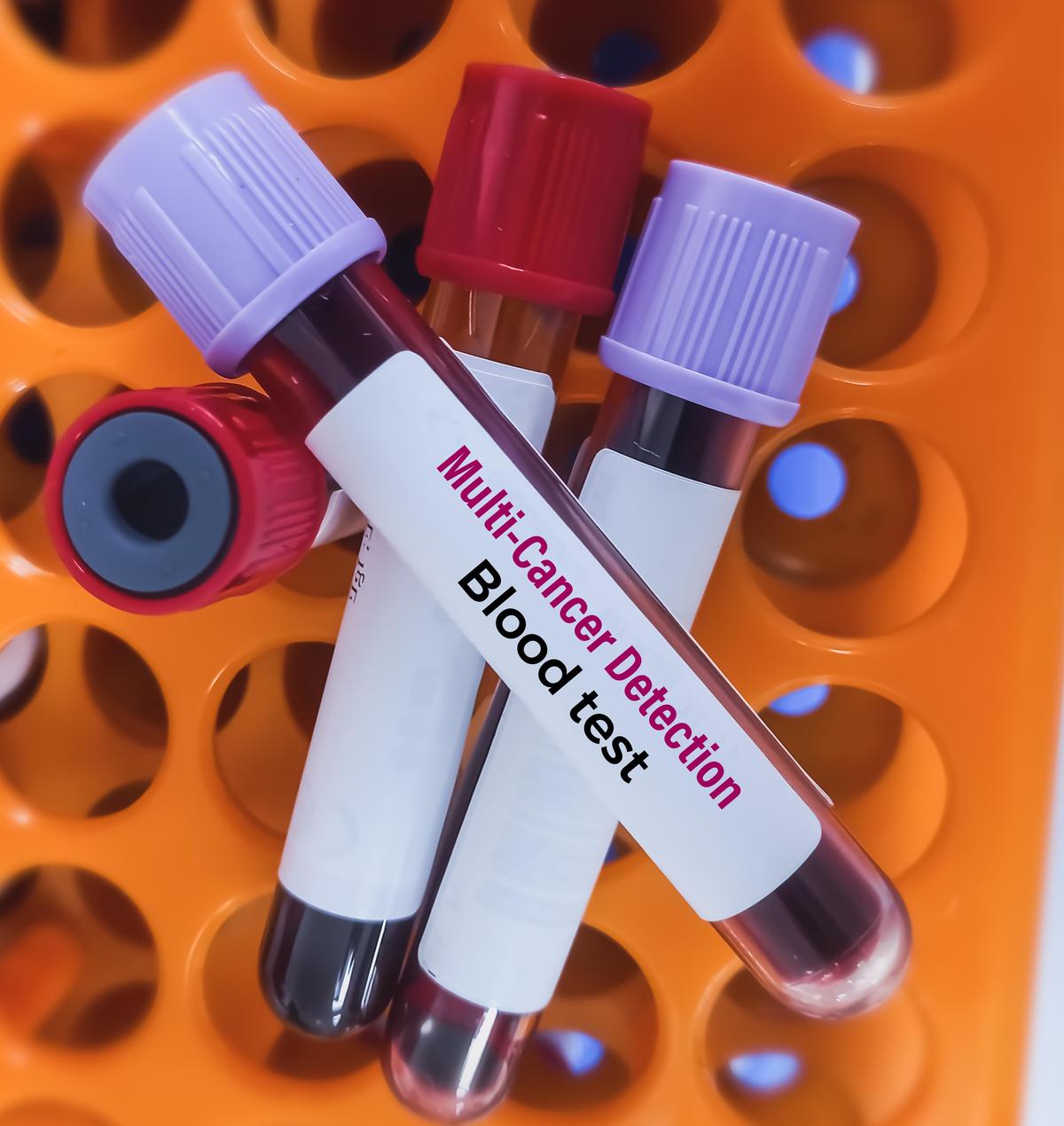
Promises And Pitfalls Of Multi-Cancer Diagnostic Tests
Multi‑cancer early detection (MCED) tests analyze blood, urine or saliva for tumor‑derived DNA, RNA or proteins, promising a single‑sample screen for dozens of cancers. While early‑stage detection could complement established organ‑specific programs, sensitivity varies widely, with some cancers identified in...

Key Biosimilars Events of February 2026
February 2026 saw a surge of biosimilar activity, with key regulatory approvals for products such as Sandoz Enzeevu (Eylea), Accord Filkri (Neupogen), and STADA Gotenfia (Simponi) across the US, Canada and the EU. Companies forged new licensing and commercialization deals that extend biosimilar...

Quell Takes New Treg Into Clinic After Transplant Study Halt
Quell Therapeutics has launched the phase 1/2 CHILL trial of its autologous CAR‑Treg therapy QEL‑005 in rheumatoid arthritis and systemic sclerosis, after pausing the liver‑transplant program QEL‑001. The multi‑center study will enroll patients in the UK, Germany and Spain, with read‑out...
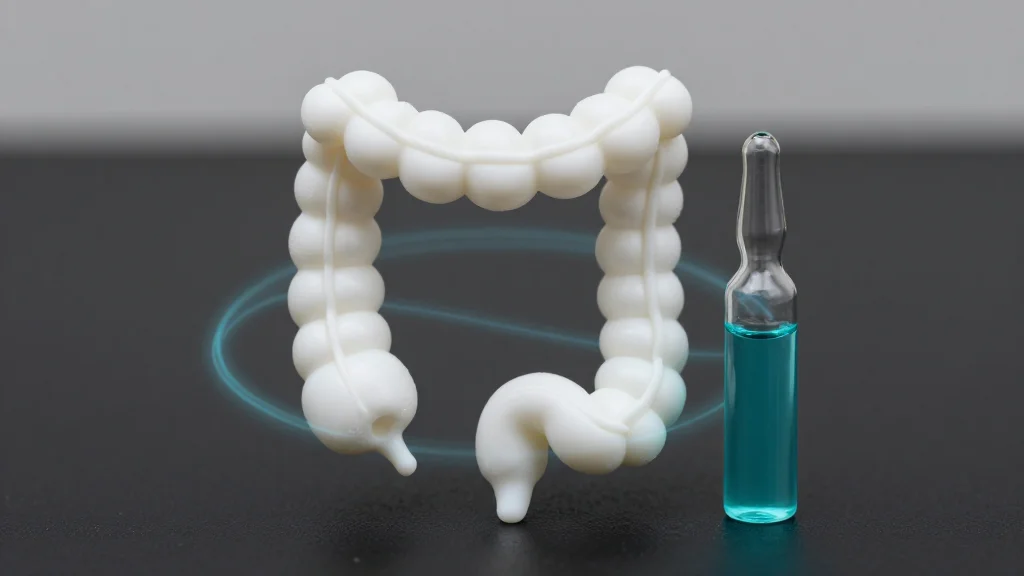
Boehringer Ingelheim Axes MASH Pact With OSE After Disappointing Mid-Stage Data
Boehringer Ingelheim has terminated its metabolic dysfunction‑associated steatohepatitis (MASH) collaboration with OSE Immunotherapeutics after an exploratory Phase 2 trial failed to meet its primary endpoint. The original 2018 deal included a €15 million upfront payment and up to €1.1 billion in milestone potential,...
Lynk Pharmaceuticals Reports Topline P-III Trial Data on Zemprocitinib in Atopic Dermatitis
Lynk Pharmaceuticals announced topline Phase III data for its oral JAK inhibitor zemprocitinib in 356 patients with moderate‑to‑severe atopic dermatitis. Both the 12 mg and 24 mg doses met the co‑primary endpoints at week 16, delivering 38‑46 percentage‑point improvements in EASI‑75 and roughly 30 percentage‑point gains...
Animal Drugs: Strengthening Federal Incentives Could Help Address Unmet Animal Health Needs
The GAO report reveals that, despite a conditional approval pathway introduced in 2004 and expanded in 2018, FDA‑approved animal drugs for minor species and niche uses remain scarce. From FY2018 through FY2025, only 13 drugs received conditional approval, all targeting...

STAT+: FDA Is ‘Not Convinced’ UniQure’s Huntington’s Therapy Has Benefit, Senior Official Says
The FDA concluded that UniQure’s experimental gene therapy for Huntington’s disease has not demonstrated therapeutic benefit based on existing clinical data. Reviewers said they are not persuaded by the evidence, prompting the agency to block the company from submitting a...

This Startup Wants To Use Mini Robots To Treat Alzheimer's
Jacksonville‑based startup MMI is preparing the first U.S. microrobotic surgeries to treat Alzheimer’s by clearing lymphatic drainage pathways in the neck. The FDA granted clearance for an initial safety cohort of 15 patients, with five slated for the first procedure...

Innovent Receives the NMPA Approval for Jaypirca to Treat R/R Chronic Lymphocytic Leukemia or Small Lymphocytic Lymphoma (CLL/SLL)
Innovent’s pirtobrutinib, marketed as Jaypirca, received Chinese NMPA approval for adults with relapsed or refractory chronic lymphocytic leukemia/small lymphocytic lymphoma who have undergone at least one prior therapy, including a BTK inhibitor. The decision follows the phase‑III BRUIN CLL‑321 trial,...

CMS Extends Deadline for MFN Pricing Pilot Scheme
The U.S. Centers for Medicare & Medicaid Services (CMS) has pushed back the deadline for manufacturers to join its GENEROUS pilot, extending the initial cut‑off to April 30 while keeping the final deadline at June 30. The voluntary program applies a Most‑Favoured...

Merck and Eisai Present P-III (LITESPARK-011) Trial Data on Welireg + Lenvima in Advanced Renal Cell Carcinoma (RCC) at ASCO...
Merck and Eisai disclosed Phase III LITESPARK-011 results showing that the oral combination of Welireg (belzutifan) and Lenvima (lenvatinib) outperformed cabozantinib in 747 patients with advanced renal cell carcinoma who progressed after anti‑PD‑1/PD‑L1 therapy. At a median follow‑up of 29...
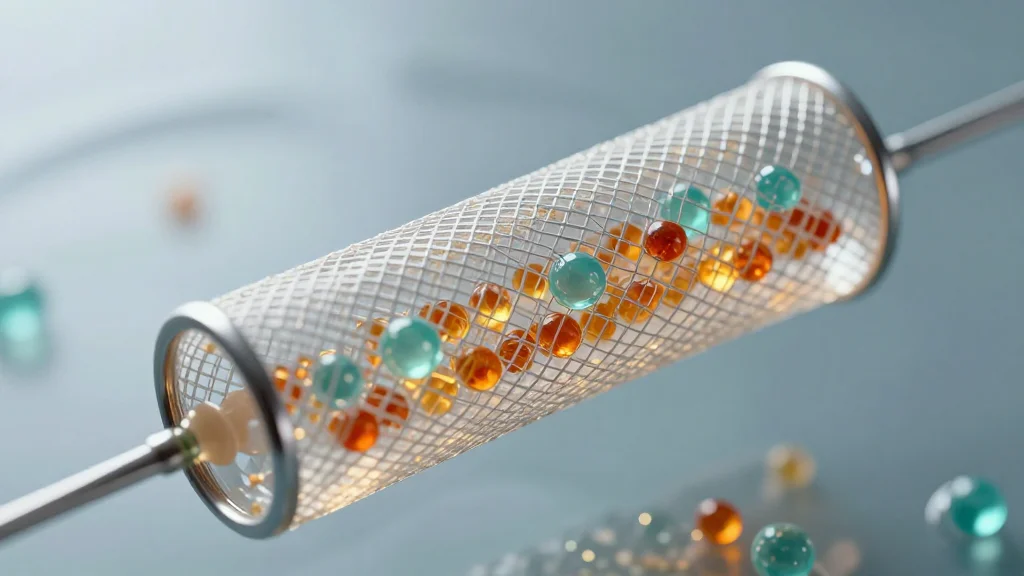
Selective Lipoprotein Removal Enables High‐Purity EV Isolation From Plasma via Aptamer‐Based Mesh Filtration
Researchers introduced ApoFilter, an aptamer‑functionalized mesh filtration system that selectively removes plasma lipoproteins while allowing extracellular vesicles (EVs) to pass. The platform targets ApoA1 and ApoB100, depleting over 99% of HDL and (V)LDL within a minute using gravity‑driven flow. Integrated...

Dermatology Trials by the Numbers: Key Trends and Benchmarks for 2026
Dermatology research is booming, with more than 16,000 trials completed, ongoing, or planned by the end of 2025. The Asia‑Pacific region now hosts roughly 8,000 studies, a five‑fold increase over the past decade, matching North America and Europe combined. Low...

Clinically‐Relevant Static Magnetic Field Induces Release of Encapsulated Molecules From Magnetoliposomes
Researchers demonstrated that a clinically‑available 1.5 T static magnetic field can trigger the release of encapsulated molecules from magnetoliposomes (MLs). The study used citric‑acid‑stabilized Fe₃O₄ nanoparticles, with and without a chitosan coating, and monitored structural changes via SAXS and DLS. Fluorescence...

Lee Hood’s Persistent Plan to Reinvent Medicine From the Ground Up
Lee Hood’s three‑decade instrument‑building effort birthed the automated DNA sequencer that made the Human Genome Project feasible and founded the Institute for Systems Biology, the cradle of systems‑level medicine. He coined the four P’s—predictive, preventive, personalized, participatory—arguing the first three are...

How North Carolina Attracted Amgen and Roche To Become a Next-Gen Obesity Drug Production Hotspot
North Carolina’s Holly Springs is becoming a hub for next‑generation obesity drugs as Amgen and Roche commit more than $3.5 billion to build manufacturing capacity. Amgen’s $1.55 billion rollout includes a new drug‑substance plant and a second facility slated for 2032, while Roche’s...

Navigating the FDA After the Storm To Advance Drug Candidates
After a wave of senior departures and a 3,500‑position cut, the FDA entered 2026 with a largely inexperienced workforce, raising uncertainty for drug developers. The agency’s new AI guidance, released in January, outlines best practices but emphasizes human oversight and...

SOPHiA GENETICS SA (SOPH) Q4 2025 Earnings Call Transcript
SOPHiA GENETICS reported Q4 2025 revenue of $19.5 million, up 23% year‑over‑year, marking the third consecutive quarter of accelerating growth. The company added 31 new customers, bringing total 2025 signings to 94, and saw U.S. revenue rise 30%, highlighting strong market...
NDA and BLA Calendar Year Approvals
The FDA’s Center for Drug Evaluation and Research (CDER) has published its annual New Drug Application (NDA) and Biologics License Application (BLA) approval reports for calendar years 2015 through 2025, each linked in a consolidated list. These reports detail the...
New Diagnostic Markers for Multiple Sclerosis Discovered in Cerebrospinal Fluid
Researchers from the Max Planck Institute of Biochemistry and the Technical University of Munich applied high‑throughput mass spectrometry to cerebrospinal fluid from more than 5,000 patients, measuring roughly 2,000 proteins per sample. They identified a 22‑protein panel that distinguishes multiple...

One PSMA Agent Outshines Competitors at Detecting Prostate Cancer Recurrence
A head‑to‑head study of 55 post‑prostatectomy patients compared two FDA‑cleared PSMA PET agents, Posluma (flotufolastat F‑18) and Pylarify (piflufolastat F‑18). Posluma demonstrated markedly lower bladder radioactivity, with a median bladder SUV of 10.9 versus 29 for Pylarify. This reduction translated into higher...
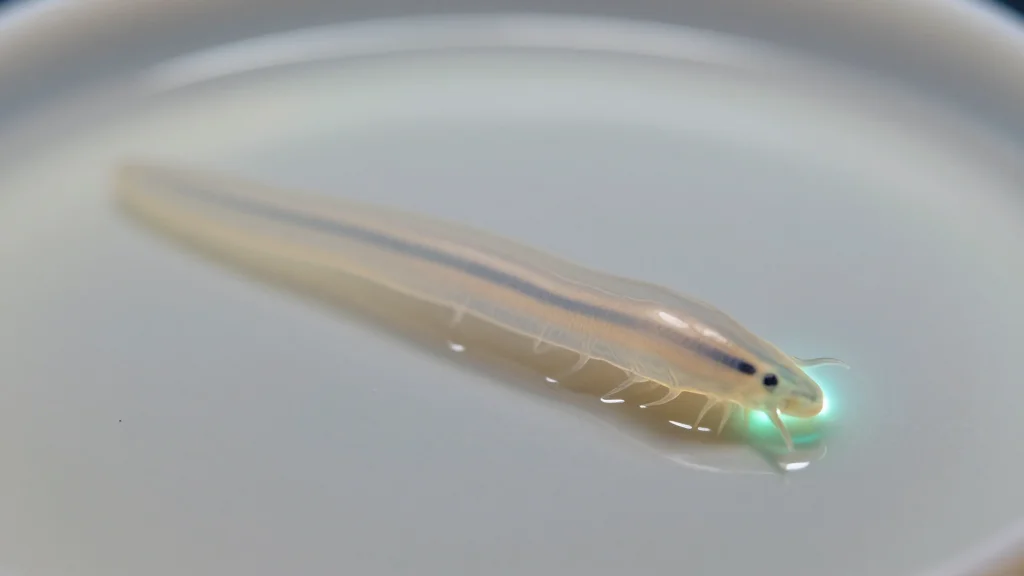
How Flatworms Keep Their Regeneration Powers on Track
Scientists have identified a molecular checkpoint that guides planarian stem cells during regeneration. The roundabout A receptor (RoboA) suppresses inappropriate pharyngeal differentiation by regulating the transcription factor FoxA, while the extracellular protein Anosmin1a partners with RoboA to fine‑tune cell identity...

Ultrasound-Activated 'Nanoagents' Kill Superbugs Hiding in Biofilms
Scientists at the University of Birmingham and Nottingham Trent University have created silica‑based nanoagents that encapsulate the hydrophobic antibiotic rifampicin and release it only when exposed to low‑frequency ultrasound. The ultrasound‑triggered particles penetrate deep into Staphylococcus aureus biofilms, achieving a...
FDA Adverse Event Reporting System (FAERS) Electronic Submissions
The FDA has mandated electronic submissions to the FAERS database using the ICH‑endorsed E2B(R3) standard, beginning January 16 2024 for post‑marketing drug and biologic reports and April 1 2024 for pre‑marketing IND safety reports. Companies have until April 1 2026 to transition fully, after which only...
Early Add-On Therapy Associated With Strong Clinical Response in MG
A multicenter retrospective registry of 153 AChR‑positive generalized myasthenia gravis patients found that initiating add‑on immunotherapy within 24 months of diagnosis (early intensified treatment) produced faster and larger improvements in MG‑ADL, QMG, and quality‑of‑life scores than later escalation. Early patients...

Water Interactions Reveal How Surface Coatings Reshape Nanoparticle Drug Delivery
Arizona State University researchers quantified how water interacts with biomolecule‑coated magnetite nanoparticles, revealing that surface coatings dramatically reshape hydration energetics, immune recognition, and drug‑delivery performance. Using a calorimetry‑gas adsorption system, they measured water adsorption on particles coated with bovine serum...
Generate Biomedicines’ IPO Brings In $400M for Pivotal Tests of Severe Asthma Drug
Generate Biomedicines priced its IPO at $16 per share, raising $400 million to fund pivotal trials of its lead candidate GB‑0895. The antibody blocks the TSLP pathway and is engineered for six‑month dosing, a potential advantage over existing asthma biologics that...

Computer Run on Human Brain Cells Learned to Play ‘Doom’
Cortical Labs in Australia has upgraded its biocomputer, built from lab‑grown human neurons, to play the first‑person shooter *Doom*. The new CL1 platform translates visual game data into electrical stimulation patterns that the neuronal network can interpret, achieving adaptive, real‑time...