
Transient but Transformative: Sanofi’s mRNA CAR-T Enters in Vivo Race
Sanofi unveiled pre‑clinical data for an in‑vivo CAR‑T platform that delivers mRNA via lipid nanoparticles (LNPs) and a CD8‑targeting VHH nanobody, eliminating the weeks‑long ex‑vivo manufacturing step. The approach achieved tumor suppression in mice with less than 5% liver uptake and transient CAR expression lasting several days. By using mRNA rather than integrating viral vectors, the therapy avoids insertional mutagenesis and enables repeat dosing. Analysts project the global CAR‑T market to grow 25% CAGR, reaching $23.6 bn by 2031.

Bicycle to Lay Off 30% of Staff, Pivot Away From Padcev Challenger
Biotech firm Bicycle Therapeutics announced it will lay off roughly 30% of its workforce, about 86 employees, as it deprioritizes its experimental ADC zelenectide‑pevedotin. Regulators expressed doubts that the Phase 2 Duravelo‑2 trial data will support accelerated approval for metastatic bladder...

Computational Bio Tool Automates and Standardizes Genome Sequencing Analysis
Scientists at Sanford Burnham Prebys and UCLA unveiled metapipeline‑DNA, a new computational tool that automates quality control, variant calling, and reporting for large‑scale genome sequencing. The pipeline processes roughly 100 GB per human genome and can scale to hundreds of samples,...

Biodegradable Polymers for Application as Robust Immunomodulatory Biomaterial Carrier Systems
Biodegradable polymers are emerging as versatile carriers for immunotherapeutic agents, offering tunable degradation, enhanced antigen presentation, and intrinsic immunomodulatory properties. The review evaluates synthetic and natural polymers such as PLGA, PBAEs, Ace‑DEX, chitosan, alginate, and hyaluronic acid, highlighting their formulation...
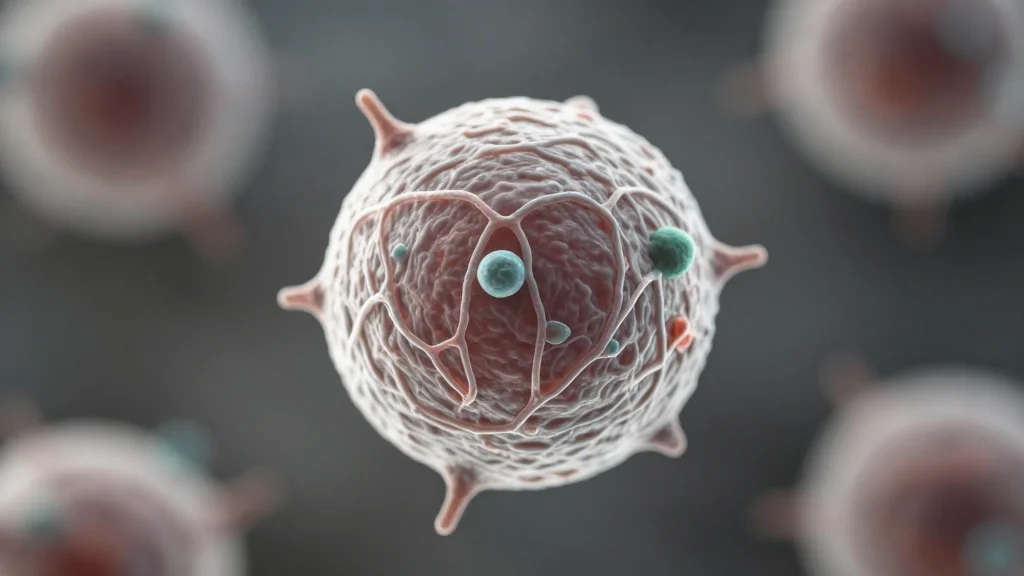
NQO1‐Responsive Prodrug for in Cellulo Release of Cytochalasin B as Cancer Cell‐Targeted Migrastatic (Small 16/2026)
Researchers introduced BQTML‑CB, an NQO1‑responsive prodrug that releases cytochalasin B inside tumor cells, disrupting actin filaments and halting migration and proliferation. The design exploits the enzyme NQO1, overexpressed in many aggressive cancers, to achieve tumor‑selective activation while sparing NQO1‑deficient cells and...

Bioengineered Bacterial Vesicles and Biomimetic Hybrids Eliminate Biofilms and Balance the Gut Microbiome
Researchers have engineered biomimetic nanocarriers that combine liposomal structures with Myxobacteria outer‑membrane vesicles (OMVs) to deliver antibiotics. The hybrid carriers achieve higher drug loading and can penetrate intracellular Gram‑negative pathogens, while native OMVs avoid immune clearance and sustain extracellular exposure....

From Membrane Composition to Antimicrobial Strategies: Experimental and Computational Approaches to AMP Design and Selectivity
The review highlights how bacterial membrane composition critically shapes the activity of antimicrobial peptides (AMPs) and outlines experimental and computational strategies for their rational design. By examining case studies, it maps structure‑activity relationships that govern membrane disruption versus intracellular targeting....

Nature Inspired Delivery Vehicles for CRISPR‐Based Genome Editing
The review surveys nature‑inspired nanocarriers—viral vectors, extracellular vesicles, liposomes, lipid nanoparticles, and engineered membrane particles—as delivery platforms for CRISPR genome editors. It details how these systems improve editing specificity, lower immunogenicity, and surmount cellular barriers that have limited therapeutic rollout....
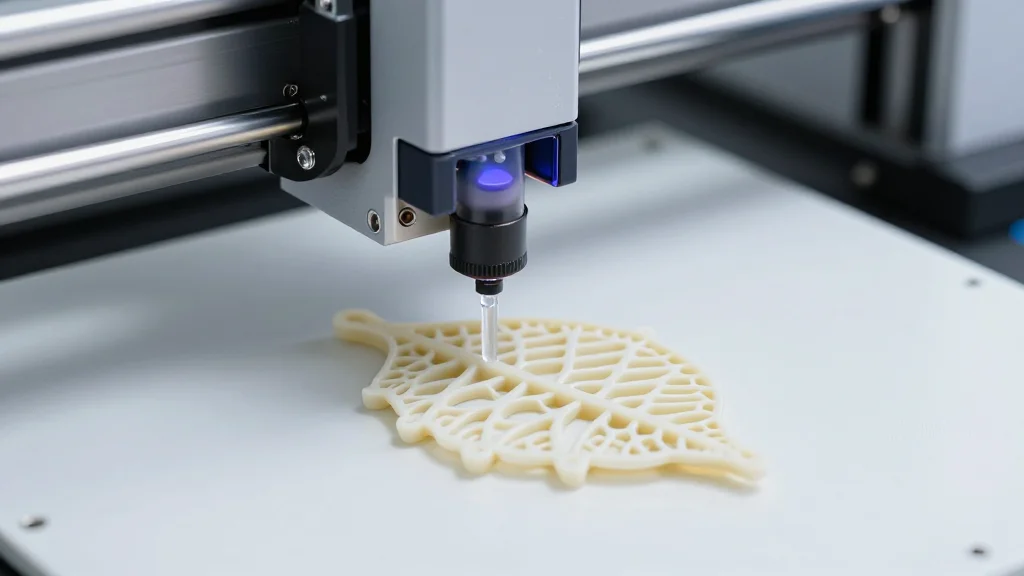
Hybrid 3D Bioprinting of Sustainable Biomaterials for Advanced Multiscale Tissue Engineering
A new review outlines recent progress in hybrid 3D bioprinting that combines inkjet, extrusion, and vat photopolymerization to fabricate multiscale tissue constructs using sustainable, renewable biomaterials. The authors highlight how integrating multiple printing modalities overcomes single‑technique limitations, enabling nano‑ to...

Suckerin Colloids and Hydrogels With Low Immunogenicity as Resorbable and Hemostatic Tissue Adhesives for Wound Healing
Researchers have engineered recombinant suckerin‑12 colloids and hydrogels that act as wet‑resistant tissue adhesives. The materials exhibit stronger adhesion than traditional mussel‑derived proteins and outperform fibrin glue in hemostasis, cell proliferation, and wound closure in animal models. Low cytotoxicity, minimal...

Third FDA Rejection for Aldeyra’s Dry Eye Disease Drug Sends Shares Plummeting
The FDA issued a third complete response letter rejecting Aldeyra Therapeutics' lead dry‑eye candidate, reproxalap, citing a lack of substantial evidence and inconsistent efficacy data. The agency noted the drug failed to demonstrate clear benefit in well‑controlled studies, though no...

Can Bristol Myers Squibb’s Pipeline Strategy Offset a Major Patent Cliff?
Bristol Myers Squibb faces a major patent cliff as flagship drugs like Revlimid, Pomalyst, Opdivo and Eliquis lose exclusivity, threatening its revenue base. To counteract the decline, the company is reshaping its pipeline through internal R&D and high‑profile acquisitions, emphasizing...

Are Pig Organs the Future of Transplantation?
The United States faces a transplant shortage of over 100,000 patients, prompting research into xenotransplantation using genetically engineered pig organs. Recent cases—David Bennett’s pig heart in 2022, Lawrence Faucette’s in 2023, and Tim Andrews’ pig kidney in 2025—demonstrate feasibility, with...

NVIDIA and Persistent Systems Partner to Bring ‘Agentic AI’ to Drug Discovery
Persistent Systems has partnered with NVIDIA to bring Agentic AI to the healthcare and life‑sciences sector, focusing on computational drug discovery. Leveraging NVIDIA’s full AI stack—including AI Enterprise, BioNeMo, the NeMo Agent Toolkit, and NIM microservices—Persistent built GenMolVS, a generative...

EMA Marketing Authorization of New Drugs in February 2026
In February 2026 the European Commission and the CHMP granted marketing authorisations and positive opinions for a slate of innovative therapies spanning COVID‑19, oncology, cardiology, immunology and rare diseases. Notable approvals include Moderna’s mNEXSPIKE COVID‑19 vaccine, Hansoh’s Aumseqa for EGFR‑mutated...
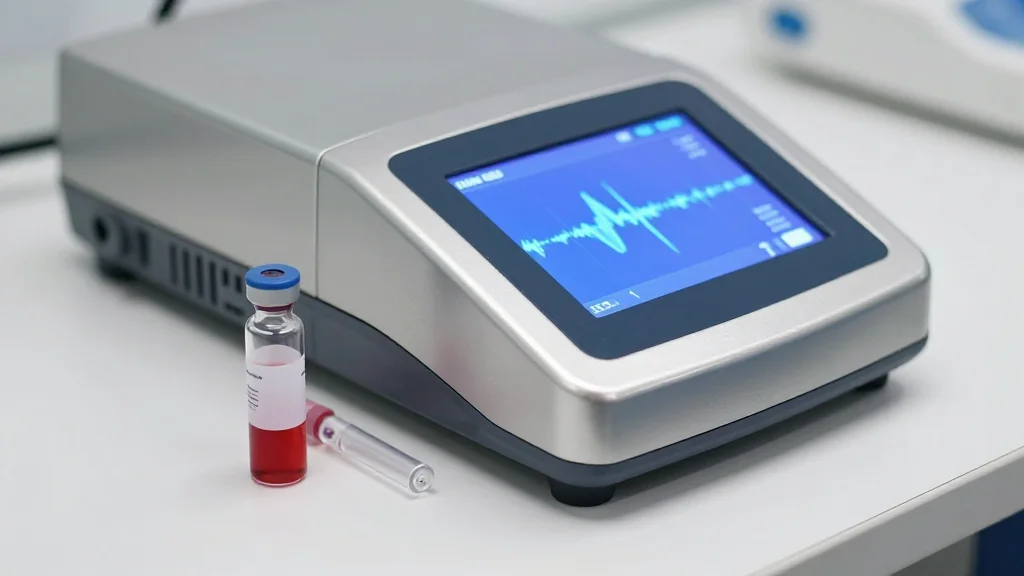
For Newer Sepsis Diagnostics, What the Studies Show
Newer sepsis diagnostics such as monocyte distribution width (MDW), Intellisep, and MeMed BV are showing promise in early clinical studies but each has distinct limitations. MDW, available on the Beckman Coulter CBC platform, improves sepsis detection when combined with white‑blood‑cell...

Cancer Vaccines Could Transform Treatment and Prevention – but Misinformation About mRNA Vaccines Threatens Their Potential
Scientists are accelerating development of mRNA cancer vaccines, with more than 120 clinical trials targeting melanoma, brain, breast, lung and prostate tumors. Early studies, such as personalized vaccines for glioblastoma, demonstrate rapid immune activation and improved survival. Simultaneously, a false...

R1: China-to-U.S. NewCo Planning Global Testing of New CKD Mechanism
The article outlines BioCentury’s cookie policy, detailing categories of cookies used on its website. Strictly necessary cookies are always active and enable authentication, registration, and core navigation. Functional, marketing, advertising, and analytics cookies provide personalization, targeted promotions, ad tracking, and...

Balancing the Risks and Rewards of Drug Development in China: A Small Biotech CEO Perspective
The blog by HotSpot Therapeutics CEO Jonathan Montagu argues that China is no longer just a manufacturing hub but a burgeoning source of innovative drug candidates, evidenced by its 17% lead over the U.S. in Nature’s Index and nearly half...

GEN Secures BEBO Foundation Approval for Phase II PD Trial
GEN Pharmaceuticals received BEBO Foundation ethical approval to launch a Phase II proof‑of‑concept trial of its mitochondrial‑targeting drug SUL‑238 in Parkinson’s disease. The single‑centre, randomised, double‑blind, placebo‑controlled study, named SHEPHERD, will begin patient enrolment in Groningen in April 2026. Over a 28‑day...

NeuroScientific Readies Stem Cell Supply Boost for Bowel Disease Trials
NeuroScientific Biopharmaceuticals has begun its first manufacturing run of the StemSmart mesenchymal stem cell therapy at Q‑Gen Cell Therapeutics in Brisbane, initiating a critical technology transfer. The engineering run will validate quality, potency and regulatory compliance ahead of a Phase 2...

Abeona Therapeutics Inc (ABEO) Q4 2025 Earnings Call Transcript
Abeona Therapeutics reported its Q4 2018 results, highlighting progress on its lead cell therapy EB-101 for recessive dystrophic epidermolysis bullosa (RDEB). The Phase 1/2 trial demonstrated continuous type VII collagen expression for over two years, a favorable safety profile, and durable wound...
Cibus Inc (CBUS) Q4 2025 Earnings Call Transcript
Cibus reported a $9.9 million cash balance and a $22.3 million capital raise that extends its runway into late 2026. Operating expenses were trimmed by roughly $10 million, though the quarter posted a $31.9 million net loss. The company highlighted a $200 million royalty opportunity...

Light-Controlled Hydrogel Mimics Soft Human Tissue for More Realistic Cell Studies
Researchers at the University of Colorado Boulder have created a light‑controlled hydrogel that closely replicates the softness and viscoelastic behavior of human tissue. The material can be solidified or softened on demand using photopolymerization, allowing precise spatial control during 3‑D...

FDA Drug Safety Communication: Updated Drug Labels for Pioglitazone-Containing Medicines
The FDA has approved updated labeling for all pioglitazone‑containing medicines, adding a warning that use longer than one year may increase bladder cancer risk. Healthcare professionals are instructed not to prescribe pioglitazone to patients with active bladder cancer and to...
FDA Drug Safety Communication: FDA Approves Label Changes for Use of General Anesthetic and Sedation Drugs in Young Children
The FDA has approved label changes for general anesthetic and sedation drugs used in children under three, adding a warning that prolonged exposure—more than three hours or multiple procedures—may harm brain development. The revisions incorporate animal study data showing neuronal...

Frog-Cell 'Neurobots' Grow Self-Organized Nervous Systems and Alter Gene Activity
Researchers at the Wyss Institute have created the first “neurobots,” living robots built from frog embryonic cells that incorporate neuronal precursor cells to form self‑organizing nervous systems. The neurobots develop mature neurons that connect internally and extend processes to surface...

Millions of Protein Complexes Added to AlphaFold Database Shed Light on How Proteins Interact
A joint effort by EMBL‑EBI, Google DeepMind, NVIDIA and Seoul National University has added millions of AI‑predicted protein complex structures to the AlphaFold Database, marking the largest collection of such data to date. The release focuses on high‑confidence homodimers, delivering...

IDT Unveils NGS Portfolio
Integrated DNA Technologies (IDT) announced a new next‑generation sequencing (NGS) portfolio that includes the DNA EZ v2 library preparation kit, the xGen Exome v2 Hyb spike‑in panel, a 1,536‑member set of full‑length unique dual‑index adapters, and an upgraded whole‑genome sequencing system. The suite targets...

Illumina Launches Software for Multiomic Analysis
Illumina unveiled Illumina Connected Multiomics, a cloud‑based platform that unifies single‑cell, spatial transcriptomics, proteomics, and methylation data for large‑scale analysis. The system aggregates thousands of samples from Illumina and third‑party assays, delivering reproducible results through DRAGEN secondary analysis. AI‑driven tools...

FDA Clears Cepheid Xpert GI Multiplex PCR Test
Cepheid’s Xpert GI panel received FDA clearance, offering a multiplex PCR test that identifies 11 bacterial, viral, and parasitic gastrointestinal pathogens from a single stool sample. The assay delivers results in roughly 74 minutes and operates on the existing GeneXpert...

FDA Clears Copan PhenoMatrix Software
The U.S. Food and Drug Administration granted 510(k) clearance to Copan Group’s PhenoMatrix, an AI‑driven image‑assessment tool that runs on the WASPLab automation platform. Classified as a class II device, the software automatically sorts and evaluates bacterial culture plate images across...

Ultrasound-Activated Nanoparticles Breach Bacterial Biofilms
Scientists have engineered silica‑based nanoparticles that encapsulate rifampicin and release it only when exposed to low‑frequency ultrasound. The ultrasound both propels the particles through the protective matrix of bacterial biofilms and triggers cavitation that opens the particles, delivering the antibiotic...

AI and Genomics: A New Era of Personalized Medicine
Artificial intelligence is reshaping genomics by speeding up sequencing and uncovering patterns that traditional tools miss, enabling truly personalized medicine. AI models can predict disease risk, suggest optimal therapies, and guide tumor classification, especially in oncology and emerging mRNA vaccine...

How Synergy Spine Engineered Its New Cervical Disc for Mobility and Alignment
Synergy Spine Solutions secured FDA pre‑market approval for its Synergy Disc, the first artificial cervical disc that simultaneously improves spinal alignment and preserves full range of motion. The device features a patented interrupted‑articulation geometry that creates a low‑energy, lordotic position...

VIS-101 Shows Safety, Rapid Efficacy in Wet AMD
NovaBridge’s VIS‑101, a dual VEGF‑A and angiopoietin‑2 inhibitor, delivered rapid and durable efficacy in a phase 2a trial of 38 wet AMD patients in China. Participants receiving 3 mg or 6 mg doses achieved mean visual gains exceeding 10 ETDRS letters and central...
Structure Therapeutics Inc. (GPCR) Discusses Positive Topline Results From ACCESS II and Related Studies of Aleniglipron Oral GLP-1 Transcript
Structure Therapeutics announced positive topline data from its ACCESS II trial of aleniglipron, an oral small‑molecule GLP‑1 receptor agonist. The study demonstrated statistically significant reductions in HbA1c and weight loss comparable to injectable GLP‑1 therapies. Safety signals were mild, with few...
CytomX Surges on Positive Data for ‘Masked’ ADC in Colorectal Cancer
CytomX Therapeutics’ shares surged 66% after the company released expansion data from its Phase 1 study of Varseta‑M, a masked antibody‑drug conjugate targeting EpCAM in late‑stage colorectal cancer. The trial evaluated three dose levels, with the two highest doses achieving response...

Sun Pharma's Tildrakizumab Advances Into Psoriatic Arthritis as FDA Accepts sBLA
Sun Pharmaceutical's tildrakizumab (Ilumya) received FDA acceptance for a supplemental biologics license application to treat active psoriatic arthritis. The sBLA is backed by two Phase III INSPIRE studies involving more than 800 patients, which met primary endpoints with significant ACR20 improvements...

Chinese-Owned Syngenta to Build New £100m Bioscience Hub in UK
Chinese-owned agriscience leader Syngenta announced a £100 million investment to build a new bioscience hub, BioSTaR, at its Jealott’s Hill site in Berkshire. The centre will consolidate 300 scientists to develop biological pesticides and AI‑enabled crop protection technologies, with completion targeted...

This Hidden Immune Signal Could Change Cancer Therapy
Researchers have identified that a surface‑defensive molecule on cancer cells not only sends a “don’t‑eat‑me” signal but also conceals an “eat‑me” cue that would normally trigger immune clearance. A newly engineered antibody can disrupt this masking interaction, making tumors visible...

Qlaris Bio Appoints New CEO Fred Guerard
Qlaris Bio announced that Fred Guerard, PharmD, will serve as its president and chief executive officer, succeeding co‑founder Thurein Htoo. The biotech is moving its lead candidate, QLS‑111, into Phase 3 trials for open‑angle glaucoma and ocular hypertension. Guerard arrives with...

Bimekizumab Does Not Increase Depression, Suicide Risk Vs. Other Psoriasis Biologics
A retrospective TriNetX analysis of 1,691 psoriasis patients compared bimekizumab with IL‑23 inhibitors and found no greater incidence of new‑onset depression, suicidal ideation, or related medication use. Over a two‑year follow‑up, the combined psychiatric event rate was 4.9% for bimekizumab...
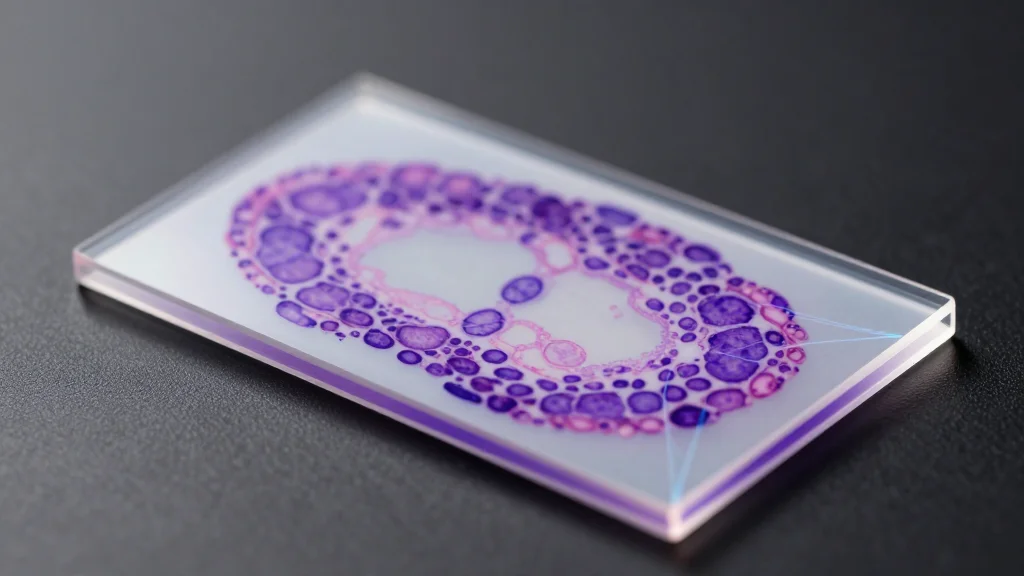
Computational Model Predicts Telomere Length From Routine Biopsy Slide Images
Researchers at Sanford Burnham Prebys unveiled TLPath, a machine‑learning model that infers telomere length from routine histopathology slides. The system was trained on 5,263 whole‑slide images covering 18 organs from 919 individuals and can predict telomere shortening in 11 tissue...

Six Biotech Companies Advancing the Next Generation of Prostate Cancer Therapies
Six biotech firms are pushing next‑generation prostate‑cancer therapies through late‑stage trials and financing milestones. Candel Therapeutics secured a $100 million royalty deal to fund aglatimagene’s launch, while Coherus Oncology closed a $50.1 million offering and partnered with J&J for a CCR8 antibody...

BIO on the American Road in Puerto Rico: ‘Medicine Cabinet’ Ready to Reshore
BIO President John F. Crowley toured Puerto Rico in March, highlighting the island’s role as “America’s Medicine Cabinet.” The territory already ships nearly one‑fifth of U.S. drug exports and accounts for about 30% of its GDP. Recent announcements from Amgen...

Elevara Begins Phase 2b Trial of ELV001 in Rheumatoid Arthritis
Elevara Medicines has dosed the first patient in its phase 2b START‑SYNERGY trial, testing the oral CDK4/6 inhibitor ELV001 in rheumatoid arthritis patients who have failed methotrexate and TNF inhibitors. The randomized, placebo‑controlled study will enroll about 180 participants across nine...

Photonics and Nanotech Could Spot Cancer Signals 5 to 8 Years Earlier
Researchers at the University of Illinois Urbana‑Champaign have engineered a photonic‑nanomaterial platform that senses microRNA and DNA signatures linked to cancer up to five to eight years before conventional diagnostics can. The system leverages photonic crystal grating resonance and nano‑assemblies...

China Startup CirCode Gets Clearance for Trial of Circular RNA Therapy
Cir‑Code Bio‑med, a Chinese biotech focused on circular RNA medicines, has secured an Investigational New Drug (IND) approval from the U.S. Food and Drug Administration to commence its first human trial. The therapy targets a rare genetic disorder using a...

Clostridia From Preterm Infants Harness HMOs to Protect Gut
A Nature Microbiology study reveals that specific Clostridia strains isolated from preterm infants can efficiently metabolize human milk oligosaccharides (HMOs). The bacterial conversion produces short‑chain fatty acids and other bioactive metabolites that suppress pathogenic bacteria and enhance intestinal barrier gene...