
Money Raised by Biopharma
Researchers at INSERM uncovered hypothalamic tanycytes as a previously unknown tau‑clearing pathway, opening fresh therapeutic avenues for Alzheimer’s and related tauopathies. Merck Sharp & Dohme (MSD) announced the synthesis and pre‑clinical testing of novel PET tracers that bind α‑synuclein, aiming to enable non‑invasive imaging of Parkinson’s disease and other synucleinopathies. Neurosterix Pharma filed a patent on a series of 3‑cyclopropylpyrazole compounds that act as positive allosteric modulators of the muscarinic M4 receptor, targeting central nervous system disorders. Together, these advances highlight a surge in biopharma R&D focused on neurodegenerative disease diagnostics and treatment.
Shilpa Biologicals, mAbTree Program Targets Immune Pathway in Rare Blood Cancers
Shilpa Biologicals and mAbTree Biologics received FDA orphan drug designation for an investigational monoclonal antibody that targets an immune‑evasion pathway in essential thrombocythemia and polycythemia vera. The designation validates the novel mechanism and accelerates plans for IND‑enabling studies and first‑in‑human...

March 13 Policy Watch: FDA Streamlines Its Process for Approving Biosimilar Drugs
The FDA released draft guidance that lets biosimilar developers use foreign comparator data and, in some cases, replace clinical studies with chemical analysis, potentially cutting development costs by $20 million. Simultaneously, the agency launched the Adverse Event Monitoring System (AEMS), a...

Bacteria 4D Simulation, Safer Large Gene Insertion, uniQure Roller Coaster
The J. Craig Venter Institute unveiled a 4D, nanoscale simulation that tracks the entire life cycle of a minimal bacterial cell, marking a milestone for synthetic biology. A new gene‑editing platform designs DNA donors that dodge immune detection, enabling safer,...

Tahoe Therapeutics Builds Record Single-Cell Atlas Using Automated Pipetting Technology
San Francisco biotech Tahoe Therapeutics is building the world’s largest single‑cell atlas of cell‑chemical interactions, leveraging Integra Biosciences’ Assist Plus pipetting robot, Parse Biosciences’ Evercode scRNA‑seq kits, and its own AI analytics. Automation has increased single‑cell preparation throughput more than fivefold...

Theriva Biologics Reports 2025 Results and Pipeline Progress
Theriva Biologics closed 2025 with $13.1 million in cash, rising to $15.2 million by February 2026, enough to fund operations into the first quarter of 2027. The company reported a net loss of $25.3 million, a modest improvement as R&D spend fell while...

Gubra Plots Roivant-Like Model as Partnered Obesity Drugs Take Flight
Gubra, a 300‑employee Danish biotech known for its obesity drug partnerships, announced plans to adopt a Roivant‑style incubation model. The strategy will spin out a series of focused biotech companies, each targeting niche therapeutic areas beyond obesity, such as metabolic...

Can A Single Shot Save Your Heart?
Researchers have developed a self‑amplifying RNA injection that directs skeletal muscle to produce the heart‑healing peptide Nppa, dramatically reducing scar formation in pig models of myocardial infarction. The lipid‑nanoparticle‑delivered RNA sustains protein expression for at least four weeks, far outlasting...
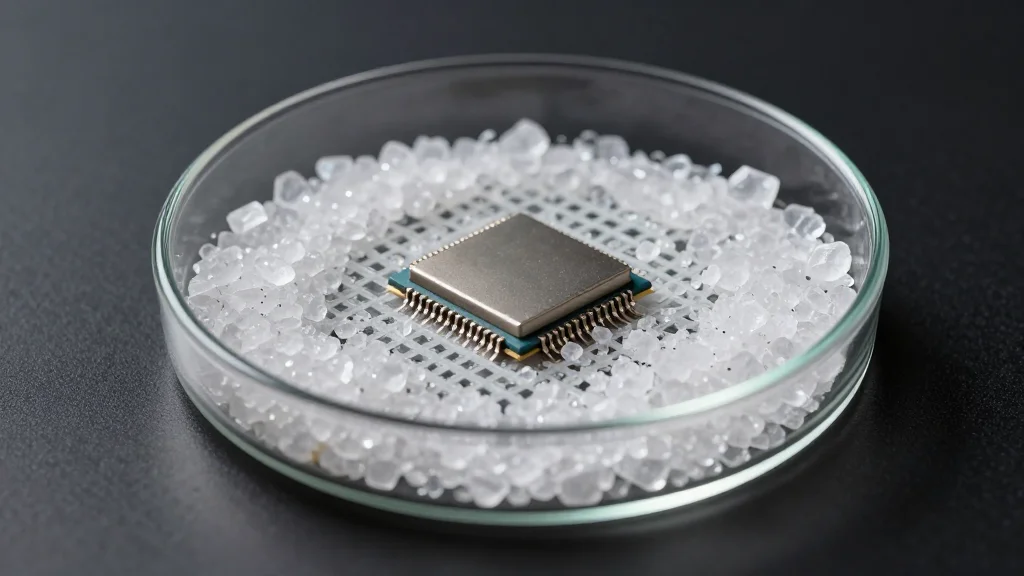
Eurofins CDMO Alphora – Announces Development & Implementation of AI-Powered Salt and Co-Crystal Screening Software
Eurofins CDMO Alphora has launched an AI‑powered software that predicts salt and co‑crystal formation for APIs and intermediates, developed in partnership with a local university. The machine‑learning platform is now a core component of its solid‑state screening programs, delivering highly...

Biotechs Report Regulatory Headaches, High-Stakes Catalysts During Q4 Earnings
Q4 earnings highlighted a mixed biotech landscape, with regulatory turbulence easing for some firms while high‑stakes catalysts loom. Capricor Therapeutics is preparing to resubmit its Duchenne cardiomyopathy cell therapy after the departure of FDA CBER director Vinay Prasad, and reported...

High Altitude Survival Gene Mutation Points to Strategy for Repairing Nerve Damage
Researchers identified a high‑altitude Retsat Q247R mutation that enhances myelin formation under hypoxic stress and accelerates remyelination in mouse models. The variant boosts neuronal production of the vitamin‑A‑derived metabolite ATDR, which activates the RXR‑γ pathway in oligodendrocyte progenitors. Administering ATDR...

Immutep's LAG-3 Drug Fails Phase 3 Lung Cancer Study
Immutep’s LAG‑3 fusion protein eftilagimod‑alpha failed to improve overall survival in a Phase 3 randomized study in non‑small cell lung cancer. The trial, enrolling roughly 600 patients, did not meet its primary endpoint and showed no statistically significant benefit versus standard...

A Newfound Blood Biomarker May One Day Predict Longevity
Researchers identified six circulating piwi‑interacting RNAs (piRNAs) that forecast two‑year survival in adults over 71 with up to 86% accuracy, surpassing conventional metrics such as age, cholesterol, and activity levels. The study of 1,200 participants linked lower piRNA concentrations to...

Ultragenyx’s Gene Therapy Hits Key Endpoint in Phase 3 Trial for Blood Ammonia Disease
Ultragenyx announced that its investigational gene therapy for ornithine transcarbamylase (OTC) deficiency met a primary endpoint in a Phase 3 trial involving 37 patients. The study demonstrated a statistically significant reduction in blood ammonia levels, the key marker of disease...

How Colorectal Cancer Treatment Is Evolving in 2026
Colorectal cancer remains a major global health burden, with over 1.9 million new cases and 900,000 deaths in 2022, placing it high on biotech priorities. Treatment has shifted from surgery‑centric approaches to a blend of refined chemotherapy backbones and biomarker‑driven targeted...

Rare Disease Sales To Soar to $400B+ By 2032 as Small Molecules Resurgent: Evaluate
Orphan‑drug sales are projected to exceed $400 billion by 2032, more than double the 2025 level. Small‑molecule therapies dominate the pipeline, accounting for 45% of the 20 most valuable orphan candidates, signaling a resurgence after years of biologic focus. The Inflation...

Parkinson’s Research Reaches “Pivotal” Stage, but Barriers Remain
Parkinson’s research has entered a pivotal phase, driven by deeper disease insights and advanced models such as patient‑derived iPSCs. Despite a pipeline of potential disease‑modifying therapies, funding shortfalls and outdated trial endpoints continue to impede progress. Parkinson’s UK’s Virtual Biotech...

LabConnect Expands Global Central Laboratory Infra with Wuxi, China Facility
LabConnect announced the grand opening of a new central laboratory in Wuxi, China, expanding its global network to eight sites. The facility, built with Teddy Laboratory (now Frontage Laboratories), integrates LabConnect’s technology‑driven logistics and data oversight with local expertise. It...

FDA Issues Final Guidance on Medical Devices with Indications Associated with Weight Loss
The U.S. Food and Drug Administration issued final guidance titled “Medical Devices with Indications Associated with Weight Loss – Premarket Considerations.” The document outlines recommended non‑clinical testing and clinical study designs for devices aimed at weight loss, obesity treatment, or...

Immutep Investors Spooked by LAG-3 Failure in Lung Cancer
Australian biotech Immutep saw its ASX shares tumble more than 88% after the independent data monitoring committee recommended halting its pivotal phase‑3 TACTI‑004 trial of the LAG‑3 inhibitor eftilagimod alfa (efti) in first‑line non‑small cell lung cancer. The trial, which...

Otsuka Pharmaceutical Reports OLE Study Data on Repinatrabit in Phenylketonuria
Otsuka Pharmaceutical disclosed early open‑label extension (OLE) data for repinatrabit (JNT‑517) in adolescents with phenylketonuria (PKU). A 75 mg twice‑daily regimen achieved a 67% mean reduction in blood phenylalanine by day 56, with responses observed across prior sapropterin responders, non‑responders, and a...

Eliquis Proves Safer than Xarelto for Patients with Deep Blood Clots
A head‑to‑head trial published in the New England Journal of Medicine compared Eliquis (apixaban) and Xarelto (rivaroxaban) in patients with deep‑vein thrombosis. The study found Eliquis significantly reduced major bleeding risk while maintaining equal efficacy in preventing clot recurrence. This...
/file/attachments/orphans/JustinandJaylin_364502.jpg)
HEALTH INEQUITY: Red Cross Children’s Hospital Doctor Using Donated ‘Miracle’ Cystic Fibrosis Drug to Save Lives
South Africa’s Red Cross Children’s Hospital is using donated Trikafta, a $300,000‑a‑year cystic fibrosis therapy, to keep seven‑year‑old Jaylin Leitjies alive after his lungs were severely damaged in infancy. The drug, produced by Vertex Pharmaceuticals, is not registered with SAHPRA...

Flagship Startup Loses CEO to Ipsen; Ionis to Shed Nearly Six Decades of Board Experience
Alltrna's CEO Michelle Werner announced her resignation, moving to pharmaceutical giant Ipsen as its new chief executive. The biotech startup will rely on interim management while it searches for a permanent replacement. Simultaneously, Ionis Therapeutics disclosed that several long‑standing board...

Pilatus Biosciences Doses First Patient in PLT012 Antibody Trial
Pilatus Biosciences has begun dosing the first patient in a Phase I, open‑label trial of PLT012, its first‑in‑class anti‑CD36 monoclonal antibody, at Next Oncology in Houston. The FDA recently issued IND clearance along with orphan‑drug status for hepatocellular carcinoma and fast‑track...
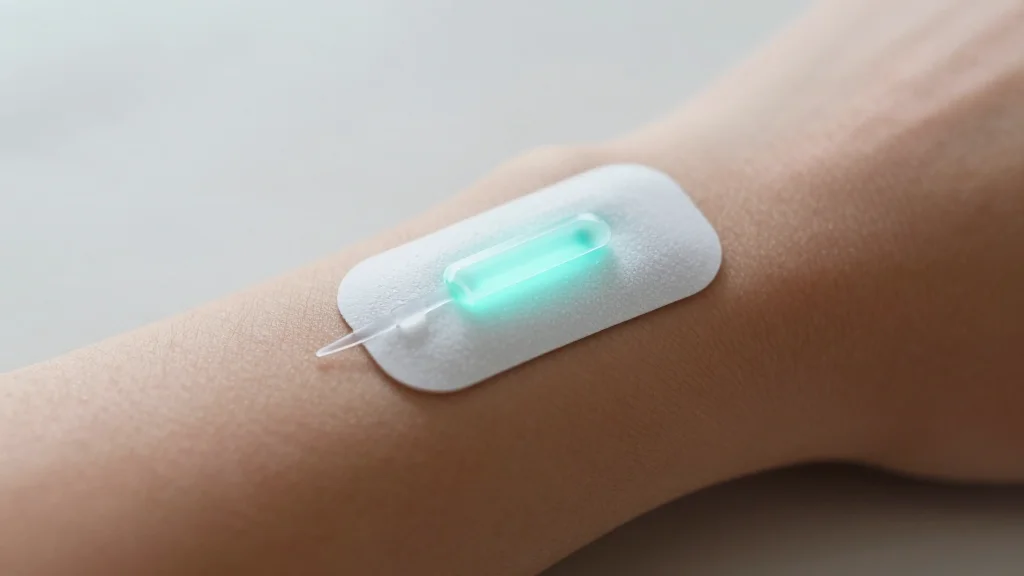
Abbott Reports Positive FreeDM2 Study Results for CGM
Abbott announced that its FreeStyle Libre continuous glucose monitoring system outperformed traditional finger‑stick testing in the FreeDM2 randomised trial involving 303 UK patients with type 2 diabetes on basal insulin. After four months, CGM users achieved a larger reduction in HbA1c...
How to Optimize Your Biotech Company for Partnering, Licensing, and Business Success
Janita Good, a Fieldfisher partner with a D.Phil. in biochemistry, offers biotech leaders a roadmap for maximizing partnership and licensing value. She emphasizes initiating pharma discussions early, embedding commercialization plans into R&D, and aligning fundraising expectations with realistic exit timelines....

Hawkeye Bio Granted U.S Patent for Graphene Biosensor Platform
Hawkeye Bio announced that the USPTO granted U.S. Patent No. 12,461,102 for its pristine graphene‑based biosensor platform. The patent covers a technology that uses functionalized graphene particles and optical reporters to detect protease biomarkers with high sensitivity. The company is focusing...

PRISM BioLab and Receptor.AI Partner to Develop a Drug Discovery Platform
PRISM BioLab has teamed with Receptor.AI to build an AI‑driven, physics‑guided platform for discovering orally available small molecules that target intracellular protein‑protein interactions, membrane proteins, and complex receptor systems. The collaboration fuses PRISM’s PepMetics technology—3‑dimensional scaffolds that mimic α‑helix and...
CHMP Backs Expanded Indications for Uplizna in NMOSD, IgG4-RD and gMG
On 11 December 2025 the EMA’s CHMP issued a positive opinion to extend Uplizna’s (inebilizumab) marketing authorisation to three additional autoimmune conditions: neuromyelitis optica spectrum disorder (NMOSD), immunoglobulin G4‑related disease (IgG4‑RD) and generalized myasthenia gravis (gMG). The recommendation designates Uplizna as monotherapy for...

Ultragenyx Reports the P-III (Enh3ance) Trial for DTX301 AAV8 Gene Therapy in OTC Deficiency
Ultragenyx announced Phase 3 Enh3ance data for its DTX301 AAV8 gene therapy targeting ornithine transcarbamylase (OTC) deficiency. At week 36, the therapy lowered 24‑hour plasma ammonia by 18% versus placebo and kept levels in the normal range, even as scavenger drug use...

Natera Launches Zenith Genomics in the US to Diagnose Rare Diseases
Natera announced the commercial launch of Zenith Genomics, a next‑generation whole‑genome sequencing (WGS) assay aimed at diagnosing rare and ultra‑rare diseases in the United States. The platform pairs standard WGS with long‑read sequencing confirmation to capture complex genomic features such...

BIG Summit Panel Breaks Down Risks and Opportunities Coming Out of DC
At the inaugural BIO BIG Summit, a Washington Policy Brief panel dissected the shifting U.S. healthcare landscape for biotech. The discussion highlighted progress on reauthorizing the Prescription Drug User Fee Act (PDUFA) and emerging pharmacy benefit manager (PBM) reforms, while...

Remembering Annette Dolphin, Who Helped Explain Gabapentin’s Effects
Annette Dolphin, a pioneering neuropharmacologist at UCL, died on 27 January at 74 after a five‑decade career that reshaped voltage‑gated calcium‑channel research. Her 2005 discovery that α2δ subunits control channel trafficking clarified the molecular basis of neuropathic pain and revealed...
Trial Finds Immunotherapy Did Not Improve Survival when Added to Chemoradiotherapy for Small Cell Lung Cancer
The NRG‑LU005 phase III trial evaluated atezolizumab combined with concurrent chemoradiation in patients with limited‑stage small‑cell lung cancer (SCLC). Adding the immunotherapy did not improve overall or progression‑free survival, with median overall survival of 31.1 months versus 36.1 months for...
Solid Eyes Accelerated Approval as DMD Gene Therapy Faces FDA Uncertainty
Solid Biosciences reported Phase I/II data for its DMD gene therapy SGT‑003, showing higher microdystrophin expression and a greater proportion of positive fibers than Sarepta’s Elevidys. The results strengthen SGT‑003’s case for accelerated FDA approval, but the pathway is clouded by...

Ditch the Darth Vader Mask for Sleep Apnea
Scientists have identified sulthiame, an old epilepsy drug, as a promising treatment for moderate‑to‑severe sleep apnea. In a German trial of 298 patients, higher doses cut breathing pauses by nearly 50% and boosted overnight oxygen levels. The findings, published in...
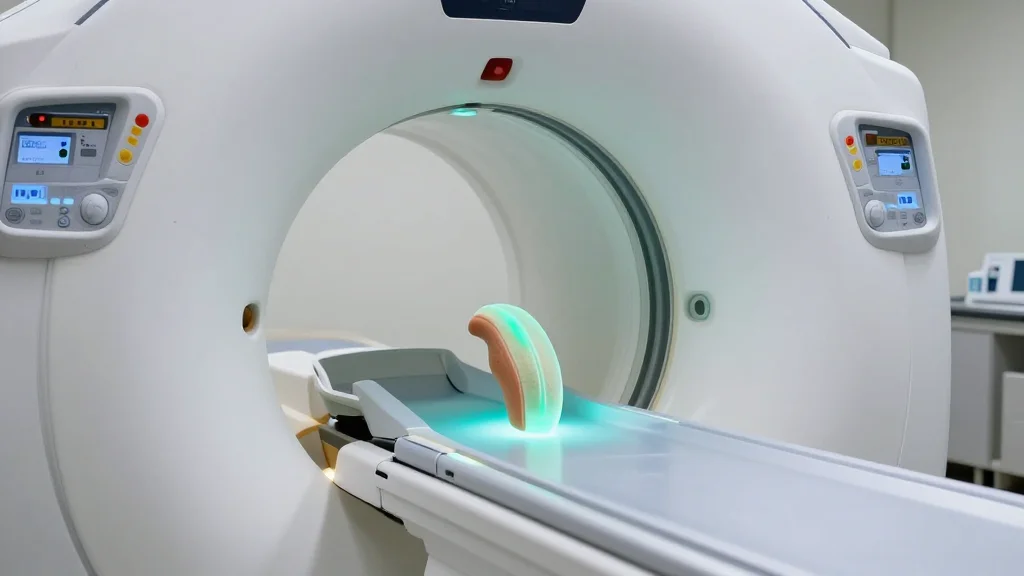
Scan that Makes Prostate Cancer Cells Glow Could Cut Need for Biopsies
Researchers presented PRIMARY2 trial data showing that PSMA PET/CT imaging can safely halve the number of biopsies required for men with suspected prostate cancer after a normal MRI. The molecular scan highlights aggressive cancer cells by making them glow, allowing...

AC Immune SA (ACIU) Q4 2025 Earnings Call Transcript
ACADIA Pharmaceuticals reported adjusted 2025 revenue of $1.08 billion, up 14% year‑over‑year, driven by strong performance of NUPLAZID and DAYBUE. NUPLAZID net sales reached $692 million with 15% growth, while DAYBUE posted $391 million, a 12% increase, aided by the newly approved DAYBUE...

Barinthus Biotherapeutics PLC (BRNS) Q4 2025 Earnings Call Transcript
Insmed reported a strong Q4 2025, highlighted by Brinsupri’s first full‑quarter US revenue of $144.6 million, surpassing internal benchmarks. Management set 2026 guidance of at least $1 billion for Brinsupri and projected total company revenue to more than double 2025 levels, driven...
![[Therapeutics] Pyruvate Kinase Activators in Hereditary Haemolytic Anaemias: Current Evidence and Clinical Potential](https://hixhlmpcokxhartfkpyi.supabase.co/storage/v1/object/public/images/thumbnails/8c90dd45d33f73eeff78aead96a79a6a.webp)
[Therapeutics] Pyruvate Kinase Activators in Hereditary Haemolytic Anaemias: Current Evidence and Clinical Potential
Hereditary hemolytic anemias affect millions worldwide and have few disease‑modifying options. Oral pyruvate kinase activators, especially mitapivat, increase glycolytic ATP production, correcting a common metabolic defect in red cells. Clinical trials have shown efficacy in pyruvate kinase deficiency, sickle cell...
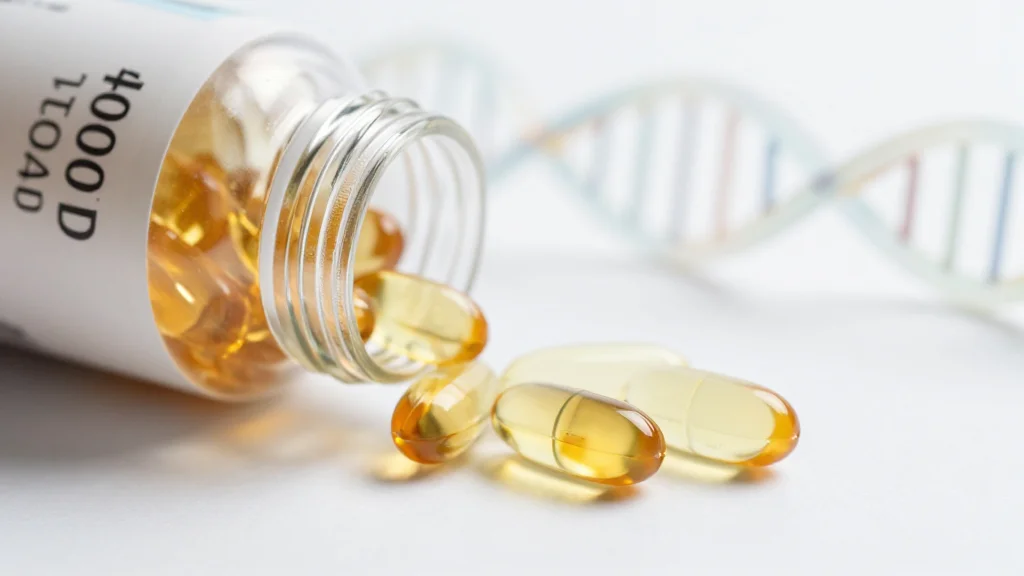
Interpretive Restraint After a Well Conducted Negative Trial
A multicentre, double‑blind, placebo‑controlled trial gave women with polycystic ovary syndrome (PCOS) 4,000 IU vitamin D daily for up to 90 days before IVF. The regimen raised serum 25‑hydroxyvitamin D levels but did not increase live‑birth rates after the first embryo...

Tonix Pharmaceuticals Reports Fourth Quarter and Full Year 2025 Financial Results and Operational Highlights
Tonix Pharmaceuticals announced FDA approval and U.S. launch of TONMYA, the first new fibromyalgia drug in over 15 years, in August 2025 with commercial availability beginning November 17, 2025. The company reported fourth‑quarter product revenue of $5.4 million and full‑year revenue...

FDA to Recommend Additional, Earlier MRI Monitoring for Patients with Alzheimer’s Disease Taking Leqembi (Lecanemab)
The FDA is adding an earlier MRI requirement before the third Leqembi infusion to catch amyloid‑related imaging abnormalities with edema (ARIA‑E) sooner. An analysis of pharmacovigilance data revealed 101 serious ARIA‑E cases, including six deaths, many occurring before the fifth...
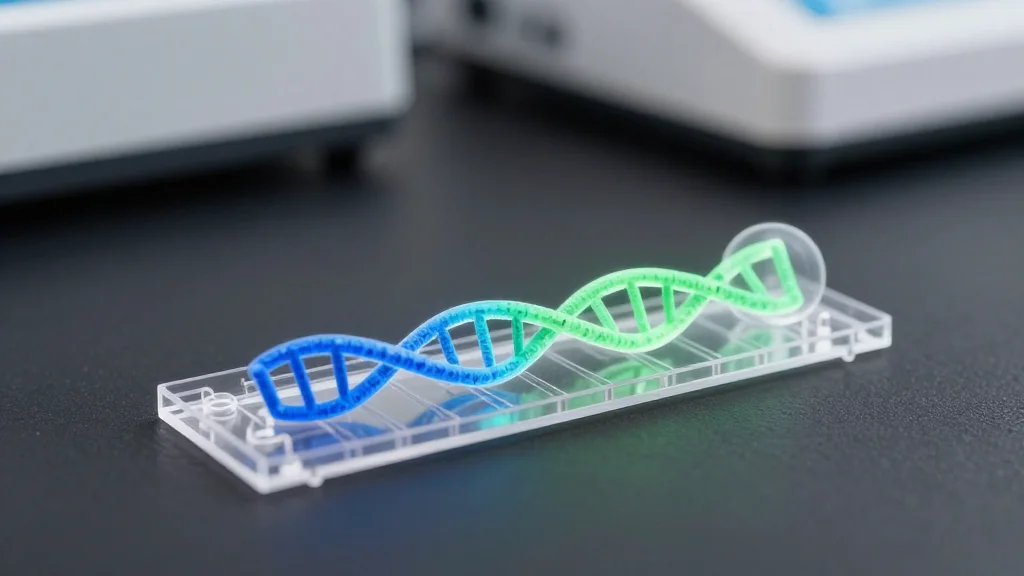
Reading DNA Sequence and Epigenetic Modification State in 1 Molecule
Researchers at the University of Pennsylvania have unveiled an integrated sequencing workflow that simultaneously reads DNA sequence and distinguishes cytosine modifications—5‑methylcytosine (5mC) and 5‑hydroxymethylcytosine (5hmC)—on a single molecule. The method creates a hairpin duplex, incorporates deamination‑resistant analogs on the copy...

Xplore Program 2026: A Remote Summer Fellowship in Longevity
Longevity Xplorer (LongX) has opened applications for its 2026 Xplore Program, a fully remote summer fellowship that bridges the gap between academic interest in aging and hands‑on work in longevity biotech. The nine‑week curriculum combines a month of intensive biology...

Major Risk Factor for Rare Early-Onset Dementia Found
Researchers at VIB and the University of Antwerp have identified a repeat expansion in the GOLGA8A gene as a major genetic risk factor for atypical frontotemporal lobar degeneration with ubiquitin‑positive inclusions (aFTLD‑U). The expansion appears in nearly 60 % of examined...
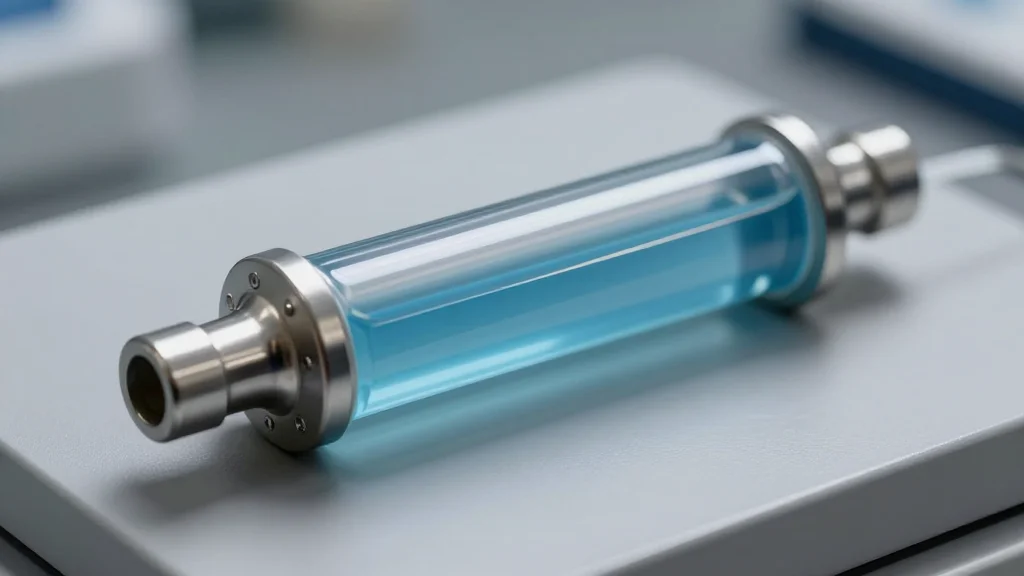
New Advanced Tangential Flow Filtration Systems for Efficient Bioprocessing
Intech‑Hanbon has unveiled a new line of advanced tangential flow filtration (TFF) systems aimed at biopharmaceutical, biotech and life‑science manufacturers. The platforms deliver high filtration efficiency, low shear stress and precise pressure control, while supporting a broad spectrum of applications...

Seeing the Brain in a Different Light
Researchers at Kyushu University have introduced SeeDB‑Live, an isotonic optical‑clearing medium based on bovine serum albumin that renders brain tissue transparent while preserving normal neuronal function. The solution, refined after screening nearly 100 compounds, enables three‑fold brighter fluorescence imaging in...

Brain Atlas Maps Epigenetic Changes Associated with Aging in Mice
Scientists at the Salk Institute released the most comprehensive single‑cell atlas of epigenetic aging in the mouse brain, profiling over 200,000 cells across eight regions and 36 cell types with methylation, chromatin conformation, and spatial transcriptomics. The map uncovers cell‑type...