
What’s in a Name? Moderna’s “Vaccine” Vs. “Therapy” Dilemma
Moderna has stopped calling its mRNA melanoma product a "vaccine," rebranding it as an individualized neoantigen therapy (INT) to sidestep growing political resistance to vaccines. The shift follows the cancellation of a $776 million federal bird‑flu vaccine contract and broader skepticism toward mRNA platforms. In a joint trial with Merck, the INT halved recurrence risk for patients with high‑risk skin cancer, demonstrating strong clinical promise. The naming controversy has sparked debate over patient consent and the influence of political narratives on biotech development.

A Common Nutrient Could Supercharge Cancer Treatment
University of Chicago researchers found that the dietary carotenoid zeaxanthin directly boosts CD8⁺ T‑cell activity, enhancing the immune system's ability to recognize and destroy cancer cells. In mouse models, dietary zeaxanthin slowed tumor growth and amplified the effects of checkpoint‑inhibitor...

Vutrisiran Cuts Risk of Advanced ATTR-CM, Improves Outcomes in Those Who Progress
Vutrisiran (Amvuttra) demonstrated in the phase 3 HELIOS‑B trial that it slows progression to advanced heart failure in transthyretin amyloid cardiomyopathy (ATTR‑CM), with 8.0% of treated patients reaching advanced disease versus 10.7% on placebo. Among the 61 patients who did progress,...

Opinion: For AI to Have Impact, the Industry Must Align on Data
Artificial intelligence is now embedded across biopharmaceutical R&D, highlighted by the FDA's adoption of the generative tool Elsa for drug‑approval reviews. Industry leaders, including Charles River Laboratories, warn that AI's promise hinges on the quality, metadata, and harmonization of the...

Revvity Unveils Its Signals BioDesign Offering
Revvity Signals Software introduced Signals BioDesign, a cloud‑native molecular cloning platform aimed at biotech and pharma R&D teams. The solution consolidates Golden Gate, Gibson assembly, restriction/ligation, primer design, and sequencing analysis, supporting up to 1,000 constructs per project. Integrated with...

Exploring the Value of Quality Peptide Supplies
Peptide research has surged, making high‑purity synthetic peptides essential for reliable experiments. Quality hinges on ≥98% purity verified by HPLC, accurate molecular weight confirmed by mass spectrometry, and proper lyophilization with cold‑chain logistics. The article outlines a supplier checklist—third‑party testing,...

Top Biotech Deals in March 2026
Biotech M&A activity peaked in March 2026 with twelve announced deals, eight of which were multi‑billion‑dollar transactions. The largest was Lilly’s $7.8 billion acquisition of Centessa, adding an orexin‑receptor‑2 program for narcolepsy. Other marquee deals included Biogen’s $5.6 billion purchase of Apellis, Merck’s...

Senju Launches First-in-Class Dry Eye Disease Drug in Japan
Senju Pharma has launched Avarept, the first TRPV1 antagonist drug for dry eye disease (DED) in Japan, licensed from Mochida and distributed by Takeda. The ophthalmic suspension is priced at ¥577.50 (approximately $3.63) per 5 ml bottle. DED affects over 20 million...

Oxford BioTherapeutics Partners with BMS to Develop Next-Generation T-Cell Engagers for Solid Tumors
Oxford BioTherapeutics (OBT) announced a multi‑year strategic collaboration with Bristol Myers Squibb (BMS) to discover and develop next‑generation T‑cell engager therapies for solid tumors. OBT will apply its OGAP‑Verify platform to identify tumor‑selective antigens and design candidate molecules, while BMS...

Oricell Therapeutics Raises $110 Million to Advance Global Cell Therapy Development
Oricell Therapeutics announced a $110 million pre‑IPO financing round aimed at accelerating its global cell‑therapy program. The capital will fund expanded clinical trials, manufacturing upgrades, and a broader market rollout, especially for its lead liver‑cancer therapy that is nearing pivotal studies....

Endospan Receives FDA Approval for the NEXUS Aortic Arch Stent Graft System
Endospan announced FDA approval of its NEXUS Aortic Arch Stent Graft System, clearing the way for a U.S. commercial launch. The clearance was based on one‑year results from the TRIOMPHE IDE study, which demonstrated safe and effective treatment of high‑risk...
Will RFK Jr.’s Peptide Push Bolster the Gray Market for Obesity Drugs?
Robert F. Kennedy Jr. is urging the FDA to reclassify more than a dozen synthetic peptides from the restricted Category 2 list to Category 1, allowing compounding by licensed pharmacies with a prescription. The move follows a high‑profile appearance on the Joe...

Biotech’s IPO Comeback; Trump’s Tariff Loophole for Pharma
Biotech IPO activity is resurging, highlighted by Evommune’s public listing and a panel at the BIO International Convention discussing renewed exit opportunities. AI-driven collaborations, such as Insilico Medicine and Aska Pharmaceutical, aim to tackle unmet needs in women’s health by...

InVera Medical Receives FDA Clearance for Non-Thermal Chronic Venous Disease Device
InVera Medical secured FDA 510(k) clearance for its InVera Infusion Device, a 5Fr catheter with a helical coil designed to improve sclerotherapy delivery for chronic venous disease (CVD). The non‑thermal, minimally invasive tool prepares the vein wall mechanically, allowing a...

Diagnostics Lag Is Holding Back New Therapies, Says Study
A new UCSF analysis published in Science warns that diagnostic development is lagging behind therapeutic breakthroughs because of regulatory and reimbursement gaps. The authors highlight that nearly half of the world’s population—about 47%—has limited or no access to essential tests,...

DualityBio Reports China NMPA Acceptance of BLA for Trastuzumab Pamirtecan in Metastatic HER2+ Breast Cancer
DualityBio announced that China’s National Medical Products Administration has accepted its Biologics License Application for trastuzumab pamirtecan (T‑Pam), an investigational antibody‑drug conjugate targeting HER2‑positive metastatic breast cancer. The submission is backed by interim data from the pivotal Phase III DB‑1303‑O‑3001 trial,...

FDA Probes Abortion Pill Anew After Court Keeps Mail Access Alive
The FDA announced a renewed, accelerated safety study of the abortion pill mifepristone, aiming to complete the review faster than typical academic timelines. The move follows a Louisiana federal judge’s decision to temporarily allow the drug’s distribution by mail while...

Novo's Double Departures: As GLP-1 Luminary Retires, an Obesity Leader Goes to Boehringer Ingelheim
Novo Nordisk announced two high‑profile departures this week. Lotte Bjerre Knudsen, a veteran who helped launch the company’s breakthrough GLP‑1 therapies, is retiring after more than two decades. At the same time, the head of Novo’s obesity unit has accepted a...

Why Experts Say Now Is the Time to Vaccinate US Dairy Cattle Against Bird Flu
The H5N1 bird‑flu virus, which devastated U.S. poultry in 2022, has jumped to dairy cattle, affecting over 1,000 herds in 19 states and generating an estimated $14 billion economic hit, including $4 billion in dairy losses. Researchers argue that vaccinating cattle could...

Advancing Single-Cell Transcriptomics Into the Mainstream of Biomedical Research
Single‑cell transcriptomics is transitioning from a niche method to a core biomedical tool, offering cell‑level gene‑expression detail that fuels advances in cancer, immunology and cell‑therapy research. Manual library‑preparation steps limit throughput to about 24 samples per day, creating bottlenecks for...

Chinese Trial Backs Base-Editing Drug for Thalassaemia
A Chinese investigator‑led trial of CorrectSequence Therapeutics' ex vivo base‑editing drug CS‑101 showed that all five patients with transfusion‑dependent beta‑thalassaemia became transfusion‑independent after a single infusion, with an average cessation time of 16 days and sustained hemoglobin gains over three months....

Sobi Reports Health Canada Approval of Empaveli for C3G and Primary IC-MPGN
Health Canada has granted approval for Empaveli (pegcetacoplan) to treat patients aged 12 and older with C3 glomerulopathy (C3G) or primary immune‑complex membranoproliferative glomerulonephritis (IC‑MPGN). The decision follows the Phase III VALIANT trial, which demonstrated a 68% reduction in proteinuria, stabilization...

Surface‑Engineered Primer Immobilization Enables Simplified and Affordable Nucleic‑Acid Capture for Molecular Diagnostics in Sub‑Saharan Africa
A study introduces a silica‑free nucleic‑acid capture method using polycarbonate surfaces modified with acetone‑UV pretreatment and branched polyethyleneimine linkers. The treatment doubles surface carboxyl groups, and BPEI chemistry attaches about 2.6 times more primers than conventional ethylenediamine links. Fluorescence assays confirm...

Molecular Farming Pioneer Moolec Science Produces Iron-Rich Beef Protein in Pea Seeds
Moolec Science, a Nasdaq‑listed molecular‑farming pioneer, announced the stable expression of bovine myoglobin—a heme‑rich, iron‑dense protein—in genetically engineered pea seeds, branded as PEEA1. The breakthrough, achieved after a 28‑month research partnership with a leading U.S. university, marks the first time...

Novel Phage Effectively Inhibits Antimicrobial-Resistant Salmonella, Biofilms on Food, Surfaces
Researchers at Gansu Agricultural University have identified a novel lytic bacteriophage, W5, that effectively targets antimicrobial‑resistant Salmonella across multiple food matrices. The phage remains stable at temperatures up to 50 °C and across a pH range of 3‑13, achieving 98% host...

AllRock Bio Begins Patient Dosing in Phase IIa ROCSTAR Trial
AllRock Bio has begun dosing the first patients in its Phase IIa ROCSTAR trial of ROC‑101, an oral pan‑ROCK inhibitor aimed at pulmonary hypertension. The multi‑center study will enroll up to 30 pulmonary arterial hypertension (PAH) patients and 10 interstitial lung...
Precision Medicine in Early Oncology Trials: Biomarkers as Strategic Drivers
Oncology drug development is shifting toward precision immunotherapies, with biomarkers driving patient selection and trial efficiency. Experts at a Caidya webinar highlighted two trends: novel combination regimens and early integration of biomarker strategies, including companion diagnostics. Early biomarker adoption can...
Gan & Lee and JW Pharmaceutical Agree on Bofanglutide Commercialisation
Gan & Lee Pharmaceuticals has signed an exclusive licence with JW Pharmaceutical to develop and commercialise the GLP‑1RA bofonaglutide in South Korea. JW will receive a $5 million upfront payment and up to $76.1 million in milestones, bringing total potential value to...

FDA Approves Higher Dose Nusinersen for Spinal Muscular Atrophy
The FDA has approved a higher‑dose regimen of nusinersen (Spinraza) for spinal muscular atrophy, updating both the loading and maintenance phases. The new schedule delivers two larger injections two weeks apart, followed by maintenance doses every four months. Approval follows...

Addressing Pain Points in Organoid Sorting: The Orgadroid
Visienco, a Swiss life‑sciences startup, unveiled the Orgadroid—an automated platform that combines precision robotics with AI‑driven microscopy to sort and classify organoids. The organoid market is forecast to reach $15.01 billion by 2031, growing at a 22.43% CAGR, but manual handling...

Telix Reports US FDA Acceptance of NDA for TLX101-Px (Pixclara) in Glioma Imaging
Telix Pharma announced that the U.S. FDA has accepted the resubmitted New Drug Application for TLX101‑Px, marketed as Pixclara, an investigational 18F‑FET PET imaging agent for glioma detection in adults and children. The agency set a PDUFA action date of...

Amgen’s Lung Cancer Drug Tarlatamab Wins China Approval
Amgen’s bispecific antibody tarlatamab, marketed in the U.S. as Imdelltra, has received approval from China’s National Medical Products Administration. The drug is designed for adults with extensive‑stage small cell lung cancer that has progressed despite chemotherapy. Amgen will commercialize the...

Multi-Agent AI Delivers Reliable and Scalable Insights for Single-Cell Omics
Nygen Analytics, a Lund‑based startup founded by computational genomics expert Parashar Dhapola, is deploying multi‑agent AI to streamline single‑cell omics analysis. The platform automates cell‑type annotation, handling millions of cells while reducing error rates that can misguide drug discovery. By...

Kymera Therapeutics Reports Gilead’s Option Exercise to License KT-200, a CDK2 Molecular Glue Degrader
Gilead Sciences exercised its option to exclusively license KT‑200, a first‑in‑class oral CDK2 molecular‑glue degrader, from Kymera Therapeutics. The transaction triggers a $45 million milestone payment, with Kymera eligible for up to $750 million in additional milestones and tiered royalties. Gilead will...
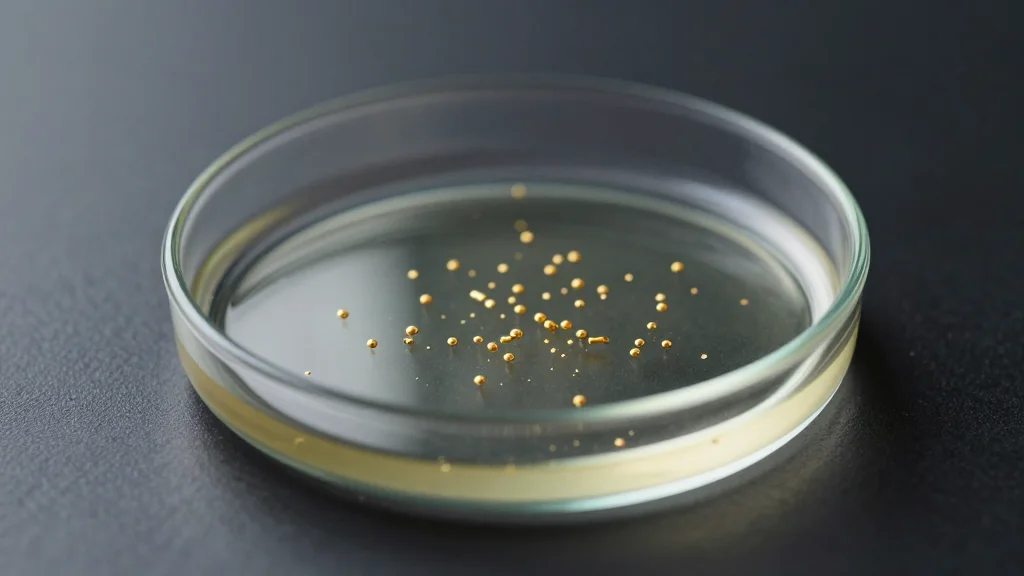
Iron‐Based Metal‐Organic Framework MIL‐100(Fe) Regulates Keloid Scarring in a Humanized Keloid Model
The study shows iron‑based metal‑organic framework MIL‑100(Fe) nanoparticles are highly biocompatible, rapidly taken up by keloid fibroblasts, and selectively inhibit the TGF‑β/SMAD pathway, reducing collagen I, collagen III, and P4HA1 expression. In vitro experiments maintained >90% cell viability and curtailed...

Imagene AI Partners with Daiichi Sankyo to Advance Multimodal Biomarker Discovery in Oncology
Imagene AI has teamed up with Daiichi Sankyo to use its OI Suite, powered by the CanvOI foundation model, for multimodal biomarker discovery in oncology. The collaboration will integrate H&E and IHC whole‑slide images with molecular and clinical data to...
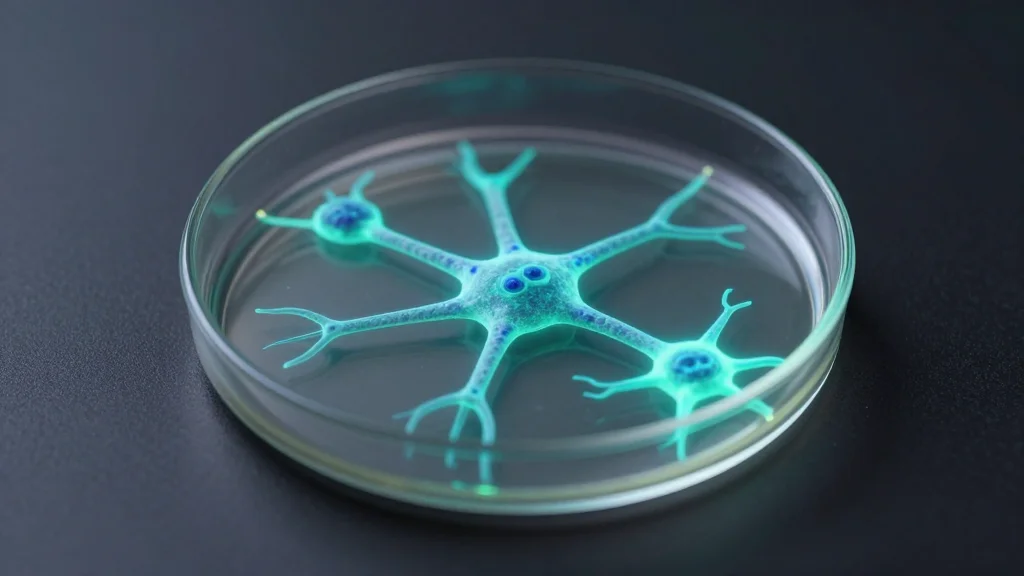
Analysis of Rare Coding Variants in Schizophrenia-Associated Genes and Generalised Cognition in the UK Biobank
The study examined whole‑exome data from 396,848 UK Biobank participants to test whether rare damaging coding variants in schizophrenia‑linked genes affect generalised cognitive ability (g) in individuals without psychiatric diagnoses. Rare protein‑truncating variants (PTVs) and deleterious missense mutations in loss‑of‑function...

AI-Designed Proteins Built From Scratch Can Recognize Specific Compounds
Researchers at KAIST, led by Gyu Rie Lee and David Baker, used an AI model to design artificial proteins from scratch that selectively bind specific compounds. The team experimentally validated six de novo binding proteins, including a cortisol‑responsive biosensor that functions as a chemical‑induced...
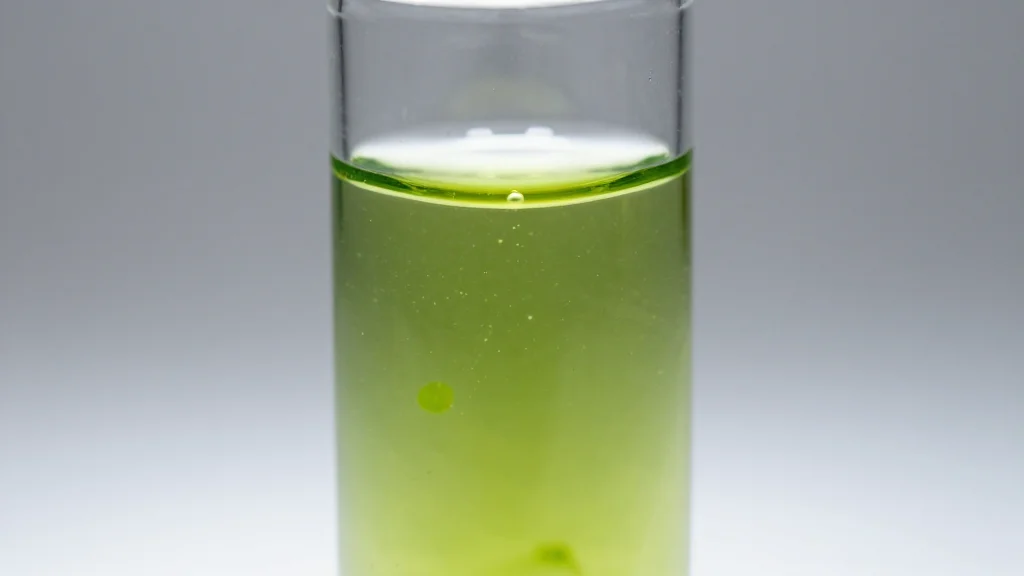
Unlocking the Hidden Metabolism of Algae to Advance the Promise of Renewable Fuels and Sustainable Biomass
Researchers at the Donald Danforth Plant Science Center used isotope‑assisted metabolic flux analysis to map how the green microalga *Chlamydomonas* rewires its central metabolism when supplied with both light and acetate. The mixotrophic cells activate carbon‑conserving pathways, suppress costly processes,...
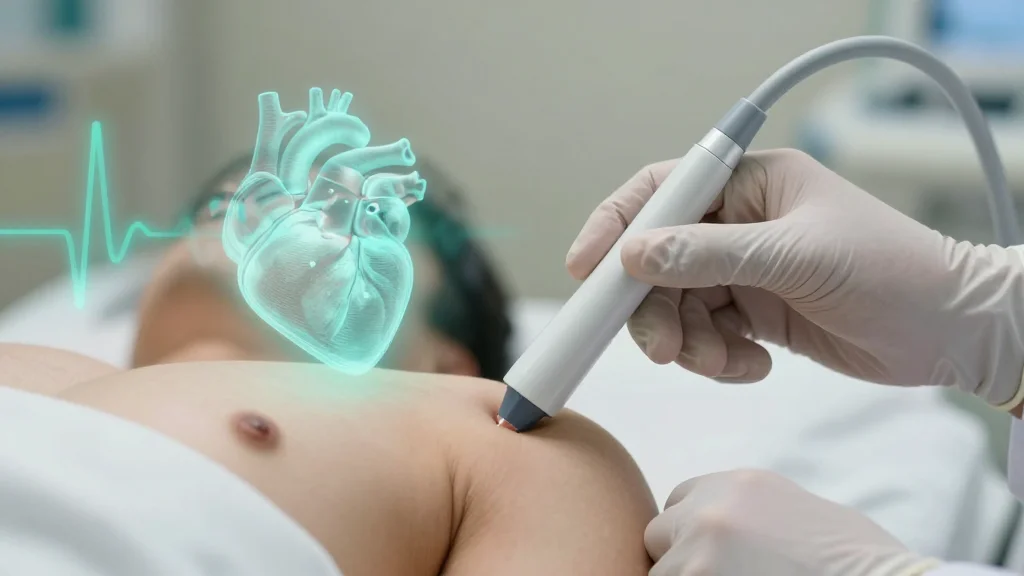
CPR Goes High-Tech: Transesophageal Echocardiography Turns Blind Compressions Into Precision Hits
Researchers conducted the first randomized clinical trial testing transesophageal echocardiography (TEE) to guide cardiopulmonary resuscitation. While overall survival rates were similar to standard care, TEE‑guided compressions produced significantly higher end‑tidal CO2, a proxy for blood flow quality. The study, published...
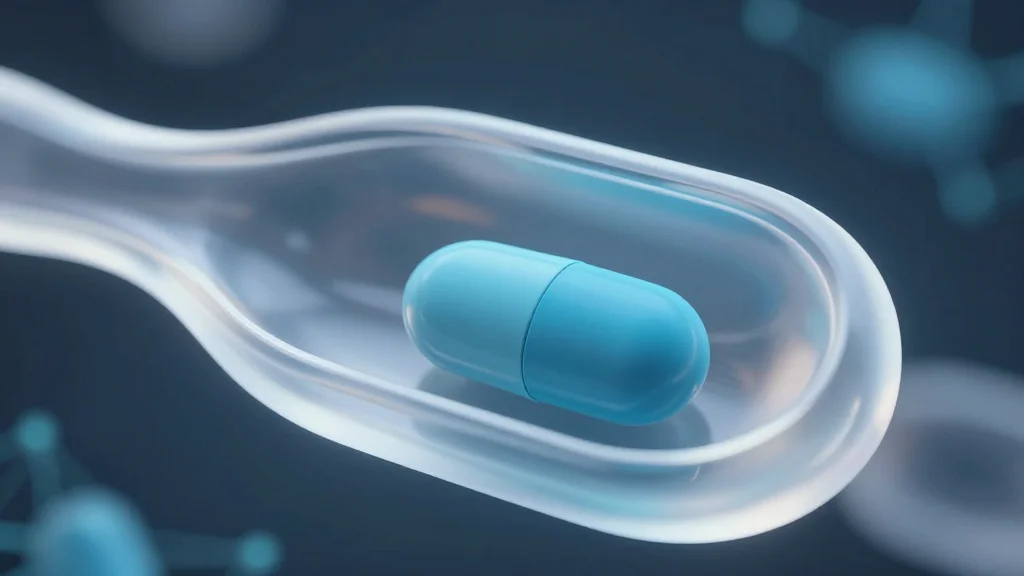
AI Diffusion Models Tailor Drug Molecules to Custom-Fit Protein Targets, Speeding Drug Development and Evaluation
University of Virginia researchers unveiled YuelDesign, an AI diffusion‑model platform that simultaneously generates drug‑like molecules and their flexible protein binding pockets. Complementary tools YuelPocket and YuelBond locate precise binding sites and ensure chemically realistic bonds, respectively. Early validation on the...

Post-TAVR Bleeding in AFib Patients Much Less Common with Apixaban than Rivaroxaban
A new retrospective analysis of more than 4,000 transcatheter aortic valve replacement (TAVR) patients with atrial fibrillation found that apixaban significantly lowers the risk of major bleeding compared with rivaroxaban. Propensity‑score matching created two balanced cohorts of 2,157 patients each,...

Gilead and Roche Bet on Protein Degraders for Their Cancer Drug Pipelines
Gilead exercised its option to license Kymera Therapeutics' CDK2 molecular‑glue degrader KT‑200, triggering a $45 million payment and opening a potential $665 million milestone path, with an IND target of 2027. Roche paid $20 million upfront to C4 Therapeutics to co‑develop degrader‑antibody drug...
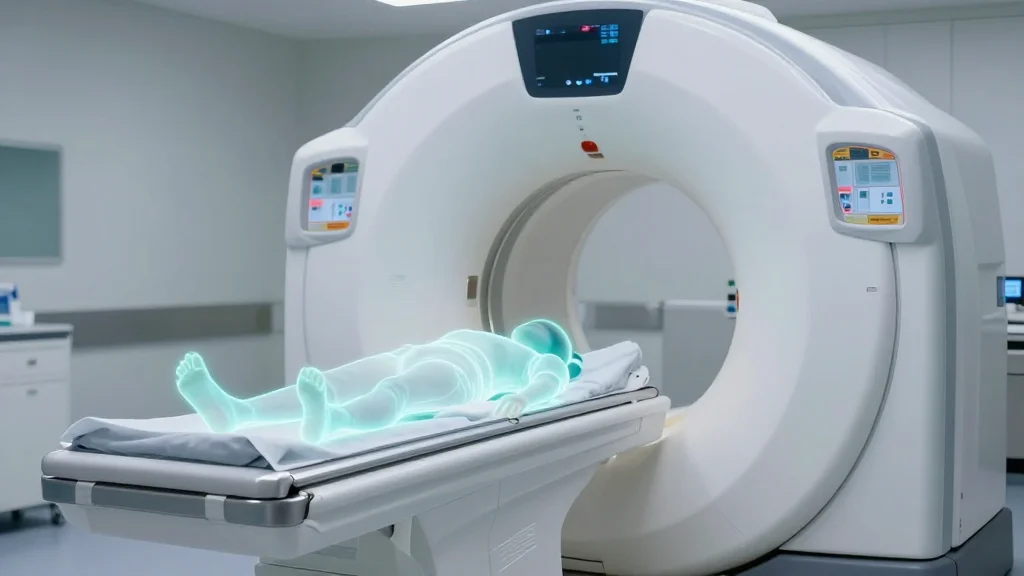
How Advances in Nuclear Medicine Are Changing Patient Care
Advances in nuclear medicine are reshaping patient care by delivering faster, lower‑dose imaging and highly personalized radiopharmaceutical therapies. Modern PET and SPECT scanners provide clearer images in half the time, while hybrid systems combine modalities for earlier disease detection. Theranostic...

Commissioner's National Priority Voucher (CNPV) Pilot Program
The FDA launched the Commissioner’s National Priority Voucher (CNPV) pilot in June 2025 to fast‑track drug and biologic applications that align with five U.S. national health priorities. The program promises a 1‑ to 2‑month review window, far shorter than the...
BBB Access Route via Proteomic Vascular Mapping
Researchers led by Jiefu Li at the Howard Hughes Medical Institute have unveiled an in‑vivo proteomic method that tags and isolates proteins on the luminal surface of blood vessels. By perfusing a lectin‑conjugated peroxidase, they biotinylate adjacent proteins, enabling mass‑spectrometry...

Tirzepatide Outperforms Dulaglutide on Cardiorenal Outcomes in High-Risk Diabetes
A post‑hoc analysis of the SURPASS‑CVOT trial shows tirzepatide (Mounjaro) delivering superior cardiorenal protection compared with dulaglutide in patients with type 2 diabetes and established cardiovascular disease. Over a median 47‑month follow‑up, the composite of mortality, myocardial infarction, stroke, coronary revascularization,...
Seer to Apply Deep Proteomics Tech to Singapore Population Cohort Study
Seer announced that its Proteograph® platform will profile the plasma proteome of about 10,000 participants in Singapore’s PRECISE‑SG100K cohort. The proteomic data will be merged with Thermo Fisher Scientific’s Olink® Reveal sequencing‑based results and Orbitrap Astral mass‑spectrometry outputs. PRECISE‑SG100K, the...

With Cash to Burn and Patent Cliffs Looming, Pharma Giants Are Buying More Biotechs
Big‑pharma M&A activity has accelerated in 2026, with 14 deals over $500 million in Q1 alone—nearly half the total deals recorded in 2025. Gilead’s $7.8 billion purchase of Arcellx and Eli Lilly’s $6.3 billion acquisition of Centessa illustrate a push into cell‑therapy, autoimmune and...

Department of Energy, Shine Working on $263M Deal to Establish Mo-99 Supply in US
The U.S. Department of Energy is preparing a conditional loan of up to $263 million to Shine Technologies to complete its Chrysalis facility, which aims to produce molybdenum‑99 (Mo‑99) domestically. Mo‑99 is a critical medical isotope used in tens of thousands...