
ImmunityBio's Anktiva Lung Cancer Data; Glaukos' Glaucoma Implant Sales Disappoint
ImmunityBio announced that its lymphocyte‑stimulating agent Anktiva, combined with checkpoint inhibitors, restored immune cells and produced objective responses in a non‑small‑cell lung cancer (NSCLC) study. The data suggest the combination could enhance the efficacy of existing immunotherapies. Meanwhile, Glaukos reported that sales of its iStent glaucoma implant fell short of expectations in the latest quarter, highlighting mounting pressure in the ocular‑device market. Both developments underscore shifting dynamics in biotech pipelines and ophthalmic device competition.

First-Time Use of AI for Genetic Circuit Design Demonstrated in a Human Cell Line
Rice University researchers unveiled CLASSIC, a high‑throughput platform that couples long‑ and short‑read sequencing to generate millions of genetic‑circuit designs in human cells. By pairing this massive library with machine‑learning models, the team demonstrated the first AI‑driven design of functional...

Thermo Fisher to Lay Off 421 Workers as It Winds Down Lab Product Site in North Carolina
Thermo Fisher Scientific announced it will phase out operations at its laboratory products facility in Asheville, North Carolina, laying off 421 workers. The shutdown is slated to be completed by the end of 2026, ending the site’s production of consumables...

Hydrogel Cilia Set New Standard in Microrobotics
Scientists at the Max Planck Institute, HKUST and Koç University have created 18 µm hydrogel cilia that beat at 5‑40 Hz when driven by a 1.5 V electric field. Using two‑photon polymerization, they printed arrays of hundreds of these microactuators on a flexible substrate...

The AbbVie Strategy, a Company at an Inflection Point
AbbVie’s historic reliance on Humira has been upended by a 54.5% U.S. revenue drop as biosimilars entered in 2023, prompting a strategic pivot toward its next‑generation immunology drugs Skyrizi and Rinvoq. The company projects combined revenue of over $31 billion from...
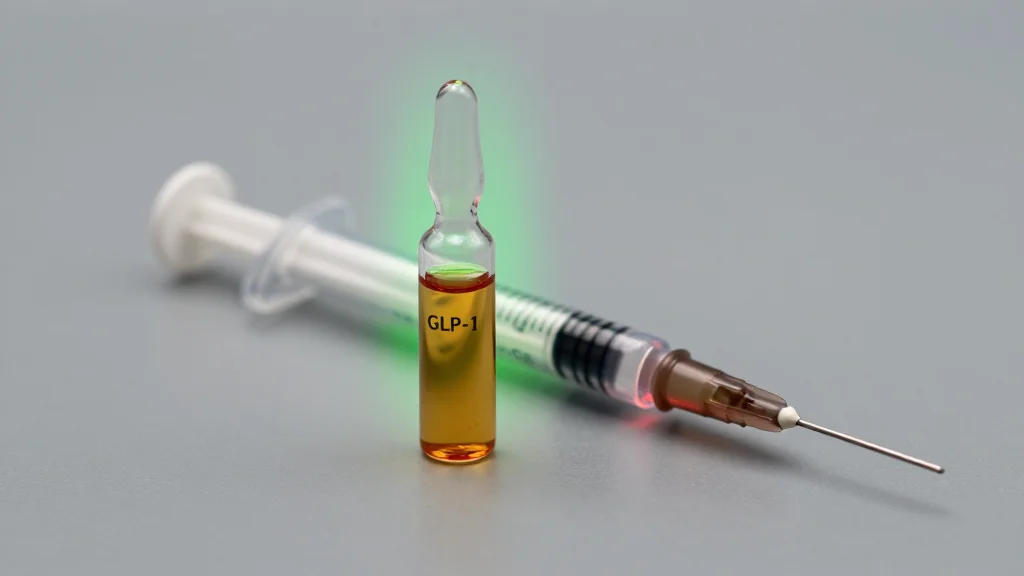
FDA Seeks Changes to GLP-1, Flu Shot Labels
The FDA has asked manufacturers of GLP‑1 weight‑loss drugs, including Wegovy, Saxenda and Zepbound, to drop the suicide‑ideation warning after a comprehensive safety review found no elevated risk. The agency’s meta‑analysis of 91 trials involving more than 100,000 participants confirmed...

AstraZeneca’s Path to $80B by 2030 Paved With ADCs, Cell Therapies, Near-Term Product Launches
At the J.P. Morgan Healthcare Conference, AstraZeneca reaffirmed its ambition to generate $80 billion in revenue by 2030, a target now seen as attainable. The company highlighted three near‑term product launches—baxdrostat for hypertension, camizestrant for breast cancer, and gefurulimab for myasthenia...
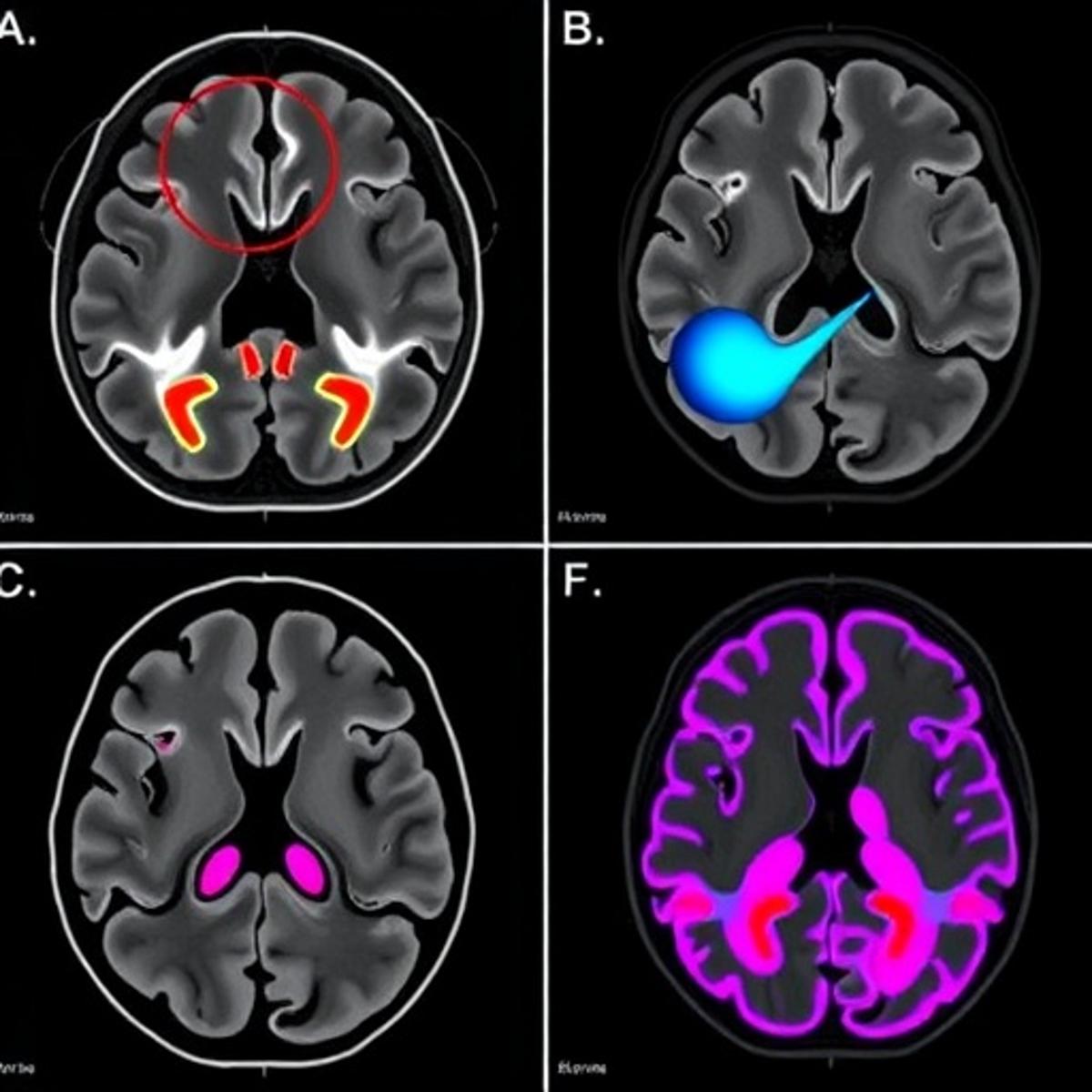
Super-Resolution Ultrasound Reveals Brain Issues in Parkinson’s
A new super‑resolution ultrasound technique can visualize microvascular abnormalities in the brains of Parkinson's patients with unprecedented clarity. In a study of 120 early‑stage participants, the method identified vascular biomarkers up to five years before clinical symptoms appeared. The non‑invasive...

Hippocratic AI Builds in Life Sciences with Grove AI Buy
Hippocratic AI announced the acquisition of Grove AI, a pharma‑R&D specialist, and launched a dedicated life‑sciences division headed by Dr Ahad Wahid. The move adds the Grace agent, which automates clinical‑trial tasks, to Hippocratic's safety‑first generative AI portfolio. The company,...

#JPM26: Day 3 at the JP Morgan Healthcare Conference
Day three of the JPMorgan Healthcare Conference saw sessions winding down as investors turned their attention to key presentations, notably from Chinese contract research giant WuXi AppTec. The company used its slot to unveil a refreshed drug‑development platform and hint...

#JPM26: Q&A with Bristol Myers Squibb CEO Chris Boerner on 2026 Outlook
Chris Boerner, in his third year as Bristol Myers Squibb CEO, opened the JPMorgan Healthcare Conference with a forward‑looking Q&A on the company’s 2026 outlook. He outlined a $45 billion revenue target, driven by late‑stage oncology and immunology assets, while emphasizing...
JPM: Illumina Launches 'Unprecedented' Disease Biology Atlas
Illumina unveiled the Billion Cell Atlas, a genome‑wide perturbation database that profiles 20,000 genes across 250 disease‑relevant human cell types using CRISPR. The initial release contains data from 150 million cells and aims to expand to five billion cells within three years,...

AstraZeneca Bets on In-House AI to Speed up Oncology Research
AstraZeneca is acquiring Boston‑based Modella AI to bring its pathology‑focused models, data, and talent directly into the company’s oncology research pipeline. The move shifts the relationship from a collaborative partnership to full ownership, aiming to embed AI in quantitative pathology,...

UK Names Health Data Chief, as BIA Finds Its New CEO
Former Moderna executive Dr Melanie Ivarsson has been named chief executive of the UK Health Data Research Service, a £600 million government‑backed unit that will create a secure, single gateway to NHS health data. The HDRS, based at the Wellcome Genome...

Antimicrobial Polymer Nanocomposites Made with Beetroot
A study in *Materials* shows that copper nanoparticles produced via a beetroot‑based green synthesis exhibit markedly stronger antimicrobial activity when embedded in polypropylene than both silver‑based composites and chemically reduced copper. The green‑synthesized copper particles are smaller, less prone to...

New Drug Candidate Reverses Metabolic Liver Disease and Fibrosis
Researchers at McMaster University, in partnership with Espervita Therapeutics, reported preclinical data showing that the small‑molecule EVT0185 can both prevent and reverse liver fibrosis in mouse models of metabolic dysfunction‑associated steatohepatitis (MASH). The compound simultaneously inhibits the enzymes ACLY and...

Nabla: Using AI to ‘Auto-Complete’ Biologics Design
Nabla Bio, a Harvard spin‑out founded in 2020, is developing an AI‑driven platform that automatically completes biologics designs while preserving manufacturability. The technology, created in George Church’s lab, targets the persistent bottleneck of translating complex protein candidates into scalable therapeutics....

New Method Allows Scientists to 3D-Print Structures Within Cells
Scientists have developed a technique to 3D‑print micrometer‑scale structures inside living cells using a light‑sensitive photoresist and two‑photon laser polymerization. The method achieves sub‑micron resolution, allowing shapes such as barcodes, geometric patterns, and a miniature elephant to be fabricated intracellularly....

Astaxanthin’s Role in Easing Exercise Muscle Damage
A recent study highlights astaxanthin’s antioxidant properties in mitigating exercise‑induced muscle damage. Participants who took a daily 12 mg dose experienced lower oxidative stress markers and reported faster recovery from soreness. The research covered both endurance and resistance training protocols, showing...

Virtual Scientists Poised to Accelerate Discovery
AI‑driven virtual scientists are moving from prototype to production as Potato’s AI agent, Tater, replicated a core neuroscience finding and pinpointed SARS‑CoV‑2 protease mutations within hours. The company closed a $4.5 million seed round and partnered with Wiley to ingest peer‑reviewed...

Building Intelligent Workflows for the Multiomic Era
Genomics is shifting from manual, bottlenecked processes to automated, modular workflows that can keep pace with rapidly evolving assays. Companies such as Opentrons, 10x Genomics, and SPT Labtech are delivering flexible robotic platforms that reconfigure library‑prep and single‑cell pipelines on...

Mapping the Next Phase of Analytical Innovation for ADCs
Antibody‑drug conjugates (ADCs) are reshaping oncology, but their structural heterogeneity creates demanding bioanalytical and pharmacokinetic challenges. WuXi AppTec’s DMPK leaders stress that precise drug‑to‑antibody ratio (DAR) measurement, payload release profiling, and biotransformation mapping are essential across development stages. They recommend...

Novartis Doesn’t Have a GLP-1. They Don’t Miss It In a World Of Me-Toos
Novartis chief strategy officer Ronny Gal told BioSpace at J.P. Morgan that the Swiss giant will not pursue a GLP‑1 acquisition, citing the high commercial risk of me‑too products. He emphasized that existing GLP‑1s such as Eli Lilly’s Zepbound and Novo Nordisk’s...

MS Linked to EBV Infection Through Cross-Reactive T Cells
Researchers at Karolinska Institutet discovered that CD4+ T cells targeting Epstein‑Barr virus (EBV) protein EBNA1 also recognize the brain protein Anoctamin‑2 (ANO2), providing mechanistic evidence linking EBV infection to multiple sclerosis (MS). In blood samples, about 57% of untreated MS...

Lesion-Targeted, Severity-Responsive Nanoparticle Delivery for RNA Therapy in Osteoarthritis
Researchers introduced Matrix‑Inverse Targeting (MINT) nanoparticles that exploit cartilage matrix changes to deliver RNA therapeutics directly to osteoarthritic lesions. The particles sense lesion severity, releasing siRNA or mRNA only in damaged zones, which in animal models halted cartilage degeneration and...
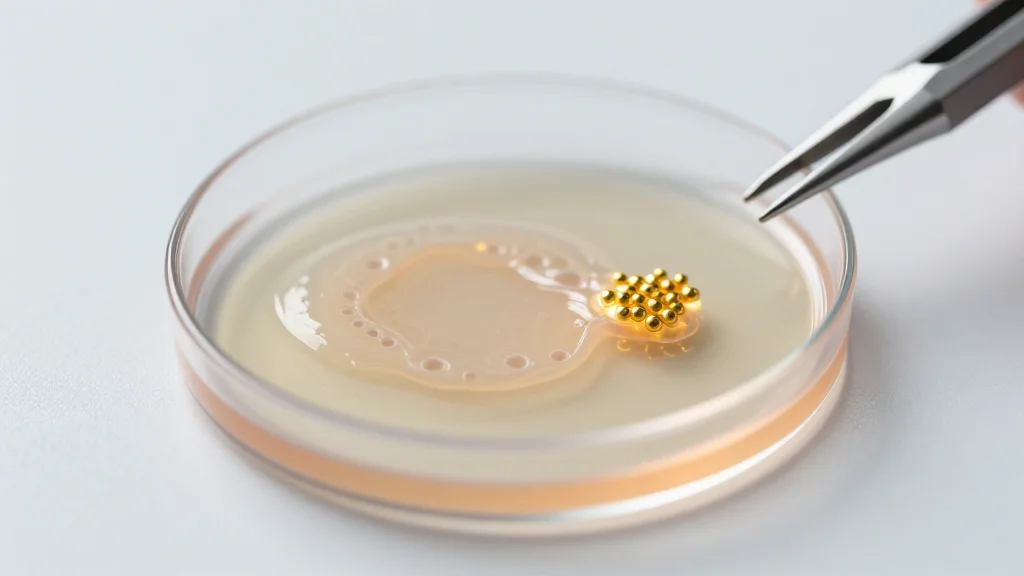
Uncovering a Hidden Mechanism in Met Receptor Activation
Researchers at Kanazawa University and collaborators uncovered a hidden activation mechanism for the Met receptor, showing that hepatocyte growth factor (HGF) binding to the membrane‑distal Sema domain drives dimerization of the membrane‑proximal IPT4 domains. Using in‑cell cross‑linking, high‑speed atomic force...

New Insights Into Oligoasthenozoospermia Research
A recent peer‑reviewed study uncovers novel molecular mechanisms behind olig oasthenozoospermia, the condition characterized by low sperm count and poor motility. Researchers identified mitochondrial DNA deletions and altered microRNA expression as key contributors, and demonstrated that antioxidant therapy partially restores sperm...

Starch Sachets Release Fertilizer in a Controlled Manner and Can Replace Petroleum-Derived Polymers
Brazilian researchers have created biodegradable starch sachets reinforced with copper‑zeolite nanoparticles to deliver granular fertilizers in a controlled manner. The sachets release nutrients gradually, reducing leaching and volatilization while offering antimicrobial protection against soil fungi. Mechanical strength peaks at 3 %...

Portable Device Enables Rapid Pathogen Detection in Diverse Field Environments
Purdue University engineers have unveiled IsoHeat, a portable water‑bath system that powers loop‑mediated isothermal amplification (LAMP) assays for rapid pathogen detection. The device reaches the required 65 °C in roughly 12 minutes—about one‑third the time of a leading commercial precision cooker—while...

FDA Delays Decision on Expanding Label for Travere's Kidney Disorder Drug
The FDA has extended its review of Travere Therapeutics’ kidney‑disorder drug by three months, pushing the expected decision past today’s deadline. The agency’s delay pertains to a pending label expansion for a rare renal condition, which could broaden the drug’s...

Indonesian Propolis Extract Reduces Liver Inflammation From Diet
Indonesian researchers have demonstrated that a standardized propolis extract markedly reduces diet‑induced liver inflammation in a mouse model. The study showed significant drops in pro‑inflammatory cytokines such as TNF‑α and IL‑6 without observable toxicity. Findings suggest the extract could serve...

Cyanobacteria Can Utilize Toxic Guanidine as a Nitrogen Source
Cyanobacteria have been shown to import and metabolize guanidine, using it as their sole nitrogen source. The study identified a high‑affinity ABC transporter, a guanidine hydrolase, and a riboswitch that together regulate uptake, degradation, and efflux. These mechanisms are widespread...

Single-Use Systems Enable Commercial-Scale CGT Manufacturing
Single-use systems (SUS) are becoming integral to cell and gene therapy (CGT) manufacturing, offering pre‑sterilized, disposable components that eliminate cleaning validation and enable fast changeovers for low‑volume, high‑value products. Automation and modular platforms are now being paired with SUS to...

Industry Outlook 2026: Navigating AI, Sustainability, and Operational Resilience
Pharma leaders say 2026 will be defined by the rise of agentic AI, sustainable manufacturing, and resilient, regionalized supply chains. AI agents are moving from pilot projects to embedded decision‑making in drug discovery, process optimization and digital twins, slashing timelines...
2026 Policy Outlook: Reaping What Was Sown in 2025
The 2026 policy outlook warns that the turbulence of 2025 is giving way to a deeper, more systemic shift in U.S. biomedical policy. Political and ideological forces are increasingly dictating drug‑pricing rules and regulatory decisions, eroding the traditional science‑based framework....

FDA Requests Flu Vaccine Label Updates to Include Febrile Seizure Risk
The U.S. Food and Drug Administration has asked manufacturers of six seasonal influenza vaccines to revise their product labels to explicitly mention the risk of febrile seizures. The directive follows emerging safety data linking certain flu shots, especially those administered...

Obesity’s Complex Risks on Breast Cancer Outcomes
Recent research underscores that obesity not only raises breast cancer incidence but also worsens prognosis across tumor subtypes. Excess adipose tissue fuels estrogen production, chronic inflammation, and insulin resistance, creating a microenvironment that promotes tumor growth and metastasis. Clinical data...

FDA Asks Lilly, Novo to Remove Suicide Warnings From GLP-1 Labels
The FDA has asked Eli Lilly and Novo Nordisk to remove suicide‑related warnings from the labels of their GLP‑1 weight‑loss drugs. The warning, added in 2022 after isolated case reports, is being reconsidered following a thorough review of post‑marketing data. The agency...

HHS Ousts Vaccine Injury Panel Members as Reshaping Takes Hold
The U.S. Department of Health and Human Services removed several members from the Vaccine Injury Compensation Program’s advisory committee, signaling a significant reshaping of the panel. The ousted members were appointed during the previous administration and faced criticism for their...

Charles River Laboratories Acquires PathoQuest and K.F. (Cambodia)
Charles River Laboratories exercised its option to buy the remaining 79% of PathoQuest for roughly $60 million, completing its 2018 investment. The Paris‑based firm brings next‑generation sequencing (NGS) capabilities that accelerate in‑vitro GMP and non‑GMP biologics testing while supporting alternative methods...

Trump Administration Appears to Have Ended Its US Trade Probe Into Pharma
The U.S. Department of Commerce has reportedly concluded its Section 232 investigation into pharmaceutical imports, effectively ending the Trump administration’s trade probe. The decision means no new tariffs will be levied on foreign‑made medicines, averting a potential price shock for...
TAC to the Future: Where Induced Proximity Is Pointing in 2026
The targeting chimera (TAC) platform is shifting from early‑stage proof‑of‑concept to broader industry adoption as 2026 approaches. Companies are deploying next‑generation E3 ligases, cell‑surface degrader formats, and non‑proteolytic proximity mechanisms to expand target space beyond intracellular proteins. These advances promise...

Researchers Urge Unified Approach to Sustainable Agriculture Innovation and Policy Reform
Researchers at the University of Bonn’s PhenoRob Cluster argue that Europe’s agriculture must shift from isolated fixes to a unified, vision‑led innovation system. Their paper in Agricultural Systems outlines how coordinated technology, business models, and policy reforms can make farming...
VantAI Gets $80M and New Name; Dynavax Discloses It Had Pre-Sanofi Suitor
VantAI, a Roivant‑incubated AI drug‑discovery startup, closed an $80 million seed round and announced a rebrand to Proxima. The funding, led by existing backers, is intended to accelerate its proprietary AI platform for early‑stage therapeutics. The round underscores growing investor appetite...

Who’s Afraid of OpenAI?
OpenAI’s accelerating pace of model development is prompting businesses to reconsider direct competition. Companies are weighing whether to build in‑house AI, partner with OpenAI, or adopt alternative strategies. The debate intensifies as OpenAI’s products become more embedded in enterprise workflows,...

Harnessing the Medicinal Benefits of Thyme Extract via Nanodosing
Russian researchers from Tomsk Polytechnic and Surgut State Universities have demonstrated a microfluidic technique that encapsulates thyme extract in gelatin‑alginate nanodroplets within an oil carrier. The process creates self‑regulating nanodoses, preventing rapid evaporation and skin irritation associated with raw thyme...

Morphological Anomalies Found in Japanese Haemaphysalis Ticks
Japanese researchers have documented the first morphological anomalies in the tick species Haemaphysalis megaspinosa, publishing detailed findings in Acta Parasitologica. The study reports malformed legs, irregular scutum patterns, and atypical mouthpart development, challenging the long‑held view of the species' morphological...
Digital Health Funding Increases in 2025, Spurred by AI: Report
Digital health funding jumped to $14.2 billion in 2025, the highest level since 2022, driven largely by artificial‑intelligence startups. AI‑focused firms secured 54% of total capital and enjoyed a 19% premium in average deal size versus non‑AI peers. Although the total...

Open-Source Robotic System Cuts Manual Cell Culture Time by 61% While Boosting Seeding Consistency
Researchers unveiled the Automated Cell Culture Splitter, an open‑source system built around the Opentrons OT‑2 robot and a custom cell‑counting imager. In tests with HEK293T cells, the platform cut hands‑on passaging time by 61% and delivered a 92% usable imaging...

What Sanofi’s Multiple Sclerosis Troubles Could Mean for the Space
Sanofi’s BTK inhibitor tolebrutinib failed pivotal late‑stage trials in both relapsing and primary progressive multiple sclerosis, prompting the FDA to reject its approval over liver toxicity concerns. The setback highlights the challenges of BTK‑targeted therapies, even as competitors like Roche’s...