
Building More Sustainable Cold Chain Packaging Through Innovation
The pharmaceutical cold‑chain still depends on single‑use expanded polystyrene (EPS) for reliable temperature control, but that reliance generates a massive waste stream and high carbon emissions. Global EPS production exceeds 5 million metric tons annually, yet recycling rates linger below 30 percent, leaving most material in landfills. A closed‑loop model involving Cryopak, NexKemia and Eco‑Caption now captures used EPS, recycles it, and reintroduces it into new packaging, dramatically improving traceability and sustainability. Additionally, the new graphite‑expanded polystyrene resin NexBlu blends 30 percent recycled content with superior thermal performance, offering a greener, more efficient cold‑chain solution.

5 Questions Facing Biopharma in 2026
The 2026 J.P. Morgan Healthcare Conference highlighted five critical questions for biopharma: whether the 2025 recovery will sustain, if the recent surge in M&A will continue, how the U.S. will counter China’s fast‑growing biotech sector, whether FDA leadership turmoil will...

Best Practices for COA Selection: Building a Stronger Foundation for Clinical Trials
Selecting the right clinical outcome assessment (COA) is now a pivotal determinant of trial success, influencing regulatory acceptance and data relevance. A Pearson Research survey shows 91% of investigators feel under‑prepared, with licensing, translation, and rater training cited as the...

Flagship CEO Calls Out Attacks on Science, Warns of China Dominance
Flagship Pioneering CEO Noubar Afeyan warned that U.S. cuts to NIH, NSF, and BARDA are jeopardizing the country’s biotech “miracle machine.” He highlighted concrete examples such as the resurgence of measles and reduced vaccine recommendations, linking them to policy decisions....

Daidzein From Macrotyloma: Epigenetic Leukemia Therapy
Researchers have identified daidzein, an isoflavone extracted from the legume Macrotyloma, as a potent epigenetic agent against leukemia. In cellular models, daidzein inhibits DNA methyltransferases, leading to demethylation and re‑activation of key tumor‑suppressor genes. Pre‑clinical studies demonstrate selective cytotoxicity toward...

One in Four Older Americans with Dementia Prescribed Risky Brain-Altering Drugs
A new JAMA study finds that about 25% of Medicare beneficiaries with dementia are prescribed potentially inappropriate CNS‑active medications that can cause falls, confusion, and hospitalizations. While overall prescribing of these drugs fell from 20% to 16% among all older...

To Broaden Access to CAR Ts, Mitigate Their Side Effects
The FDA has removed the Risk Evaluation and Mitigation Strategies (REMS) requirement for approved CAR‑T therapies, reflecting confidence in real‑world safety data. Yet only about 30% of eligible patients receive CAR‑T because severe toxicities—cytokine release syndrome (CRS) and immune effector...

Enhanced Tumor Immunotherapy via Targeted Nanoparticles
Researchers have unveiled a targeted nanoparticle platform that dramatically enhances tumor immunotherapy efficacy. The system directs checkpoint‑inhibitor antibodies and cytokines straight to the tumor microenvironment, achieving up to a 300% increase in immune cell infiltration and a 45% reduction in...

Eikon, a High-Profile Startup Led by Merck Vets, Seeks an IPO
Eikon Therapeutics, a biotech founded in 2019 by former Merck executives, has raised more than $1 billion and announced plans for an initial public offering. The company’s pipeline includes four clinical candidates, with its lead asset EIK1001 advancing in a Phase 2/3...

New Marine-Derived Polyketides Unlock Antibiotic Potential
Researchers have isolated a series of novel marine‑derived polyketides that exhibit potent antibacterial activity, particularly against multidrug‑resistant strains such as MRSA and VRE. Structural analysis revealed an unprecedented macrocyclic scaffold, prompting a rapid synthetic route to enable larger‑scale testing. In...

Signal Pulse Poll: What's the Mood Going Into JPM?
Endpoints has launched a daily Pulse Poll to capture biopharma sentiment ahead of the J.P. Morgan Healthcare Conference 2024. The survey asks participants to compare current mood with last year, assess the 2026 risk‑reward balance, and identify the most critical...

A New AI Tool Could Dramatically Speed up the Discovery of Life-Saving Medicines
Researchers at Tsinghua University introduced DrugCLIP, an AI framework that can virtually screen millions of compounds against thousands of protein targets in hours, a speedup of up to ten million times over traditional docking methods. The system converts both molecules...

“Motivational Brake” Could Point to Schizophrenia and Depression Treatments
Researchers at Kyoto University identified a ventral striatum‑to‑ventral pallidum (VS‑VP) circuit that functions as a "motivation brake" suppressing action initiation under stressful conditions. Using chemogenetic inhibition in macaque monkeys, they showed that silencing this pathway restored willingness to start tasks...

Private and Public Biotechs Go on $4.9B Funding Spree Ahead of JPM
In the first full week of January, biotech companies collectively raised about $4.9 billion, marking a rapid funding surge ahead of the J.P. Morgan Healthcare Conference. Private‑stage firms attracted roughly $3.2 billion, while publicly listed biotechs secured around $1.7 billion through secondary offerings...

Biotech's 2026 Outlook: Six Questions for the Year Ahead
The 2026 biotech outlook hinges on six pivotal questions that will shape the industry’s trajectory. After a turbulent 2025 marked by regulatory shifts, financing volatility, and rapid scientific advances, stakeholders are reassessing strategies. Key themes include FDA reform, capital availability,...

Mitochondrial Dysfunction Drives Peripheral Hypersensitivity in Migraine
A recent preclinical study links mitochondrial dysfunction to peripheral hypersensitivity, a key driver of migraine attacks. Researchers demonstrated that impaired mitochondrial energy production in trigeminal sensory neurons heightens neuronal excitability and amplifies pain signaling. Using genetically modified mouse models, the...

Mirador Raises $250M, with Plans to Become an Immunology Powerhouse
Mirador Therapeutics announced a $250 million Series B financing round, led by top venture capital firms. The capital will accelerate its precision‑medicine platform aimed at immune‑mediated diseases. Mirador plans to broaden its R&D pipeline, establish new manufacturing capacity, and recruit leading...

Genentech CEO Says Pharmacy Benefit Manager Shift Will Save $70M
Genentech announced it will move its pharmacy benefit coverage from a major PBM to a privately‑held entity it controls, aiming to capture savings and increase transparency. The shift is projected to generate about $70 million in annual cost reductions for the...

Retroelement Expansions Drive Stingless Bee Genome Evolution
A recent comparative genomics study reveals that bursts of retroelement activity have reshaped the genomes of stingless bees, accounting for up to 30% of their DNA content. Researchers identified multiple lineage‑specific retrotransposon families that expanded rapidly within the last few...

Type 2 Diabetes: Neutrophil Dysfunction and Sepsis Complications
Recent research links type 2 diabetes to profound neutrophil dysfunction, compromising the innate immune response. Elevated blood glucose impairs neutrophil chemotaxis, phagocytosis, and reactive oxygen species generation, creating a fertile ground for severe infections. Clinical data show diabetic patients face...

Gut Microbes and Metabolism Linked to Childhood Constipation
Researchers led by Ye et al. identified distinct gut microbiome alterations and metabolic signatures in children with functional constipation. Using metagenomic sequencing and metabolomics, they found reduced Bifidobacterium and Lactobacillus and lower short‑chain fatty acids, especially butyrate, compared with healthy...

New Mitochondrial Inhibitor Reduces Diabetes-Related Bone Loss
A newly identified mitochondrial inhibitor markedly reduces diabetes‑induced bone loss in preclinical models. The compound lowered bone resorption markers by roughly 30% and boosted bone mineral density by 15% after eight weeks of treatment. Mechanistically, it modulates osteoclast mitochondrial metabolism...

Obesity Linked to Higher Cancer Risk in Seniors
A new longitudinal study of 5,000 seniors found that obesity increases the risk of developing cancer by roughly 30 percent compared with normal‑weight peers. Researchers tracked participants for ten years, controlling for smoking, alcohol use, and comorbidities, and observed a...

Enhanced CNN Ensemble Boosts Cotton Disease Classification Accuracy
Researchers have introduced an enhanced convolutional neural network (CNN) ensemble that significantly improves cotton disease classification. The model combines multiple pre‑trained CNN architectures through weighted voting, achieving a reported 96% overall accuracy on a benchmark dataset. Compared with single‑model baselines,...

ASXL1 K351 Monoubiquitination Enhances PR-DUB Activity
Researchers have identified that monoubiquitination of ASXL1 at lysine 351 markedly enhances the activity of the PR‑DUB complex, a key histone deubiquitinase. The post‑translational modification increases PR‑DUB’s ability to remove ubiquitin from H2A, thereby modulating chromatin structure and gene expression....

Exploring Heterosis in Abaca BC2 Hybrid Dioscoro 1
Researchers have evaluated heterosis in the abaca BC2 hybrid named Dioscoro 1, revealing significant gains in fiber yield and agronomic performance. Field trials across multiple Philippine provinces showed a 25% increase in total fiber output compared with parent lines, alongside enhanced...

Q&A: What Do Scientists Need to Learn Next About Blocking Enzymes to Treat Disease?
Scientists are shifting drug discovery from enzyme inhibition to activation, focusing on speeding up molecular machines that are under‑performing in disease. Tarun Kapoor’s Rockefeller lab identified a compound that accelerates the ATPase VCP by binding a newly discovered “gearbox” region,...

Microengineering Midbrain Neuron Interfaces to Study Parkinson’s
Researchers have developed a microengineered platform that integrates flexible electrode arrays with human midbrain organoids to create functional neuron interfaces. The system replicates dopaminergic circuitry implicated in Parkinson's disease and captures high‑resolution electrophysiological data. Early tests show the platform can...

Hair Growth Biotech Veradermics Files for IPO to Fund Oral Rogaine
Veradermics, a biotech focused on an oral formulation of the hair‑growth drug Rogaine, has filed an S‑1 to launch an initial public offering. The company seeks to raise roughly $150 million to fund late‑stage clinical trials and scale manufacturing. An oral...

Spexin and Adiponectin: Early Insulin Resistance Indicators
The request references an article titled "Spexin and Adiponectin: Early Insulin Resistance Indicators," but the provided text contains only a list of unrelated article titles and publication dates without any substantive content about spexin, adiponectin, or insulin resistance. Consequently, no...

Predictive Model for Mycoplasma Pneumonia in Children
A new predictive model using machine‑learning algorithms forecasts Mycoplasma pneumonia risk in children with over 90% accuracy. The study analyzed electronic health records from 12,000 pediatric patients, integrating symptoms, lab results, and demographic data. Researchers report that the model can...

Boosting CEST MRI with Novel Undersampling, Transformers
A research team has introduced a transformer‑based reconstruction framework combined with a novel undersampling scheme to accelerate chemical exchange saturation transfer (CEST) MRI. The approach slashes acquisition times by up to 60% while preserving quantitative metabolite contrast. Benchmarks against conventional...
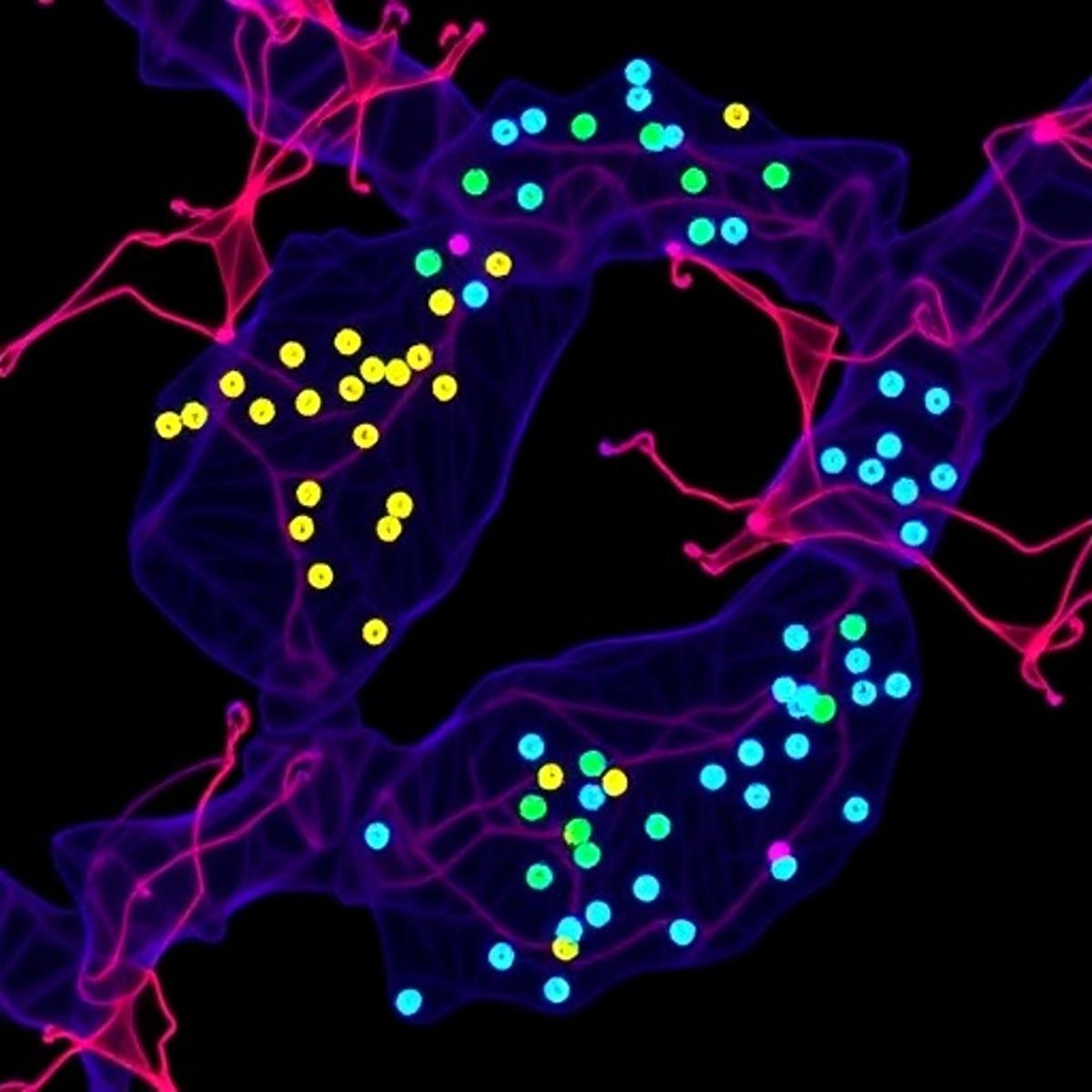
CircZBTB46 Targets miRNA-326/FGF1 to Combat Liver Disease
Researchers have identified the circular RNA CircZBTB46 as a potent regulator of liver pathology. By acting as a molecular sponge for miRNA‑326, CircZBTB46 restores fibroblast growth factor 1 (FGF1) signaling, which in turn attenuates hepatic fibrosis and improves liver enzyme...

Pharmacist-Led Deprescribing Boosts Outcomes for Seniors
A new systematic review and meta‑analysis in BMC Geriatrics demonstrates that pharmacist‑led deprescribing programs markedly improve medication‑related outcomes for older adults. The study finds significant reductions in inappropriate prescribing, hospital readmissions, and adverse drug events, while also delivering measurable cost...

Tackling Non-Communicable Diseases in Rural Bangladesh’s Clinics
Bangladesh’s Ministry of Health, together with the World Bank and local NGOs, launched a nationwide initiative to strengthen non‑communicable disease (NCD) management in rural primary‑care clinics. The program equips 500 clinics with blood‑pressure cuffs, glucometers and basic spirometry tools, while...

One-Pot Synthesis of Antimicrobial 7-Chloroindolizines
Researchers have unveiled a one‑pot synthetic route to 7‑chloroindolizines that delivers the target molecules in high yields within minutes. The streamlined process eliminates multiple purification steps and avoids hazardous reagents, positioning it as a greener alternative to traditional multi‑step syntheses....

Acetylation Controls Apoptosis, Ferroptosis, and Pyroptosis
Recent research reveals that protein acetylation acts as a master regulator of three distinct programmed cell‑death pathways—apoptosis, ferroptosis, and pyroptosis. By adding acetyl groups to key lysine residues, acetyltransferases and deacetylases fine‑tune the activity of death‑inducing proteins, influencing cell survival...
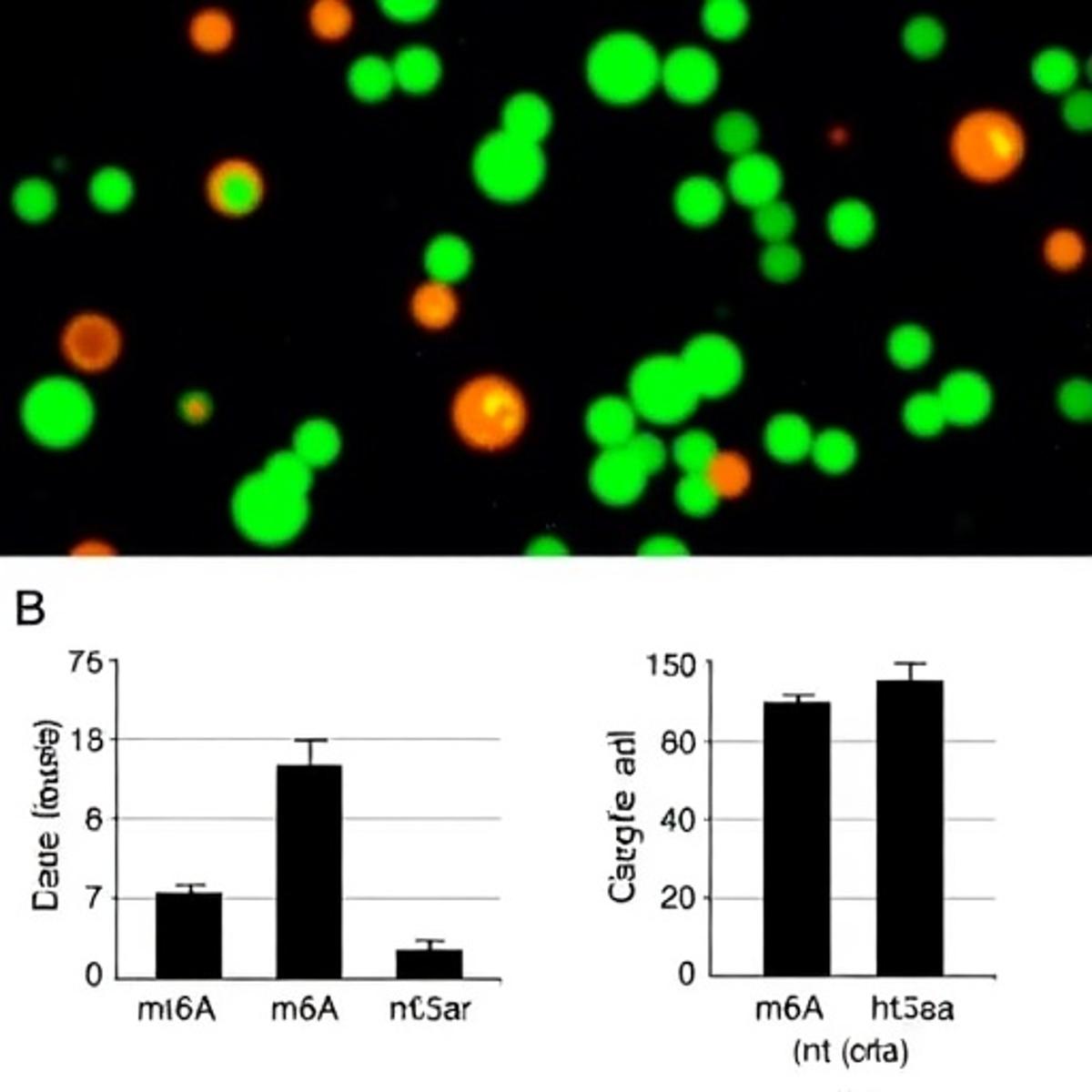
M6A Methylation Regulates Antiviral Response in Celiac
Researchers have identified N6‑methyladenosine (m6A) RNA modification as a key regulator of the antiviral response in celiac disease patients. The study shows that altered m6A patterns enhance interferon signaling, reducing viral replication in intestinal epithelial cells. Clinical samples revealed a...

Haisco Steps Onto Global Stage with Blue Chip NewCo Deal
Haisco announced the creation of AirNexis, a new company focused on chronic obstructive pulmonary disease (COPD) therapeutics. The venture secured a $200 million financing round led by Frazier Capital, marking a blue‑chip endorsement. AirNexis will develop a COPD asset designed to...

Discovering Geriatric Syndromes in Electronic Health Records
A new study demonstrates that machine‑learning algorithms can mine electronic health records (EHRs) to flag common geriatric syndromes such as frailty, delirium, and falls. Analyzing a national cohort of 200,000 patients aged 65+, the model achieved 85% sensitivity and 88%...

ALDH3A1 Pathway Boosts AHR for Lung Protection
Researchers have identified that the enzyme ALDH3A1 activates the aryl hydrocarbon receptor (AHR) pathway, enhancing cellular defenses in lung tissue. The study demonstrated that ALDH3A1‑mediated AHR activation reduces oxidative damage and inflammation in mouse models of acute lung injury. Gene‑editing...

Early Proof of Concept for Krystal’s Cystic Fibrosis Gene Therapy: Clinical Report
Krystal Therapeutics reported early proof‑of‑concept data from its first‑in‑human cystic fibrosis (CF) gene‑editing trial. The single‑dose, lipid‑nanoparticle delivery of a CFTR‑correcting mRNA achieved measurable gene expression in airway epithelial cells of six patients, with no serious adverse events. Pulmonary function...

MRNA Breakthroughs in HIV-1 Prevention and Treatment
Researchers have announced a new mRNA‑based vaccine that achieved roughly 70% protection against HIV‑1 infection in a Phase 2 trial involving 1,200 volunteers across North America, Europe and Africa. The platform leverages rapid antigen redesign to target multiple circulating HIV clades,...

PLCG2’s Role in Disease: Genetics, Signaling, Impacts
Recent research highlights phospholipase C gamma 2 (PLCG2) as a pivotal genetic driver in several chronic diseases, including Alzheimer’s, lupus, and certain cancers. Specific PLCG2 variants modulate intracellular calcium signaling and B‑cell receptor pathways, altering immune cell function. Early‑stage inhibitors...

The Split-Screen Story of 2026: A Letter From the Editor
The editor’s January note highlights a resurgence in biotech capital markets, with investors returning to the sector and financing activity picking up. At the same time, a “split‑screen” narrative emerges as the FDA undergoes structural changes, longstanding public‑health policies are...

Deals Not Waiting for JPM
Dealmakers kicked off 2026 with a flurry of announcements, bypassing the J.P. Morgan Healthcare Conference. Since Jan 5, three acquisitions and more than two dozen partnerships have been disclosed. The headline deal is Eli Lilly’s $1.2 billion purchase of Ventyx Biosciences. The activity...

Warm Welcome for Aktis Could Open up IPO Queue: Public Equity Report
Aktis Therapeutics closed a $350 million private‑placement at a 30 % premium, drawing strong participation from top biotech investors. The financing bolsters its gene‑editing pipeline and is viewed by Public Equity Report as a potential catalyst for a dormant IPO pipeline. Investment...

Evolving Functional Intrinsically Disordered Proteins Through Directed Evolution
Researchers applied directed evolution to intrinsically disordered proteins (IDPs), generating variants that acquire defined functions despite lacking stable structures. By screening a million‑member library, they identified sequences that bind target kinases with nanomolar affinity and boost reporter signals twelve‑fold. The...

Boosting Chemoattractant Cytokine Expression in Pancreatic Cancer
A recent preclinical study demonstrated that boosting chemoattractant cytokine expression in pancreatic tumors markedly enhances immune cell infiltration and improves survival in mouse models. Researchers used a viral‑free gene‑delivery platform to up‑regulate CXCL10 and CCL5, key chemokines that recruit cytotoxic...

Toxic Impact of Perfluorooctanoic Acid on Bone Cells
Recent laboratory studies reveal that perfluorooctanoic acid (PFOA) disrupts osteoblast function and accelerates bone resorption, indicating a direct toxic effect on skeletal health. Researchers observed a 35% reduction in mineralized nodule formation and heightened expression of RANKL in cultured bone...