
Boston Scientific’s Penumbra Acquisition: Impacts and 3D Printing Opportunities in Vascular Medicine
Boston Scientific announced a $14.5 billion acquisition of Penumbra, re‑entering the neurovascular market and expanding its cardiovascular device portfolio. The deal, paid at a 19 % premium with a 73 % cash and 27 % stock mix, targets Penumbra’s thrombectomy and embolization technologies. Boston Scientific expects the combination to accelerate global reach, drive revenue growth, and leverage its scale for broader market penetration. Additive manufacturing is highlighted as a key enabler for rapid prototyping, micro‑precision components, and patient‑specific training models.

GLP-1 Drugs Fail to Slow Cognitive Decline in Alzheimer’s Disease
Recent randomized trials testing GLP‑1 receptor agonists such as semaglutide and liraglutide in Alzheimer’s disease patients found no measurable slowing of cognitive decline. Earlier post‑hoc and observational analyses had suggested roughly a 50 % reduction in dementia incidence, raising hopes of...

Eli Lilly Invests $3.5B in Pennsylvania to Scale Next‑Gen Obesity Drug Manufacturing
Eli Lilly announced a $3.5 billion investment to build a new injectable‑medicine plant in Lehigh Valley, Pennsylvania. The facility, slated to break ground in 2026 and run by 2031, will focus on next‑generation obesity and metabolic drugs such as the triple‑agonist retatrutide....

Novartis Breaks Ground on $23B Biomedical Research Hub in San Diego
Novartis began construction of a new biomedical research hub in San Diego. The 466,000‑sq‑ft center, part of a $23 billion US R&D and manufacturing program, will house about 1,000 researchers and target neuroscience, oncology, global health, and age‑related diseases. Scheduled to...

WestFax Launches AI-Powered Intelligent Document Processing Platform for Healthcare
WestFax launched Comprehend, an AI‑powered Intelligent Document Processing platform for healthcare, now available across all its service tiers. The solution uses OCR, AI and FHIR‑aligned models to convert inbound fax, email and file‑based documents into searchable PDFs, classify types, and...

Topical Adquey (Difamilast) Wins FDA Approval for Atopic Dermatitis
The U.S. Food and Drug Administration has granted approval to Adquey, a 1% difamilast topical ointment, for the treatment of mild-to-moderate atopic dermatitis in patients two years and older. Developed by Otsuka and licensed to Acrotech Biopharma, the product is...

ALIS Releases New Clinical Benchmarking Report Analyzing Data From 28,800 Senior Living Residents
ALIS released its Q4 2025 ALIS 500 Clinical Report, the first senior‑living clinical benchmarking study covering 500 communities and 28,800 residents. The report delivers detailed data on resident age, prevalent chronic conditions, comorbidity patterns, and fall incidents, and is paired with an...

Rural Health Care Crisis: Can Telemedicine Close the Gap?
Since 2005, 195 rural hospitals have shut down, with 50 closures occurring between 2017 and 2023, deepening access gaps for millions of Americans. Rural residents experience higher rates of diabetes, mental distress, and premature mortality, compounded by looming federal Medicaid...

To What Degree Does Cytomegalovirus Contribute to Neurodegenerative Conditions?
Cytomegalovirus (CMV) infection, prevalent in most adults, increasingly appears linked to neurodegenerative processes. Large cohort studies show higher CMV IgG levels correlate with accelerated cognitive decline, and post‑mortem analyses detect CMV DNA in a majority of vascular dementia brains. Animal...

Reviewing Locum Tenens Agreements: Look Beyond the Hourly Rate
Dr. Sriman Swarup warns that the hourly rate in locum tenens contracts is often the least critical factor. He emphasizes that contract clarity—especially around responsibility for cancellations, payment guarantees, and termination triggers—determines whether an assignment is viable. Ambiguous language typically...

The Most Interesting FHIR You've Never Heard Of
The episode dives into Epic's recent rollout of twelve new FHIR APIs tailored for radiation oncology, highlighting how these modern interfaces support the CodeX Exchange of Radiotherapy Summaries Implementation Guide. It explains the distinct nature of radiation oncology—focused on precise...

AI Tool Sets New Standard in Diagnosing Rare Diseases
A new multi‑agent system called DeepRare, built on the DeepSeek‑V3 large language model and over 40 specialized tools, outperformed 15 competing AI models and human physicians in diagnosing rare diseases. Across 6,401 cases covering 2,919 rare conditions, it achieved a...

The Misuse of Hormone Therapy in Menopause Care
Hormone therapy has re‑emerged in menopause care, but many clinicians prescribe it as a first‑line fix without evaluating underlying stress, metabolic, or nervous‑system dysfunction. The article argues that estrogen, progesterone, and testosterone are often used to treat fatigue, burnout, and...

How Much Longer Will Americans Wait for Real Health Reform?
The episode examines the deepening crisis in U.S. health care, highlighting recent data that shows health insurance costs now outrank basic necessities for two‑thirds of Americans and that 1.2 million households lost coverage after premium subsidies were cut. Host Trudy Lieberman discusses...

From Junk Science (Largely Non-Political) to Junk Medical Treatments (Mostly Associated with the Far-Right): A Financial Connection
Paul Krugman highlights a growing financial link between the multi‑billion‑dollar wellness industry and right‑wing extremist movements. He notes that U.S. spending on wellness reaches roughly $500 billion annually, with nutritional supplements alone accounting for about $70 billion, while regulators like the FDA...

The Pulse of Pharma Change in 2026
In a February 20, 2026 Pharm Exec Podcast, ZS CEO Pratap Khedkar, PhD, outlined three converging trends reshaping pharma: heightened AI integration, evolving ecosystem partnerships, and sweeping US‑driven policy reforms. Drawing on his nine‑year tenure leading ZS’s global pharmaceuticals practice and its advanced data‑science...

Why “Eat Less, Move More” Fails for Midlife Weight Loss
Midlife women often follow the classic "eat less, move more" mantra yet see stagnant scales because perimenopause and menopause trigger profound physiological shifts. Hormonal fluctuations raise insulin and cortisol, blunt glucose flexibility, and promote fat oxidation over muscle use. Simultaneously,...

Levetiracetam Reduces Amyloid-Β Production in the Brain
Researchers report that the FDA‑approved antiepileptic levetiracetam reduces amyloid‑β42 production in mouse models of Alzheimer’s disease. The drug redirects amyloid precursor protein processing toward the non‑amyloidogenic pathway by modifying synaptic vesicle cycling and increasing surface APP expression. Mass‑spectrometry and electrophysiology...

Nobody Gets Sued but the Doctor: The Legal Vacuum at the Center of the AI Physician Revolution
The episode examines the legal vacuum surrounding AI‑assisted clinical decision‑making, highlighting that while the FDA has cleared over 1,300 AI medical devices, adoption remains low and physicians bear virtually all malpractice liability. Data shows a rapid rise in AI use...

Pharma Pulse: J&J’s $1B Cell Therapy Hub and Hims & Hers’ Global Expansion
Johnson & Johnson announced a $1 billion investment to build a next‑generation cell‑therapy manufacturing facility in Montgomery County, Pennsylvania, slated to support 500 skilled jobs. The hub is a key element of J&J’s $55 billion U.S. manufacturing, R&D, and technology strategy. Meanwhile,...

4.2m Eye Health Research Hub Set for North East
A £4.2 million Northern Ophthalmic Research and Innovation Institute (NORI) is being established in North East England to turn routine eye scans into early‑warning tools for serious illnesses. The hub, hosted by the University of Sunderland, will link eye images with...

It’s Time for an End to Two-Tier Tech in the NHS
The NHS is rapidly adopting AI and patient‑facing tools, yet back‑office staff such as roster managers remain stuck with outdated systems. This digital divide fuels stress, mismatched rotas, and higher temporary‑staff costs, contributing to the wider retention crisis. Trusts that...

Rare Disease Month Developments – Part 3: The Ugly (Just Kidding) – See You at Rare Disease Week
Rare Disease Week convenes on Capitol Hill, bringing patients, advocates, regulators, and industry together to shape policy for rare disease therapies. Hyman, Phelps & McNamara will be prominently represented, highlighted by Frank Sasinowski receiving the EveryLife Foundation’s Abbey Lifetime Achievement...

Pharmaceutical Executive Daily: FDA Plans to Remove Two Study Requirement for New Drug Approvals
The FDA announced it will drop the historic requirement for two adequate and well‑controlled studies in certain new‑drug approval pathways, a move that could accelerate timelines and lower development costs. The change is especially relevant for therapies targeting unmet medical...

ACIP February Meeting Cancelled: Report
The Advisory Committee on Immunization Practices (ACIP) cancelled its scheduled February 25‑27, 2026 meeting, and no new date has been announced. The cancellation occurs amid a wave of senior HHS leadership changes, including the departure of Deputy Secretary Jim O’Neill and General...

Understanding the 4 Models of Health Care: Where the U.S. Fits
The article outlines the four canonical health‑care system models—Beveridge, Bismarck, national single‑payer, and hybrid—and shows that the United States operates a hybrid structure combining elements of each. It highlights WHO’s six criteria for high‑performing systems and notes that despite world‑class...

Eli Lilly Announces Positive Results for Treating Crohn’s Disease with Omvoh
Eli Lilly reported that its biologic Omvoh (mirikizumab) sustained steroid‑free remission for three years in Crohn’s disease patients in the Phase 3 VIVID‑2 open‑label extension study. More than 90% of participants remained in remission, with 80% experiencing relief from bowel urgency. The...

IL-6 as a Measure of Peripheral Inflammation Is More Often Elevated in Cognitively Impaired Individuals
A recent open‑access study of 514 Canadian seniors examined peripheral inflammation using IL‑6 and C‑reactive protein. The analysis revealed that elevated IL‑6 levels were present in 12% of cognitively normal participants but rose sharply to 36‑55% among Alzheimer’s, mixed dementia,...

Don’t Give up on Your Part D Costs
The author recounts a recent struggle with Medicare Part D after a prescription fell off the plan’s formulary, raising the out‑of‑pocket cost from the expected $500 to nearly $600. By appealing the denial, the drug was reinstated on the formulary, the...

From Launch to Loss of Exclusivity- Reducing Access and Affordability Barriers Across the Brand Lifecycle
CoverMyMeds outlines how access and affordability challenges evolve across a biopharma brand’s lifecycle, from launch through loss of exclusivity, and offers actionable, data‑driven strategies to mitigate them. The firm emphasizes real‑time analytics, provider‑focused tools, and tailored patient assistance to reduce...

A Circulating Inflammation Suppressor Decreases Mortality
Researchers used Mendelian randomization to demonstrate that the inflammatory cytokine IL6 directly increases all‑cause mortality, while its soluble receptor IL6R has the opposite effect. Elevated circulating IL6R was linked to lower risk of lung cancer, diabetes, stroke and coronary artery...

Tradipitant
Vanda Pharmaceuticals received FDA approval for tradipitant (Nereus®), an oral selective NK1 receptor antagonist, to treat motion‑induced nausea and vomiting. The approval marks the first new drug for motion sickness in more than four decades, highlighting a significant regulatory milestone....
In FTC Settlement, Cigna Agrees to Change Some PBM Business Practices, Charge Customers Less for Insulin
The episode examines Cigna’s settlement with the FTC over its Express Scripts PBM, which was accused of inflating insulin prices through opaque rebate deals. Key provisions require Cigna to prioritize lower‑cost drug versions, base patient copays on net prices, increase...

Sleep Trackers Flag Depression Relapse Early
A study of 93 adults in remission from major depressive disorder used research‑grade wrist actigraphy to monitor sleep and activity for up to two years. The analysis of nearly 32,000 days of data showed that increasingly irregular sleep patterns and...

FNIH Biomarkers Consortium Study Shows “Clock Model” Blood Test Can Predict Onset of Alzheimer’s Symptoms Years in Advance
The FNIH Biomarkers Consortium unveiled a “clock model” that uses a single blood test to forecast Alzheimer’s disease symptom onset 3‑4 years before clinical presentation. The model aggregates plasma biomarkers into a temporal trajectory, and a new web‑based visualization tool...

SEQSTER Launches 1-Click Data Refinery™ to Power Scalable AI Across Clinical Trials
SEQSTER PDM, Inc. unveiled its 1-Click Data Refinery™ – an enterprise‑grade engine that converts raw, patient‑consented EHR data into clean, structured, AI‑ready records. The platform normalizes, deduplicates and harmonizes data across health systems, delivering longitudinal patient views suitable for rapid...
Who’s the Agent? Building the Identity Layer Healthcare AI Actually Needs
The episode explains that traditional user‑centric identity systems are insufficient for autonomous AI agents in healthcare, which need a dedicated agentic identity layer to manage fine‑grained PHI access, audit trails, and delegation across humans and machines. It highlights the regulatory...
CMS Broadens Drug Price Negotiations to Part B Therapies
The Centers for Medicare & Medicaid Services announced a third round of drug price negotiations that for the first time includes Part B physician‑administered therapies. By extending the Inflation Reduction Act’s pricing provisions to infused medicines, the move pulls doctors into...

FDA Clearance Sets Stage for U.S. Commercialisation of Eyonis LCS
Median Technologies has named veteran imaging executive Oran Muduroglu as President of its U.S. subsidiary, Median eyonis Inc., to spearhead the commercial launch of eyonis LCS, an AI‑powered lung‑cancer‑screening SaMD that recently received FDA 510(k) clearance. The rollout will leverage a defined Medicare reimbursement...

Oral Nanozyme Treats Colitis-Linked Mental Disorders via Gut-Brain Axis
Researchers at Yangzhou and Nanjing Universities have created an oral polysaccharide‑engineered nanozyme—fucoidan‑cerium nanocomplexes (FucCeNCs)—to treat colitis‑associated anxiety and depression. The nanocomplex combines cerium’s superoxide dismutase‑like activity with fucoidan’s prebiotic properties, enabling simultaneous reactive oxygen/nitrogen species scavenging and gut microbiota modulation....

Partial Reprogramming of Neurons Encoding Memory Improves Cognitive Function in Aged Mice
Researchers applied cyclic OSK (Oct4‑Sox2‑Klf4) gene therapy to memory‑encoding neurons in aged mice, achieving partial cellular reprogramming without full pluripotency. The intervention reversed senescence‑related gene expression, restored youthful epigenetic patterns, and normalized synaptic plasticity in both hippocampal and prefrontal engrams....
Pharma Pulse: FDA’s Moderna Reversal and Eli Lilly’s $100 Million IL-6 Bet
The FDA has reversed its earlier refusal-to-file and will review Moderna’s seasonal mRNA influenza vaccine, with a decision slated for August 5, 2026. Moderna now seeks full approval for adults aged 50‑64 and accelerated approval for those 65 and older. Meanwhile, Eli Lilly...
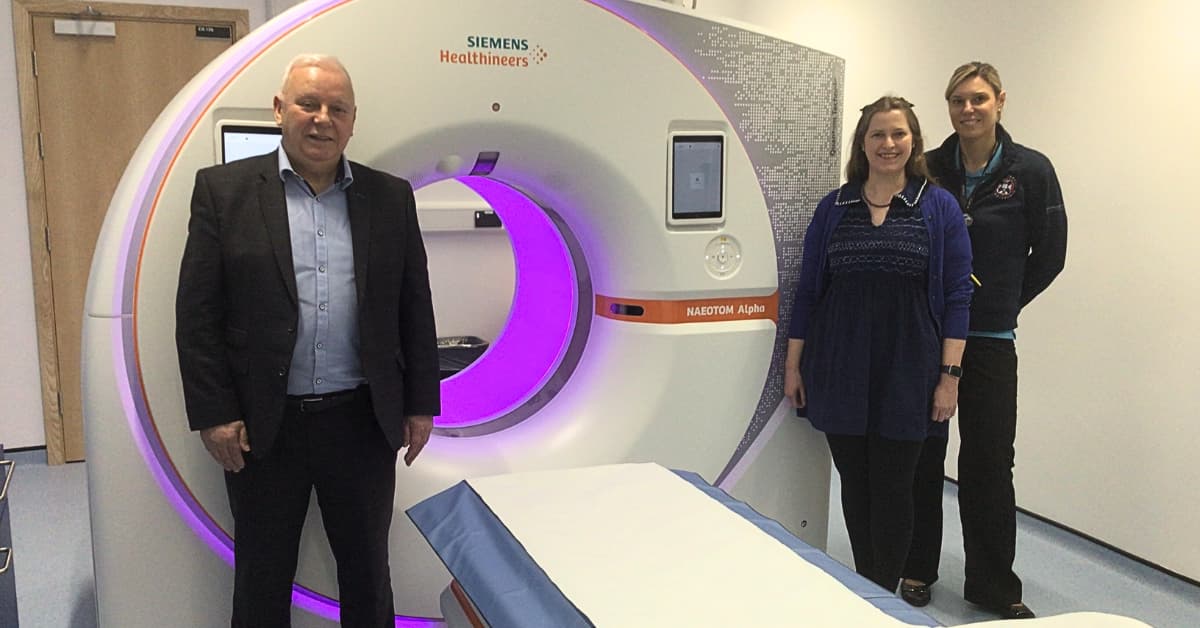
Scotland’s First Photon-Counting CT Scanner Set to Advance Multi-Organ Research and Enhance Patient Diagnosis & Care
The University of Edinburgh has installed Scotland’s first photon‑counting CT scanner, the Siemens Healthineers NAEOTOM Alpha, funded jointly with the British Heart Foundation. This technology captures each X‑ray photon, delivering ultra‑high‑resolution, spectral images that surpass conventional CT capabilities. It will...

Antioxidant Nanoparticles May Protect Male Fertility During Chemotherapy
A preclinical study published in Reproductive and Developmental Medicine found that combining melatonin with zinc oxide nanoparticles mitigates cyclophosphamide‑induced reproductive toxicity in male rats. The antioxidant duo restored testosterone and luteinizing hormone levels, lowered oxidative stress markers, and preserved spermatogenic...

Hana Health by DSS Imagetech Partners with Overture Life to Bring World-First Automated Egg-Freezing Technology to India
Hana Health by DSS Imagetech has signed an exclusive agreement with Overture Life to launch DaVitri, the world’s first automated egg‑freezing platform, in India. The system standardises the vitrification step of IVF, cutting variability and enabling clinics to handle more...

UK Medical Device Testing Hits Record High as MHRA Backs Growth in Brain and AI Technology
The UK Medicines and Healthcare products Regulatory Agency reported a 17% rise in approved clinical investigations for 2025, setting a record high. Average approval times fell to 51 days, outpacing the 60‑day target, while neurotechnology now accounts for roughly a...

Genentech’s Fenebrutinib Yields Positive Results in Phase III MS Trial
Genentech’s oral BTK inhibitor fenebrutinib met its primary endpoint in the Phase III FENtrepid trial for primary progressive multiple sclerosis, showing non‑inferiority to Ocrevus and a 12% risk reduction in confirmed disability progression. The drug also delivered a 26% lower risk...

Anti-Aging Gene Therapy in Alzheimer’s and ALS with Klotho Neurosciences’ Dr. Joseph Sinkule — Episode 243
The Xtalks Life Science Podcast featured Joseph Sinkule, CEO of Klotho Neurosciences, discussing the company’s secreted α‑Klotho gene therapy platform aimed at age‑related neurodegenerative diseases such as Alzheimer’s, ALS and Parkinson’s. Klotho leverages a patented anti‑aging gene to develop cell‑ and...
The “Ethical Canary”: How Moral Injury Signals Systemic Failure
Psychiatrist Courtney Markham‑Abedi describes personal experiences of moral injury triggered by caring for vulnerable patients and the killing of immigrant activist Renee Good. She expands the concept of moral injury, originally defined for veterans, to healthcare workers, coining it as...

Reduced APOE Expression Improves Bone Regeneration in Aged Mice
Researchers discovered that elevated circulating APOE in older mice suppresses bone regeneration by inhibiting osteoblast differentiation. Liver‑specific knockout of APOE or a single dose of a neutralizing antibody lowered serum APOE, restored Wnt/β‑catenin signaling, and markedly improved fracture callus density...