
Aceclidine
Aceclidine (Vizz®) received FDA approval in 2025 as an ophthalmic solution for presbyopia, targeting age‑related near‑vision loss. The drug acts as a pupil‑selective muscarinic agonist, inducing miosis without significant ciliary muscle activity, thereby enhancing depth of focus through a pinhole effect. Phase 3 CLARITY data demonstrated that once‑daily dosing delivers clinically meaningful near‑vision improvement while preserving distance acuity. The approval introduces a pharmacologic alternative to glasses and surgical options for millions of adults.

Global Conference to Tackle Longevity Clinical Translation
The National University of Singapore Academy for Healthy Longevity is hosting the Geromedicine Conference on February 26-27, 2026, bringing together geroscience researchers, clinicians, and industry leaders. The event emphasizes clinical translation of molecules such as NAD+ precursors, urolithin A, and ergothioneine,...

Rural Emergency Medicine in New Mexico: A Physician’s Firsthand Account
Sarah Bridge, an emergency physician, recounts four years of frontline care in rural New Mexico’s Indian Health Service facilities, where chronic ICU bed shortages, equipment failures and staffing cuts force dangerous patient transfers and improvised treatments. She highlights how historical...

Video Wednesday
On November 20, 2020, Verb and Johnson & Johnson unveiled OTTAVA, a six‑armed robotic platform designed for minimally invasive surgery. The system integrates AI‑driven vision, haptic feedback, and modular tooling to automate complex suturing and tissue manipulation. Early trials report a 30%...

Trauma Reactivation: Why News Headlines Trigger Past Abuse
Recent high‑profile sexual‑abuse scandals, such as the Jeffrey Epstein case, are prompting a wave of trauma reactivation among survivors who had previously kept their experiences hidden. Patients often present with insomnia, irritability, increased alcohol use, or vague anxiety that they...

Making Global Market Access Practical – How Medilink North of England Supports International Growth
Medilink North of England provides a structured market‑access offering that helps MedTech and digital‑health innovators move beyond regulatory clearance to achieve commercial adoption in overseas health systems. The service is built around five pillars—market segmentation, global strategy, regulatory documentation, reimbursement...

Global Genomics: Representative Research Is Key to Unlocking the Full Potential of Precision Medicine
Professor Segun Fatumo highlights the stark under‑representation of African genomes in global research, where over 86% of GWAS participants are of European ancestry despite Africa housing the greatest genetic diversity. He explains how this gap limits the accuracy of polygenic...
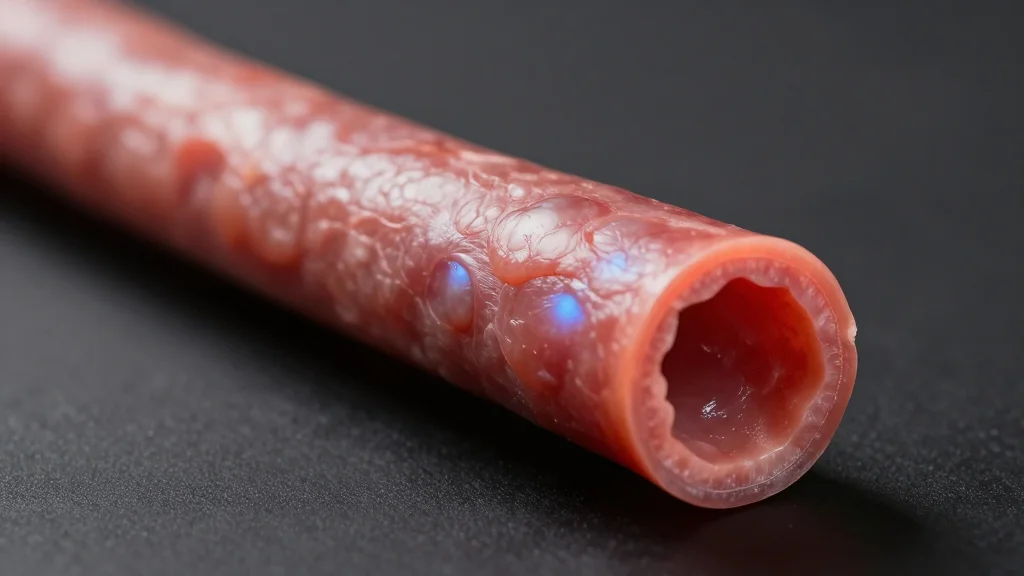
IRF7 Expression Drives Instability in Atherosclerotic Plaques
Researchers identified interferon regulatory factor 7 (IRF7) as a master transcriptional driver that pushes vascular smooth muscle cells (SMCs) into a pro‑inflammatory, macrophage‑like state, a key step in plaque destabilisation. Single‑cell RNA sequencing and trajectory analysis uncovered an intermediate stem‑endothelial‑monocyte...

The Biotech Bi-Weekly: A 48-Channel SPR Platform, Robust RNA-Seq Libraries and Microgravitational Discoveries
Carterra unveiled Vega, the industry’s first 48‑channel high‑throughput SPR platform, delivering roughly 12‑fold higher screening capacity for small‑ and large‑molecule drug candidates. Covaris introduced the truCOVER® Total RNA Library Prep Kit, enabling robust RNA‑seq libraries from as little as 10 ng...

Nanoparticle-Based Gene Editing Could Expand Treatment Options for Cystic Fibrosis
UCLA researchers have engineered lipid nanoparticles to co‑deliver CRISPR/Cas9 components and a full‑length CFTR gene, achieving precise, mutation‑agnostic insertion in human airway cells. The non‑viral system corrected 3‑4% of cells yet restored up to 100% of normal chloride channel function,...
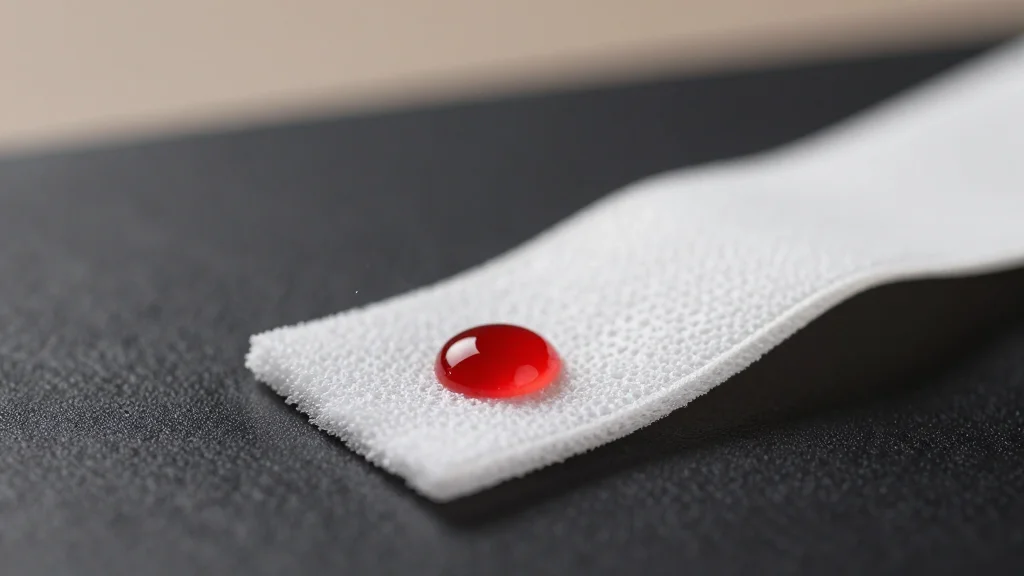
Injectable Nanocomposite Hemostat Speeds Blood Clotting for Trauma Care
Researchers at Texas A&M have created injectable nanocomposite hemostats that cut blood clotting time from six‑seven minutes to one‑two minutes, slashing bleeding duration by up to 70% in internal hemorrhage models. The devices combine clay‑derived nanosilicates with a shape‑memory foam...

Take2 Raises $14M to Power AI Healthcare Hiring

Doncaster and Bassetlaw Launches CardMedic to Break Down Communication Barriers and Reduce Health Inequalities
Doncaster and Bassetlaw Teaching Hospitals NHS Foundation Trust will pilot CardMedic, a clinically validated communication app, for twelve months starting with a soft launch in October across four key departments. The charity‑funded initiative aims to eliminate language, visual, hearing and...

Hidden Insurance Costs in Healthcare
The article highlights hidden insurance risk from undertrained nursing assistants and home caregivers, linking credential gaps to higher workers' compensation, liability, and long‑term care costs. It argues insurers should treat frontline training as loss‑mitigation, incentivizing certifications and first‑aid programs. By...

Deprescribing in Health Care: Why Less Medication Can Be More
The American Medical Association is urging clinicians to adopt deprescribing—systematically reviewing and stopping medications that no longer benefit patients. Nearly 70% of adults aged 40‑79 fill a prescription each month, and over 20% take five or more drugs, driving falls,...

What the Folinic Acid Retraction Means for Autism Treatment
The European Journal of Pediatrics retracted the 2024 randomized trial that claimed folinic acid reduced autism symptoms, citing data that did not support its conclusions. The study had been the largest of its kind, influencing clinical recommendations and regulatory guidance....
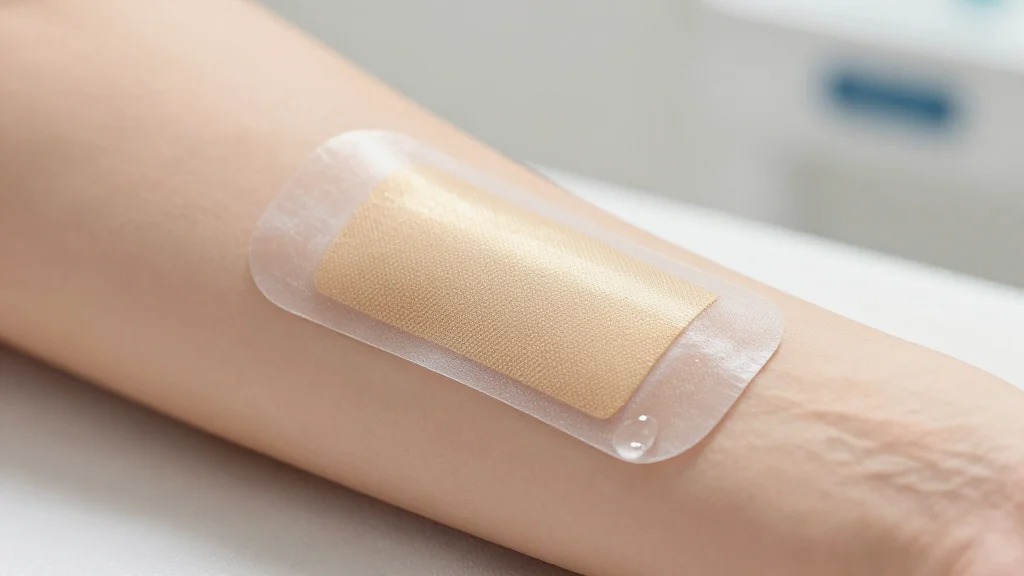
Key Obstacle to Integrated Bioelectronic Implants Removed with Use of Solid-State Hydrogel
Swedish researchers have created a photo‑patternable solid‑state hydrogel electrolyte using i‑carrageenan and PEGDA, achieving ionic conductivity above 10 mS cm⁻¹ and feature sizes down to 15 µm. The material replaces liquid electrolytes in organic electrochemical transistors (OECTs), enabling fast, dense, and flexible circuits...

The Aging of Retinal Vasculature Reflects the Aging of the Brain
Researchers used UK Biobank data to map vascular phenotypes across the retina, carotid artery, aorta, and brain, revealing consistent cross‑organ correlations. Retinal vascular density showed modest but significant negative links with white‑matter hyperintensities, carotid intima‑media thickness, and aortic lumen size,...

How Magnetic Interactions Between Neighboring Nanoparticles Influence MRI Contrast
Researchers at the Institute of Nanoscience and Materials (INL) demonstrated that precisely controlling the distance between iron‑oxide nanoparticles using silica shells dramatically alters their magnetic dipolar interactions, boosting T2 MRI contrast. The study shows a rapid increase in contrast as...

The Payload Paradox: Why the Obsession with Potency May Be Holding the ADC Field Back
A European biotech is challenging the ADC status quo by prioritising novel targets and payloads over sheer potency. In an interview, the company’s CSO argues that the industry’s obsession with ultra‑potent cytotoxins like MMAE and DM1 is stalling progress, creating...
Value-Based Care Data Gap: Why Metrics Fail to Reach the Bedside
Value‑based care aims to align reimbursement with patient outcomes, but the data that drives these models rarely reaches clinicians at the point of care. Performance metrics are collected in dashboards and quarterly reports, creating a disconnect between institutional goals and...

Safer CNS Drugs with BrainOnly Pharmacology
The article outlines a growing strategy to develop central nervous system (CNS) therapeutics that remain pharmacologically active only within the brain, termed "BrainOnly" pharmacology. By leveraging selective transport mechanisms, pro‑drug designs, and peripheral clearance pathways, researchers aim to minimize off‑target...

The Product Mendoza Line
In this episode the host examines Epic’s decade‑long migration from its legacy thick‑client UI, Hyperspace, to the modern web‑based Hyperdrive, using the "Mendoza Line" metaphor to discuss product success thresholds. The discussion highlights the massive technical and organizational effort involved,...

The $145M Federal Subsidy Nobody in Health Tech Is Talking About Yet
The episode breaks down the Department of Labor's newly announced $145 million Pay‑for‑Performance Incentive Payments Program, aimed at alleviating the looming 3.2 million‑worker shortage in U.S. healthcare. It explains why the program’s performance‑based funding model—paying per enrolled apprentice rather than upfront grants—creates...

UnitedHealthcare Tightens Specialist Access for Medicare Advantage Enrollees
The episode examines UnitedHealthcare's new policy requiring primary‑care referrals for specialist visits in its Medicare Advantage HMO and HMO‑POS plans, a change that will fully take effect after April 30. Through the stories of seniors like Theresa Schwartz and Pamela...

Medica to Buy Axon Diagnostics for NHS Reporting
Medica Group announced the acquisition of Axon Diagnostics and its sister firm MITIS Health, creating the UK’s largest remote clinical reporting network. The combined entity will cover roughly 55% of NHS trusts and serve more than 2.5 million patients across routine...

The Simple Model
In this episode, Dr. Ben Schwartz critiques the CMS ACCESS model and other value‑based care frameworks for their overwhelming administrative complexity and limited impact. He proposes a "Simple Model"—a streamlined fee‑for‑service system with minimal metrics, no prior authorizations, and higher...

BIOTRONIK Launches of ‘World’s First’ CRT-D Systems Approved for Conduction System Pacing
BIOTRONIK has introduced the Acticor Sky and Rivacor Sky family, the world’s first CE‑approved high‑voltage devices capable of left bundle branch area pacing (LBBAP). The inaugural European implant was performed at University Hospital Frankfurt in an 87‑year‑old with ischemic cardiomyopathy and atrial...

Patchwork Health Launches AI-Powered ‘Preference-Based Rostering’ for NHS Clinicians
Patchwork Health has launched an AI‑driven Preference‑Based Rostering tool for NHS Trusts, instantly converting clinicians' shift preferences and service demand into compliant, fair schedules. The platform claims to meet 98% of negative preferences, cut unfilled shifts by 97% and slash...

Tanaka Establishes Total Solutions System for Contract Manufacturing of Diagnostics
Tanaka Precious Metal Technologies has built a total‑solution system for contract manufacturing of in‑vitro diagnostic test kits, adding dedicated dispensing and packaging lines for extraction buffer. The new infrastructure lets the company handle every step—from assay development to final product...

The Honest Broker in Pediatrics: Building the Medical Home
Dr. Ronald L. Lindsay recounts how he built a fully operational pediatric medical home at a regional military hospital in just two and a half years, delivering 24/7 care to vulnerable children from worldwide military families. His interdisciplinary developmental‑behavioral clinic...

Airglove Medical Announces Major Breakthrough in Difficult Venous Access
Airglove Medical has launched Airglove v2, an air‑warming glove designed to improve vein physiology before venepuncture. Clinical evaluations across more than 150 UK hospitals reported an 87.5% first‑time cannulation rate in oncology patients, a group known for difficult IV access. The...
Queen Victoria Hospital Paves the Digital Way for Treating Patients in Minor Injuries Unit
Queen Victoria Hospital NHS Foundation Trust has rolled out the Archie electronic patient record (EPR) system in its Minor Injuries Unit (MIU), marking a rapid digital transformation. Within three months, the MIU recorded 16,465 annual patient visits and achieved a...

Data-Driven Digital Health Businesses Challenged with Balancing AI Advances and Tighter Regulation in 2026
Digital health firms in 2026 face a sharp tension between accelerating AI capabilities and tightening data regulations across the UK and EU. Hyper‑personalised care, driven by wearables and AI‑powered NHS apps, promises better outcomes but raises compliance challenges. New frameworks...

Sofia Noori, Nema Health
Nema Health announced that its intensive cognitive processing therapy (ICPT) achieved a reported 99% cure rate for post‑traumatic stress disorder (PTSD) within a month, according to a new study. The findings were presented by CEO and psychiatrist Sofia Noori, who...

Rare Disease Month Developments, Part 1 – The Good: RPD PRV Program Renewed, FDA Rare Disease Hub’s 2026 Strategic Agenda...
Congress renewed the Rare Pediatric Disease Priority Review Voucher (RPD PRV) program, extending it to September 30 2029 and eliminating the dual sunset dates. The FDA released its Rare Disease Innovation Hub’s 2026 Strategic Agenda, allocating $1 million in funding and outlining plans...

Epic's AI Road Map Should Concern Insurers
Epic Systems, which commands over 35% of the U.S. hospital IT market, is extending its AI capabilities into the payer space through a stack that relies heavily on Microsoft Azure and OpenAI. The article warns that this architectural dependency creates...

MRNA-Packed Nanoparticles Restore Fertility in Genetically Infertile Mice and Produce Live Offspring
Researchers at Shanghai Jiao Tong University engineered a lipid nanoparticle (LNP) formulation that delivers therapeutic mRNA directly to spermatocytes in mice. By injecting mRNA encoding the wild‑type Msh5 gene, they transiently restored meiosis in mice with a genetic block, achieving...

The Rising Burden of Elder Care in the United States
The United States faces a growing elder‑care burden as the population ages. About 29% of adults 65 and older report difficulty with daily activities, rising to 60% for those 85+, while roughly one‑quarter of those in need receive no care....
MOC Patient Outcomes: Why Recertification Doesn’t Guarantee Quality
The article argues that Maintenance of Certification (MOC) has never been proven to improve patient outcomes, despite decades of promotion by the American Board of Internal Medicine and other specialty boards. Observational studies show modest, surrogate‑metric gains, but no randomized...

People Are Still Working on the Senolytic Peptide FOXO4-DRI
FOXO4‑DRI, a peptide that blocks the FOXO4‑p53 interaction, continues to be explored as a senolytic therapy. Recent preclinical work shows that injecting the peptide into aged and progeroid mice reduces endothelial cell senescence and improves aortic function. Companies such as...

Silencing Growth Hormone Has Strong Effects in Mouse Brains
Researchers engineered mice lacking growth hormone receptors specifically in adipose tissue (Ad‑GHRKO) and observed striking brain benefits in aged males. Compared with control mice, the Ad‑GHRKO group showed increased neuronal activity, reduced neuroinflammation, lower tau phosphorylation, and fewer senescence markers....

3D Fragments vs the Histamine H1 Receptor
Researchers at Vrije Universiteit Amsterdam built an 80‑compound, three‑dimensional fragment library and screened it against the histamine H1 receptor. Only one fragment (1a) showed activity, but iterative optimization yielded the low‑nanomolar antagonist VUF26691 with picomolar cellular potency. The campaign required...

Making a MASH Hit: PNPLA3 and the Rise of Genotype-Driven Therapies
The lipid serine hydrolase PNPLA3, especially its I148M mutant, has emerged as a genetically validated driver of MASLD/MASH, prompting a wave of genotype‑focused drug programs. RNA‑based modalities—Arrowhead’s GalNAc‑siRNA ARO‑PNPLA3 and AstraZeneca/Ionis’ GalNAc‑ASO AZD2693—are in clinical trials aiming to lower mutant...
Why Medical Education Assessment Kills Curiosity in Residents
The article contends that an over‑emphasis on formal assessment in residency programs suppresses residents' natural curiosity and deep reasoning. When attendings prioritize grading over dialogue, trainees like June learn to memorize correct answers rather than explore underlying mechanisms. This performance‑driven...

Article Intro - Console-Free Control for the Da Vinci
Researchers at Politecnico di Milano have demonstrated a console‑free mixed‑reality teleoperation system for the da Vinci Research Kit, leveraging Microsoft HoloLens 2 to control the robot via hand gestures, head tracking, and speech. The prototype was tested on camera navigation and...

MHRA Opens Consultation on Indefinite CE Mark Recognition
The MHRA has opened a public consultation proposing that CE‑marked medical devices be recognised indefinitely in Great Britain. Around 90% of devices used in the GB market currently carry a CE mark, and the agency aims to align transition timelines...
Menstrual Health in Medicine: Addressing the Gender Gap in Care
The article highlights a persistent gender gap in medical care for menstrual health, noting that up to 75% of menstruating individuals experience PMS and 3‑8% suffer from PMDD, yet these conditions remain underdiagnosed and underfunded. A survey of 3,000 Japanese...

Increased O-GlcNAc Transferase Expression as an Approach to Improving Function in the Aging Brain
Age‑related decline in O‑GlcNAc Transferase (OGT) activity contributes to neurodegenerative disorders such as Alzheimer’s, Parkinson’s and ALS. Traditional approaches aim to raise O‑GlcNAc levels by inhibiting O‑GlcNAcase, but recent research highlights transcriptional control of OGT as a more direct therapeutic...