
This Ebola Outbreak Will Be Hard to Contain
A new Ebola outbreak centered in two mining towns in the Democratic Republic of the Congo is spreading rapidly, driven by high population movement, inconsistent health-care access, and violence from armed groups that impede treatment and surveillance. Early detection was delayed, and response capacity has been weakened by recent US cuts to foreign-aid programs and the broader US withdrawal of funding from the World Health Organization. Those funding lapses and program suspensions have reduced delivery of medicine and emergency health support to rural clinics in the affected region. Public-health experts warn that because Ebola requires near-perfect containment, the late and diminished response makes the epidemic far harder to control.
Pediatric Emergency Department Visits for Dog Bites in Maryland, 2017–2024
A Maryland statewide review of pediatric ED visits for dog bites from 2017–2024 found roughly 1,800 children treated annually, with boys and children aged 5–9 at highest risk. Most patients were discharged the same day and hospital admission was uncommon,...
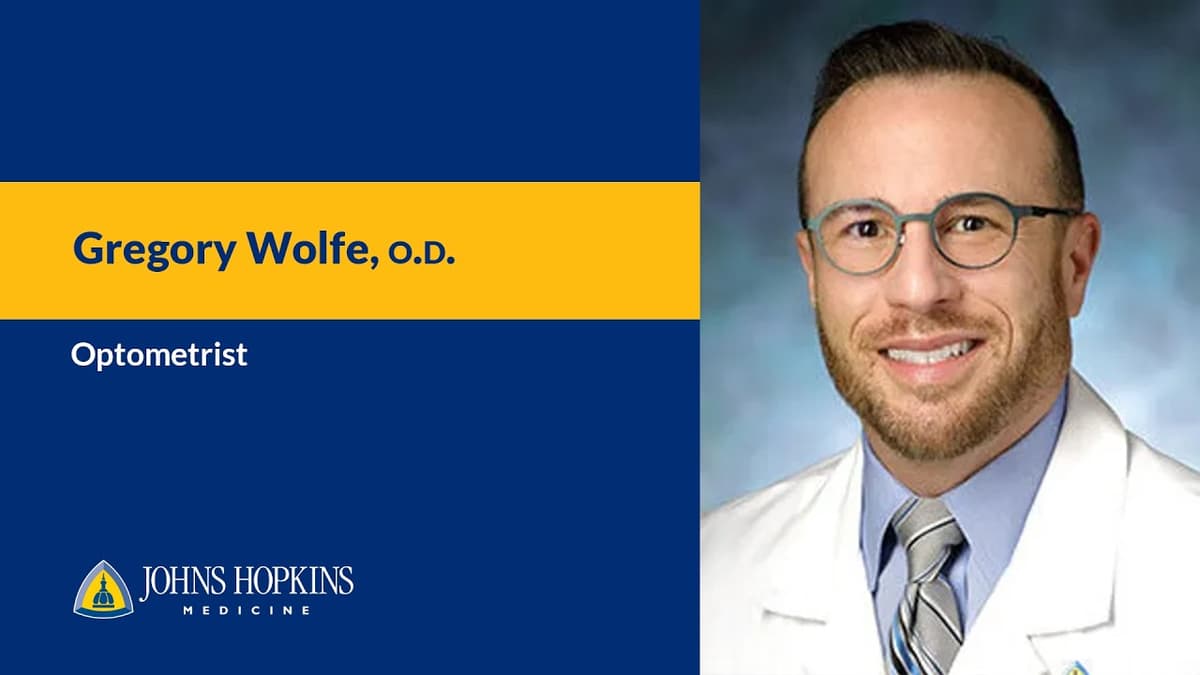
Dr. Gregory Wolfe | Comprehensive Optometry
Assistant professor Dr. Gregory Wolfe, a specialist in ophthalmology, discusses his comprehensive approach to eye care, emphasizing the paramount importance of preserving vision, especially for patients at risk of glaucoma. He notes that research shows people fear losing sight more than...
Dr. Agarwal's Health Care Ltd Q4 FY2025-26 Earnings Conference Call
Dr. Agarwal’s Healthcare reported a strong FY26 with total income of INR 2,125 crore (up 20.9% YoY) and revenue from operations of INR 2,080 crore (up 21.6%). India EBITDA rose 22.2% to INR 614 crore with margins improving to 28.9%,...

Why Women Should Lift Heavy
A recent analysis of the LIFTMOR randomized trial shows that postmenopausal women in their 60s and 70s who performed heavy resistance and impact training twice weekly for eight months gained significant bone density—4% in the lumbar spine and 2% at...

Tackling Misinformation & Disinformation #AskWHO
At the 79th World Health Assembly, WHO leaders addressed the growing threat of misinformation and disinformation in health, distinguishing the two: misinformation is inaccurate but not malicious, while disinformation is deliberate and often driven by profit, power or influence. WHO...

Beyond the Shore with Erika MacIntyre, MD
The Nocturnist announced Nocturnus Plus, a new $10/month subscriber feed offering a monthly "After Hours" bonus series with host Emily Silverman and producer Ally Block, episode consolidation, and merch discounts; a sample clip features hosts discussing the challenges of being...

The Next Era of Healthcare Is Personal
The Mackenzie podcast episode spotlights Madna’s vision of a personal, information‑driven healthcare era. CEO Stefan Benell explains how the company’s mRNA platform treats DNA as an information molecule, allowing rapid design of vaccines, cancer immunotherapies, and treatments for rare genetic...
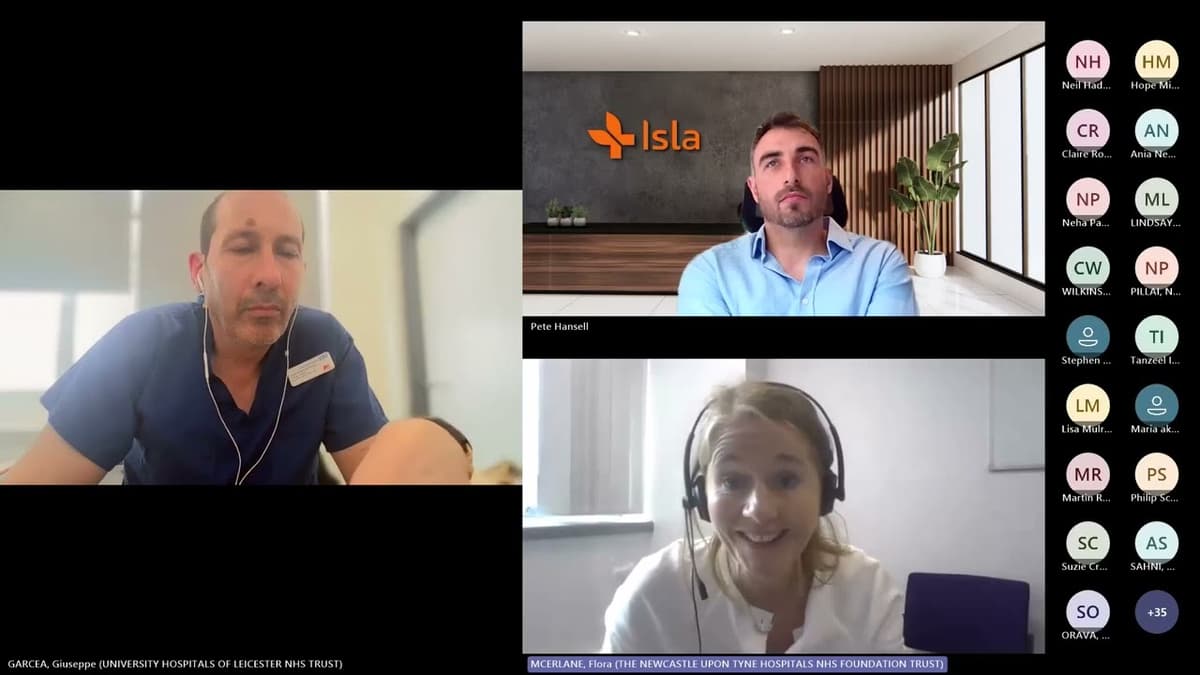
Webinar: Scaling Excellence Through Digital Pathway Standardisation
The webinar, hosted by Pete Hansel, CEO of Isa, brought together clinicians Professor Jeppi Garcia and Dr. Flora McCURLIN to discuss how digital pathway standardisation can transform NHS service delivery. They framed the conversation around the pressing pressures on...
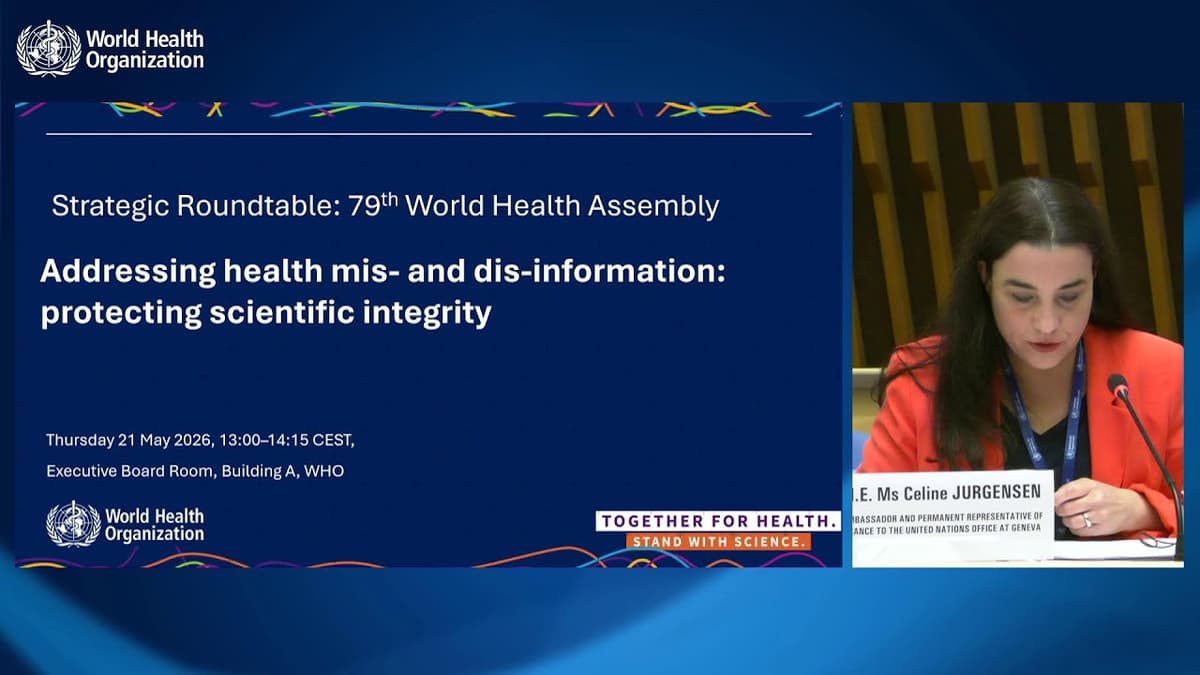
#WHA79 LIVE: Addressing Health Mis- and Dis-Information: Protecting Scientific Integrity
WHO convened a roundtable at WHA79 to tackle health misinformation and disinformation, stressing that false information—intentional or not—undermines trust in science, health systems and public institutions. Speakers highlighted that trust must be treated as a strategic public asset, built continuously...
Essentials: The Science of Learning & Speaking Languages | Dr. Eddie Chang
In this Huberman Lab Essentials episode, neurobiologist Dr. Eddie Chang explains how speech and language are processed by separate neural systems. Speech is the motor act of shaping breath through the larynx and vocal tract, while language encompasses semantics, syntax,...

Strategy& Insider Podcast - Episode 46 with Lara Gervaise and Edoardo Guidice
The Strategy& Insider podcast featured Lara Gervaise and Edoardo Guidice, co‑founders of Vuosis AI, a Swiss EPFL spin‑off that uses voice analysis to flag early signs of fatal diseases, burnout and cognitive decline. Vuosis AI’s platform extracts hundreds of acoustic features—tone,...

Menopause Is Not Something You Need to Suffer Through | Live Well
Dr. Joanne Jung tells Live Well that menopause in Singapore occurs earlier—around age 49—and often presents differently than in Western populations, with joint pain, sleeplessness, fatigue and mood changes more common than hot flashes. She says many women and clinicians...
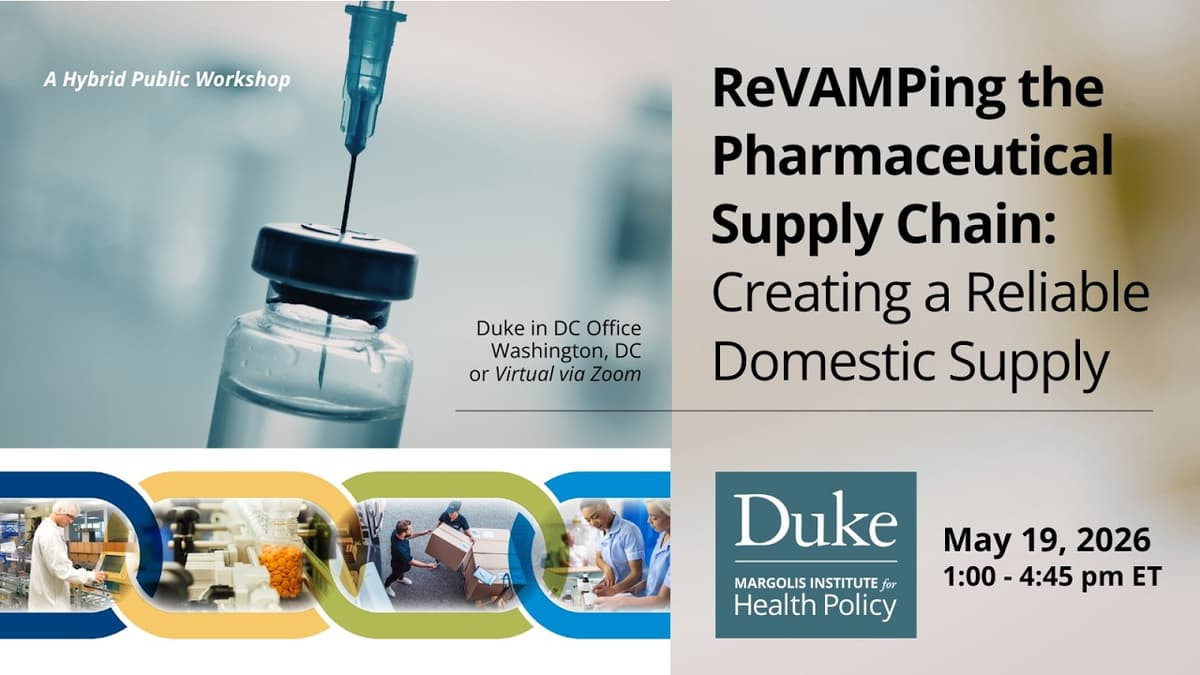
ReVAMPing the Pharmaceutical Supply Chain: Creating a Reliable Domestic Supply
The Revamp Consortium convened leaders from government, industry, and academia to address chronic drug shortages and the broader fragility of the U.S. pharmaceutical supply chain. Speakers highlighted the need to move from a reactive, fire‑drill mindset toward preventive strategies...
Blood Bank Case Interview: Could You Solve This? (Bain Style)
The video walks through a Bain‑style case interview focused on a nonprofit blood bank operating in four states that is experiencing a steady profitability decline. The bank collects blood from schools and offices, processes it centrally, and supplies hospitals, but...
We Don’t Know Where Ebola Is Going — or Where It Began
The Democratic Republic of the Congo is grappling with a fresh Ebola outbreak that, as of May 20, has produced more than 600 suspected infections and at least 139 suspected deaths. The World Health Organization has elevated the crisis to...
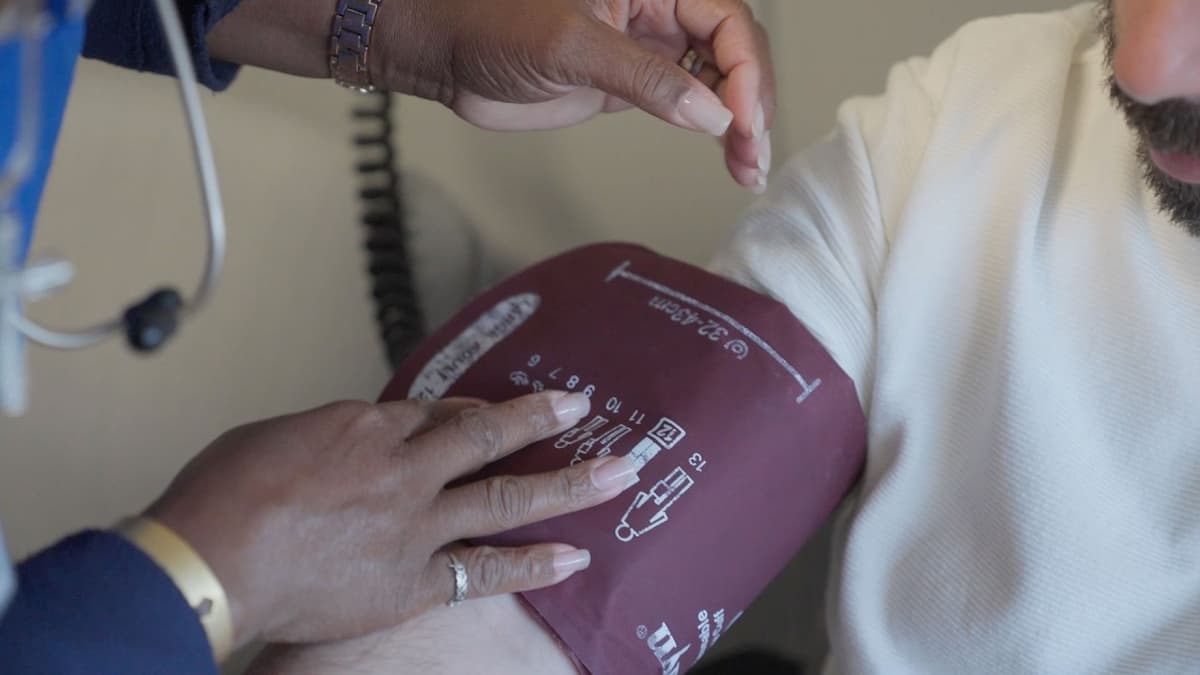
Cardiovascular Risk Factors — Hypertension | NEJM
The video highlights a recent New England Journal of Medicine study examining how traditional risk factors—hypertension, smoking, dyslipidemia, overweight, and diabetes—drive cardiovascular disease (CVD) worldwide. Using data from more than two million participants, the authors translate risk into a lifetime‑risk...

Blum Center Program: Managing Your Medicines with Confidence
Mass General’s Blum Center presented a practical primer on managing medications, urging patients to keep an up-to-date, written or electronic list of prescriptions, over‑the‑counter drugs and supplements and to share it with family and clinicians. Speakers recommended regularly reviewing the...
Supporting Successful Medical Care - Caregiver-Guided Strategies for Patients with Disabilities
Mass General’s Blum Center hosted a session led by psychologist Dr. Jill Peneda and nurse and parent advocate Michelle Picard on caregiver-guided strategies to improve medical care for people with autism and other developmental disabilities. The presenters combined clinical evidence...

Blum Center Program: Communicating Effectively
The Blum Center session, part of an Alzheimer’s caregiver education series, explains how dementia impairs communication—causing word-finding problems, repetition, reverting to native language, and increased nonverbal expression—and stresses that these changes are disease-driven, not personal. Presenter Nila Agarwal outlines a...
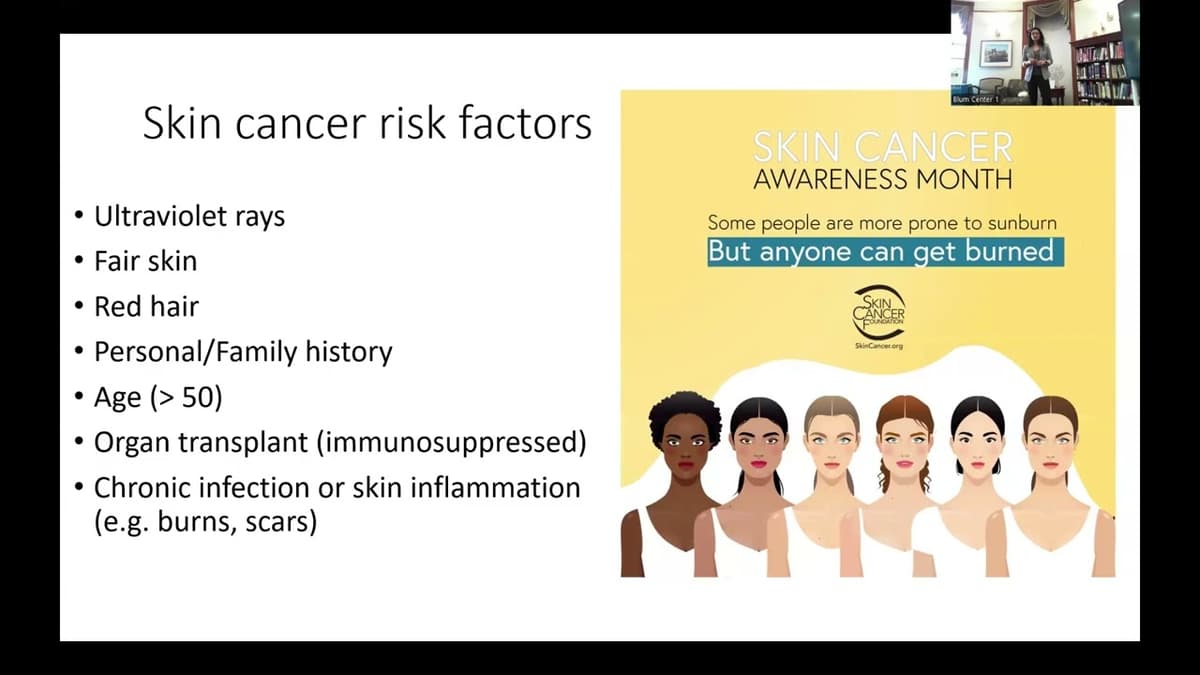
Blum Center Program: Sun Safety and Skin Cancer
The Blum Center hosted a skin‑cancer awareness session led by Dr. Shinja Doss, a board‑certified dermatologist, to educate patients on sun safety, risk factors, detection methods, and self‑monitoring techniques. Dr. Doss highlighted that skin cancers account for more diagnoses than...
Lecture 1.6.11: Probability Tests in Action, Course Summary
The final lecture ties together the entire probability‑testing series, reviewing Z‑tests, T‑tests, and chi‑square analyses as practical tools for real‑world data problems. It emphasizes when each test is appropriate—large samples with known population variance for Z, small or unknown variance...
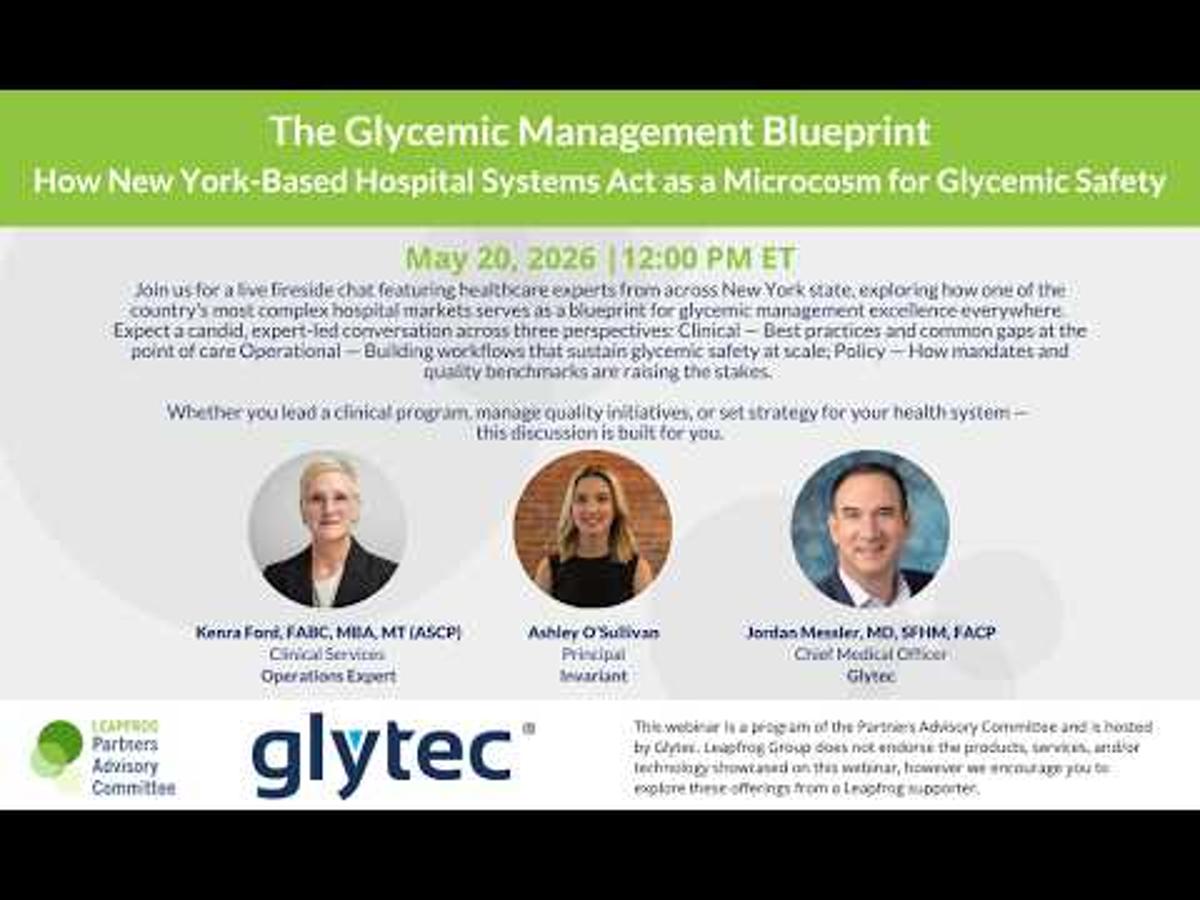
Glycemic Management Blueprint: How NY-Based Hospital Systems Act as a Microcosm for Glycemic Safety
The webinar framed New York hospital systems as a microcosm for the nation’s evolving glycemic safety agenda. Speakers highlighted the federal push—CMS’s upcoming mandatory ECQMs for severe hypoglycemia beginning FY2026, with reimbursement penalties slated for FY2028—and the parallel requirements from...

How to Save the Levers of Life
Speakers warned of a rising ACL injury epidemic—overall incidence up 26% since 2007, 32% among girls and an 80% jump in sports like lacrosse and volleyball—driven largely by training deficits and poor landing mechanics. Decades of research show neuromuscular training...
Grey Matters Launches US Brain PET Clinics for Alzheimer’s Diagnostics
Grey Matters Health announced the opening of its first U.S. brain PET imaging clinics, branded NovaScan, to provide amyloid plaque detection for Alzheimer’s diagnosis. The company highlighted a letter of intent with Catalyst MedTech for at least 200 scans at...
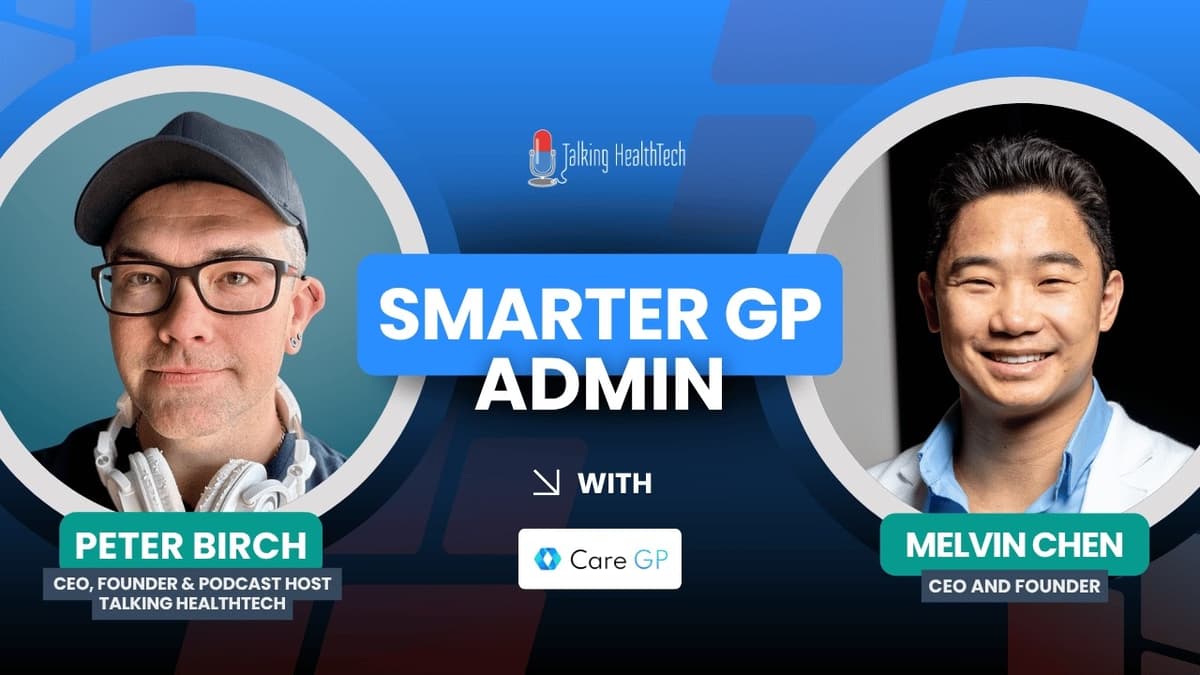
609 - Automating Primary Care Admin with Care GP: AI Solutions for Australian Clinics
The Talking Health Tech podcast featured Melvin Chen, CEO of KG GP, outlining the company’s AI‑driven tools aimed at slashing administrative burdens in Australian primary‑care clinics. The flagship product, Samantha, automatically imports and categorises incoming medical documents—from fax to email—directly into...

Pediatric Mental and Behavioral Health Research Summit 2026
Seattle Children’s Research Institute hosted its second annual Pediatric Mental and Behavioral Health Research Summit, convening more than 300 experts, clinicians and researchers to review the current state of pediatric mental health research and shape future policy. Speakers highlighted practical...

Yale School of Public Health Commencement 2026: Memorable Moments
At the Yale School of Public Health commencement for the Class of 2026, speakers celebrated graduates as resilient, curious and morally driven professionals poised to tackle contemporary public health challenges. Addressing an energized crowd, speakers urged the cohort to choose...

Why Rotavirus Cases Are Surging (And How to Protect Your Baby)
The video explains why some infants experience mild gastrointestinal symptoms after receiving the oral rotavirus vaccine and clarifies that these reactions are not the disease itself. Vaccines work by presenting a weakened version of the virus to the gut‑associated immune system,...
Fiber Kicks Cancer's Butt in New Studies | Educational Video | Biolayne
The video reviews two recent investigations linking dietary fiber to better cancer outcomes. A scoping review of breast‑cancer studies found a consistent signal: higher fiber and fruit‑vegetable intake lowered recurrence risk and boosted survival, even after statistically adjusting for BMI,...
Federal Reserve Bank of St. Louis - Your Fed, Your Voice: Rory Thomas
The Memphis Medical District Collaborative, a nonprofit founded in 2016, coordinates major hospitals, colleges and philanthropic partners across a 400-acre medical district to reverse disinvestment and make the area safer, cleaner and more economically inclusive. Its membership includes St. Jude,...
A Conversation with CMS Leadership: Dr. Mehmet Oz & Stephanie Carlton
The Center for Medicare & Medicaid Services (CMS) held a high‑profile conversation with Dr. Mehmet Oz and Deputy Administrator Stephanie Carlton to unveil a new strategic roadmap. The discussion centered on adopting a startup‑style objectives‑and‑key‑results (OKR) framework, aligning the agency’s...

Red Light Therapy: The Science Behind the Hype
The video examines the surge of red‑light therapy products and asks whether the claims of health benefits are grounded in science. Researchers explain that specific wavelengths—typically 670‑1000 nm—penetrate tissue to energize mitochondria, alter gene expression, and potentially protect cells from damage. Evidence...
The Hidden First Step in Healthcare Ransomware Attacks Revealed | 2 Minute Drill with Drex DeFord
The video spotlights the often‑overlooked first stage of ransomware attacks – the sale of initial network access by specialized “initial access brokers.” Drex uses the case of Alexei Volkov, a 26‑year‑old from Florida who operated under the alias “Chewbacca,” to...

How Physicians Are Using AI to Improve Care and Coding with Navina
The video features an interview with health‑IT leaders discussing how Navina’s artificial‑intelligence platform is reshaping clinical workflows and coding accuracy. Participants—Dr. Keith Fernandez of Privia Health, Dr. Jared Dodge of CVFP, and Dr. Bhavna Arora of Summit Medical Group—describe the...
The Stage | Markus Baumann, Chief Corporate Strategy Officer, CMR Surgical
Markus Baumann, Chief Corporate Strategy Officer at CMR Surgical, outlines the company’s rapid ascent in the surgical‑robotics sector. CMR, a British scale‑up, now sits second worldwide in soft‑tissue robotic systems, driven by its Versius platform—a portable, modular, ergonomically designed alternative...

The Lizard that Helped Create Ozempic #science #ozempic #podcast
Researchers tracing how certain reptiles survive long fasting periods discovered hormones in the Gila monster that inspired GLP-1–based drugs such as Ozempic and Mounjaro. The conversation highlights how basic biological research on these lizards led to first-in-class therapies for weight...

The OpenEvidence Episode: Dr. Travis Zack on the Future of Clinical Evidence
In this episode of AI Grand Rounds, host Rajan Ry and co‑host Andy Beam sit down with Dr. Travis Zack, Chief Medical Officer of OpenEvidence, to unpack the company’s AI‑driven approach to clinical evidence retrieval. The conversation traces OpenEvidence’s mission...

Wes Streeting Warns Reform Would "Dismantle" The NHS in Resignation Speech
Wes Streeting used his resignation speech in the Commons to celebrate Labour’s health‑care record while warning that a Reform‑led government would dismantle the NHS’s core values. He highlighted concrete achievements – a 110,000‑patient reduction in waiting lists, faster ambulance response...

Should I Be Freaked Out by the Hantavirus?
The Oxford Sparks podcast tackled the recent Andes hantavirus outbreak aboard a cruise ship, featuring senior researcher Daniel Wright from Oxford’s vaccine group. Wright explained that hantaviruses are a family of rodent‑borne pathogens, with the Andes strain capable of occasional...
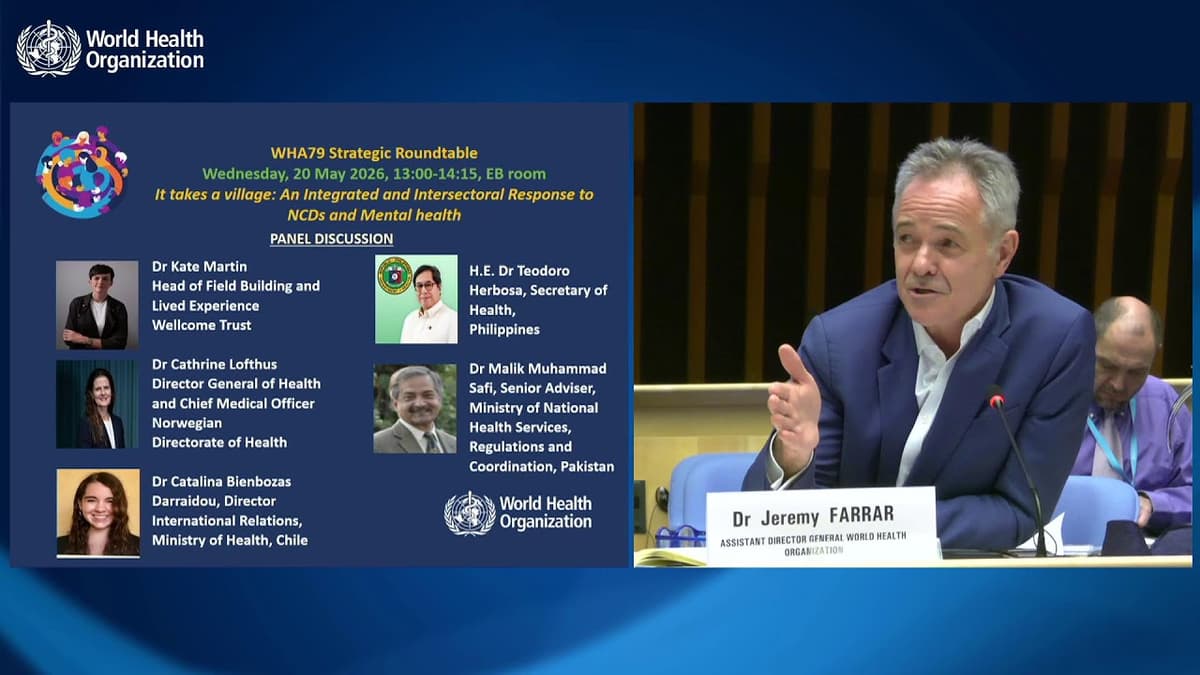
#WHA79: LIVE It Takes a Village: An Integrated and Intersectoral Response to NCDs & Mental Health
WHO Director-General Dr. Tedros and global health leaders at WHA79 urged faster, integrated action on noncommunicable diseases (NCDs) and mental health, noting these conditions account for 80% of global deaths and seven of the top 10 causes of death. They...

Mumbai Pharma Strike: E-Pharma Companies, Chemists Slam Aggressive Pricing Strategies | WION
India’s chemists and druggists have launched a one‑day, nationwide bandh, shutting roughly 80% of private medical stores to protest the rise of e‑pharmacy platforms and their aggressive discounting tactics. The All India Organization of Chemists and Druggists (AIOCD) alleges that many...

The Vitals | Pioneering Ketamine Treatment for Depression
The Vitals episode brings together Mount Sinai psychiatrists to discuss ketamine’s emergence as a fast‑acting antidepressant and its expanding role in treating depression and PTSD. Dr. Dennis Charney recounts the mid‑1990s Yale experiments that showed a single sub‑anesthetic ketamine infusion lifted...
Patient Empowerment 4.0 - The Medical Futurist
The video outlines four waves of patient empowerment that are reshaping healthcare: access to general information via search engines, access to medical literature, patient-generated measurements from wearables and at‑home diagnostics, and access to clinical reasoning enabled by generative AI. Together...

Healthcare Is Buying Its Way Into IAM, And It's Not Working
The video highlights a growing crisis in healthcare: organizations are scrambling to address identity and access management (IAM) as credential‑based attacks become the dominant threat vector. Rather than a back‑door breach, attackers now walk through the front door using stolen...

The Front Door Is Wide Open: Healthcare's IAM Wake Up Call | Executive Interview with Mark Ferrari
The interview with Mark Ferrari, Vice President of Advisory Services at Fortified Health Security, spotlights a critical wake‑up call for healthcare cybersecurity. Ferrari emphasizes that identity and access management (IAM) has become the top threat vector, with attackers exploiting compromised...

Clean Lubricant
A clinician advises choosing a “clean” lubricant formulated without parabens, fragrances, aspartame or other harsh chemicals because the vaginal mucosa is highly absorbent and vulnerable to disruption. Consumers should prefer pH-balanced products that avoid oils and compounds like propylene glycol,...

Should You Be Able to Buy a Kidney (and for How Much )? | FT #shorts
An expert argues the U.S. should create a regulated market to compensate living kidney donors to address a major transplant shortage. They say ethical and legal safeguards could prevent exploitation while greatly increasing donor supply and saving thousands of lives....

Heavy Lifting for Bone Density (LIFTMOR Trial)
The LIFTMOR trial found that women in their 60s and 70s who performed heavy resistance training saw clinically meaningful increases in bone mineral density—about 4% at the lumbar spine and 2% at the hip—compared with controls. Researchers contrast this with...

Trump Says Ballroom to Include Military Hospital, Research Site
In remarks describing features of his property, Donald Trump said the ballroom will serve as a protective "shield" for on-site military facilities, including a hospital, research spaces and meeting rooms, and touted a roof with 360-degree views and drone-resistant capabilities...