
FDB Launches MedProof MCP to Ground AI Agents in Clinical Drug Knowledge
First Databank (FDB) has released MedProof MCP, the first Model Context Protocol server designed to embed AI agents with its clinical‑grade drug database. The open‑source MCP standard lets large language models query trusted medication intelligence in real time, cutting integration effort and eliminating hallucinated drug interactions. Early adopter Artera is deploying the server across major EHRs such as Epic, Cerner and MEDITECH. FDB’s roadmap includes a Script Agent that will translate spoken clinical conversations into structured prescriptions.
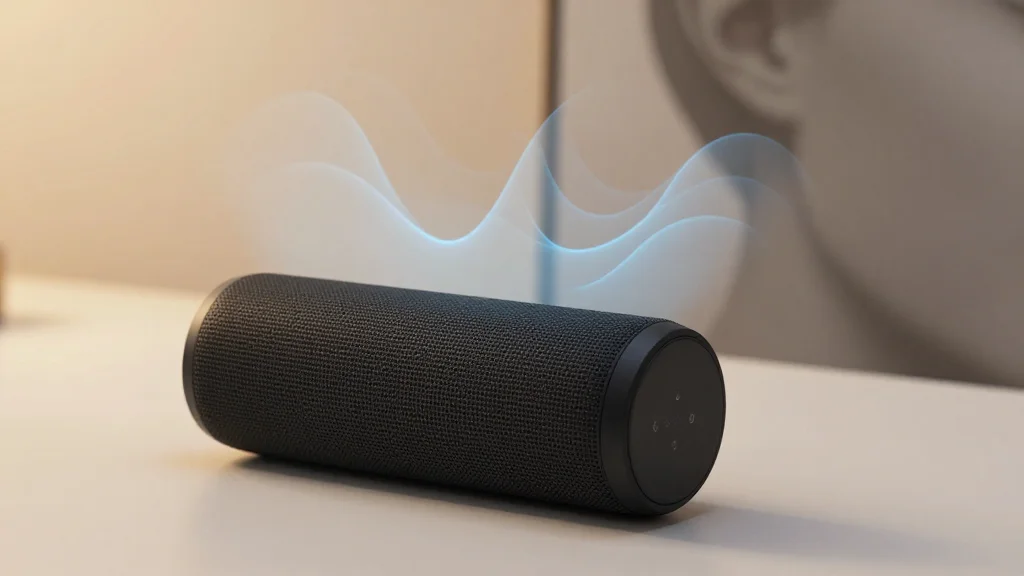
AI‑Powered White‑Noise App Turns Tinnitus Research Into Relief
my husband @mistermorrill took all the published research on tinnitus sound therapy, gave it to Claude Code, and they made a white noise app we play on our Sonos move ♥️

Capsule Robot Endoscopy Simplifies Exams, Reduces Patient Pain
#WhatsNext? This endoscopy in a capsule robot, makes it easier for doctors to fully examine patients. It also makes examinations less painful to patients. (GiGadgets) #Robotics https://t.co/IQr2WTjyj6
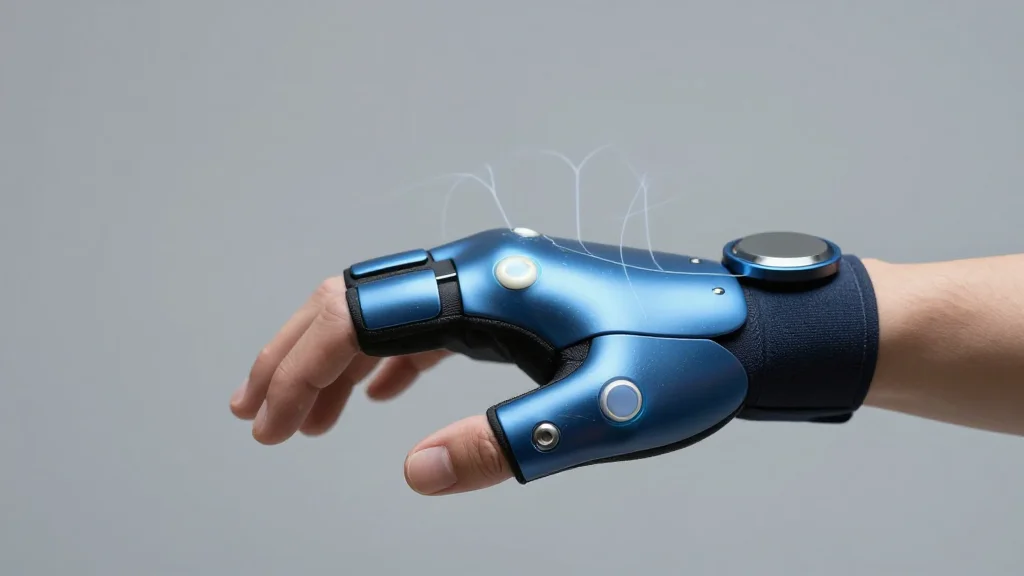
Epia Neuro Unveils Brain Implant to Restore Hand Function in Stroke Survivors
Epia Neuro, a San Francisco‑based startup, announced a brain‑computer interface implant paired with a motorized glove designed to restore hand function in stroke survivors. The device aims to rewire neural pathways and address the two‑thirds of patients who experience lasting...
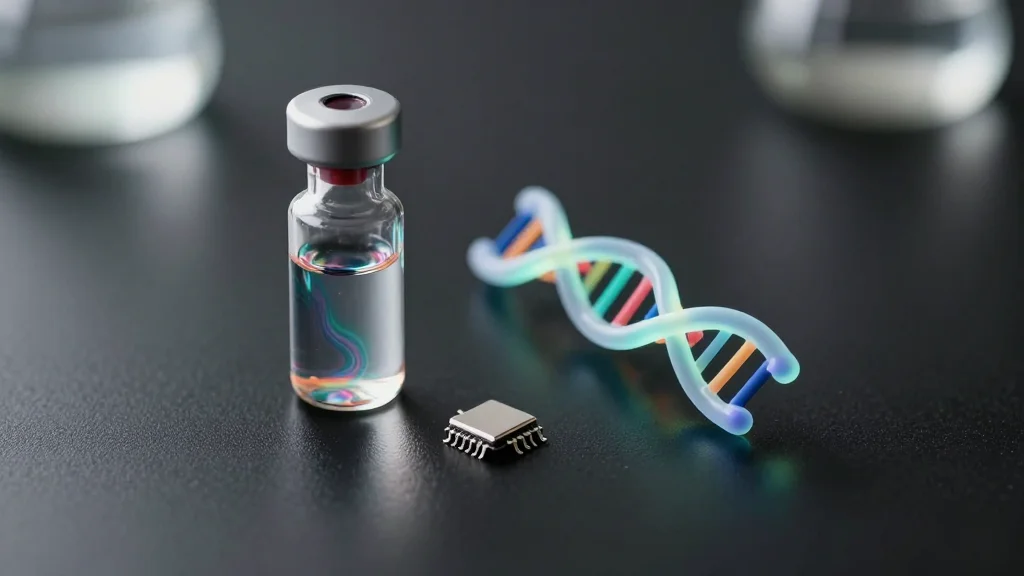
SpectraCell Unveils Baseline Nexus Kit to Merge Longevity and Early Disease Detection
SpectraCell Laboratories introduced Baseline Nexus, a single‑kit bundle that merges micronutrient profiling, lipoprotein particle analysis, telomere length measurement, and MTHFR genotyping. The Houston‑based firm says the package lets biohackers spot hidden health risks before symptoms appear, aiming to shift preventive...
Liviniti Celebrates 15 Years, Claims $100M+ Savings for Over 1M Lives
Liviniti marked its 15th anniversary by announcing that its pass‑through pricing model has saved employers hundreds of millions of dollars and now covers over one million U.S. lives. The milestone underscores the firm’s tech‑driven approach to pharmacy benefit management, a...

Blind Runner to Tackle Brighton Marathon Using Smart‑Glasses Guided by Global Volunteers
Blind artist and braille‑creator Clarke Reynolds will attempt the Brighton Marathon using smart glasses that stream his view to a worldwide network of volunteers. The Be My Eyes app will let sighted helpers give live directions, turning a personal challenge into a...
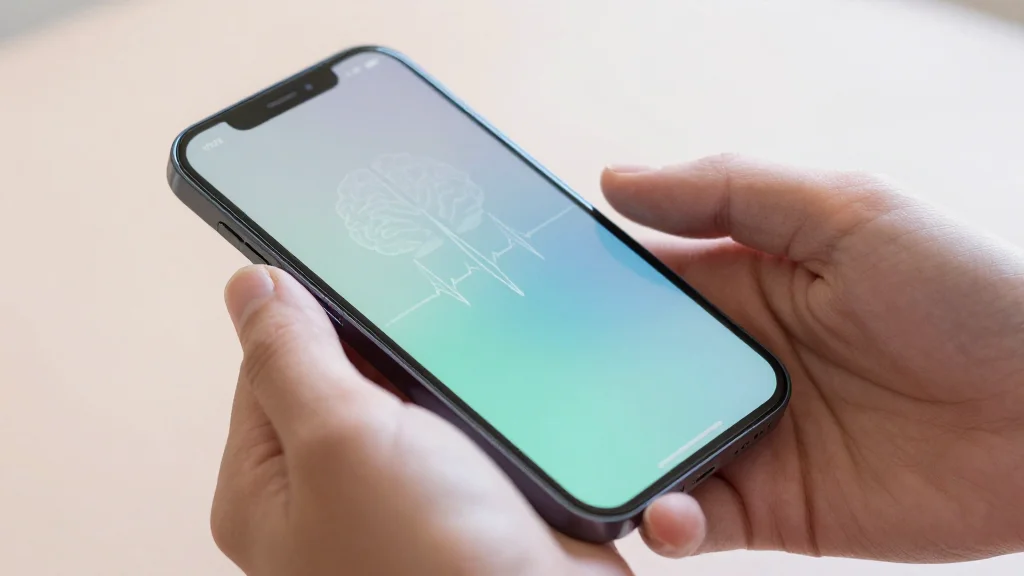
McLean Hospital’s HabitWorks App Shows Promise in Reducing Anxiety and Depression
McLean Hospital’s new HabitWorks smartphone app reduced anxiety and depression symptoms in a randomized trial of 340 adults, with 77% of participants still using it after four weeks. The four‑week program combines mood check‑ins, brief cognitive exercises and a habit...

Vietnam’s New AI Robot Cuts Bone to Millimetre Accuracy While the Surgeon Watches
Tam Anh General Hospital in Ho Chi Minh City has become Vietnam's first site to use the CUVIS‑Joint AI surgical robot, making the country the ninth worldwide to deploy the fully autonomous knee and hip replacement system. Developed by South...

Amazon Teams Up with Berry Street to Expand Access to Nutrition Therapy
Amazon has incorporated nutrition‑therapy platform Berry Street into its Health Benefits Connector, a marketplace that links employees with employer‑covered digital health services. When shoppers look for nutrition products, the connector promotes Berry Street’s virtual dietitian network of about 1,500 clinicians covering weight...

Noninvasive Stimulation “Talks” To the Brain’s Memory Center
Researchers at the University of Iowa have demonstrated that transcranial magnetic stimulation (TMS) can non‑invasively engage the deep hippocampus by targeting cortical regions identified through each patient’s functional connectivity map. In eight neurosurgical patients with intracranial electrodes, personalized TMS elicited...

Impactful Innovations Reshape Learning and Technology at ACC 2026
The American College of Cardiology’s 2026 meeting highlighted AI’s transition from hype to a practical clinical tool, showcasing nearly 200 FDA‑cleared cardiology algorithms and embedding AI into the conference app. Attendees experienced live, mobile CCTA scans with AI‑driven plaque analysis,...

Why People With Chronic Illness Are Turning to AI Chatbots for Health Advice
Patients with complex chronic conditions are increasingly turning to AI chatbots like Claude for diagnostic clues after traditional specialists failed to provide cohesive care. A 70‑year‑old woman from North Carolina used Claude to piece together symptoms, concluding she suffered long...

Boston University to Apply Machine Learning to Alzheimer’s Biomarker and Cognitive Data
Boston University, leading the AI for Alzheimer’s Disease (AI4AD) consortium, is coordinating 11 research institutes to apply machine learning to massive genomic, biomarker and cognitive datasets. The team is building the PreSiBO database, which tags predictor, signature, biomarker and outcome...

What the Leaked Claude Code Codebase Tells Healthcare Builders About Designing Agentic Health Tech
On March 31, 2026 a 59.8 MB source‑map file unintentionally exposed Anthropic’s Claude Code TypeScript codebase, revealing roughly 512,000 lines of production‑grade AI agent logic. The leak showcases a three‑layer skeptical memory system, a coordinator mode for multi‑agent orchestration, the AutoDream consolidation...

Underfunded Data Infrastructure Undermines Public Health Systems
A recent essay adapted from Nonprofit Quarterly warns that chronic underinvestment in information infrastructure is jeopardizing public health and the effectiveness of health‑tech solutions. The piece argues that donors often overlook the shared, reliable data environment that underpins disease surveillance,...
Changemaker Spearheads Ohio's AI Center of Excellence
John Paganini, president of Paguar Informatics and former HIMSS employee, spearheaded the creation of the Northern Ohio HIMSS chapter’s AI Center of Excellence. The new hub now counts 140 members ranging from clinicians to IT leaders. Its mission is to...

Sirolimus DCB in Peripheral Disease Makes Strides in Hard Outcomes: SirPAD
The SirPAD trial showed that a sirolimus‑coated drug‑coated balloon (MagicTouch) significantly lowered major adverse limb events (MALE) to 8.8% versus 15% with uncoated balloons in femoropopliteal and below‑the‑knee peripheral artery disease patients. At one year, the composite of unplanned amputation...

Brain Game May Reduce Risk of Alzheimer’s and Other Dementias
A new study published in February 2026 finds that a specific brain‑training video game cuts dementia risk by roughly 25 % for adults over 65. The game challenges users to identify two separate images—a vehicle and a fleeting Route 66 sign—under increasingly...

KLAS Research Releases 2026 First Look Report on Abridge Ambient AI for Nursing
KLAS Research gave Abridge Ambient AI for Nursing a 94.3/100 score in its 2026 First Look report, based on early data from nine nurses across six health systems. The AI transcribes spoken observations into EHR flowsheets and links each entry...

Q&A: Duke’s Amanda Randles, Ph.D., on the Future of Digital Twin Innovation
Dr. Amanda Randles of Duke University leads the development of HARVEY, a cardiovascular digital‑twin engine that simulates patient‑specific blood flow across the entire vasculature. The platform, originally requiring the world’s largest supercomputer for a single heartbeat, now runs in minutes...
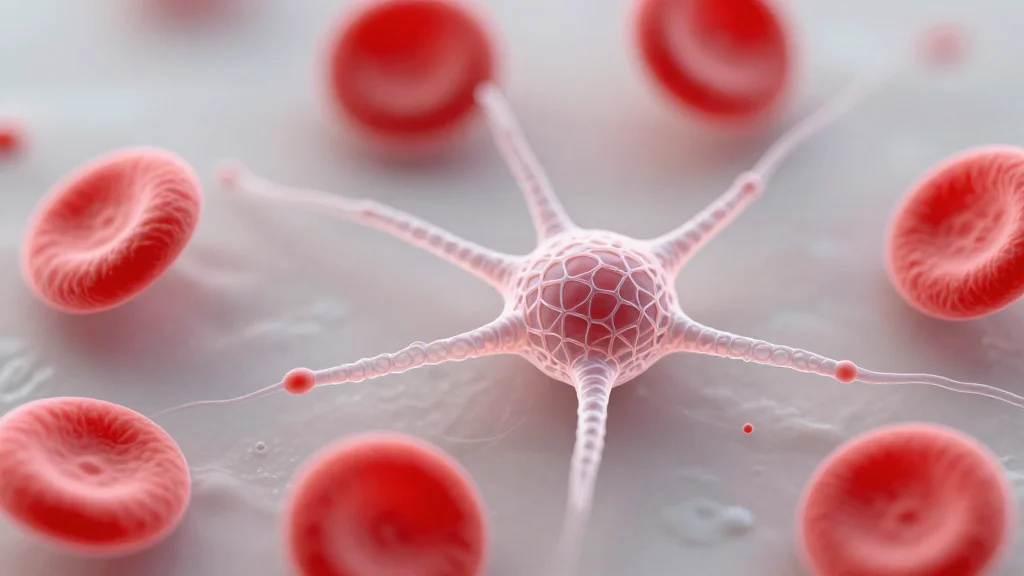
Blood Proteins Can Help Build Conductive Polymers in the Brain
Researchers at Purdue University discovered that iron-containing blood proteins can catalyze the in‑vivo polymerization of n‑doped poly(benzodifurandione) (n‑PBDF), forming conductive polymer meshes around neurons in mice. The method replaces copper salts with naturally abundant hemoglobin and myoglobin, eliminating toxicity concerns...
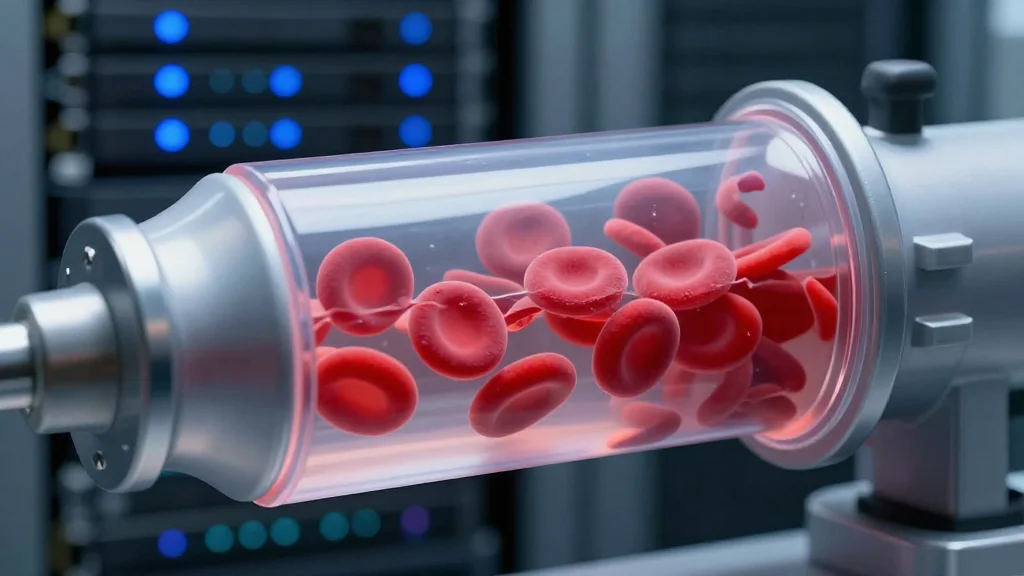
TACC: How Supercomputing Reveals Early Red Blood Cell Damage
Researchers at Penn State used the Texas Advanced Computing Center's Stampede3 supercomputer, funded by NSF ACCESS, to run high‑resolution simulations of red blood cell deformation in mechanical circulatory support devices. By adapting a droplet deformation equation within OpenFOAM, the team...

QT Imaging Releases Next Generation of Breast Imaging Software
QT Imaging Holdings launched version 4.5.0 of its breast imaging software, introducing spatially varying deconvolution that sharpens reflection images. The update fuses speed‑of‑sound data with reflection scans, delivering richer tissue characterization and clearer visualization. It also adds optimized reconstruction for...
Artificial Intelligence and Machine Learning Resource Guide: New From an ASN-Academy Joint Task Force
A joint task force of the American Society for Nutrition and the Academy of Nutrition and Dietetics has published an Artificial Intelligence and Machine Learning Resource Guide in The American Journal of Clinical Nutrition. The guide offers practical recommendations for...

Two Neutral IVUS Trials in Complex PCI—And One Positive—Spark Debate
Three recent randomized trials compared intravascular ultrasound (IVUS) with angiography for guiding complex percutaneous coronary interventions (PCI). Only DKCRUSH VIII, which focused on true bifurcation lesions, demonstrated a 60% relative reduction in 1‑year target‑vessel failure. The European OPTIMAL and IVUS‑CHIP studies,...
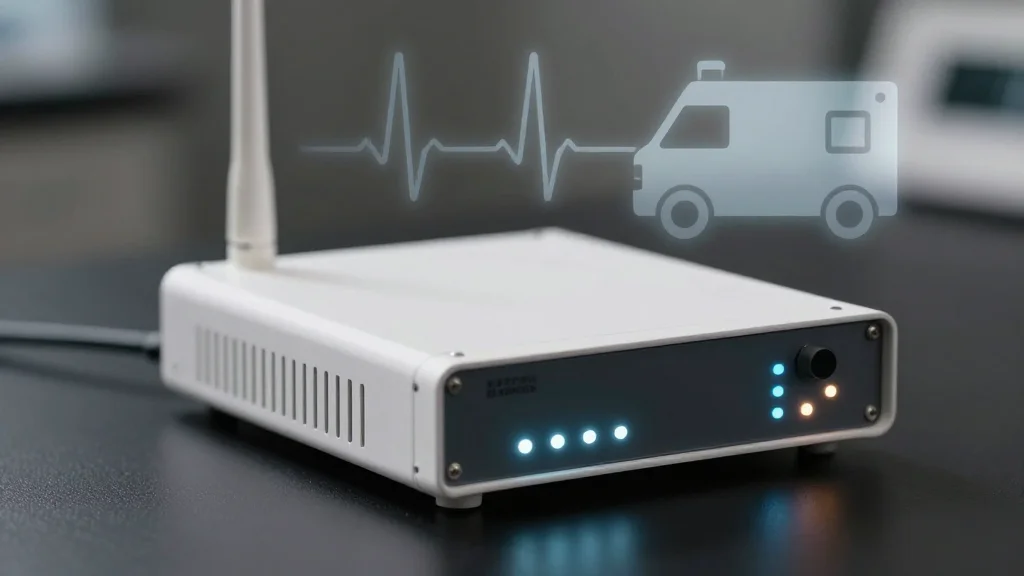
General Device’s User Spotlight: Arizona — Improving Pediatric Patient Care
Phoenix Children’s Hospital upgraded its telecommunications infrastructure with General Device’s CAREpoint ED Workstation to satisfy Arizona Base Hospital certification, enabling advanced life‑support direction for incoming EMS crews. The solution integrates radio voice and video recording, real‑time data monitoring, management reporting,...

Mass General Brigham’s McLean Hospital Debuts HabitWorks App to Tackle Anxiety and Depression
McLean Hospital, part of Mass General Brigham, released the HabitWorks smartphone app that trains users to reinterpret ambiguous situations, a core driver of anxiety and depression. In a randomized trial of 340 adults, 77% of participants remained active after four...

Feds Invest $79 Million in Aspect Biosystems to Develop 3D-Printed Tissue Treatment
Vancouver‑based Aspect Biosystems secured $79 million CAD (≈$58 million USD) from Canada’s Strategic Response Fund for a $280 million CAD (≈$204 million USD) project to scale its 3D‑printed tissue platform. The company will fund the remaining $201 million CAD (≈$147 million USD) and aims to enhance...
AI Scribe Adoption Linked to Modest Reductions in EHR, Documentation Time: Study
A new JAMA study of more than 8,500 clinicians across five academic medical centers found that using AI‑powered scribes shaved 13 minutes off daily EHR use and 16 minutes off documentation time per provider. The efficiency boost translated into a...
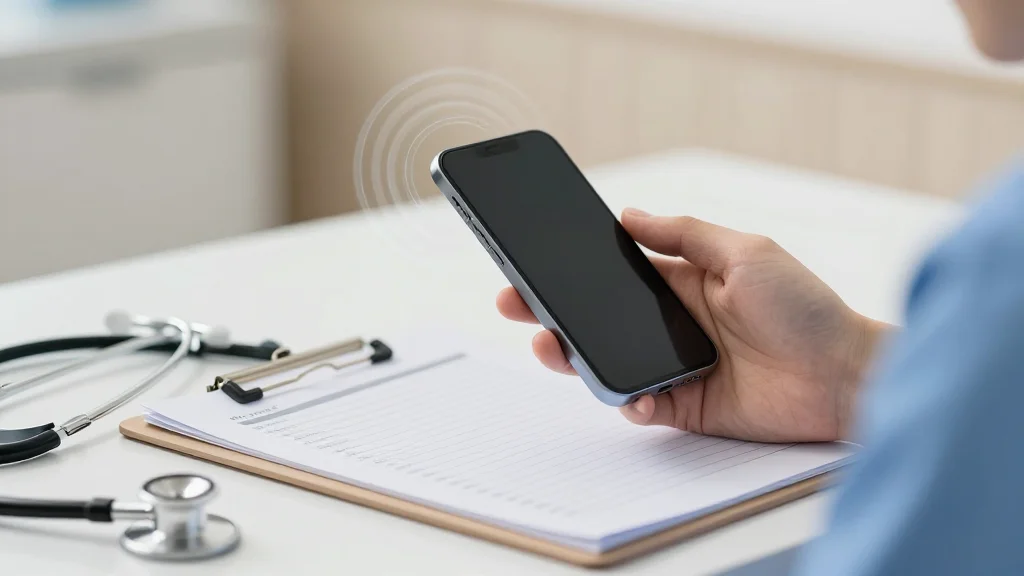
Commure Launches AI-Powered Speech-to-Cursor Dictation Tool for Clinical Workflows
Commure has unveiled Commure Dictation, an AI‑powered speech‑to‑cursor extension that turns the company’s Ambient mobile app into a wireless microphone for clinicians. The tool eliminates the need for costly, dedicated dictation hardware and enables physicians to dictate notes, messages, and referrals...

Navigation 2.0: Smarter, ROI‑Focused Healthcare Guidance
A few years ago, we were all talking about healthcare navigation as the ultimate solution for a broken system. But then the hype cooled. Why? Navigation 1.0 was built on a model that was too human-heavy, too fragmented, and too focused...
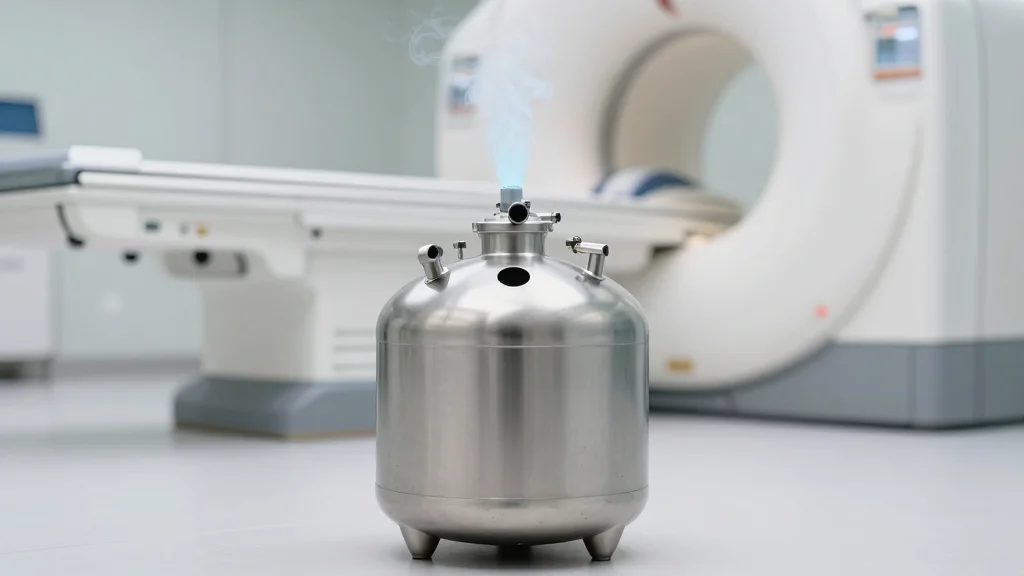
Helium Shortage Threatens MRIs; Helium-Free Tech Crucial
Helium Shortage from Middle East Conflict Puts MRI Scans at Risk Why VoxelGrids’ Helium-Free MRI Backed by @svembu Matters Now https://t.co/2ymOmtgLwQ
AI Tools Simplify Complex Care Data, but Risks Persist
AI-driven platforms are increasingly helping patients decode complex medical records, offering simplified visualizations and personalized insights. However, experts like Leigh Burchell of Altera Digital Health warn that many of these tools lack HIPAA compliance, exposing sensitive health data to breaches....
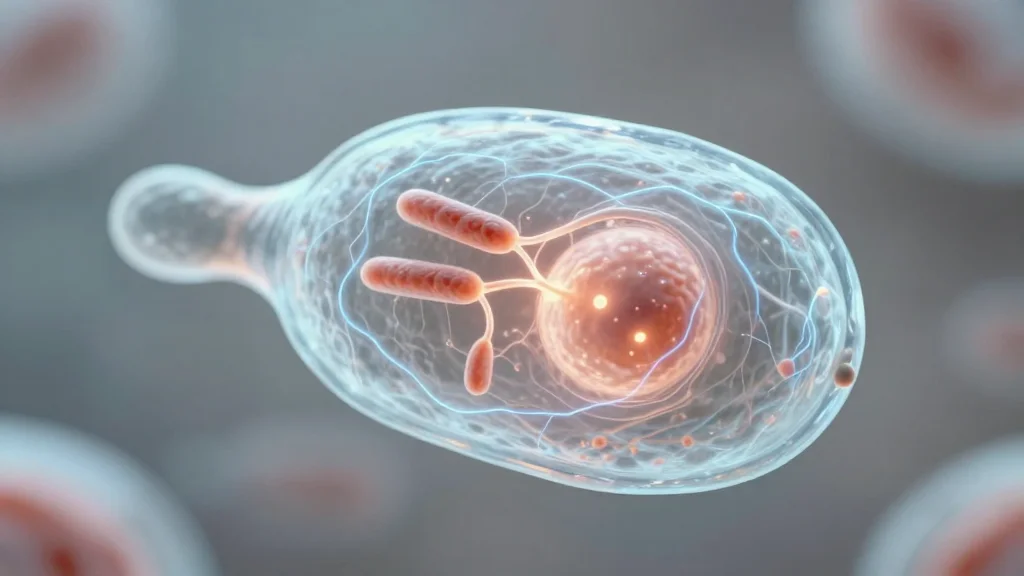
Nanosecond Electric Pulses Rejuvenate Aging Endothelial Cells
Nanosecond pulsed electric field applications rejuvenate aging endothelial cells by rescuing mitochondrial-to-nuclear retrograde communication https://t.co/DT8GXNLlxO

Oracle Health Powers AtlantiCare’s Vision 2030 Connected System
From unified data platforms to AI-enabled workflows, the @OracleHealth team is proud to support @AtlantiCareNJ's VISION 2030 strategy to deliver a fully connected health system. https://t.co/U0He8fVkAk
AI-Powered Cohorting Is Quietly Reshaping How Real-World Evidence Gets Built
AI‑powered cohorting is redefining how real‑world evidence is generated by replacing manual SQL‑driven processes with modular, workflow‑based automation. The new approach decomposes cohort construction into discrete steps—intent interpretation, clinical concept mapping, temporal reasoning, execution, validation, and explanation—each handled by specialized...

Turn IT From Maintenance to Strategic Healthcare Driver
IT teams are stuck in a loop of “keep the lights on.” Optimum Healthcare IT shares how to escape it and elevate IT into a true strategic driver. 🔗 https://t.co/HcmekJNYlg @OptimumHIT #ViVE2026 #HITSM
AI-Enhanced Medical Venture Hits $1B Solo Milestone
Very cool and congrats to @galligator Most interesting thing is as he said himself that it's not an AI/tech biz that is $1B solo It's a medical business that applied AI

How Old Is Your Brain, Exactly? Brain Age May Impact Dementia Risk
Researchers applied a machine‑learning model to sleep‑EEG recordings from more than 7,000 participants, generating a “brain age” index that reflects how fast the brain appears to age. The analysis showed that a brain age ten years older than a person’s...

WHOOP Becomes PSG's Official Health Wearable Through 2029
NEW PARTNERSHIP: @WHOOP x PSG WHOOP is now the Official Health & Fitness Wearable of Paris Saint-Germain through 2029. Players will use Whoop to unlock continuous insights into key physiological metrics helping optimize performance and improve health across a demanding season. https://t.co/bXbryfH74v

CGM Lecture with Helleputte and Jeukendrup Now Available
If you were unable to attend the recent live event with Dr Simon Helleputte and Prof Asker Jeukendrup on CGM, the recording is now available. Access the lecture: https://t.co/8nU0gVswiE https://t.co/HOzJjZt9WK

NUS Unveils Wearable Sensor that Tracks Fatigue and Stress with Clinical-Grade Accuracy
The National University of Singapore announced a wearable sensor that continuously monitors fatigue and stress, achieving 93% peak‑detection accuracy and ISO‑grade signal quality. The device, built on a metahydrogel platform with AI denoising, could give meditation practitioners a reliable physiological...
AI as Second Reader Boosts Breast Screening Accuracy
Impact of using artificial intelligence as a second reader in breast screening including arbitration https://t.co/15eScV9DfT

ChatGPT Guides Dog Cancer Care, Exposing AI Bias Debate
A story around an owner turning to chatbots like ChatGPT to guide the cancer treatment of his dog, Rosie, has stirred a new debate in the AI bio world. It's become a Rorschach test for the field, where prior beliefs on...

GE HealthCare Receives FDA Clearance for True Definition DL CT Image Reconstruction Technology
GE HealthCare has obtained FDA 510(k) clearance for its True Definition DL CT image reconstruction technology. The AI‑driven tool enhances spatial resolution in high‑contrast regions such as lungs, musculoskeletal tissue, and the inner ear, delivering ultra‑high‑resolution images in under one...
Johns Hopkins Uses Digital Heart Twins to Boost VT Ablation Success to 80%
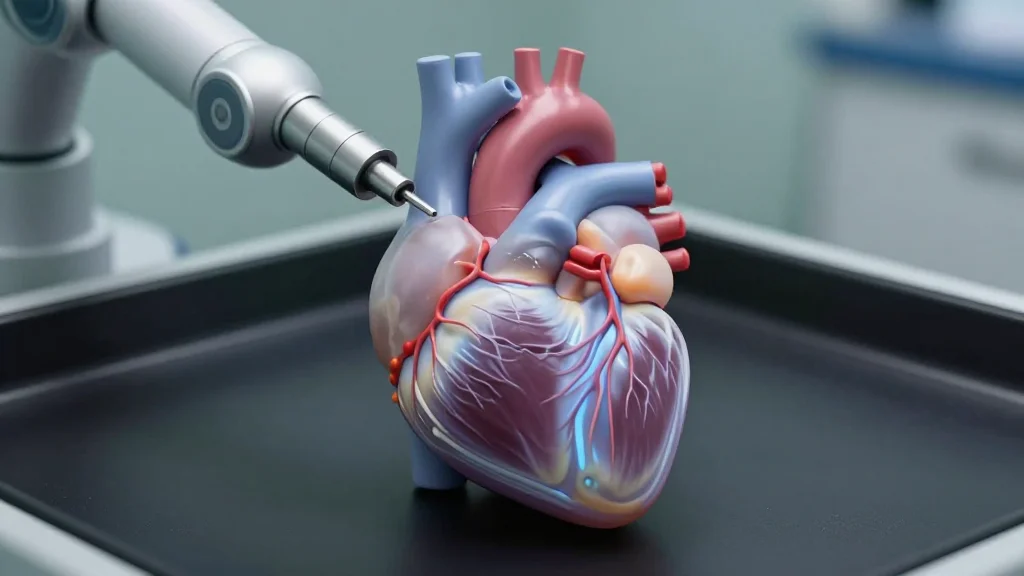
Researchers at Johns Hopkins University employed patient‑specific digital heart‑twin models to guide ventricular tachycardia ablations in ten patients, achieving arrhythmia‑free outcomes in eight and only brief episodes in two – a success rate well above the typical 60%. The FDA‑approved...
Simplify UX to Capture Clinical Data Without Burden
This feels like a massive blind spot in healthcare data strategy. The real opportunity may be creating simple UX that captures signal without adding burdenand integrates it into workflows clinicians actually trust. https://t.co/A4fjKGEPuy
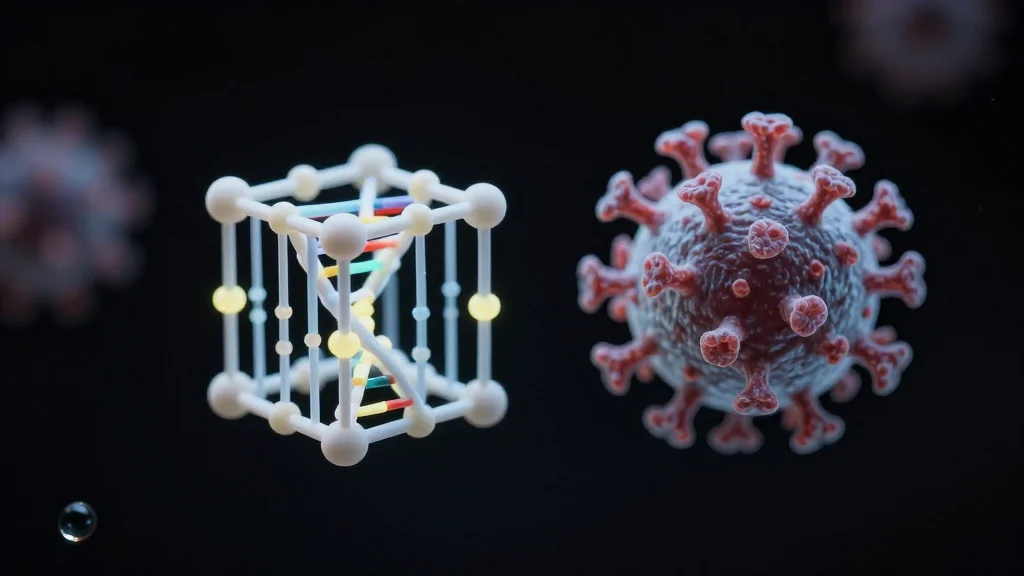
Harbin Institute of Technology Demonstrates DNA Nanorobots that Capture SARS‑CoV‑2
Scientists from the Harbin Institute of Technology have built DNA‑based nanorobots that can locate and bind SARS‑CoV‑2 virus particles in vitro. The machines, only a few dozen nanometers across, use strand‑displacement chemistry to change shape and deliver drugs directly to...

Restor3d Launches Aeros Modular Stem System
restor3d announced the full commercial launch of its Aeros Modular Stem System for total ankle replacement, becoming available in the United States on April 2, 2026. The system, part of the Kinos Total Ankle portfolio, features 3D‑printed porous tibial and...