
Digital Health's New Challenge: Empowering Users without Adding Complexity
At the 2026 HIMSS Global Health Conference, leaders highlighted a growing tension in digital health: rapid innovation can add complexity for clinicians and patients. They showcased Mass General Brigham’s AI‑powered ambient documentation, which after a pilot with 800 clinicians showed measurable reductions in burnout. Adoption success hinged on minimal training, peer‑led super‑user programs, and tools that stay out of the way of existing workflows. Speakers also noted that AI‑driven record summarization promises better decision‑making, but constant product changes can hinder uptake.

HIMSS Survey: 60% of Health Systems Can’t Protect Unmanaged Medical Devices
A new HIMSS‑Elisity survey reveals that 62% of health systems cannot secure unpatchable or agentless IoMT devices, while 56% struggle with basic inventory visibility. The same respondents cite microsegmentation as the preferred defense, yet 40% fear it will disrupt clinical...

Health IT Leaders Must Stay on Top of AI that Delves Into Clinical Workflows
At HIMSS 2026, Medicomp Systems CEO David Lareau warned that health systems are rapidly embedding generative AI into clinical documentation, coding and decision‑support workflows. While large language models promise efficiency, their probabilistic nature can introduce inaccuracies into patient records, jeopardizing...

Brainomix Deploys AI Imaging Platform Across West Virginia University Health System Network
Brainomix has rolled out its AI imaging platform, Brainomix 360 Stroke, to all 25 sites in the West Virginia University Health System. The tool provides real‑time, automated analysis of stroke scans, helping clinicians decide on treatment and transfer. The deployment aims to...

The Circuitous Route of Prescriptions Requires Special Attention
At HIMSS 2026, Buzz Health president Joseph Kleiman highlighted a fundamental shift in the prescription journey, moving from a linear claim flow to a complex, real‑time routing model that incorporates multiple pricing checks and benefit options. Advances in API‑based integrations...

MiniMed Expands Sensor Portfolio in Europe with CE Mark for MiniMed 780G
MiniMed Group, Inc. received CE Mark approval for its MiniMed 780G automated insulin delivery system to be used with Abbott's Instinct continuous glucose monitor, adding a 15‑day wear sensor to the existing 7‑day options (Guardian 4 and Simplera Sync). The Instinct sensor is...
Microsoft: AI Tools Now Handle 50M Health Questions Daily
Microsoft reported that its consumer AI tools, including Bing and Copilot, now field more than 50 million health‑related questions each day. An analysis of over 500,000 anonymized health conversations in January 2026 showed health is the top topic on mobile devices,...

Digital Health Device Evolution: Past Decade, Next Ten Years
A 25-page executive overview of how six major categories of digital health devices evolved, and what their trajectories tell us about the future. If you want to understand the past decade of wearable evolution and the next decade of healthcare innovation,...

HIMSS26: WVU Medicine Expands Abridge Ambient AI Platform Across 25 Hospitals
WVU Medicine announced expansion of Abridge’s ambient AI platform to over 2,800 clinicians across its 25‑hospital network. The rollout, driven by clinician advocacy, aims to alleviate physician burnout in rural West Virginia. Post‑implementation surveys of more than 200 providers reported...

“If We Fix Referrals, We Fix Flow, and Flow Is the Foundation of Sustainable NHS Dentistry.”
The NHS Confederation’s report highlights that fragmented dental referrals are a core barrier to sustainable NHS dentistry. Digital referral optimisation, as demonstrated by NEC Rego, standardises forms, embeds clinical guidance and delivers real‑time data to Integrated Care Systems. Early pilots in...

HIMSS26: CharmHealth Launches CharmCopilot, an Embedded Multi-Agent AI Assistant for EHR Workflows
CharmHealth has introduced CharmCopilot, an embedded multi‑agent AI assistant built directly into its electronic health record platform. The company is offering the core AI capabilities to existing customers at no additional charge, positioning the tool as a cost‑disruptive solution. Its...

HIMSS26: Imprivata Introduces Agentic Identity Management to Secure and Govern AI Agents
Imprivata unveiled Agentic Identity Management at HIMSS26, a platform that secures and governs AI agents used in clinical documentation, prior authorizations, and triage. The solution treats AI agents as managed identities, issuing short‑lived tokens and enforcing least‑privilege access across both...

Alignment with Data Exchange Standards Is a Must for Digital Transformation
At HIMSS26, Sequoia Project’s Didi Davis unveiled the second USCDI v3 data‑usability guide, expanding coverage to all data classes and emphasizing provenance, traceability, and persistent identifiers. The 60‑page guide outlines use cases across provider‑to‑provider, provider‑to‑public‑health, and provider‑to‑consumer exchanges, aiming to curb...
Cera’s 300 Billion Data Points to Accelerate Global Medical Research and Healthcare AI
Cera, Europe’s leading digital‑first home‑healthcare provider, announced it has surpassed 300 billion data points collected from more than 2.5 million patient visits each month. The dataset records symptoms, mobility changes, medication responses, nutrition, mood and behavioural signals, creating one of the world’s...

The Evolution of Shared Care Records: From Documents to Conversations
Shared Care Records (SCRs) have progressed from simple document‑exchange portals to intelligent, conversational platforms that actively assist clinicians and patients. The first generation provided read‑only visibility, while the second introduced structured, longitudinal data enabling real‑time contributions. A third phase turned...

Amazon Brings Health AI to Website, Offers Personalized Care
Will be interesting to see product recommendations on Amazon for those choosing to use Health AI... -> Amazon expands its healthcare AI assistant Health AI to its website and app; the service was previously only available on the app...

Validic Announces Integration with Salesforce Health Cloud to Advance Connected Care and Value-Based Engagement
Validic unveiled a new integration with Salesforce Health Cloud at HIMSS, linking remote patient monitoring and wearable data to the platform's 360-degree patient view. The partnership delivers HIPAA‑compliant, real‑time device data alongside EHR information, enabling health systems, payers, and life‑science...

Eurofins Biomnis Launches New Clinical LC‑MS/MS Method for the Detection of Cereulide Toxin in Stool Samples
Eurofins Biomnis has developed and validated a new LC‑MS/MS method to detect and quantify cereulide toxin in human stool samples. The assay meets ISO 15189 requirements, accounting for matrix effects, and delivers turnaround times suitable for routine clinical labs. Cereulide, linked...

Spinal Stimulation Above and Below Injury Restores Leg Movement and Sensory Feedback in Clinical Trial
Researchers at Brown University, Rhode Island Hospital, and VA Providence demonstrated that simultaneous electrical stimulation above and below a spinal cord lesion can restore both leg movement and spatial sensory feedback in people with complete spinal cord injuries. In a...

The Two AI Strategies That Will Fail
In this brief episode, John discusses how healthcare executives should respond to AI disruption, emphasizing two failing strategies: the aggressive "chainsaw" approach of cutting jobs and the passive "ostrich" approach of ignoring AI. He advocates for leaders to gain hands‑on...

5 Rewired Sessions for Digital Health Innovators Navigating the NHS
Digital Health Rewired returns to the NEC in Birmingham on March 24‑25, 2026, featuring a dedicated Health Innovation Network zone where eight AI‑focused innovators will showcase solutions for cancer, mental health, and missed appointments. The agenda includes the EMAP session...
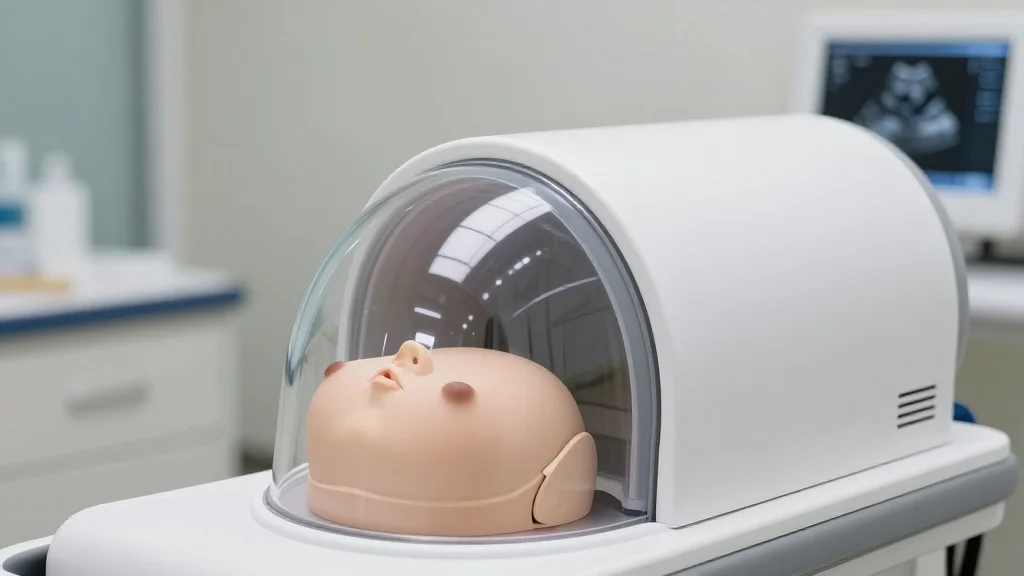
QT Imaging Secures FDA Clearance for Updated Breast Acoustic CT Scanner
QT Imaging has secured FDA 510(k) clearance for an updated Breast Acoustic CT scanner, a 3‑D ultrasound tomographic system designed to improve visualization of posterior breast tissue. The new configuration features a tilted transmitter geometry that expands coverage near the...
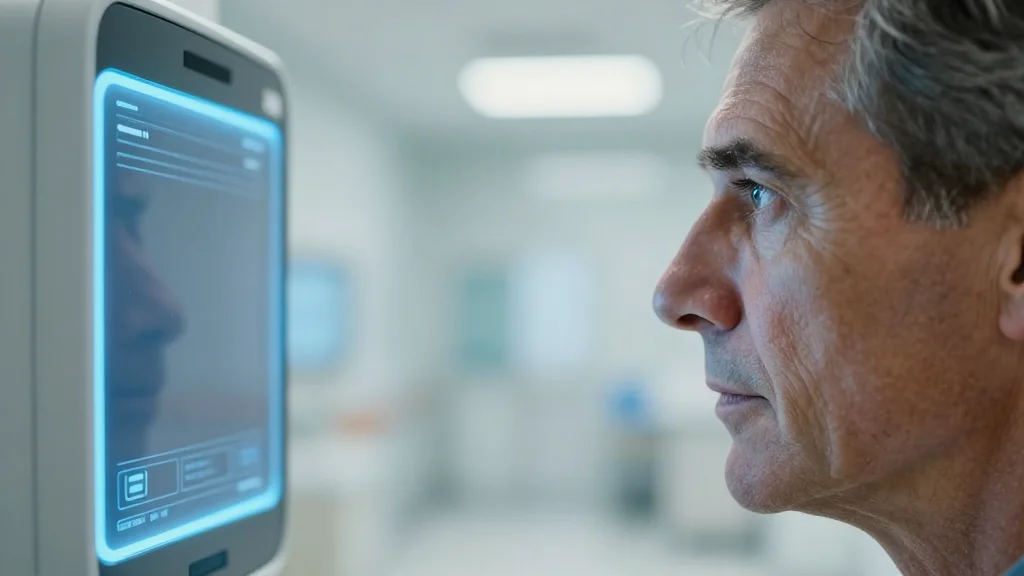
Your Face Is Your Hospital ID Under Mount Sinai's New Clear Scanning Contract
Mount Sinai Health System has signed a system‑wide contract with Clear Secure to deploy facial‑recognition scanners across its seven hospitals and roughly 400 outpatient clinics, serving about five million patient visits annually. The technology, already used in airports and major...

Albanian-Finnish Startup Bliss Raises €232.4k to Build “AI that Understands the Cultural Layer of Mental Health”
Albanian‑Finnish startup Bliss secured €232.4k in angel funding to build culturally intelligent AI for mental health therapy. The capital, led by Keiretsu Forum, Finest Love VC and Plug and Play, will fund the launch of therapist‑trained digital companions and expansion...

Awards to Celebrate Healthcare AI Innovators
Health Tech World Awards 2026 will honor innovators across life sciences, medtech, and digital health, with a dedicated AI Innovation award recognizing breakthroughs that improve diagnosis, treatment, and research. Sponsored by international law firm Osborne Clarke, the award highlights AI applications...
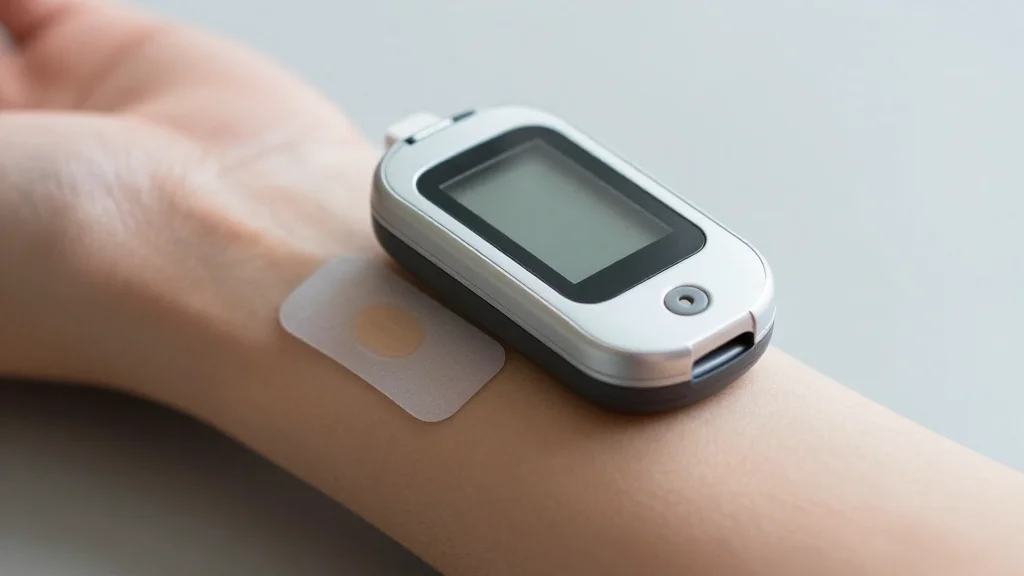
Dexcom Showcases Breakthrough Outcomes for People With Type 2 Diabetes and Product Roadmap at ATTD 2026
DexCom will unveil new real‑world evidence at ATTD 2026 showing its CGM improves HbA1c in non‑insulin‑treated Type 2 patients, reduces DKA‑related hospitalizations in Type 1 patients, and supports a safe Smart Basal insulin‑optimization system. The company also detailed a product roadmap featuring...

Preventative Mental Health Startup Mynd Wants to Change Workplace Support to a Habit
Australian workers rarely use traditional Employee Assistance Programs, with only about 5% engagement. To address this gap, Melbourne founders Ash Horovitz and Dean Rotenberg launched the mental‑wellbeing app mynd, offering 24/7 micro‑sessions and personalized emotional check‑ins. Since its soft launch...

Building Trust for Transformation: Rethinking Innovation in Digital Health
The Newcastle upon Tyne Hospitals NHS Trust partnered with Solventum to co‑design an AI‑enabled Follow‑Up Finder tool that screens radiology reports for venous thromboembolism (VTE). By embedding the solution in the electronic patient record, the system achieved over 99.9% sensitivity...

First NHS Hospitals Roll Out Ambient Voice Tech
University Hospitals of Leicester and University Hospitals of Northamptonshire have become the first NHS organisations to jointly deploy AI‑powered Ambient Voice Technology (AVT). The rollout introduces Accurx Scribe for over 10,000 clinicians, automatically capturing consultations and drafting notes, summaries, and...

Russia to Expand National Genetics Database to Ensure Treatment for Various Ethnic Groups
Russia is expanding its national genetics database by adding data from 80,000 additional individuals, focusing on patients with socially significant diseases. The first phase (2020‑2024) already catalogued over 200,000 genomes from healthy volunteers, creating one of the world’s largest variant...

Robotic Arm Lets Amputee Violinist Play Again
𝗦𝗼𝗺𝗲𝘁𝗶𝗺𝗲𝘀 𝘁𝗲𝗰𝗵𝗻𝗼𝗹𝗼𝗴𝘆 𝗱𝗼𝗲𝘀 𝗺𝗼𝗿𝗲 𝘁𝗵𝗮𝗻 𝗮𝘂𝘁𝗼𝗺𝗮𝘁𝗲 𝘁𝗮𝘀𝗸𝘀. 𝗜𝘁 𝗰𝗮𝗻 𝗮𝗹𝘀𝗼 𝗲𝘅𝘁𝗲𝗻𝗱 𝗵𝘂𝗺𝗮𝗻 𝗮𝗯𝗶𝗹𝗶𝘁𝘆. Manami Ito, a violinist and nurse, lost her arm years ago. Instead of leaving music behind, she learned to play again using a 𝗿𝗼𝗯𝗼𝘁𝗶𝗰 𝗮𝗿𝗺. She turned a difficult moment...

Artificial Intimacy: Prescribing Robots to Combat Loneliness
The Financial Times podcast explores a growing trend of prescribing AI companion robots, such as ElliQ, to alleviate loneliness among seniors and vulnerable groups. Real‑world pilots in New York and other jurisdictions are testing live‑in chatbots that remind users to...

Low-Vision Aids for Macular Degeneration
Age‑related macular degeneration’s late stage, geographic atrophy, severely impairs central vision, making everyday tasks difficult. Dr. Ananth Sastry outlines a range of low‑vision aids—including optical devices, environmental modifications, and electronic tools—to help patients maximize remaining sight. Optical options such as...

Nurses Need a Unified Voice in AI Development
Kaiser Permanente executives Surya Shenoy and Jerri Westphal urge a coordinated effort among nursing associations, academic institutions, and regulators to embed nurses in the design and deployment of clinical AI. They argue that without a unified nursing voice, AI tools...
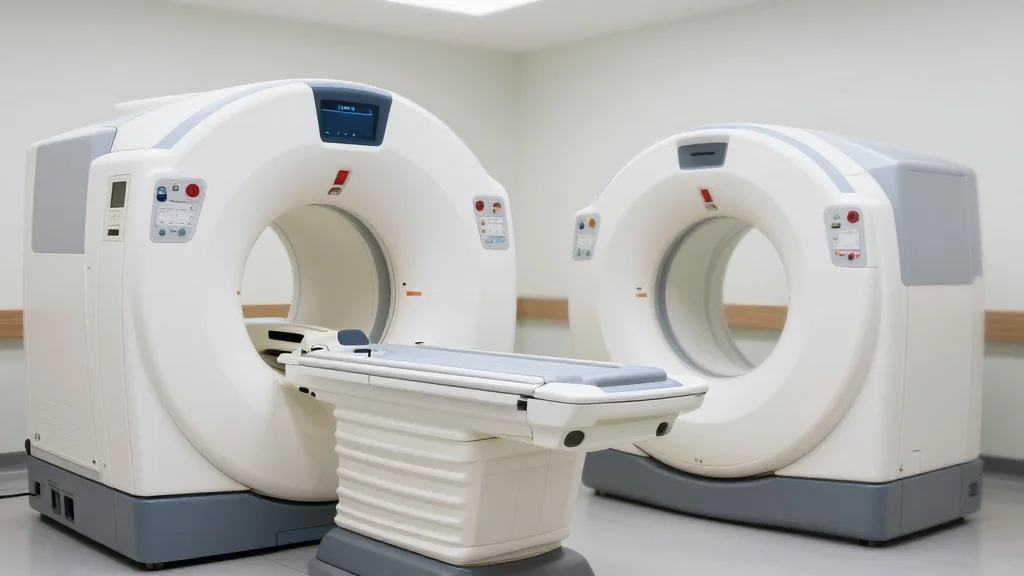
Canada Still Lags Globally on DI: Study
A new Fraser Institute report finds Canada lags dramatically behind other universal‑health‑care nations in both the quantity and age of diagnostic imaging equipment. Canada ranks 27th for MRI machines and 28th for CT scanners per capita, with more than one‑third...
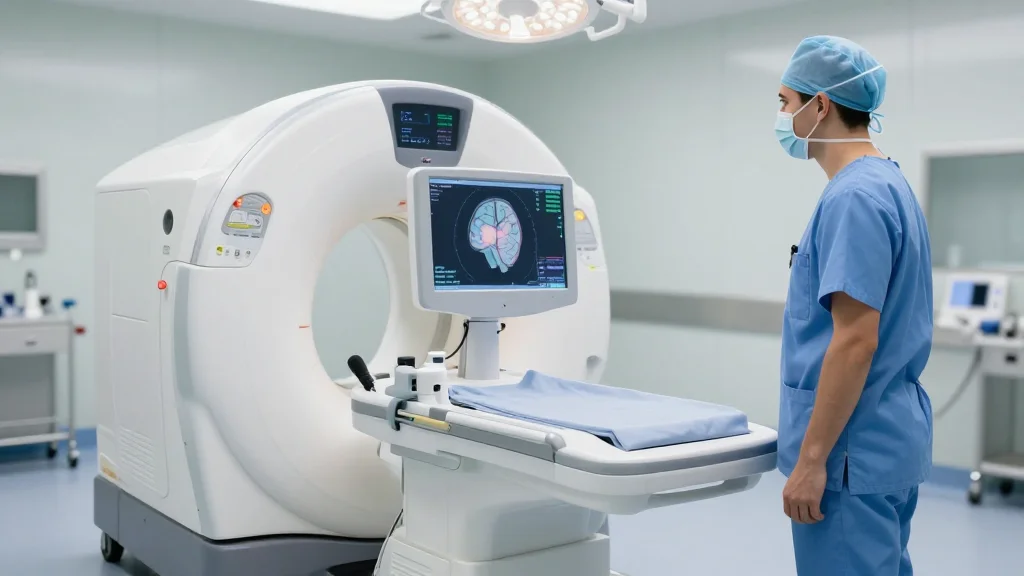
London Team Uses MRI in OR for Quick Feedback
London Health Sciences Centre surgeons performed the world’s first pituitary tumor removal using a Hyperfine Swoop portable MRI. The low‑field 0.064 T scanner was wheeled into the operating room, delivering real‑time images of the gland and surrounding vessels. Immediate intra‑operative feedback...
U of T to Partner with India on Health AI
The University of Toronto and the Indian Institute of Science announced a joint centre of excellence to develop AI‑driven predictive healthcare tools. The partnership, unveiled in Mumbai, is part of a broader Canada‑India Talent and Innovation Strategy and includes a...
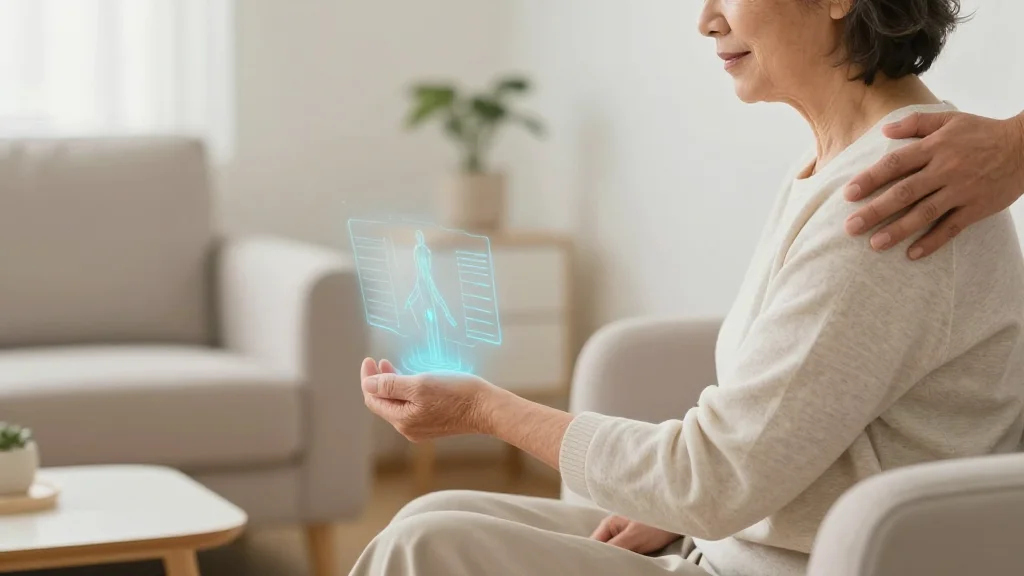
Kindly Supports Those Caring for Aging Loved Ones
Kindly, a Canadian‑founded tech firm, has launched a national care‑navigation platform that blends AI with licensed experts to support families caring for aging loved ones. Backed by TD Innovation Partners, Felix Health and Halo Health, the service is being offered...
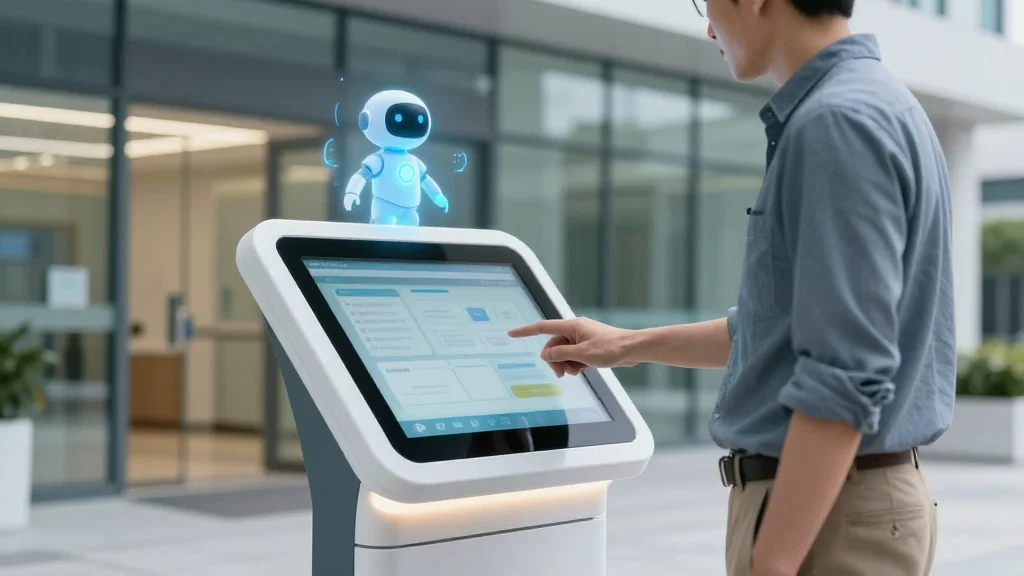
A Roadmap to Connect Every Ontarian to Care
Ontario’s Primary Care Action Team aims to attach every resident to a primary care provider, but OHTs face a digital infrastructure gap. An executive briefing on March 31 will showcase modular, HALO‑aligned solutions that streamline access through single sign‑on, AI navigation,...
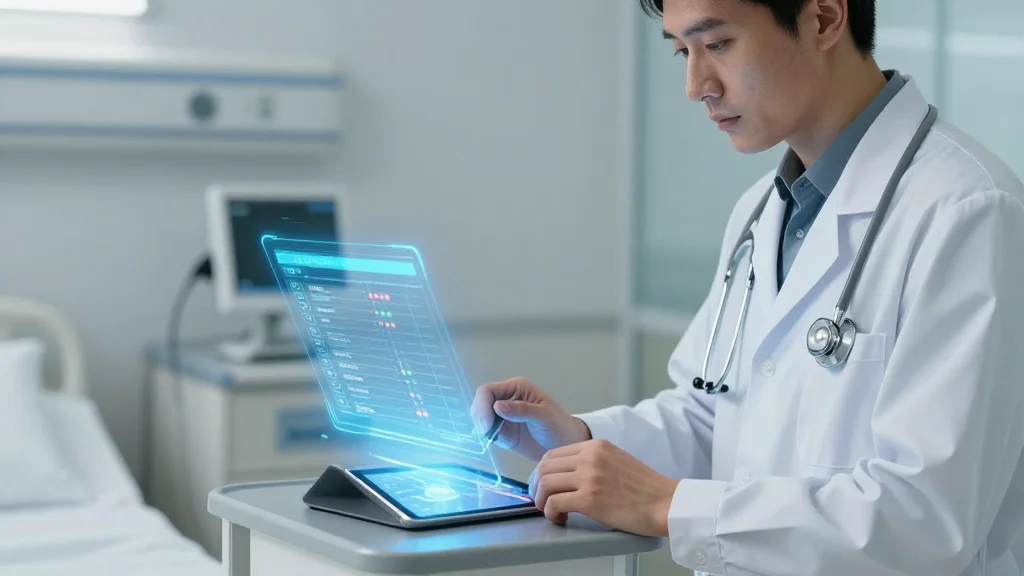
MEDITECH Enhances Ambient Intelligence Solutions
MEDITECH announced at HIMSS26 the expansion of its Expanse AI portfolio with native ambient intelligence integrated into the Expanse Now mobile app for physicians and Expanse Point of Care app for nurses. The solution captures real‑time conversations, automatically generates visit...
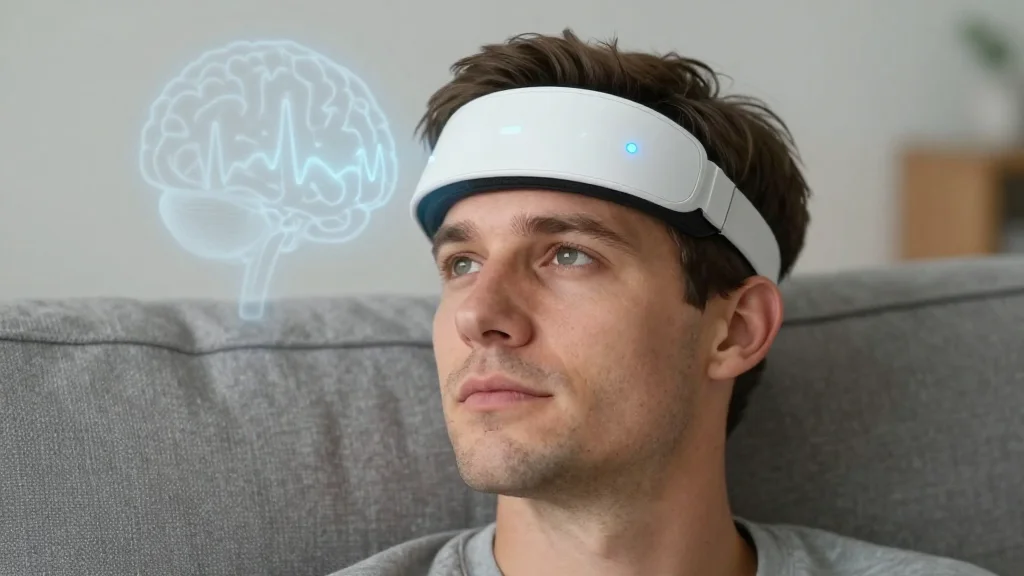
Digital Therapy Attexis Matches Psychotherapy in Reducing Adult ADHD
A randomized controlled trial demonstrates that the digital therapy attexis leads to a clinically significant reduction in ADHD symptoms and improvements in daily functioning for adults, showing comparable effects to face-to-face psychotherapy. digitalhealth

Lab-Grown Teeth Could Replace Traditional Dental Fillings
Lab-grown teeth might become an alternative to dental fillings by @Khulood_Almani #HealthTech #Healthcare #Technology #Innovation #TechForGood https://t.co/S4x8tYCjaq

Scaling Enterprise Federated AI with Flower and Open Cluster Management
The post explains how Flower, an open‑source federated AI framework, pairs with Open Cluster Management (OCM) to deliver a production‑ready, enterprise‑scale solution for privacy‑preserving machine learning. Flower’s SuperLink/SuperNode architecture abstracts networking, letting developers focus on model code, while OCM’s hub‑spoke,...

CTG’s Kochan Says Patient-Centric Workflow Mapping Exposes Gaps Product-Focused IT Teams Can Miss
In this HIMSS‑recorded episode, CTG healthcare solutions architect Christina Kochan, a registered nurse turned informaticist, explains how patient‑centric workflow mapping uncovers gaps that product‑focused IT teams often overlook. She stresses the importance of understanding current clinical processes, performing gap analysis,...

Singapore: Building a Smart, AI-Enabled Future for Healthcare
Singapore is building a next‑generation, AI‑enabled Eastern General Hospital, scheduled to open around 2029. The smart hospital roadmap integrates digital platforms, AI, robotics, wearables, and real‑time location systems to enhance clinical and operational efficiency. Telehealth and generative AI tools aim...
![Understanding the Science Behind Embryo Grading Improves IVF Decision Making [PODCAST]](/cdn-cgi/image/width=1200,quality=75,format=auto,fit=cover/https://kevinmd.com/wp-content/uploads/Design-1-scaled.jpg)
Understanding the Science Behind Embryo Grading Improves IVF Decision Making [PODCAST]
In a KevinMD podcast, reproductive endocrinologist Dr. Erica Bove breaks down embryo grading, contrasting day‑three cell counts with day‑five blastocyst morphology. She explains how labs assess cell number, fragmentation, trophectoderm and inner cell mass to assign grades such as 8A...

Stryker Medical President Jessica Mathieson’s Advice for Moving up in Medtech
Stryker Medical President Jessica Mathieson emphasized a simple career mantra: talk less, listen more, and seek mentors who can spark ideas. Drawing on 17 years at Stryker, she rose from account manager to president, highlighting the role of mentorship and...

A New Wave of Disrupters Takes on American Health Care
Silicon Valley’s newest wave of health‑tech startups is targeting America’s $5 trillion, fragmented medical system. Patients increasingly skip or delay care because of cost, with roughly one‑third reporting financial barriers. These disrupters are leveraging artificial intelligence to streamline diagnosis, pricing transparency,...
FDA Advisor Touts Approach Tailoring Regulation To Specific AI Use
The FDA’s artificial‑intelligence advisor announced a shift toward evaluating AI‑driven health technologies on a case‑by‑case basis, focusing on each tool’s specific function rather than applying a one‑size‑fits‑all rule set. This risk‑based approach will tailor regulatory requirements to the actual clinical...

Standardized Reporting Templates Reduce Residents' On-Call Turnaround Times
A recent study in Emergency Radiology shows that standardized reporting templates significantly speed up on‑call radiology residents’ preliminary interpretations of after‑hours spinal MRIs. Average turnaround time fell from 54 to 47 minutes, and the incidence of delays exceeding 75 minutes...